

Note: This article contains affiliate links. If you click on these links and make a purchase, I may earn a small commission at no extra cost to you. This helps support my research and content. Read my full affiliate disclosure here.
Growing potatoes in containers, raised beds, or a small patch starts with the right soil. The wrong mix stays waterlogged, compacts around tubers, or lacks available nutrients at critical growth stages. With the proper soil you get better tuber development, fewer disease problems, and easier harvesting. This guide covers six shortlisted soils for potatoes and explains why they made the list. We evaluated drainage, nutrient retention, disease resistance, and ease of use so you can match a soil to your planting method and climate. Read on for practical guidance to pick a mix that helps your potatoes thrive.
Top Picks at a Glance
| Best Overall The best all-around choice for most situations | Espoma Organic Vegetable & Flower Garden Soil, 1 cu ft |  |
| Best Quality Built to a higher standard if you want something more solid | FoxFarm Ocean Forest Potting Soil, 12 qt |  |
| Best Value The sweet spot between price and what you get | Garden Magic Michigan Peat Organic Potting Top Soil Blend, 40 lb |  |
| Highest Rated A top-rated pick with lots of positive feedback | FoxFarm Happy Frog Potting Soil, Container Garden, 2 cu ft (with 2 Plant Tags) |  |
| Most Popular A crowd favorite that many people choose with confidence | Miracle-Gro Potting Mix, 16 qt. (2-Pack) |  |
| Best Seller A high-volume bestseller chosen again and again | Back to the Roots Organic Expanding Coco Coir Potting Soil Brick (10 lb) |  |
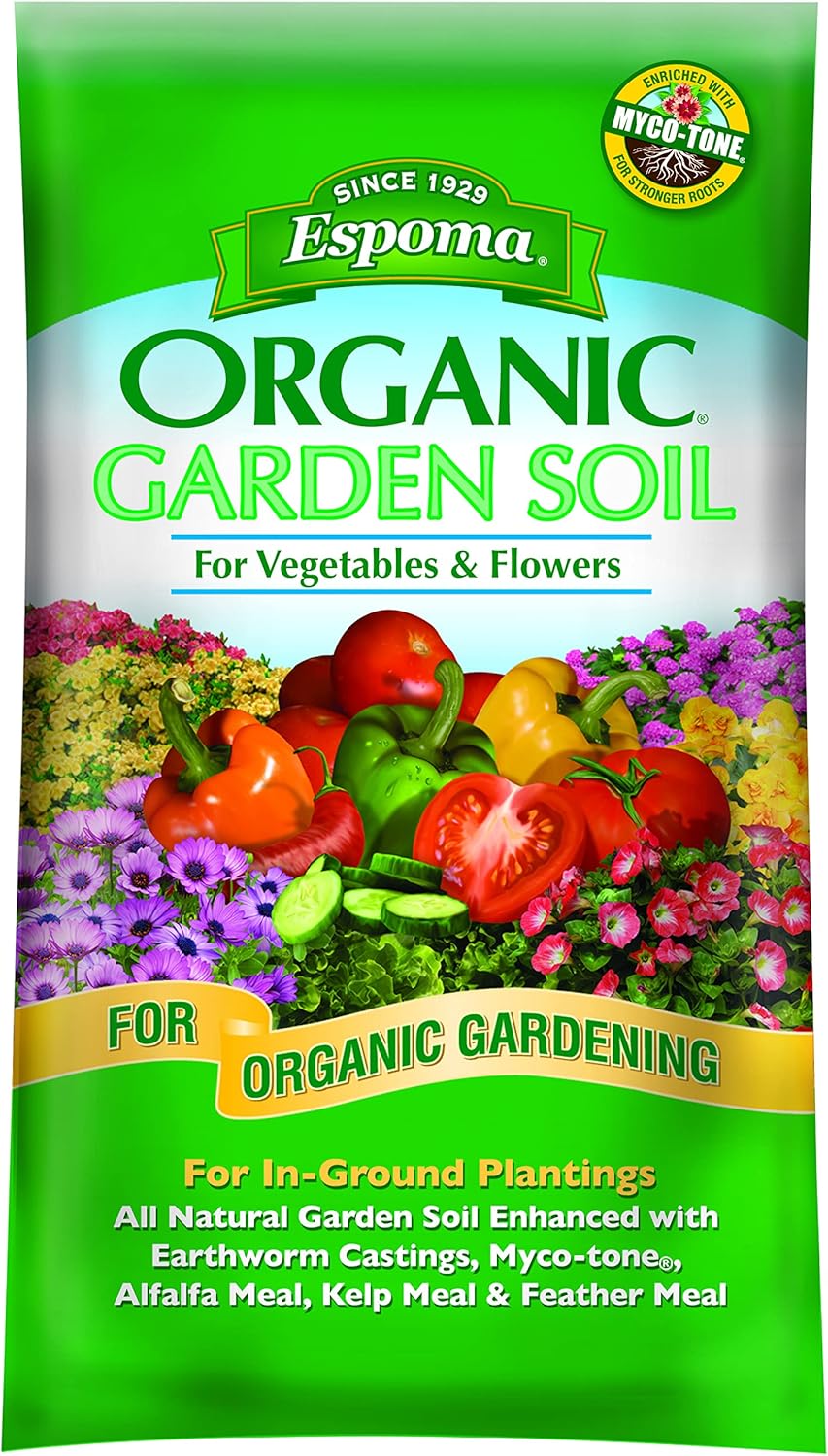
Espoma Organic Vegetable & Flower Garden Soil, 1 cu ft
| Brand | Espoma |
|---|---|
| Volume | 1 cubic feet |
| Ingredients | Peat moss, earthworm castings, alfalfa meal, kelp meal, feather meal, mycorrhizae |
Espoma Organic Vegetable & Flower Garden Soil is a ready-to-use planting mix meant to be blended into native soil when planting or transplanting. It contains peat moss, earthworm castings, alfalfa meal, kelp meal, feather meal and a proprietary mycorrhizae blend, so it adds organic matter, nutrients and beneficial fungi that help root establishment. For potatoes this mix improves drainage and lightens heavy soil while supplying slow-release nutrients to developing tubers when mixed into hill rows or raised beds. The bag is sized for spot additions or small beds and is straightforward to work into garden soil by hand or with a hoe. Limitations are that it is peat-based and supplied in a 1 cubic foot bag, so larger plantings require multiple bags and peat may not suit gardeners seeking peat-free mixes. Also the product is an amendment rather than a complete fertilizer plan, so you may still want to monitor soil fertility and pH for optimal potato yields.
Best for: Gardeners who want an organic, easy-to-use soil amendment to improve planting spots or small raised beds for vegetables like potatoes and prefer mixes that boost root health.
Less Ideal for: Those planting large acreages or commercial potato rows and gardeners who specifically require peat-free or bulk amendments should consider alternative products.
- Formulated with organic ingredients and mycorrhizae to support root health and nutrient uptake
- Improves soil texture and drainage when mixed into native heavy soils
- Contains natural nutrient sources like alfalfa, kelp and feather meal for slow-release feeding
- Ready-to-use 1 cubic foot bag suitable for spot amendments and small raised beds
- Peat-based formula may not be acceptable for gardeners avoiding peat
- 1 cubic foot bag size makes it impractical for large potato plantings without buying many bags
Verdict: A compact, organic planting mix that improves soil texture and supports root development, making it a practical spot-amendment for home potato beds.
FoxFarm Ocean Forest Potting Soil, 12 qt

| Item Form | Granules |
|---|---|
| Specific Uses For Product | Dry Fertilizer |
| Coverage | 4.8 sq ft |
| Mixing Ratio | 1:1 |
FoxFarm Ocean Forest is a ready-to-use potting soil that combines aged forest products, sandy loam and sphagnum peat moss with organic amendments such as fish meal, crab meal and earthworm castings. It is typically used straight from the bag for container planting, seedling starts and top-dressing; the mix is designed to be light and aerated for good drainage and root oxygenation while retaining moisture for young plants. Notable features include a pH-adjusted formula for nutrient uptake, built-in slow-release fertility that reduces the need for additional nitrogen for about the first month, and a 1:1 mixing recommendation when blending with other soils. In practice this makes planting quick and gives seedlings a nutrient-rich environment that encourages vigorous early growth. For potatoes grown in containers or raised beds, the soil’s aeration and fertility help tuber initiation, but gardeners who grow heavy-feeding potato varieties long-term may need to supplement fertility later in the season. Handle with gloves and store dry to avoid salt buildup or moisture issues in long-term storage.
Best for: Gardeners who prioritize early, vigorous growth in containers or small raised beds and want a nutrient-rich, well-aerated starting medium for potato starts.
Less Ideal for: Large-scale potato growers or those planting many deep grow bags who need bulk field soil and a long-term fertilization plan.
- Ready to use straight from the bag for fast planting
- Light, aerated texture that promotes drainage and root development
- Contains organic amendments (fish meal, crab meal, earthworm castings) for early-season fertility
- Not a complete long-season fertilizer for heavy-feeding crops without later amendments
- Bagged volume is moderate so multiple bags are needed for larger potato plantings
Verdict: Choose this soil when you want a ready-made, nutrient-rich, well-aerated starting mix that gives potato starts a strong early growth advantage.
Garden Magic Michigan Peat Organic Potting Top Soil Blend, 40 lb

| Item Highlight | Dark Reed Sedge Peat and Sand – Moisture Retaining Mix |
|---|---|
| Volume | 40 liters |
| Included Components | Michigan Peat – 5540 – 40lb |
| Style Name | Garden,Potting,Top Soil |
Garden Magic Michigan Peat Top Soil Blend is a general-purpose, ready-to-use potting and top soil made from dark reed sedge peat mixed with sand. It is typically used for filling holes, topping up raised beds, improving light soils, and as a potting medium for container and in-ground planting. The mix is designed to retain moisture without becoming waterlogged thanks to the sand component, which also helps drainage and prevents compaction around roots. For potato growing it can be used to loosen heavy clay when mixed into beds or as a hilling/top-dress material to improve tuber development and moisture consistency. The product comes in a 40 pound bag and provides a simple, no-prep option for both new and experienced gardeners. Limitations are that this is a basic soil blend without added nutrients or fertilizer, so you may need to amend with compost or balanced fertilizer for long-term fertility, and it will not replace a purpose-formulated potato mix if you need specific pH or fertilization profiles.
Best for: Practical gardeners who want a convenient, no-prep soil to improve bed texture, retain moisture, and simplify seasonal tasks like hilling and top-dressing potatoes.
Less Ideal for: Growers seeking a nutrient-rich, ready-tailored potato mix or those who prefer peat-free, high-organic-content growing media should consider specialized or amended alternatives.
- Ready-to-use straight from the bag for quick planting and top-dressing
- Peat and sand mix balances moisture retention with improved drainage
- Helps loosen heavy or compacted soils when mixed into beds
- Suitable for both indoor containers and outdoor raised beds
- No added fertilizers or specific nutrient profile for heavy feeders like potatoes
- Contains peat which may compact over time and will require organic matter replenishment
Verdict: A convenient, moisture-balancing top soil that speeds bed prep and works well for hilling and top-dressing potatoes when combined with your own nutrient amendments.
FoxFarm Happy Frog Potting Soil, Container Garden, 2 cu ft (with 2 Plant Tags)

| Brand Name | FoxFarm |
|---|---|
| Item Highlight | Ready-to-Use Amended Container Blend with Soil Microbes, Earthworm Castings, Bat Guano, and Aged Forest Products |
| Volume | 2 cubic feet |
| Style Name | Container Garden |
FoxFarm Happy Frog Potting Soil is a premixed container blend designed to feed potted plants without needing immediate fertilizer. It ships ready to use and is amended with earthworm castings, bat guano, composted forest humus, and a proprietary mix of beneficial microbes and mycorrhizal fungi to improve root development and nutrient uptake. Typical use is filling containers for ornamentals, small fruit trees, and larger vegetable pots where soil volume is limited; the included plant tags help track varieties and planting dates. Practical benefits include strong organic nutrition for early root establishment, improved microbial activity that supports sustained feeding, and pH adjustment for better nutrient availability. For reliability-focused gardeners, its premium ingredients reduce the need for frequent corrective feeding and minimize inconsistent results common with cheap bagged soils. Limitations are that it is a potting mix rather than garden loam, so growers seeking to amend in-ground potato beds or those needing specific soil texture control may prefer to blend their own mix or add extra drainage amendments for heavy-feeding crops.
Best for: Gardeners who want a dependable, ready-made potting soil for container-grown potatoes or other tuber crops and prefer a premium organic blend that reduces guesswork about nutrient and microbial content.
Less Ideal for: Growers who plan to prepare in-ground potato beds, need custom soil texture or bulk topsoil, or who prefer to formulate specific fertilizer schedules from scratch.
- Ready-to-use container blend with organic amendments for immediate planting
- Contains beneficial microbes and mycorrhizal fungi to improve root growth and nutrient uptake
- Includes earthworm castings and bat guano for sustained organic fertility
- pH adjusted to help maximize nutrient availability for container-grown plants
- Formulated as a potting mix rather than garden soil, so it may not match needs for in-ground beds
- May require added drainage material or texture adjustments for heavy-feeding, water-sensitive crops
Verdict: Choose this premixed, microbe-rich potting soil when you want a reliable, ready-to-use organic blend that supports strong root development in container-grown potatoes.
Miracle-Gro Potting Mix, 16 qt. (2-Pack)

| Volume | 16 quarts per bag |
|---|---|
| Number of Packs | 2 |
| Feeds Plants | Up to 6 months |
| Intended Use | Outdoor containers |
Miracle-Gro Potting Mix is a premixed container soil designed to make potting and repotting quick and predictable. It combines peat-based material, perlite and compost with a starter fertilizer so gardeners can fill pots, hanging baskets, and large containers and plant right away. Typical use is straightforward: fill a container about one third, place the plant, add mix around the root ball and water until drainage runs clear. For growers it delivers consistent drainage and lighter texture that helps roots breathe, and the built-in nutrients reduce how often you need to fertilize for the first several months. Important limitations for this use case: it is formulated as a container potting mix rather than a heavy in-ground garden soil, so for deep raised beds or direct ground planting of potatoes you will usually want a soil amended for bulk humus and moisture retention. Also the feeding benefit lasts up to six months, after which you should top-dress or replant to avoid nutrient depletion. Overall, it is a convenient, reliable option when you need uniform, fast-draining potting media for outdoor containers and small-scale edible plantings.
Best for: Gardeners who want a reliable, low-effort potting medium for outdoor containers, small raised beds, or starter potatoes in pots and prefer a product with proven results and clear usage guidance.
Less Ideal for: Growers planning to fill large raised beds or plant potatoes directly in ground without further amendment should choose a garden soil blend designed for bulk organic matter and moisture retention.
- Ready-to-use mix with built-in fertilizer that feeds up to six months
- Light, fast-draining texture that helps root aeration in containers
- Consistent, uniform product that simplifies potting and repotting tasks
- Formulated for containers rather than as a replacement for in-ground garden soil
- Nutrient boost is temporary and requires follow-up feeding after about six months
Verdict: Buy this if you want a dependable, ready-to-use potting mix that makes container-grown potatoes and other outdoor potted edibles easy to start and maintain.
Back to the Roots Organic Expanding Coco Coir Potting Soil Brick (10 lb)

| Item Highlight | 10 lb compressed coco coir brick; peat-free; OMRI Listed |
|---|---|
| Item Type Name | Coconut Coir |
| Volume | 2 cubic feet |
| Ingredients | Coconut Coir |
This compressed coco coir brick expands into a light, airy growing medium after you add water and is meant for potting, seed starting, and mixing into garden soil. Typical use is simple: saturate the 10 lb block, let it rehydrate and fluff, then use it alone for containers or blend it into existing soil to improve drainage and aeration. Notable features are that it is 100% coconut coir, OMRI listed for organic use, pH balanced, and touted as peat-free. Practically, it gives excellent water retention while remaining loose enough to help roots breathe, which is helpful for tuber crops that need loose soil to form healthy potatoes. Limitations are that coco coir has minimal nutrient content on its own, so you will need to mix in compost or fertilize for potato fertility, and the brick must be fully rehydrated and fluffed to reach the promised volume. It is convenient to store compared with bulky bags, but planning for amendments and water activation is necessary for best results in heavy-feeding crops.
Best for: Buyers who prioritize a reliable, easy-to-store, peat-free growing medium and plan to amend or fertilize for productive potato beds or containers.
Less Ideal for: Gardeners who want an all-in-one fertilized potting mix or those who prefer ready-to-use, nutrient-rich soils without additional amendments.
- Expands to about 2 cubic feet for compact storage and easy activation
- Peat-free and OMRI listed, suitable for organic gardening
- Light, airy texture improves drainage and aeration when mixed into soil
- pH balanced and versatile for seed starting, containers, or amendments
- Contains no significant nutrients so requires compost or fertilizer for nutrient-hungry plants
- Requires time and water to fully rehydrate and fluff before use
Verdict: A compact, organic coco coir brick that reliably makes loose, well-draining soil ideal for gardeners who will add compost or fertilizer for healthy potato growth.
Choosing the Right Soil for Potatoes: Key Factors to Consider
Soil Texture and Structure
Texture determines how easily tubers can expand and how water moves through the root zone. A loamy, crumbly structure gives potatoes room to form smooth, well-shaped tubers while preventing compaction that can deform or stunt growth.
Very fine, clay-heavy soils hold water and often compact, leading to poor tuber development and higher rot risk. Coarser mixes with a mix of silt, sand, and organic matter strike the best balance for tuber size and ease of harvest.
Drainage and Aeration
Potatoes need soil that drains freely after rain or watering but still holds enough moisture between irrigations. Good drainage prevents standing water around eyes and tubers, which reduces the chance of rot and disease.
Aeration matters because roots and tubers need oxygen. Blends that include coarse components such as sharp sand, perlite, or aged compost provide channels for air and water. For containers and raised beds, ensure the mix remains light over time and does not settle into a dense mass.
Nutrient Holding Capacity
Tuber bulking is nutrient intensive, so the soil must store and slowly release nitrogen, phosphorus, and potassium during the critical growth period. Organic matter and colloidal components in the mix increase cation exchange capacity and buffer nutrient availability.
Too little nutrient holding means you will need frequent feeding, while overly rich, high-nitrogen blends promote excess foliage at the expense of tubers. Look for soils that supply balanced fertility or accept a predictable supplemental feed schedule.
Soil pH and Chemical Balance
Potatoes prefer a slightly acidic to neutral pH range that discourages scab and supports nutrient uptake. Soil mixes formulated with a target pH in mind reduce the need for corrections after planting.
Chemical balance also includes salt levels. Avoid mixes with high soluble salts that can burn young roots or reduce germination of seed pieces. For amending in-ground beds, test pH and adjust gradually rather than applying strong amendments at planting.
Cleanliness and Disease Risk
Using a clean, disease-free soil or mix reduces the chance of seed tuber infection and soil-borne pathogens. Sterilized or pasteurized mixes can help when planting into reused containers or a bed with a history of blight or scab.
Organic amendments can introduce microbes, so consider the source and maturity of compost. Avoid mixes that include unprocessed manure or green waste that might harbor pathogens. For long-term soil health, rotate crops and avoid planting potatoes where nightshade-family crops previously grew.
Suitability for Planting Method
Different planting approaches require different soil behavior. Containers need a lighter, more aerated mix that does not compact, whereas in-ground hill planting benefits from a slightly higher native soil content to stabilize moisture and temperature.
Raised beds often allow you to build an ideal profile with layered amendments. If you plan to hill or mound soil as the plants grow, choose a mix that is friable and easy to add without compacting around tubers.
Preparing Soil for Planting
Preparing soil for potatoes involves timing, amendment, and bed shaping to give seed pieces an ideal start. Work the chosen mix into the planting area or fill containers to a depth that matches your intended hilling method. If you are mixing with native soil, aim for a finished texture that remains loose and well-drained.
- Loosen the bed to at least 8 to 12 inches to allow early root and tuber expansion
- Mix in a moderate amount of compost for nutrient buffering but avoid fresh, high-nitrogen amendments
- If using containers, pick a depth appropriate for hilling or choose a long planter to allow horizontal tuber spread
Adjusting pH and Fertility
Test the soil or mix before planting and correct pH when needed a few weeks in advance. Potatoes generally thrive in slightly acidic conditions, which can reduce the risk of common tuber disorders. Apply balanced, slow-release amendments or plan a feeding schedule that supports tuber bulking after early shoot development.
- Apply lime or sulfur several weeks prior if pH is outside the preferred range
- Avoid high initial nitrogen which favors foliage over tubers
- Consider side-dressing with potassium-rich amendments as tubers begin to swell
Container and Raised-Bed Techniques
When growing potatoes in containers or raised beds, soil depth, drainage, and periodic hilling are the main concerns. Use a lighter, well-draining mix in containers and monitor moisture more frequently than for in-ground beds. Raised beds allow you to layer soil and compost for a deep, friable profile beneficial to tuber size.
- Ensure containers have generous drainage holes and a free-draining mix
- Top up soil around stems as plants grow to encourage more tuber formation
- Use breathable fabric pots or deep wooden boxes for better temperature moderation
Managing Moisture During the Season
Consistent moisture encourages even tuber growth, but too much water increases rot risk. Water deeply and infrequently to promote a resilient root system, and use mulch to conserve moisture while keeping the surface from crusting. In hot climates monitor soil moisture more often and increase drainage or reduce watering frequency to avoid soggy conditions.
- Aim for consistent moisture from tuber initiation until close to harvest
- Use a moisture meter or your finger to check for dampness rather than relying solely on surface clues
- Reduce watering a couple weeks before harvest to firm tubers and reduce disease risk
Post-Harvest Soil Care
After harvesting potatoes, remove tuber debris and avoid leaving small pieces that could sprout disease. Refresh the bed with composted organic matter to rebuild structure and nutrient-holding capacity for future crops. Rotate plant families to minimize pathogen buildup and rework compacted layers to restore aeration.
- Collect and destroy volunteer plants and tuber fragments
- Add fully composted organic matter and a light mineral amendment if structure is poor
- Plan a crop rotation sequence away from nightshade family plants for at least one season
How We Chose the Best Soil for Potatoes
To assemble this list we applied practical, garden-tested filters focused on how soils behave with potato crops. We prioritized mixes and blends that promote rapid root expansion and consistent tuber formation, then screened for specific attributes that matter in real-world planting situations. Evaluation criteria included drainage performance under different moisture regimes, the soil's ability to retain and supply nutrients through the season, resistance or formulation choices that limit common tuber diseases, and texture or structure that eases planting and harvesting. We excluded heavy, purely clay-based soils and mixes intended only for ornamentals. We also ruled out formulations that require extensive on-site amendment before planting. The final picks balance ready-to-use convenience with the physical and chemical properties potato growers need. Reported characteristics reflect common gardener expectations such as particle size, organic content, pH range, and whether the mix is suited to containers, raised beds, or in-ground hills.
FAQ
What soil pH is best for potatoes?
Potatoes usually do best in slightly acidic soil, roughly pH 5.5 to 6.5. This range reduces risk of scab and optimizes uptake of key nutrients like phosphorus and iron.
Can I use garden soil straight from my yard?
Often you can, but native garden soil may be too heavy, compacted, or infested with disease. If using native soil, amend it with compost and coarse material to improve drainage and structure, and consider pasteurizing if disease pressure is known.
How much compost should I add to potato soil?
Use a moderate amount, typically 10 to 30 percent of the final mix by volume. Well-rotted compost improves nutrient retention and structure without causing excessive vegetative growth that reduces tuber yield.
Should I use potting mix for container potatoes?
Potting mixes formulated for vegetables can work well because they are light and drain freely. Ensure the mix has enough nutrient reserve or plan to fertilize during tuber bulking, and avoid mixes with high peat levels that compact when wet.
How often should I water potatoes?
Water deeply once or twice a week depending on weather and soil. The goal is even moisture through tuber development, increasing frequency in heat and reducing it near harvest to firm tubers.
Is it necessary to hill soil over potato stems?
Hilling encourages production of more tubers by covering stems with loose soil, which creates new rooting sites. It also protects developing tubers from sunlight and greening. Frequency and height depend on planting method and cultivar vigor.
Final Verdict
Choosing the best soil for potatoes means balancing drainage, nutrient availability, and a clean, friable structure that lets tubers expand. Prioritize mixes that stay loose, retain enough fertility, and have a slightly acidic pH to limit common tuber disorders. Decide based on your planting method: lighter, aerated mixes for containers and more substantial blends for in-ground hills. With the right soil properties and seasonal moisture management, you will reduce disease risk and give your crop the best chance for large, healthy tubers.
