

Note: This article contains affiliate links. If you click on these links and make a purchase, I may earn a small commission at no extra cost to you. This helps support my research and content. Read my full affiliate disclosure here.
Growing potatoes in bags is a space-saving, flexible method that works on patios, balconies, and small yards. The right soil mix makes the difference between sparse yields and a healthy harvest because bag-grown potatoes rely entirely on the media around them for water, oxygen, and nutrients. This guide reviews five carefully shortlisted soil mixes for growing potatoes in bags and explains the practical tradeoffs you should expect in the garden. We evaluate mixes for their drainage, moisture-holding ability, and nutrient content so you can pick the right base for your growing conditions and experience level. Read on to understand what each mix delivers before the product list.
Top Picks at a Glance
| Best Overall The best all-around choice for most situations | Miracle-Gro Potting Mix, 16 qt. (2-Pack) |  |
| Best Quality Built to a higher standard if you want something more solid | FoxFarm Ocean Forest Potting Soil, 12 qt (with 2 Plant Tags) |  |
| Best Value The sweet spot between price and what you get | Miracle-Gro Organic Outdoor Potting Mix, 16 qt. |  |
| Highest Rated A top-rated pick with lots of positive feedback | KXUPOIAV Premium Potting Mix with Mycorrhizae, Compressed 2-cu ft Bale (Expands to 4 cu ft) |  |
| Best Seller A high-volume bestseller chosen again and again | Back to the Roots Premium Organic Potting Mix, 6 Quart |  |
Miracle-Gro Potting Mix, 16 qt. (2-Pack)

| Feeds | Up to 6 months |
|---|---|
| Volume | 16 quarts |
| Number of Packs | 2 |
| Intended use | Outdoor containers |
| Ingredients | Sphagnum Peat Moss, Peat, Perlite, Compost, Fertilizer |
Miracle-Gro Potting Mix is a lightweight, fast-draining container soil designed to feed outdoor potted plants for up to six months. In practice it works well for filling grow bags or large containers used to grow potatoes because it combines peat-based media, perlite and composted material to keep soil airy while holding enough moisture for developing tubers. The included fertilizer means you can plant and expect continued nutrient support through the main growing season without immediate feeding. Typical use is simple: fill the bag or container about a third, set seed potatoes, and hill with additional mix as plants grow. Notable features are its drainage-focused blend, built-in feeding, and compatibility with outdoor container culture. Important limitations are that the bagged mix is not formulated as heavy in organic matter as an in-ground garden soil, so for long or successive potato crops you may want to amend with additional compost or feed later in the season once the initial feed is spent. Also peat-based mixes can compress over time, so occasional loosening or refreshing before replanting helps maintain aeration.
Best for: Gardeners who grow potatoes in bags or large containers and want a convenient, ready-made potting mix that drains well and provides starter nutrition without complex amendments.
Less Ideal for: Growers planning multiple back-to-back potato crops or building long-term raised beds who prefer to rely on heavy compost-amended soil and custom fertilizer schedules.
- Formulated for containers so it drains well in grow bags and pots
- Includes fertilizer that feeds plants for up to six months
- Light, airy blend (peat and perlite) encourages root and tuber development
- Easy to use straight from the bag for quick planting of seed potatoes
- Not as rich in organic matter as garden compost for repeated heavy crops
- Peat-based mix can compact over time and may need refreshing between seasons
Verdict: A convenient, drainable potting mix that makes planting potatoes in bags simple while supplying up to six months of starter nutrition.
FoxFarm Ocean Forest Potting Soil, 12 qt (with 2 Plant Tags)

| Brand Name | FoxFarm |
|---|---|
| Item Highlight | Light, Aerated Texture with Fish Meal, Crab Meal, Earthworm Castings |
| Unit Count | 144 Ounce |
| Volume | 12 quarts |
FoxFarm Ocean Forest is a premixed potting soil designed to give seedlings and container-grown plants a nutrient-dense, well-aerated medium straight from the bag. It combines aged forest products, sandy loam and sphagnum peat moss for good drainage and aeration while packed-in amendments such as fish meal, crab meal and earthworm castings supply immediate organic nutrients. Typical use is filling grow bags or containers for starts and small crops; the included plant tags make tracking varieties and planting dates easier. For growing potatoes in bags this mix helps establish healthy root systems and reduces compaction compared with heavier garden soils, so tubers develop in looser medium. Because it is rich and ready to go, you may not need additional starter fertilizer, though longer season potato crops will still benefit from periodic feeding and supplemental potassium once tubers form. The bag is convenient but relatively small for large-scale potato production, so expect to use multiple bags for one bagged potato plant setup.
Best for: Gardeners focused on strong early growth and convenient, ready-to-use media for container or bag-grown potatoes who prefer organic amendments to boost root and tuber development.
Less Ideal for: Large-scale or commercial potato producers who need bulk volume and lower-cost field mixes should look at bulk bagged soils or field-grade blends.
- Ready-to-use mix with organic amendments that feed seedlings and container crops
- Light, aerated texture that improves drainage and reduces compaction in grow bags
- Includes plant tags for easy labeling of varieties and planting dates
- 12 quart bag is a small volume for bagged potato growing so multiple bags are required for each plant setup
- Contains peat and other components that may compress over an extended season requiring occasional loosening or topping up
Verdict: Choose this mix when you want a ready-made, nutrient-rich, well-aerated potting medium that helps potatoes establish strong roots in grow bags.
Miracle-Gro Organic Outdoor Potting Mix, 16 qt.

| Item Highlight | Plant Soil For Outdoor Container Plants, Contains Quick-Release Natural Fertilizer, OMRI Listed |
|---|---|
| Brand Name | Miracle-Gro |
| Volume | 16 qt |
| Manufacturer | Scotts Miracle Gro |
Miracle-Gro Organic Outdoor Potting Mix is a ready-to-use organic blend designed for outdoor containers and mixed planting in pots or grow bags. It contains responsibly sourced peat, upcycled green waste, and a quick-release natural fertilizer that the manufacturer says feeds plants for up to two months. In practice the mix is easy to work with when filling a 12-inch container or a small potato grow bag: it holds moisture better than plain topsoil and gives new transplants an immediate nutrient boost. The OMRI listing makes it suitable for organic gardening, and the bag is compact enough to store in a shed between uses. Limitations to consider are volume and longevity: a single 16 qt. bag fills roughly one 12-inch pot, so you will need multiple bags for larger or deep potato bags, and nutrient release is relatively short so supplemental feeding or repotting is recommended for crops that need sustained feeding. For growers growing potatoes in bags, it is a convenient, plant-ready base that benefits early growth but will need topping up through the season.
Best for: Gardeners who prefer a ready-to-use organic potting mix for outdoor containers and want a straightforward, low-effort base for planting potatoes in bags while optimizing early growth.
Less Ideal for: Those planning to fill large or deep potato grow bags entirely from one bag or growers who want a long‑lasting, slow-release fertilized medium without seasonal top-ups.
- OMRI listed and formulated for organic outdoor container use
- Contains quick-release natural fertilizer that feeds plants for up to two months
- Made with responsibly sourced peat and upcycled green waste
- Compact 16 qt. bag is easy to handle and store between seasons
- Only 16 qt. per bag so multiple bags are needed for larger potato grow bags
- Fertilizer feeding period is short, so additional feeding is required for full-season crops
Verdict: A convenient OMRI-listed organic potting mix that gives potato bags a fast, low-effort nutrient boost for healthy early growth.
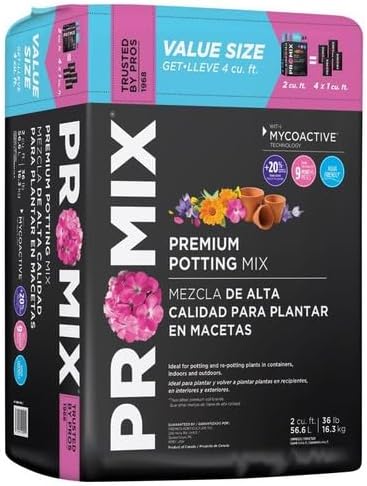
KXUPOIAV Premium Potting Mix with Mycorrhizae, Compressed 2-cu ft Bale (Expands to 4 cu ft)
| Brand Name | KXUPOIAV |
|---|---|
| Volume | 4 cubic feet (expanded) |
| Number of Packs | 1 |
This compressed potting mix is designed to expand from a 2 cubic foot bale to about 4 cubic feet of usable soil and is aimed at producing steady, reliable growth. It contains mycorrhizae to encourage stronger root systems, a slow-release fertilizer that feeds for up to nine months, and a polymer gel to improve water-holding capacity so you do not need to water as frequently. For growing potatoes in bags the mix provides a lightweight, nutrient-rich medium that supports tuber development and reduces watering chores. The main practical benefits are longer feeding intervals, improved drought resilience from the gel, and potentially better nutrient uptake thanks to the mycorrhizal inoculant. Limitations are that the product description does not list exact nutrient N-P-K values or particle composition, so heavy feeders or growers wanting a specifically tailored soil structure may need to amend it with extra compost or grit for drainage and aeration in bag culture.
Best for: Gardeners who want a low-maintenance, ready-to-use growing medium that reduces watering and provides extended feeding for reliable potato production in bags.
Less Ideal for: Growers who need a custom soil recipe with exact nutrient ratios or who prefer to manage every component of soil texture and drainage themselves.
- Contains mycorrhizae to support larger, more efficient root systems
- Slow-release fertilizer feeds plants for up to nine months
- Polymer gel increases water retention to reduce watering frequency
- Compressed bale expands to about 4 cu ft, easing transport and storage
- No detailed N-P-K or ingredient breakdown provided for precise fertilization planning
- May require additional coarse material for improved drainage in bag-grown potatoes
Verdict: Choose this mix if you want a convenient, moisture-retentive, and long-feeding soil that simplifies growing potatoes in bags.
Back to the Roots Premium Organic Potting Mix, 6 Quart

| Brand Name | Back to the Roots |
|---|---|
| Unit Count | 192 Fluid Ounces |
| Item Highlight | Peat-free potting soil for outdoor plants, indoor plants, vegetables, herbs and flowers |
| Volume | 6 quarts |
Back to the Roots Premium Organic Potting Mix is a versatile, peat-free 6 quart potting soil intended for indoor and outdoor container gardening. It blends organic plant food, upcycled plant matter and wood fines with yucca extract for improved moisture control and dolomitic limestone to help stabilize pH. For growing potatoes in bags this mix provides a light, well-draining medium that still retains enough moisture to support tuber development and reduces compaction that can limit root expansion. Typical use is filling grow bags or large containers to plant seed potatoes and hill as foliage grows. The organic nutrients mean you may need less immediate fertilizer for young plants, though heavy-feeding varieties will benefit from additional compost or fertilizer during the season. Because the bag is small for a full-season potato crop, you will likely need multiple bags or periodic top-ups of loose soil or compost to give tubers room to expand. The product is made in the USA and favored by gardeners who want an eco-friendlier, peat-free option.
Best for: Gardeners who prefer an organic, peat-free potting mix and want a ready-to-use medium for container or bag-grown potatoes with predictable moisture behavior and pH balance.
Less Ideal for: Growers seeking a bulk soil solution for multiple potato plants or large raised beds should choose larger-volume mixes or bulk garden soil instead.
- 100% organic and peat-free composition for lower environmental impact
- Includes yucca extract to improve moisture retention without waterlogging
- Dolomitic limestone added to help moderate soil pH for a wide range of plants
- Light, well-draining texture suitable for container or bag-grown crops
- 6 quart bag is small for growing a full-season potato crop and may require multiple bags
- Does not list long-term nutrient analysis so heavier feeding potatoes may need extra fertilizer or compost
Verdict: A compact, peat-free organic potting mix that gives bag-grown potatoes a light, moisture-balanced medium while appealing to gardeners who prioritize eco-friendly choices.
Choosing the Right Soil Mix for Growing Potatoes in Bags: Key Factors to Consider
Drainage and Aeration
Good drainage prevents waterlogged pockets around developing tubers, which can cause rot and poor root development. In a bag, excess water must move through the soil quickly, so mixes with a range of particle sizes and intentional coarse components are preferred. Coarse sand, perlite, or small amounts of horticultural grit increase macroporosity and help maintain oxygen levels near the seed potatoes.
Aeration also affects soil temperature and microbial life. A dense mix will hold water but suffocate roots; a very free-draining mix may dry too quickly. Aim for a balance that lets water pass while leaving fine pore space for moisture the plants can access between irrigations.
Moisture Retention
Potatoes need steady moisture through tuber initiation and bulking, but they are sensitive to both drought and saturation. Moisture-retentive components such as well-aged compost, coir, or peat alternatives help buffer water availability between waterings in a bag setup. These materials store plant-available water in the medium's micropores where roots can access it.
However, high water-holding capacity should not come at the cost of drainage. Choose mixes that pair water-retentive organics with coarse amendments to prevent sogginess. For hot, exposed locations, favor slightly higher retention to reduce the risk of daily watering.
Nutrient Content and Buffering
Bag-grown potatoes depend on the media for all their nutrients, so a base level of organic matter and slow-release fertility is important. Well-composted organic matter supplies nitrogen, phosphorus, and potassium gradually and supports beneficial microbes that aid nutrient cycling. Mineral components like rock phosphate or greensand can provide longer-term mineral support.
Because containers have limited volume, mixes should also have some cation exchange capacity to hold nutrients and reduce leaching. This reduces how often you need to feed and helps maintain steady tuber development as plants bulk.
pH and Chemical Suitability
Potatoes prefer slightly acidic to neutral soils. A medium pH around 5.5 to 6.5 reduces common nutrient lockups and discourages certain soil diseases. When selecting a mix, consider whether it contains lime, wood ash, or other alkaline components that could push pH too high for potatoes.
Similarly, avoid mixes with high soluble salts or fresh uncomposted manures that can burn young roots. If the mix includes synthetic fertilizers, ensure the initial rates are moderate to prevent excessive leafy growth at the expense of tuber set.
Physical Stability and Compaction Resistance
Over the growing season, media that compacts will reduce aeration and make digging for tubers messy and damaging. A stable structure that resists settling preserves pore space and keeps water movement consistent. Components like composted bark, perlite, or horticultural grit can help maintain a loose crumb structure in small container volumes.
Think about how the mix will behave when wet and dry. Some organic-rich mixes settle considerably after irrigation cycles or rainfall, which reduces effective volume for roots. Choosing a blend formulated for containers reduces the need to refresh or repot mid-season.
Weight and Handling
One practical consideration for bag-grown potatoes is the weight of the filled bag. Heavy soil mixes become hard to move and put more strain on containers and supports. Lightweight aggregates such as perlite, pumice, or coir reduce weight while preserving volume and porosity.
If you plan to move bags or stack them, favor mixes with a lighter density. Also consider how easy the mix is to fill bags with and whether it compacts during transport. Lightweight, free-flowing mixes make setup and cleanup easier without compromising plant needs.
Preparing Bags and Filling Technique
Start by choosing bags designed for gardening or heavy-duty garden fabric to allow drainage and air exchange. Line plastic bags with several drainage holes near the base if the bag is not permeable so excess water can escape and you do not get puddling beneath the soil.
Fill bags in layers rather than pouring in a single mound. Add a base layer of coarse material for extra drainage, then fill with the chosen soil mix. When planting seed potatoes, bury tubers at the recommended depth and top up with more mix as foliage grows to encourage more tuber formation along the stems.
- Punch or cut multiple drainage holes in the bag base and lower sides.
- Use a lightweight base layer of coarse material if the bag sits on an impervious surface.
- Avoid compressing the media; keep it loose to preserve aeration.
Watering and Feeding Schedule for Bag Culture
Bag-grown potatoes have a smaller buffer against drought, so monitor moisture with a finger test or meter. Water when the top few inches feel dry, and irrigate slowly until water runs from the bag base. Overhead watering can be used, but drip or soaker-style irrigation delivers water more evenly into the medium.
Feeding should start with a balanced, low-burn starter fertilizer at planting if the mix lacks guaranteed nutrients. Once plants begin to flower and tuber set begins, switch to a fertilizer with slightly higher potassium to support bulking. Because containers leach nutrients faster, expect to feed more frequently than you would in-ground plants.
- Check moisture daily in hot weather; reduce frequency in cool, humid conditions.
- Flush salts from the mix occasionally with a heavier irrigation to prevent buildup.
- Adjust feed strength when foliage growth is excessive or if flowering is weak.
Managing Pests and Disease in Bag Systems
Bags concentrate plants and can make pest detection easier, but they can also create microclimates where fungus and slugs thrive. Keep bags off the ground where possible and maintain airflow around them to reduce humidity-related diseases. Remove yellowing foliage promptly to limit disease spread.
Soil mixes with good drainage and stable structure reduce the risk of rot and root diseases. Sterile or well-composted media reduce introduction of pathogens. Inspect seed potatoes before planting and avoid using diseased or damaged tubers that could introduce pathogens into the bag.
- Rotate bag locations if possible to interrupt pest cycles.
- Use physical barriers for slugs and handpick larger pests.
- Keep irrigation schedules regular to avoid stressing plants, which invites pests.
End-of-Season Handling and Reuse
After harvest, remove spent foliage and empty bags if you plan to reuse the media. Compost heavily soiled mix or refresh it by blending with new compost and a mineral amendment to restore structure and nutrients. Small amounts of old tuber bits can harbor disease, so inspect and remove any infected material before reuse.
If the mix contains a high proportion of perishable organic matter, consider using it as an amendment elsewhere in the garden rather than reusing it unchanged in new potato bags. Refreshing the mix reduces disease carryover and restores moisture-holding balance for the next crop.
- Screen out large clods and old roots before reusing media.
- Top up reused mix with compost and a slow-release fertilizer.
- Sterilize or discard heavily infested or diseased media.
Adjusting Mixes for Climate and Season
In cool climates, choose mixes that warm up quickly in spring by favoring lighter, well-draining components and darker-colored organic matter. For hot, dry climates, increase the proportion of water-retentive components so the bag does not dry out between irrigations.
Seasonal adjustments can also mean adding more slow-release nutrients for long-season crops or reducing initial fertility if you plan to side-dress later. Tailor the mix to how often you can water and how long the crop will remain in the bag.
- Increase coarse material in regions with heavy seasonal rain to avoid saturation.
- Add more moisture-retentive organics in arid zones to reduce irrigation frequency.
- Monitor plant response and tweak amendments mid-season if necessary.
How We Chose the Best Soil Mix for Growing Potatoes in Bags
We shortlisted mixes that suit containerized potato culture and excluded blends intended only for seed-starting or heavy clay garden beds. Selection focused on editors' practical filters: particle size and drainage to avoid waterlogging; organic content and base nutrient levels to support tuber development; moisture retention capacity to reduce daily watering needs; pH compatibility for potatoes; and physical stability so the media stays light and loose through the season. We also favored mixes that work well in fabric and plastic bags, resisting compaction and allowing roots to expand without creating anaerobic pockets. Exclusions included raw topsoil, straight garden loam, and mixes with excessive peat or pure coco coir that lack enough nutrient buffering. Final candidates were chosen for predictable behavior in the small volumes used for bag culture and for compatibility with standard fertilization plans.
FAQ
Can I use regular garden soil in bags for potatoes?
Regular garden soil often compacts and drains poorly in bags, which raises the risk of rot and poor tuber formation. If you must use garden soil, mix it with coarse materials and lots of organic matter to improve structure and drainage.
How deep should the soil be in a potato-growing bag?
Start with a root zone depth of about 6 to 8 inches for planting seed potatoes, then top up with more mix as plants grow. Final depth by mid-season should provide several inches of loose media around the developing tubers.
Do I need to add fertilizer to a pre-mixed soil for potatoes in bags?
Many pre-mixed soils contain some starter nutrients, but container crops generally benefit from additional feeding. Use a balanced feed early, then increase potassium during bulking. Monitor plant vigor and adjust feeding frequency accordingly.
What pH should I aim for in a potato bag mix?
Aim for a slightly acidic to near-neutral pH around 5.5 to 6.5. This range helps with nutrient availability and reduces the risk of certain soil-borne diseases common in alkaline conditions.
Can I reuse soil from last year's potato bags?
You can reuse media if it is disease-free and refreshed. Remove tuber pieces, screen out degraded material, and blend with fresh compost and mineral amendments. Discard or heavily treat mixes that showed disease problems the prior season.
Final Verdict
For bag-grown potatoes, prioritize a soil mix that balances drainage with moisture retention and supplies steady nutrients. The practical tradeoffs are clear: mixes that hold more water reduce watering frequency but must include coarse components to avoid anaerobic conditions. Likewise, nutrient-rich media reduce early feeding needs but should offer buffering to prevent rapid nutrient loss. Choose a mix that fits your climate and watering routine, and be prepared to tweak fertility during tuber bulking for best yields.
