

Note: This article contains affiliate links. If you click on these links and make a purchase, I may earn a small commission at no extra cost to you. This helps support my research and content. Read my full affiliate disclosure here.
Getting the right soil for onions and garlic makes a big difference in bulb size, disease resistance, and harvest timing. These crops need a growing medium that drains freely yet holds enough moisture and nutrients to support steady root and bulb development. Poorly structured soil can lead to split bulbs, delayed maturity, or pest and disease issues. This guide shortlists six top soils suited for onions and garlic across garden beds, raised beds, and containers. We evaluate each option for drainage, nutrient content, tilth, and how it behaves through a full season so you can pick the best fit for your planting situation.
Top Picks at a Glance
| Best Overall The best all-around choice for most situations | Gardenera Organic Potting Soil for Onions (2 Quart) |  |
| Best Quality Built to a higher standard if you want something more solid | Gardenera Premium Organic Potting Soil for Garlic, 2 Quart |  |
| Best Value The sweet spot between price and what you get | Miracle-Gro Indoor Potting Mix for All Plants, 6 qt., 2-Pack |  |
| Highest Rated A top-rated pick with lots of positive feedback | Black Gold All Purpose Potting Mix, 8 Qt |  |
| Most Popular A crowd favorite that many people choose with confidence | Miracle-Gro Organic Outdoor Potting Mix, 16 qt. |  |
| Best Seller A high-volume bestseller chosen again and again | Back to the Roots Premium Organic Potting Mix, 6 Quart |  |
Gardenera Organic Potting Soil for Onions (2 Quart)
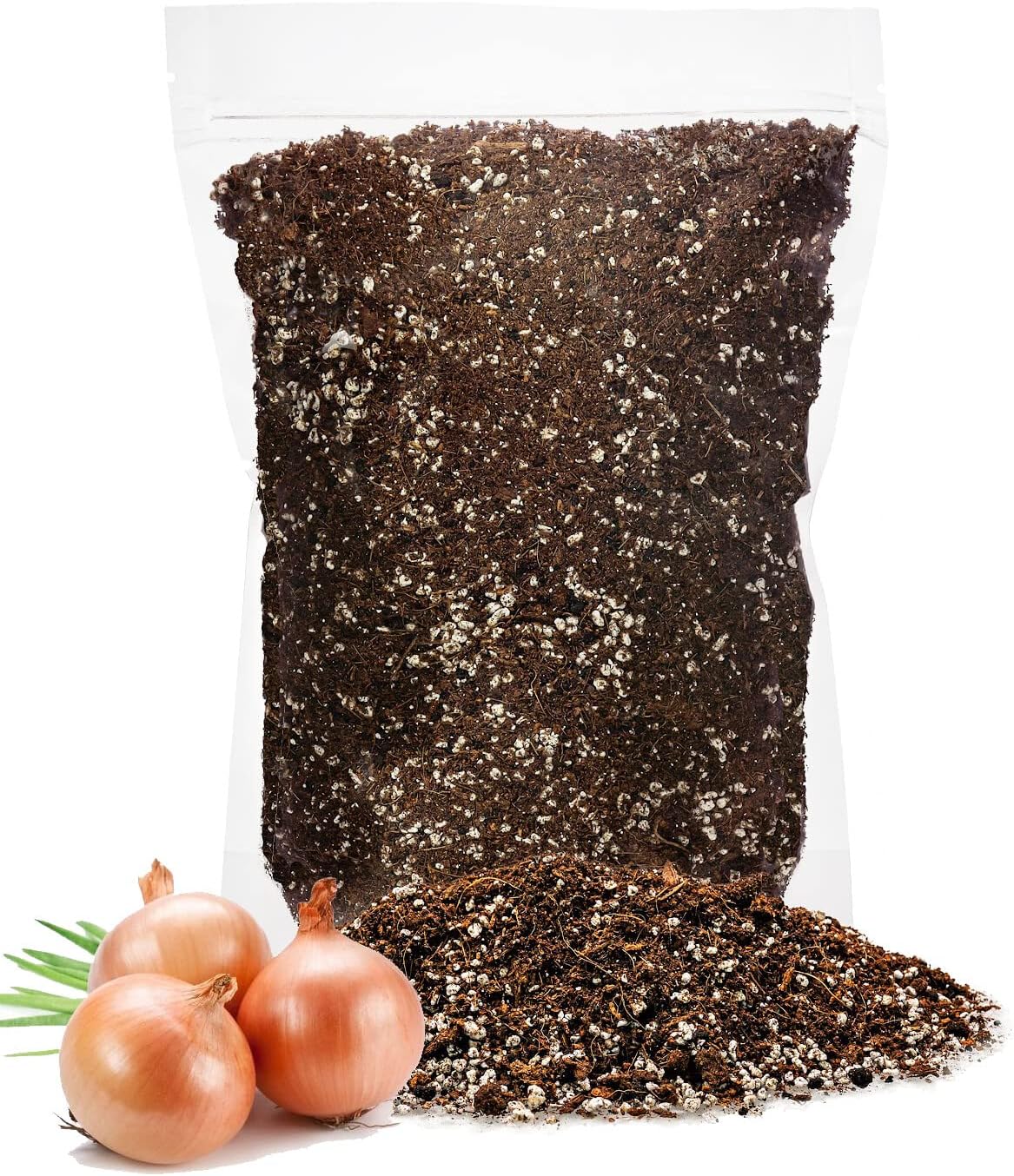
| Brand | Gardenera |
|---|---|
| Item Type | ONION Potting Mix |
| Volume | 2 quarts |
| Ingredients | Coco Coir, Canadian Peat Moss, Perlite, Worm Castings |
Gardenera Organic Potting Soil for Onions is a 2-quart, ready-to-use potting mix designed specifically to support onions and other edible plants. It combines coco coir, Canadian peat moss, perlite, and worm castings to create a light, aerated medium that encourages root development and holds nutrients while allowing excess water to drain. Typical use is filling small containers, seed trays, or transplant pots for starting onion sets or seedlings indoors or outdoors. Notable features include organic ingredients, extra perlite for improved drainage, and a low-salt coconut coir base that helps moisture retention without waterlogging. Practical benefits are healthier root systems, reduced risk of rot from standing water, and a soil suited to starting edible transplants. Limitations are the small bag size, which means you will need multiple bags for larger raised beds or multiple plantings, and there is no detailed nutrient analysis or added fertilizer for long-term feeding, so plan to supplement with fertilizer as seedlings grow.
Best for: Buyers who prioritize a reliable, organic-starting mix for onion seedlings or small container plantings and want a consistent, well-aerated medium to encourage strong roots.
Less Ideal for: Gardeners preparing large raised beds or planting many onion transplants who need bulk soil or a pre-fertilized mix.
- Organic blend of coco coir, peat moss, perlite, and worm castings for a balanced growing medium
- Extra perlite improves drainage and reduces risk of root rot
- Formulated to promote rapid root development for onion seedlings
- Suitable for both indoor seed starting and outdoor container growing
- Only a 2-quart bag so not practical for large beds or extended plantings
- No listed starter nutrients or fertilizer included for longer-term growth
Verdict: A dependable organic starter mix that gives onion seedlings better drainage and root development in small containers.
Gardenera Premium Organic Potting Soil for Garlic, 2 Quart

| Brand Name | Gardenera |
|---|---|
| Style Name | GARLIC Potting Mix |
| Volume | 2 quarts |
| Ingredients | Coco Coir, Canadian Peat Moss, Perlite, Worm Castings |
Gardenera’s Garlic potting soil is a 2 quart, professionally blended organic mix designed to support garlic and other edible plants. It combines coco coir, Canadian peat moss, perlite, and worm castings to create a light, well-aerated medium that drains quickly while retaining enough moisture and nutrients for steady root growth. Typical use is planting cloves in containers or raised beds where consistent drainage and low-salt conditions matter. Notable features are the added perlite for improved drainage and worm castings for slow-release fertility, plus an organic formulation suitable for certified organic home gardening. For small-scale or trial plantings the bag is convenient and easy to work with, and the mix’s balance encourages rapid root development and healthier bulbs. The main limitation is the small 2 quart volume, which means you will need multiple bags for anything beyond a few pots or for filling large planters, and the product is not a complete fertilizer so additional feeding may be required as plants grow.
Best for: Gardeners focused on growing garlic or small batches of edible alliums in containers or raised beds who prioritize an organic, well-draining mix that supports strong root development.
Less Ideal for: Gardeners planning to fill large beds or supply many plants from one purchase should choose bulk soil or larger bags instead.
- Formulated specifically to support garlic with ingredients that promote root development
- Contains perlite for improved drainage and aeration to reduce root rot risk
- Includes worm castings for organic, slow-release nutrients
- Made from natural, low-salt components suitable for organic growing
- Small 2 quart bag size requires buying multiple bags for larger plantings
- Not a complete fertilizer so additional feeding may be needed during the season
Verdict: Choose this mix when you want a small-batch organic soil that gives garlic quick root development and reliable drainage for container or small bed growing.
Miracle-Gro Indoor Potting Mix for All Plants, 6 qt., 2-Pack

| Number of Packs | 2 |
|---|---|
| Unit Count | 400.58 Ounce |
| Item Highlight | Feeds for up to 6 Months |
| Ingredients | Sphagnum Peat Moss, Coir, Perlite, Fertilizer, Wetting Agent |
This Miracle-Gro indoor potting mix is formulated as an all-purpose soil for indoor container plants and is sold in a two-pack of 6‑quart bags. It combines sphagnum peat moss, coconut coir, and perlite to create a lightweight, well-draining mix that holds moisture yet releases it to roots, which helps tropical houseplants like a Dragon Tree avoid waterlogged roots. The bagged mix includes a slow-release fertilizer meant to feed plants for up to six months so you do not need to amend immediately after potting. Notably the formula excludes bark and compost, which can reduce habitats for fungus gnats — useful when repotting indoor specimens. Use is straightforward: fill a pot with drainage, set the plant, backfill with mix, and water. Limitations are that the fertilizer schedule is fixed to the included feed and heavy feeders may need additional fertilizing after several months, and serious growers who want a custom cactus or orchid-style mix will find the texture too fine. For routine repotting of Dragon Trees and similar tropical houseplants this mix is convenient and consistent.
Best for: Buyers who want a reliable, low-effort potting mix for repotting tropical houseplants like Dragon Trees and prefer a product with built-in feeding and pest-reduction features.
Less Ideal for: Specialist growers who need custom texture blends for succulents, orchids, or aggressive feeders should choose purpose-formulated mixes or amend this product accordingly.
- Balanced blend of peat moss, coir, and perlite for good moisture retention and drainage
- Includes slow-release fertilizer that feeds up to six months for low-maintenance care
- Bark- and compost-free formula reduces places for fungus gnats to breed
- Ready-to-use bag makes repotting quick with no mixing required
- Fertilizer is fixed for about six months so additional feeding may be necessary for heavy feeders
- Texture may be too fine for plants that prefer very fast-draining or chunky mixes
Verdict: A convenient, low-maintenance indoor potting mix that keeps Dragon Trees healthy with good drainage and up to six months of built-in feeding.
Black Gold All Purpose Potting Mix, 8 Qt

| Volume | 8 quarts |
|---|---|
| Item Type Name | Planting Mix |
| Brand Name | Sun Gro |
| Unit Count | 1 Count |
Black Gold All Purpose Potting Mix is a ready-to-use, nutrient-rich potting medium designed for containers, raised beds, and indoor plants. It combines Canadian sphagnum peat moss, perlite for aeration and drainage, earthworm castings for biological activity, and a built-in controlled-release fertilizer that feeds plants for weeks. In practice this mix holds moisture while still allowing excess water to drain, which helps prevent root rot in potted crops like container carrots. The integrated fertilizer reduces the need for frequent feeding during a single growing cycle, and the texture supports fast root establishment in shallow and medium-depth containers. Limitations to note are the small 8-quart bag size, which means you will need multiple bags for larger carrot plantings, and peat-based mixes may compact over long-term use so occasional refreshing or amendment is helpful for successive crops. For reliability-focused gardeners this product delivers consistent, easy performance for a single season of container-grown carrots.
Best for: Gardeners who want a dependable, ready-to-use potting mix for reliably growing container vegetables like carrots and prefer a low-maintenance feeding schedule.
Less Ideal for: Those planting large-scale raised beds or many deep containers who need bulk soil or prefer a non-peat or fully custom soil blend.
- Controlled-release fertilizer supplies steady nutrients over several weeks without extra feeding
- Perlite improves drainage and aeration to reduce risk of root rot in containers
- Contains earthworm castings to boost biological activity and moisture retention
- Texture supports quick root establishment for container-grown vegetables and herbs
- Small 8-quart bag requires multiple bags for filling several containers
- Peat-based mix can compact over time and may need refreshing between plantings
Verdict: A consistent, ready-made potting mix with built-in fertilizer and good drainage that makes growing container carrots easier and more reliable for one-season plantings.
Miracle-Gro Organic Outdoor Potting Mix, 16 qt.

| Volume | 16 qt. |
|---|---|
| Item Highlight | Plant Soil For Outdoor Container Plants, Contains Quick-Release Natural Fertilizer, OMRI Listed |
| Manufacturer | Scotts Miracle Gro |
This 16 qt. Miracle-Gro Organic Outdoor Potting Mix is designed specifically for outdoor container plants and is useful for planting strawberries in pots. The mix contains responsibly sourced peat and upcycled green waste and includes a quick-release natural fertilizer that feeds for up to two months, which helps young strawberry plants establish and start producing. It is OMRI listed so it fits an organic container-gardening approach. Typical use is to partially fill a 12-inch pot, set the plant with a loosened root ball, add more mix, and water thoroughly; a single bag is sized to fill about one 12-inch container. Practical benefits include moisture retention suitable for exposed pots and a built-in starter nutrient charge so you may not need immediate additional feeding. Important limitations are that nutrients last about two months so plan a feeding schedule for fruiting plants and that peat-based mixes can compact over time, so repotting or refreshing the soil biannually is recommended for continued vigor.
Best for: Gardeners who want an organic-ready potting mix for outdoor container strawberries and prefer a product that gives an initial nutrient boost while simplifying first-season care.
Less Ideal for: Growers who need a long-term, self-sustaining soil blend for mature strawberry beds or those who avoid peat entirely should consider alternatives.
- OMRI listed and made with responsibly sourced peat suitable for organic container gardening
- Includes quick-release natural fertilizer that feeds plants for up to two months
- Formulated to retain moisture for outdoor containers exposed to sun and wind
- Contains upcycled green waste and is locally crafted to reduce transport distance
- Fertilizer effect is limited to about two months so additional feeding is needed for ongoing fruiting
- Peat-based mix can compact over time and requires bi-annual repotting to refresh structure
Verdict: A convenient OMRI-listed container potting mix that gives outdoor strawberry starters an organic nutrient boost and good moisture retention for the first months.
Back to the Roots Premium Organic Potting Mix, 6 Quart

| Unit Count | 192 Fluid Ounces |
|---|---|
| Volume | 6 quarts |
| Item Highlight | Peat-free potting soil for outdoor plants, indoor plants, vegetables, herbs and flowers |
| Made in | USA |
Back to the Roots Premium Organic Potting Mix is a small-batch, all-purpose soil designed for indoor and outdoor container plants, including flowers, herbs, and vegetables. The 6 quart bag contains a peat-free blend made from upcycled plant matter and wood fines, with added organic plant food, yucca extract to help retain and regulate moisture, and dolomitic limestone to stabilize pH. In practice this mix is easy to use straight from the bag for potting annuals and bedding plants or for refreshing topsoil in containers. Its light, well-draining texture helps roots establish without becoming waterlogged while still holding enough moisture for frequent flowering plants. Because it is organic and made in the USA, it suits growers who want a lower-carbon-footprint option. Limitations are the small bag size for larger projects and that very heavy feeders or long-term container plantings may need periodic fertilization or larger volumes of soil to maintain vigor.
Best for: Buyers who want a safe, organic, ready-to-use potting mix for potted flowers and small container gardens and prefer products with predictable performance and lower environmental impact.
Less Ideal for: Gardeners planning large-scale repotting, heavy-feeding perennials, or long-term container plantings that require bulk soil or extended nutrient release.
- Peat-free organic formula made from upcycled plant matter and wood fines
- Includes yucca extract for improved moisture retention and control
- Dolomitic limestone added to help balance soil pH for flowering plants
- Light, well-draining texture suitable for container-grown flowers and annuals
- Small 6 quart bag is not economical for large pots or multiple containers
- Does not include slow-release fertilizer strong enough for long-term heavy feeders
Verdict: A reliable, peat-free organic potting mix that delivers predictable moisture control and pH balance for potted flowers and small container gardens.
Choosing the Right Soil for Onions and Garlic: Key Factors to Consider
Drainage Versus Water Retention
Onions and garlic need soil that lets excess water pass while retaining enough moisture between waterings. Too much retention causes bulb rot and fungal disease, while too little water stresses plants and produces small, dry bulbs.
Assess how a soil drains after a heavy rain and how long it holds moisture during a dry spell. Well-aggregated loamy soils with some coarse particles and organic matter usually provide the best balance for both in-ground beds and raised planters.
Soil Texture and Tilth
Texture affects how easily roots penetrate and how bulbs form. A medium loam with a mix of sand, silt, and organic matter allows even root expansion and prevents compacted layers that restrict bulb enlargement.
Good tilth also makes planting and harvesting easier. Soils that crumb rather than cake make it simpler to set sets or cloves at uniform depth and to dig bulbs without bruising or tearing.
Nutrient Profile and Release
Bulb crops need a steady supply of nitrogen early for leaf development, then a balanced supply of phosphorus and potassium to support bulb formation. Rapid-release high-nitrogen soils can cause overly lush tops and small bulbs when used too late in the season.
Prefer soils with a moderate baseline of available nutrients and organic matter that releases nutrients gradually. That reduces the need for frequent feeder applications and helps maintain balanced growth through bulbing and maturation.
Soil pH and Buffering Capacity
Onions and garlic prefer a slightly acidic to neutral pH range. Soils that are too acidic or alkaline can lock up key nutrients and reduce bulb quality. A soil with stable buffering capacity resists dramatic pH swings after amendments or seasonal watering.
Testing and adjusting pH is straightforward, but starting with a soil within the right range reduces corrective work and helps promote steady nutrient uptake during bulb development.
Disease and Pest Suppression
Soil that fosters beneficial microbes and good structure can reduce the incidence of fungal diseases and soil-borne pests that attack bulbs and roots. Organic matter, compost presence, and proper aeration contribute to a healthier root zone.
Avoid soils with a history of onion or garlic diseases or those that stay saturated for long periods. Soils designed to encourage microbial diversity support plant vigor and make cultural controls more effective.
Workability and Longevity
Consider how the soil behaves through freeze-thaw cycles, prolonged wet periods, and repeated plantings. Some soils compact quickly and need annual renovation, while others maintain structure with minimal amendment.
Workability matters if you plant bulbs with hand tools or lift them for storage. A soil that stays friable simplifies both planting and harvest and reduces labor over multiple seasons.
Preparing Native Soil for Bulb Crops
If you plan to use in-ground beds, start by assessing existing soil texture and drainage. Dig a test hole and observe whether water drains within 24 hours after a heavy watering. Amend heavy clay with coarse sand, plenty of well-rotted compost, and some sharp grit to improve porosity and tilth.
Work amendments into the top 8 to 12 inches where onion and garlic roots mostly develop. Avoid adding excessive fresh high-nitrogen material at planting time. Let composted organic matter stabilize for a few weeks before setting cloves or sets.
- Test drainage by filling a hole with water and timing recession.
- Incorporate 25 to 50 percent compost by volume for most heavy soils.
- Avoid fine mulches that create a perched water table in raised beds.
Soils for Raised Beds and Containers
Raised beds and containers need mixes that combine drainage with moisture-holding capacity. Use blends containing coarse components such as pine fines, horticultural grit, or pumice along with compost and a light mineral component.
Container media should not compress tightly after repeated watering. Choose mixes labeled for vegetables or create your own by blending equal parts screened compost, coarse grit, and a loamy mineral base.
- Ensure containers have adequate drainage holes and allow excess water to escape freely.
- Top-dress with compost midseason rather than mixing heavy fresh amendments into containers.
Amending for Nutrients Without Overfeeding
Bulb crops benefit from balanced fertility. Apply a moderate-start fertilizer or incorporate a measured amount of balanced organic amendment before planting. Too much nitrogen late in the season delays bulbing and favors leafy growth.
Use phased feeding: provide a modest boost early in the season, then taper inputs as bulbs begin to swell. If soil tests show specific deficiencies, correct those rather than blanket feeding.
- Conduct a soil test to target phosphorus or potassium needs.
- Avoid high-nitrogen side dressings after shoots reach a certain height to encourage bulb set.
Managing Moisture Through the Season
Consistent moisture is important while roots establish and bulbs form, but watering needs change. Early growth requires regular, even moisture. As bulbs near maturity, reduce irrigation to avoid splitting and to encourage curing.
Mulches help even out moisture fluctuations, but choose materials that do not trap too much water against the soil surface. Monitor soil moisture with a probe or by feeling the soil to avoid both drought stress and saturation.
- Irrigate deeply and infrequently rather than shallow daily watering.
- Pull back irrigation as tops yellow and begin to fall over to aid drying and curing.
Testing and Adjusting pH for Bulb Health
Run a simple pH test before planting and again every few years. Onions and garlic do best in slightly acidic to neutral soil. If pH is out of range, adjust with lime to raise pH or elemental sulfur to lower it, applied according to test recommendations.
Apply corrective amendments well before planting to allow time for pH changes to take effect. Small pH shifts are normal, so focus on stable buffering and repeat testing rather than large, frequent corrections.
- Apply lime in the fall for a spring planting to allow time to react.
- Retest pH after amendments have had time to integrate before planting the next season.
How We Chose the Best Soil for Onions and Garlic
We focused on soil attributes that directly affect bulb crops rather than general-purpose garden media. Our editorial filters prioritized physical structure, nutrient availability, and disease-suppressing properties that matter when raising onions and garlic. Specifically, we assessed drainage and water retention balance so bulbs avoid waterlogging but still access steady moisture. We looked at organic matter content and available nitrogen, phosphorus, and potassium levels that support root growth without encouraging excessive leafy growth at the expense of bulb formation. Particle size distribution and tilth were evaluated for ease of planting, root penetration, and harvestability. We considered pH buffering and amendments that reduce the need for heavy corrective liming. Longevity and how soils behave across a season-compaction tendency and how often they require reworking-were also part of the review. We excluded mixes intended primarily for seed starting, heavy clay remediation without amendments, or those formulated only for container vegetables with extreme water-holding additives. Our list favors soils that match real garden conditions for growers focused on reliable bulb development and manageable seasonal maintenance.
FAQ
How deep should soil be for planting onions and garlic?
Aim for at least 8 to 12 inches of friable, amended soil so roots and bulbs have room to expand. In containers or shallow beds, choose varieties that suit the available depth.
Can I use general vegetable soil mixes for onions and garlic?
Often yes if the mix balances drainage and nutrient release. Avoid mixes that hold too much water or are high in fresh nitrogen. Amend or blend such mixes with coarse material if drainage is poor.
When should I adjust fertilizer applications to encourage bulb formation?
Provide moderate fertility during early leaf growth, then reduce nitrogen inputs as the bulbs begin to swell. Focus on balanced phosphorus and potassium if soil tests indicate a need.
Is raised bed soil different from in-ground soil for bulb crops?
Raised bed soils should be lighter and more free-draining because they warm faster and can dry out. The core principles are the same: balance drainage, moisture retention, and nutrients for good bulb development.
How do I prevent bulb rot caused by wet soil?
Improve surface and subsoil drainage, use raised beds or containers with good drainage, and avoid overwatering. Choose soils that do not compact and allow oxygen to reach roots.
Final Verdict
Prioritize soils that strike a balance between free drainage and steady moisture retention to support steady root growth and good bulb development. Focus on structure, nutrient balance, and stable pH rather than chasing high initial nutrient numbers. Consider how the soil behaves through a full season and whether it needs annual renovation. By matching soil texture and fertility to your planting method and climate, you reduce disease risk and simplify watering and harvest. Choose a soil that suits your bed or container depth, amend thoughtfully, and expect the best bulb results when structure and nutrition are both managed.
