

Note: This article contains affiliate links. If you click on these links and make a purchase, I may earn a small commission at no extra cost to you. This helps support my research and content. Read my full affiliate disclosure here.
If you spend time tending beds, borders, or paths, a standing weeding tool can save your back and speed up chores. These long-handled tools let you work upright, target roots at depth, and stay comfortable for longer sessions. The right standing weeding tool changes how you manage recurring weeds and makes bed maintenance less of a physical burden. This guide covers our shortlisted picks across typical garden situations from compact urban plots to larger backyards. We evaluated each option for ergonomics, extraction effectiveness, durability, and suitability for common soil types so you can pick a tool that fits how and where you garden. Read on to see the evaluation approach and the decision factors we used to narrow the field.
Top Picks at a Glance
| Best Overall The best all-around choice for most situations | WILFIKS Stand-Up Weed Puller Tool with Bamboo Handle and 4-Claw Steel Head |  |
| Best Quality Built to a higher standard if you want something more solid | Fiskars 39" Deluxe Stand-Up 4-Claw Weed Puller | 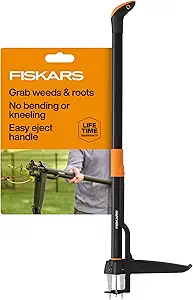 |
| Best Value The sweet spot between price and what you get | WELLOPLO 2‑in‑1 Long‑Handle Weed Puller with Adjustable Stainless Steel Handle |  |
| Highest Rated A top-rated pick with lots of positive feedback | BUIGNDG 45" All-Metal Stand-Up Weed Puller with 4-Claw Steel Head |  |
| Most Popular A crowd favorite that many people choose with confidence | Grampa's Weeder Original Stand-Up Weed Puller with Bamboo Handle |  |
| Best Seller A high-volume bestseller chosen again and again | Grampa's Metal Weeder Stand-Up 4-Claw Long-Handle Weed Puller |  |
WILFIKS Stand-Up Weed Puller Tool with Bamboo Handle and 4-Claw Steel Head

| Item Weight | 3.12 pounds |
|---|---|
| Manufacturer | WILFIKS |
| Item model number | 6172 |
| ASIN | B0DWBQWX5S |
This stand-up weed puller is a straightforward tool for removing individual weeds from lawns, beds, and paths while you remain upright. It uses a four-claw steel head that grips roots and a quick-release mechanism to free the plant after extraction, and the 44-inch bamboo handle gives a natural, comfortable grip for repeated use. Typical use is simple: position the claws around the weed stem, step on the foot platform to close the jaws, then pull up and release the weed with the quick-release. The tool reduces back strain and is especially helpful for spot weeding and areas where chemical control is undesirable. Notable features are the foot platform for added leverage and the quick-release for tidy disposal. Because it is a manual single-plant tool, it is best for small- to medium-sized yards or targeted weeding rather than clearing large areas quickly. Users should expect slower progress than with powered equipment and occasional difficulty with very deep or woody-rooted plants.
Best for: Buyers who want a simple, no-fuss standing weeder to reduce bending and handle routine spot weeding in lawns, beds, and paths while prioritizing comfort and ease of use.
Less Ideal for: People who need to clear large expanses of weeds quickly or who routinely battle very deep or woody-rooted plants should choose motorized or heavy-duty digging tools instead.
- Allows upright weeding to reduce bending and back strain
- Four-claw steel head designed to grip and extract roots
- Foot platform provides leverage for easier jaw closure
- Quick-release mechanism makes disposing pulled weeds tidy
- Manual operation is slow for large areas
- May struggle with deep taproots or very woody perennial roots
Verdict: A comfortable, easy-to-use stand-up weeder that removes individual weeds without bending, ideal for balanced home gardeners who want efficient spot weeding.
Fiskars 39" Deluxe Stand-Up 4-Claw Weed Puller

| Head Material | Stainless Steel |
|---|---|
| Handle Material | Aluminum |
| Grip Material | Thermoplastic Elastomer (TPE) |
| Number of Items | 1 |
The Fiskars 39" Deluxe Stand-Up Weeder is built for fast, permanent removal of dandelions, thistles, and other deep-rooted weeds without kneeling or herbicides. You position the head over the weed, step on the reinforced foot pedal to drive four serrated stainless-steel claws into the soil, pull back to extract the root, then use the easy-eject mechanism to clear the head. The long aluminum shaft and offset handle reduce back and wrist strain for longer sessions, while the viewing window in the pedal helps accurate placement. It performs best in moist or recently watered soil; in hard, compacted, or clay-heavy ground you will need to pre-soften the area for the claws to penetrate fully. The tool is light enough for extended use yet feels sturdy when you step down, and the stainless blades are made to stay sharp through repeated use. If you want a durable, ergonomically designed manual weeder that prioritizes effective root removal and less physical strain, this is a practical choice.
Best for: Buyers who want an efficient, ergonomic hand tool to remove broadleaf and taproot weeds by the root while avoiding bending and repeated chemical treatments.
Less Ideal for: Gardeners who need a tool for cutting large woody roots, heavy-duty excavation, or frequent use in hard, compacted clay without pre-wetting the soil should consider more heavy-duty or powered options.
- Long 39-inch shaft and offset handle reduce bending and wrist strain for extended use
- Four serrated stainless-steel claws grab roots for thorough removal
- Reinforced foot pedal and viewing window enable confident placement and penetration
- Easy-eject mechanism clears pulled weeds quickly for faster repetition
- Requires moist or softened soil to penetrate compacted or clay-heavy ground effectively
- Not suited for very large woody roots or extremely dense turf
Verdict: Choose this weeder if you want a durable, ergonomic stand-up tool that reliably extracts weeds by the root with minimal bending.
WELLOPLO 2‑in‑1 Long‑Handle Weed Puller with Adjustable Stainless Steel Handle

| Handle Material | Stainless Steel |
|---|---|
| Head Material | Cast Steel |
| Handle Type | Adjustable Stainless Steel |
| Number of Items | 1 |
This WELLOPLO tool combines a six‑tine rake and a hoe blade into one adjustable, stand‑up weeder aimed at making routine lawn and garden maintenance quicker and easier. Use the rake head to dig around and pull out deep‑rooted weeds like dandelions and crabgrass, then flip or switch to the hoe to loosen soil, level small areas, or clear debris. The handle telescopes through four sections and locks with screw joints so you can work while standing to reduce back strain. The head is cast steel and the handle stainless steel, which should resist bending and surface rust during normal outdoor use. Assembly is straightforward and the modular sections make it compact for storage. Limitations include the reliance on manual leverage for very large or deeply rooted plants and the need to tighten the locking screws periodically; it is not a powered tool and may require some effort in heavy clay or rocky ground.
Best for: Gardeners who want a single, durable manual tool to speed routine weeding and light soil work while minimizing bending and protecting their back.
Less Ideal for: People who need a powered or heavy‑duty solution for large areas of compacted clay or extensive weed infestations should consider mechanical or motorized equipment instead.
- Two‑in‑one head replaces multiple tools for uprooting weeds and loosening or leveling soil
- Adjustable four‑section stainless steel handle lets you work standing up to protect your back
- Cast steel head designed for durability against tough roots and rocky soil
- Modular design disassembles for compact storage and easier transport
- Manual tool so removing very large or deeply embedded roots can require significant effort
- Screw‑lock joints need occasional retightening and care to avoid loosening over time
Verdict: Choose this tool if you want a single adjustable, durable stand‑up weeder that replaces multiple hand tools and reduces bending during routine garden maintenance.
BUIGNDG 45" All-Metal Stand-Up Weed Puller with 4-Claw Steel Head

| Manufacturer | BUIGNDG |
|---|---|
| Item model number | BCQ-003 |
| ASIN | B0GKVG4CMB |
This all-metal stand-up weed puller is built for straightforward, chemical-free weed removal without bending or kneeling. You place the 4-claw head over a weed, step down to drive the claws into the soil, then tilt the long handle to extract the root. Its heavy-duty steel construction and stainless steel claw head give it the leverage and durability to handle stubborn taproots in compact soil, and the ergonomic 45-inch handle reduces back and knee strain for longer sessions. The tool is simple to use and requires no assembly beyond a quick install, so it is ready for beds, borders, and lawns. Because it is purely mechanical, it works reliably year after year with minimal maintenance, though very rocky ground can slow progress and extremely large woody roots will need a different approach. Overall it is a practical, low-maintenance choice for gardeners who prefer a durable, back-friendly tool for routine weeding.
Best for: Gardeners who prioritize a durable, low-maintenance tool that lets them remove common weeds while standing and who value steady, reliable mechanical performance over gadgets.
Less Ideal for: People who need a tool for chopping through large woody roots or for frequent work in extremely rocky terrain should consider specialized pruners or powered options instead.
- All-metal construction and stainless steel 4-claw head for durability and rust resistance
- 45-inch handle lets you remove weeds while standing to reduce back and knee strain
- Step-and-tilt operation removes weeds by the root without chemicals
- Simple, low-maintenance mechanical design ready for frequent garden use
- Less effective in very rocky soil or on large woody roots
- May require extra force on compacted clay compared with powered tools
Verdict: A sturdy, all-metal standing weed puller that reliably removes roots while saving your back, making it a smart choice for gardeners who want a long-lasting manual solution.
Grampa's Weeder Original Stand-Up Weed Puller with Bamboo Handle

| Handle Material | Bamboo |
|---|---|
| Head Material | Alloy Steel |
| Item Weight | 2.3 pounds |
| Head Size | Small |
Grampa's Weeder is a simple, hand-operated stand-up tool that uses a 4-claw alloy steel head and a long bamboo handle to pinch and extract weeds by their roots. To use it you press the footpad into soft or recently watered soil, lean the handle toward the footpad so the forks close around the weed, then lift to remove the root. The lightweight bamboo handle and footpad make repeated weeding less strenuous on the back and knees than traditional hand pulling or kneeling. The steel claws are effective on dandelions, crabgrass, and similar taproot weeds in softer soils but the tool is not intended for very hard clay or rocky ground. Its straightforward design requires no power, so it is quiet and chemical-free, and the lifetime guarantee reflects a confidence in build quality. If you have compacted soil or deep-rooted tough perennial weeds you may need additional leverage or a different tool, but for routine weeding in beds and lawns after watering this is a durable, low-effort solution.
Best for: Gardeners who value proven, low-effort hand tools and want a durable, chemical-free way to remove common taproot weeds while protecting their back and knees.
Less Ideal for: People who need to clear large weedy areas quickly or who work primarily in compacted clay or rocky ground should consider heavier-duty or powered alternatives.
- Stand-up design reduces bending and kneeling for gentler, ergonomically easier weeding
- 4-claw alloy steel head grips and pulls taproots effectively in soft or recently watered soil
- Bamboo long handle keeps the tool lightweight while providing comfortable reach
- Simple mechanical operation requires no power or chemicals and is easy to maintain
- Performance drops on hard clay or rocky soil where forks cannot penetrate easily
- Small head size can be slow for very large infestations or broad areas
Verdict: A lightweight, reliable stand-up weeder that removes taproot weeds without bending, ideal for routine gardening in soft or watered soil.
Grampa's Metal Weeder Stand-Up 4-Claw Long-Handle Weed Puller

| Manufacturer | Grampa's Gardenware Co. |
|---|---|
| Item model number | MW-01 |
| Item Weight | 4.02 pounds |
| Product Dimensions | 46 x 8 x 2 inches |
This is a purpose-built stand-up weeder that uses a 4-claw steel head and a long all-metal handle to extract tap-rooted weeds like dandelions, thistles, and crabgrass. You assemble three screwed-together pieces, grip the foam handles, press the claws into softened soil, and pull to remove the root ball while staying upright. The all-steel construction gives it much greater durability than wood or plastic variants and suits repeated seasonal use. The foam grips reduce hand fatigue during longer sessions and the simple mechanical design means almost no maintenance. It performs best in softer, loosened soil where the claws can penetrate deeply; in compacted or rocky ground you may need to loosen soil first or use a different tool. The tool is focused on manual, chemical-free weed removal rather than cultivating large areas quickly, so expect steady, targeted work rather than rapid clearing of heavy infestations.
Best for: Buyers who want a durable, no-nonsense hand tool for removing tap-rooted lawn weeds while avoiding bending and chemicals; ideal for homeowners focused on effective, long-term performance over occasional lightweight tools.
Less Ideal for: People needing to clear large areas quickly or who routinely work in heavy clay or rocky soils should consider powered or specialized tools instead.
- Durable all-steel construction for long service life
- Stand-up long handle reduces bending and knee stress
- 4-claw head designed to grab and remove tap roots
- Foam grips improve comfort and control during use
- Best suited to softer soil; less effective in very compacted or rocky ground
- Manual tool that is slower than powered or large-scale removal methods
Verdict: If you want a long-lasting, stand-up tool that reliably pulls tap-rooted lawn weeds without bending or chemicals, this heavy-duty metal weeder is a top choice.
Choosing the Right Standing Weeding Tool: Key Factors to Consider
Ergonomics and Handle Length
A standing weeding tool should let you work upright without stooping. Handle length and grip shape determine whether the tool fits your height and reduces strain on your lower back and shoulders. Look for handles that put the working head at a comfortable angle so you can use leg and torso movement rather than relying solely on wrist force.
Grip material and diameter affect control during extended use. Softer, contoured grips reduce pressure points and blisters, while a straight, slim handle favors reach in tight spaces. Adjustable-length handles are useful if multiple people use the same tool or if you switch between beds and lawn edges, but stronger fixed handles often last longer under leverage.
Head Design and Root Extraction
The working head determines how well the tool severs taproots and extracts deep-rooted weeds. Tools with a forked or spear-shaped head penetrate compacted soil and cradle roots for cleaner removal, which reduces regrowth. Narrow, pointed heads work well for single taproots, while broader claws can lift a clump of roots and surrounding soil for easier removal.
Consider how the head engages soil: a sharp tip that breaks up compacted ground and a retention feature that holds the removed root help reduce repeat weeding. Also think about the head width; narrower profiles are better between plants, while wider heads speed up work in open beds.
Durability and Build Materials
Durable materials matter because a standing weeding tool is often used with leverage against dense soil and stones. Heads forged from hardened steel or tempered alloys resist bending and retain edge geometry longer. Coatings that resist rust extend life if you work in damp soil or leave tools outdoors occasionally.
Handles made from solid hardwood, reinforced fiberglass, or high-grade aluminum strike different balances of weight and strength. Lightweight handles reduce fatigue but must resist flex. Check how the head is attached to the shaft; mechanical fastenings or welded joints generally last better than glued connections under high torque.
Soil and Site Compatibility
Different soil types change how a tool performs. In loose, loamy soil you can usually yank roots free with minimal leverage, so a lighter head and slim profile are fine. In heavy clay or compacted paths you need a sturdier tip and a design that can penetrate and pry without bending.
Also consider site obstacles like gravel, tree roots, or edging stones. Some standing tools are designed to work around obstacles and clear soil from between roots, while others are better for open beds. Choose a design that matches the toughest soil conditions you face most often.
Precision Around Plants and Plant Protection
One common worry when using long-handled weeders is accidentally damaging desirable plants. A tool that offers precise control lets you remove weeds close to stems without tearing roots from neighboring plants. Narrow heads, controlled leverage, and a positive root-hold feature help pull weeds cleanly from tight beds.
Think about how the tool interacts with mulch and shallow roots; aggressive digging can disturb beneficial soil structure and plant roots, while a more surgical tip avoids collateral damage. If you frequently weed around seedlings or delicate perennials, prioritize precision and minimal soil disruption.
Maintenance and Storage
A standing weeding tool sees moist soil, sap, and occasional grit that can accelerate wear. Tools that are easy to clean and maintain will last longer. Smooth head finishes resist gumming up, and designs that allow simple sharpening or edge maintenance keep performance high.
Storage matters too: tools with removable heads or compact profiles are easier to stow in a shed. Consider whether the tool needs seasonal care like oiling or rust prevention and whether replacement parts or serviceable connections are available to extend the tool's usable life.
When a Standing Weeder Makes Sense
Standing weeders are best when you need to cover ground without constant bending. They speed up routine maintenance of long borders, mulched beds, and pathways where weeds recur and you want to avoid kneeling.
If you have limited mobility, back issues, or frequent long sessions of garden cleanup, the upright posture these tools support reduces cumulative strain. They are less useful for tiny pots, densely planted containers, or areas where you must work beneath low branches.
- Good for long rows of planting and perennial borders
- Best when weeds have discernible taproots or can be pried from soil
- Less effective in very shallow container beds or tight crowded pots
Techniques for Effective Upright Weeding
Use your legs and body weight to drive the head into compacted soil and then lever the tool back to extract the root. Avoid jerking with the arms alone; a steady push-then-pry motion releases roots with less soil disturbance.
Work along the root line rather than directly under the plant crown when trying to preserve nearby desirable roots. For long taproots, insert the tip alongside the root, then tip and pull to lift the root out intact.
- Insert tip deeply for taproots, then rock the handle back to extract
- Clear loosened soil away rather than pulling roots through loose mulch
- Periodic sharpening and cleaning keep penetration easy
Adjusting for Different Garden Zones
In raised beds and vegetable plots, precision and minimal soil disruption are priorities. Choose a standing tool with a slimmer head and fine control to avoid disturbing crop roots. In ornamental beds and rougher borders, a heavier head that handles a range of soil textures speeds work.
For gravel paths and compacted edges, select a reinforced tip and expect more force to be required. If you have both soft and hard areas, consider keeping two tools or one with a replaceable head suited to varied tasks.
- Raised beds benefit from narrow, precise heads
- Ornamental borders tolerate broader extraction heads
- Paths need reinforced tips and robust attachment points
Care and Upkeep for Longevity
After each session, knock off soil and rinse the head to prevent grit from abrading the metal. Dry the tool before storing and apply a light coat of oil to metal parts occasionally to slow rust formation.
Sharpen edges when they dull to reduce the force required to penetrate soil. Tighten or inspect attachments regularly to prevent the head from loosening under leverage.
- Clean and dry after use
- Oil metal parts seasonally
- Check fastenings and sharpen tips as needed
Complementary Tools and Accessories
A kneeling weeder, hand trowel, or hori hori can complement a standing tool for close-in work and delicate transplants. Use a hand tool for seedlings and tight root balls where you need more finesse.
Accessories such as a small brush, sharpening stone, and a pair of durable gloves will keep you working longer and protect your hands during tougher extractions.
- Keep a short-handled weeder for tight spots
- Sharpening stone and brush extend tool life
- Sturdy gloves reduce blisters and improve grip
How We Chose the Best Standing Weeding Tool
We focused on attributes that matter for gardeners who intend to use a standing weeding tool regularly in beds, borders, paths, and around shrubs. Our selection process prioritized ergonomics to reduce repetitive bending and wrist strain, extraction capability to reach and remove roots cleanly, and durability for frequent use in abrasive soil. We also evaluated handle length and adjustability so tools fit different user heights and reach situations, plus the head design for effectiveness in compacted or loose soils. We tested specs and documented build materials to gauge long-term wear resistance and corrosion risk. Ease of maintenance and the ability to work around plants without disturbing crowns were also considered. We excluded specialty or motorized equipment and tools intended only for tiny potted plants. The final shortlist reflects tools that balance comfortable posture, reliable root removal, and robust construction for typical garden duties.
FAQ
Are standing weeding tools suitable for clay soil?
They can be, but heavy clay requires a sturdier head and a more robust shaft to avoid bending. Use a tip designed to penetrate compacted ground and apply steady leverage rather than quick jerks.
Can standing weeders remove taproots without breaking them?
Often they can if you insert the tip alongside the root and use a rocking extraction motion. Tools with root-holding heads or forks are better at removing long taproots intact.
How do I know the right handle length for me?
Measure from the ground to roughly where your hands fall when standing relaxed; the tool should allow the head to reach soil without you stooping. Adjustable models provide flexibility if multiple users will share the tool.
Do standing weeders damage nearby plants?
They can if used carelessly. Choose a tool with a narrow profile and practice controlled leverage to pull weeds without disturbing crowns or adjacent roots.
How should I maintain a standing weeder to prevent rust?
Clean off soil after use, dry the metal parts, and apply a light oil coating before storing. Store tools indoors or under cover to reduce exposure to moisture.
Is a removable head worth it?
Removable heads add versatility because you can swap for different tasks and replace worn parts. However, fixed heads often provide stronger long-term attachment under heavy leverage.
Final Verdict
Prioritize ergonomics, head design, and durability when choosing a standing weeding tool. Think about the soil conditions and whether you need precision near plants or brute extraction power for compacted areas. A well-chosen tool will reduce bending, remove roots more cleanly, and make routine weeding faster. Balance handle fit and comfort against head strength and soil compatibility. Focusing on those tradeoffs will help you select a standing weeder that suits your garden and keeps maintenance simpler over time.
