

Note: This article contains affiliate links. If you click on these links and make a purchase, I may earn a small commission at no extra cost to you. This helps support my research and content. Read my full affiliate disclosure here.
Stone mulch changes how a landscape behaves through seasons. The right type stabilizes soil, reduces erosion, and suppresses weeds without constant replenishing, which matters whether you have a small patio bed or a sprawling front yard. This guide covers our shortlisted top options for stone mulch, focusing on how each performs in drainage, longevity, and landscape appearance. Below we evaluate materials that suit different garden scales and maintenance preferences, then explain the practical tradeoffs to help you pick the best fit for your site.
Top Picks at a Glance
| Best Overall The best all-around choice for most situations | FANTIAN 40 lb Mixed River Rocks, 3–4 inch Landscape Stones |  |
| Best Quality Built to a higher standard if you want something more solid | YISZM 40 lb Black Polished River Pebbles (1–2 in) |  |
| Best Value The sweet spot between price and what you get | FANTIAN 10 lb Black Pea Gravel, 3/8-inch Decorative Stones |  |
| Best Budget The cheapest option that still gets the job done reliably | Rahato Small Black Lava Rocks for Plants, 2.5 lb (1/5 in) |  |
| Highest Rated A top-rated pick with lots of positive feedback | GASPRO 15 lb Mixed Color Polished River Pebbles |  |
| Most Popular A crowd favorite that many people choose with confidence | OUPENG Polished River Pebbles, Mixed Colors, 2 lb |  |
FANTIAN 40 lb Mixed River Rocks, 3–4 inch Landscape Stones

| Material | Stone |
|---|---|
| Item Diameter | 3 inches |
| Weight | 40 pounds |
| Item Shape | Round |
| Grade Rating | Residential |
These 3–4 inch mixed river rocks from FANTIAN are a straightforward option for stone mulch and larger landscape accents. The bag contains natural, unpolished stones in varied colors and rounded shapes that work well for covering soil around trees and large shrubs, edging walkways, lining ponds and fountains, and filling fire pit perimeters. Because the rocks are large and smooth they resist being washed away compared with finer gravels and they do not retain moisture or break down over time, making them low maintenance for permanent beds. They are heavy and meant for residential-grade projects rather than heavy civil work, so plan how many bags you need before moving material. Also expect some surface dust on arrival that rinses off easily. The size makes them unsuitable for small potted plants or applications where fine drainage media is required, but for erosion control, decorative mulch, and durable ground cover they are a practical, long-lasting choice.
Best for: Homeowners who want a low-maintenance, decorative stone mulch for garden beds, ponds, walkways, or fire pit edges and prefer a natural mixed-color look for medium to large outdoor projects.
Less Ideal for: People looking for lightweight or fine-grain mulch for small planters, indoor pots, or situations where very precise drainage is required should choose a finer gravel or pea gravel instead.
- Large 3–4 inch stones provide durable, long-lasting ground cover that resists washout
- Natural mixed colors create a varied, attractive look without dyes or coatings
- Smooth rounded shape is safe for ponds, fountains, and around pets
- Low maintenance since stones do not decompose or need frequent replacement
- Heavy 40 lb bag can be awkward to move and requires planning for placement
- Too large for small pots, succulents, or applications needing fine drainage
Verdict: A hardy, low-maintenance bag of natural 3–4 inch river rocks ideal for stone mulch and durable landscaping accents.
YISZM 40 lb Black Polished River Pebbles (1–2 in)
| Unit Count | 640 Ounce |
|---|---|
| Number of Items | 40 |
| Material | Stone |
| Grade Rating | Residential |
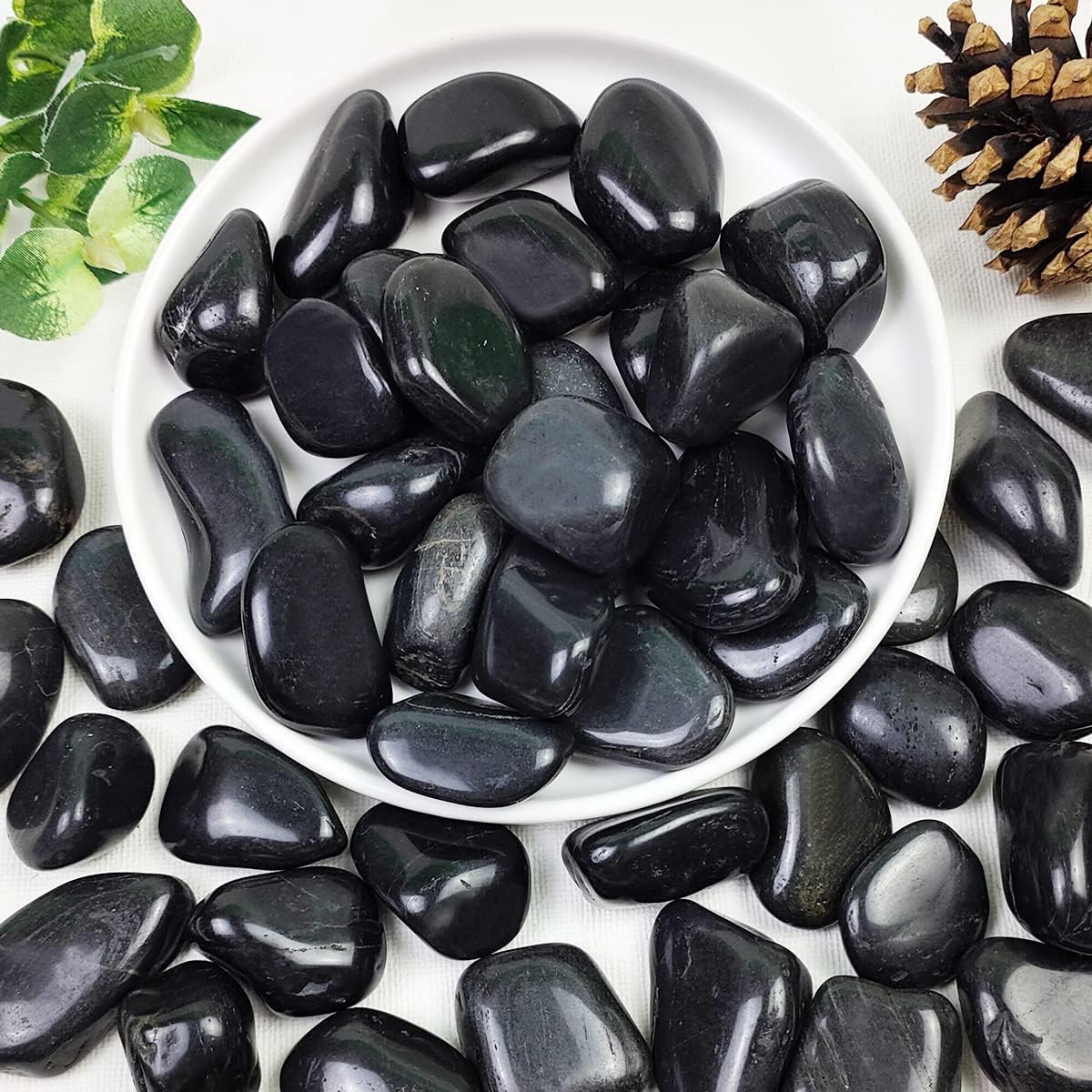
These 1–2 inch polished black river pebbles are a straightforward decorative stone for garden beds, planters, and aquariums. Supplied in a 40 lb bag, the stones are natural river rock with an irregular shape and a polished surface that maintains luster and resists fading. They are typically used as a surface mulch to improve drainage, reduce surface evaporation, and give beds or pots a clean finished look. The pebbles are described as non-toxic with no added dyes or fillers, and they can also serve as vase filler or aquarium substrate after a thorough rinse. Practical benefits include long-lasting appearance compared with organic mulches and low maintenance since they do not decompose. Important limitations are weight and coverage: a 40 lb bag covers a limited area so larger landscapes require many bags, and the stones can absorb and radiate heat more than organic mulches. Also they will not improve soil fertility or break down to feed plants, so pair them with appropriate soil practices for performance-focused plantings.
Best for: Buyers who want a durable, low‑maintenance decorative mulch that prioritizes long-term appearance and drainage performance for planters, small beds, and hardscape accents.
Less Ideal for: Gardeners seeking mulches that improve soil fertility or cover very large areas on a tight budget should consider organic mulches or lighter aggregate options instead.
- Polished surface retains visual luster and resists fading
- Natural stone with no added dyes or fillers
- Helps surface drainage and reduces evaporation when used as mulch
- Versatile for planters, vases, aquariums and hardscaping
- Heavy material so multiple bags needed for larger coverage
- Does not decompose or add organic matter to soil
Verdict: Choose these polished black river pebbles when you need a durable, low‑maintenance stone mulch that keeps a neat, long‑lasting finish for planters and small landscape accents.
FANTIAN 10 lb Black Pea Gravel, 3/8-inch Decorative Stones

| Unit Count | 160 Ounce |
|---|---|
| Item Diameter | 0.38 inches |
| Material | Stone |
| Item Shape | Rounded Shape |
| Grade Rating | Commercial |
This 10 lb bag of FANTIAN black pea gravel supplies small, rounded 3/8-inch stones that work as a low-maintenance stone mulch or decorative top layer. You would typically spread it around potted plants, succulents, or in garden beds and pathways to suppress weeds, improve drainage at the soil surface, and give a consistent dark finish that looks darker when wet. The stones are natural stone with no coating or dyes and are sold ready to rinse and use; the listing notes some surface dust from processing so a quick rinse is recommended before indoor or aquarium use. Practical benefits include commercial-grade material, an even rounded shape for a neat appearance, and multiuse capability for outdoor hardscaping, planters, and aquaria once cleaned. Limitations are obvious: a 10 lb bag covers a small area so larger projects need many bags, and because the stones are loose pea gravel they will shift over time and require edging or occasional top-ups to maintain a tidy bed.
Best for: Buyers who want a low-fuss, natural stone mulch for small beds, planters, or decorative accents and prefer a dark, uniform finish with easy application.
Less Ideal for: People planning to cover large areas or build permanent, stable hardscape surfaces should choose bulk landscape rock or installed pavers instead.
- Natural, uncoated stone safe for plants and aquariums after rinsing
- Consistent 3/8-inch rounded size gives a neat, uniform look
- Commercial grade material suitable for frequent outdoor use
- Versatile for planters, rock gardens, pathways and fish tanks (after cleaning)
- Small 10 lb bag covers limited area so multiple bags are needed for landscape projects
- Surface dust from processing requires rinsing before indoor or aquatic use
Verdict: A compact, natural black pea gravel that delivers a tidy, low-maintenance dark mulch for small-scale landscaping and planter projects.
Rahato Small Black Lava Rocks for Plants, 2.5 lb (1/5 in)

| Unit Count | 40 Ounce |
|---|---|
| Item Diameter | 0.2 inches |
| Material | stone |
| Item Form | Granular |
These small black lava rocks are a simple, no-frills stone mulch for potted plants, succulents, terrariums, and small garden accents. Supplied as roughly 1/5 inch round granules, the pure volcanic stone is naturally porous so it helps with drainage and aeration when used as a top layer or mixed into potting mixes. Typical uses are a thin top-dressing to reduce surface evaporation and soil compaction, a drainage layer at the bottom of containers, or decorative coverage for bonsai and succulent arrangements. The product is lightweight compared with larger landscape rock and comes in a modest 2.5 pound pack that is easy to store and sprinkle precisely where needed. Because the rocks are untreated and free of dyes they will not leach color into soil, but the small bag size means you may need multiple packages for larger projects. Also the fine granules can migrate into potting mix over time, so occasional raking or replacement is recommended for tidy displays.
Best for: Buyers who want an inexpensive, natural top-dressing or drainage amendment for individual pots, terrariums, and small succulent or bonsai displays and prefer a simple material that does not alter soil chemistry.
Less Ideal for: People planning to cover large landscape areas or heavy-duty mulching projects should choose larger bulk decorative stone or bags sold by weight for better coverage.
- Porous volcanic stone improves drainage and aeration for potted plants
- Small 1/5 inch granules make precise top-dressing and decorative coverage easy
- Natural, untreated material with no dyes or fillers so it will not leach
- Compact 2.5 lb pack is convenient for small projects and indoor use
- Small 2.5 lb quantity is insufficient for larger beds or many pots
- Fine granules can work into the potting mix over time and require occasional maintenance
Verdict: A budget-friendly small bag of natural lava granules that improves drainage and gives tidy decorative top-dressing for individual pots and small plant displays.
GASPRO 15 lb Mixed Color Polished River Pebbles

| Number of Packs | 1 |
|---|---|
| Number of Items | 15 |
| Item Diameter | 1.75 inches |
| Material | Stone |
These GASPRO river pebbles are natural, polished stones sold in a 15-pound bag for decorative landscaping, planters, aquariums, and paths. Typical use is as a top dressing or mulch substitute around garden beds, in pots, or lining walkways where consistent, low-maintenance ground cover is desired. The stones are screened to a narrow size range (about 1 to 1 3/4 inches) and have a polished surface that resists fading from sun and water, so colors stay attractive over time. They lock in soil moisture and help suppress weeds without needing replacement seasonally, and the smooth finish makes them easy to rinse and reposition. Limitations are typical for stone mulch: they do not add nutrients to soil, can increase heat around shallow-rooted plants, and a single 15 lb bag covers only a small area compared with bulk landscaping rock, so plan on multiple bags for larger beds or pathways.
Best for: Buyers who want a reliable, low-maintenance decorative stone mulch for small beds, planters, or accent paths and prioritize long-lasting color and consistent size.
Less Ideal for: Not a good fit for gardeners who need soil amendment, bulk coverage for large landscapes, or a lightweight organic mulch alternative.
- Natural polished stones resistant to sun and water fading
- Consistent screened size makes for an even, professional look
- Smooth, polished surface is easy to clean and safe to handle
- Helps retain soil moisture and suppress surface weeds
- Small bag size means multiple purchases are needed for large areas
- Does not improve soil fertility or structure
Verdict: Choose these polished river pebbles when you want a dependable, low-maintenance stone mulch with consistent size and long-lasting color for small to medium decorative projects.
OUPENG Polished River Pebbles, Mixed Colors, 2 lb

| Material | Stone |
|---|---|
| Item Shape | Round |
| Color | Mixed Color |
| Brand Name | OUPENG |
These OUPENG polished river pebbles are small natural stones sold in a 2-pound bag and intended for decorative landscaping and indoor projects. They are lightly tumbled for a smooth, rounded finish and come in a mix of natural colors that add visual interest around potted plants, flowerbeds, walkways, water features, and tabletop arrangements. In practice they serve as a long-lasting alternative to organic mulch because they will not break down, deter some weed growth when applied over fabric, and create neat drainage-friendly surfaces for succulents and planters. The bag size and small pebble size make them easy to handle for accents, terrariums, and centerpieces, but covering larger beds will require many bags. The stones are polished and coated to enhance shine so rinse them before use if you want to avoid any surface residues. Overall these pebbles are a durable, low-maintenance option when you want a clean, refined look instead of traditional mulch, but plan ahead for quantity and rinsing if using in aquaria or directly against sensitive plantings.
Best for: Buyers who want a tidy, low-maintenance alternative to organic mulch for small-scale landscaping, potted plants, and decorative projects and who prioritize visible results and durability.
Less Ideal for: People planning to cover large garden beds or who need a soil-improving mulch should consider bulk landscaping stone or organic mulches instead.
- Natural polished stones provide a long-lasting, non-decomposing ground cover
- Mixed natural colors create a decorative, finished look for planters and pathways
- Rounded, tumbled finish is gentle to touch and easy to walk on
- Works indoors and outdoors for craft projects, terrariums, and landscaping accents
- Small 2-pound bag is insufficient for large beds so multiple purchases are needed
- Polish and wax coating means stones should be washed before use in aquariums or sensitive plantings
Verdict: A durable, decorative pebble option for small landscaping and planter projects when you want a tidy, long-lasting alternative to mulch.
Choosing the Right Stone Mulch: Key Factors to Consider
Particle Size and Shape
Particle size and shape determine how stone mulch behaves under foot traffic, how it settles, and how well it resists movement. Larger, angular pieces lock together and resist being washed away but can be uncomfortable to walk on and may not be suitable for narrow planting strips. Smaller, rounded gravels are easier on bare feet and better for pathways but are more likely to migrate into lawn edges and need edging to contain them.
Shape also affects appearance and drainage. Angular stones create tighter interlock and less void space, which can slow surface runoff slightly, while round stones allow faster drainage and a looser visual texture. Choose particle size and shape that match the intended use: pathways, bed cover, or decorative accents.
Colorfastness and Aesthetic Longevity
Stone color and how well it holds up under sun and weather makes a big difference in long-term landscape appearance. Some decorative gravels fade or develop a dusty patina within a couple of seasons, changing the design intent of a bed. Natural stones like granite or certain river rocks tend to retain color longer than some coated or dyed aggregates.
Consider whether you want a consistent color year after year or an evolving, natural look. Also think about how the stone color pairs with plant foliage and hardscape. Faster-fading materials may still be acceptable on utility areas but are poor choices where aesthetic permanence is important.
Drainage Performance
How well stone mulch allows water to pass through to the soil affects plant roots, irrigation efficiency, and erosion. Porous or loosely packed stone lets rain and irrigation infiltrate quickly, reducing puddling and surface runoff. Densely packed or fine materials can impede infiltration and lead to shallow water flow across the surface.
Drainage matters most near planting beds and around foundations where pooling can damage roots or structures. Match the stone type and install depth to the drainage needs of the site and plants. If infiltration is critical, choose coarser fractions and avoid mixing fine dust into the bedding layer.
Compatibility With Planting and Soil Health
Stone mulch interacts differently with soil temperature, moisture retention, and the biological activity at the soil surface. Unlike organic mulches, stone does not add nutrients or improve soil structure, and it can cause soils to heat more in sun-exposed areas. For heat-sensitive plants, stone mulch may increase root stress during hot spells.
On the other hand, stone is neutral with respect to decomposition and reduces the need to replenish organic material. Consider plant type, microclimate, and whether you will pair stone with soil-improving practices beneath the mulch such as compost incorporation or planting tolerant species.
Maintenance Needs and Long-Term Costs
Stone mulch is often chosen for low maintenance, but upkeep tasks still apply. Expect occasional raking to redistribute migrated stones, removing organic debris that accumulates on the surface, and topping up areas that thin over time. When installed with fabric, you may need to address fabric deterioration or holes that let weeds through.
Long-term costs include the initial material and installation plus occasional refreshes. Durable choices cost more upfront but usually require less frequent replacement. Factor in labor for edging, weed control treatments, and any plant replacements caused by heat or drainage changes after installation.
Environmental and Site-Specific Constraints
Local climate, slope, and proximity to water features shape which stone mulch is appropriate. On steep slopes you need materials that resist slumping and have good interlock. Near water or runoff channels, choose inert stones that will not leach minerals into waterways. In freeze-thaw regions, select material that maintains stability and does not trap moisture against foundations.
Also confirm local regulations or HOA rules about permitted landscape surfacing. Some communities restrict certain colored or crushed materials, so check constraints before committing to a material that will be difficult to change later.
Best Uses by Garden Zone
Different stone mulches suit different parts of a property. Decorative beds and dry river features benefit from medium to large stones that resist movement and create visual anchors. Pathways and patios work better with screened, rounded gravels that compact well under foot and provide a more comfortable walking surface. Around foundations and drip lines, choose a fraction that sheds water away from structures while allowing adequate infiltration.
Consider the microclimate of each zone. Sunny, exposed beds tolerate stones that amplify heat, while shaded, moist corners may favor coarser material that avoids holding surface moisture.
- Use larger, angular stones for erosion-prone slopes.
- Choose smoother, smaller gravels for paths and seating areas.
- Match stone depth to the intended function: shallow for decorative cover, deeper for weed suppression and erosion control.
Installing Stone Mulch: Practical Steps
A careful installation extends the life of stone mulch. Start by preparing the bed: remove weeds and roots, install appropriate edging to contain material, and level the surface. If you plan to use landscape fabric, choose a stable, permeable option and overlap seams to reduce migration. Spread a base layer if needed to improve drainage or raise grade away from structures.
Finish by spreading the stone to the recommended depth for the material and use. Rake the surface smooth and check transitions to lawn or paving to prevent stones from migrating into unwanted areas.
- Prepare the bed and install edging before material delivery.
- Use a permeable underlayer if you need extra weed suppression without trapping water.
- Apply stone in layers and check for consistent depth and slope.
Pairing Stone Mulch With Plants
Stone mulch pairs well with drought-tolerant perennials, succulents, and Mediterranean-style plantings that tolerate warmer root zones. Use a generous planting hole with organic amendments for each plant, because surface stone will not supply nutrients over time. Groundcovers that spread slowly can be combined with stone to soften edges and reduce exposed surface area.
Avoid pairing fine, heat-amplifying stone with shallow-rooted or moisture-loving species. Instead, create planting pockets or islands with organic mulch around sensitive roots while using stone as the surrounding groundcover.
- Use planting rings of soil and organic mulch for young or sensitive plants.
- Select plants tolerant of higher surface temperatures for large stone beds.
- Include drip irrigation or targeted water delivery if planting in stone to ensure roots receive moisture.
Containing and Edging Stone Mulch
Good edging prevents migration and keeps a crisp landscape line. Rigid edging such as metal or stone works well with heavier aggregates. Flexible edging can be effective for rounded gravels but needs secure anchoring to resist lateral pressure. For sloped sites, consider terracing or mechanical containment to prevent slumping.
Edging also simplifies mowing and maintenance around lawn interfaces. Proper containment reduces the frequency of raking and the loss of material into adjacent areas.
- Choose edging material and depth based on stone size and site slope.
- Install edging flush or slightly raised to create a visual border and physical barrier.
- Inspect edges each season and repair gaps that allow escape or weed intrusion.
Seasonal Care and Long-Term Maintenance
Stone mulch needs less frequent attention than organic mulch but still benefits from seasonal care. Remove accumulated leaves and organic debris in fall to prevent weed seed buildup and reduce soil that can form a growth medium on top of the stones. Every few years, plan to rake and regrade areas where migration has thinned coverage.
Monitor for weeds that exploit holes in underlayers or edges and address them early. Periodic topping up keeps the appearance uniform and maintains effective weed suppression.
- Clear debris each season to avoid organic buildup on the surface.
- Rake and redistribute stones annually or as needed.
- Top up thin areas rather than replacing the entire bed.
How We Chose the Best Stone Mulch
To assemble the list we prioritized characteristics that directly affect real-world garden performance. We evaluated drainage behavior because stone mulch that sheds water or promotes infiltration influences plant health and erosion control. Longevity and colorfastness were considered so recommendations reflect material that stays attractive and needs minimal top-up. Weed control and compatibility with fabric or no-fabric installations were weighed to show how likely a surface will remain low-maintenance. Particle size and edge stability were included since size affects walking comfort, mulching depth, and migration over time. Lastly, environmental and soil-safety considerations guided exclusions of materials known to alter soil pH dramatically or to leach undesirable substances. We excluded materials intended primarily as construction aggregate rather than landscape mulch and any options that require frequent replacement or intensive upkeep. The resulting picks emphasize real gardener needs: effective drainage, long service life, consistent appearance, ease of installation, and minimal ongoing maintenance.
FAQ
Will stone mulch raise soil temperature and harm plants?
Stone can increase surface temperature compared with organic mulch, especially darker or denser materials in full sun. Heat-sensitive or shallow-rooted plants may experience stress, so provide planting pockets with organic mulch or choose lighter-colored stone and tolerant species.
Do I need landscape fabric under stone mulch?
Fabric can improve weed suppression initially but may trap fine soil particles over time and reduce infiltration if improperly installed. Permeable fabrics that allow water through and careful seam placement help balance weed control with drainage needs.
How deep should I lay stone mulch for weed control?
Recommended depth depends on particle size and purpose. Coarser stones often work well at shallower depths because they interlock, while finer materials require more depth to block light and suppress weeds. Also account for expected settling and migration when deciding depth.
Will stone mulch damage my lawn or make mowing harder?
Loose stones can migrate into turf and abrade mower blades or clog equipment. Install secure edging and maintain a clean transition to reduce stones entering the lawn. Using larger fractions or pavers at the interface can also protect mowing equipment.
Can stone mulch help with drainage on slopes?
Right-sized and well-placed stone mulch can reduce surface erosion by allowing water to infiltrate and by stabilizing soil. On steep slopes use larger, angular material and consider terraces or additional mechanical stabilization to prevent slumping.
Is stone mulch environmentally neutral?
Many natural stones are chemically inert and long-lasting, but some aggregates can alter soil pH or leach minerals depending on composition. Choose materials suited to your planting needs and verify local environmental guidance if runoff into waterways is a concern.
Final Verdict
Stone mulch offers a low-maintenance alternative to organic materials when you prioritize long-lasting weed suppression, drainage control, and a clean landscape aesthetic. Prioritize particle size, drainage behavior, and colorfastness based on the specific garden zone and plant types you are working with. Expect occasional maintenance like raking, debris removal, and selective topping up, and use proper edging and installation techniques to minimize migration. With those tradeoffs managed, stone mulch is a durable solution for many landscape situations and can simplify upkeep while enhancing design.
