

Note: This article contains affiliate links. If you click on these links and make a purchase, I may earn a small commission at no extra cost to you. This helps support my research and content. Read my full affiliate disclosure here.
Pairing succulents correctly makes the difference between a tidy mixed planter and a struggling display. When you choose succulents to plant together you are balancing light exposure, water needs, growth habit, and soil drainage so the whole grouping thrives rather than one species dominating or rotting. This guide shortlists six top succulent picks that work well in mixed containers and arrangements for patios, windowsills, and rock gardens. We focus on compatibility factors gardeners care about: sun tolerance, watering rhythm, mature size, and root behavior. Read on for practical notes on planting, placement, and maintenance to help you build durable, attractive combinations.
Top Picks at a Glance
| Best Overall The best all-around choice for most situations | 12-Pack Live Assorted Mini Succulents (Bare Root) |  |
| Best Quality Built to a higher standard if you want something more solid | Mountain Crest Gardens Ultimate Succulent Variety Pack — 25 Live Succulents in 2" Pots | 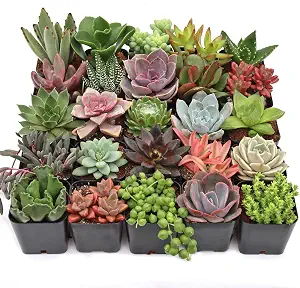 |
| Best Value The sweet spot between price and what you get | Plants for Pets 20-Pack Assorted 2" Live Succulent Plants |  |
| Best Budget The cheapest option that still gets the job done reliably | THE NEXT GARDENER.COM Succulent Plants 4-Pack, Fully Rooted in 2" Pots |  |
| Highest Rated A top-rated pick with lots of positive feedback | Mountain Crest Gardens Sempervivum Succulents Variety Pack — 20 Live Rosette Plants |  |
| Most Popular A crowd favorite that many people choose with confidence | Altman Plants 2" Live Succulent 6-Pack (Assorted) |  |
12-Pack Live Assorted Mini Succulents (Bare Root)

| Sunlight Exposure | Partial Sun |
|---|---|
| Unit Count | 12 Count |
| Care Level | Easy |
This 12-pack delivers a varied collection of small, easy-care succulents intended for indoor or outdoor displays and DIY planting. Plants arrive bare root without pots or soil so you can choose containers and soil that suit your style; the seller notes varieties are selected at random so you may receive duplicates. These succulents are described as low-maintenance and tolerant of partial sun, making them suitable for windowsills, terrariums, small planters, or grouped arrangements. Practical benefits include the ability to create custom layouts, use them as favors or gifts, and avoid transplant shock from heavy packaging because bare-root shipping reduces stress. Limitations to expect are variable size and appearance between specimens, the need to pot them into well-draining succulent mix before regular watering, and the extra step of sourcing pots and soil. If you want an immediately decorative potted set, plan to pot them on arrival; if you prefer curated specific varieties, be aware assortments are random.
Best for: Buyers who want a ready assortment to build displays, gifts, or DIY succulent projects and prefer low-maintenance plants they can pot and arrange themselves.
Less Ideal for: People who want guaranteed specific varieties, uniformly sized plants, or ready-potted decor without extra potting work should consider other options.
- Includes a dozen succulents for multiple displays or projects
- Plants shipped bare root to reduce shipping stress and make potting flexible
- Low-maintenance varieties suitable for beginners and busy owners
- Works well for terrariums, small planters, gifts, and DIY arrangements
- Varieties are chosen at random so you may receive duplicates
- Arrives without soil or pots, requiring additional purchase and potting time
Verdict: A convenient, low-maintenance dozen of mixed succulents for anyone who wants flexible DIY planting and decorative arrangements.
Mountain Crest Gardens Ultimate Succulent Variety Pack — 25 Live Succulents in 2" Pots

| Unit Count | 25 Count |
|---|---|
| Soil Type | Gritty, well-draining cactus or succulent mix |
| Sunlight Exposure | Partial Sun |
| Moisture Needs | Moderate, water when soil is dry |
| USDA Hardiness Zone | 10 |
This 25-count variety pack from Mountain Crest Gardens delivers a wide selection of fully rooted succulents ready for display or repotting. Each plant arrives in a reusable 2-inch plastic nursery pot filled with a fast-draining coconut coir cactus mix, so you can place them on a sunny windowsill, arrange them in containers, or transplant into your garden beds. The pack emphasizes visual contrast by combining genera such as Echeveria, Sedum, Crassula, and Sempervivum, which makes it convenient for creating mixed arrangements or testing which forms thrive in your space. Care instructions are straightforward: bright indoor light or partial sun, water deeply only when the soil is completely dry, and protect from frost below about 40°F. Because plants are small and varied, you get a ready-to-grow starter collection rather than large show specimens, so plan to repot or group plants for impact. Buyers should also expect that variety contents are assorted and not guaranteed to include specific cultivars. For someone building a collection or assembling decor and DIY projects, this pack is a practical, low-maintenance option.
Best for: Buyers who want a ready-made, diverse starter collection to build a succulent display, test varieties in their light conditions, or create multiple small arrangements with minimal fuss.
Less Ideal for: Gardeners seeking large, mature specimen plants or collectors who need specific named cultivars should look for single-variety or larger-size listings instead.
- Large, curated mix of 25 different succulent varieties for strong visual variety
- Plants arrive rooted in reusable 2-inch nursery pots ready for display or repotting
- Uses well-draining coconut coir cactus mix suitable for succulent culture
- Clear, simple care guidance for low-maintenance upkeep
- Versatile uses including gifting, DIY arrangements, and small container gardens
- Plants are small starter-sized rather than mature specimens
- Varieties are assorted so exact cultivars are not guaranteed
Verdict: If you want an easy, low-maintenance way to jump-start a varied succulent collection or create multiple small arrangements, this 25-pack delivers a broad, ready-to-grow selection.
Plants for Pets 20-Pack Assorted 2" Live Succulent Plants

| Indoor Outdoor Usage | Indoor, Outdoor |
|---|---|
| Sunlight Exposure | Full Sun |
| USDA Hardiness Zone | 10, 11, 9 |
| Moisture Needs | Little To No Watering |
| Unit Count | 20 Count |
This 20-pack from Plants for Pets delivers a mixed assortment of fully rooted 2-inch succulents that work well for small container gardens, party favors, or desk displays. The shipment typically contains a variety of genera such as Echeveria, Crassula, Sedum and others, so you get color and form diversity without selecting individual varieties. Plants arrive in plastic starter pots and are intended for bright indirect light or partial sun; they need only occasional watering when the soil is dry. The collection is marketed as compact and low maintenance and is suitable for beginners or busy plant owners who want quick decorative impact. Because the pack is assorted and seasonal, you cannot guarantee specific cultivars, and some varieties may be small or slightly stressed after transit; simple repotting and settling the soil usually resolves that. Also keep pets in mind since several included plants can be toxic to cats and dogs. For creating mass arrangements, DIY favors, or starting a small succulent collection, this pack is a convenient, time-saving option.
Best for: Buyers who want an efficient way to populate multiple small containers, make party favors, or start a varied succulent collection with minimal effort and upkeep.
Less Ideal for: People who need specific named cultivars, large mature specimens, or safe, non-toxic plants for homes with curious pets should look elsewhere.
- Large quantity of plants for group projects or multiple small pots
- Assorted varieties give visual diversity without selecting individual plants
- Plants are sold fully rooted in starter pots ready for display or repotting
- Low-water, low-maintenance care suitable for beginners and busy owners
- Assortment is seasonal so specific cultivars are not guaranteed
- Plants arrive small and may need repotting or soil stabilization after shipping
Verdict: If you want a ready-made, low-effort collection to fill multiple small pots or create favors, this 20-pack gives quick variety and convenience.
THE NEXT GARDENER.COM Succulent Plants 4-Pack, Fully Rooted in 2" Pots

| Indoor Outdoor Usage | Indoor |
|---|---|
| Expected Blooming Period | Fall |
| Sunlight Exposure | Partial Sun |
| Moisture Needs | Moderate Watering |
This 4-pack of succulents arrives ready to display or replant, each in a 2-inch grower pot with well-draining soil. The plants are hand-packed and chosen from common varieties that do well with moderate watering and partial sun, making them convenient for placement on windowsills, small shelves, or desktop planters. Their low-maintenance nature and drought tolerance mean they only need watering once the soil is dry, which suits busy owners or beginners. Because they are small and shipped in starter pots, you can pot them up into decorative containers or a mixed succulent arrangement quickly. Limitations include the small pot size on arrival, which means some repotting will be needed sooner than with larger nursery plants, and limited variety control since the pack uses common varieties rather than named cultivars. Soil and care guidance provided is basic but accurate for typical indoor succulent care.
Best for: Buyers who want an affordable, low-effort way to start a small indoor succulent collection or to create simple decorative arrangements without fuss.
Less Ideal for: Enthusiasts seeking mature specimens, rare named cultivars, or ready-to-display large potted plants should look elsewhere.
- Arrives fully rooted in soil and ready to display or repot
- Low maintenance and drought tolerant, suitable for busy or first-time plant owners
- Four-plant pack offers quick variety for small arrangements or gifts
- Plants come in small 2" grower pots and will need repotting for long-term growth
- No specific cultivar names or detailed care instructions beyond basic watering guidance
Verdict: An inexpensive, low-maintenance way to start a small indoor succulent collection that is ready to display or repot.
Mountain Crest Gardens Sempervivum Succulents Variety Pack — 20 Live Rosette Plants

| Unit Count | 20 Count |
|---|---|
| Indoor Outdoor Usage | Indoor, Outdoor |
| USDA Hardiness Zone | 5 |
| Sunlight Exposure | Full Sun, Partial Sun |
| Moisture Needs | Moderate Watering |
This Mountain Crest Gardens pack delivers twenty different sempervivum rosette plants, each arriving rooted in its own 2-inch nursery pot so you can plant or display them right away. These are cold-hardy, drought-tolerant rosettes intended for rock gardens, containers, or mixed succulent displays and tolerate outdoor conditions to at least USDA zone 5 once established. They are grown in coconut coir and shipped in reusable plastic pots, and care guidance is simple: bright light, sharp drainage, and water only when the soil is fully dry. The variety pack eliminates duplicates, which makes it easy to build a diverse, resilient bed or a series of planters without hunting down different cultivars. Expect strong survival in well-drained sites and straightforward transplanting from the 2-inch pots. Limitations are typical for sempervivums: they do not like prolonged wet soil and need bright light to keep good color and compact form, and the small nursery pots mean you will likely want to up-pot or plant them into finished soil soon after arrival for long-term vigor.
Best for: Buyers who prioritize reliable, low-maintenance outdoor plants that establish quickly and tolerate cold and drought, especially those creating rock gardens, container displays, or multiple plantings.
Less Ideal for: People who want shade-loving or moisture-loving plants or who cannot provide sharp drainage and regular bright light should choose a different species.
- Twenty unique sempervivum varieties with no duplicates for instant diversity
- Plants arrive rooted in 2-inch nursery pots ready for easy transplanting or display
- Hardy to USDA zone 5 and drought tolerant once established
- Low-maintenance care: bright light, sharp drainage, and infrequent watering
- Small nursery pots mean plants will need repotting or planting soon for long-term growth
- Sensitive to prolonged wet soil so unsuitable for poorly drained sites
Verdict: A dependable, ready-to-plant assortment of cold-hardy sempervivum that simplifies creating resilient rock gardens and container displays.
Altman Plants 2" Live Succulent 6-Pack (Assorted)

| Indoor Outdoor Usage | Indoor, Outdoor |
|---|---|
| Other Special Features of the Product | Compact, Drought Tolerant, Low Maintenance |
| Sunlight Exposure | Full Sun |
| USDA Hardiness Zone | 10, 9 |
| Moisture Needs | Little To No Watering |
This 6-pack delivers six individually potted, fully rooted succulents selected from Altman Plants’ breeding program and shipped dry to reduce transit rot. You receive a small assortment of common genera such as Kalanchoe, Crassula, Sedum, and Graptosedum in 2-inch nursery pots, intended for use as desk plants, small container gardens, terrariums, or favors. Their low-water needs and tolerance for bright sun make them well suited to beginners and busy owners; care instructions recommend full sun and watering only when the soil is dry. The plants arrive compact and ready to grow, offering visual variety for displays and DIY projects. Limitations: the pots are small so plants will need repotting for long-term growth, and varieties are assorted so you cannot pick exact species; the plants are rated for USDA zones 9 to 10 so outdoor use is best in warm climates or seasonally. For someone seeking an easy, low-maintenance way to start a succulent collection these are convenient and reliably healthy starters.
Best for: Buyers who want an easy, low-maintenance starter collection or decorative succulents for indoor displays and small container projects and who value real customer feedback when choosing reliable, proven plant sources.
Less Ideal for: Gardeners seeking specific named varieties or large, mature specimens and those wanting year-round outdoor planting in climates colder than USDA zones 9 to 10.
- Six fully rooted live succulents offering immediate display or gifting options
- Drought-tolerant, low-maintenance varieties suited to beginners and busy owners
- Assorted mix provides color and shape variety for decorative arrangements
- Shipped dry to reduce the risk of rot during transit
- 2-inch nursery pots are temporary and require repotting for sustained growth
- Assortment means you cannot choose specific varieties or guaranteed colors
Verdict: A low-effort, visually varied six-pack that makes it simple to start a succulent collection or create small decorative displays.
Choosing the Right Succulents to Plant Together: Key Factors to Consider
Light Compatibility
Matching light requirements is the first step when planning succulents to plant together. Some succulents need bright, direct sun for several hours daily to maintain compact growth and strong color while others will etiolate or bleach in full sun. Placing a sun-loving rosette next to a partly shaded variety often forces one to adapt poorly: the shade-tolerant plant will still suffer in full sun, or the sun-lover will stretch when shaded.
Assess the real conditions where the planter or bed will sit for several hours across the day. Use those observations to group full-sun, part-sun, or bright-indirect lovers together so you only need one light placement for the whole arrangement.
Watering Rhythm
Succulents vary in how often they accept water. Some store more moisture and tolerate longer dry spells, while others prefer shorter, more regular soak-and-dry cycles. Combining plants with different watering rhythms leads to chronic overwatering for the drought-tolerant types or under-watering for thirstier ones.
When choosing companions, pick species whose soil-dry intervals align. This simplifies routine care and reduces root rot risk. For mixed pots, use a fast-draining substrate and water only after the top inch or two has dried, adjusting frequency to the thirstiest plant in the grouping.
Mature Size and Growth Habit
Consider the mature diameter and vertical growth of each succulent. Rosettes that stay compact pair well with trailing or architectural columns if you want contrast without crowding. Fast-spreading groundcover succulents can quickly overrun slow-growing neighbors and make a mixed planting unbalanced.
Plan for how each plant will look in six months to a year and leave adequate spacing for offsets. If you want a long-term mixed container, choose a mix of slow, moderate, and intentionally trailing growers, and plan to divide or trim spreaders regularly.
Root Form and Soil Needs
Not all succulent roots behave the same. Some species develop shallow fibrous roots suited to shallow pots, while others send a thicker taproot or deeper structure that needs more soil volume. Soil composition matters too: most succulents prefer gritty, well-draining mixes, but a few do best with a slightly higher organic content.
When planting together, choose plants that share similar root depth and substrate needs or use a larger container with layered substrate zones. Avoid combining a deep-rooted species with shallow-rooted ones in a tiny dish to prevent stress on deeper feeders.
Cold Hardiness and Placement
Outdoor succulents vary widely in cold tolerance. If you plan to plant together in a garden bed or leave containers outdoors seasonally, match hardiness zones so one plant is not damaged during winter while others survive.
For container displays you can move indoors, consider whether all chosen species tolerate brief indoor conditions like lower light and humidity. Grouping plants by hardiness helps you decide whether the entire arrangement must be sheltered for winter or can remain outside.
Pest and Rot Resistance
Some succulents are more susceptible to common pests like mealybugs or scale, and others are prone to rot in cool, wet conditions. Planting a rot-prone species next to a hardy, pest-resistant one can create maintenance headaches if infestations spread or moisture accumulates in confined containers.
Prioritize species with similar susceptibility levels or plan maintenance routines such as regular inspection, gentle pruning, and ensuring airflow. Choosing tougher companions reduces the need for frequent intervention and keeps mixed plantings healthier.
Designing A Balanced Succulent Arrangement
Start by sketching the scale and shape you want: a low, spreading centerpiece for a table, a tall focal accent, or a cascading window box. Choose one or two structural plants to provide height or form, then add contrasting textures and colors with rosettes and trailing species. This creates depth without overcrowding.
- Use an odd number of main pieces for visual interest.
- Place taller, upright plants toward the back or center in round containers.
- Let trailing species hang over edges for softening the pot profile.
Soil and Container Guidance
Use a fast-draining, gritty mix with coarse sand or perlite to avoid waterlogging. If using a shallow dish, favor shallow-rooted succulents and avoid deep-rooted types that will be root-bound quickly. Ensure every container has adequate drainage holes; if drainage is limited, create a deeper gravel layer and check soil moisture more frequently.
- Choose wider pots for groupings to give roots room.
- Avoid heavy garden soil; it retains too much moisture.
- Topdress with small gravel to deter pests and reduce surface evaporation.
Watering and Seasonal Care
Water deeply but infrequently, letting the substrate dry between waterings. Reduce watering in cooler months and increase it during active growth. For mixed plantings, water according to the thirstiest species but lean conservative to protect drought-tolerant members. Provide good air circulation and keep leaves dry when you water to lower rot risk. If a plant shows signs of overwatering, remove it and let the soil dry before resuming moisture; repot if necessary with fresher, faster-draining substrate.
- Water from the base when possible to keep crowns dry.
- Check soil moisture with a finger or probe rather than a set schedule.
- Move containers to a brighter spot in winter if indoor light is low.
Propagation and Longevity of Groupings
Many succulents propagate from offsets, leaf cuttings, or stem sections, which helps you refresh or expand a mixed arrangement without buying new plants. Plan maintenance by periodically removing excess offsets from aggressive spreaders so they do not overshadow slower neighbors. Rotate plants or trim back runners to maintain balance and prevent root crowding. Regular light fertilization during the growth season can support long-term vigor but avoid heavy feeding that encourages soft, rot-prone growth.
- Propagate offsets to replace stressed plants.
- Trim and divide every season to manage crowding.
- Use a dilute, balanced fertilizer sparingly in spring and summer.
Troubleshooting Common Problems
Yellowing or mushy leaves usually point to overwatering or poor drainage; inspect roots and adjust substrate if rot is present. Elongated, pale stems indicate insufficient light and often require moving the planter to a brighter site and removing stretched growth. Pest outbreaks are usually localized; isolate affected containers, manually remove insects, and repeat inspections. If one plant continually struggles despite adjustments, consider rehoming it to a single-species pot with tailored care.
- Repot suspicious plants to check root health.
- Increase light gradually to avoid sunburn on shaded plants.
- Quarantine infested plants until clean to prevent spread.
How We Chose the Best Succulents to Plant Together
We selected the six succulents based on criteria that matter to gardeners combining plants in the same container or bed. Our primary filters were sun and shade tolerance, water-use compatibility, and mature size so plants in a grouping share environmental needs and do not outcompete each other. We also prioritized root form and growth habit so shallow rosettes are paired with upright or trailing types rather than deep-rooted species that need more soil. Other evaluation points included cold hardiness for outdoor placements, resistance to common rot or pests, and how quickly a species tends to spread or offset-important for long-term balance in a mixed pot. We excluded varieties that require specialized care such as frequent misting, terrarium-only humidity, or constant greenhouse conditions. Plants that have extreme size disparities or very different substrate demands were also filtered out to keep each recommended grouping practical for typical home gardeners. Across all candidates we considered availability in nurseries and ease of propagation as secondary benefits. The end result is a practical shortlist of succulents that are likely to perform together under shared light, soil, and watering regimes.
FAQ
Can I mix succulents that bloom at different times?
Yes. Bloom time does not usually affect growing compatibility. However, flowering species may need slightly more energy and occasionally more water while in bloom, so consider that when matching water rhythms.
How large should the container be for six succulents planted together?
Container size depends on mature spread; choose a pot at least twice the combined current root ball volume with extra room for growth. A wider, shallow container often works better than a deep narrow one for most mixed succulent displays.
Do succulents planted together need special fertilizer?
Most succulents do well with a light application of balanced, low-nitrogen fertilizer during active growth. Avoid heavy feeding, which promotes soft growth that is prone to rot. Fertilize sparingly and according to the needs of the thirstiest plant in the grouping.
How often should I repot a mixed succulent container?
Repotting every two to three years is common to refresh soil and manage root crowding. If aggressive offsetters are present, you may need to divide or trim annually to keep the balance in the pot.
Can I use the same watering schedule for indoor and outdoor mixed succulent pots?
Schedules will differ because outdoor conditions dry soil faster. Use the same drying-and-wetting principle but adjust frequency for temperature, sun, and airflow. Check soil moisture rather than following a strict calendar.
Final Verdict
Choose succulents to plant together by prioritizing shared light and watering needs, compatible mature sizes, and similar root and soil preferences. Those are the tradeoffs that determine whether a mixed arrangement will remain vibrant or require constant adjustments. Focus on grouping plants with matching rhythms and plan for periodic pruning or division to maintain balance. When you match environment and maintenance to the plants you select, mixed succulent displays are durable, low-maintenance features that deliver long-lasting texture and color.
