

Note: This article contains affiliate links. If you click on these links and make a purchase, I may earn a small commission at no extra cost to you. This helps support my research and content. Read my full affiliate disclosure here.
Picking the right summer planter matters more than you might expect. In hot months a container can either protect roots and retain moisture or become a heat trap that stresses plants and burns roots. You want pots that drain well, shed excess heat, and let you manage watering without constant babysitting. This guide covers our seven shortlisted summer planters chosen for common warm-season uses like annual flowers, herbs, small vegetables, and mixed patio displays. We evaluate practical garden-focused criteria such as drainage, material heat performance, and planting depth so you can match a planter to your balcony, porch, or backyard setup.
Top Picks at a Glance
| Best Overall The best all-around choice for most situations | Mayne Fairfield 24in Self-Watering Window Box Planter |  |
| Best Quality Built to a higher standard if you want something more solid | Summer Impressions 8" Glazed Terracotta Succulent Planter with Drainage and Saucer |  |
| Best Value The sweet spot between price and what you get | Briarwood Lane Summer Planter, Medium Lemons |  |
| Best Budget The cheapest option that still gets the job done reliably | SUNNYCLUE Sea Urchin Ceramic Succulent Planter (Small) |  |
| Highest Rated A top-rated pick with lots of positive feedback | Briarwood Lane Summer Planter, 8.5" Small Bird Garden Design |  |
| Most Popular A crowd favorite that many people choose with confidence | NWFashion 6-inch Ceramic Bird Planter |  |
| Best Seller A high-volume bestseller chosen again and again | Garden Elements Glazed Brushed Plastic Planter, Large (15") |  |
Mayne Fairfield 24in Self-Watering Window Box Planter

| Capacity | 4 gallons |
|---|---|
| Material Type | Polyethylene (PE) |
| Other Special Features of the Product | Self Watering, UV Resistant, Weather Resistant |
| Mounting Type | Window Mount |
The Mayne Fairfield 24-inch window box is a low-maintenance outdoor planter built for consistent summer color displays. It uses a built-in reservoir and capillary action to keep plants watered, so you can go longer between top-ups while flowers and annuals stay evenly moist. The box is molded from UV-resistant polyethylene, so it keeps color and resists weather exposure through the season and requires very little upkeep. Steel wall-mount brackets are included, and the integrated overflow drain helps prevent root rot after heavy rain or generous watering. At 4 gallons capacity this size fits a row of annuals, herbs, or a mixed spill-and-fill arrangement on a sill or railing. Limitations to note are that the reservoir reduces root-zone volume compared with a full soil fill and the 24-inch length is best for compact plantings rather than large specimen plants. For gardeners who want reliable summer displays with minimal daily watering, this planter makes installation and seasonal care straightforward.
Best for: Gardeners who want a reliable, low-maintenance summer planter for window sills or small railings and prioritize consistent watering with easy installation.
Less Ideal for: People wanting deep-rooted or large specimen containers or landscapers who need very large continuous planting beds.
- Built-in self-watering reservoir reduces daily watering and evens soil moisture
- UV-resistant polyethylene construction holds color and tolerates outdoor weather
- Includes steel mounting brackets for secure window or wall installation
- Integrated overflow drain prevents overwatering after heavy rain
- Reservoir design limits usable soil volume compared with a full-fill planter
- 24-inch length is compact and may not suit larger plants or dense groupings
Verdict: A practical, low-maintenance window box that delivers consistent summer blooms with built-in self-watering and weatherproof construction.
Summer Impressions 8" Glazed Terracotta Succulent Planter with Drainage and Saucer

| Material Type | Ceramic |
|---|---|
| Finish Types | Glazed |
| Other Special Features of the Product | Drainage Hole |
| Mounting Type | Tabletop |
| Indoor Outdoor Usage | Indoor, Outdoor |
This 8-inch glazed terracotta planter blends the breathability of clay with the cleaner look of a glazed finish to give succulents and cacti a performance-focused home. The pot's unglazed interior and bottom help moisture evaporate, while the built-in drainage hole and included mesh pad keep potting mix from washing out. The clear plastic saucer makes it easy to protect furniture when used indoors. Typical uses are single succulents, small cactus collections, or shallow bonsai that need quick drying soil and good root aeration. Its tabletop mounting and modest depth suit windowsills, patios, and desks. Notable features are the glazed exterior for decorative appeal and the practical kit of mesh pad plus saucer so you do not need extra accessories. Limitations are the ceramic material's fragility if dropped and the relatively shallow depth that limits large-rooted or fast-growing plants. For growers who prioritize soil drying and root health in hot weather, this pot performs well; heavy gardeners wanting robust, impact-resistant containers should look elsewhere.
Best for: Gardeners who want a stylish, high-performing container for succulents or cacti that encourages fast soil drying and healthy roots and who display plants on tabletops, windowsills, or small patios.
Less Ideal for: People who need heavy-duty, impact-resistant pots for busy outdoor areas or who plan to grow large, fast-rooting plants that require deeper soil volumes.
- Unglazed interior and bottom promote root breathability and faster soil drying
- Built-in drainage hole with included mesh pad prevents soil loss while enabling drainage
- Glazed exterior offers decorative appeal for indoor or outdoor tabletop display
- Includes a clear plastic saucer to protect surfaces when used indoors
- Ceramic construction is brittle and can chip or break if knocked over
- Shallow depth limits suitability for plants with larger or deeper root systems
Verdict: Choose this pot if you want a decorative, performance-minded terracotta planter that helps succulents dry out quickly and stay healthy.
Briarwood Lane Summer Planter, Medium Lemons

| Planting capacity | Generous |
|---|---|
| Drainage | Integrated drainage system |
| Material | UV-stabilized plastic |
The Briarwood Lane Summer Planter is a medium decorative pot intended for seasonal outdoor use and container gardening. It holds a generous amount of potting mix so you can plant annuals, herbs, or a compact flowering combo without frequent repotting. The planter includes an integrated drainage system to help prevent root rot and the UV-stabilized plastic construction is designed to resist fading and cracking across sunny seasons. The bright lemon artwork gives an instant summer look that works well on patios, balconies, or entryways. Because it is plastic it is lightweight for repositioning and easier to move when filling or overwintering, but it will not have the heft or frost resistance of ceramic or concrete for year-round outdoor exposure in cold climates. For gardeners who want an attractive, low-maintenance summer container that keeps plants healthy with drainage, this planter is a practical choice.
Best for: Gardeners who want an attractive, easy-care summer container that prioritizes plant health and straightforward maintenance for patios, balconies, or porches.
Less Ideal for: Owners seeking a heavy, permanent winter-hardy planter or those wanting a neutral unadorned pot for a minimalist landscape.
- Integrated drainage system helps prevent overwatering and supports plant health
- UV-stabilized plastic resists fading and cracking in sun-exposed locations
- Generous planting capacity suitable for multiple annuals or herb combinations
- Lightweight design makes filling and repositioning easy
- Plastic construction offers less frost resistance and permanence than heavier materials
- Decorative artwork may not suit minimalist or neutral design preferences
Verdict: Choose this planter if you want a lightweight, sun-resistant decorative pot that keeps summer annuals healthy with built-in drainage.
SUNNYCLUE Sea Urchin Ceramic Succulent Planter (Small)
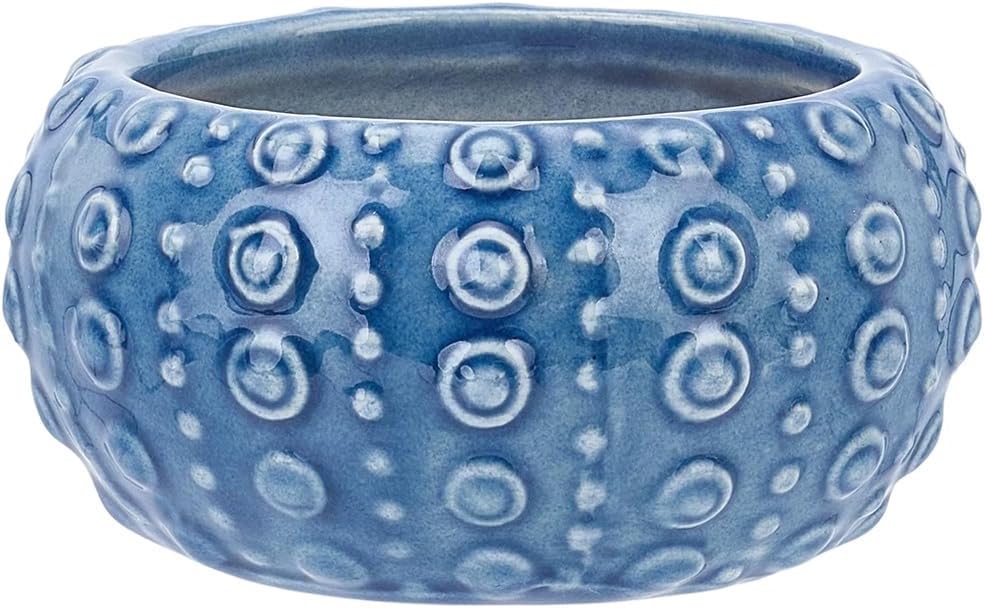
| Material | Ceramics |
|---|---|
| Usage | For Plants Office Home Garden Decor |
| Shape/Series | Ocean series sea urchin design |
This SUNNYCLUE sea urchin ceramic planter is a shallow, decorative pot made for succulents, cacti, and small desktop plants. It is typically used as a windowsill or office planter where the ocean-themed design adds visual interest while taking up minimal space. The pot is made from fired ceramics so it feels sturdy and cleans easily, and its shallow profile encourages use with shallow-rooted plants or as a decorative vessel for a single small succulent. Because it is small and light, it is simple to move or group with other pots to create a summer-themed display. Limitations are its shallow depth and small diameter which restricts larger plants or long-term growth without frequent repotting, and the product information does not list a removable tray or specific drainage hole details which may require adding a layer of gravel or using a liner for proper watering control.
Best for: Buyers wanting an inexpensive, decorative planter to style a windowsill, desk, or small summer display with succulents and other shallow-rooted plants.
Less Ideal for: Gardeners who need containers for larger plants, deep-rooted species, or long-term planting solutions should choose a bigger pot with clear drainage features.
- Attractive ocean-themed sea urchin design adds coastal charm to small spaces
- Made from fired ceramics for a sturdy, easy-to-clean surface
- Shallow profile is well suited to succulents, cacti, and desktop displays
- Compact size makes it easy to group multiple pots for a summer planter arrangement
- Very shallow depth and small diameter limit plant size and long-term growth
- No explicit drainage hole or saucer listed, so moisture management may require extra steps
Verdict: A budget-friendly, decorative ceramic planter that quickly upgrades a windowsill or desktop summer display for small succulents.
Briarwood Lane Summer Planter, 8.5" Small Bird Garden Design

| Capacity | 612.9 cubic inches |
|---|---|
| Material Type | Plastic |
| Other Special Features of the Product | UV Resistant |
| Mounting Type | Floor Standing |
| Indoor Outdoor Usage | Outdoor |
The Briarwood Lane Summer Planter is a decorative 8.5" outdoor plant pot designed for seasonal containers and small patio displays. Made from UV-stabilized plastic, it resists fading, cracking, and warping so the printed bird garden artwork stays bright through sun exposure. The pot includes an integrated drainage system to help prevent overwatering and promote healthier roots, and its low weight makes it easy to move for rearranging or bringing indoors as needed. Typical uses are annuals, herbs, or small perennials on a porch, balcony, or grouped on a patio table where the design can be seen. Because it is plastic and floor-standing, it is simple to clean and nearly maintenance-free compared with ceramic alternatives. Limitations are its small size, which constrains root space and plant choice, and the plastic finish is unfinished rather than textured for a premium look. For buyers prioritizing dependable, weather-resistant seasonal decor, this planter delivers a durable, attractive option for summer containers.
Best for: Buyers who want a reliable, low-maintenance summer planter that holds up to sun and outdoor conditions and makes seasonal container styling effortless.
Less Ideal for: Not suitable for gardeners seeking large or long-term specimen containers or for those who prefer heavyweight, decorative ceramic or stone planters.
- UV-stabilized plastic construction resists fading and weather damage
- Integrated drainage system supports healthier container-grown plants
- Lightweight and portable for easy repositioning or seasonal storage
- Decorative original artwork provides instant curb appeal
- Small internal volume limits plant selection and long-term growth
- Unfinished plastic finish looks less premium than glazed or textured pots
Verdict: A dependable, UV-resistant small planter that keeps its color and structure for fuss-free summer container displays.
NWFashion 6-inch Ceramic Bird Planter

| Capacity | 300 ml |
|---|---|
| Material Type | Ceramic, Porcelain |
| Finish Types | Glazed |
| Mounting Type | Tabletop |
| Indoor Outdoor Usage | Outdoor |
This 6-inch NWFashion bird planter is a decorative glazed ceramic pot intended for small succulents, herbs, or tiny flowers. It is typically used as a tabletop or balcony accent where you want a whimsical focal point rather than a large growing container. The pot is handmade-style ceramic with a glazed finish and includes a drainage hole to help prevent overwatering, which makes it straightforward to use for drought-tolerant plants. At about 300 ml capacity it suits a single small succulent or a pairing of tiny plants and fits easily on desks, windowsills, and small patio tables. The molded bird motif and green glaze give it instant charm and it is lightweight enough to move for seasonal displays. Limitations are its small capacity and single planting level, so it will need more frequent watering and is not suitable for larger plants or long-term growth without repotting. For buyers wanting a low-cost decorative accent that is plant-ready out of the box, this is a practical choice.
Best for: A buyer who wants an affordable, attractive accent planter for small succulents or herbs and values immediate decorative impact for desks, shelves, or small indoor spaces.
Less Ideal for: Gardeners who need planters for larger plants, seedlings that require deeper pots, or long-term container gardening should choose a larger, deeper container.
- Glazed ceramic finish gives a polished decorative look
- Includes drainage hole to reduce risk of overwatering
- Compact tabletop size fits desks, windowsills, and small patios
- Lightweight and easy to move for seasonal displays
- Small 300 ml capacity requires more frequent watering and limits plant size
- Single-level pot not suitable for plants that need room to root or long-term growth
Verdict: A cute, budget-friendly ceramic bird planter that delivers instant decorative charm for small succulents and tiny indoor spots.
Garden Elements Glazed Brushed Plastic Planter, Large (15")

| Material Type | Plastic |
|---|---|
| Other Special Features of the Product | Drainage Hole, Indoor or outdoor use, UV fade resistant, durable for all-season use |
| Finish Types | Brushed |
| Mounting Type | Floor Standing |
| Included Components | Plant Hanger |
This Garden Elements large planter looks like glazed pottery but uses lightweight plastic, making it easy to move while still providing a stylish focal point for summer containers. It is designed for both indoor and outdoor use and includes pre-drilled drainage holes to prevent waterlogging after heavy rain or regular summer watering. The UV fade resistant finish and durable plastic make it suitable for all-season outdoor display without the breakage risk of ceramic. Typical use is as a floor-standing pot for annuals, larger foliage plants, or mixed summer combos where a roomy root zone matters. Practical benefits include easy cleaning with a hose or damp cloth, lower risk of accidental cracking, and a generous top opening that simplifies planting and maintenance. Limitations are that the material is plastic so it will not have the thermal mass of ceramic for temperature buffering, and the lightweight construction can tip with very top-heavy plants unless anchored or filled with extra growing medium or gravel.
Best for: Buyers who want a low-maintenance summer planter that looks like glazed pottery but prioritizes durability and easy handling over heavy, fragile ceramic pieces.
Less Ideal for: Gardeners seeking heavyweight decorative pottery for maximum frost protection and thermal buffering should consider ceramic or stone alternatives instead.
- Built-in drainage holes reduce risk of overwatering and root rot
- UV fade resistant plastic finish holds up to sun exposure
- Lightweight construction makes moving and repositioning easy
- Durable plastic resists cracking compared with ceramic
- Plastic lacks the insulating thermal mass of ceramic pots which can affect root temperature
- Lightweight design may tip with very tall or top-heavy plantings unless stabilized
Verdict: A practical, attractive summer planter that delivers the look of glazed pottery with lightweight, weather-resistant plastic for fuss-free container gardening.
Choosing the Right Summer Planter: Key Factors to Consider
Drainage and Overflow Management
Drainage determines how well a planter prevents waterlogging in heavy summer storms and from frequent watering. Good drainage includes well-sized holes placed to let excess water escape before roots sit in a saturated zone, plus the option to add a saucer or riser to protect surfaces below.
Overflow management matters on balconies and patios where excess water can damage flooring. Consider planters with raised feet or removable saucers so water can drain freely without pooling under the pot. If a planter lacks built-in drainage, plan for retrofitting holes or using an inner liner with drainage.
Thermal Performance in Direct Sun
Material choice heavily influences how hot the root zone gets. Dense materials like ceramic and concrete absorb and hold heat, which can raise root temperatures midday. Lighter plastics, wood, or double-walled containers with air gaps generally moderate temperature swings better.
Think about where the planter will sit during peak sun and whether you will have shade periods. In full sun on a southeast or southwest exposure, prioritize planters that reflect or dissipate heat rather than trap it. Thermal liners, reflective finishes, or lighter colors also reduce heat stress for sensitive plants.
Root Volume and Planting Depth
Summer annuals, herbs, and many patio vegetables need enough root volume to access moisture between waterings. A planter that is too shallow forces roots to stay near a surface that heats up and dries out quickly. Look for depth that suits the intended crops: shallow troughs for herbs and compact annuals, deeper pots for larger vegetables or tomato varieties.
Adequate root volume also supports healthy growth under heat stress because plants can draw from a larger reservoir of potting mix. Consider combining deeper root volume with moisture-retentive mix components to reduce watering frequency.
Weight When Filled and Ease of Moving
Filled weight affects whether you can rearrange containers seasonally or need permanent placement. Soil, water, and the planter itself add up quickly. Lightweight options like thin-walled plastic or composite are easier to move but may trade off durability; heavier materials provide stability in wind but make repositioning difficult.
If you expect to move planters for sun control or winter storage, choose pots with handles, lighter materials, or consider placing smaller plants in portable nursery pots inside a decorative outer container.
Material Durability and UV Resistance
Summer sun and frequent watering cycles accelerate material breakdown. UV-stabilized plastics, rot-resistant wood, and glazed ceramics with proper finishes last longer. Materials that crack, fade, or become brittle will leak moisture control and can create a maintenance problem.
Consider how the planter will be exposed to sunlight, rain, and irrigation spray. Durable construction reduces the chance of mid-season failures and keeps containers looking good across multiple summers.
Irrigation Compatibility and Water Retention
How a planter interfaces with your watering system affects plant health and maintenance. Some planters accept drip irrigation lines or have a reservoir for self-watering, which helps during heat spikes. Others rely on top watering only and may need more frequent attention.
Balance a planter's natural drainage with water retention features in the potting mix. If you travel during the summer, favor designs that can accommodate a reservoir or an inner liner that reduces watering frequency.
Best Planter Materials for Hot Climates
Choose materials that moderate temperature swings and stand up to UV exposure. Lightweight plastics with UV stabilizers, thick-walled fiberglass composites, and finished woods with proper sealing are common choices for busy patios and balconies. These materials tend to keep root temperatures lower than dark, dense stone or unglazed ceramic in full sun.
When using stone, concrete, or dark glazes, plan to place those pots where they get part-day shade or add insulating layers between the pot and soil. Line planter interiors with breathable fabric if the material has a tendency to retain heat.
- Light-colored finishes reflect heat and reduce root stress
- Double-walled or insulated pots limit midday temperature spikes
- Wood needs regular sealing to resist rot from frequent summer watering
Sizing Planters for Common Summer Crops
Match planter size to the crop. Most herbs and trailing annuals do well in compact pots 6 to 10 inches across, while larger patio vegetables and small tomato varieties need 12 inches or more of root space. Multipurpose troughs work well for mixed displays but select depth carefully to avoid shallow soil for deeper-rooted plants.
Also consider grouping several smaller pots for rotation and easier watering versus one large heavy container. Multiple smaller pots let you tailor soil mixes and water schedules per plant type.
- Shallow pots suit lettuce, thyme, and petunias
- Medium pots fit basil, peppers, and compact marigolds
- Deep containers are better for tomatoes, eggplant, and larger root systems
Placement and Microclimate Tips
Study where a planter will sit through the day to avoid unexpected heat exposure. Walls and fences reflect heat, increasing temperatures on adjacent pots. Placing containers near reflective surfaces means you should choose materials and colors that reduce thermal load.
Use grouping and shade structures to protect delicate plants during heat waves. Moveable pots let you create temporary shade or relocate plants to cooler spots in late afternoon. For sunny rooftop gardens, prioritize wind-resistant, low-center-of-gravity pots to prevent tipping.
- Avoid full afternoon sun for heat-sensitive plants
- Group pots to create shaded microclimates
- Consider wind exposure when selecting taller, top-heavy containers
Soil Mix and Watering Strategies for Summer Containers
A potting mix that balances moisture retention and drainage is essential. Combine well-draining components like coarse perlite or grit with moisture-retentive elements such as coconut coir or compost. This blend helps roots access water without staying waterlogged after heavy summer storms.
Adopt watering routines that respond to heat rather than fixed schedules. Check soil moisture a few inches down before watering and water deeply to encourage roots to grow deeper. Mulching the top of the pot with a thin layer of organic mulch reduces surface evaporation and keeps roots cooler.
- Use coarse materials to keep channels open for drainage
- Top-dress with mulch to reduce evaporation
- Consider self-watering inserts if you travel during hot periods
Maintenance and Season-Long Care
Summer planters require more frequent attention than in cooler months. Inspect drainage holes regularly to ensure they do not clog with roots or compacted soil. Flush pots occasionally to prevent salt buildup from fertilizers, which can be more concentrated in small volumes of potting mix.
Rotate and refresh potting mix annually or when you repot. Re-seal any wooden containers and check plastic pots for brittleness before the next season. Small maintenance steps reduce the risk of plant stress during heat waves and extend the life of your containers.
- Check drainage holes after heavy rains
- Flush and fertilize lightly to avoid salt buildup
- Inspect materials for UV damage and reseal if needed
How We Chose the Best Summer Planter
We focused on attributes that matter for containers used during the hottest months. Our shortlist filtered for planters with reliable drainage features, materials that resist heat retention or degrade quickly in sun, and sizes that support the root systems of typical summer annuals and small edibles. We also considered practical garden-use factors like weight when filled, ease of moving, and whether the pot accommodates standard potting mixes and irrigation options. Evaluation criteria included drainage capacity and placement of drain holes, thermal behavior of the material in direct sun, root volume and planting depth, and general durability against UV and repeated wet/dry cycles. We also checked handling features such as built-in saucers, handles, or stackable shapes that affect daily use. Products were excluded if they lacked adequate drainage, were clearly intended only for decorative indoor use, or had materials known to fail quickly under sustained sun exposure.
FAQ
How often should I water summer planters in full sun?
Watering frequency depends on pot size, soil mix, and heat levels. Small pots in direct sun often need daily checks and may require watering every day or every other day during heat waves. Larger, deeper pots retain moisture longer and typically need less frequent, deeper watering.
Can I use decorative indoor pots outside for summer plantings?
Decorative indoor pots can work if they allow proper drainage and are made of weather-resistant materials. If they lack holes, you can use a nursery pot inside the decorative shell, but ensure the outer container does not trap moisture against a surface or freeze and crack in cooler nights.
What is the best color for a planter in hot, sunny locations?
Lighter colors reflect sunlight and help keep root zones cooler, while dark colors absorb heat. Choose pale or reflective finishes for planters that sit in full sun to reduce thermal stress on roots and slow moisture loss.
Are self-watering planters worth using in summer?
Self-watering planters help maintain more consistent moisture levels and reduce daily watering, which can be especially useful during heat spells or when you travel. They still need monitoring to prevent overwatering and to ensure the reservoir remains clean.
How do I prevent pots from tipping in strong summer winds?
Increase stability by choosing lower, wider pots for windy spots, placing heavier materials at the bottom, or grouping containers to reduce exposure. Secure tall stakes and trellises and avoid top-heavy designs that catch wind.
Final Verdict
Choose planters that balance drainage, thermal management, and sufficient root volume for the types of summer plants you intend to grow. Expect tradeoffs between weight and durability, and prioritize features that match how often you can water and move containers. By focusing on drainage efficiency, heat resistance, and ease of handling, you can pick a summer planter that keeps plants healthy and reduces midseason maintenance.
