

Note: This article contains affiliate links. If you click on these links and make a purchase, I may earn a small commission at no extra cost to you. This helps support my research and content. Read my full affiliate disclosure here.
Ticks are more than a nuisance; they are a seasonal hazard for people, pets, and garden visitors. Picking the right tick repellent for yards affects how much of your property is protected, how often you need to reapply, and how safe treatments are for family and pollinators. This guide shortlists six strong options suited to yard use, and evaluates them on practical gardener-focused criteria like application method, coverage, and persistence. Read on to understand which repellent style fits your lawn, the tradeoffs between manual spot treatments and perimeter sprays, and the real-world factors that determine how well a product reduces tick activity in home landscapes.
Top Picks at a Glance
| Best Overall The best all-around choice for most situations | Wondercide Flea & Tick Yard Spray — 32 oz Ready-to-Use |  |
| Best Quality Built to a higher standard if you want something more solid | Ortho Tick B-gon Tick Killer Ready-to-Spray, 32 fl. oz. | 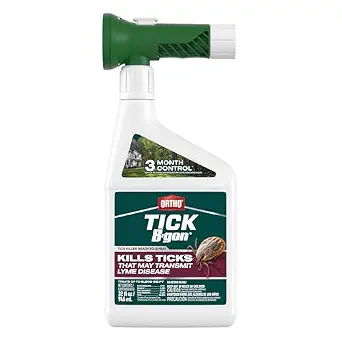 |
| Best Value The sweet spot between price and what you get | Cutter Backyard Bug Control Spray Concentrate, 32 oz (2 Pack) |  |
| Highest Rated A top-rated pick with lots of positive feedback | Atticus Talak 7.9% Indoor/Outdoor Bifenthrin Insecticide Concentrate (1 gal) |  |
| Most Popular A crowd favorite that many people choose with confidence | Vet's Best Flea & Tick Yard and Kennel Spray, 32 oz |  |
| Best Seller A high-volume bestseller chosen again and again | Atticus Talak 7.9% Bifenthrin Indoor/Outdoor Insecticide Concentrate (32 oz) |  |
Wondercide Flea & Tick Yard Spray — 32 oz Ready-to-Use

| Liquid Volume | 946 ml |
|---|---|
| Item Form | Spray |
| Active Ingredient | Cedarwood Oil 12.63% |
| Coverage (fleas/mosquitoes) | Up to 5,000 sq ft |
| Coverage (ticks) | Up to 2,500 sq ft |
Wondercide Flea & Tick Yard Spray is a ready-to-use, hose-attachable treatment designed for routine yard protection and active infestations. You attach the bottle to a garden hose and spray perimeter areas, lawn, patios, and low-lying vegetation; the manufacturer states one bottle covers up to 5,000 sq ft for fleas and mosquitoes and 2,500 sq ft for ticks. Its active ingredient is cedarwood oil with supporting botanical surfactants, which lets it target pests while being formulated to avoid harming pollinators when used as directed. Practical benefits include no mixing, no reentry wait time after spraying, and clear instructions for spot or whole-yard applications. Important limitations are that heavy rain can wash residue away so reapplication may be needed and that spraying in high heat or direct sun can cause leaf browning, so timing matters. The hose-end sprayer can occasionally clog but the brand provides simple priming and unclogging steps. For balanced, ongoing tick control across a typical yard this product offers a convenient, plant-based option with proven coverage guidance.
Best for: Homeowners who want a convenient, plant-based yard treatment they can apply themselves for routine tick and flea control across a typical suburban lawn.
Less Ideal for: People who need an aquatic-safe product for ponds or who require year-round professional-grade residual control without frequent reapplication should consider other options.
- Pre-mixed hose-end sprayer for quick, no-mix application
- Plant-based active (cedarwood oil) that targets fleas, ticks, and mosquitoes
- Covers large areas (up to 5,000 sq ft for fleas and mosquitoes, 2,500 sq ft for ticks) per bottle
- Residue formulated to be safe for pollinators when used according to directions
- Can require reapplication after heavy rain or persistent pest pressure
- May cause phytotoxic browning if applied in full sun or when temperatures exceed 90°F
Verdict: A convenient ready-to-use, plant-powered yard spray that makes practical, homeowner-led tick and flea control simple across large lawns.
Ortho Tick B-gon Tick Killer Ready-to-Spray, 32 fl. oz.

| Item Form | Spray |
|---|---|
| Scent Name | Unscented |
| Target Species | Insects |
| Active Ingredients | Bifenthrin 0.300%, Zeta-Cypermethrin 0.075% |
Ortho Tick B-gon Ready-to-Spray is a hose-end insecticide designed to treat lawns, garden beds, and home perimeters for ticks, fleas, and a long list of other pests. You attach the bottle to a garden hose, spray treated areas until coverage is achieved, and the formula starts working within minutes while providing up to three months of residual control against American dog ticks, fleas, and many listed insects. The product advertises coverage up to 5,300 sq. ft. for lawns and includes directions for use around ornamentals and certain edible gardens when label instructions are followed. Practical benefits include fast setup with the hose-end applicator, broad-spectrum control that reduces multiple pest problems at once, and a formula that is reported to be safe for lawns once applied as directed. Important limitations are that it is not for use directly on pets and treated areas should be dry before people or animals re-enter, and the active ingredients are conventional synthetic insecticides so some users may prefer non-chemical options or professional application for sensitive sites.
Best for: Homeowners who prioritize fast, effective yard-level pest control and want a single, easy-to-apply product to reduce ticks and other nuisance insects across a typical suburban lawn and garden.
Less Ideal for: People seeking organic or non-chemical pest control methods or those who need spot treatments specifically for pets should look at alternative solutions.
- Ready-to-spray hose-end applicator for quick, low-effort treatment
- Claims up to 3 months residual control against ticks, fleas, and other listed pests
- Broad-spectrum formula that covers many common yard insects
- Treats large areas per bottle (up to 5,300 sq. ft. for lawn coverage)
- Contains synthetic pyrethroid actives (bifenthrin and zeta-cypermethrin) which some users avoid
- Not to be applied directly to pets and requires treated areas to dry before reentry
Verdict: Choose this hose-end spray if you want a fast, single-application yard treatment that delivers broad, multi-month control of ticks and common yard pests.
Cutter Backyard Bug Control Spray Concentrate, 32 oz (2 Pack)

| Unit Count | 64 Fluid Ounces |
|---|---|
| Item Form | Spray |
| Target Species | Insects |
| Active Ingredients | Lambda Cyhalothrin |
This Cutter Backyard Bug Control Spray Concentrate is a hose-end concentrate designed to treat lawns, trees, shrubs and outdoor surfaces for mosquitoes and a range of listed insects. You attach the included QuickFlip hose-end sprayer, walk the area while spraying and wet foliage to the point of dripping for foliar coverage; one bottle claims coverage up to 5,000 sq ft and residual control up to 12 weeks. The product uses lambda-cyhalothrin as the active ingredient, so it gives fast knockdown and a long-lasting barrier when applied properly. Practical features include the quick-connect sprayer that mixes with water automatically and clear directions for application and safety. Important limitations are that it is a pesticide so treated areas must stay dry until fully dry and you must follow label restrictions near waterways and edible plants. Also this concentrate covers broad pest types but is not labeled specifically for all tick species so expect variable tick control compared with products labeled explicitly for ticks.
Best for: Homeowners who want a low-effort seasonal program to reduce common lawn and landscape insects and prefer a hose-end concentrate for quick coverage and longer residual control.
Less Ideal for: People looking specifically for a tick-focused treatment or those unwilling to follow pesticide safety restrictions around water features, vegetable gardens, or children and pets until treated areas dry.
- Hose-end QuickFlip sprayer mixes automatically so no measuring or premixing is needed
- Provides up to 12 weeks of residual control for many listed lawn and landscape insects
- Covers up to 5,000 square feet per bottle, suitable for medium to large yards
- Fast-acting active ingredient (lambda-cyhalothrin) for quick knockdown of target pests
- Not explicitly labeled for broad tick species so effectiveness against ticks may be limited
- Requires observing pesticide safety precautions and restrictions near water and edible plants
Verdict: A convenient hose-end concentrate for homeowners who want fast knockdown and long-lasting control of common lawn and landscape insects.
Atticus Talak 7.9% Indoor/Outdoor Bifenthrin Insecticide Concentrate (1 gal)

| Unit Count | 128 Fluid Ounces |
|---|---|
| Active Ingredients | Bifenthrin |
| Formulation | Suspension Concentrate |
| Specification Met | EPA |
Talak 7.9% is a water-based bifenthrin concentrate intended for broad perimeter and spot treatments around homes and yards. You mix the concentrate with water and apply it as a spray for lawns, landscape beds, foundations, porches, and interior baseboards. The formulation is designed to dry clear, leave no residue, and be odor-free, which makes repeat applications around living areas less intrusive. Label rates cover light barrier treatments up to higher-rate applications for mosquitoes and turf pests, and the product claims up to three months of residual control after application. Practical benefits include flexible use indoors and outdoors, a single product that addresses many common yard pests including ticks, and a convenient pour bottle for measuring small amounts. Limitations are that it must be diluted fresh each day, it is not approved for foggers, and like all synthetic insecticides it requires careful adherence to label directions and safety precautions around non-targets and pollinators.
Best for: Buyers who prioritize dependable, long-lasting perimeter and yard protection and want a single concentrate they can use indoors and outdoors to reduce tick activity without repeated daily treatments.
Less Ideal for: People who prefer non-chemical or organic tick control methods or who need fogging or aerosol application options should consider alternative approaches.
- Broad-spectrum control targeting more than 75 indoor and outdoor pests including ticks
- Water-based formula dries clear, leaves no residue, and is odor-free
- Long residual activity with claims up to three months per labeled application
- Versatile for lawns, landscapes, hardscapes and indoor perimeter treatments
- Mixed solutions cannot be stored and must be prepared the same day
- Not approved for use with foggers so application methods are limited
- Requires careful following of label directions to protect non-target organisms
Verdict: A reliable, long‑lasting bifenthrin concentrate for homeowners who want single-product indoor and outdoor protection against ticks and other yard pests.
Vet's Best Flea & Tick Yard and Kennel Spray, 32 oz

| Unit Count | 32 Fluid Ounces |
|---|---|
| Item Form | Spray |
| Scent Name | Peppermint |
| Active Ingredients | Peppermint oil, Eugenol (clove extract) |
| Target Species | Dog |
This Vet's Best yard and kennel spray is a ready-to-use, hose-attachable treatment designed to protect outdoor spaces from fleas, ticks, and mosquitoes using a plant-based formula. You connect the sprayer to a garden hose and sweep the spray across lawns, kennels, patios, and other pet areas; the manufacturer states it covers up to 5,000 square feet per bottle. Its active ingredients are peppermint oil and eugenol from clove, which provide on-contact knockdown of adult fleas, ticks, flea eggs, and mosquitoes without conventional pesticides. The practical benefits are straightforward: easy application with the hose attachment, a natural scent profile, and a formula intended to be safe for use around pets 12 weeks and older when directions are followed. Important limitations are that protection is contact-based and can require reapplication after heavy rain or for severe infestations, and the label cautions against use on pregnant or nursing animals and in aquatic environments. The product can be a useful part of a multi-step yard control plan when paired with pet treatments and environmental cleaning.
Best for: Buyers who prioritize safer, plant-based pest control and want an easy-to-apply yard treatment that complements pet-level prevention and household cleaning.
Less Ideal for: Homeowners needing long-lasting residual protection or solutions for ponds and aquatic areas should consider alternatives designed for extended control and aquatic safety.
- Ready-to-use hose attachment for quick coverage of lawns and kennels
- Plant-based active ingredients (peppermint oil and eugenol) that kill pests on contact
- Claims coverage up to 5,000 square feet from a single bottle
- Formulated for use around pets 12 weeks and older when used as directed
- Contact-based action means shorter residual protection and need for reapplication after rain
- Not recommended around aquatic environments and cautioned for pregnant or nursing animals
Verdict: If you want an easy, plant-based yard spray to quickly reduce fleas, ticks, and mosquitoes in pet areas, this Vet's Best formula is a convenient, vet-formulated option.
Atticus Talak 7.9% Bifenthrin Indoor/Outdoor Insecticide Concentrate (32 oz)

| Active Ingredients | Bifenthrin |
|---|---|
| Formulation | Suspension Concentrate |
| Liquid Volume | 32 fluid ounces |
| Length of Control | Up to three months |
| Target Species | Insects (includes ticks) |
Talak 7.9% is a liquid concentrate designed to control a broad range of indoor and outdoor insects, including ticks, by diluting the measured amount into water and applying as a spray. Typical uses are lawn and turf treatments, perimeter barrier sprays around patios and eaves, and targeted indoor spots such as baseboards and cabinets. The formulation is water based so it mixes easily, dries clear, and leaves no odor or visible residue, which makes post-application reentry simple once treated areas are dry. Label guidance gives specific dilution rates for lawns, landscapes, and surface perimeter work so you can match treatment strength to the pest and area. Expect quick knockdown on contact and residual activity up to three months when applied correctly. This product is not approved for foggers and mixed solutions should be used the same day, so you will need to plan applications rather than store premixed batches. Also note it is not registered for sale in some states and users should follow safety instructions on the label.
Best for: Gardeners and homeowners who prioritize reliable, low‑odor perimeter and lawn treatments to reduce tick activity and who prefer a proven active ingredient with clear application instructions.
Less Ideal for: People who need an immediate ready‑to‑use spray without mixing or those located in states where this product is not registered for sale should consider alternate options.
- Broad-spectrum control that lists ticks among target pests
- Water-based concentrate that dilutes easily and dries clear with no odor
- Long residual effect up to three months per application
- Label includes specific dilution rates for lawns, landscapes, and perimeter treatments
- Mixed solutions cannot be stored and must be used the same day
- Not approved for use in foggers
- Not available for sale in certain states
Verdict: A reliable, low‑odor bifenthrin concentrate for homeowners who want long‑lasting perimeter and lawn protection against ticks and many other pests.
Choosing the Right Tick Repellent for Yards: Key Factors to Consider
Type of Formulation
Different formulations behave very differently in a yard setting. Granules settle into turf and mulch and can provide targeted residual control without needing a hose-end sprayer, while liquid concentrates and ready-to-use sprays typically deliver broader, more even coverage when applied correctly.
Choose a formulation that matches your yard size, storage and mixing comfort, and the surfaces you need to treat. Granules are easier for small areas and spot treatment, while liquids are better for full-perimeter and under-porch applications.
Residual Control Period
How long a product remains active after application determines reapplication frequency and seasonal workload. Some yard repellents provide several weeks of residual activity when applied to dry foliage and soil, while others break down quickly with sun, rain, or mowing.
Longer residuals reduce the number of treatments needed but may require stronger precautions for pets or pollinators. Consider local tick peak periods and your tolerance for repeated applications when choosing based on persistence.
Coverage and Application Footprint
Coverage measures how much area a single application will treat effectively. Labels often list square footage for granules and dilution rates for concentrates. A product with higher coverage per container can be more practical for larger lawns but can be harder to apply uniformly without proper equipment.
Uniform coverage matters because untreated patches can become refuges for ticks. If you lack a pump sprayer or spreader, favor ready-to-use options designed for small yards.
Safety Around People, Pets, and Pollinators
Yard repellents vary in acute toxicity, residual risk, and reentry intervals. Read label instructions for wait times before allowing children and pets back on treated turf or beds. Some repellent chemistries are less toxic to bees and beneficial insects when applied to lower-risk areas or at specific times of day.
Safety influences when and where you apply products and whether you need to block off treated zones. If you have frequent pollinator activity, choose methods or timings that minimize exposure to foraging insects.
Compatibility With Yard Surfaces and Plants
Not all repellents are safe for every plant or surface. Some formulas can stain decking or damage delicate foliage if applied directly. Others are labeled for use on mulch, under eaves, and around foundation lines but not on edible crops.
Match the product label to where you intend to treat. For mixed-use yards with ornamental plantings or vegetable beds, select a product that explicitly permits application near those areas or plan protective measures such as temporary covers.
Ease of Application and Equipment Needs
Practical deployment matters for repeat treatments. Concentrates require measuring and proper dilution plus a sprayer capable of even output. Ready-to-use trigger sprays are simplest for spot treatment but may be inefficient for larger areas. Granule spreaders and hose-end applicators change how quickly you can treat an acre versus a suburban lawn.
Consider storage space for concentrated containers, availability of a sprayer, and your comfort with mixing chemicals. Ease of application often determines whether a protective program is followed consistently.
Choosing a Strategy for Your Yard
Before selecting a product, define the treatment strategy you want: perimeter-only protection, targeted hot-spot control, or full-lawn treatment. Perimeter approaches focus on the lawn edge, shrub lines, and transition zones to reduce ticks entering high-use areas, while full-lawn treatments aim to lower overall tick pressure across open turf.
Match the strategy to your daily yard use. A perimeter treatment can be effective where people and pets stay primarily in the center of the lawn, but yards with heavy brush, stone walls, or frequent pet trails may need broader coverage.
- Perimeter treatments reduce tick ingress from borders and brush.
- Hot-spot treatments are useful near pet runs, shaded patios, or leaf litter.
- Full-lawn approaches require more product and may need different equipment.
Timing Applications for Best Results
Apply repellents when ticks are active and before peak use periods. In many regions, spring and early summer are high-risk windows for nymphs, while adult activity can spike again in fall. Scheduling applications at the start of these windows increases protective benefits.
Weather affects efficacy. Plan treatments for dry days with little wind so products adhere to foliage and soil. If rain is expected within 24 to 48 hours, residual reduction is likely unless the label specifies rainfastness.
- Treat before peak tick months in your region.
- Avoid application when rain is forecast within 48 hours.
- Apply during calm, dry periods for best adhesion.
Integrating Repellents With Yard Maintenance
Routine yard care influences tick habitat and the effectiveness of repellents. Regular mowing, leaf raking, and clearing of brush reduce shaded, humid refuges where ticks thrive. Repellents work best when combined with habitat reduction practices that lower tick reproduction and survival.
Coordinate treatments with maintenance schedules. Apply products after major leaf cleanup and before high-use times to ensure the repellent has maximum surface contact and minimal interference from fresh organic debris.
- Mow regularly and keep grass at a recommended height to reduce tick-friendly microclimates.
- Remove brush and leaf litter from play and high-traffic areas.
- Apply treatments after big cleanups for better contact with surfaces.
Safe Use Practices and Buffer Zones
Follow label directions for buffer zones around edible gardens, water sources, and pollinator plantings. Some repellents permit application to ornamental beds but advise against treating flowering plants when bees are active. Creating temporary barriers or covering sensitive plants during application reduces unintended exposure.
Store and dispose of leftover product according to local hazardous-waste guidance and label instructions. Use personal protective equipment as recommended to limit operator exposure, and wash hands and clothing after handling concentrates.
- Establish no-spray areas around vegetable plots and birdbaths.
- Avoid treating flowering plants during daylight pollinator activity.
- Use gloves and eye protection when mixing or applying concentrates.
Nonchemical and Complementary Measures
Chemical repellents are one tool among several for reducing tick encounters. Physical barriers such as gravel borders and wood-chip pathways can keep wildlife and ticks from moving into lawns. Encouraging natural tick predators like certain bird species and ground-dwelling insects helps but is not a standalone control.
Consider pet protection and habitat modification alongside yard treatments. Keeping pet bedding clean, trimming vegetation along fences, and reducing rodent harborages cut down on the hosts that support tick populations.
- Install gravel or wood-chip borders to reduce wildlife access.
- Maintain low vegetation near structures and play areas.
- Combine pet flea and tick measures with yard treatments for a layered approach.
How We Chose the Best Tick Repellent for Yards
We focused on treatments formulated and labeled for yard use and prioritized options that deliver measurable reduction in tick activity across common residential settings. Selection filters included documented residual control, coverage per application, and compatibility with typical yard surfaces such as turf, mulch, and landscape beds. We also evaluated ease of application, labeling clarity for safe use around children and pets, and the product's effect window so gardeners know how frequently to reapply. Practical handling factors like required protective equipment, mixing complexity, and the need for specialized equipment were part of the assessment. Excluded items included personal topical repellents, products intended only for livestock or large-scale agricultural use, and control methods that are purely mechanical without an active repellent component. The goal was to present yard-appropriate solutions that balance efficacy, safety, and practical deployment for homeowners and small-property stewards.
FAQ
How often should I treat my yard for ticks?
Treatment frequency depends on the product residual and local tick activity. Many yard repellents need reapplication every 3 to 6 weeks during peak seasons, while some longer-lasting options can extend beyond that. Follow label directions and adjust timing for rain or high UV exposure.
Are yard repellents safe for pets and children?
Safety varies by formulation and label instructions. Most products include reentry intervals and guidance for when children and pets can return to treated areas. Use pet-safe labels and keep animals away until the product has dried or until the label permits reentry.
Can I apply repellents near vegetable gardens or pollinator plants?
Many repellents advise against treating edible crops and flowering plants directly. Create buffer zones around vegetable beds and avoid application during pollinator foraging times. If treatment near such areas is necessary, choose products labeled as compatible or use targeted barriers.
Will treating my yard eliminate ticks completely?
No single method guarantees total elimination. Yard treatments reduce tick abundance and lower encounter risk but work best as part of an integrated plan that includes habitat modification and pet protection. Expect reduced numbers rather than complete eradication.
What is the best time of day to apply yard repellents?
Apply in the morning or evening when temperatures are moderate and winds are light. Avoid mid-day heat and windy conditions that can reduce spray accuracy and speed up breakdown. Also avoid application during active pollinator hours on flowering plants.
Final Verdict
Prioritize a product that matches your yard size, treatment strategy, and safety preferences. For small yards and targeted trouble spots, easy-to-use granules or ready-to-use sprays may be most practical. Larger properties or perimeter programs often benefit from concentrates applied with the proper equipment. Balance residual duration with safety for people, pets, and pollinators, and combine chemical treatments with habitat reduction and pet protection for the best overall reduction in tick encounters. Choose a program you can maintain consistently for reliable results.
