

Note: This article contains affiliate links. If you click on these links and make a purchase, I may earn a small commission at no extra cost to you. This helps support my research and content. Read my full affiliate disclosure here.
If you want to remove weeds without heavy herbicides, vinegar based weed killers are a practical spot-treatment option for beds, paths, and cracks. They act as contact desiccants that quickly wilt exposed foliage, so application technique and solution strength matter more than brand names. This guide covers seven top-rated vinegar based weed killers shortlisted for different home-garden uses and outlines how we judged them. You will find practical advice on how to match strength to weed type, how to apply safely around desirable plants, and what to expect in terms of visible control. The following picks were evaluated on real gardener concerns like efficacy, ease of application, and safety for non-target plants.
Top Picks at a Glance
| Best Quality Built to a higher standard if you want something more solid | Natures Wisdom 20% Vinegar Weed & Grass Killer, 1 Gallon |  |
| Best Value The sweet spot between price and what you get | ECO Garden PRO Organic Vinegar Ready-to-Use Weed Killer (1 Gallon) | 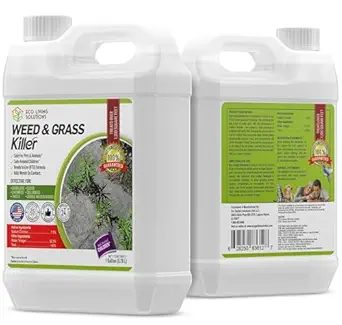 |
| Best Budget The cheapest option that still gets the job done reliably | Energen Carolina Vinegar Weed & Grass Killer, Quart |  |
| Highest Rated A top-rated pick with lots of positive feedback | ECO Garden Pro Ready-to-Use Organic Vinegar Weed Killer (2 Gallons) |  |
| Most Popular A crowd favorite that many people choose with confidence | Natural Armor Weed & Grass Killer, 1 Gallon (128 oz) |  |
| Best Seller A high-volume bestseller chosen again and again | Natural Armor Weed & Grass Killer, 1 Gallon Refill |  |
Natures Wisdom 20% Vinegar Weed & Grass Killer, 1 Gallon

| Liquid Volume | 1 gallons |
|---|---|
| Item Form | Liquid |
| Active Ingredients | Herbicide, vinegar |
| Coverage | 1 gallon |
This 1 gallon bottle of Natures Wisdom 20% Vinegar Herbicide is a ready-to-use, non-glyphosate option for spot-treating unwanted weeds and grasses. It delivers a concentrated acetic acid formula intended to brown and desiccate foliage within hours and usually shows full effect in under 24 hours when applied in direct sunlight. Typical use is direct spraying with a single-nozzle sprayer or hand-gun applicator without dilution, making it straightforward for driveways, sidewalks, garden beds, and small agricultural patches. The product is certified organic and formulated from ethanol distilled from USA-grown corn, so it breaks down quickly in soil and avoids persistent chemical residues. It works well on a wide list of annual and perennial broadleaf weeds and many grasses, though tough perennial roots may require repeat applications. Users should avoid contact with desirable plants and follow safety guidance because the 20% acetic acid is harsh on skin and foliage. For someone prioritizing strong, fast performance from an organic herbicide, this is a practical, effective choice for spot control.
Best for: Buyers who want a fast-acting, organic alternative to synthetic herbicides for targeted spot treatments and who prioritize visible performance over convenience of broad broadcast use.
Less Ideal for: Those needing a long-term soil residual or a broadcast herbicide for very large lawns and fields should consider other solutions.
- High-strength 20% acetic acid formula acts quickly to desiccate foliage within hours
- Certified organic and glyphosate-free, formulated from USA-grown corn ethanol
- Ready-to-use liquid that requires no dilution for direct spot spraying
- Effective on a broad list of annual and perennial broadleaf weeds and many grasses
- May require repeated applications for deep-rooted perennial weeds
- Harsh on skin and non-target plants so careful application and PPE are required
Verdict: If you want a fast, organic spot-treatment that visibly kills weeds within a day without using glyphosate, this 20% vinegar formula delivers strong performance.
ECO Garden PRO Organic Vinegar Ready-to-Use Weed Killer (1 Gallon)

| Unit Count | 128 Fluid Ounces |
|---|---|
| Coverage | 1000 square_feet |
| Item Form | Liquid |
| Active Ingredients | Sodium Chloride |
ECO Garden PRO is a one-gallon ready-to-use herbicide that uses organic vinegar, rock salt (sodium chloride), and biodegradable additives to burn back weeds and grasses on contact. It is applied with a sprayer directly to foliage on sunny days above 70°F and typically shows visible results within 24 to 48 hours. The product is designed for spot treatments on driveways, sidewalks, mulch beds and around hardscapes where root control is less critical. Notable features include a no-dilution RTU formula, instructions for fine-mist application, and claimed safety for pets, children, and beneficial wildlife when used as directed. Practical benefits are fast visible knockdown of broadleaf weeds, suitability for repeated use in sensitive areas, and an organic ingredient profile that avoids glyphosate. Important limitations are that it works primarily on foliage so deep or perennial-rooted weeds may regrow from roots, it requires warm, dry weather for best effect, and repeated applications may be necessary for heavy infestations or turf replacement planning.
Best for: Buyers who want a quick, low-toxicity, no-mix solution to control visible weeds on driveways, paths, and beds and who prefer organic ingredients over synthetic herbicides.
Less Ideal for: Gardeners seeking a systemic, long-term root kill for large turf areas or for persistent perennial weeds should consider a different approach or follow-up mechanical control.
- Ready-to-use spray eliminates the need to mix or measure
- Visible results in 24–48 hours for annual and surface weeds
- Formulated without glyphosate and with biodegradable ingredients
- Suitable for spot treatment on hard surfaces, sidewalks, and mulch beds
- Does not reliably kill deep roots or established perennial weeds
- Requires warm, dry, sunny conditions for best performance
Verdict: A fast, ready-to-use non-glyphosate spray that delivers quick visible weed knockdown for spot treatments where low-toxicity ingredients are a priority.
Energen Carolina Vinegar Weed & Grass Killer, Quart

| Unit Count | 32 Fluid Ounces |
|---|---|
| Item Form | Liquid |
| Coverage | non-selective broad spectrum |
| Active Ingredients | Acetic Acid |
This quart of vinegar-based weed and grass killer is a concentrated liquid contact herbicide that uses acetic acid to rapidly desiccate foliage on annual weeds and grasses. It is applied as a foliar spray to unwanted plants on driveways, sidewalks, mulch beds, flower beds, and other areas where nonselective control is acceptable. Notable features include its organic-acid active ingredient, label notes supporting use in organic production, and a formulation that degrades quickly in soil so treated areas can be used by pets and children once dry. Practical benefits are quick visible burndown of crabgrass, clover, dandelions, and similar broadleaf and grassy weeds, and the ability to spray near hard surfaces without systemic residues. Important limitations are that it is a contact herbicide so it will not control established perennial roots or provide long-term residual control, and multiple applications may be required for tougher or re-sprouting weeds. Follow label directions for safe use and avoid contact with desirable plants since it is nonselective.
Best for: Gardeners and homeowners who want a quick, organic-acid option to spot-treat visible annual weeds on hardscapes, paths, and beds without systemic herbicides. Ideal for buyers prioritizing simple, fast results on small to medium problem patches.
Less Ideal for: People needing long-term control of established perennial weeds or large-area lawn weed management should consider systemic or residual herbicide solutions instead.
- Uses acetic acid so residues break down quickly and is approved for organic production use
- Concentrated quart size suitable for treating multiple small areas
- Nonselective contact action gives fast visible burndown of annual weeds and grasses
- Does not provide systemic or long-term residual control of perennial weeds
- Nonselective formula will damage desirable plants on contact
Verdict: A fast-acting, vinegar-based contact herbicide that quickly burns back annual weeds and is suitable for spot treatment when you want an organic-acid alternative to systemic products.
ECO Garden Pro Ready-to-Use Organic Vinegar Weed Killer (2 Gallons)

| Item Form | Liquid |
|---|---|
| Coverage | 1200 square foot |
| Active Ingredients | Sodium Chloride – 7.5% |
| Unit Count | 256 Fluid Ounces |
ECO Garden Pro is a ready-to-use organic-style weed killer that combines white vinegar, rock salt (sodium chloride 7.5%), and biodegradable plant activators to desiccate and kill weeds, moss, and unwanted grass. You spray it directly on target plants around driveways, sidewalks, mulch beds, and other hardscape areas; the manufacturer states visible results within 24 hours and coverage of roughly 1,000 to 1,200 square feet per gallon. The obvious strengths are convenience and immediacy: no mixing, easy application, and quick leaf burn that reduces hand-weeding. Its ingredient list avoids glyphosate and synthetic herbicides, which makes it suitable where people prefer lower-toxicity options. Important limitations are expected for any vinegar/salt formula: it kills or damages any green plant it contacts, so it requires careful spot application to avoid desired lawn or garden plants, and repeated treatments may be needed for persistent deep-rooted perennials. The safety notice about harm to aquatic life and the need for gloves and eye protection is worth following during use.
Best for: Buyers who prioritize a quick, ready-to-use organic alternative for clearing weeds from hardscape and low-value areas and who want to avoid synthetic herbicides while minimizing prep work.
Less Ideal for: Gardeners seeking a selective lawn-safe herbicide for turf or those who need a systemic solution for deeply rooted perennial weeds should consider other options.
- Ready-to-use formula requires no mixing and sprays directly from the container
- Contains vinegar and sodium chloride formulation that delivers visible leaf burn within 24 hours
- Marketed as biodegradable and free of synthetic glyphosate
- Large 2-gallon supply covers around 1,000 to 1,200 square feet per gallon for broad treatment
- Non-selective action will damage any plant it contacts, so careful spot treatment is necessary
- Salt content can affect soil and nearby plants with repeated applications
- Warning for aquatic toxicity means it must not be used near water features
Verdict: Choose this product if you want a large ready-to-use, non-glyphosate weed killer that delivers fast visible results for driveways, sidewalks, and other hardscape areas.
Natural Armor Weed & Grass Killer, 1 Gallon (128 oz)

| Unit Count | 128 Fluid Ounces |
|---|---|
| Item Form | Spray |
| Active Ingredients | Vinegar |
| Coverage | Hardscapes, beds, driveways, foundations and similar areas |
Natural Armor Weed & Grass Killer is a concentrated, vinegar-based herbicide supplied in a one-gallon ready-to-use bottle with a sprayer connection. It is intended for spot-treating unwanted vegetation around driveways, patios, mulch beds, gravel, foundations and other hardscape areas where you do not want plant growth. The product uses high-strength vinegar as the active ingredient so you get fast visible wilting often within an hour and broader dieback over the following days. Practical benefits include easy application with no mixing, a formula marketed as all-natural and glyphosate-free, and coverage recommendations that list many common outdoor use areas. Limitations are that it is non-selective so it will damage desirable plants on contact and may require repeat applications for persistent perennial weeds because vinegar-based products typically burn foliage but do not always kill deep roots. Also follow safety directions to keep children and pets away during use and avoid application around vegetation you want to keep.
Best for: Gardeners who want a non-glyphosate, easy-to-use herbicide for spot-treating driveways, patios and other areas where no vegetation is desired and who prioritize natural active ingredients over systemic control.
Less Ideal for: Homeowners who need selective weed control near ornamental plants or who require a systemic herbicide that reliably kills deep-rooted perennials across large turf areas.
- Ready-to-use formula requires no mixing and connects to a sprayer for straightforward application
- Vinegar-based, glyphosate-free formulation for buyers seeking non-synthetic active ingredients
- Fast-acting foliage burn with visible results often within an hour
- Large one-gallon volume reduces the need for frequent repurchase for larger yards
- Non-selective action will harm any plants it contacts rather than targeting weeds only
- May need multiple treatments to control deeply rooted perennial weeds
Verdict: A large ready-to-use, vinegar-based herbicide for buyers who want a fast, non-glyphosate option to spot-treat weeds on hardscapes and unwanted areas.
Natural Armor Weed & Grass Killer, 1 Gallon Refill

| Unit Count | 128 Fluid Ounces |
|---|---|
| Item Form | Spray |
| Coverage | Wide range of weeds and grasses |
| Active Ingredients | Vinegar |
Natural Armor Weed & Grass Killer is a ready-to-use, vinegar-based concentrate sold in a one-gallon bottle for treating unwanted weeds and grasses where you do not want vegetation. It is applied by attaching the bottle to a sprayer, shaking, and spraying directly on foliage; manufacturers claim visible wilting within an hour. The formula contains no glyphosate and is positioned as a people- and pet-friendlier alternative to synthetic herbicides. In practice the product is best for spot treatments on driveways, gravel, pavers, mulch beds, and fence lines rather than for preserving desirable plants because vinegar is nonselective and will damage any foliage it contacts. The large 128-ounce refill size reduces the need to buy smaller containers frequently, which is useful for larger yards or repeated applications, but you will still need an appropriate sprayer and to follow safety guidance to keep children and pets away during use. Expect repeat applications for persistent or deep-rooted weeds since acetic acid-based products typically do not translocate into roots the way systemic herbicides do.
Best for: Buyers who prioritize a lower-cost, natural alternative for treating visible weeds and who plan to do spot or area applications around hardscapes and outbuildings.
Less Ideal for: Gardeners who need selective weed control around desirable plants or who require a systemic herbicide for deep-rooted perennial weeds should consider other options.
- All-natural vinegar active ingredient with no glyphosate
- Large 1-gallon refill reduces packaging waste and frequent repurchases
- Ready-to-use liquid that attaches to common sprayers for easy application
- Fast visible wilting claimed within about an hour after treatment
- Nonselective formula that will damage any plant it contacts
- May require multiple treatments on persistent or deep-rooted weeds
Verdict: A budget-friendly, glyphosate-free one-gallon refill that gives fast, visible weed control for spot treatments around hardscapes.
Choosing the Right Vinegar Based Weed Killer: Key Factors to Consider
Acid Concentration and Target Species
Vinegar-based weed killers rely on acetic acid to damage plant tissues. Household vinegar (5% acetic acid) can scorch very small seedlings and annual weeds, but larger perennial species usually survive and regrow. Higher-concentration products increase the chance of full kill on tougher weeds, yet they also increase risk to desirable plants and require stricter safety measures.
Match concentration to the weeds you face. Use lower concentrations for delicate seedlings and areas near ornamentals, and stronger solutions for broadleaf perennials, driveways, and hardscape cracks. Always follow label guidance on dilution and repeated applications; some weeds need multiple treatments because vinegar kills only the part of the plant it contacts.
Application Method and Coverage
How you apply a vinegar-based solution determines both effectiveness and collateral damage. A targeted sprayer or a foam applicator delivers product to weed foliage while minimizing drift to nearby plants. Wide-fan sprays are faster but increase the chance of hitting desirable plants, especially on windy days.
Spray when weeds are actively growing and foliage is dry for best contact. Coverage should wet leaves thoroughly but avoid heavy runoff that can carry solution to soil or roots. For tight spaces like cracks, a brush or syringe-style applicator can be more precise than a trigger sprayer.
Formulation Additives and Performance
Many commercial vinegar-based products include added surfactants, oils, or salts designed to improve leaf adhesion and penetration. Surfactants help the solution spread and stick to waxy leaves. Oils can increase contact time, and certain salts can boost desiccation. These additives change how fast visible results appear and how many treatments are required.
Consider whether you want a simple acetic acid concentrate you dilute yourself or a ready-to-use mix with additives for faster contact. Ready mixes are convenient for quick spot work, while concentrates let you control dilution for delicate situations.
Safety, Personal Protection, and Environment
Higher acetic acid concentrations can irritate skin, eyes, and respiratory passages and can damage concrete or metal if applied carelessly. Use gloves, eye protection, and avoid inhaling spray mist. Keep pets and children away until treated foliage is dry.
Also consider runoff risk. Vinegar breaks down quickly in soil but can temporarily change soil pH at high concentrations and harm seedlings. Avoid treating soil directly when possible, and do not apply before heavy rain. Read label reentry intervals and disposal instructions to reduce environmental impact.
Contact Timing and Repeat Treatments
Vinegar-based products are contact herbicides that work on visible foliage, not translocated systemic compounds. That means you often see rapid wilting within a day, but complete plant death can take longer or require repeat applications. Perennial weeds with deep roots commonly regrow after initial foliar burn.
Plan for follow-up treatments spaced according to label instructions, and combine with mechanical control like pulling or digging when practical. Timing applications for warm, sunny weather improves efficacy because heat helps desiccate plants.
Compatibility With Garden Plants and Surfaces
Because vinegar is nonselective, it will injure or kill any plant it contacts. When using around ornamentals, plan barriers or use very targeted applicators. Also be mindful of surfaces: concentrated vinegar can etch natural stone, concrete, painted metal, and some plastics.
Test a small area when treating near sensitive materials, and avoid overspray. Choose application times when wind is low to limit drift onto nearby vegetation.
When to Use Vinegar-Based Control
Vinegar-based weed killers are best for spot treatments, sidewalks, driveways, and small patches in beds. They are most effective on annuals and young seedlings where rapid foliar burn can prevent seeding.
For large infestations or deep-rooted perennials, vinegar solutions are often part of an integrated approach rather than a standalone cure. Use them to reduce top growth before hand-pulling or to treat problems in hardscape joints where systemic herbicides are not desired.
- Ideal for quick knockdown of small, actively growing weeds
- Useful in areas where you want to avoid persistent synthetic residues
- Less effective as a single treatment on established perennials
Best Practices for Safe Application
Apply on a calm, dry day to prevent drift and ensure leaves are dry for good contact. Wear gloves and eye protection, and keep pets and children away until the spray dries.
Avoid broadcast spraying over soil to limit root uptake and pH shifts. When treating near desirable plants, use physical barriers or a shielded applicator and aim carefully. Rinse sprayers and tools after use to protect hoses and metal fittings from corrosion.
- Choose a low-drift sprayer for beds and a narrow applicator for cracks
- Do not apply before rain or windy conditions
- Store concentrates safely and in original containers
Combining Vinegar with Mechanical Control
Vinegar works well as a complement to manual removal. A foliar burn weakens weeds and makes pulling easier because the root reserves are depleted. For tap-rooted perennials, burn then dig to remove the root crown.
Use vinegar treatments to prevent seed set in annual weeds, then clear and mulch the area to reduce future germination. Repeated foliar treatments can gradually reduce a stubborn patch when digging is impractical.
- Burn, wait a few days, then pull or hoe weakened plants
- Use mulches after control to suppress regrowth
- Combine with hand-weeding in sensitive beds
Storing and Mixing Concentrates Safely
If you use concentrated acetic acid products, always dilute according to the label and mix in a well-ventilated area while wearing appropriate PPE. Add acid to water when diluting if the label specifies, and use containers that resist corrosion.
Label and date any mixed solutions and discard leftovers safely rather than storing large volumes. Avoid transferring concentrates into food or beverage containers.
- Keep acids in original labeled containers
- Store out of reach of children and pets
- Dispose of unused mixes per local guidance
Expectations for Visible Results
You will typically see leaf wilting within 24 hours on susceptible annual weeds. Tougher species may show partial browning and require follow-up. Do not expect systemic root death from a single contact treatment in many perennials.
Plan for observation and repeat treatments. If foliage regenerates, treat again when new growth is present for best contact. Track treated areas to avoid unnecessary overlap.
- Fast visible burn on young plants, slower on established weeds
- Multiple treatments often needed for complete control
- Monitor for regrowth and retreat strategically
How We Chose the Best Vinegar Based Weed Killer
We focused on attributes that actually affect backyard weed control with vinegar-based solutions. First, solution strength and active acid percentage were primary filters because acetic acid concentration determines how fast foliage desiccates and which species respond. Second, formulation and additives were evaluated to understand whether a concentrate needs dilution, if a surfactant improves leaf coverage, or if salts and oils alter efficacy. Third, application method and packaging were assessed for spot accuracy and drift control; sprayer compatibility and trigger ergonomics make a big difference for targeted work. Fourth, safety guidance and label clarity were considered because correct mixing, PPE recommendations, and reentry timings matter for gardener safety. We excluded products formulated primarily for turf-safe broadcast use or those relying on synthetic herbicides. We also set aside unverified blends lacking clear acid concentration or directions. The shortlist therefore emphasizes usable concentrations, workable application systems, and clear instructions so gardeners can choose a vinegar-based weed control that fits their scale and risk tolerance.
FAQ
Is vinegar safe to use around vegetable beds?
Vinegar is nonselective and will damage vegetables if it contacts foliage or young roots. Use very targeted application, keep a physical buffer, or treat pathways and hardscapes instead of planting areas. For spot treatment near vegetables, use small applicators and avoid drift.
How many applications are usually needed to kill perennial weeds?
Perennials often require multiple treatments because vinegar affects only exposed foliage. Expect at least two to three applications spaced according to label directions, and combine foliar burns with digging or removing root crowns when practical.
Can I mix vinegar with other products to boost effectiveness?
Some formulations include surfactants or oils to improve contact. Mixing household vinegar with unapproved additives is not recommended because it can increase risk and void label instructions. Use products formulated for weed control or follow tested dilution guidance.
Will vinegar change my soil pH long term?
Vinegar breaks down quickly and does not usually cause lasting soil pH shifts when used as spot treatments. Repeated heavy applications directly to soil can temporarily lower pH and harm seedlings, so avoid broadcasting concentrates onto planting beds.
Is it safe to use vinegar near pets and children?
When applied according to instructions and allowed to dry, vinegar residues dissipate and pose minimal long-term risk. However, concentrated solutions can irritate skin and eyes, so keep pets and children away from treated areas until fully dry and follow label safety recommendations.
Final Verdict
Vinegar-based weed killers are a useful tool for gardeners who need quick, nonpersistent spot control. Prioritize matching acid concentration and application method to the weed species and the proximity of desirable plants. Expect fast visible results on small annuals but plan on repeat treatments or mechanical removal for tougher perennials. With careful application and attention to safety, vinegar solutions can be an effective part of an integrated garden weed-management plan.
