

Note: This article contains affiliate links. If you click on these links and make a purchase, I may earn a small commission at no extra cost to you. This helps support my research and content. Read my full affiliate disclosure here.
Kudzu is a fast-growing, woody vine that spreads aggressively and needs a focused approach to control. Choosing the right weed killer for kudzu changes how quickly you see dieback, how many repeat treatments you need, and whether surrounding plants stay safe. This guide presents seven top options shortlisted for kudzu control and explains the practical pros and cons of each in real garden and land settings. We evaluate mode of action, residual activity, and application practicality to help you pick a product that fits your site, timing, and follow-up plan.
Top Picks at a Glance
| Best Overall The best all-around choice for most situations | Roundup Ortho Max Poison Ivy and Tough Brush Killer, 1.33‑Gallon (Ready to Use) |  |
| Best Quality Built to a higher standard if you want something more solid | Roundup Poison Ivy Plus Tough Brush Killer with Comfort Wand, 1 gal. |  |
| Best Value The sweet spot between price and what you get | BioAdvanced Extended Control Brush Killer, 1.3‑Gallon Ready‑to‑Use |  |
| Best Budget The cheapest option that still gets the job done reliably | Ortho MAX Poison Ivy & Tough Brush Killer Ready-to-Use, 24 oz | 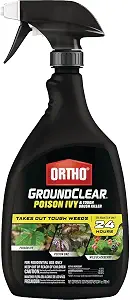 |
| Highest Rated A top-rated pick with lots of positive feedback | ALLIGARE Sonora Broadleaf Herbicide, 1 Gallon |  |
| Most Popular A crowd favorite that many people choose with confidence | BioAdvanced Brush Killer Plus Concentrate (32 fl oz) |  |
| Best Seller A high-volume bestseller chosen again and again | Ortho GroundClear Poison Ivy & Tough Brush Killer, 1 gal. |  |
Roundup Ortho Max Poison Ivy and Tough Brush Killer, 1.33‑Gallon (Ready to Use)

| Item Form | Liquid |
|---|---|
| Coverage | Approximately 6,600 square feet |
| Unit Count | 21.28 Fluid Ounces |
| Liquid Volume | 170.4 fluid ounces |
This ready-to-use Roundup Ortho Max formula is designed to take out heavy-duty woody weeds and vines such as kudzu and poison ivy without mixing or measuring. It is applied with a compatible dial‑and‑spray or tank sprayer and becomes rainproof about two hours after application, which makes timing easier in variable weather. The concentrated coverage claim of roughly 6,600 square feet means one container treats large patches, and the product lists effectiveness on more than 60 tough brush and weed species. Practical benefits include a liquid form that wets foliage for systemic uptake and clear safety directions to keep people and pets away until sprayed areas are dry. Important limitations are that it is a nonselective herbicide so it will damage desirable plants if oversprayed, and users must follow safety precautions for skin and eye contact. Also, while labeled for tough brush, repeated treatments may be needed for entrenched root systems like large kudzu mats.
Best for: Gardeners and property owners who need a straightforward, no-mix solution to remove large infestations of hardy vines and brush and who prioritize fast, visible kill for cleanup and follow-up control.
Less Ideal for: People managing delicate mixed planting beds or native plant areas where selective control is required should avoid this product and consider targeted or selective methods instead.
- Ready-to-use liquid requires no mixing and works with common sprayer attachments
- Formulated to kill tough woody weeds and vines including kudzu and poison ivy
- Large coverage per container suitable for treating extensive patches
- Becomes rainproof within about two hours allowing faster scheduling of applications
- Nonselective formula will harm desirable plants if drift or overspray occurs
- Contains strong chemicals that require protective measures and restricting access until dry
Verdict: Choose this ready-to-use Roundup Ortho formula when you need a simple, high‑coverage herbicide to tackle extensive kudzu and other tough brush quickly.
Roundup Poison Ivy Plus Tough Brush Killer with Comfort Wand, 1 gal.

| Unit Count | 128 Fluid Ounces |
|---|---|
| Item Form | Spray |
| Coverage | 300 square feet |
| Liquid Volume | 1 gallons |
This 1 gallon Roundup formula is designed to tackle poison ivy, poison oak, poison sumac, wild blackberry, kudzu and other tough weeds by killing them down to the root. The container includes a reusable Comfort Wand that snaps on for one-touch, precision spraying so you can treat vines, fence lines, around trees and foundations without bending over. The product is rainproof in about 30 minutes and reports visible wilting within hours, and the label gives guidance for replanting 1 to 30 days after application depending on the site. Practical benefits include broad-spectrum control of woody vines and brush, a large coverage area (about 300 sq ft per gallon), and easier application with the wand. Important limitations are typical of strong herbicides: treated areas must be kept free of people and pets until dry and care is required near desirable plants to avoid drift or overspray. Also the formula contains multiple active ingredients, so follow label instructions for safe use and site-specific planting intervals.
Best for: Buyers who want an all-purpose, easy-to-apply solution for stubborn brush and poison ivy around yards, fence lines, and foundations, and who prioritize straightforward application and fast visible results.
Less Ideal for: Not a good choice for gardeners who need a selective lawn-safe product or who must treat areas where children, pets, or desirable plants cannot be kept away during drying and planting intervals.
- Targets woody vines and tough brush as well as broadleaf weeds and grasses
- Includes a reusable Comfort Wand for precision, reduce bending and easier spot treatment
- Rainproof in about 30 minutes so treatment holds up to light weather soon after application
- Covers roughly 300 square feet per gallon for treating fence lines, foundations and small infestations
- Contains potent active herbicide ingredients requiring careful handling and strict adherence to label safety directions
- Not selective so it can harm desirable plants if sprayed or if drift occurs
Verdict: A convenient, large-format ready-to-use herbicide with a precision Comfort Wand that makes fast, effective control of poison ivy and tough brush simple for typical homeyards.
BioAdvanced Extended Control Brush Killer, 1.3‑Gallon Ready‑to‑Use

| Active ingredient | Triclopyr triethylamine salt 8.8% |
|---|---|
| Form | Liquid |
| Coverage | 650 square feet |
| Rainproof time | 4 hours |
| Control duration | Up to 365 days |
This 1.3‑gallon BioAdvanced Extended Control Brush Killer is a ready-to-use herbicide designed to eliminate persistent brush and vine species such as kudzu, poison ivy, blackberry, bamboo and English ivy. You spray affected areas when plants are actively growing and the formula penetrates to the root, producing visible wilting and yellowing within days and longer‑term control for up to 365 days on listed brush. The product treats up to 650 square feet per bottle and becomes rainproof in about four hours, which makes timing applications easier after light weather windows. It is convenient for spot treatments along fence lines, trails, and wooded edges where persistent vines re‑establish. Important limitations are that it is a nonselective systemic herbicide for listed brush so care is needed to avoid desirable plants and follow label directions for application timing and safety. Coverage is finite per bottle, so larger infestations may require multiple units or follow-up treatments.
Best for: Gardeners and property owners who want a practical, ready-to-use solution to remove stubborn brush and vines from fences, edges, and small wooded patches with minimal fuss.
Less Ideal for: Those managing broad, heavy kudzu infestations across large acreage or who need a selective product for mixed planting beds should consider professional removal or larger scale control options.
- Ready-to-use liquid that requires no mixing or measuring
- Systemic formula targets roots for long-lasting control of tough brush and vines
- Rainproof within 4 hours so treatments are less affected by short rain windows
- Covers up to 650 square feet per bottle for focused infestations
- Nonselective systemic herbicide so nearby desirable plants can be harmed if oversprayed
- 1.3‑gallon supply may be insufficient for very large kudzu infestations
Verdict: A convenient ready-to-use systemic brush killer that reliably targets roots for long-lasting control of tough vines like kudzu in small to moderate infestations.
Ortho MAX Poison Ivy & Tough Brush Killer Ready-to-Use, 24 oz
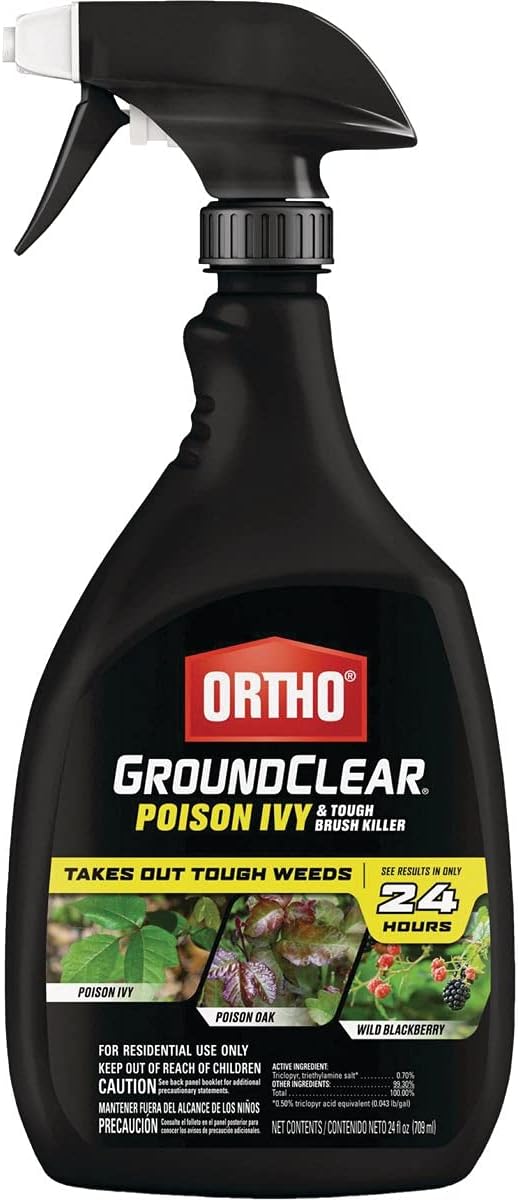
| Unit Count | 24 Fluid Ounces |
|---|---|
| Item Form | Spray |
| Coverage | non-selective broad spectrum coverage |
This ready-to-use Ortho MAX spray is designed for homeowners who need a straightforward way to tackle persistent brushy weeds like kudzu and poison ivy without mixing concentrates. It kills more than 60 types of tough brush and woody plants and is formulated to be rainproof two hours after application, which makes timing treatments easier. Typical use is spot-spraying mature, actively growing leaves in non-garden areas such as fence lines, trails, and around outbuildings; directions warn not to spray desirable plants because the formula is non-selective. The convenience of a pre-mixed bottle removes the guesswork on dilution and reduces preparation time, and the product specifically lists woody plants and stumps among targets, so it is useful for clearing vines and brush. The main limitation is that as a non-selective ready-to-use spray it offers less coverage per dollar than concentrates and is best for spot treatments rather than large-scale applications.
Best for: Homeowners needing a simple, no-mix solution to spot-treat kudzu and other brushy weeds around property edges and non-garden areas who prioritize ease of use over bulk coverage.
Less Ideal for: People managing very large kudzu infestations or commercial applicators who need cost-effective high-coverage treatments should consider concentrated herbicides or professional services.
- Ready-to-use spray removes need to mix or measure
- Effective on over 60 tough brush and woody weeds including kudzu
- Becomes rainproof in two hours for flexible application timing
- Targets woody plants, vines, and stumps as well as broadleaf weeds
- Non-selective formula will damage desirable plants if drift occurs
- Ready-to-use format is less economical for treating large infestations compared with concentrates
Verdict: A convenient ready-to-use spray that reliably kills kudzu and other tough brush for budget-minded homeowners who need targeted spot treatments.
ALLIGARE Sonora Broadleaf Herbicide, 1 Gallon

| Unit Count | 128 Fluid Ounces |
|---|---|
| Item Form | Liquid |
| Coverage | broadleaf weeds and woody brush |
| Included Components | 1 gallon jug of Alligare Sonora Herbicide |
| Active Ingredients | Herbicide |
ALLIGARE Sonora is a concentrated post-emergent herbicide designed for targeted control of stubborn broadleaf weeds and woody brush such as thistle, kudzu, locust, and mesquite. It is typically mixed and applied to actively growing plants with an agricultural surfactant for best coverage and faster kill. Notable features include labeled effectiveness on brush species, residual suppression to reduce regrowth, and a formulation that carries no grazing or hay-harvest restrictions, so treated pastures can remain in productive use. Practical benefits are a reliable reduction in thistle re-emergence, suitability for large-acreage applications like pastures and rights-of-way, and fewer repeat treatments thanks to residual activity. Important limitations are that specific application rates and methods are not provided on the listing so users must follow the product label for safe and effective dosing, and it should not be applied where it could reach surface water or contaminate irrigation sources. Protective handling and drift control are necessary to avoid off-target damage.
Best for: Farmers and land managers who need a dependable herbicide to reduce thistle and woody brush across pastures, rangeland, or rights-of-way while keeping land available for grazing.
Less Ideal for: Gardeners with small ornamental beds or those who cannot follow strict drift and water-protection measures should consider spot treatments or more targeted products.
- Targets tough broadleaf weeds and woody brush including thistle and kudzu
- Residual activity helps suppress regrowth and reduces repeat treatments
- No grazing or hay-harvest restrictions so land remains usable for livestock
- Concentrated 1-gallon jug is suitable for treating larger areas
- Label/application details are not shown in the listing so users must consult the full product label for correct rates and timing
- Must avoid application near surface water and take protective measures to prevent drift
Verdict: Choose Sonora when you need a reliable, pasture-safe post-emergent that suppresses thistle and woody brush while allowing continued grazing.
BioAdvanced Brush Killer Plus Concentrate (32 fl oz)

| Unit Count | 32 Fluid Ounces |
|---|---|
| Coverage | 4000 square_feet |
| Item Form | Spray |
| Active Ingredients | triclopyr |
BioAdvanced Brush Killer Plus is a concentrated spray-on herbicide designed to control tough vines and woody brush such as poison ivy, poison oak, kudzu, blackberry and many listed weeds. You mix the concentrate with water using the bottle’s measuring marks, apply it to actively growing, leafed-out plants, and the triclopyr-based formula moves systemically through foliage and roots so treated plants die back over 1 to 6 weeks. It becomes rainproof in about four hours, which helps avoid reapplication after light rain. The product covers up to 4,000 square feet per bottle when diluted to the recommended rate, so it is suited to larger patches rather than single small weeds. Because results take time to appear and the herbicide is selective for brush and broadleaf plants, you may need follow-up treatments for re-sprouts or for species not on the label. Handle with care and follow label directions to avoid contact with desirable plants and to meet local safety and disposal rules.
Best for: Buyers who want an efficient, science-based solution to remove patches of vines and woody brush without repeated spot-spraying and who plan treatments when plants are actively growing.
Less Ideal for: Gardeners who need instant knockdown, require a non-chemical mechanical approach, or who only need to remove small single weeds by hand should consider alternatives.
- Systemic triclopyr formula kills brush down to the root for longer control
- Concentrate mixes for economical coverage up to 4,000 sq ft per bottle
- Rainproof in about 4 hours so light rain is less likely to wash it away
- Label lists many targeted tough species including poison ivy, poison oak, kudzu and blackberry
- Works slowly with visible decline over 1–6 weeks so immediate removal is not achieved
- Selective to brush and broadleaf weeds so not effective on all plant types
Verdict: Choose this concentrated systemic brush killer when you need a practical, economical product to eliminate established vines and woody brush down to the roots.
Ortho GroundClear Poison Ivy & Tough Brush Killer, 1 gal.

| Unit Count | 128 Fluid Ounces |
|---|---|
| Item Form | Spray |
| Coverage | Over 60 types of listed tough weeds and brush |
| Active Ingredients | Triclopyr, Triethylamine Salt, Pelargonic Acid |
Ortho GroundClear Poison Ivy & Tough Brush Killer is a one-gallon ready-to-use herbicide with a Comfort Wand sprayer designed for targeted control of stubborn brush and broadleaf weeds. It contains triclopyr and pelargonic acid to move through foliage and kill over 60 listed species including poison ivy, poison oak, kudzu and wild blackberry. The battery-powered wand gives controllable spray patterns for precise application along fences, trails and around structures so you can avoid desirable plants. Results begin to show within an hour and the product becomes rainproof after about two hours, which helps reliability in variable weather. Use when weeds are actively growing and thoroughly wet foliage for best uptake; retreatment may be necessary for very persistent regrowth. Because it is nonselective, care is required to avoid contact with desirable plants and it is not recommended for lawns or garden beds with valued plants. The Comfort Wand reduces bending and hand fatigue compared with pump sprayers, but proper protective equipment and attention to runoff guidance are still important.
Best for: Homeowners who prioritize dependable, fast-acting control of poison ivy and tough brush around buildings, fences and trails and who prefer a ready-to-use sprayer that reduces bending and hand fatigue.
Less Ideal for: Gardeners who need selective weed control in planted beds or people wanting an herbicide safe for turf should look at lawn-safe or selective products instead.
- Targets and kills over 60 listed tough weeds and brush including poison ivy and kudzu
- Ready-to-use with battery-powered Comfort Wand for accurate, low-effort spraying
- Visible results in about 1 hour and rainproof after 2 hours for dependable performance
- Moves through foliage for systemic control rather than just contact wilting
- Nonselective formula can damage desirable plants if oversprayed
- Not suitable for use on lawns or in garden beds with plants you want to keep
Verdict: Choose this ready-to-use, wand-equipped herbicide when you need fast, reliable control of poison ivy and other persistent brush around structures and non-garden areas.
Choosing the Right Weed Killer for Kudzu: Key Factors to Consider
Herbicide Mode and Systemicity
How a herbicide moves inside a plant determines whether it will kill only foliage or reach roots and crowns. With kudzu you want a systemic product that translocates so the vine's extensive underground reserves are depleted. Systemic chemistries work more slowly but are more likely to prevent resprouts than contact-only sprays.
Understanding active ingredient type also helps you avoid resistance issues and choose follow-up options that use a different mode of action if regrowth occurs. Read label directions for translocation timing and any adjuvants recommended to improve uptake through thick, hairy leaves.
Application Method and Timing
How you apply a weed killer affects effectiveness, non-target damage risk, and how much product you use. Spot spraying or stem injection focuses treatment on kudzu and protects nearby desired plants. Broadcast applications are quicker on large patches but increase exposure and may require different label rates.
Timing matters because kudzu stores carbohydrates in roots and transfers them to shoots seasonally. Late summer into early fall, when plants are translocating resources back to roots, is often when systemic herbicides are most effective. However, applications during active growth are needed for uptake. Plan applications when foliage is healthy and not drought-stressed for best absorption.
Concentration, Persistence, and Residual Activity
Different formulations have different persistence in soil and on plant surfaces. For perennial vines like kudzu, residual activity that affects seedlings is often less important than a product's ability to move to roots and persist long enough to kill regrowth. Highly persistent soil-residual herbicides can harm desirable vegetation and limit follow-up planting, so consider the site's future use when choosing a longer-lasting option.
Also check label notes on rain fastness and reapplication intervals. Some products need surfactants or oils to penetrate leaves, which changes the effective concentration and timing.
Selectivity and Impact on Non-Target Plants
Kudzu often grows among trees, shrubs, and desirable groundcovers. Selective approaches reduce collateral damage. Foliar broadcast sprays can drift or runoff and injure nearby plants, while localized stem treatments and cut-stump applications minimize off-target effects.
Evaluate how much risk you can accept of harming nearby vegetation. If you need to preserve adjacent plants, choose methods that isolate the herbicide to kudzu tissues and follow label precautions about buffer zones and application equipment.
Site Size and Labor Considerations
Large infestations call for different tactics than single-vine patches. On acreage, boom sprayers or wick applicators may be more efficient, while small gardens benefit from targeted cuts and spot treatments. Labor availability influences whether you choose a product requiring multiple touch-ups or one that achieves longer control with fewer visits.
Also factor in access for equipment, disposal of treated cut material, and whether you can wait weeks for full dieback before mowing or removing vines.
Safety, Personal Protective Equipment, and Environmental Risk
Many effective kudzu herbicides require protective clothing, gloves, and eye protection during mixing and application. Consider how comfortable you are following label PPE requirements and handling concentrated formulations. Environmental risks such as runoff into water, harm to pollinators, and persistence near sensitive habitat should shape product choice and application timing.
Plan for proper storage, stray-spray precautions, and legal restrictions on certain chemistries in protected areas. Small changes in technique, like using shields or lower-pressure nozzles, can reduce drift and environmental exposure.
Best Times of Year to Treat Kudzu
Seasonality strongly affects uptake. Late summer into early fall typically offers the best window because kudzu is transporting carbohydrates to roots, which helps systemic herbicides move downward. Treatments during active, leafy growth are also important because stressed or dormant vines absorb less product.
If you miss the ideal window, treatments in spring or early summer can still reduce canopy density but may require follow-up. Plan applications to avoid periods of drought or heavy rain that will limit uptake or wash treatment away.
- Late summer to early fall for best root translocation
- Active, healthy foliage improves absorption
- Avoid applying during drought or immediately before heavy rain
Application Techniques That Improve Uptake
Adding an appropriate adjuvant, using the right nozzle, and choosing the correct carrier can make a big difference in how much herbicide actually gets into kudzu leaves. Oils or surfactants are often recommended for thicker leaves and hairy surfaces because they increase penetration.
Mechanical practices, such as cutting and then applying herbicide to fresh stumps, can be effective for dense vines. Applying products to actively growing cut stumps or to freshly cut stems gives direct entry to vascular tissue and reduces the amount of chemical needed versus broad foliar spraying.
- Use surfactants or oils as label-directed for better leaf uptake
- Stem injection or cut-stump treatment targets vascular tissue
- Low-pressure nozzles reduce drift during foliar applications
Follow-Up and Long-Term Management
Kudzu control rarely ends with a single treatment. Expect to monitor the site for new shoots for at least one to three growing seasons and plan follow-up applications as needed. Combining chemical treatment with physical removal of dead vines can reduce the seedbed and help native plants reestablish.
After successful chemical control, consider restoration planting or mulching to prevent reinvasion. Regular monitoring and early spot treatment of any returning shoots are the most cost-effective long-term strategies.
- Monitor treated areas for at least one season, often longer
- Remove or mow dead vines when safe to reduce biomass
- Replant or mulch to reduce chances of reestablishment
Minimizing Environmental Impact
Protect water sources and pollinator habitat by avoiding drift and runoff. Use shielded applicators or spot-treat methods near sensitive areas. Read label restrictions about application near streams, ponds, or wetlands and adhere to recommended buffer distances.
Timing applications to avoid bloom periods and early morning pollinator activity reduces non-target exposure. Dispose of rinse water and leftover mixes responsibly and follow local regulations for herbicide disposal.
- Use barriers and shields to prevent spray drift
- Avoid application during pollinator activity and wet conditions
- Follow label guidance for buffer zones near water
How We Chose the Best Weed Killer for Kudzu
We focused on products and formulations that are effective against woody, perennial vines rather than annual broadleaf weeds. Editorial selection prioritized herbicide mode of action that translocates to roots, labeled use for tough perennial vines, and compatibility with common application methods for acreage and small properties. We also considered speed of visible decline, expected need for follow-up treatments, and whether a product can be applied selectively to avoid damage to desirable plants. Excluded items included general-purpose lawn herbicides with no labeled claim for deep-rooted perennials, contact-only sprays that do not translocate, and non-chemical measures that require extensive mechanical removal. Practical factors that mattered in our screen were dilution and carrier options, suitability for spot treatment versus broadcast application, and user safety precautions required for concentrated formulations. These criteria informed the short list and align with the scorecard used to evaluate each pick on mode of action, application flexibility, residual control, and safety/handling.
FAQ
How many applications does it usually take to kill kudzu?
It often takes multiple applications over one to three seasons depending on infestation size and method. Systemic treatments applied at the right time can reduce the number of visits, but follow-up spot treatments are commonly needed to catch regrowth.
Can I use a general garden weed killer on kudzu?
General garden herbicides that are contact-only or labeled for annual weeds usually give only temporary control. For deep-rooted kudzu, choose a systemic product with a label claim for perennial vines to improve chances of root kill.
Is cut-and-treat better than foliar spray for kudzu?
Cut-and-treat or cut-stump methods deliver herbicide directly into vascular tissue and reduce off-target exposure. Foliar spray can be effective over larger areas but increases drift risk and may require higher volumes or repeat treatments.
When is the safest time to apply herbicide near desirable trees?
Apply when wind is low and use targeted methods like stem painting or cut-stump to avoid foliage contact on desirable trees. Avoid broadcast spraying under tree canopies and follow label buffer recommendations to protect roots and seedlings.
Will mowing or pulling help after spraying?
Wait until treated foliage has died down before mowing or pulling to reduce spread of viable fragments and to let the herbicide fully translocate. Physical removal of dead material is useful for site cleanup but may not be necessary immediately after treatment.
Are there environmental restrictions I should know about?
Some active ingredients have specific restrictions near water or in sensitive habitats. Labels and local regulations outline allowable uses, buffer zones, and application rates. Always check product instructions and legal requirements for your area before treating.
Final Verdict
Kudzu requires a focused, patient approach. Prioritize products and methods that move systemically into roots and use timing and application technique to maximize uptake while protecting nearby plants and water. Balance the scale of the infestation, labor available, and environmental sensitivity when choosing a treatment path. Expect to monitor and follow up for at least one season and be prepared to combine chemical control with physical cleanup and restoration. With the right strategy you can reduce regrowth and reclaim planted or natural areas from this persistent vine.
