

Note: This article contains affiliate links. If you click on these links and make a purchase, I may earn a small commission at no extra cost to you. This helps support my research and content. Read my full affiliate disclosure here.
Picking the right wood chips for your garden changes how your beds look, how often you water, and how well your soil performs over seasons. The right chips slow weeds, reduce evaporation, and add organic matter as they break down. This guide covers five top wood chip options chosen for common garden uses and site conditions. We shortlisted products that perform well for mulching, pathways, and soil improvement and evaluated them on durability, breakdown rate, and impact on soil life and nutrients. Read on to match a wood chip type to your planting style and maintenance goals.
Top Picks at a Glance
| Best Overall The best all-around choice for most situations | Soil Sunrise 100% Natural Pine Bark Mulch Nuggets (30 Quarts) |  |
| Best Value The sweet spot between price and what you get | Rio Hamza Trading Houseplant Mulch — Small Bark Wood Chips, 8 Quarts |  |
| Best Budget The cheapest option that still gets the job done reliably | Wood Smith USA Natural Cedar Chips Mulch (Half-Quart) |  |
| Highest Rated A top-rated pick with lots of positive feedback | Home And Country USA Triple Shredded Hardwood Mulch, 2 cu ft |  |
| Best Seller A high-volume bestseller chosen again and again | Legigo 2-Quart Organic Pine Orchid Bark Potting Mix |  |
Soil Sunrise 100% Natural Pine Bark Mulch Nuggets (30 Quarts)

| Volume | 30 quarts |
|---|---|
| Ingredients | Pine bark mulch |
| Unit Count | 1 Count |
Soil Sunrise pine bark mulch is a simple, single-ingredient bagged mulch made from aged pine bark broken into roughly 1/2-inch nuggets. It is used as a top dressing for potted plants, bonsai, terrariums, and acid-loving or ornamental containers, or mixed into potting media to increase aeration and drainage. The nuggets help reduce surface evaporation, shade roots, and give pots a finished reddish-brown look while breaking down slowly to add organic matter over time. Practical benefits include improved water management for indoor and container setups, reduced risk of surface compaction and root rot when blended into mixes, and an attractive natural appearance. Limitations are that the chunky nuggets are not suitable as a fine soil amendment where a uniform fine texture is needed and they will slowly decompose so periodic top-up is necessary; they also do not provide fertilizer or pH adjustments on their own. For gardeners seeking a low-maintenance, decorative mulch for containers, this delivers the expected functions without extras.
Best for: Buyers who want a low-maintenance, all-natural top dressing or amendment for container plants, bonsai, and terrariums and who value improved drainage plus an attractive finished look.
Less Ideal for: Gardeners who need a fine-textured soil conditioner for mixing into beds or who expect a fertilizing or pH-correcting product should consider other soil amendments.
- 100% natural pine bark with no additives
- Nugget size improves drainage and airflow when mixed into potting media
- Helps retain moisture at the surface and shades roots to reduce evaporation
- Attractive reddish-brown finish that tidies container tops
- Chunky 1/2-inch pieces are not suitable for applications needing fine soil texture
- Does not supply nutrients or alter soil pH
Verdict: A straightforward, all-natural pine bark mulch that improves container drainage, reduces evaporation, and gives potted plants a polished, low-maintenance top layer.
Rio Hamza Trading Houseplant Mulch — Small Bark Wood Chips, 8 Quarts

| Brand Name | Rio Hamza Trading |
|---|---|
| Item Type Name | Mulch |
| Unit Count | 297.84 Ounce |
| Volume | 8 quarts |
This small-bark wood chip mulch is intended as a decorative and practical top dressing for indoor and patio potted plants. You spread a thin layer over potting soil to tidy the surface, reduce visible soil displacement during watering, and keep pots looking fresh between waterings. The product is made from 100% bark chips that are hand-dried before bagging so they hold their shape better than loose shavings or coir and are less likely to blow around in drafty rooms. In practice it gives planters a polished, natural look and can provide light surface shading in warm months. The bag size is convenient for spot-applying across several small to medium pots, but because the chips are a surface layer they do not improve soil structure, moisture retention, or nutrient content the way compost or organic soil amendments do. Also the small pieces may gradually break down over many months and will need refreshing for a consistently neat appearance. For indoor use follow basic safety guidance if pets or small children might access the chips.
Best for: Buyers who want a low-effort way to make indoor and patio planters look consistently tidy and styled without major soil work.
Less Ideal for: Gardeners seeking a soil amendment to improve moisture retention, drainage, or nutrients should choose composts or specialized potting mixes instead.
- Natural 100% bark wood chips give a polished, decorative finish to potted plants
- Hand-dried chips maintain shape and stay in place better than loose shavings
- Small 8 quart bag is convenient for treating multiple small to medium pots
- Reduces visible soil displacement and helps pots look tidy between waterings
- Does not improve soil nutrition or structure since it is only a surface top dressing
- Requires periodic replacement as chips slowly break down and lose neat appearance
Verdict: A convenient, natural bark-chip top dressing that quickly makes indoor and patio pots look neat and finished.
Wood Smith USA Natural Cedar Chips Mulch (Half-Quart)
| Brand Name | Wood Smith USA |
|---|---|
| Scent Name | Cedar |
| Life Expectancy | 6 months |
| Closure Type | Sealed |
| Unit Count | 1 Count |
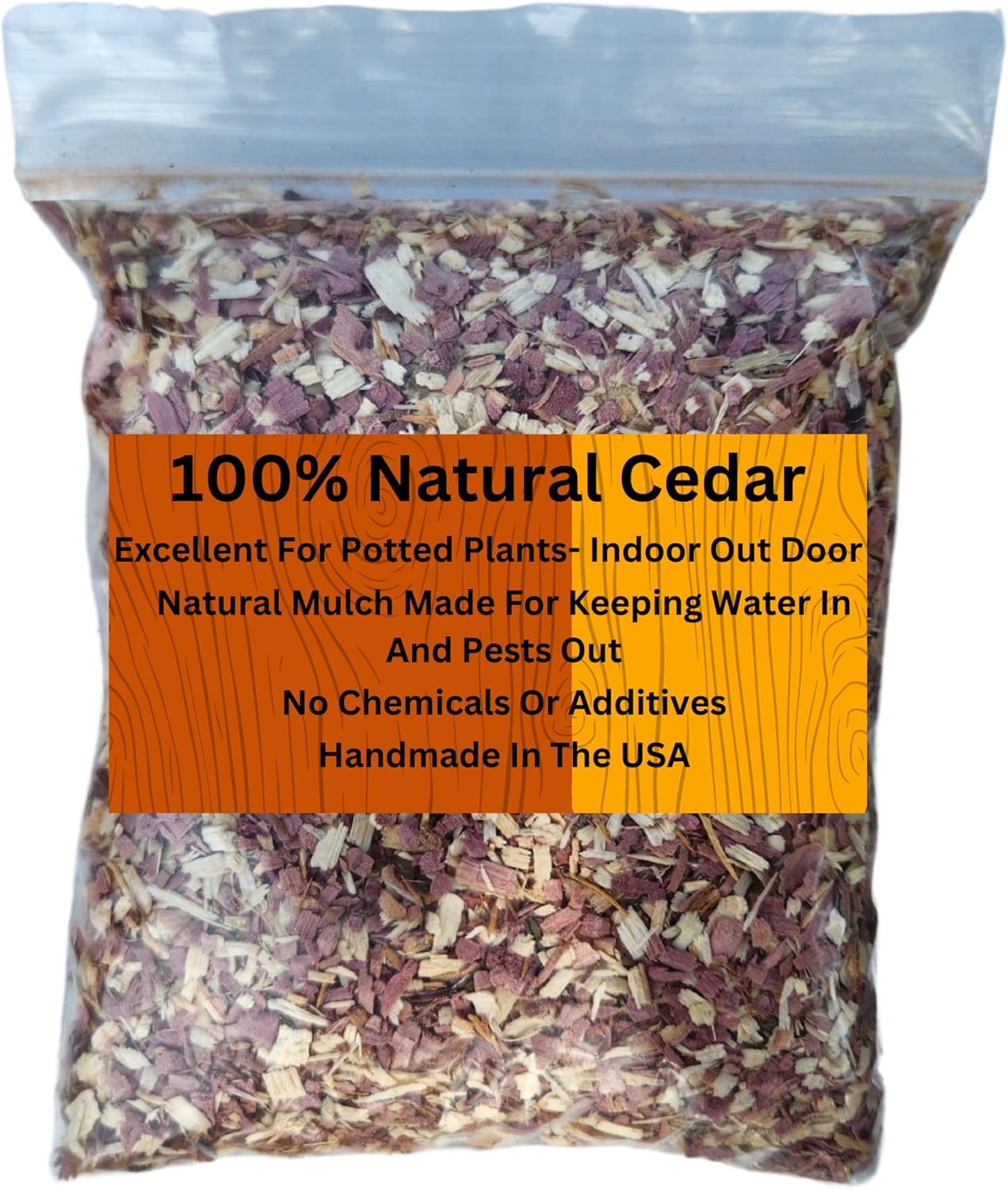
These cedar chips are a very small, versatile bag of natural mulch that works well for topping pots, refreshing hanging planters, and light pet bedding or sachets. The product is sold in a half-quart/2-ounce sealed pouch and has a pleasant earthy cedar scent, which makes it useful indoors as a subtle air freshener as well as outdoors around potted plants. In garden use the chips help retain surface moisture and provide a neat decorative layer over soil, though the small quantity means multiple bags are required for even modest beds. The sealed packaging keeps the scent fresh until use and the natural cedar fiber resists rapid breakdown for several months. Limitations are the tiny volume and light weight, so this is best as a sample pack, accent topping, or for very small containers rather than a bulk mulch source for garden beds.
Best for: Buyers looking for an inexpensive, small-format cedar mulch to freshen potting soil, top small containers, or try cedar chips before committing to larger quantities.
Less Ideal for: Gardeners needing bulk mulch for raised beds, large landscapes, or long-term ground cover should choose larger-volume products instead.
- Natural cedar provides a pleasant earthy scent useful for indoor sachets and planters
- Sealed pouch preserves freshness and scent until opened
- Fine texture makes it suitable as a decorative top layer for small pots and hanging planters
- Resists quick decomposition so it provides surface cover for several months
- Very small quantity (half-quart/2 ounces) so not suitable for mulching garden beds
- Limited usefulness for larger outdoor projects without buying many bags
Verdict: A low-cost small pack of natural cedar chips that's perfect for refreshing pots, sachets, or testing cedar mulch on a budget.
Home And Country USA Triple Shredded Hardwood Mulch, 2 cu ft
| Manufacturer | Home and Country USA |
|---|---|
| Item model number | HCM |
| Material | Hardwood mulch |
| Bag volume | 2 cu ft |
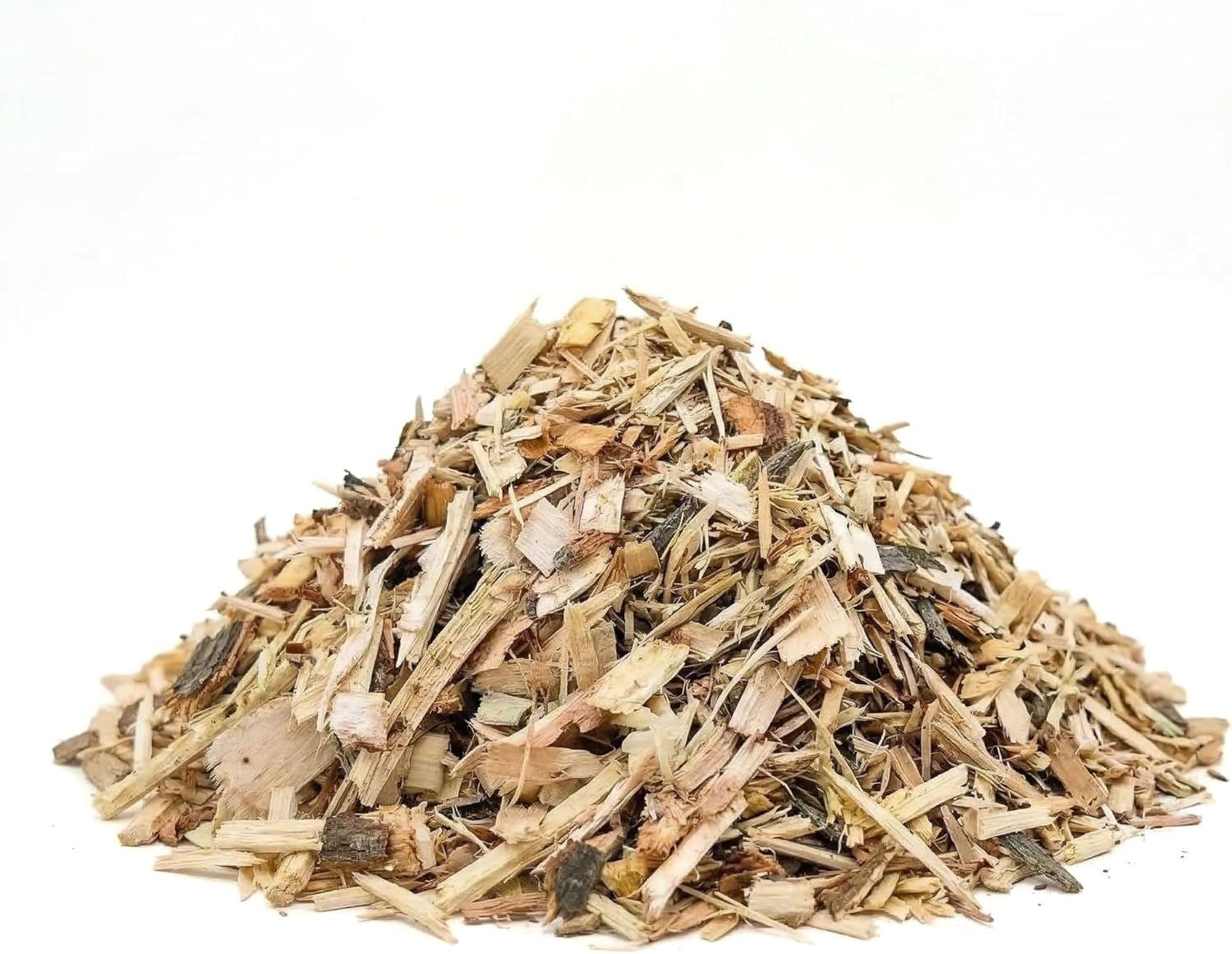
This triple-shredded hardwood mulch is a straightforward, no-frills option for gardeners who want reliable ground cover for flower beds, trees, and borders. It is packaged in 2 cubic foot bags of natural brown shredded wood that lay down evenly and provide good coverage. In practice it helps retain soil moisture, moderates soil temperature, and reduces weed germination by blocking light to the soil surface. Because it is organic hardwood, it will slowly break down and contribute nutrients to the soil over time. The triple shredding produces a uniform texture that is easy to spread with a rake and resists wind displacement better than coarser chips. Limitations are typical of organic mulches: it will decompose and compact and should be refreshed seasonally to maintain appearance and performance, and it does not have an added colorant for longer color retention. For gardeners prioritizing consistent, practical landscape performance, this mulch delivers the core benefits without gimmicks.
Best for: Gardeners who want a dependable, maintenance-friendly hardwood mulch for year-round beds and borders and who prioritize practical landscape performance over decorative finishes.
Less Ideal for: Buyers seeking a permanent synthetic ground cover or those who need a colored or long-lasting decorative mulch that resists fading for multiple seasons.
- Triple-shredded texture lays down evenly and is easy to spread
- Helps retain soil moisture and moderates soil temperature
- Suppresses weeds by creating a physical barrier
- Organic hardwood that breaks down to add nutrients to soil
- Will decompose and require annual replenishing to maintain coverage
- No added colorant, so natural brown will fade over time
Verdict: A reliable, easy-to-spread hardwood mulch that gives steady moisture retention and weed suppression for everyday garden use.
Legigo 2-Quart Organic Pine Orchid Bark Potting Mix

| Unit Count | 64 Ounce |
|---|---|
| Material | Pine bark |
| pH | 5.0-6.5 |
| Application | Soil mix & planting media |
Legigo's orchid bark is a simple, single‑ingredient potting medium made from screened pine bark chips intended for orchids and other epiphytic houseplants. Use it alone for plants that need excellent air circulation around roots or mix it with coir, perlite, or potting soil to create a freer‑draining custom mix. The chips are sized to stay chunky in pots so they reduce compaction, speed drainage and help prevent root rot while still holding some moisture to slow evaporation. For gardeners, that means fewer repots and lower watering frequency for tropical potted plants. Packaging is practical for storage and the product is described as slow to decompose, making it suitable as a longer‑lasting mulch or top dressing. Important limits: the 2‑quart bag is small for large collections or outdoor beds, and bark alone does not provide nutrients so regular feeding or mixing with a more complete potting medium is necessary for long‑term growth.
Best for: Buyers who prefer low‑risk, no‑fuss growing media that reduce overwatering problems and mimic natural orchid conditions, especially those with a small indoor collection or who mix their own potting blends.
Less Ideal for: Gardeners needing large volumes for beds, those who want a nutrient‑complete potting soil out of the bag, or growers who prefer finer, moisture‑retentive media for seedlings.
- 100% natural pine bark that mimics orchids' natural growing medium
- Chunky chips maintain aeration and reduce potting mix compaction
- Drains quickly to help prevent root rot in epiphytic plants
- Slow decomposition makes it useful as a longer‑lasting mulch or top dressing
- Small 2‑quart volume which is insufficient for many pots or garden beds
Verdict: A compact, natural pine bark mix that reliably improves aeration and drainage for orchids and indoor tropicals, ideal for gardeners who want a low‑maintenance substrate.
Choosing the Right Wood Chips for Garden: Key Factors to Consider
Material Source and Species
The tree species and source of the wood chips affects how they behave in the garden. Hardwoods usually break down more slowly than softwoods, giving longer-lasting mulch and more stable paths. Some species contain natural chemicals that can influence soil biology or slightly inhibit seed germination, so avoid chips from unknown or potentially treated wood.
Knowing whether chips come from fresh pruning, whole-tree grinding, or processed bark helps predict nutrient release and texture. Municipal or mixed green-waste sources can include invasive seeds, weed material, or treated wood fragments, so source transparency matters for long-term garden health.
Particle Size and Texture
Particle size determines how well chips suppress weeds, how much they compact, and how quickly they break down. Coarser, larger chips form open layers that shed water and last longer, making them good for paths and tree rings. Finer chips or shredded bark create a denser mat that is excellent for near-plant mulching but will decompose faster and may require more frequent top-ups.
Texture also affects how comfortable a surface feels underfoot and whether the mulch will float or wash away during heavy rain. Match size to the use: larger chips for high-traffic areas, medium to fine chips for flower beds and vegetable rows where closer contact with soil is desired.
Decomposition Rate and Nitrogen Dynamics
Wood chips are a carbon-rich material and their decomposition influences soil nitrogen availability. Fresh, high-carbon chips tied into soil surface layers can temporarily immobilize nitrogen as microbes break down the material. This effect is usually localized and temporary but matters for newly planted seedlings and nitrogen-hungry vegetables.
Choosing pre-aged or well-composted chips reduces the risk of nitrogen drawdown. Consider using a thicker layer of coarser chips away from root zones, and keep a thinner layer or compost-amended mulch immediately around young plants. Understanding decomposition pace helps schedule top-ups and supplemental feeding if necessary.
Cleanliness and Contaminant Risk
Garden-grade wood chips should be free of treated lumber, paint, oil residues, and invasive weeds. Contaminants can introduce toxins or persistent weed pressure that undermines years of garden work. Ask about processing practices and whether the supplier screens for construction debris or trash.
Heat-treated or composted chips reduce pathogen and weed seed risk compared with raw green waste. For vegetable beds, prioritize chips with transparent sourcing and minimal foreign material to protect soil life and crop safety.
Moisture Retention and Erosion Control
One of the main reasons gardeners use wood chips is to reduce evaporation and protect soil structure. Denser chip layers and finer particles hold moisture better and moderate soil temperature swings, which benefits roots and reduces watering frequency. However, very fine materials can crust and limit water infiltration if applied too thickly.
On slopes or exposed beds, the right chip size and application method help prevent washout. Combining chips with edging or applying over a permeable fabric can stabilize material on inclines and reduce erosion during heavy rain.
Aesthetics and Practical Handling
Color, uniformity, and how the chips settle affect the visual outcome in a garden. Some chips darken over time and create a tidy, natural look; others fade quickly. Practical handling matters too: very dusty or overly wet loads are harder to spread, and some chip sizes require wheelbarrows and muscle to move large quantities.
Select a consistent texture and color that fits the intended planting scheme and be realistic about how much work you want to do when refreshing or redistributing the material each season.
Best Uses by Garden Zone
Different areas of a garden benefit from different chip types. Tree rings and orchard floors are well suited to coarse, long-lasting chips that protect trunks and reduce competition from grass. Flower beds and vegetable rows often do better with finer chips or shredded bark that provide closer contact with soil and better weed suppression.
Paths and high-traffic routes should use larger, more angular chips that resist compaction and provide stable footing. For slopes, choose chips with a rough texture and consider mechanical edging to keep material in place.
- Tree bases and shrub belts: coarse, long-lasting chips
- Flower beds and near-root zones: finer, well-aged chips
- Garden paths: angular, coarse chips for traction
- Slopes: rough-textured chips plus edging or anchoring
How to Apply and Maintain a Chip Mulch Layer
Lay chips in a consistent layer, generally 2 to 4 inches for most garden beds. Keep mulch a few inches away from trunk and stem collars to prevent rot and pest hiding places. For new plantings, use a thinner initial layer and plan to add more as plants establish.
Refresh the top layer yearly or as needed based on breakdown rate. Rake and redistribute chips to avoid compaction and bare spots, and replace or top up areas showing significant decomposition. If you notice nitrogen decline in vegetable beds, remove a small area of chips and incorporate compost or apply a balanced fertilizer.
- Apply 2 to 4 inches for most beds; thicker on paths
- Keep mulch off stems and trunk collars
- Top up annually for fine chips; every few years for coarse chips
Composting and Pre-Aging Wood Chips
Pre-aging or composting chips before use reduces nitrogen tie-up and speeds beneficial microbial colonization. Mixing chips with green waste or manure and allowing aerobic composting for several months produces a more soil-friendly material. Turn the pile periodically to ensure even decomposition.
If you cannot compost chips yourself, look for suppliers that offer aged or screened material. Aged chips are gentler on plant roots and are safer for use near annual vegetables and young transplants.
- Compost mixes benefit from brown-to-green balance and moisture control
- Aging reduces risk of nitrogen immobilization
- Screening removes oversized pieces and contaminants
Combining Chips with Other Mulches
Mixing wood chips with compost, leaf mulch, or coarse bark can balance moisture retention and nutrient release. A thin layer of compost under chips feeds soil life while chips provide longer-term surface protection. For ornamental beds, a decorative topdress of shredded bark over a coarser chip base can unify appearance and function.
Avoid layering thick bands of different materials that trap moisture against stems. Instead, use purposeful layering where compost or composted bark is closest to the soil and coarser chips sit on top for durability.
- Use compost under chips to feed soil microbes
- Combine textures for both moisture retention and longevity
- Avoid direct piling against plant stems when layering materials
Environmental and Wildlife Considerations
Wood chips create habitat for beneficial soil organisms and can support earthworm activity as they break down. Coarser chips leave spaces that shelter ground beetles and other beneficial insects. However, fresh chips can attract certain fungi or temporarily change soil microbial balance until they age.
Consider sourcing chips locally to reduce transport impact and to use species that fit regional ecosystems. Avoid chips from chemically treated wood that can harm soil life and local wildlife over time.
- Local, untreated sources support native soil biology
- Aged chips are friendlier to earthworms and beneficial fungi
- Monitor for unwanted fungal fruiting in very thick fresh layers
How We Chose the Best Wood Chips for Garden
We focused on characteristics gardeners care about when using wood chips around plants, paths, and beds. Selection prioritized material source and particle size because they determine breakdown rate and how well chips suppress weeds. We evaluated longevity so gardeners know how often to refresh mulch, and nutrient impact to understand how decomposition affects soil nitrogen and structure. Particle cleanliness and contaminant risk were assessed to avoid chips that could introduce weed seeds, chemicals, or disease. Practical handling and dust levels were considered since heavy dust or very fine material can be unpleasant to spread and may compact. Finally, suitability for common garden tasks was included: mulching around ornamentals, under trees, and on paths. We excluded any wood chip types clearly labeled for industrial use, contaminated green waste, or those intended solely for playground safety where chemical treatments are common. Our filters removed materials with obvious contamination risks or inappropriate sizing for garden beds. The outcome is a set of garden-appropriate wood chip options that balance durability, soil benefits, and ease of use.
FAQ
How thick should I lay wood chips in vegetable beds?
A thin layer of 1 to 2 inches is usually safest for vegetable beds to reduce the risk of nitrogen tie-up. Use well-aged chips or apply a compost layer underneath to supply nutrients. Refresh sparingly and monitor plant vigor.
Will wood chips attract pests or rodents?
Chips can provide cover that some small animals use, but they do not inherently attract pests. Keep mulch away from building foundations and avoid piling chips against trunks and stems to reduce hiding places. Proper garden hygiene and inspection limit pest issues.
Can I use fresh wood chips straight from a grinder?
Fresh chips are usable but may immobilize nitrogen as they decompose, especially in close contact with plant roots. If using fresh material near edible plants, compost or age it first or apply a thin layer and supplement with fertilizer if needed.
Are all wood chips safe for organic gardens?
Many wood chips are acceptable for organic practices if they come from untreated wood and are free of chemical residues. Avoid chips containing pressure-treated lumber, painted wood, or contaminated green waste to maintain organic standards.
How often do I need to top up a wood chip mulch?
Top-up frequency depends on chip size and decomposition rate. Fine chips may need annual refreshes, while coarse hardwood chips can last several years. Inspect beds each season and add material where the layer has thinned.
Final Verdict
Choose wood chips that match the intended garden use and your maintenance preferences. Coarser hardwood chips offer long-term coverage for trees and paths, while finer or aged chips work well near beds and ornamentals where closer soil contact is important. Balance decomposition rate against nutrient management by pre-aging material or adding compost under the mulch. Prioritize clean, untreated sources and the right particle size for each zone. With those tradeoffs in mind, you can pick a wood chip approach that reduces work, protects soil, and supports healthy plant growth.
