

Note: This article contains affiliate links. If you click on these links and make a purchase, I may earn a small commission at no extra cost to you. This helps support my research and content. Read my full affiliate disclosure here.
Choosing the right wood mulch for flower beds matters for plant health, soil moisture, and bed appearance. The wrong mulch can wash away in heavy rain, break down too quickly, or create a barrier that repels water. This guide covers five shortlisted options that are commonly used in flower beds and explains how each choice performs in real garden conditions. We focus on how long the mulch lasts, how it affects soil biology and drainage, and how easy it is to apply and maintain. Use the evaluation notes below to match a mulch type to your soil, irrigation, and aesthetic needs.
Top Picks at a Glance
| Best Quality Built to a higher standard if you want something more solid | BRUT Worm Farms Organic Aspen Mulch, 10 Quart |  |
| Best Value The sweet spot between price and what you get | Back to the Roots Organic Mulch, 1 Cubic Foot |  |
| Highest Rated A top-rated pick with lots of positive feedback | Home And Country USA Triple Shredded Hardwood Mulch, 2 cu ft |  |
| Most Popular A crowd favorite that many people choose with confidence | Rio Hamza Trading Pine Bark Mulch Nuggets, 8 Quarts (All Natural) |  |
| Best Seller A high-volume bestseller chosen again and again | MIGHTY109 Cedar Wood Chip Mulch, 42-Quart |  |
BRUT Worm Farms Organic Aspen Mulch, 10 Quart

| Unit Count | 192 Ounce |
|---|---|
| Volume | 10 quarts |
| Style Name | Moisture-retaining |
| Certified Organic | OMRI-listed |
BRUT Organic Aspen Mulch is a fine-texture aspen bark mulch formulated to hold moisture, reduce weed pressure, and slowly add organic carbon to soil. It is applied as a top dressing around garden beds, pathways, or potted plants where you spread a thin layer to protect soil and conserve water. The product is OMRI-listed and described as odor-free and lightweight, which makes it convenient for indoor containers as well as outdoor borders. Its 30% carbon content supports beneficial microbes without drawing down nitrogen, so it helps long-term soil structure while decomposing slowly. Practical benefits include reduced watering frequency, a neater bed appearance, and gentle nutrient contribution that complements regular fertilizing. Important limitations are the small 10 quart volume per bag, which means multiple bags are needed for larger beds, and that it is primarily a surface mulch so it does not replace nutrient-rich soil amendments for heavy feeding tasks.
Best for: Gardeners who want a low-maintenance, organic mulch to conserve water, tidy beds, and slowly improve soil structure in small to medium beds or containers.
Less Ideal for: Large-scale landscapers or gardeners needing bulk mulch coverage or immediate high-nutrient soil amendments should consider larger-volume or nutrient-dense products.
- Odor-free fine aspen bark suitable for indoor and outdoor use
- High moisture retention reduces watering frequency
- OMRI-listed organic material that adds carbon to soil
- Lightweight and easy to spread for quick top-dressing
- Small 10 quart unit is insufficient for large beds without buying multiple bags
- Provides mainly carbon-rich mulch rather than concentrated nutrients
Verdict: A tidy, odor-free organic aspen mulch that conserves water and improves soil health best for small to medium garden beds and containers.
Back to the Roots Organic Mulch, 1 Cubic Foot

| Brand Name | Back to the Roots |
|---|---|
| Item Highlight | Premium organic garden mulch; peat-free; 25.7 quart bag |
| Unit Count | 16 Ounce |
| Volume | 23 cubic centimeters |
This organic mulch from Back to the Roots is a peat-free, upcycled plant-matter blend intended for beds, containers, and around shrubs and trees. It includes dolomitic limestone to help balance pH, yucca extract to improve moisture control, and gypsum to aid water absorption, so it both conserves moisture around root zones and contributes modest nutrients. Typical use is spreading a 2–3 inch layer around bushes, avoiding direct trunk contact, or mixing into the topsoil when planting. Its organic base and added plant food make it a good choice for supporting healthy growth and reducing watering frequency. Limitations to keep in mind are the bag size and volume relative to larger beds and that it is formulated as a general mulch rather than a heavy-duty long-lasting bark product, so it may break down faster and need replenishing more often.
Best for: Gardeners who want an eco-conscious, peat-free mulch that improves moisture retention and supports plant health around bushes and in raised beds.
Less Ideal for: People looking for a coarse, long-lasting decorative bark mulch or a single large bag solution for extensive shrub beds.
- Peat-free organic blend made from upcycled plant matter and wood fines
- Contains yucca extract for improved moisture retention and gypsum for better water absorption
- Includes dolomitic limestone to help adjust and stabilize soil pH
- Formulated with all-purpose plant food to support growth of vegetables, herbs, and shrubs
- Bag volume is relatively small for large or multiple bush beds so more bags may be needed
- Breaks down faster than coarse bark mulches and will require periodic replenishment
Verdict: Choose this peat-free organic mulch when you want an eco-friendly, moisture-saving soil cover that also supplies mild nutrients to bushes and raised beds.
Home And Country USA Triple Shredded Hardwood Mulch, 2 cu ft
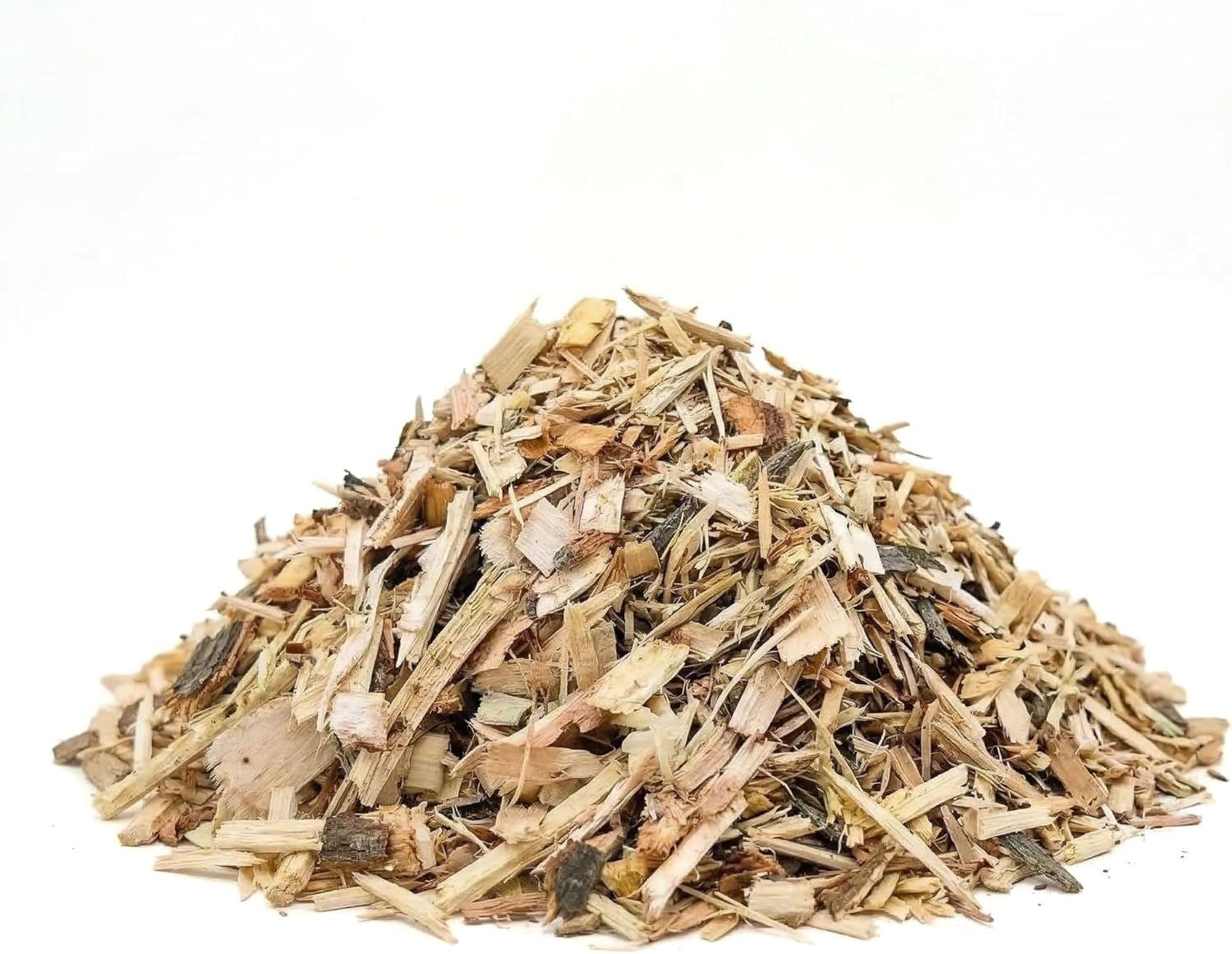
| Manufacturer | Home and Country USA |
|---|---|
| Item model number | HCM |
| Package volume | 2 cu ft |
| Material | Hardwood mulch |
| Country of origin | USA |
This triple-shredded hardwood mulch is a straightforward option for flower beds and general landscaping. It is sold in compact 2 cu ft bags of natural brown wood chips and is designed to retain moisture, reduce evaporation, and create a barrier against weed germination. Typical use is spreading a 2 to 3 inch layer around perennials, shrubs, and trees to improve soil health and reduce watering frequency. Notable features include an organic hardwood composition sourced in the USA and a shredded texture that settles around stems and roots for even coverage. Practical benefits include improved curb appeal, gradual breakdown that feeds soil over time, and reduced maintenance compared with bare soil. Limitations are the small bag size for larger areas which means more bags and handling for big projects, and natural color will fade over multiple seasons as the mulch decomposes. For gardeners prioritizing a reliable, natural mulch for flower beds, this product delivers consistent performance when refreshed regularly.
Best for: Gardeners who want a low-maintenance, natural mulch that reliably conserves moisture and suppresses weeds in flower beds and ornamental borders.
Less Ideal for: People needing large-scale coverage quickly or landscapers who prefer dyed or longer-lasting engineered mulches for uniform color over multiple years.
- Triple-shredded texture provides good coverage and settles well around plants
- Organic hardwood sourced from the USA supports soil health as it decomposes
- Helps retain soil moisture and reduces watering frequency
- Effective at suppressing weed growth by creating a physical barrier
- Sold in small 2 cu ft bags which requires many bags for larger beds
- Natural color will gradually fade and needs annual refresh to maintain appearance
Verdict: A dependable, natural hardwood mulch that conserves moisture and suppresses weeds for well-tended flower beds.
Rio Hamza Trading Pine Bark Mulch Nuggets, 8 Quarts (All Natural)

| Brand Name | Rio Hamza Trading |
|---|---|
| Unit Count | 256 Square Feet |
| Item Type Name | Potting Soil |
| Volume | 8 quarts |
| Ingredients | All natural pine shavings |
These 100% natural pine bark nuggets are small half-inch pieces intended as a top dressing or soil amendment for containers, bonsai, terrariums, and beds. You can sprinkle them as a decorative layer over potting mix to reduce surface evaporation and discourage pests, or blend a portion into heavy soil to increase aeration and reduce waterlogging around roots. The product emphasizes chemical-free bark with a red-brown look that tidies planters and complements evergreen plantings like arborvitae. An 8-quart bag covers modest container projects and provides enough to refresh a single large pot. Because the nuggets are coarse, they persist on the surface and do not compact quickly, which helps long-term drainage but means they will not break down fast to enrich soil. Also the bag size is small for landscape-scale mulching, so this is best for focused use around specimens rather than blanket beds. For someone managing moisture around ornamental evergreens, these nuggets work as an attractive, low-maintenance surface mulch.
Best for: A buyer who prioritizes plant safety and wants visible social validation will appreciate a chemical-free, attractive mulch for protecting root zones of specimen shrubs or container arborvitae and for tidying planters.
Less Ideal for: Not a good fit for someone needing bulk mulch for wide beds or wanting a fast-breaking organic amendment to quickly enrich soil.
- Made from 100% natural pine bark with no added chemicals
- Half-inch nuggets improve soil aeration and reduce surface compaction
- Durable, coarse texture provides long-lasting decorative top dressing
- Versatile for indoor pots, bonsai, terrariums, and small outdoor containers
- Small 8-quart bag is insufficient for mulching large landscape areas
- Coarse nuggets decompose slowly and provide limited short-term nutrient addition
Verdict: Choose these pine bark nuggets when you want a chemical-free, long-lasting decorative mulch to improve drainage and keep arborvitae planters looking tidy.
MIGHTY109 Cedar Wood Chip Mulch, 42-Quart

| Package volume | 42 quarts |
|---|---|
| Material | Natural untreated cedar |
| Intended uses | Landscaping, gardens, playgrounds, potted plants |
This cedar wood chip mulch provides a decorative, aromatic ground cover intended for flower beds, raised planters, pathways, and playground areas. It is typically spread as a 1 to 3 inch layer around plants to suppress weeds, retain soil moisture, and tidy bed edges while releasing a mild cedar scent. The product is made from untreated cedar and is promoted for durability and a long-lasting appearance that resists quick breakdown compared with softer mulches. Because it comes in a 42-quart bag it is convenient for small to medium beds or for topping container soil without bulk delivery. Limitations to consider are that wood chip mulch breaks down slower and can temporarily tie up soil nitrogen if mixed into planting soil, so it is best used as a surface dressing rather than a soil amendment. Also a single 42-quart bag covers a modest area, so larger beds will require multiple bags and additional handling.
Best for: Gardeners who want a low-maintenance, attractive surface mulch for flower beds and small planting areas and who prefer natural materials and a pleasant cedar scent.
Less Ideal for: Large landscaping projects or buyers who need bulk quantities delivered; those seeking an organic soil amendment to mix into beds should choose compost or finer mulch alternatives.
- Made from natural untreated cedar for a pleasant woodsy aroma
- Designed to retain soil moisture and reduce watering frequency
- Durable wood chips that maintain a tidy appearance over time
- Suitable for flower beds, raised planters, playgrounds, and potted plants
- 42-quart bag is small for larger beds and requires multiple bags for high coverage
- Wood chips decompose slowly and are best used as a surface mulch rather than incorporated into soil
Verdict: A convenient 42-quart bag of untreated cedar chips that keeps flower beds looking neat while helping retain moisture and adding a fresh cedar aroma.
Choosing the Right Wood Mulch for Flower Beds: Key Factors to Consider
Particle Size and Texture
Particle size affects how mulch behaves on the surface of a flower bed. Coarser, larger chips resist compaction and allow water to move through to the root zone, while fine shredded mulches create a denser mat that can hold moisture but may impede infiltration if applied too thickly.
Texture also influences how mulch settles around stems and crowns. Very coarse pieces can leave gaps that allow weeds to emerge, whereas very fine mulches can muffle seedling emergence and need regular loosening. Consider the balance between surface protection and water access when selecting a particle size.
Source Wood and Processing
The species of wood and how the material was processed change the mulch's nutrient profile and how fast it breaks down. Hardwoods generally decompose more slowly than softwoods, giving longer-lasting coverage, but some softwoods have natural resins that repel pests and resist decay.
Processing methods such as aging, composting, or dyeing can alter pH, initial nitrogen drawdown, and color stability. Untreated, kiln-dried, or composted wood is usually best for flower beds because it minimizes the risk of phytotoxic compounds or contaminants that could harm sensitive plants.
Decomposition Rate and Replenishment Cycle
How soon the mulch breaks down determines how often you will need to top-dress beds. Mulches that decompose quickly add organic matter to the soil and can improve structure, but they require more frequent replenishment and may temporarily compete with plants for nitrogen as they decay.
Slower-decomposing mulches maintain a stable surface layer longer, reducing maintenance time and cost, but they contribute organic matter more gradually. Match the decomposition rate to how much you want to amend the soil versus how much maintenance you are willing to perform.
Moisture Management and Drainage
Mulch is primarily a tool for conserving moisture and moderating soil temperature. Denser mulches hold more water near the surface, which benefits shallow-rooted annuals and newly planted perennials, but can increase the risk of crown rot in poorly drained sites.
Mulches that promote good infiltration help heavy soils dry more evenly and reduce runoff on slopes. Consider your irrigation system and rainfall patterns: if your beds receive heavy downpours, choose a mulch that resists displacement and allows quick drainage to avoid waterlogging.
Weed Suppression and Erosion Control
A good mulch suppresses weeds by blocking light and physically inhibiting seed germination. Thicker layers and finer textures are generally better at suppression but may be more prone to compaction and washout. On slopes or exposed sites, the mulch must resist being carried away by wind and rain; irregular, interlocking pieces or heavier chips often perform better.
Consider whether you plan to use a fabric barrier under the mulch. That changes the required mulch depth and affects how weed seeds and moisture move through the bed.
Aesthetics and Color Retention
Appearance matters in ornamental beds. Different wood mulches age and fade at different rates, and some have been dyed to match a particular landscape palette. Natural color can mellow over a season or two, while dyed mulches may maintain a uniform look longer but can fade unevenly.
Think about how often you will refresh beds and whether a temporary bright color or a more natural, aging look fits your garden design. Also consider whether local environmental rules restrict the use of dyed materials.
How Wood Mulch Affects Soil Life
Wood mulch changes the microclimate at the soil surface and feeds soil organisms as it breaks down. Fungi and detritivores are the primary decomposers of wood-based material, which slowly converts surface carbon into humus and improves soil structure over time. That gradual input can help sandy soils hold more moisture and loosen compacted clays by adding organic matter.
However, heavy applications of fresh wood chips can temporarily immobilize nitrogen near the surface as microbes use available nitrogen to process carbon-rich material. This effect is usually limited to the top few inches and subsides as decomposition progresses, but it is worth considering when planting nitrogen-hungry annuals.
- Encourages fungal-dominated decomposition, beneficial for woody perennials
- Adds long-term organic matter without rapid nutrient spikes
- May require nitrogen management in the short term for heavy fresh applications
Best Mulch Depths for Flower Beds
Correct depth gives weed control and moisture benefits without suffocating roots. A common recommendation is two to three inches for shredded or fine mulches and three to four inches for coarser chips. Thinner layers are fine around crowns and small transplants to avoid moisture trapping against stems.
Avoid piling mulch directly against plant stems or tree trunks. Spread it evenly and keep a small bare ring around the base of plants to reduce the risk of rot and pest harborage.
- Shredded mulch: 2 to 3 inches
- Coarse chips: 3 to 4 inches
- Leave 1 to 2 inches clear at plant crowns
Managing Mulch on Slopes and Eroding Sites
On sloped beds choose mulches that interlock or use stabilization methods to prevent washout. Coarser chips and larger flakes are less likely to move during heavy rain, and incorporating organic staples or mesh under the mulch can help hold material in place. Regular inspections after storms and targeted replenishment at the top of the slope keep erosion from becoming a maintenance problem.
If runoff is a chronic issue, combine surface mulch with practices that slow water flow, such as contouring beds, installing swales, or adding deep-rooted groundcovers that anchor soil beneath the mulch layer.
- Use coarser material or anchoring underlayment on slopes
- Inspect and replenish after heavy storms
- Combine mulch with bed shaping to reduce runoff velocity
Seasonal Maintenance and Top-Dressing
Plan for seasonal touch-ups rather than complete replacement. Light top-dressing in spring refreshes appearance and restores effective depth without disturbing roots. Remove any compacted or moldy sections before adding fresh material. In cold climates, a slightly thicker layer in late fall can protect roots from freeze-thaw cycles but should be reduced in spring to allow soil to warm.
Compost or incorporate some of the decomposed material into the topsoil periodically to maintain bed health instead of continually adding thicker layers of fresh mulch.
- Top-dress yearly or as needed based on decomposition
- Remove compacted, soggy mulch before reapplying
- Consider light incorporation of finished material into soil every few years
Matching Mulch to Plant Types and Bed Use
Select mulch with the bed's plants in mind. Shallow-rooted annuals and bulbs prefer mulches that allow quick warming in spring, so avoid very dense, cold-retaining layers over planting areas. For established perennials and shrubs, slower-decomposing hardwood chips provide lasting cover and steady organic inputs.
Also consider foot traffic and maintenance routines. High-traffic ornamental beds may need a more compact, less messy option, while mixed perennial borders can tolerate coarser chips that persist longer and require less frequent topping.
- Annual beds: lighter, faster-warming mulches
- Perennial borders: coarser, longer-lasting chips
- Paths and high-traffic edges: consider containment to reduce spread
How We Chose the Best Wood Mulch for Flower Beds
We selected candidates based on attributes gardeners can verify or measure before buying and that influence long-term bed performance. We prioritized mulch types with documented differences in particle size, source wood, and processing method because those factors control decomposition rate, nutrient release, and how well the mulch resists wind and rain. Practical durability in seasonal weather was a core filter: mulches that break down too quickly or that float easily in runoff were deprioritized. We also considered how mulch interacts with planting: whether it compacts around crowns, how it affects water infiltration, and whether it encourages or suppresses beneficial soil organisms. Maintenance needs such as frequency of top-dressing and how messy the mulch is during installation were included. We excluded materials intended primarily for playgrounds, paths, or heavy-traffic areas and any mulch mixes with inert synthetics. The final list balances longevity, soil benefits, drainage behavior, and ease of use for typical flower-bed situations.
FAQ
Will wood mulch cause nitrogen deficiency in my flower beds?
Often fresh, high-carbon wood mulch can temporarily tie up nitrogen at the soil surface while microbes decompose it. This effect is usually limited to the top few inches and to the first months after application. Using aged or composted wood mulch, applying it slightly thinner, or supplementing with a light nitrogen feed can reduce the risk.
How long does wood mulch typically last in flower beds?
It depends on the wood type and particle size. Coarse hardwood chips can last a year or more without major breakdown, while fine shredded mulches may need replenishing each season. Local climate, sun exposure, and washing from heavy rains also affect longevity.
Is dyed wood mulch safe to use around flowers?
Dyed mulches are generally used for aesthetic reasons and are safe when made from processed, non-toxic dyes. However, dyed material may fade unevenly and some gardeners prefer natural mulch to avoid any risk of additives. Check local guidelines if environmental runoff is a concern.
Can I put wood mulch directly over new plantings?
Usually use a lighter layer around new transplants and seedlings to avoid smothering young roots. Allow soil to settle after planting, water thoroughly, then add a thin protective layer and increase depth gradually over the season as plants establish.
How should I handle mulch if my bed has drainage problems?
On poorly drained sites choose coarser mulch that promotes infiltration and avoid thick, dense layers that retain surface moisture. Improving drainage by amending soil, adding organic matter below the mulch, or regrading beds is often necessary rather than relying on surface mulch alone.
Final Verdict
Prioritize the performance characteristics that match your bed conditions: choose coarser, longer-lasting wood chips for low-maintenance perennial borders and finer, quicker-decomposing mulch where you want faster soil amendment or more immediate weed suppression. Balance moisture management, decomposition rate, and erosion resistance for your site to minimize maintenance and support healthy plant growth. With the right choice and seasonal top-dressing, wood mulch can protect roots, reduce weeds, and steadily improve soil structure over time.
