

Note: This article contains affiliate links. If you click on these links and make a purchase, I may earn a small commission at no extra cost to you. This helps support my research and content. Read my full affiliate disclosure here.
Picking the right zucchini fertilizer changes how quickly vines establish, how many flowers set, and the overall resilience to stress and pests. Whether you grow in raised beds, containers, or a broad garden plot, the fertilizer you choose affects leaf health, fruit size, and harvest length. This guide looks at seven shortlisted options for zucchini fertilizer, each chosen for reliable nutrient delivery and straightforward application in typical home garden situations. We evaluated how they feed plants through establishment and fruiting, how easy they are to use, and how they fit common growing setups. Read on for practical notes to match a fertilizer to your soil, planting method, and time availability.
Top Picks at a Glance
| Best Overall The best all-around choice for most situations | Gardenera Liquid Power Squash Fertilizer Concentrate, 8 fl oz |  |
| Best Quality Built to a higher standard if you want something more solid | FoxFarm Big Bloom Liquid Plant Food, 32 fl oz |  |
| Best Value The sweet spot between price and what you get | Farmer's Secret Fruit & Bloom Booster Liquid Fertilizer (16 oz) |  |
| Best Budget The cheapest option that still gets the job done reliably | Miracle-Gro Water Soluble Tomato Plant Food, 1.5 lb |  |
| Highest Rated A top-rated pick with lots of positive feedback | Gardenera Liquid Silica Spray for Zucchini Plants, Ready-to-Use 8 oz |  |
| Most Popular A crowd favorite that many people choose with confidence | Farmer's Secret Fruit & Bloom Booster Liquid Fertilizer (8 oz) |  |
| Best Seller A high-volume bestseller chosen again and again | TPS Nutrients Liquid Plant Food for AeroGarden and Hydroponics, 8 oz | 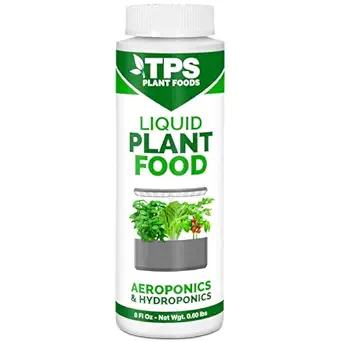 |
Gardenera Liquid Power Squash Fertilizer Concentrate, 8 fl oz

| Item Form | Liquid |
|---|---|
| Target Species | Squash |
| Liquid Volume | 8 fluid ounces |
| Mixing Ratio | 1:32 |
Gardenera Liquid Power is a targeted liquid concentrate designed to accelerate vegetative growth, strengthen roots, and increase fruit set for squash varieties. You dilute the 8 fl oz bottle at the listed 1:32 mixing ratio and apply it as a standard feed to foliage or soil during the growing season. The formula emphasizes a balanced NPK for fruiting crops plus chelated micronutrients and organic acids intended to improve nutrient uptake and reduce common problems like blossom-end rot. Practical benefits include quick action compared with granular feeds, straightforward mixing, and suitability for both container and in-ground squash plantings. The product claims a low pH to mobilize iron and other trace elements, which can help correct deficiencies in alkaline soils. Limitations are that an 8-ounce bottle treats a relatively small area so frequent repurchasing may be necessary for larger pumpkin plots, and the low pH means you should follow dilution instructions carefully to avoid foliar or root irritation. For cautious gardeners, following the mixing ratio and observing plants after the first application will minimize risk.
Best for: Gardeners who prioritize reliable, targeted nutrition for squash and want a fast-acting, easy-to-mix liquid feed to improve flowering and fruit set without complex application methods.
Less Ideal for: Growers managing very large pumpkin fields or those who prefer slow-release granular fertilizers for infrequent feeding schedules should consider higher-volume or granular alternatives.
- Concentrated liquid formula mixes 1:32 for quick, even feeding
- Contains balanced NPK plus chelated micronutrients for fruiting crops
- Designed to improve nutrient uptake by lowering soil pH
- Works for both container and in-ground squash plantings
- Small 8 fl oz volume may not cover large pumpkin patches
- Low pH formulation requires careful dilution and monitoring
Verdict: Use this concentrated liquid when you want a fast-acting, squash-focused feed to boost flowering and fruit set in home gardens.
FoxFarm Big Bloom Liquid Plant Food, 32 fl oz

| Item Form | Liquid |
|---|---|
| Specific Uses For Product | Plant Food |
| Coverage | Medium |
| Liquid Volume | 32 fluid ounces |
| Mixing Ratio | 4 tbsp per gallon of water |
FoxFarm Big Bloom is a concentrated liquid plant food designed to boost flowering and fruit development. It is typically mixed at 4 tablespoons per gallon of water and applied every other watering, or delivered via hose-end sprayer or drip systems for regular feeding. The formula relies on organic inputs such as earthworm castings and bat guano, which promote quick nutrient uptake and encourage bigger blooms, stronger seed set, and improved flavor in fruits and vegetables. Practical benefits include easy mixing, compatibility with common irrigation setups, and a medium coverage suitable for garden beds, containers, and small orchards. Because it is low in NPK numbers, Big Bloom performs best as a bloom/fruit booster rather than a complete base fertilizer, so gardeners should pair it with a higher-nitrogen feed during vigorous vegetative growth. Users should also observe local regulations about phosphorus use and take care to avoid runoff. For growers focused on enhancing flower size and fruit quality, this product provides a reliable, easy-to-use organic bloom feed.
Best for: Gardeners aiming to maximize flower size and fruit quality who want an easy-to-apply organic bloom booster for regular feeding.
Less Ideal for: Those seeking an all-in-one primary fertilizer for rapid vegetative growth or users in areas where phosphorus-containing fertilizers are restricted.
- Concentrated liquid that's easy to mix and apply with watering systems
- Contains organic inputs like earthworm castings and bat guano for nutrient-rich feeding
- Formulated specifically to support flowering and fruit development
- Suitable for use across beds, containers, and irrigation systems
- Low NPK numbers mean it is not a complete feed for heavy vegetative growth
- Contains phosphorus which may be restricted by some local regulations
Verdict: Choose Big Bloom when your priority is bigger, more abundant flowers and better-tasting fruit delivered in an easy-to-use organic liquid feed.
Farmer's Secret Fruit & Bloom Booster Liquid Fertilizer (16 oz)

| Item Form | Liquid |
|---|---|
| Specific Uses For Product | Organic |
| Application Method | pour or spray |
| Liquid Volume | 16 fluid ounces |
| Mixing Ratio | 1 teaspoon per 2 gallons of water |
Farmer’s Secret Fruit & Bloom Booster is a super‑concentrated liquid fertilizer designed to encourage blooms, stronger roots, and higher yields when applied as a foliar spray or soil drench. It is mixed at 1 teaspoon per 2 gallons of water and is intended for mid‑to‑late growth stages, applied every 1–2 weeks. The formula emphasizes phosphorus and potassium to support flowering and fruit set while supplying nitrogen and trace minerals to maintain overall plant health. Practical benefits include quick availability to plants compared with granular feeds, flexible application with a watering can, sprayer, or irrigation system, and a long shelf life. Limitations are that exact N‑P‑K percentages are not listed on the product page and dosing relies on the single recommended dilution, so careful measuring is needed to avoid overfeeding. For watermelons, using this during bloom and fruit set should promote stronger root systems and better fruit development, but pair it with a balanced program that meets seedlings' earlier nitrogen needs and with appropriate soil moisture management.
Best for: Gardeners who prioritize efficient, results‑driven feeding during bloom and fruit set and who want a concentrated liquid they can apply selectively to maximize yield.
Less Ideal for: Growers looking for detailed N‑P‑K labels or those who prefer slow‑release granular fertilizers for steady early‑season nitrogen feeding.
- Highly concentrated so a small amount treats a large area
- Formulated to boost flowering and fruit set with elevated phosphorus and potassium
- Can be applied as a soil drench, foliar spray, or through irrigation for flexible use
- Contains trace minerals in addition to primary macronutrients
- Long practical shelf life when stored properly
- No explicit N‑P‑K ratio printed in the provided product details
- Requires accurate dilution to avoid overapplication
Verdict: A concentrated, bloom‑focused liquid fertilizer that is ideal for gardeners wanting a targeted, easy‑to‑apply boost during watermelon bloom and fruit set.
Miracle-Gro Water Soluble Tomato Plant Food, 1.5 lb

| Item Form | Liquid |
|---|---|
| Application Method | Water Soluble |
| Target Species | Great for tomatoes and vegetables |
| Mixing Ratio | 18-18-21 |
Miracle-Gro Water Soluble Tomato Plant Food is a water-soluble fertilizer intended to boost vegetable growth by delivering nutrients quickly through a watering can or Miracle-Gro Garden Feeder. Its 18-18-21 mixing ratio supplies balanced nitrogen, phosphorus, and potassium so plants get a steady supply of the elements they need for leafy growth, flowering, and fruit set. Use it by mixing the recommended dose into a watering can for outdoor containers or in-ground beds and apply every 7 to 14 days during the growing season. The product works fast because it dissolves completely and can be applied directly to the root zone, which is useful for impatient gardeners trying to push tuber and foliage development in potatoes. On the downside it is a concentrated chemical fertilizer rather than an organic option and requires careful measuring to avoid overfeeding. Coverage notes from the brand indicate a small 1.5 lb package is meant to feed a modest area when used with the Garden Feeder, so larger plots will need multiple containers.
Best for: Ideal for gardeners on a budget who want a straightforward, fast-acting fertilizer to boost potato foliage and tuber development without complicated application methods.
Less Ideal for: Not the best choice for growers seeking organic or slow-release nutrition or for those managing large acreages who need bulk, long-lasting supplies.
- Water-soluble formula mixes easily for quick nutrient uptake
- Balanced NPK (18-18-21) supports foliage, flowers, and fruit development
- Designed for use with watering cans or the Miracle-Gro Garden Feeder for convenient application
- Feeds quickly when applied every 7 to 14 days during the growing season
- Concentrated synthetic formula, not an organic fertilizer
- 1.5 lb package is small for larger vegetable plots and will require frequent repurchasing
Verdict: A simple, fast-acting water-soluble fertilizer that gives budget-minded vegetable growers an easy way to boost potato growth and yields.
Gardenera Liquid Silica Spray for Zucchini Plants, Ready-to-Use 8 oz

| Item Form | Liquid |
|---|---|
| Specific Uses For Product | Zucchini Plants |
| Coverage | Ready-to-Use Mist Spray |
| Liquid Volume | 8 fluid ounces |
This Gardenera liquid silica spray is a pre-mixed foliar supplement designed specifically for zucchini plants. You simply mist leaves and stems once a week to deliver plant-available monosilicic acid that the manufacturer says promotes stronger stems, tougher leaves, and improved resistance to heat and drought stress. The bottle is ready to use so there is no measuring or dilution, making it easy to add to a weekly care routine for both indoor and outdoor zucchini or hydroponic setups. Notable features include a high-availability silicon ingredient, small amounts of humic and fulvic acids, and a biodegradable, water-soluble formulation. Practical benefits are firmer plant structure that can support larger fruit and less leaf browning under environmental stress. The main limitations are the small 8 ounce volume, which means frequent purchases for larger gardens, and that the product is targeted at zucchini specifically so broader crop guidance is limited. For gardeners focused on consistent, simple weekly supplementation, this spray is straightforward and low-fuss to use.
Best for: Gardeners who want a low-effort, reliable weekly supplement to strengthen zucchini stems and reduce leaf stress, and who prioritize predictable, repeatable care routines.
Less Ideal for: Large-scale growers or gardeners who prefer multipurpose fertilizers for mixed vegetable beds should consider higher-volume or broader-spectrum products.
- Ready-to-use mist requires no mixing or measuring
- Contains plant-available monosilicic acid for rapid foliar uptake
- Formulation is water-soluble, biodegradable, and non-toxic
- Includes humic and fulvic acids to support nutrient uptake
- Small 8 oz volume may be insufficient for larger gardens
- Formulation and labeling are focused specifically on zucchini rather than mixed vegetable crops
Verdict: If you want a simple, weekly foliar boost to firm stems and protect zucchini leaves, this ready-to-use silica spray makes it easy and dependable.
Farmer's Secret Fruit & Bloom Booster Liquid Fertilizer (8 oz)

| Item Form | Liquid |
|---|---|
| Liquid Volume | 8 fluid ounces |
| Mixing Ratio | 1 teaspoon : 2 gallons |
| Application Method | dilute with water and pour or spray |
Farmer's Secret Fruit & Bloom Booster is a concentrated liquid plant food designed for mid-to-late season use when plants begin to bud and set fruit. You dilute a small amount (1 teaspoon per 2 gallons) and apply it either to the soil with your watering can or as a foliar spray, repeating every 1 to 2 weeks. The formula emphasizes phosphorus and potassium alongside trace minerals to promote root development, flowering and fruit set, which is the kind of nutrient profile banana growers look for during fruiting. Because it is liquid and already mixed, nutrients are immediately available and it is easy to integrate with irrigation or regular watering. The bottle is small but very concentrated, so a little goes a long way. A practical limitation is that the 8 ounce size supplies only a limited number of applications for larger banana plants or multiple trees, so you will need to plan purchases for season-long feeding. Follow dilution directions carefully to avoid overapplication.
Best for: Gardeners who prefer a proven, easy-to-use liquid feed to encourage blooms and fruit and who want straightforward instructions and predictable results.
Less Ideal for: Growers with large banana groves or multiple mature plants who need bulk or long-term feeding should consider larger-volume fertilizers or granular options.
- High phosphorus and potassium formulation supports flowering and fruit set
- Liquid concentrate delivers nutrients immediately and is usable as soil or foliar feed
- Simple, low-strength mixing ratio makes it easy for beginners to apply safely
- Contains additional trace minerals (iron, zinc, calcium) that support overall plant health
- Small 8 oz bottle provides relatively few applications for mature banana plants or multiple trees
Verdict: A highly concentrated, easy-to-use liquid booster that quickly delivers flowering and fruiting nutrients for backyard banana plants and other fruiting ornamentals.
TPS Nutrients Liquid Plant Food for AeroGarden and Hydroponics, 8 oz

| Item Form | Liquid |
|---|---|
| Specific Uses For Product | Plant Growth, Root Development |
| Target Species | Herb, Vegetable |
| Mixing Ratio | 5 mL (1 tsp) per quart of feedwater |
| Unit Count | 8 Fluid Ounces |
This 8 oz liquid plant food provides concentrated, reservoir-safe nutrition intended for AeroGarden and comparable hydroponic units. It is used by mixing the recommended 5 mL per quart of feedwater into the system reservoir on a regular feeding schedule to supply macro and micronutrients for herbs, greens, and other compact edible plants. Notable features include a liquid formulation that dissolves easily, a focus on root development, and explicit compatibility with indoor hydroponic gardens. In practice it simplifies feeding for small indoor crops because a measured teaspoon per quart is straightforward to dose and store. Important limitations are the small bottle size, which will require frequent repurchasing for larger or multiple units, and the need to follow dilution directions carefully to avoid overfeeding. Safety handling is necessary because the concentrate should be kept away from children and pets. For risk-averse growers, the product’s clear mixing ratio and hydroponic focus make predictable feeding simple, but you should track reservoir concentrations rather than guessing frequency or volume adjustments.
Best for: Buyers who want a simple, low-risk feeding routine for indoor green onions and other small edible hydroponic crops and prefer clear dosing instructions they can follow reliably.
Less Ideal for: Growers managing large hydroponic setups, outdoor beds, or those who need a detailed NPK profile for tailored nutrient programs should look for larger or fully specified concentrates.
- Designed specifically for AeroGarden and similar hydroponic systems for straightforward compatibility
- Liquid formula mixes easily for even nutrient distribution in the reservoir
- Clear mixing ratio (5 mL per quart) simplifies dosing and repeatable feeding
- Targets root development and steady growth for herbs and vegetables
- Small 8 oz bottle may not last long for multiple or larger units
- No full nutrient analysis or NPK breakdown provided on the product listing
Verdict: A compact, easy-to-dose liquid fertilizer that makes predictable feeding of indoor green onions simple and low risk.
Choosing the Right Zucchini Fertilizer: Key Factors to Consider
Nutrient Ratio and Timing
Zucchini need different nutrients at different stages. A higher nitrogen ratio helps rapid leaf and vine growth during establishment, but too much nitrogen late in the season can encourage foliage at the expense of fruit set. Phosphorus supports root development and flowering while potassium helps fruit development and disease resistance. When evaluating a fertilizer, note the N-P-K numbers and whether the manufacturer gives application timing. A single formula with a steady-release profile can suit many gardeners, but some prefer an early nitrogen-focused feed followed by a bloom/fruit formula as plants flower.
Timing also affects how you apply fertilizer. Incorporating a starter feed into the planting hole benefits seedlings, while sidedressing or lighter liquid feeds during fruiting lets you adjust nutrient supply without disturbing roots. Match the product instructions to your intended feeding schedule and the growth stage of your zucchini to avoid nutrient imbalances.
Release Profile and Frequency
Fertilizers come as quick-release (water-soluble), slow-release granular, or organic blends with slower mineralization. Quick-release feeds deliver nutrients fast, which is useful for correcting deficiencies or giving an extra bloom boost, but they require more frequent application and can spike salt levels in containers. Slow-release granules reduce application frequency and provide steady nutrition, which is convenient for raised beds and low-maintenance gardeners.
Consider how often you want to walk the garden. If you prefer set-and-forget care, choose long-lasting formulations designed to feed for several weeks. If you monitor plants closely and can react to signs of deficiency, water-soluble or liquid options let you tailor feeding more responsively. Also consider how release rate is affected by temperature and moisture since those conditions change nutrient availability in the garden.
Soil Health and Amendments
A fertilizer that also improves soil structure or supplies micronutrients can reduce future problems. Organic amendments and blends that include composted materials, gypsum, or rock minerals build organic matter and buffer pH over time. Micronutrients such as calcium and magnesium are particularly important for preventing blossom-end rot and ensuring even fruit development. If your soil test shows deficiencies, select a product that targets those specific gaps.
Avoid relying solely on quick chemical feeds if your soil is low in organic matter. Integrating fertilizers with compost or mulches will support long-term fertility and beneficial soil life. For container-grown zucchini, amendments that improve water retention and provide steady-release nutrients are especially valuable because potting mixes can deplete quickly.
Application Method and Convenience
How you apply fertilizer impacts how often you will do it and how accurate your dosing will be. Granular products can be broadcast, worked into the soil, or used as a sidedress; water-soluble powders and concentrates are mixed and applied with a watering can or hose-end sprayer. Products that specify clear measurements for both beds and containers reduce the chance of over- or under-feeding.
Consider the physical format you prefer. Large bags are economical but can be heavy to move. Concentrates save storage space but require mixing. Also evaluate safety and cleanup: low-dust granules and sealed liquid formulations are easier to handle in family gardens and reduce accidental contact with skin or children.
Suitability for Containers and Small Plots
Zucchini in containers have different fertilizer needs than those in open garden beds because the potting mix has limited nutrient reserves and dries faster. Look for fertilizers that give clear container-specific dosing and that do not raise soluble salt levels quickly. Water-soluble feeds with lower concentration per application or slow-release granules formulated for pots often work well.
For small plots or raised beds, choose products that scale easily so you can apply the right amount without waste. Consider whether the fertilizer will affect drainage or salt buildup in the soil and whether it pairs well with the potting mix or soil amendments you plan to use.
Environmental and Safety Considerations
Gardeners should consider runoff, persistence, and non-target impacts when choosing a fertilizer. Formulations that minimize soluble salt runoff and that do not leach rapidly are preferable near water features or on slopes. Organic or slow-release options tend to pose lower short-term runoff risk, while highly soluble synthetic feeds can increase nutrient movement when overapplied.
Safety for pets and children is also important. Look for products with clear labeling on handling, storage, and first-aid. Proper application rate and following instructions reduce environmental footprint and keep the garden safe for household members and neighboring plants.
Matching Fertilizer to Soil Test Results
A basic soil test helps direct whether you need a balanced feed or a targeted correction. If the test shows low phosphorus, choose a formula or amendment that emphasizes phosphorus to help root growth and flowering. If calcium is low, address it before blossom problems appear.
Adjusting feeding based on a soil test prevents excesses that can harm plants or the environment. Use amendments to correct pH or specific mineral deficits, then use a maintenance fertilizer to support the season.
- Test pH and key nutrients before first planting
- Treat major deficiencies first, then use maintenance feeding
- Factor in past amendments such as lime or compost
Feeding Schedule for Vigorous Production
Start with a light starter feed at planting, especially for transplants, to aid early root and leaf development. Once plants are established and flowering begins, switch to a regime that supports fruiting, either with periodic sidedresses or regular liquid feeds.
Monitor plants for signs of nutrient stress rather than sticking strictly to calendar dates. Yellowing older leaves often indicates nitrogen shortage, while blossom issues point to calcium or potassium problems.
- Starter feed at planting or transplant
- Sidedress after first fruit set
- Use lighter frequent feeds for containers
Container Growing Tips
Containers need more attentive fertilizing because nutrients wash out with frequent watering. Use either a slow-release product formulated for pots or a diluted water-soluble feed applied every one to two weeks. Maintain consistent moisture to improve nutrient uptake and reduce stress-related fruit problems.
Choose potting mixes with good organic content and water retention to complement the fertilizer. Excessive fertilizer in small pots can cause salt burn, so start with lower doses and increase only if plants show signs of deficiency.
- Prefer slow-release or low-concentration liquid feeds
- Flush containers periodically to avoid salt buildup
- Combine feeding with regular compost topdressing when possible
Organic Vs Synthetic Options
Organic fertilizers build soil life and release nutrients as microbes break down the material. They are often gentler and improve soil structure but can release nutrients more slowly and variably. Synthetic options give predictable nutrient availability and fast correction of deficiencies but require careful dosing to avoid overfeeding.
Consider your long-term garden goals. If you are building soil health, include organic amendments and use synthetic feeds only for quick corrections. If you need rapid, predictable results for a particular season, synthetic or water-soluble feeds can be appropriate when used responsibly.
- Organics improve soil over time but act slower
- Synthetics provide fast, measurable nutrient boosts
- A mixed approach is common: amend with organics, supplement with soluble feeds
Preventing and Managing Blossom-End Rot
Blossom-end rot is often caused by uneven calcium availability rather than a lack of calcium in the soil. Maintaining consistent soil moisture and avoiding large swings in water availability are the best prevention tactics. Choose fertilizers that supply balanced calcium or pair your feed with calcium-rich amendments if your soil test indicates a shortfall.
Side treatments such as foliar calcium sprays provide temporary relief but do not replace good moisture and soil management. Address underlying soil conditions for lasting results.
- Keep soils evenly moist to improve calcium uptake
- Check soil calcium with a test before heavy corrections
- Use calcium-containing amendments when needed
How We Chose the Best Zucchini Fertilizer
We selected products using criteria that reflect how zucchini plants respond in real gardens. Nutrient balance was a primary filter because zucchini need the right ratios of nitrogen, phosphorus, and potassium to support leafy growth early and fruiting later. Release profile and longevity were next: we prioritized formulas that offer predictable feeding schedules whether applied once at planting or with periodic boosts during the season. Ease of application matters for backyard gardeners, so we favored options with clear dosing for beds and containers and that work with common watering and mulching practices. Availability of micronutrients and soil amendments was considered because calcium, magnesium, and trace elements reduce blossom-end rot and other physiological issues. Environmental and handling factors were also used, preferring products with minimal dust, low odor, and safe application instructions suitable for family gardens. We excluded specialty blends intended only for lawns, tree crops, or industrial agriculture and any products that demand specialized equipment to apply. The resulting short list reflects garden-ready fertilizers that balance feeding performance, practical use, and predictable results for zucchini growers.
FAQ
How often should I fertilize zucchini during the season?
Frequency depends on the fertilizer type. Slow-release granules can feed for several weeks to months, while water-soluble feeds typically need application every one to two weeks. Monitor plants and adjust feeding if leaves yellow or flowering declines.
Can I use a regular vegetable fertilizer for zucchini?
Often yes. A general vegetable fertilizer with balanced N-P-K is suitable for zucchini. Tailor application timing to encourage initial leaf growth and then support fruiting, and modify dosing for containers versus garden beds.
Is organic fertilizer sufficient for heavy-producing zucchini plants?
Organic fertilizers can support heavy production if soil organic matter is good and applications are timely. They release nutrients more slowly, so gardeners may supplement with a quick feed if plants show deficiency during peak fruiting.
Will too much fertilizer make zucchini produce more leaves and fewer fruits?
Yes. Excessive nitrogen encourages vegetative growth and can reduce flower and fruit production. Use formulations and rates appropriate for the growth stage and switch to bloom-support feeding as flowers appear.
How do I avoid fertilizer burn in containers?
Use lower rates for containers, flush pots occasionally to remove accumulated salts, and choose slow-release products or dilute liquid feeds. Start with conservative dosing and increase only if plants show clear nutrient needs.
What are signs of micronutrient deficiency in zucchini?
Interveinal chlorosis, distorted new growth, or poor fruit set can indicate micronutrient shortages such as magnesium or iron. A soil test and targeted amendments are the best ways to correct these issues.
Final Verdict
Choose a zucchini fertilizer that fits your soil, planting style, and how hands-on you want to be. Prioritize the right nutrient ratios and a release profile that matches your maintenance rhythm, and use soil tests to correct specific deficiencies. For containers, favor formulas and doses designed for limited media to avoid salt buildup. Balancing short-term needs for vigorous fruiting with long-term soil health will produce the most reliable harvests.
