

Note: This article contains affiliate links. If you click on these links and make a purchase, I may earn a small commission at no extra cost to you. This helps support my research and content. Read my full affiliate disclosure here.
Choosing the right ground cover for pond edges matters more than aesthetics. The wrong planting can wash out in spring runoff, fail to suppress weeds, or create slippery margins that attract pests. You need plants that tolerate wet soil, spread consistently without becoming invasive, and help stabilize banks or liner edges. This guide shortlists the top options for pond use and explains why each was chosen. We assess factors like moisture tolerance, spread habit, root structure, and maintenance needs to help you pick a ground cover that holds soil, looks good, and works with your pond setup.
Top Picks at a Glance
| Best Overall The best all-around choice for most situations | Natural Waterscapes Shoreline Seed Mix — Aquatic Grasses, Sedges & Rushes (1 lb) |  |
| Best Quality Built to a higher standard if you want something more solid | Aqualeaf Aquatics Common Water Hyacinth (1 count) |  |
| Best Budget The cheapest option that still gets the job done reliably | AIQINHU Artificial Foam Lily Pads, 10-Pack |  |
| Highest Rated A top-rated pick with lots of positive feedback | CZ Grain Giant Duckweed (Spirodela polyrhiza) — 100 Live Plants |  |
| Best Seller A high-volume bestseller chosen again and again | Aqualeaf Aquatics Water Lettuce (floating aquatic plant) |  |
Natural Waterscapes Shoreline Seed Mix — Aquatic Grasses, Sedges & Rushes (1 lb)

| Indoor Outdoor Usage | Outdoor |
|---|---|
| Expected Blooming Period | Spring to Fall |
| Sunlight Exposure | Full Sun to Shade |
| Moisture Needs | Wet Soil |
| Material Features | Native Aquatic Grasses, Sedges, Rushes |
This Shoreline Seed Mix combines several species of native aquatic grasses, sedges, and rushes intended to stabilize pond edges and create a low-maintenance habitat. You plant it along the shoreline within about 12 inches of the normal water line, raking seed roughly 1 inch into sandy, wet soil; seeds germinate as early as 7 to 10 days with adequate moisture. The mix is designed for plants that tolerate full sun to shade and will grow in water from about 6 inches above to 6 inches below the water line, producing cover roughly to 30 inches tall. In practice the blend helps reduce erosion, cushions wave action with deep root masses, and supplies shelter and food for fish fry, ducks, and songbirds. It is best used for new pond construction or to reinforce vulnerable banks rather than for decorative formal edging. The package covers a large area per pound, but results depend on correct placement, consistent moisture, and local seed-to-soil contact; germination rates will vary by species and site conditions.
Best for: Buyers who want a practical, habitat-focused solution to stabilize pond banks and create wildlife-friendly shoreline cover with minimal ongoing maintenance.
Less Ideal for: Gardeners seeking fast decorative groundcover, formal edging, or exact plant placement should consider individual transplants or potted aquatic plants instead.
- Blend of native aquatic grasses, sedges, and rushes suited to shoreline conditions
- Specifically formulated to reduce shoreline erosion by establishing deep root systems
- Provides habitat and food sources for fish, waterfowl, and songbirds
- Tolerates a broad light range from full sun to shade and wet soil conditions
- Germination and coverage depend heavily on correct placement, soil contact, and moisture
- Not intended for precise ornamental edging or rapid establishment of mature plants
Verdict: Choose this mix when you need a wildlife-friendly, erosion-resistant shoreline cover that establishes native wetland vegetation across large pond edges.
Aqualeaf Aquatics Common Water Hyacinth (1 count)

| Indoor Outdoor Usage | Outdoor |
|---|---|
| Expected Blooming Period | Summer |
| Sunlight Exposure | High |
| Product Care Instructions | Float in freshwater; full sun to partial shade; remove excess growth regularly |
The Aqualeaf Aquatics common water hyacinth is a single, ready-to-float plant for freshwater ponds and water gardens that rapidly produces broad leaves and purple blooms in summer. You place it directly on the water surface—no substrate needed—and it shades the pond, reduces evaporation, and uptakes nitrates and ammonia to help control algae. Its rapid growth makes it useful for quick surface coverage and creating shelter for fish and invertebrates, but you will need to thin plants regularly to prevent overcrowding and to keep water flow and light balanced. It prefers full sun to partial shade and warm conditions, so it performs best in summer and in temperate to warm climates. Note that this species is regulated or banned in several U.S. states because it can become invasive in open waterways, so check local restrictions before using it in outdoor ponds. For small ponds and controlled water gardens it provides low-effort filtration and fast visual impact when managed properly.
Best for: Buyers who want a low-effort, fast-acting floating plant to improve water quality and provide shade in small, managed ponds or water gardens.
Less Ideal for: People with open natural waterways, large unmanaged ponds, or those in states where this species is restricted should avoid this plant and choose sterile or noninvasive alternatives.
- Provides natural filtration by absorbing excess nutrients
- Fast surface coverage for shade and shelter
- No planting or substrate required so setup is immediate
- Low maintenance once established if regularly thinned
- Very fast growth requires frequent removal to avoid overcrowding and reduced water circulation
- Restricted or prohibited in multiple U.S. states due to invasive risk
Verdict: A fast, low-effort floating plant that quickly improves pond water quality and shade when kept under active management.
AIQINHU Artificial Foam Lily Pads, 10-Pack

| Number of Items | 10 |
|---|---|
| Plant or Animal Product Type | Lotus |
| Indoor Outdoor Usage | Indoor, Outdoor |
| Material Type | Foam |
| Additional Features | Fade Resistant |
These artificial lily pads are a lightweight, budget-friendly way to add green ground cover to small ponds and water features. The set includes ten foam pads in five sizes so you can scatter them across the surface or cluster them with artificial lotus flowers for a more natural look. Made from foam with fade-resistant coloring, they float readily and stay on the surface without additional support; the product description suggests tying pieces together if you want them to stay grouped. Practical benefits include instant visual improvement without planting, no maintenance, and suitability for indoor and outdoor use in summer. Limitations are that foam pads are decorative only and will move in wind or strong circulation, they do not provide shade or habitat like live plants, and foam can show wear over long exposure to sunlight despite fade resistance. For a low-cost decorative ground cover solution these are an easy, no-upkeep option but they are not a replacement for the ecological functions of living pond plants.
Best for: Buyers who want an inexpensive, no-maintenance way to add instant green ground cover to small ponds, pools, or water features without committing to live plants.
Less Ideal for: People who need functional pond plants for shade, oxygenation, or wildlife habitat should choose live aquatic plants instead.
- Includes 10 pads in five sizes for flexible surface coverage
- Lightweight foam construction floats easily on ponds and fountains
- Fade resistant coloring designed for outdoor exposure
- Works indoors and outdoors and pairs with artificial flowers
- Decorative only and does not provide shade, filtration, or habitat
- Can drift in wind or strong water movement and may need tying
- Foam may degrade over very long outdoor exposure despite fade resistance
Verdict: A low-cost, no-maintenance decorative option to quickly cover pond surfaces and create a summery look without live plants.
CZ Grain Giant Duckweed (Spirodela polyrhiza) — 100 Live Plants

| Sunlight Exposure | Full Sun to Partial Shade |
|---|---|
| USDA Hardiness Zone | Zones 4-10 |
| Moisture Needs | Aquatic |
| Unit Count | 99.97 Count |
This pack of 100 live Giant Duckweed plants supplies large floating fronds that quickly form a dense surface mat when placed on calm freshwater with moderate to bright light. Typical use is to float the fronds directly on pond or bog filter water where they shade the surface, provide cover for fish and invertebrates, and absorb nutrients that help reduce algae. The product is easy to introduce because no substrate is required and the plants multiply rapidly under suitable nutrient and light conditions. Care instructions emphasize avoiding strong surface agitation and thinning excess growth as it spreads, so you will need to monitor coverage and remove surplus plants to keep flow and oxygen exchange balanced. For a reliability‑focused buyer, the live plants arrive ready to establish if water conditions match the guidance, but rapid growth means active maintenance to prevent overcoverage in closed systems.
Best for: Buyers who want a low‑effort, natural way to add nutrient uptake and surface shading to a pond or bog filter and who are committed to routine monitoring and thinning.
Less Ideal for: People with heavily aerated, high‑flow filtration systems or those seeking a no‑maintenance plant for enclosed tanks should consider alternatives.
- Large fronds create quick, effective surface cover to shade water and limit algae
- High unit count (about 100 plants) establishes coverage fast
- No substrate needed so plants are simple to add to ponds, bog filters, or aquaponic setups
- Provides natural habitat and supplementary food for fish, tadpoles, shrimp, and waterfowl
- Very fast growth requires regular thinning to avoid clogging filters or blocking surface exchange
- Performs poorly in rough, highly agitated water where fronds cannot stay on the surface
Verdict: A fast‑establishing floating plant that reliably shades water and removes nutrients, ideal for adding biological filtration to bog filters when you maintain regular thinning.
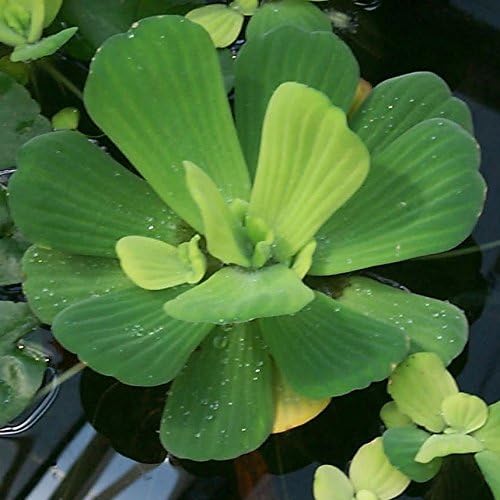
Aqualeaf Aquatics Water Lettuce (floating aquatic plant)
| Expected Blooming Period | Spring |
|---|---|
| Sunlight Exposure | Full Sun |
| Expected Planting Period | Fall |
| Moisture Needs | Moderate Watering |
| Item Type Name | live plant |
This Aqualeaf Aquatics water lettuce is a small, easy-care floating plant intended for ponds and water gardens. It arrives as a single 3–5" rosette that sits on the surface and provides shade, habitat for pond life, and some natural filtration by competing with algae. Use it by placing the plant directly on calm pond water; it will spread over time and can be thinned to prevent overcrowding. Notable features on the listing include a natural material plant, recommended full sun exposure, spring bloom timing, and moderate watering needs. Practical benefits are quick visual impact, reduced algae through nutrient uptake, and low maintenance once established. Important limitations are that only one plant is included so you may need multiple purchases for good coverage, roots can detach in transit which requires re-establishment time, and extreme heat during shipping or delivery regions with high temperatures can damage the plant. Expect to check and move plants if your pond has strong currents or very hot summer conditions.
Best for: Buyers who want a low-effort, natural surface cover for a small to medium pond and prefer plants that establish themselves without complex planting. Ideal for homeowners who value straightforward pond maintenance and visible improvement in water clarity.
Less Ideal for: Not a good fit for someone needing instant, full-surface coverage from a single purchase or for pond owners with strong surface currents that prevent floaters from settling.
- Provides surface cover that helps shade water and limit algae growth
- Easy to establish by placing directly on pond surface with minimal planting required
- Natural live plant that adds habitat and visual interest to ponds
- Moderate watering and general low maintenance once established
- Sold as a single plant so multiple purchases are needed for substantial pond coverage
- Roots may arrive trimmed or detach in transit and need time to re-establish
Verdict: A simple, low-maintenance floating plant that provides natural shade and helps reduce algae, best for cautious buyers who want gradual, reliable pond cover.
Choosing the Right Ground Cover for Pond: Key Factors to Consider
Moisture and Saturation Tolerance
Plants at the pond edge face fluctuating water levels, splash, and occasional inundation. Choose ground covers that tolerate saturated soil and periods of standing water without root rot.
Tolerance matters because a plant that only prefers dry feet will decline where seasonal flooding or splashing is common. Look for species noted for wet-site performance and avoid those that need strictly well-drained soil.
Rooting Structure and Erosion Control
The ability of a plant to bind soil is determined by its root architecture. Dense, fibrous, or spreading rhizomes hold loose bank soils better than shallow, tufted roots.
For erosion-prone edges, prioritize plants that form a mat or network of roots, which reduces undercutting and slumping. Consider using a mix of deep-rooted and surface-spreading species to stabilize both the upper slope and the immediate shoreline.
Spread Habit and Invasiveness Risk
How a ground cover spreads affects coverage speed and long-term management. Some plants spread slowly by clumping, others run by stolons or rhizomes and create rapid mats.
Rapid spreaders can be useful to quickly stabilize banks but may escape into nearby beds or natural areas. Choose species whose spread you can control with edging, periodic pruning, or root barriers when invasion is a concern.
Sunlight Preference and Site Match
Pond rims can vary from full sun to deep shade depending on trees and orientation. Sun-loving ground covers will perform poorly in shaded margins and vice versa.
Match plant sun preferences to the microclimate at your pond. Some plants tolerate both sun and part shade, offering flexibility for mixed exposures around a single pond.
Maintenance and Seasonal Behavior
Consider pruning, transplanting, and reseeding requirements. Some ground covers require frequent trimming to stay tidy and prevent encroachment, while others are low-maintenance once established.
Also note seasonal dieback. Ground covers that leave bare soil in winter may need companion planting or mulch to prevent erosion during dormant months.
Wildlife and Ecological Impact
Shoreline plantings influence pond ecology and habitat value. Native or wildlife-friendly ground covers can provide food and shelter for beneficial insects and amphibians.
Avoid species that are known to clog water or reduce oxygen exchange in the immediate pond surface. Consider how the cover interacts with fish access, amphibian movement, and pollinator support.
Preparing the Pond Edge for Planting
Before planting ground cover, stabilize the bank and repair any undercut areas. If erosion is active, add coir rolls, biodegradable matting, or temporary stakes to hold soil while roots establish.
Grade the edge to a gentle slope where possible. A shallow transition from land to water encourages a wider planting zone and reduces concentrated flow that can wash out young plants.
- Remove invasive weeds and loosen compacted soil without over-disturbing the bank.
- Add a thin layer of compost to poor soils but avoid piling organic material against the liner or bank edge.
- Use biodegradable erosion control where flow is strongest until plants root in.
Planting Techniques for Wet Margins
Plant in spring or fall when soil moisture is moderate and temperatures support root growth. Space plugs or divisions according to the species' spread rate so they fill in efficiently without overcrowding.
Firm soil gently around roots and water in thoroughly. For plants that tolerate occasional inundation, set the crown at the site's typical waterline to reduce rot risk and encourage lateral growth.
- Use soil with good organic content but avoid heavy, waterlogged clay without amendment.
- Consider planting in small terraces or stepped pockets on steeper banks to reduce runoff.
- Protect young plants from wave action with temporary barriers until established.
Managing Invasiveness and Containment
Control fast-spreading ground covers with simple physical barriers like buried edging or root barriers. Regularly inspect the surrounding landscape and trim runners before they set roots in unwanted areas.
When a species shows signs of becoming dominant, use selective thinning and create buffer zones with mulched beds or rock edging to stop further spread.
- Install 6 to 12 inch buried edging for stoloniferous spreaders.
- Routine seasonal pruning keeps coverage tidy and prevents flowering stalks that produce seed dispersal.
- Replace aggressive patches with less vigorous species if containment proves impractical.
Pairing Ground Cover with Marginal and Aquatic Plants
Combine low ground covers with taller marginal plants to create a layered shoreline that reduces wave energy and provides habitat complexity. Taller sedges and rushes can take the brunt of wave action while ground cover protects the immediate bank.
Use mixes of species to reduce the risk that a single pest or disease will wipe out the entire shoreline planting.
- Place deeper-rooted species upslope and water-tolerant mat-forming plants at the waterline.
- Allow room for emergent aquatics where appropriate to soften the water edge and improve water quality.
Seasonal Care and Winter Considerations
In colder climates expect some ground covers to go dormant and reveal bare patches. Plan for winter mulch or protective stones where erosion risk is highest.
In spring, inspect the edge for washouts, replenish any lost plants, and trim dead growth to encourage new shoots. Summer irrigation may be needed the first one to two seasons as roots develop.
- Avoid heavy foot traffic on newly established covers until they form a dense mat.
- Cut back dead material in late winter to early spring before active growth resumes.
How We Chose the Best Ground Cover for Pond
We evaluated candidates for pond-edge ground cover based on the practical demands of wet-site planting and shoreline stability. Primary criteria included moisture tolerance and water-splash resilience, because plants that cannot tolerate periodic saturation or splash from waves will decline quickly. We also considered spread habit and lateral rooting to judge how well a plant will form a continuous mat without aggressive invasiveness. Root structure and bank-binding ability were assessed so options can be ranked for erosion control. Shade tolerance and sun preference were included to ensure plants suit a range of pond exposures. Finally, maintenance burden was measured by mowing, trimming, and reseeding needs to reflect long-term care. We excluded plants known to be highly invasive in wetland edges or those that require specialized aquatic licensing. Plants unsuitable for well-established liners or for very dry upland rims were also filtered out. The resulting list focuses on species and cultivars that reliably perform at pond margins for a range of climates and site conditions.
FAQ
Can I use the same ground cover around the whole pond?
Often a single species can work if your pond has uniform exposure and moisture. However, many ponds have varied microclimates, so mixing species to match sun, shade, and saturation zones usually gives better long-term coverage and resilience.
How long does it take for ground cover to establish at a pond edge?
Establishment depends on species and site conditions. Many fast-spreading ground covers will fill gaps in one growing season, while slower clump-forming plants may take two or more seasons to form a continuous mat.
Will ground cover harm my pond liner or edge materials?
Most ground covers do not damage liners if planted correctly. Avoid deep-rooted shrubs directly on top of liners and inspect root growth if you use aggressive rhizome-forming species. Use a geotextile layer or protective barrier when installing over sensitive materials.
How do I prevent ground cover from attracting pests or creating slippery edges?
Choose low-growing, nonglossy species and maintain a short, tidy edge to reduce hiding places for pests. Ensure good drainage and avoid plantings that create persistent wet mats that could become slippery underfoot.
Can I use ground cover to hide rocks and edging without causing erosion?
Yes. Properly chosen ground covers can knit into rock crevices and stabilize soils next to hard materials. Use plants with surface-spreading habits for immediate coverage and roots that penetrate between stones for long-term hold.
Final Verdict
When choosing ground cover for pond edges, prioritize moisture tolerance and rooting habit above purely decorative traits. Match plants to the specific light and saturation conditions at each part of the shoreline and plan ahead for containment if a species spreads rapidly. Balance fast-establishing mat formers with deeper-rooted stabilizers for the best erosion control and seasonal resilience. Focus on long-term bank stability, manageable maintenance, and ecological compatibility. With those priorities, you can select ground covers that protect the pond edge, reduce maintenance, and enhance the overall habitat.
