

Note: This article contains affiliate links. If you click on these links and make a purchase, I may earn a small commission at no extra cost to you. This helps support my research and content. Read my full affiliate disclosure here.
If you garden where soil is shallow, stony, or full of gravel, the right ground cover can hold soil in place, suppress weeds, and add living texture to a difficult area. Choosing plants intended for rocky soil matters because they root in limited pockets, tolerate heat reflected from stones, and survive periods of low moisture. This guide shortlists the top picks for ground cover for rocky soil and evaluates how each one performs across sun tolerance, root stability, and maintenance needs. Use the evaluation notes and coverage tips below to match a ground cover to the amount of sun, drainage, and foot traffic in your site.
Top Picks at a Glance
| Best Overall The best all-around choice for most situations | KVITER Aubrieta (Rock Cress) Flower Seeds — 2,000 Purple Seeds |  |
| Best Quality Built to a higher standard if you want something more solid | Plants for Pets 10" x 20" Live Sedum Succulent Mat |  |
| Best Value The sweet spot between price and what you get | EquSym Purple Creeping Thyme Seeds (25,000+) |  |
| Best Budget The cheapest option that still gets the job done reliably | Generic Creeping Thyme Seeds (22,000 count) – Low-Growing Groundcover |  |
| Highest Rated A top-rated pick with lots of positive feedback | Carpet Creeping Prairie Smoke (Geum triflorum) Seeds — 50 Count | 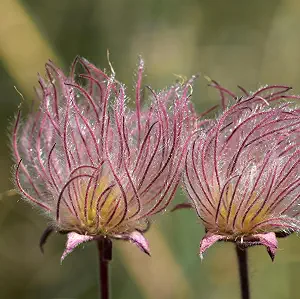 |
| Most Popular A crowd favorite that many people choose with confidence | HOME GROWN Verbena Moss Seeds (6,000 Seeds) |  |
KVITER Aubrieta (Rock Cress) Flower Seeds — 2,000 Purple Seeds

| USDA Hardiness Zone | 3-10 |
|---|---|
| Expected Blooming Period | Spring to Summer |
| Sunlight Exposure | Full Sun |
| Unit Count | 2000 Count |
| Material Features | GMO Free, Heirloom |
These KVITER aubrieta (Aubrieta deltoidea) seed packets are aimed at creating low, purple ground cover in sun‑exposed areas. The seeds are heirloom and non‑GMO and come with a step‑by‑step growing guide; germination is expected in 10–14 days at 60–65°F and established plants reach about 6 inches high. Typical uses are edging beds, filling rock gardens, stabilizing slopes, or creating an airy carpet between pavers. Notable features include drought tolerance, deer resistance, and heat tolerance, which make it easy to maintain once established and attractive to pollinators. The large 2,000 seed count lets you cover a lot of ground or experiment with succession planting. Limitations to consider are that aubrieta prefers sandy or well‑drained soils and full sun, so it will not perform well in heavy clay or deep shade, and as a low matting perennial it will not provide vertical interest or tall blooms. For mixed borders you may need to pair it with taller plants for contrast.
Best for: Home gardeners who want an easy, low‑maintenance sun-loving ground cover to fill borders, rock gardens, or slopes and prioritize pollinator-friendly, deer-resistant plants.
Less Ideal for: Gardeners seeking tall or vertical flowering specimens or those with heavy clay soils and shaded sites should consider other plant choices.
- Large 2,000 seed count for broad coverage or repeat plantings
- Heirloom non‑GMO seeds with a detailed growing guide included
- Drought and heat tolerant once established, reducing watering needs
- Attracts pollinators while being deer resistant, useful for low‑maintenance gardens
- Performs best in sandy, well‑drained soils and full sun so site selection is important
- Low growth habit (about 6 inches) means it will not add height or strong vertical structure
Verdict: Buy this if you need an affordable, sun-loving, drought-tolerant ground cover to quickly carpet sunny borders and rock gardens.
Plants for Pets 10" x 20" Live Sedum Succulent Mat

| Indoor Outdoor Usage | Indoor, Outdoor |
|---|---|
| Expected Blooming Period | Spring to Summer |
| Sunlight Exposure | Partial Sun |
| USDA Hardiness Zone | 3, 4, 5, 6, 7 |
| Moisture Needs | Little To No Watering |
This live sedum mat arrives pre-planted in a 10"×20" tray and is designed to establish quickly as a low-maintenance ground cover or vertical accent. It combines several hardy sedum varieties that tolerate drought and heat, making it suitable for rocky, well-drained sites where other plants struggle. Typical uses are lawn edging, rock garden fill, green roofs, and living wall installations; you plant the mat directly into shallow soil or onto an appropriate substrate and water lightly until established. Notable features include weather resistance, natural material plants, and an assortment of colors and textures that flower in spring to summer. Practical benefits are fast visual impact, minimal ongoing watering needs, and good cold hardiness across several zones. Limitations are that variety mix and exact colors may vary between trays, the included plastic tray and shallow planting medium mean you will likely need to transfer or integrate the mat into proper soil for long-term rooting, and some species may go dormant or thin in deep shade or below about 50°F.
Best for: Gardeners who need a reliable, low-water ground cover for rocky or well-drained sites and want fast establishment with minimal upkeep.
Less Ideal for: People seeking a single named cultivar, precise color selection, or dense shade plantings should consider alternative ground covers better suited to those priorities.
- Pre-planted mat offers immediate ground cover and quick visual effect
- Drought and heat tolerant varieties suited to poor, rocky soil and good drainage
- Weather resistant and hardy across several USDA zones for outdoor use
- Low maintenance once established with infrequent watering and occasional trimming
- Tray is shallow and may require transplanting into soil or edging for permanent installation
- Product assortment means specific sedum varieties and colors are not guaranteed
Verdict: A ready-to-plant sedum mat that establishes quickly on rocky, well-drained sites to provide durable, low-water ground cover.
EquSym Purple Creeping Thyme Seeds (25,000+)

| Expected Blooming Period | 60-90 Days |
|---|---|
| Sunlight Exposure | Full Sun To Partial Shade |
| Expected Planting Period | Spring To Early Summer |
| USDA Hardiness Zone | 4-8 |
| Soil Type | Well-draining Potting Mix |
These EquSym creeping thyme seeds are sold as a bulk pack of over 25,000 seeds for establishing a dense, low-growing ground cover that produces purple blooms. Plant in spring to early summer in well-draining soil and a sunny to partly shaded spot, sowing seeds about 1/4 inch deep and keeping the soil consistently moist until germination. The variety is hardy to USDA zones 4 to 8 and typically blooms within 60 to 90 days, making it suitable for pathway edges, rock gardens, and lawn-alternative plantings. Its fragrant flowers attract bees and butterflies, so it works well in pollinator-focused beds. Because the packet contains a very large number of seeds, it is efficient for larger landscaping projects but may be more than needed for small beds. Establishment requires consistent moisture early on and good drainage to avoid soggy seedbeds. Once established, the thyme is perennial and low maintenance, but patience is required during the first season while plants fill in.
Best for: Gardeners planning to establish a low, flowering ground cover over a sizable area who value pollinator-friendly, low-maintenance perennials and want an economical seed option.
Less Ideal for: People with very small containers or tiny urban balconies that need immediate finished plants instead of starting from seed should consider alternatives.
- Very large seed count suitable for covering large areas or multiple projects
- Attractive purple flowers that attract pollinators like bees and butterflies
- Low-growing perennial habit ideal for pathways, rock gardens, and borders
- Works in full sun to partial shade and is hardy across zones 4 to 8
- Bulk quantity may exceed needs for small gardens
- Requires consistent moisture during germination and good drainage to establish
Verdict: Buy this if you need an economical, pollinator-friendly seed option to establish a dense, low-growing purple thyme ground cover across a large area.
Generic Creeping Thyme Seeds (22,000 count) – Low-Growing Groundcover

| Indoor Outdoor Usage | Outdoor |
|---|---|
| Other Special Features of the Product | Attracts Pollinators |
| Expected Blooming Period | Year Round |
| Sunlight Exposure | Full Sun |
| Material Features | GMO Free |
This packet supplies a very high seed count of creeping thyme intended for establishing a low-growing groundcover in dry, rocky or sunny areas. You sow by scattering the seeds over prepared soil, lightly covering with fine soil and keeping the area moist until establishment; spring or fall sowing is recommended. The variety is marketed as drought tolerant, full-sun loving, GMO-free and attractive to pollinators, so once established it will produce small blooms that draw insects and help suppress weeds between rocks and pavers. The huge 22,000 count makes it economical for covering pathways, rock gardens and slopes, but germination and coverage will depend on site preparation and consistent moisture early on. Packaging gives basic care notes but no germination rate or purity information, so results can vary and you may need to overseed thin areas. This product is best treated as a budget-friendly source of seed for large DIY groundcover projects rather than a guaranteed premium cultivar for showy, uniform mats.
Best for: Gardeners on a tight budget who need to cover a lot of rocky or sunny ground and are willing to prepare the site and overseed where necessary.
Less Ideal for: Buyers seeking certified high-germination or landscape-grade turf replacement for formal beds should consider labeled professional seed mixes or plugs instead.
- Very large 22,000 seed count makes it cost-effective for covering large areas
- Described as drought tolerant and suited to full sun, appropriate for rocky, well-drained sites
- Attracts pollinators and produces small, colorful blooms in summer
- GMO-free material
- No germination percentage or seed purity specified, so establishment is uncertain
- Limited planting details on the package may require additional research for best results
Verdict: If you need an inexpensive way to seed large rocky areas with a drought-tolerant, pollinator-friendly groundcover, this high-count creeping thyme packet is a practical choice.
Carpet Creeping Prairie Smoke (Geum triflorum) Seeds — 50 Count
| Sunlight Exposure | Full Sun to Partial Shade |
|---|---|
| Expected Blooming Period | Spring to Fall |
| Soil Type | Sandy/Loam Soil |
| Moisture Needs | Moderate Watering |
| Unit Count | 50 Count |
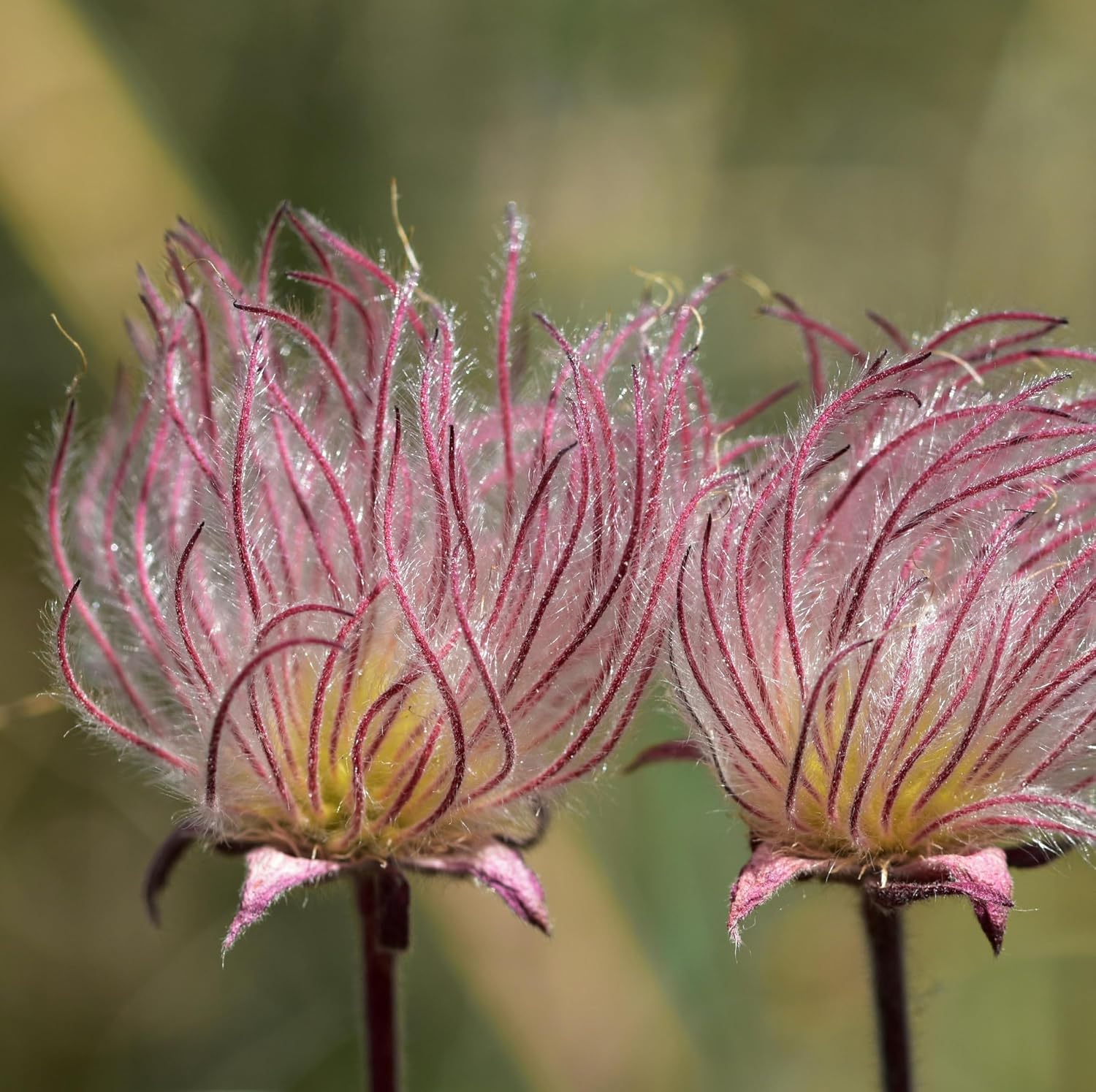
These Prairie Smoke seeds are sold as a 50-count packet of Geum triflorum, a native perennial valued for its nodding pink flowers and plume-like seed heads. Gardeners sow the seed on the soil surface after a cold stratification period of 30–60 days, keep the bed moist until seedlings appear, then transplant or thin to 8–12 inch spacing. Once established plants form low-growing mats with 12–18 inch flower stems that add long-lasting pink, airy plumes to rock gardens, dry meadows, and xeriscapes. Notable features are drought tolerance, pollinator appeal, and self-seeding habit, which reduce maintenance and help the stand fill in over seasons. Limitations: seeds need refrigerated stratification to germinate reliably and require well-drained sandy or loamy soil, so they are not suited to heavy clay or constantly wet sites. Expect a few weeks to germination and a season or two for a fully settled planting.
Best for: Buyers who prioritize a dependable, low-maintenance perennial ground cover with ornamental pink plumes for dry, well-drained sites and naturalistic plantings.
Less Ideal for: Gardeners needing a rapid dense turf or those with heavy clay or waterlogged soils should consider other ground covers better adapted to wet conditions.
- Distinctive feathery pink seed plumes provide season‑long visual interest and dried flower use
- Drought tolerant once established, suitable for xeriscape and rock garden settings
- Attracts native bees and other pollinators
- Self-seeding habit helps the planting persist and expand with minimal intervention
- Seeds require cold stratification before sowing for reliable germination
- Performs poorly in heavy, poorly drained soils
Verdict: Choose these prairie smoke seeds if you want a reliable, low‑maintenance native ground cover that adds long‑lasting pink, feathery plumes to dry gardens.
HOME GROWN Verbena Moss Seeds (6,000 Seeds)

| Expected Blooming Period | Spring to Fall |
|---|---|
| Sunlight Exposure | Full Sun |
| USDA Hardiness Zone | 2, 3, 4, 5, 6, 7, 8, 9, 10, 11 |
| Number of Pieces | 6000 |
| Moisture Needs | Moderate Watering |
These HOME GROWN Verbena Moss seeds provide a high-count mix (6,000 seeds) of Verbena tenuisecta designed for mass planting as a colorful ground cover. Intended for full‑sun sites, the seeds produce compact, feathery foliage topped by rounded clusters of tiny star-shaped flowers in shades from white to purple, blooming from spring through fall. The packet is marketed as heirloom and non-GMO and comes with an online grow guide, which helps with sowing, establishing, and basic care. In practice this mix is useful for filling borders, rock gardens, slopes, or bare patches to create a continuous floral carpet and to attract pollinators. Strengths are the very high seed count for wide coverage, long blooming season, and low maintenance once established. Expect moderate watering and loam soil for best results, and treat it as a perennial only where frost is mild; in colder zones it behaves more like an annual. Buyers should allow time for germination and establishment before judging density, and plan for deadheading or light pinching to keep plants tidy and encourage reblooming.
Best for: Gardeners who want an easy, showy ground cover for sunny beds and borders and who value social proof and guidance when trying a larger scale planting.
Less Ideal for: Shade gardeners or those needing an immediate, fully established lawn‑like cover; also unsuitable for planting sites where winter survival is critical and perennial habit is mandatory.
- Very high seed count suitable for large beds or mass plantings
- Heirloom non-GMO seed mix with an included online grow guide to support success
- Long bloom window from spring to fall for sustained garden color
- Low maintenance once established and attractive to pollinators
- Suitable for poor soils and erosion control on slopes
- Perennial performance depends on local winter hardiness so may behave as an annual in cold climates
- Requires full sun and moderate watering so not suited to shade or very dry xeric sites
Verdict: Choose this large non‑GMO seed pack when you want an affordable, pollinator‑friendly ground cover that delivers long, low‑maintenance color across large sunny areas.
Choosing the Right Ground Cover for Rocky Soil: Key Factors to Consider
Soil Depth and Pocketing
Shallow soils and exposed bedrock give roots only small pockets to anchor into, so choose ground covers with fibrous or spreading root systems that can exploit cracks and gravel-packed pockets. Plants that demand several inches of continuous topsoil will struggle or need heavy amendment, which can be impractical on large rocky slopes.
Assess how deep your planting pockets are before selecting a species. In many rocky sites a few well-placed planting pockets amended with compost will boost establishment, but long-term success depends on species that tolerate limited rooting volume without constant irrigation.
Water Availability and Drought Response
Rocky areas often drain quickly and retain little moisture, and reflected heat from stones increases evaporative demand. Prioritize ground covers with proven drought tolerance and the ability to go dormant or reduce growth through dry spells. Some species develop succulent foliage or narrow leaves to minimize water loss.
Consider how often you can water during the first year for establishment. Even drought-tolerant plants usually need supplemental water until roots reach moisture-holding pockets. After establishment, the right species will survive on rainfall in most climates.
Sun Exposure and Temperature Fluctuations
Rocks magnify sun exposure and create sharp temperature swings between day and night. Choose ground covers rated for the actual sun exposure at the site, whether full sun, part shade, or shaded crevices. Plants that tolerate intense afternoon sun and reflected heat will perform better on sunny rock slopes.
Also check hardiness and heat tolerance together. A plant that survives winter but wilts in hot, reflective summers is a poor fit for many rocky spots.
Spread Habit and Coverage Rate
How a ground cover spreads determines how quickly it will suppress weeds and stabilize soil. Mat-forming species with stolons or runners can create dense carpets, while clump-forming perennials provide pockets of cover and may leave gaps. Fast spreaders fill ground rapidly but can be harder to control near desirable plants.
Balance the need for rapid erosion control with maintenance preferences. Invasive tendencies should be avoided on sensitive sites; moderate spreaders often offer the best mix of coverage and manageability.
Rooting Depth Versus Anchorage Strategy
Some ground covers anchor with a shallow, dense root mat that binds the topsoil, while others send down deeper roots into crevices for anchorage. The best choice depends on whether you need surface binding to prevent sheet erosion or deeper anchorage to hold soil on steeper slopes.
Inspect root habit descriptions and pick plants whose anchoring strategy matches slope steepness and soil particle size. Combining species with complementary rooting can be effective on complex sites.
Maintenance and Seasonal Behavior
Maintenance needs for ground cover on rocky soil include occasional pruning to prevent legginess, targeted weeding during establishment, and replacing plants lost to erosion after extreme winter or drought. Some ground covers need little attention once established, while others require seasonal trimming to maintain appearance.
Consider how visible the area is and how much seasonal tidy-up you are willing to do. Low-maintenance, self-cleaning ground covers reduce effort on remote or hard-to-reach rocky slopes.
Matching Ground Cover To Site Conditions
Start by mapping microconditions across the rocky area. Full-sun ledges, north-facing crevices, and wind-exposed ridges will each favor different plants. Note soil pockets where some organic matter can be added and areas where planting is effectively limited to cracks between stones.
Group plants by their tolerance: select sun-loving, heat-resistant species for exposed rock and shade-tolerant, moisture-retaining options for sheltered crevices. This approach reduces early losses and speeds establishment.
- Identify shallow pockets where amendments will help young plants.
- Reserve more robust, deep-rooting species for steeper slopes.
- Use lower-growing mats on walkways and slightly taller clumps on slopes.
Planting Techniques For Rocky Sites
Use small planting holes that reach into deeper pores or crevices instead of attempting broad soil replacement. Adding a modest amount of compost or a gritty loam into the pocket improves moisture retention without creating a soggy microzone that encourages rot.
When installing plugs or small plants, firm the surrounding rock and gravel gently to eliminate air pockets but avoid compacting too tightly. Mulch with a thin layer of gravel or crushed stone to protect young roots, match the site character, and reduce washout.
- Plant at the same depth as nursery containers to prevent crowns from rotting.
- Water deeply but infrequently during the first season to encourage deeper rooting.
- Use biodegradable fabric in severe erosion zones temporarily until plants stabilize the soil.
Combining Species For Better Coverage
Mixing ground covers with complementary habits reduces bare spots and improves resilience. For example, pair a fast-spreading mat-former to quickly suppress weeds with deeper-rooted clumps that anchor the slope long-term. Include seasonal bloomers sparingly to boost pollinator value without compromising coverage.
Diversity also helps against pests and disease: if one species declines during an extreme season, others can maintain soil protection while you re-establish the weaker plants.
- Use two to three species per planting area to cover different micro-sites.
- Place sturdier plants where runoff concentrates and delicate species in protected pockets.
- Consider small shrubs or sub-shrubs at intervals to break up erosion lines and add structure.
Maintenance Calendar For Rocky Ground Covers
Year one focuses on establishment: monitoring moisture, removing aggressive weeds, and replacing losses. In year two and beyond, maintenance is typically minimal but should include seasonal trimming, clearing debris from crevices, and spot-planting where erosion has removed soil.
Inspect after heavy rains or winter thaws to address exposed roots or displaced plants promptly. A lightweight hand tool and some spare plugs make repairs quick and effective on steep or inaccessible slopes.
- Spring: check for winter damage and refresh mulch pockets.
- Summer: water only during prolonged dry spells and trim runners if they encroach.
- Fall: cut back any spent growth if needed and top up compost in pockets.
Using Hardscape With Living Cover
Integrating stones, terraces, or retaining features with ground cover reduces erosion risk and creates microclimates that favor plant survival. Small rock walls and terraces slow water flow and create planting pockets where soil and organic matter accumulate naturally.
Hardscape should direct runoff away from vulnerable areas and not concentrate flow over newly planted ground cover. Thoughtful placement of stones can shade and protect young plants as they establish.
- Place stepping stones to limit foot traffic across planted mats.
- Use rock edging to trap sediment and let plants bind it over time.
- Design terraces to break long slopes and reduce sheet erosion velocity.
How We Chose the Best Ground Cover for Rocky Soil
We focused selection on traits that matter in thin, rocky soils rather than generic ornamental features. Primary evaluation criteria were proven tolerance to shallow or gravelly substrates, root architecture that resists erosion and establishes in pockets between rocks, and drought resilience to survive low water availability. We also scored coverage habit and spread rate to assess how quickly a plant will suppress weeds, plus sun tolerance and cold hardiness for climate adaptability. Ease of establishment and ongoing care were considered so plants selected are realistic for gardeners with limited soil amendment options. Exclusions included any ground cover that requires deep, loamy beds, constant irrigation, or heavy pruning cycles. The final list favors species and cultivars known for rooting in crevices, low nutrient demand, and long-term stability on slopes or rock gardens.
FAQ
Can ground cover grow directly on top of rocky bedrock?
Often, small cracks and pockets in bedrock hold enough grit and organic matter for certain ground covers to establish. Success depends on the species and how much moisture those pockets retain. Preparing small planting nooks with a bit of compost helps most plants start.
How long before ground cover stabilizes loose gravel or soil?
Establishment time varies by species and conditions but expect several months to a couple of growing seasons for dense coverage. Fast-spreading mats can suppress weeds and begin binding soil in the first season if given adequate establishment moisture.
Do I need to amend rocky soil heavily before planting ground cover?
Heavy amendment is not usually necessary and can create waterlogged pockets. Targeted amendment in planting pockets with gritty compost or loam improves survival without altering the site's drainage characteristics.
Will ground cover survive in reflected heat from stones?
Many drought-tolerant species handle reflected heat well because they evolved in sunny, rocky habitats. Choose plants listed for high sun and heat tolerance for the best results on reflective stone surfaces.
Can I use ground cover on a slope with significant runoff?
Yes, but choose species with strong surface-binding roots and consider temporary erosion control measures until plants establish. Terracing, rock checks, or biodegradable erosion fabric can reduce runoff speed and allow plants to root more securely.
Final Verdict
Selecting ground cover for rocky soil means matching plant habit to microconditions: use mats for surface binding, deeper-rooted clumps for anchorage on slopes, and drought-tolerant species for sun-exposed rock. Prioritize establishment strategies that conserve moisture in planting pockets and combine species with complementary habits to reduce gaps and increase resilience. With the right choices and modest early care, ground cover can transform stony, difficult sites into stable, low-maintenance living ground.
