

Note: This article contains affiliate links. If you click on these links and make a purchase, I may earn a small commission at no extra cost to you. This helps support my research and content. Read my full affiliate disclosure here.
Removing or managing willow growth requires products that reach large root systems and limit resprouting. Choosing the right herbicide for willows matters because these trees and shrubs regenerate from strong rootstocks, and a poor choice can leave you repeating treatments or harming desirable plants nearby. This guide covers six shortlisted options chosen for typical willow control situations, from spot treatment along waterways to larger stump-and-root programs. Below we summarize how each option performs on persistence, uptake, safety, and ease of use so you can pick an approach that matches your site and cleanup goals.
Top Picks at a Glance
| Best Overall The best all-around choice for most situations | Remedy Ultra Concentrated Herbicide for Pasture and Brush Control, 1 Gallon |  |
| Best Quality Built to a higher standard if you want something more solid | Dow AgroSciences Garlon 4 Ultra Herbicide, 2.5 Gallon |  |
| Best Budget The cheapest option that still gets the job done reliably | Compare-N-Save Glyphosate Concentrate Grass & Weed Killer, 16 oz |  |
| Highest Rated A top-rated pick with lots of positive feedback | Corteva Agriscience Remedy Herbicide |  |
| Most Popular A crowd favorite that many people choose with confidence | Bonide Stump-Out Stump & Vine Killer, 8 oz with Applicator | 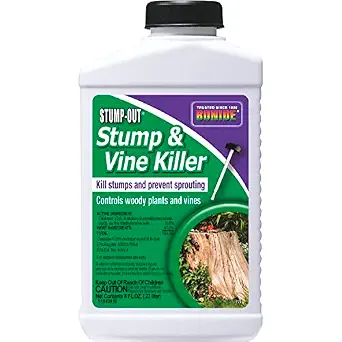 |
| Best Seller A high-volume bestseller chosen again and again | ALLIGARE Triclopyr 4 EC Selective Herbicide (1 Quart) |  |
Remedy Ultra Concentrated Herbicide for Pasture and Brush Control, 1 Gallon

| Unit Count | 128 Fluid Ounces |
|---|---|
| Item Form | Liquid |
| Coverage | Selective coverage for brush and mid-size trees |
| Liquid Volume | 1 gallons |
Remedy Ultra is a concentrated triclopyr-based herbicide intended to kill brush and mid-size trees while helping restore pasture and maintain fence rows. It is used as a broadcast or spot treatment following label directions, and can be applied alone or tank-mixed with other professional pasture herbicides. The formula targets both top growth and roots, which improves long-term control compared with contact-only products, and the product description emphasizes low odor and low residual impact. For practical use it covers larger areas economically thanks to the 1 gallon size and is designed for pasture regeneration rather than ornamental garden use. Important limitations are that it is a specialized agricultural herbicide requiring careful adherence to safety and label instructions and is not appropriate for broad-spectrum residential weed control or use on desirable trees and plants. Users should plan for proper protective equipment and follow timing and mixing guidelines to get reliable results.
Best for: Buyers who need a dependable pasture and rangeland herbicide for reclaiming brush and maintaining fence lines and who prioritize consistent, long-term control over quick-contact solutions.
Less Ideal for: Home gardeners seeking a general-purpose lawn weed killer or anyone who needs a nonselective orchard or ornamental tree treatment.
- Targets both foliage and roots for longer-lasting control of brush and mid-size trees
- Concentrated 1 gallon formulation gives economical coverage for pasture and fence-line work
- Designed for pasture regeneration and selective brush control rather than nonselective blanket kill
- Requires strict adherence to label directions and safety precautions for safe use
- Not suitable for general residential weed control or for use near desirable trees and ornamentals
Verdict: Choose Remedy Ultra when you need a reliable, concentrated herbicide that kills brush and mid-size trees for pasture restoration and fence-line maintenance.
Dow AgroSciences Garlon 4 Ultra Herbicide, 2.5 Gallon

| Liquid Volume | 2.5 gallons |
|---|---|
| Coverage | 2,500 square feet |
| Item Form | Liquid,Containers |
| Active Ingredients | Herbicide |
Garlon 4 Ultra is a professional-strength, 2.5 gallon liquid herbicide designed to control woody species and persistent broadleaf weeds in noncrop settings such as roadsides, rights-of-way, and industrial sites. It is typically mixed and applied by licensed or experienced users to stumps, cut stems, or foliar surfaces to target willows, mesquite, sweetgum and other woody plants listed on the label. Notable features include a plant-derived methylated seed oil solvent that improves uptake and a low-odor formulation that eases handling. The product claims coverage of about 2,500 square feet per container and emphasizes broad-spectrum activity against difficult woody species. Practical benefits are effective knockdown of established woody stems and use across large-area management sites where selective brush control is needed. Important limitations are that this is a concentrated herbicide intended for noncrop use and professional settings, requires careful reading of the label and PPE for safe handling, and is not appropriate for ornamental beds or small-home garden spot treatment without proper dilution and technique.
Best for: Buyers who need a powerful, large-volume herbicide for controlling willows and other woody brush across roadsides, right-of-way, or large noncrop areas and who are comfortable following label requirements and safety precautions.
Less Ideal for: Home gardeners with small yards, those wanting a consumer-friendly ready-to-use spray, or anyone who cannot comply with professional application safety and legal restrictions.
- Formulated for woody plant control including willows and other high-resistance species
- Includes plant-derived methylated seed oil solvent to improve herbicide uptake
- Low-odor formulation that is easier to handle than petroleum-based solvents
- Large 2.5 gallon container suitable for treating multiple acres or long rights-of-way
- Intended for noncrop and professional use so requires careful handling and strict adherence to label directions
- Not suitable for selective use in small ornamental or edible gardens without expertise
Verdict: If you need a proven, high-capacity herbicide to reliably kill willows and other tough woody species across large noncrop areas, this concentrated 2.5 gallon formulation delivers professional-strength control.
Compare-N-Save Glyphosate Concentrate Grass & Weed Killer, 16 oz

| Active Ingredients | Glyphosate |
|---|---|
| Liquid Volume | 16 fluid ounces |
| Coverage | 3000 square feet |
| Makes up to | 10 gallons of spray solution |
| Rainproof time | 2 hours |
This 16-ounce concentrate uses glyphosate to kill unwanted grasses, annuals, and many perennials by absorption through foliage and translocation to the root. It is mixed with water to create a ready-to-use spray and is meant for spot treatments around driveways, walkways, fences, and for site preparation where you want to remove existing vegetation. The label lists a general mix rate for light weeds and a stronger rate for tougher perennials or brush, and one bottle can treat up to roughly 3,000 square feet when diluted as directed. Practical benefits include fast visible browning in a few days and the ability to replant most ornamental areas quickly because glyphosate has no long soil residual. Important limitations are that glyphosate will kill any green plant it contacts so careful application and protective gear are required, and some persistent woody bamboos or rhizomes may need repeated applications or complementary mechanical removal for full eradication.
Best for: Buyers on a budget who need an economical, systemic herbicide for clearing large patches of unwanted vegetation and preparing sites for replanting. Ideal for homeowners willing to apply a concentrated product carefully and follow safety directions.
Less Ideal for: Not a good choice for gardeners who need a selective product that spares surrounding plants or for those unwilling to use chemical controls around edible gardens without following label restrictions.
- Concentrated formulation stretches to make up to 10 gallons of ready-to-use spray.
- Contains glyphosate which provides systemic control that moves to roots for effective kill.
- Fast visible results within 2 to 4 days after application.
- No soil residual so treated ornamental areas can be replanted quickly when label allows.
- Will damage or kill any desirable green plant contacted, requiring careful spot application and drift control.
- May require multiple applications or mechanical removal to control aggressive or established bamboo rhizomes.
Verdict: A cost-effective glyphosate concentrate that makes a lot of spray and delivers quick systemic weed control for budget-conscious clearing and site preparation.
Corteva Agriscience Remedy Herbicide

| Manufacturer | Corteva Agriscience |
|---|---|
| Part Number | Remedy |
| Coverage | 1 acre |
Corteva Remedy is a targeted herbicide designed for controlling woody plants and broadleaf weeds on rangeland, permanent grass pastures, CRP acres, fence rows, and non-irrigation ditch banks. It is typically mixed and applied with standard ground equipment by land managers, ranchers, or contractors to treat large areas up to the labeled coverage. Notable features include professional-grade formulation and one-acre coverage per unit as stated by the manufacturer, plus labeled directions for specific noncropland uses. In practice Remedy delivers effective broadleaf and woody plant control when applied according to label directions, and the product's concentrated form reduces the number of trips required to treat a field. Important limitations are that it is intended for noncropland settings only and requires protective equipment during application, so it is not suitable for casual home-garden use and needs someone comfortable with herbicide handling and compliance with label restrictions.
Best for: Buyers who need a reliable, professional herbicide for managing weeds and woody plants across pasture, rangeland, or conservation acres and who follow labeled application practices.
Less Ideal for: Casual gardeners, homeowners, or anyone seeking a multipurpose home garden weed killer or a product for irrigated turf should look for consumer-labeled alternatives.
- Professional-strength formulation for woody plant and broadleaf weed control
- Labeled for large-area uses such as rangeland, pastures, and CRP acres
- Concentrated product covers one acre per unit as indicated by manufacturer
- Clear label directions for the specified noncropland applications
- Not formulated or labeled for general home or ornamental garden use
- Requires use of protective equipment and familiarity with herbicide handling
Verdict: Choose Remedy when you need a dependable, professional-strength herbicide for managing woody plants and broadleaf weeds on pasture and rangeland.
Bonide Stump-Out Stump & Vine Killer, 8 oz with Applicator

| Unit Count | 8 Ounce |
|---|---|
| Item Form | Spray |
| Coverage | Stumps, woody plants, vines, broadleaf weeds |
| Liquid Volume | 8 fluid ounces |
| Active Ingredients | 3,5,6-Tricloro-2-Pyridinyloxyacetic Acid |
Bonide Stump-Out is a concentrated herbicide designed for targeted stump and vine control around homes and walkways. It is typically used undiluted on freshly cut stumps or as a foliar spray on woody vines and broadleaf weeds; the included brush applicator helps apply the product directly to the cut surface to prevent resprouting. The active ingredient listed is a pyridinyloxyacetic acid derivative, and the formula is intended to work within one to six weeks depending on the plant. Practical benefits include focused application that reduces drift onto turf, a small 8 ounce size that is easy to store, and compatibility with hose-end or tank sprayers for foliar work. Important limitations are that it must be applied according to label directions for safety and effectiveness, it is a specialized product for woody plants rather than a general lawn weed killer, and multiple applications or physical stump removal may still be necessary for large or well-established stumps.
Best for: Buyers who want a focused, proven solution to stop stump sprouting and eliminate woody vines around yards and structures and who prioritize products with established user feedback and clear instructions.
Less Ideal for: Homeowners seeking a general yard or turf weed control product or those who need large-volume treatments for extensive properties should consider broader-coverage herbicides or professional services.
- Targeted brush applicator for direct application to stumps and cut surfaces
- Effective on woody plants, vines and broadleaf weeds when used as directed
- Works relatively quickly with visible results in 1–6 weeks
- Can be applied undiluted for stump treatment or via hose/tank sprayer for foliar use
- Small 8 oz volume may require multiple purchases for many or large stumps
- Specialized formulation not intended as a broad-spectrum lawn herbicide
Verdict: Choose this product when you need a targeted, easy-to-apply stump and vine killer that prevents resprouting with minimal off-target spray.
ALLIGARE Triclopyr 4 EC Selective Herbicide (1 Quart)

| Unit Count | 32 Fluid Ounces |
|---|---|
| Item Form | Liquid |
| Coverage | Pastures, rangelands, rights-of-way, lawns, golf courses, sod farms, industrial properties, ditches |
| Active Ingredients | Triclopyr |
ALLIGARE Triclopyr 4 EC is a concentrated liquid herbicide used to target woody plants, broadleaf weeds, and brush in large outdoor areas. It is typically mixed into a spray tank at recommended rates (about 3.2 to 6.4 oz per gallon) with a penetrant and applied to foliage or cut stems to achieve systemic control. Notable features include an ester formulation that improves leaf and bark absorption and compatibility with many tank-mix partners, which lets you customize treatments for stubborn species. In practice it is effective for restoring pastures, clearing rights-of-way, and reducing invasive broadleaf growth while leaving grasses largely unharmed when used as directed. Important limitations are that it is a professional-strength chemical requiring careful PPE and adherence to safety and application instructions, it can harm non-target broadleaf plants if drift or overspray occurs, and restrictions apply in some states and situations. For spot treatments or large-area brush control it is a dependable option when handled responsibly.
Best for: Gardeners or land managers who need a reliable, selective herbicide to control woody and broadleaf invasives across pastures, rangelands, or larger outdoor areas and who follow safety procedures for concentrated chemicals.
Less Ideal for: Casual home gardeners with small ornamental beds or indoor herb gardens seeking a gentle, non-chemical solution should consider mechanical removal or lower-strength spot treatments instead.
- Targets woody plants, broadleaf weeds, and brush for effective control of invasive species
- Ester formulation promotes absorption through leaves and bark for systemic action
- Tank-mix compatible so you can combine with other herbicides or adjuvants
- Suitable for a wide range of large outdoor sites including pastures, rangelands, and rights-of-way
- Professional-strength concentrate that requires protective clothing and careful mixing
- Can damage non-target broadleaf plants if it contacts desirable species
- Not suitable for use where restrictions or local regulations prohibit triclopyr products
Verdict: Choose ALLIGARE Triclopyr 4 EC when you need a professional-strength, tank-mix compatible herbicide to reliably remove woody and broadleaf invasives across large outdoor areas.
Choosing the Right Herbicide for Willows: Key Factors to Consider
Systemic Action and Root Translocation
Willows resprout from extensive root and sucker systems, so a herbicide that only burns foliage will often fail. Systemic formulations that move from leaves or treated cambium into roots give you a chance of long-term control. When a product translocates, it can kill the root crown and reduce the odds of vigorous regrowth.
For many gardeners, systemic action determines whether repeated treatments will be necessary. Expect slower visible decline with systemic options; initial browning may take days to weeks while the chemical works through root tissues.
Application Method and Timing
Willows can be treated by foliar spray, cut-stump application, basal bark painting, or soil injection depending on size and access. Each method has pros and cons: foliar sprays can treat many stems quickly but risk drift, cut-stump limits exposure to target tissue but requires cutting, and basal bark is useful on small trunks without cutting.
Timing matters because translocation is strongest when plants are actively moving sugars to roots. Treating in late spring through summer when willows are flushing will improve uptake compared with dormant season sprays, though cut-stump treatments can be effective year-round if label directions are followed.
Root Kill Reliability and Persistence
Effective willow control depends on killing enough root tissue to prevent resprouting. Some active ingredients provide deep root mortality, others mainly defoliate. Assess how reliably a product reaches the root crown and whether follow-up treatments are commonly required.
Persistence in soil and on vegetation affects both control and environmental risk. Longer persistence can reduce the need for repeat applications but raises the potential for harm to nearby desirable plants and aquatic life. Pick a product balance that matches the proximity of other plants and water features in your landscape.
Non-target Safety and Buffering
Willows often grow near streams, ponds, and mixed plantings. Herbicides vary in their risk to aquatic organisms, pollinators, and surrounding trees. Choose formulations and application methods that minimize drift, avoid root-zone movement into desirable species, and comply with buffer rules near water.
Good practice includes using shielded sprays, treating on calm days, and selecting techniques such as cut-stump application when sensitive vegetation or water is nearby to reduce off-target exposure.
Formulation Practicality and Ease of Use
Home gardeners and land managers need products that are practical to mix, stable to store, and compatible with common sprayers or hand-tools. Concentrates that require complex mixing or professional equipment can increase error, while ready-to-use or easy-dilute formulas simplify application on slopes or tight spaces.
Also consider how measurable the application rate is in homeowner equipment; clearly labeled dilution instructions and visible measuring marks reduce the chance of under- or over-application.
Regulatory and Label Constraints
Label directions are legally binding and determine where and how you can use a product. Many effective willow-control herbicides have specific restrictions around aquatic use, buffer distances, or allowable application methods. Reading label restrictions before purchase or use prevents noncompliant applications.
Labels also note reentry intervals and planting restrictions after treatment, which matter if you plan to re-establish vegetation in treated areas. Follow label guidance to avoid unintended damage and legal issues.
When to Use Cut-stump Versus Foliar Treatments
Cut-stump and foliar approaches each suit different willow situations. Cut-stump is precise: after felling a trunk, apply a concentrated herbicide to freshly exposed cambium to move into roots. This method reduces drift and is effective on isolated trunks or when desirable nearby plants make broad spraying risky. It is slower on large colonies where many stems would require cutting.
Foliar spray treats many stems quickly and is practical for dense stands that are difficult to cut. Use foliar applications when willows are actively growing and avoid windy days to reduce drift. Foliar treatments are less precise and have higher non-target risk, so use them where buffer distances and neighboring vegetation are not a concern.
- Cut-stump: best for isolated trees and near sensitive plants
- Foliar spray: efficient for dense stands and inaccessible stems
- Basal bark: useful on small-diameter stems without cutting
Protecting Water and Riparian Areas
Willows commonly grow along waterways where aquatic toxicity is a primary concern. When working near water, choose application methods and active ingredients labeled for riparian use and use mechanical options where chemical use is restricted. Avoid herbicide contact with open water and observe required buffer zones.
Consider non-chemical control or cut-stump treatments where allowed, and use absorbent booms or soil berms to prevent runoff during and after treatment. Always consult the label for aquatic use directions and follow local regulations.
- Maintain label-specified buffer distances from water
- Use low-drift nozzles and avoid spraying on windy days
- Prefer targeted methods near sensitive habitats
Managing Resprouts and Follow-up Treatments
Even with systemic herbicides, some willow clones send up new shoots from surviving root pieces. Plan for monitoring and scheduled follow-up treatments. Spot-treat resprouts promptly while shoots are young; smaller regrowth takes less chemical and responds faster.
Mulching, shading, or targeted cutting followed by a stump treatment can reduce sucker vigor. Combine cultural methods with chemical control to lower herbicide use and improve long-term results.
- Inspect treated sites at 4 to 12 week intervals
- Treat new shoots while small for best control
- Use cultural suppression alongside chemical methods
Personal Protective Equipment and Application Safety
Follow label PPE instructions for mixing and applying herbicide concentrates. Common requirements include chemical-resistant gloves, long sleeves, eye protection, and sometimes respirators depending on formulation and method.
Clean equipment after use and avoid cross-contamination with gardening tools used for edibles. Store chemicals in their original containers and keep them locked away from children and pets.
- Wear chemical-resistant gloves and eye protection
- Mix and apply in well-ventilated outdoor areas
- Rinse and drain sprayers away from wells and edible gardens
Timing Treatments for Best Uptake
Apply systemic treatments when willows are actively transporting carbohydrates to roots, typically late spring through mid-summer. During active growth the plant will translocate herbicide into roots more effectively than in dormancy.
Cut-stump applications are less timing-dependent but work best when applied immediately after cutting to ensure the chemical contacts the cambium and is taken into the root system.
- Prefer active growth season for foliar treatments
- Apply cut-stump solutions to fresh cuts without delay
- Avoid applications during drought stress when translocation may be reduced
How We Chose the Best Herbicide for Willows
We shortlisted products based on attributes that matter for controlling willows in real garden and landscape settings. Primary evaluation criteria included systemic activity and root uptake to judge whether a treatment can translocate into root systems; residual persistence to understand how long treated tissue and nearby soil remain active; application flexibility because willows are managed by foliar spray, cut-stump, basal bark, or soil treatment; and safety profile for nearby vegetation, water, and pets to assess off-target risks. We also considered speed of visible knockdown for timelines, label directions that allow common homeowner or contractor techniques, and formulation stability for storage and mixing. Exclusions: we did not include products intended only for lawns or indoor use, nor any formulations lacking label use for woody brush or tree species. The resulting list focuses on treatments that provide reliable translocation into willow root systems while offering clear, usable application methods for gardeners and landowners.
FAQ
Will a single herbicide treatment kill willow roots permanently?
Often a single effective systemic treatment can kill much of the root system, but results vary with size and age of the willow. Large or well-established clones may require follow-up treatments or a combination of cutting and herbicide to prevent resprouting.
Is it safe to use herbicide near streams or ponds?
Some formulations are labeled for use near water while others are restricted. Where allowed, use targeted methods, respect buffer zones, and follow label instructions to minimize aquatic risk. When in doubt, choose non-chemical or cut-stump approaches.
Can I treat willows in winter with cut-stump application?
Cut-stump application can be effective year-round because it delivers herbicide directly to the cambium. However, foliar treatments are less effective in winter; timing for translocation is better during active growth seasons.
How long after treatment should I expect to see dieback?
Visible decline from systemic herbicides can take days to several weeks, depending on product and plant vigor. Root death and complete collapse may take longer, so monitor the site for several months before declaring treatment success.
Will herbicide drift harm nearby trees and shrubs?
Yes, drift from foliar sprays can injure non-target plants. Use shielded nozzles, low-drift spray tips, and avoid spraying on windy days. Consider cut-stump methods where nearby desirable vegetation is within spray zone.
Final Verdict
For willow control prioritize systemic root translocation and application methods that limit non-target exposure. Decide between cut-stump, basal bark, and foliar techniques based on stand density, proximity to sensitive plants or water, and your willingness to monitor and retreat. Accept the tradeoff between persistence and environmental risk: longer-lasting chemistry can reduce repeats but raises buffer concerns. Choose a product and method aligned with site constraints and commit to follow-up inspections to achieve lasting control.
