

Note: This article contains affiliate links. If you click on these links and make a purchase, I may earn a small commission at no extra cost to you. This helps support my research and content. Read my full affiliate disclosure here.
If your home has north-facing windows, small rooms, or deep interior spaces, choosing the right indoor plants makes the difference between a sad pot and a healthy display. Plants for shady rooms behave differently than sun-loving species: they grow slower, need gentler watering, and tolerate indirect or filtered light. This guide presents our top five picks for indoor plants suited to low-light rooms and explains why each type earns a spot on the shortlist. The selections below are chosen for real-world living spaces, focusing on light tolerance, ease of care, and resilience. We also summarize the practical criteria used to evaluate each plant so you can match species to your room conditions and lifestyle.
Top Picks at a Glance
| Best Overall The best all-around choice for most situations | Tropical Plants of Florida ZZ Plant (Zamioculcas zamiifolia) in 6" Nursery Pot |  |
| Best Quality Built to a higher standard if you want something more solid | Aspidistra elatior 'Milky Way' (4") — California Tropicals |  |
| Best Budget The cheapest option that still gets the job done reliably | 9GreenBox Golden Pothos (Devil's Ivy) Live Plant in 4" Pot |  |
| Most Popular A crowd favorite that many people choose with confidence | Plants for Pets Pothos 4-Pack (4" Assorted) |  |
| Best Seller A high-volume bestseller chosen again and again | Plants for Pets Golden Pothos Live Houseplant (4" Pot) |  |
Tropical Plants of Florida ZZ Plant (Zamioculcas zamiifolia) in 6" Nursery Pot

| Indoor Outdoor Usage | Indoor, Outdoor |
|---|---|
| Other Special Features of the Product | Air Purification, Compact, Drought Tolerant, Low Maintenance |
| Sunlight Exposure | Partial Sun |
| USDA Hardiness Zone | 9, 10, 11 |
| Moisture Needs | Little To No Watering |
The ZZ Plant (Zamioculcas zamiifolia) is a resilient, performance-focused houseplant suited to low- or no-sun interiors like offices, bathrooms, and windowless rooms. Arriving in a 6-inch grower pot, it produces upright stems of glossy green leaflets that keep their shape with minimal intervention. Care is straightforward: place in low to bright indirect light and water only when the top inch of soil is dry so the pot drains fully. Notable features include drought tolerance, low maintenance needs, and reported air-purifying qualities, which make it forgiving for busy owners or frequent travelers. Because it tolerates low light better than many houseplants, it functions well as a decorative, long-lived green accent where light is limited. Important limitations are that it prefers indirect light for best growth and is susceptible to overwatering, which causes yellowing; it is not a fast grower, so you should not expect rapid size gains. For someone prioritizing dependable, low-effort greenery in low-light spaces, the ZZ Plant delivers consistent, attractive results.
Best for: Buyers who want a dependable, low-effort green accent for low-light rooms and prioritize a plant that survives neglect while still looking polished.
Less Ideal for: People seeking a fast-growing statement plant or someone who wants flowering houseplants or bright direct-sun lovers.
- Tolerates low to bright indirect light making it suitable for windowless or dim spaces
- Very drought tolerant and forgiving of infrequent watering
- Compact size from the 6-inch nursery pot fits desks, shelves, and small corners
- Glossy, upright foliage provides year-round decorative interest and air-purifying benefits
- Slow grower compared with faster houseplants
- Sensitive to overwatering and root rot if not allowed to dry between waterings
Verdict: If you need a low-light, low-maintenance plant that stays healthy with minimal care, the ZZ Plant is a top practical choice.
Aspidistra elatior 'Milky Way' (4") — California Tropicals

| Sunlight Exposure | Full Sun, Partial Shade |
|---|---|
| Moisture Needs | Moderate Watering |
| Unit Count | 1 Count |
| Brand Name | California Tropicals |
The Aspidistra elatior 'Milky Way' is a hardy shade-loving houseplant sold already rooted in a 4" nursery pot, making it easy to place directly into low-light rooms or shaded corners. Its broad, dark green leaves with subtle variegation tolerate low light and moderate watering, so it performs well in spaces that get indirect sun or only partial shade. Typical use is as a low-maintenance floor or shelf plant that requires infrequent attention—water when the topsoil dries and avoid direct afternoon sun. Notable features are its ready-to-grow potting and reputation for resilience, which translates to fewer failures for busy owners. Practical benefits include air-cleaning foliage and reliable growth in dim conditions where many houseplants struggle. Limitations are the small initial size from a 4" pot if you want an immediate statement plant and the relatively slow growth rate compared with faster-growing tropicals, so expect gradual increase in size rather than rapid filling of a room.
Best for: Buyers who need a dependable, low-maintenance plant that reliably thrives in shaded rooms and want a specimen they can set out immediately without special care.
Less Ideal for: People seeking a fast-growing focal plant or an instantly large statement specimen should consider larger nursery sizes or faster-growing species instead.
- Tolerates full shade to partial shade better than most houseplants
- Shipped fully rooted in a 4" pot so it is ready to display or replant
- Low watering needs suitable for forgetful or busy owners
- Durable foliage that withstands low light and occasional neglect
- Comes in a small 4" pot so it will take time to become a large specimen
- Slower growth rate compared with many tropical houseplants
Verdict: A resilient, low-light houseplant shipped ready to grow that is ideal for reliably filling shaded rooms without much fuss.
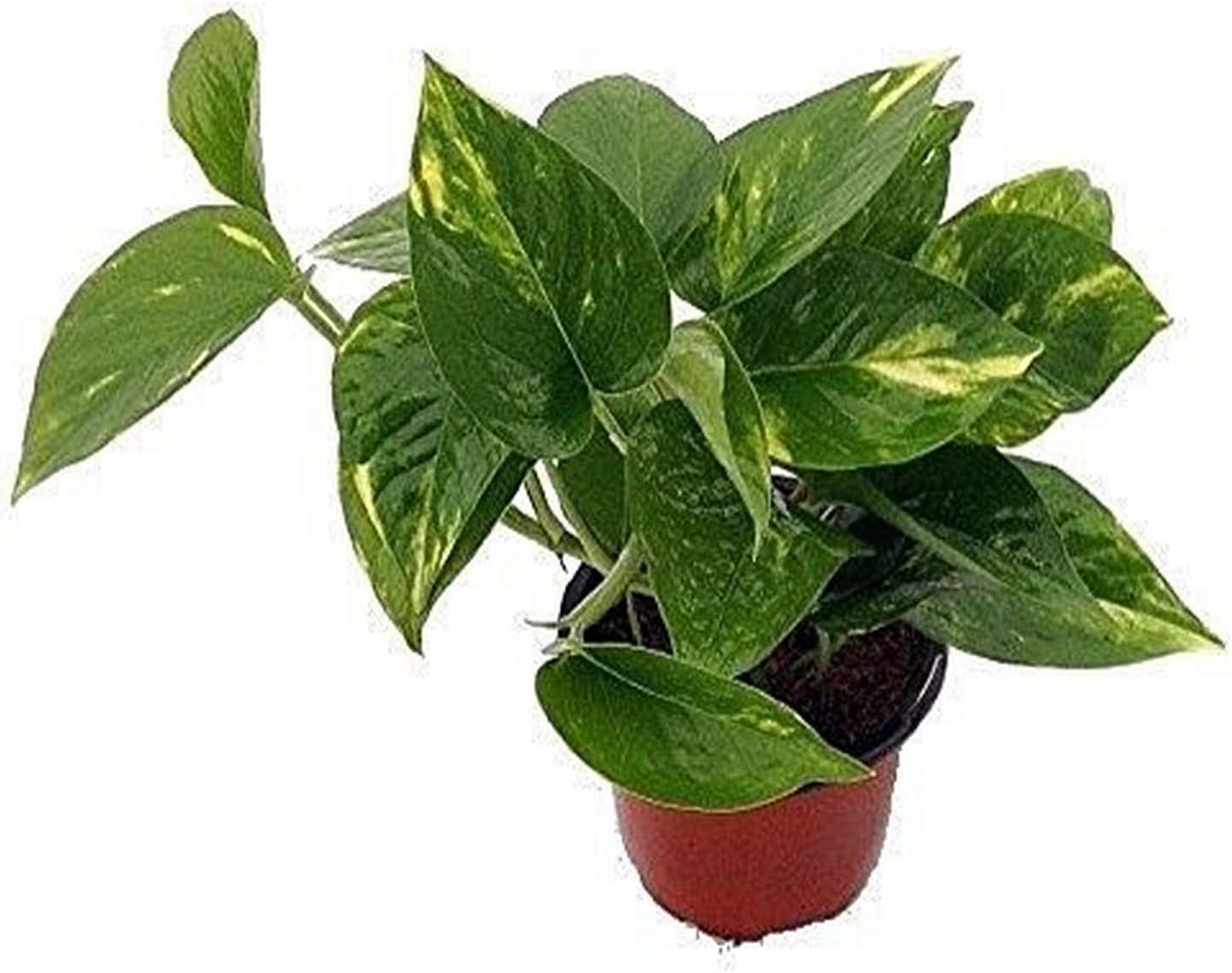
9GreenBox Golden Pothos (Devil's Ivy) Live Plant in 4" Pot
| Sunlight Exposure | Full Sun |
|---|---|
| USDA Hardiness Zone | 3 |
| Soil Type | Loam Soil |
| Moisture Needs | Regular Watering |
| Material Features | GMO Free |
This 9GreenBox Golden Pothos is a classic, low-maintenance houseplant sold ready to place in its 4-inch nursery pot. It is typically used as a desk, shelf, or hanging-basket plant where its long trailing stems and heart-shaped, variegated leaves add greenery without demanding bright sun. The listing highlights that the plant tolerates low light and even grows under fluorescent office lighting, and it can be trained to climb a moss stick or allowed to trail. Practical benefits include easy watering needs, simple maintenance with occasional feeding, and versatility for small indoor spaces. Because it ships as a young plant in a small pot, expect modest initial growth and plan to repot within weeks if you want faster development or root room. The plant's variegation will be best in moderate to bright indirect light, so in very dark rooms the leaves may become more solid green. Overall this is a straightforward, budget-friendly choice for someone wanting a forgiving, attractive indoor vine with minimal upkeep.
Best for: Ideal for someone on a tight budget who wants a low-effort indoor plant for desks, shelves, or office spaces where light is limited and easy maintenance is the priority.
Less Ideal for: Not a good fit for collectors seeking fully mature specimens or those who want guaranteed strong variegation in very dark rooms.
- Tolerates low light and grows acceptably under fluorescent office lighting
- Easy care needs with simple watering and infrequent feeding
- Versatile growth habit can trail, hang, or be trained to climb
- Arrives ready in a 4-inch nursery pot for immediate display
- Sold in a small 4-inch pot so repotting may be needed soon for faster growth
- Variegation can fade in very low light, reducing the gold pattern
Verdict: A cheap, no-fuss pothos that makes an easy, low-light indoor plant for budget-conscious spaces needing immediate greenery.
Plants for Pets Pothos 4-Pack (4" Assorted)

| Indoor Outdoor Usage | Indoor |
|---|---|
| Other Special Features of the Product | Air Purification |
| Sunlight Exposure | Full Sun |
| Moisture Needs | Regular Watering |
| USDA Hardiness Zone | 3 |
This four-pack delivers beginner-friendly pothos varieties that suit low-light rooms and simple indoor care routines. Each plant comes rooted in a 4" nursery pot and the assortment rotates between familiar types such as Marble Queen, Golden, Neon, and Satin, so you get visual variety without extra effort. Pothos are typically grown in hanging planters, on shelves, or trained up a support; they prefer bright, indirect light but tolerate lower light levels that many apartments and offices have. The listing emphasizes air-purifying benefits and gives clear care guidance: allow the soil to dry between waterings and keep temperatures above about 60 F. Practical strengths are resilience, fast trailing growth for a lush look, and compatibility with common indoor spots like living rooms, kitchens, or bathrooms. Limitations are that you may receive different varieties than pictured and plants arrive in small 4" pots, so plan to repot sooner if you want bigger specimens or longer-term display without frequent watering.
Best for: Buyers who want low-maintenance greenery for indoor spaces and prefer reliable, easy-to-care-for plants that tolerate lower light and occasional neglect.
Less Ideal for: Growers seeking large, mature plants ready for instant statement displays or those who want guaranteed, specific rare varieties.
- Easy to grow and tolerant of low to bright indirect light
- Four different varieties provide visual variety in one purchase
- Ships in small nursery pots that establish quickly and are ready for hanging or shelving displays
- Listed care guidance is straightforward for first-time plant owners
- Arrives in 4" pots so plants may need repotting soon for faster growth or long-term display
- Specific varieties are not guaranteed and assortment can vary
Verdict: A simple, low-maintenance way to add trailing, low-light-friendly pothos to your home with minimal fuss.
Plants for Pets Golden Pothos Live Houseplant (4" Pot)

| Indoor Outdoor Usage | Indoor |
|---|---|
| Other Special Features of the Product | Air Purification |
| Sunlight Exposure | Full Sun |
| Moisture Needs | Regular Watering |
| Unit Count | 1 Count |
This Golden Pothos arrives fully rooted in a 4" pot and is exactly the sort of forgiving trailing plant you want for a hanging basket or shelf. It tolerates a wide range of indoor light from bright indirect to low light and prefers the soil to dry between waterings, which makes it tolerant of occasional forgetfulness. The variegated gold leaves add visual interest and the plant naturally produces long vines that cascade nicely from hanging planters. Practical benefits include simple care needs, suitability for common indoor temperatures, and a compact size at delivery that makes it easy to rehome into decorative pots or hanging baskets. It is advertised as having air-purifying qualities, and pairing it with other tropical houseplants fills living spaces quickly. Limitations to note are that it is pet-toxic so it should be kept out of reach of animals, and the small starter pot means you will likely repot or mount it for long-term display as the vines fill out. For a risk-averse buyer seeking a low-maintenance trailing plant, this is a dependable choice.
Best for: Buyers who want a low-maintenance trailing houseplant for hanging baskets or shelves and prefer a forgiving plant that tolerates inconsistent care.
Less Ideal for: People who need non-toxic plants for pet-accessible areas or buyers who want a mature, fully grown hanging specimen right away.
- Tolerant of low to bright indirect light, making placement flexible
- Requires infrequent watering and prefers to dry between waterings
- Compact, fully rooted plant in a 4" pot ready for hanging baskets or rehoming
- Variegated golden foliage provides decorative trailing foliage
- Pet-toxic so not safe for homes where pets can access it
- Arrives in a small starter pot and will need repotting for long-term growth
Verdict: A compact, easy-care trailing pothos that reliably fills hanging baskets and is ideal for buyers who want a low-maintenance indoor vine.
Choosing the Right Plants for Shady Rooms: Key Factors to Consider
Light Level and Placement
Measure available light in the room at different times of day before selecting a plant. Low-light for indoor plants often means no direct sun, deep shade near windows, or rooms lit only by indirect daylight. A plant rated for low light will still appreciate some bright, indirect light for a few hours a day. Placing plants closer to north-facing windows, in hallways with bright doorways, or near rooms that receive filtered light will improve long-term health.
Also consider light direction and seasonal changes. Trees outside, window coverings, and winter sun angles change how much usable light a room gets. Choosing plants with broader leaves or slower growth habits can help them cope with fluctuating indoor light levels.
Watering Needs and Drainage
Plants adapted to shade usually use less water than those in bright light, so overwatering is a common problem. Look for species that tolerate irregular watering or brief dry spells. Use pots with drainage holes and a free-draining potting mix to avoid root rot in low-evaporation environments.
Understand how a plant signals thirst. Many shade-tolerant plants show subtle leaf changes rather than dramatic wilting, so feel the soil and use a consistent light schedule rather than relying solely on appearance. Group pots with similar watering schedules to simplify care.
Growth Habit and Space Constraints
Consider mature size, growth rate, and whether a plant spreads or stays clumping. In shady rooms, growth tends to be slower but lanky growth and leggy stems can also occur as a plant reaches for light. Choose naturally compact or upright species for small rooms and trailing or tall formats for shelves and corners respectively.
Think about long-term placement. Some shade-tolerant plants can be kept small with occasional pruning, while others need regular repotting or training. Match the plant's growth habit to available floor, shelf, or hanging space to avoid frequent relocations.
Humidity and Indoor Climate
Indoor humidity and temperature affect plant vigor, especially in shaded rooms that may have poor air circulation. Many low-light plants tolerate average household humidity, but some will benefit from occasional misting, pebble trays, or grouping to raise local humidity. Avoid placing sensitive species near heating vents or cold drafts which can stress leaves and increase susceptibility to pests.
If your rooms are very dry in winter, choose species known to withstand lower humidity rather than forcing tropical plants into unsuitable conditions.
Pest Susceptibility and Maintenance
Shade-tolerant houseplants still face pests such as spider mites, mealybugs, and scale, especially when indoor air is dry or plants are stressed. Prefer species with thicker or glossier leaves if you want lower pest risk, and inspect new plants before bringing them inside. Routine maintenance like wiping leaves, checking the undersides, and occasional systemic or mechanical control prevents small issues from becoming infestations.
Factor in how comfortable you are with pruning, cleaning, and inspecting plants when choosing species. Some plants need almost no attention, while others require regular grooming to look their best in low light.
Ease of Propagation and Replacement
Consider whether you want a plant that is easy to propagate from cuttings or division. Plants that root readily in water or soil allow you to replace lost specimens, share with friends, or expand arrangements without buying new stock. In shady rooms where growth is slower, being able to propagate can speed up getting multiple pots started from a single parent.
Propagation also helps refresh aging plants. If you prefer occasional repotting or starting fresh every few years, choose species that respond well to division or stem cuttings.
How to Read Light in a Shady Room
Light in indoor spaces is rarely uniform. Observe the room across multiple days and note where indirect light collects in the morning and afternoon. South-facing rooms will usually be brighter than north-facing ones, but curtains, trees, and neighboring buildings change those patterns.
Use practical tests: place a white sheet near the window and see how much brightness it reflects, or use a smartphone to compare relative light between spots. That will help you pick plant placements that give the chosen species its best chance.
- Avoid windows with direct afternoon sun unless the plant is known to tolerate occasional bright periods
- Rotate pots every few weeks to encourage balanced growth
- Consider supplemental lighting only if natural light is very limited
Potting Mix and Container Choices for Low Light
In low-light rooms, slower evaporation increases the risk of soggy soil. Use a potting mix that drains well while retaining enough moisture for the plant type. For many shade-tolerant species, mixes with peat, coarse perlite, or bark work well.
Choose containers with drainage holes and a saucer to protect floors. Porous pots like unglazed terracotta will pull moisture away from the root zone faster than plastic, which can be helpful if you tend to overwater.
- Add a layer of coarse material at the bottom for larger pots only when it helps drainage
- Match pot size to root system to avoid excessive soil that stays wet
- Consider self-watering containers if you travel often, but monitor for overly damp soil
Pruning and Training for Better Form
Low-light plants can become leggy as stems stretch toward available light. Regular pruning encourages bushier growth and improves appearance. Pinch back new growth or shorten long stems to redirect energy into denser foliage.
Use clean tools and remove yellowing or damaged leaves promptly to reduce disease risk. For trailing plants, training stems over supports or into baskets helps them fill space attractively without moving the pot to a brighter spot.
- Prune in active growing seasons rather than dormancy
- Use sterile shears to prevent pathogen spread
- Save healthy cuttings for propagation
When to Use Supplemental Light
Supplemental LED grow lights are helpful when natural light is insufficient for the species you want to keep. Low-intensity, full-spectrum LEDs placed several feet above plants can supply enough light for basic growth without overheating the room.
Set lights on timers to mimic natural day lengths and avoid leaving them on constantly. For many shade-tolerant plants, 8 to 10 hours of supplemental light on top of low ambient daylight will maintain healthy foliage.
- Position fixtures to avoid hot spots on leaves
- Choose lights rated for houseplant use rather than generic bulbs
- Use a timer for consistent daily schedules
Arranging Plants to Improve Microclimates
Grouping plants together raises local humidity and creates a small microclimate that benefits many shade-adapted species. Put moisture-loving plants on a pebble tray or close together on a shelf to trap humidity between leaves.
Alternate plants with different watering needs to avoid overwatering neighbors. Place hardier, lower-maintenance plants in the dimmest corners and reserve brighter nooks for more light-demanding houseplants.
- Use stands and shelves to layer plants at different heights
- Keep humidity-sensitive plants away from heating sources
- Monitor groupings for pests to prevent spread
How We Chose the Best Plants for Shady Rooms
We narrowed choices to plants that reliably survive and remain attractive in consistently low or indirect light. Our editorial filters prioritized species with documented shade tolerance, forgiving watering habits, and resistance to common indoor pests and fungal issues. Concrete evaluation criteria included minimum light requirements, watering frequency and tolerance for missed waterings, growth habit and size control for indoor spaces, susceptibility to common indoor pests and diseases, and seasonal maintenance needs such as pruning or repotting. We also looked for plants that perform well in typical indoor humidity and temperature ranges. We excluded plants that require bright, direct sun, strict humidity regimes, or specialized greenhouse care. Varieties known to be invasive when repotted outdoors or that need advanced propagation techniques were also removed. The final list favors gardeners who want attractive, low-effort houseplants for rooms with limited natural light.
FAQ
Can any houseplant survive in a windowless room?
Usually not indefinitely. Few plants thrive with zero natural light. Some foliage plants tolerate very low light for extended periods, but adding even minimal indirect or artificial light greatly improves their long-term health.
How often should I water shade-loving indoor plants?
Often less frequently than sun-loving plants. Water schedules depend on species, pot size, and mix, but checking soil moisture before watering and letting the top inch dry for many shade plants is a safe starting point.
Are there low-light plants that tolerate dry indoor air?
Yes. Some shade-tolerant species are also drought-tolerant and withstand lower humidity. Look for plants with thicker or waxy leaves that reduce water loss if your rooms are dry.
Will low light make plants grow more slowly?
Yes. Lower light usually reduces growth rate and delays flowering. Expect slower development, and be patient when assessing whether a plant is thriving or simply slow-growing.
How can I prevent legginess in shade conditions?
Rotate plants regularly, prune long stems, and move specimens to slightly brighter spots when possible. Supplemental light can also reduce stretching by supplying a more evenly distributed source of illumination.
Is repotting necessary for plants in shady rooms?
Repotting is still important but often required less frequently due to slower root growth. Repot when roots are crowded, soil is degraded, or drainage is poor, typically every 2 to 4 years depending on the species.
Final Verdict
Choosing plants for shady rooms is about matching species traits to real indoor conditions. Prioritize low-light tolerance, forgiving watering habits, and appropriate mature size over decorative wish lists that need bright windows. Accept tradeoffs: expect slower growth and less frequent flowering in exchange for lower maintenance. Use the evaluation criteria above to pick plants that fit your room, care style, and schedule so you can enjoy healthy indoor greenery without constant fuss.
