

Note: This article contains affiliate links. If you click on these links and make a purchase, I may earn a small commission at no extra cost to you. This helps support my research and content. Read my full affiliate disclosure here.
Picking a long-lasting mulch changes how much time you spend on garden upkeep. Durable mulch holds up to weather, reduces how often you need to top up beds, and keeps weeds suppressed so plants spend more energy on growth rather than competition. This guide covers six shortlisted durable mulch options that perform well in real garden conditions. We evaluate how each option stands up to sunlight, foot traffic, erosion, and water penetration so you can choose the right long-term ground cover for beds, pathways, and slopes. Below you will find straightforward criteria we used to select these durable mulches, followed by practical guidance on installation, maintenance, and common tradeoffs.
Top Picks at a Glance
| Best Overall The best all-around choice for most situations | Plantonix Coco Chips Mulch Brick (10 lb) – Compressed Coconut Husk Chips |  |
| Best Quality Built to a higher standard if you want something more solid | Rubberific Shredded Rubber Mulch (0.8 cu ft, Brown) |  |
| Best Value The sweet spot between price and what you get | Legigo Coco Coir Chips Organic Coconut Husk Potting Mix (1.1 lb) |  |
| Highest Rated A top-rated pick with lots of positive feedback | Playsafer Rubber Mulch Nuggets (40 lb bag, Brown) |  |
| Most Popular A crowd favorite that many people choose with confidence | Riare Organic Coco Coir Chips, 2-Pack Compressed Coconut Husk Bricks |  |
| Best Seller A high-volume bestseller chosen again and again | Rio Hamza Trading Pine Bark Mulch Nuggets, 8 Quarts (All Natural) |  |
Plantonix Coco Chips Mulch Brick (10 lb) – Compressed Coconut Husk Chips

| Unit Count | 160 Ounce |
|---|---|
| Item Type Name | Soil and Soil Amendments |
| Brand Name | plantonix |
| Volume | 15 gallons |
Plantonix Coco Chips arrive as a compact 10 pound brick that hydrates and expands into lightweight coconut husk chips for use as mulch, soil amendment, or terrarium bedding. You soak or wet the block to break it apart, then spread the chips over garden beds, containers, orchid pots, or raised beds to reduce evaporation and moderate soil temperature. The product is pre-screened, washed, and aged to remove dirt and rocks, and the low electrical conductivity and near-neutral pH make it safe to mix with potting mixes. Practical benefits include improved drainage and aeration compared with heavy wood mulches, long-lasting moisture retention that can reduce watering frequency, and an attractive tropical look. Important limitations are that you must rehydrate and break up the compressed brick before use which adds prep time, and coco chips do not supply nutrients so you will still need to fertilize regularly. Also note the safety warning about dust and keeping it away from children and pets during handling.
Best for: Buyers who prioritize reliable, consistent mulch performance and want a sustainable, low-maintenance material that retains moisture and improves soil structure for beds and containers.
Less Ideal for: Gardeners who need a nutrient-rich soil amendment or who prefer a no-prep, ready-to-spread loose mulch should consider alternatives.
- Made from 100% recycled coconut husks, a renewable alternative to peat and wood mulches
- Pre-screened and washed to remove dirt, rocks, and excess fiber
- Excellent at retaining moisture while maintaining airflow and drainage
- Lightweight and long-lasting so it does not compact like some organic mulches
- Requires soaking and manual breakup of the compressed brick before use
- Does not provide plant nutrients and should be used with a fertilizer plan
Verdict: A dependable, renewable mulch solution that holds moisture and improves aeration without compacting, ideal for gardeners who want consistent performance.
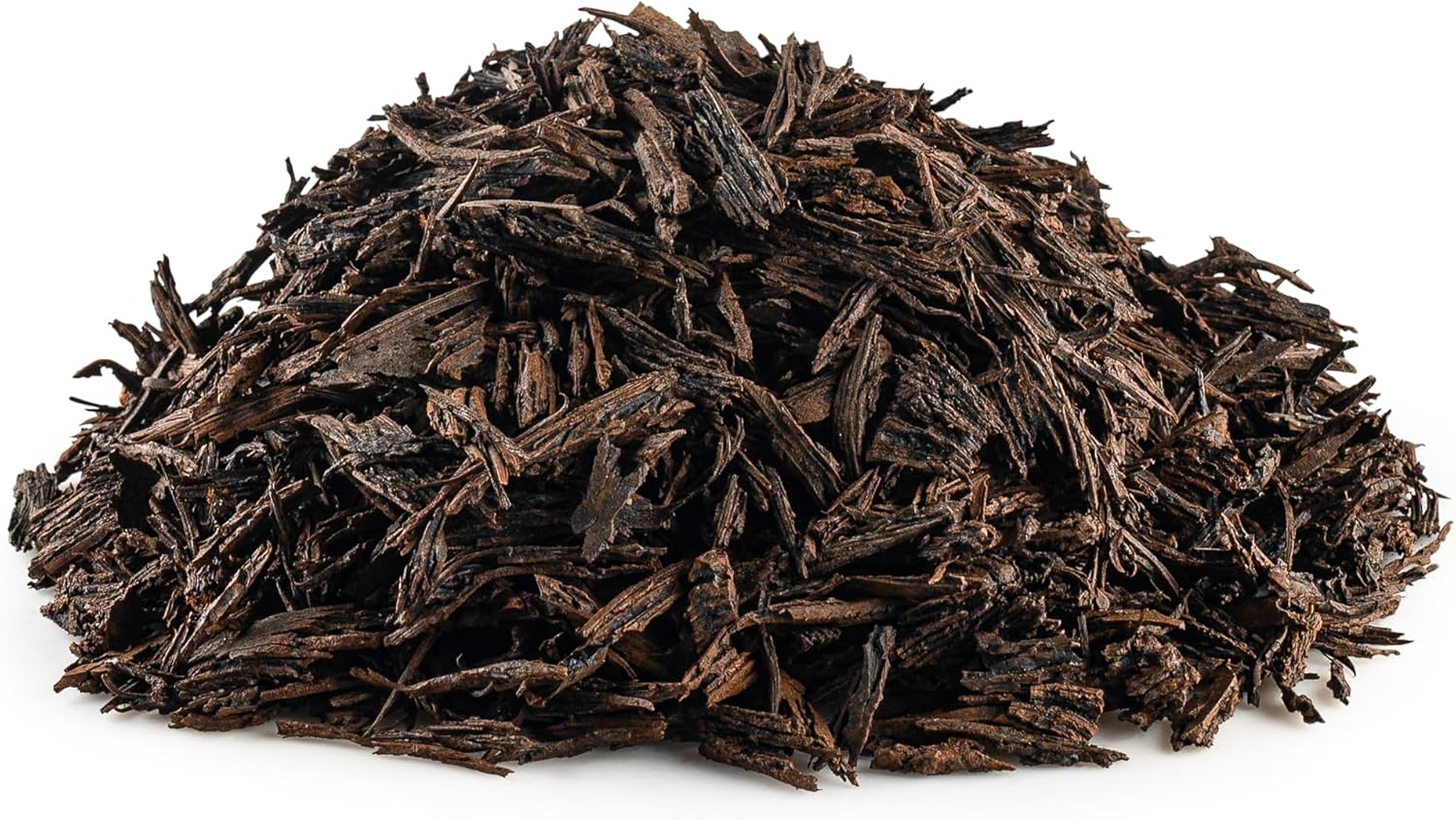
Rubberific Shredded Rubber Mulch (0.8 cu ft, Brown)
| Volume | 0.8 Cu. Ft. |
|---|---|
| Weight | 16 pounds |
| Manufacturer | IMC |
Rubberific shredded rubber mulch is recycled rubber ground to resemble natural wood mulch and intended as a durable, low-maintenance ground cover. It is typically spread and raked into place around paths, playgrounds, or garden beds where a stable, cushioned surface is desired. Notable features include resistance to rot, fading, and compression so the material keeps its look and cushioning properties much longer than conventional wood mulch. Practical benefits for a walking path are reduced maintenance, longer service life that avoids frequent replenishing, and a softer surface that can improve traction and comfort underfoot. Installation is simple: spread to the desired depth and smooth with a rake, and the product can be reused over time. Important limitations are that it is heavier than loose organic mulches and does not break down to enrich soil, so it will not improve soil health and may require edging to keep pieces from migrating off a path.
Best for: Buyers who prioritize a reliable, low-maintenance surface for high-traffic walking paths and want a mulch that holds appearance and cushioning over many seasons.
Less Ideal for: Gardeners looking to improve soil fertility with mulch or those who prefer fully natural, compostable materials for paths or beds.
- Very durable and long lasting compared with wood mulch
- Resists fading, rotting, and compression for consistent appearance
- Provides a cushioned surface suitable for walking paths and playgrounds
- Low maintenance once installed and can be reused multiple seasons
- Does not decompose so it will not add organic matter or nutrients to soil
- Heavier to handle than loose organic mulches which can make installation more effort
Verdict: Choose this shredded rubber mulch if you want a long-lasting, low-maintenance surface that keeps its look and cushioning on walking paths season after season.
Legigo Coco Coir Chips Organic Coconut Husk Potting Mix (1.1 lb)

| Material | Coconut Coir |
|---|---|
| Unit Count | 17.64 Ounce |
| Item Highlight | Drainage, Aeration & Moisture Retention |
| Volume | 7 quarts |
Legigo coco coir chips are compressed coconut husk pieces designed to expand when soaked and serve as a lightweight, well‑aerated growing medium or mulch. Typical uses include mixing into potting soil for houseplants and orchids, creating a chunky orchid substrate, amending garden beds to improve drainage, or applying as a surface mulch to retain moisture. Notable features are a stable pH in the 5.5–6.5 range, high cation exchange capacity for nutrient availability, and the material’s ability to absorb several times its weight in water while still draining excess. Practically, that means plants get steady moisture without waterlogging and roots benefit from good oxygen flow. Limitations are its coarse texture compared with fine mulches and the small pack size, so multiple bags are needed for large beds. Also coco coir itself has minimal nutrients so you should plan to supplement with fertilizer when used as a primary medium.
Best for: Gardeners who want a clean, low‑EC, moisture‑retentive mulch or soil amendment that improves drainage and root oxygenation, and who prefer products with positive user feedback. It suits people planning targeted amendments for containers, blueberry plants in raised beds, or mixing bespoke potting mixes.
Less Ideal for: Anyone wanting an all‑in‑one fertilizing mulch or a very fine textured soil conditioner for bulk landscape work should look at alternative mulches or larger volume soil amendments.
- Stable, slightly acidic pH suitable for many acid‑loving plants
- Good water retention while still providing drainage and aeration
- Clean, compressed brick format that expands after soaking for easy storage and handling
- Versatile: usable as potting amendment, orchid substrate, or surface mulch
- Small single‑pack volume means you may need several bags for an entire blueberry patch
- Provides little inherent fertility so additional fertilization is required
Verdict: A reliable, low‑EC coco coir chip mulch that improves moisture retention and drainage for blueberry beds and container plantings when paired with regular fertilization.
Playsafer Rubber Mulch Nuggets (40 lb bag, Brown)

| Material Type | Rubber |
|---|---|
| Item Thickness | 3 inches |
| Unit Count | 640 Ounce |
Playsafer rubber mulch is a loose-fill safety surfacing sold in 40-pound bags intended for playgrounds, swing sets, and garden beds. You pour and spread the nuggets to create a cushioning layer that is IPEMA certified for playground safety and resists decomposition and compression, so it does not need frequent replacement. The material is made from recycled tires and is advertised as nearly metal free, which simplifies installation and reduces long-term maintenance compared with organic mulches. Notable features include a three-inch item thickness profile and a long-lasting color formulation claimed to hold up for years and dry quickly after rain. Practical benefits are durable cushioning for impact zones, minimal settling over time, and lower upkeep than wood mulch. Important limitations are that this is loose fill so it can migrate outside borders without edging and will not provide the soil-improving or moisture-retention benefits of organic mulches. It is best used where safety and low maintenance are priorities rather than soil health or ornamental planting.
Best for: Buyers who want a low-maintenance, safety-first surfacing for playgrounds or play areas and prioritize durable cushioning over soil improvement.
Less Ideal for: Gardeners focused on improving soil health, planting beds, or moisture retention should choose an organic mulch instead.
- Durable recycled rubber that resists decomposition and compression for long-lasting cushioning
- IPEMA certification supports use in playgrounds and impact zones
- Packaged in 40 lb bags that are easy to spread for even coverage
- Made from recycled tires and 99.9% metal free for safer installation and environmental reuse
- Loose-fill format can migrate without proper edging or containment
- Does not improve soil structure or moisture retention like organic mulches
Verdict: Choose Playsafer rubber mulch when you need a long-lasting, low-maintenance safety surface for play areas that cushions falls and resists settling.
Riare Organic Coco Coir Chips, 2-Pack Compressed Coconut Husk Bricks

| Number of Packs | 2 |
|---|---|
| Item Type Name | Garden Soil |
| Material | Coco Chips |
| Volume | 7 gallons |
These Riare coco coir chips come as two compressed bricks that expand when soaked to create a loose, airy coconut-husk substrate used for potting mixes, orchid media, and surface mulch. Typical use is rehydrating a brick in water, squeezing excess, then mixing with soil, perlite, or using as a top mulch to protect roots and conserve moisture through colder months. Notable features include low electrical conductivity and a near-neutral pH that reduce fertilizer burn risk, high water retention combined with good drainage, and a porous structure that improves root aeration. Practically, the product reduces watering frequency and helps prevent waterlogging that can cause winter root rot while also improving soil structure when blended into beds. Limitations are that each brick must be hydrated and fluffed before use and the material provides little nutrient content on its own so feeding is still required for longer-term plant growth. For winter mulch applications it works well as an insulating, breathable layer but will slowly break down over seasons and may need reapplication.
Best for: Buyers who want a natural, low-risk winter mulch or soil amendment that conserves moisture and improves aeration without adding salts or harsh chemicals, especially for potted plants, orchids, and raised beds.
Less Ideal for: Gardeners who need an all-in-one fertilizing soil or a long-lasting decorative mulch that does not decompose for years should consider alternatives.
- Low EC and pH-balanced for safe contact with roots and seed germination
- High water retention while still providing good drainage to reduce root saturation
- Lightweight, highly porous structure that improves aeration and root development
- Compressed bricks are easy to store and expand to usable volume when needed
- Compressed bricks require soaking and manual breaking apart before use
- Offers minimal nutrients by itself so regular fertilization is still necessary
Verdict: A breathable, moisture-retaining organic coco coir brick that makes a low-salt, low-risk winter mulch and potting amendment when rehydrated and mixed into soil.
Rio Hamza Trading Pine Bark Mulch Nuggets, 8 Quarts (All Natural)

| Brand Name | Rio Hamza Trading |
|---|---|
| Unit Count | 256 Square Feet |
| Item Type Name | Potting Soil |
| Volume | 8 quarts |
| Ingredients | All natural pine shavings |
These 100% natural pine bark nuggets are small half-inch pieces intended as a top dressing or soil amendment for containers, bonsai, terrariums, and beds. You can sprinkle them as a decorative layer over potting mix to reduce surface evaporation and discourage pests, or blend a portion into heavy soil to increase aeration and reduce waterlogging around roots. The product emphasizes chemical-free bark with a red-brown look that tidies planters and complements evergreen plantings like arborvitae. An 8-quart bag covers modest container projects and provides enough to refresh a single large pot. Because the nuggets are coarse, they persist on the surface and do not compact quickly, which helps long-term drainage but means they will not break down fast to enrich soil. Also the bag size is small for landscape-scale mulching, so this is best for focused use around specimens rather than blanket beds. For someone managing moisture around ornamental evergreens, these nuggets work as an attractive, low-maintenance surface mulch.
Best for: A buyer who prioritizes plant safety and wants visible social validation will appreciate a chemical-free, attractive mulch for protecting root zones of specimen shrubs or container arborvitae and for tidying planters.
Less Ideal for: Not a good fit for someone needing bulk mulch for wide beds or wanting a fast-breaking organic amendment to quickly enrich soil.
- Made from 100% natural pine bark with no added chemicals
- Half-inch nuggets improve soil aeration and reduce surface compaction
- Durable, coarse texture provides long-lasting decorative top dressing
- Versatile for indoor pots, bonsai, terrariums, and small outdoor containers
- Small 8-quart bag is insufficient for mulching large landscape areas
- Coarse nuggets decompose slowly and provide limited short-term nutrient addition
Verdict: Choose these pine bark nuggets when you want a chemical-free, long-lasting decorative mulch to improve drainage and keep arborvitae planters looking tidy.
Choosing the Right Durable Mulch: Key Factors to Consider
Material Longevity
How long a mulch holds together and retains coverage directly affects maintenance cycles. Durable materials resist microbial breakdown, do not compact quickly, and keep a visible protective layer over soil for multiple seasons. Longevity matters more where regular topping up is difficult, such as large beds or steep slopes.
Long-lasting mulches reduce labor and recurring material costs. However, extreme longevity can come with tradeoffs such as reduced biological benefits for soil, so consider whether you want a permanently inert cover or one that slowly returns organic matter to the garden.
Water Permeability and Drainage
A durable mulch still needs to allow rain and irrigation to reach plant roots. Permeable covers prevent puddling and root rot and help maintain healthy moisture cycles. Evaluate how a mulch handles both light rain and heavy downpours without forming a crust or diverting water away from planted areas.
For containers, raised beds, and compacted soils, choose options that drain well. On slopes, permeability combined with erosion resistance keeps soil in place while letting water pass through instead of running off.
Erosion and Wind Resistance
Mulch that blows away or washes off defeats its purpose. Durability for exposed beds depends on particle size, weight, and how well pieces interlock or nest together. Materials that embed into each other or are heavier resist displacement from wind and surface water.
Where wind or surface runoff is common, consider mulches that can be anchored with edging or that are used in tandem with ground cloth. Proper installation technique, including gentle tamping and appropriate depth, reduces the chance of loss.
Installation and Handling
Ease of spreading and shaping affects whether you can install the mulch singlehandedly and how clean the job looks around plants. Some durable options come in loose pieces that require raking into place, while others are delivered as mats or chips that you lay and trim.
Consider access to beds, nearby plant stems, and the need to cut or tuck material around perennials. If you have limited mobility or tools, choose a material that is simple to place and that stays where you put it.
Plant Health and Soil Interaction
Durable does not mean inert for plant roots. Some long-lasting mulches can change soil temperature, pH, or moisture retention in ways that affect plant vigor. Assess how a mulch moderates soil temperature in your climate and whether it allows beneficial organisms to thrive.
If you rely on soil-building practices, balance durability with occasional incorporation of organic matter. For ornamental beds where maintenance is prioritized over soil amendment, more inert options may be appropriate.
Aesthetics and Longevity of Appearance
A mulch should maintain its look as well as its function. Colorfastness under sun and resistance to fading or graying affects curb appeal. Choose a material that keeps an acceptable appearance between refreshes, particularly for front-yard beds and pathways.
Also consider how the mulch ages visually as pieces break down or accumulate fines. Some materials can mat or compact and look worn even if they still perform, which may prompt earlier replacement for aesthetic reasons.
Best Uses by Garden Situation
Match the mulch type to where it will be used. Pathways need heavier, more stable material that resists foot traffic. Slopes demand options with strong erosion resistance or the use of anchoring strategies. Around shrubs and trees, choose a mulch that allows water and oxygen to get to roots while suppressing weeds.
Consider microclimates in the garden. In hot, sunny areas pick materials that do not overheat soil; in cool, shaded beds pick mulches that slightly warm the root zone if needed. Durability requirements vary by exposure and intended maintenance schedule.
- High-traffic paths: choose dense, interlocking materials
- Slopes: prioritize erosion resistance and anchoring
- Planting beds: balance permeability with weed suppression
Installation Tips for Long-Lasting Coverage
Prepare the bed by removing perennial weeds and loosening compacted soil. Lay landscape fabric only when it will not trap water against root crowns and when you plan to keep the same plants long-term. Spread durable material to the recommended depth to prevent displacement yet avoid smothering stems.
Edge beds to keep mulch contained. For loose mulches, a gentle tamp or light watering after installation helps pieces settle into place. On slopes, use short runs and staggered placement or combine with biodegradable stakes to hold material until it nests and stabilizes.
- Clear weeds and debris before laying mulch
- Use edging to reduce lateral movement
- Set the correct depth to balance coverage with aeration
Maintenance That Extends Life
Inspect mulch annually for thinning, displacement, and compaction. Rake lightly to restore surface texture and redistribute pieces that have moved. For soils with heavy fines that collect in mulch, occasional lifting and airing prevents matting that reduces permeability.
Top up only what has been lost rather than replacing entire beds. Smaller, frequent touch-ups keep the visual uniformity and reduce material use. Where mulch accumulates organic fines, plan periodic partial replacement to restore drainage and appearance.
- Perform annual inspections and light raking
- Top up lost material incrementally
- Replace mats or sections that have compacted or degraded
Environmental Considerations
Think about the source material and eventual fate in the garden. Inert materials may not feed soil life, while long-lived organic products can slowly contribute carbon. If runoff enters waterways, prefer materials that do not leach dyes or fine particulates.
For wildlife-friendly gardens avoid mulches that create impermeable barriers to ground-dwelling insects. Also consider the carbon footprint of transport and whether recycled-content options meet your sustainability goals.
- Check for dye-free, nonleaching materials
- Balance inert and organic options based on soil goals
- Consider recycled content and transport footprint
Common Tradeoffs With Durable Mulches
Durable mulches often mean less organic return to soil and potentially higher initial material impact. You trade slower soil improvement for lower maintenance and longer intervals between topping up. In plantings where soil-building is a priority, combine durable mulch with periodic soil amendments in planting holes or in early spring.
Some long-lasting options can warm soil more than organic mulches. That can be beneficial for certain ornamentals but detrimental to cool-season crops. Weight and texture that improve stability may make the material harder to move or remove later if you redesign beds.
- Longevity can reduce soil-building organic inputs
- Stable textures may be harder to relocate
- Thermal effects vary by material and exposure
How We Chose the Best Durable Mulch
We prioritized longevity and real-world garden durability. Materials that resist biological breakdown, UV degradation, and mechanical displacement scored higher because those behaviors dictate how often gardeners must replenish or repair mulch. We also considered water permeability and drainage so mulch does not create standing water that harms plants. Resistance to wind and erosion mattered for open sites and sloped beds. Practical handling was a factor: ease of installation, ability to contour around plants, and compatibility with common edging or landscape fabric influenced selections. Environmental impact was reviewed by noting whether materials were inert or made from recycled content and whether they leach substances into soil. We excluded products intended only for single-season decorative use or mixes that break down rapidly; we also excluded options that required specialized tools or professional installation. The final list emphasizes durable performance, manageable installation, and compatibility with typical garden irrigation and maintenance routines.
FAQ
How deep should I lay durable mulch?
Depth depends on the material, but generally 1.5 to 3 inches provides good coverage without smothering roots. Heavier materials may require thinner layers while lightweight pieces need more depth to resist wind.
Can I use durable mulch around young trees or seedlings?
You can, but keep mulch pulled back several inches from trunks and stems to prevent moisture build-up and rot. For seedlings, avoid very heavy or dense covers that block light and make it hard for young shoots to emerge.
Will durable mulch affect soil temperature?
Yes. Some durable materials retain heat and can warm the soil surface, which speeds growth in cool climates but may stress heat-sensitive plants in hot areas. Choose a lighter, reflective cover for hot, sunny beds if overheating is a concern.
How often will I need to refresh durable mulch?
Refresh intervals vary with exposure and material. Many durable options last multiple seasons, but expect to top up thin spots or replace compacted sections every 2 to 5 years depending on wear, foot traffic, and breakdown.
Is it okay to put landscape fabric under durable mulch?
Landscape fabric can reduce weed growth and extend mulch life, but it can also trap moisture and interfere with soil organisms. Use fabric selectively where long-term plantings are intended and ensure proper water penetration.
What maintenance helps prevent mulch from washing away on slopes?
Anchor mulch with edging, small terraces, or biodegradable stakes and apply in shorter runs across the slope. Combining mulch with groundcover plants or erosion-control matting helps stabilize the surface until the material nests in place.
Final Verdict
When choosing durable mulch, prioritize how long you need coverage, how exposed the site is to wind and water, and how the material will affect soil moisture and temperature. Balance the desire for low maintenance with the needs of plants that benefit from organic inputs. The right durable mulch reduces upkeep and holds beds in place while still allowing water and air to reach roots. Focus on permeability, erosion resistance, and ease of installation to pick the option that fits your garden and maintenance rhythm.
