

Note: This article contains affiliate links. If you click on these links and make a purchase, I may earn a small commission at no extra cost to you. This helps support my research and content. Read my full affiliate disclosure here.
If you want a carpet of soft color without constant upkeep, choosing the right ground cover with pink flowers makes a big difference. These plants can reduce weeding, suppress erosion on slopes, and add seasonal or long-running color along pathways and between stepping stones. This guide highlights six shortlisted ground covers with pink blooms that perform well in a range of garden situations, from sunny rock gardens to lightly shaded borders. We evaluated options for bloom length, soil and moisture tolerance, spread control, and seasonal interest to help you pick the best fit for your space. Below are the top candidates and the criteria we used to evaluate them.
Top Picks at a Glance
| Best Overall The best all-around choice for most situations | KVITER Mix Moss Rose (Portulaca grandiflora) Heirloom Flower Seeds — Double Moss Rose Mix |  |
| Best Quality Built to a higher standard if you want something more solid | KVITER Soapwort (Saponaria ocymoides) Heirloom Flower Seeds — 1,000 Count |  |
| Best Value The sweet spot between price and what you get | BuggyBeds Creeping Thyme Seeds (Thymus serpyllum) — Ground Cover, 20,000 Count |  |
| Best Budget The cheapest option that still gets the job done reliably | The Gardening World Creeping Thyme (Thymus serpyllum) Pink Flower Seeds, 2000 Pack |  |
| Highest Rated A top-rated pick with lots of positive feedback | Carpet Creeping Prairie Smoke (Geum triflorum) Seeds — 50 Count | 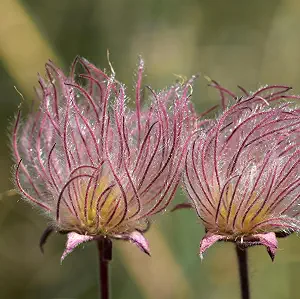 |
| Most Popular A crowd favorite that many people choose with confidence | Groundio Mixed Moss Rose (Portulaca grandiflora) Seeds — 23,500+ Heirloom Non-GMO |  |
KVITER Mix Moss Rose (Portulaca grandiflora) Heirloom Flower Seeds — Double Moss Rose Mix

| Indoor Outdoor Usage | Outdoor |
|---|---|
| Other Special Features of the Product | Drought Tolerant, Growing Guide Included, High Germination Rate, Made in the USA |
| Expected Blooming Period | Late Spring to Fall |
| Sunlight Exposure | Full Sun |
| USDA Hardiness Zone | 2-12 |
KVITER Mix Moss Rose seeds provide a straightforward way to establish a low, flowering ground cover that blooms from late spring through fall. The packet contains heirloom, non-GMO seeds of Portulaca grandiflora selected for double, ruffled blooms in pinks, reds, yellows and oranges; the included growing guide and high germination rate make direct sowing into warm, well-drained soil simple. These plants thrive in full sun and minimal water, so they are ideal for hot, dry spots, rocky borders, edging and shallow containers where you want continuous pink and mixed-color flowers without much care. Expect compact succulent foliage that spreads to form a colorful mat and attracts pollinators. Limitations are that moss rose prefers sandy or loamy, very well-drained soils and will not do well in shade or waterlogged conditions, and the low height means it is decorative rather than structural. Seed mix variability means color distribution is not uniform, so the result is a blended, natural look rather than a single solid block of pink.
Best for: Gardeners who want an easy, low-maintenance flowering ground cover for sunny, dry areas and who prioritize continuous seasonal color with minimal watering.
Less Ideal for: People seeking tall or structural plants, dense single-color lawns of pink flowers, or gardeners with shady, poorly drained sites should look elsewhere.
- Heirloom non-GMO seeds with high stated germination for reliable sprouting
- Drought tolerant and thrives in full sun, suited to hot, dry sites
- Large unit count suitable for covering substantial ground or many containers
- Includes step-by-step growing guide to simplify direct sowing for beginners
- Performs poorly in shade or wet soils so site selection is important
- Seed mix produces a varied color blend rather than uniform pink-only coverage
Verdict: A simple, low-water choice to create a long-blooming, low pink-and-mix ground cover in hot sunny spots.
KVITER Soapwort (Saponaria ocymoides) Heirloom Flower Seeds — 1,000 Count

| Unit Count | 1000 Count |
|---|---|
| Expected Blooming Period | Spring to Summer |
| Sunlight Exposure | Full Sun |
| USDA Hardiness Zone | 3-8 |
| Moisture Needs | Moderate Watering |
These KVITER soapwort seeds are designed to establish a dense, low-growing pink ground cover that blooms in late spring into early summer. Intended for sowing in spring, the packet contains 1,000 seeds so you can plant multiple beds or fill larger areas; seeds typically germinate in about 18 to 25 days at cool soil temperatures. Soapwort thrives in full sun to partial shade on well-drained, slightly alkaline loam and tolerates low to moderate watering once established, which makes it practical for rock gardens, walkways, and border edges. The plants form compact mounds roughly 6 to 14 inches tall and spread to create a carpet of small blooms that attract pollinators. Practical benefits include easy maintenance, deer resistance, and the ability to self-seed for ongoing coverage. Limits to consider are a relatively short main bloom period of about a month each year and the need for light moisture during establishment; it also prefers USDA zones 3 to 8, so it is not suitable outside that cold-hardiness range.
Best for: Gardeners who want a performance-focused pink ground cover that establishes reliable, pollinator-friendly mats across larger areas and perform well in rock gardens and border plantings.
Less Ideal for: People needing a long-season continuous bloomer or gardeners outside USDA zones 3 to 8 who require plants for very wet or heavy clay soils.
- Large 1,000-count packet allows planting multiple areas or creating dense coverage
- Forms a low, spreading carpet of pink flowers that attracts bees and butterflies
- Tolerant of low to moderate watering once established, lowering maintenance
- Suitable for rock gardens, borders, walkways, and containers due to compact habit
- Hardy across USDA zones 3 to 8 for broad regional performance
- Main bloom period is relatively short, lasting about a month in late spring to early summer
- Requires light, consistent moisture during germination and establishment
Verdict: Choose these soapwort seeds when you need a high-yield, low-growing pink ground cover that establishes dense, pollinator-attracting mats for rock gardens and borders.
BuggyBeds Creeping Thyme Seeds (Thymus serpyllum) — Ground Cover, 20,000 Count

| Unit Count | 20000 Count |
|---|---|
| Plant or Animal Product Type | creeping thyme seeds |
| USDA Hardiness Zone | 4-9 |
| Expected Blooming Period | Late Spring To Early Fall |
| Soil Type | Well-draining Sandy Or Loamy Soil |
This 20,000-count packet of BuggyBeds creeping thyme seeds is designed to establish a low-maintenance, perennial ground cover that produces fragrant foliage and small purple-pink flowers from late spring through early fall. You sow seed in spring or fall on well-draining sandy or loamy soil and expect a mat that stays very low to the ground, making it useful between stepping stones, in rock gardens, or as a lawn alternative. The seed is heirloom and GMO free and the plant is hardy across USDA zones 4 to 9, tolerates low to moderate moisture, and prefers full sun to partial shade. The large seed count gives good coverage for larger areas or multiple patches, and once established the plants suppress weeds and need little watering. Limitations include the slow initial establishment common to thyme from seed and the need for well-draining soil and sunny spots to get dense flowering; shady, waterlogged, or heavy soils will reduce performance. For practical gardeners this is a cost-effective way to plant a fragrant ground cover but expect to wait a season for full coverage.
Best for: Gardeners who want an affordable, low-maintenance perennial ground cover to fill pathways, rock gardens, or replace small lawn areas and who prioritize long-term coverage and fragrance over immediate results.
Less Ideal for: People needing instant ground cover or those with consistently shaded or poorly drained sites should consider plugs or alternative species better suited to low-light or wet soils.
- Very large seed count (20,000) provides extensive coverage or multiple planting areas
- Heirloom, non-GMO seed suited for perennial ground cover across USDA zones 4 to 9
- Low maintenance and drought-tolerant once established, useful as a lawn alternative
- Fragrant foliage and late-spring to fall flowering that attracts pollinators
- Requires well-draining, preferably sandy or loamy soil and good sun to perform well
- Establishment from seed can be slow so full coverage may take a season
Verdict: A cost-effective choice for gardeners who want to establish a fragrant, low-growing perennial ground cover over a large area using seed.
The Gardening World Creeping Thyme (Thymus serpyllum) Pink Flower Seeds, 2000 Pack

| Indoor Outdoor Usage | Outdoor |
|---|---|
| Other Special Features of the Product | Attracts Pollinators |
| Expected Blooming Period | Summer |
| Sunlight Exposure | Full Sun |
| Number of Pieces | 2000 |
These seeds produce Thymus serpyllum, a fragrant, low-growing perennial commonly used as a pink-flowering ground cover or border. Sow directly in spring or start indoors before the last frost; seedlings usually appear in 3–4 weeks and establish into dense mats about six to eight inches high. The listing highlights easy cultural requirements: full sun, average to slightly moist soil, and tolerance for poor or rocky soils once established. Mature patches are drought tolerant, attract bees and butterflies, self-seed readily, and can be divided to widen coverage. Practical benefits include a large 2000-seed quantity suited to covering a substantial area and the visual appeal of summer blooms. Limitations are that blooms are best enjoyed in place rather than as cut flowers and germination requires light surface sowing and consistent moisture early on. If you need a hardy, low-maintenance pink ground cover on a budget, this seed pack delivers good value but expect some patchiness during establishment and occasional reseeding management later on.
Best for: Buyers who want an affordable way to establish a low, flowering ground cover that attracts pollinators and will naturalize over time in sunny garden areas.
Less Ideal for: Gardeners seeking instant, uniform cover or ready-made plant material should avoid seed-based options and choose plugs or mats instead.
- Large 2000-seed quantity suitable for covering wide areas
- Non-GMO seed and perennial habit for long-term ground cover
- Tolerates poor, rocky soil and drought once established
- Attracts pollinators and provides seasonal pink flowers
- Germination requires keeping soil lightly moist for several weeks and surface sowing
- Flowers are not suitable as cut blooms and are best enjoyed in situ
Verdict: A budget-friendly 2000-seed pack that reliably establishes a drought-tolerant, pollinator-friendly pink ground cover when sown and tended during the first weeks.
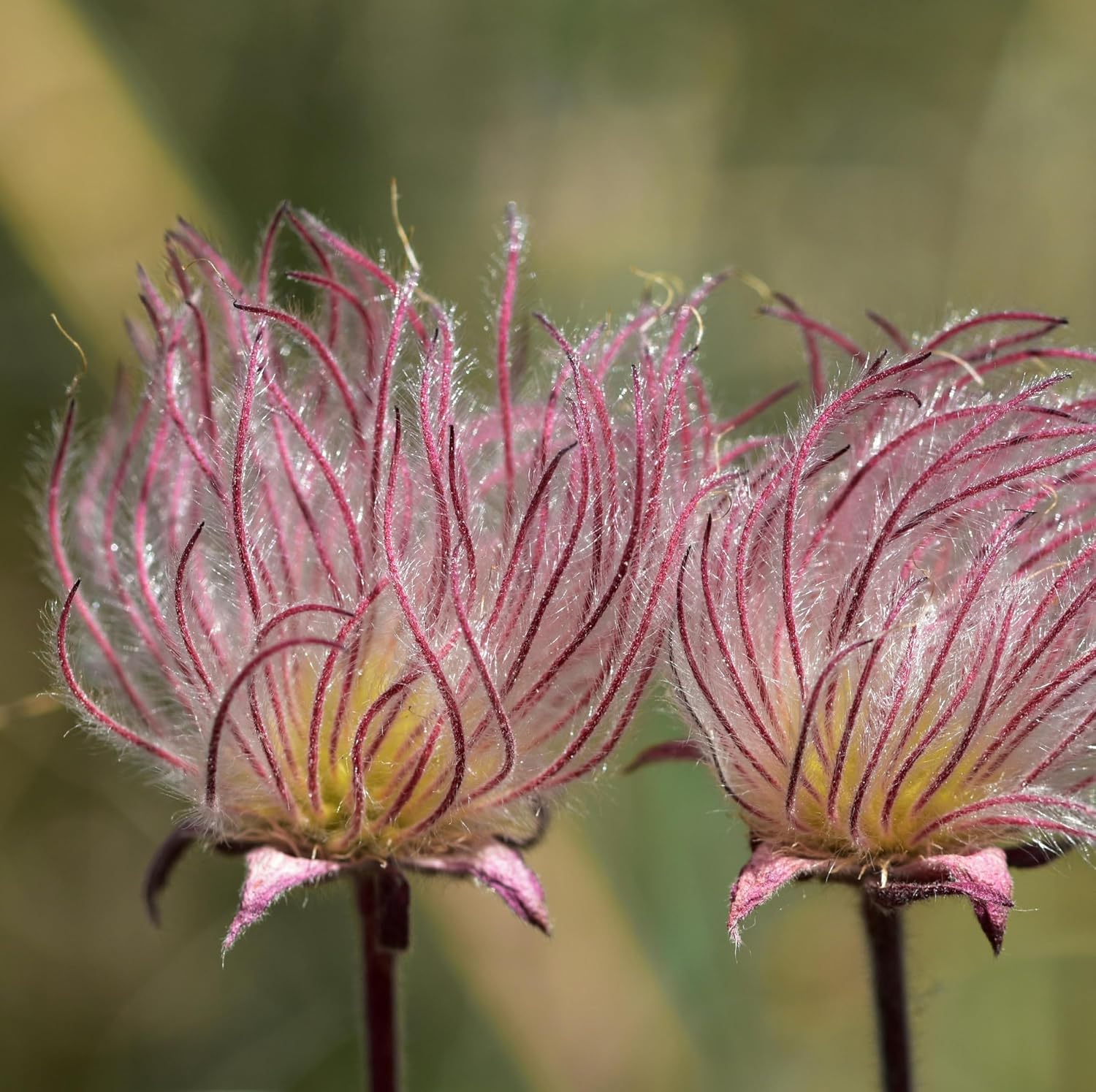
Carpet Creeping Prairie Smoke (Geum triflorum) Seeds — 50 Count
| Sunlight Exposure | Full Sun to Partial Shade |
|---|---|
| Expected Blooming Period | Spring to Fall |
| Soil Type | Sandy/Loam Soil |
| Moisture Needs | Moderate Watering |
| Unit Count | 50 Count |
These Prairie Smoke seeds are sold as a 50-count packet of Geum triflorum, a native perennial valued for its nodding pink flowers and plume-like seed heads. Gardeners sow the seed on the soil surface after a cold stratification period of 30–60 days, keep the bed moist until seedlings appear, then transplant or thin to 8–12 inch spacing. Once established plants form low-growing mats with 12–18 inch flower stems that add long-lasting pink, airy plumes to rock gardens, dry meadows, and xeriscapes. Notable features are drought tolerance, pollinator appeal, and self-seeding habit, which reduce maintenance and help the stand fill in over seasons. Limitations: seeds need refrigerated stratification to germinate reliably and require well-drained sandy or loamy soil, so they are not suited to heavy clay or constantly wet sites. Expect a few weeks to germination and a season or two for a fully settled planting.
Best for: Buyers who prioritize a dependable, low-maintenance perennial ground cover with ornamental pink plumes for dry, well-drained sites and naturalistic plantings.
Less Ideal for: Gardeners needing a rapid dense turf or those with heavy clay or waterlogged soils should consider other ground covers better adapted to wet conditions.
- Distinctive feathery pink seed plumes provide season‑long visual interest and dried flower use
- Drought tolerant once established, suitable for xeriscape and rock garden settings
- Attracts native bees and other pollinators
- Self-seeding habit helps the planting persist and expand with minimal intervention
- Seeds require cold stratification before sowing for reliable germination
- Performs poorly in heavy, poorly drained soils
Verdict: Choose these prairie smoke seeds if you want a reliable, low‑maintenance native ground cover that adds long‑lasting pink, feathery plumes to dry gardens.
Groundio Mixed Moss Rose (Portulaca grandiflora) Seeds — 23,500+ Heirloom Non-GMO

| Unit Count | 23500 Count |
|---|---|
| Expected Blooming Period | Summer to Fall |
| Sunlight Exposure | Full Sun |
| Material Features | GMO Free, Heirloom |
| Other Special Features of the Product | High Germination Rate |
This Groundio pack delivers a huge quantity of mixed moss rose seeds intended to create a low-growing carpet of bright pinks, reds, yellows and whites through summer into fall. Moss rose (Portulaca grandiflora) is sown on the soil surface, germinates quickly in warm conditions and thrives in full sun and well-drained, poor-to-average soils, so it is commonly used in beds, rock gardens, slopes and containers where splashy, low-maintenance color is needed. The listing emphasizes heirloom non-GMO seed and a high germination rate, which matches how easy these are to establish for repeatable coverage. Practical benefits include extreme heat and drought tolerance and minimal care once established, making them suitable for low-water landscapes. The main limitations are that they need full sun to perform and must be sown in spring to summer for best results, and the mix nature means individual colors and double‑flower forms may vary across the large seed count. For gardeners who want fast, inexpensive ground cover color, this pack supplies volume and reliable performance; those needing shade-tolerant or highly uniform cultivars should look elsewhere.
Best for: Gardeners wanting an easy, low-maintenance source of long-lasting pink and mixed-color ground cover for sunny beds, rock gardens or containers and who value a large seed supply and proven germination.
Less Ideal for: Buyers needing shade-tolerant ground cover, exact single-variety color match, or a small-quantity seed packet for trial plantings.
- Very large seed count (23,500+) provides extensive coverage for beds, slopes or containers
- High germination rate and fast sprouting under warm conditions for quick color
- Heat and drought tolerant once established, good for low-water landscapes
- Heirloom non-GMO seed suitable for traditional garden uses and re-sowing
- Requires full sun to bloom well and will underperform in shade
- Seed mix means bloom color and flower form are not uniform across the planting
Verdict: If you want fast, affordable pink ground cover for sunny spots, this oversized pack of moss rose seeds delivers reliable germination and long summer color.
Choosing the Right Ground Cover with Pink Flowers: Key Factors to Consider
Bloom Duration and Timing
How long and when a ground cover flowers influences the visual impact in your garden. Some species offer a short but brilliant flush of pink in spring, while others bloom sporadically through summer and into fall. Consider whether you want a dramatic seasonal display or repeated touches of color across months.
Bloom timing also affects maintenance. A fast, concentrated bloom may require deadheading or cleanup for tidiness, whereas extended bloomers can hide spent flowers and maintain appeal with less intervention.
Light Conditions
Different ground covers with pink flowers have varying light preferences. Some thrive in full sun and produce more prolific blooms there, while others perform best in partial shade or dappled light. Assess the actual light levels at the planting site across the day, not just by label, because morning sun and afternoon shade can favor different species.
Matching light tolerance to site conditions reduces stress, improves flowering, and limits the need to relocate plants after establishment.
Soil Type and Drainage
Soil texture and drainage affect how well a ground cover establishes and flowers. Many pink-flowering ground covers prefer well-drained soil and will suffer in heavy clay that holds water. Others tolerate poorer soils but need good organic content to perform well long-term.
Amending planting beds or choosing species adapted to your native soil reduces transplant shock and ongoing irrigation needs. Drainage on slopes and raised beds should be checked because standing water can rot roots and reduce bloom.
Growth Habit and Spread Control
Ground covers vary from tight clump-forming mats to long-running stolon or rhizome spreaders. Understanding each species' habit helps you manage planting density and containment. Rapid spreaders are useful for quickly covering bare ground and suppressing weeds, but they may encroach on adjacent beds or lawn.
If containment is a concern, plan for edging, root barriers, or regular pruning. Clump-formers are easier to keep in place but may fill space more slowly.
Hardiness and Climate Fit
Cold hardiness and heat tolerance determine where a ground cover will reliably survive and flower year after year. Some pink-flowering plants are hardy across a wide range of zones, while others are suited only to milder climates or need winter protection.
Check regional adaptability and choose species whose hardiness matches your garden to avoid seasonal dieback or the need for frequent replacement.
Maintenance Needs and Longevity
Maintenance ranges from nearly zero to moderate seasonal care. Some ground covers require annual trimming, division every few years, or periodic thinning to maintain vigor and keep flowers visible. Others remain attractive with minimal attention beyond occasional weeding and summer watering in dry spells.
Consider how much time you want to spend on upkeep and whether you prefer a short-lived but showy plant that is renewed periodically or a long-lived perennial ground cover that settles into low-maintenance duty.
Best Uses by Site
Different pink-flowering ground covers serve distinct roles in the landscape. On slopes, choose species with dense root systems and fast lateral spread to stabilize soil. In narrow borders or between pavers, low-growing, compact varieties that tolerate foot traffic work best. For rock gardens, prefer plants that handle lean, free-draining soils and can tuck into crevices.
Consider combining a long-lasting mat-former with a seasonal bloomer to extend interest. Mixing plants with staggered bloom times creates a layered effect while retaining ground coverage year-round.
- Slopes and erosion control: fast-spreading, deep-rooted mats
- Path edges and pavers: low, foot-tolerant varieties
- Rock gardens: drought-tolerant, shallow-rooted species
- Shade borders: plants rated for partial to full shade
Planting and Establishment Tips
Prepare the bed by removing weeds and improving drainage if needed. Work in modest organic matter for heavy soils but avoid overly rich amendments that encourage foliage at the expense of flowers. Space plugs or divisions according to expected mature spread so you avoid overcrowding.
Water regularly during the first growing season to help roots establish, then reduce supplemental irrigation for drought-tolerant types. Mulch lightly in winter for cold-sensitive varieties, but keep mulch away from crowns to prevent rot.
- Check mature spread to set proper spacing
- Firm soil around transplants to eliminate air pockets
- Water deeply but infrequently after establishment
Containment and Maintenance Strategies
To prevent encroachment, install edging or use physical barriers for running varieties. Regularly trim outer runners back to maintain clean bed lines. For clump-forming species, divide every few years to rejuvenate crowns and prevent center dieback.
Deadhead spent flowers if you want a tidier look or to direct energy into vegetative growth. Allow some seed set if you want self-sowing volunteers, but be cautious with species that tend to naturalize aggressively.
- Edging or root barriers for running spreaders
- Annual division for clump-formers to maintain vigor
- Selective deadheading to prolong visual appeal
Design Considerations and Companion Plants
Think about texture and foliage contrast when selecting companions. Silver or variegated foliage that does not compete for height pairs well with low pink flowers. Taller perennials can provide backdrop contrast and stagger bloom times for continuous interest.
Group plants by water needs and sun exposure. Mixing a sun-loving pink ground cover with shade-preferring companions often leads to poor performance for one or both plants.
- Pair low pink blooms with contrasting foliage textures
- Use taller perennials as a backdrop for eye-level interest
- Group by irrigation and light needs to simplify care
How We Chose the Best Ground Cover with Pink Flowers
We focused on practical garden performance for ground covers that produce pink flowers rather than ornamental container accents. Selection prioritized plants that establish a dense mat, offer meaningful flowering, and tolerate common landscape challenges like drought, light variation, and slope erosion. We tested available species information for bloom duration, hardiness range, mature spread control, and maintenance needs to identify reliable choices for gardeners. Evaluation criteria included bloom duration to measure how long color is visible, hardiness and climate adaptability to ensure regional suitability, establishment speed and spread to assess how quickly beds fill in, and maintenance demands such as pruning or division. We excluded highly invasive species or cultivars known to escape into wildlands. Also excluded were plants that require constant moisture or specialist soils, because most ground-cover situations benefit from resilient, low-input performers. Final picks were those that balance sustained pink flowering with predictable growth habits and manageable care requirements.
FAQ
Will a ground cover with pink flowers tolerate foot traffic?
Some low-growing ground covers tolerate light foot traffic, especially those bred for pathway edges or with a tough, mat-forming habit. Heavier or frequent traffic will damage most flowering ground covers, so choose specifically foot-tolerant types for stepping areas and expect some recovery time.
How long before a newly planted ground cover fills in the bed?
Establishment speed depends on species and planting density but typically ranges from one to three growing seasons. Faster spreaders may cover ground in a single season under ideal conditions, while clump-formers can take several seasons to reach full coverage.
Can pink-flowering ground covers become invasive?
Some ground covers spread aggressively and can naturalize beyond garden borders. Look for information on local invasiveness and prefer species with predictable spread in your region. Containment methods and regular maintenance reduce the risk of unwanted spread.
Do ground covers with pink flowers need a lot of fertilizer to bloom?
Most perform best with modest fertility. Excessive nitrogen can promote lush foliage at the expense of flowers. A light application of balanced fertilizer in spring and attention to soil organic matter are usually sufficient for steady blooms.
How do I choose pink ground covers for a shady border?
Select species rated for partial to full shade and evaluate bloom expectations, since many shade-tolerant ground covers have smaller or fewer flowers. Prioritize plants noted for flowering in lower light and prepare soil with good organic content to support blooms.
Final Verdict
Choose a ground cover with pink flowers by matching bloom timing and growth habit to your site. Prioritize plants that suit your light and soil conditions, and weigh establishment speed against how much containment you want to perform. Consider maintenance needs such as division, trimming, and deadheading when selecting a performer. The right choice balances seasonal color with reliable coverage and manageable care, so pick a plant whose spread and hardiness align with your garden goals and available upkeep time.
