

Note: This article contains affiliate links. If you click on these links and make a purchase, I may earn a small commission at no extra cost to you. This helps support my research and content. Read my full affiliate disclosure here.
A proper trellis changes how climbing plants grow, saving space and reducing disease by improving air circulation and light exposure. Whether you train beans up a narrow patio or guide roses across a garden fence, the right trellis boosts vigor and simplifies maintenance. This guide looks at seven top trellis options suited for climbing plants across different garden situations. We shortlisted designs that deliver reliable support and practical installation. Below you will find straightforward criteria used to evaluate each pick and clear guidance to match a trellis to your space and plant type.
Top Picks at a Glance
| Best Overall The best all-around choice for most situations | hogardeck 4-Pack Steel Garden Trellis, 84 x 19 in, Powder-Coated |  |
| Best Quality Built to a higher standard if you want something more solid | LeJoy Garden 6.3 ft Metal Obelisk Trellis |  |
| Best Value The sweet spot between price and what you get | JJSHUANL 2-Pack 30" Metal Plant Trellis for Potted Climbing Plants |  |
| Best Budget The cheapest option that still gets the job done reliably | HENABLE 4-Pack Metal Trellis Set for Potted Climbing Plants (15 in) |  |
| Highest Rated A top-rated pick with lots of positive feedback | Gardener's Supply Company 7‑Foot Powder‑Coated Steel Garden Obelisk |  |
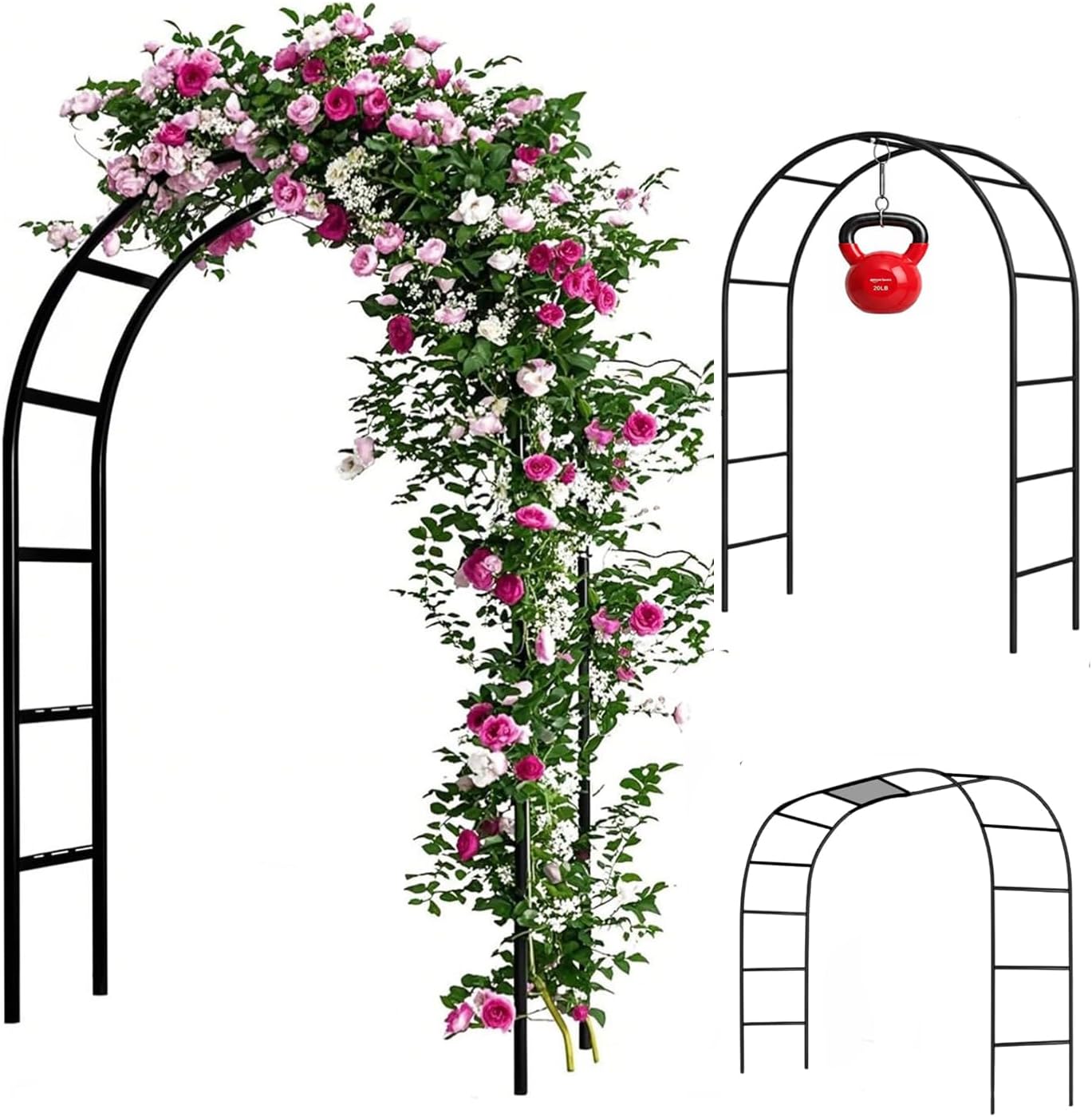
| Most Popular A crowd favorite that many people choose with confidence | Adorox 7.3 ft Metal Garden Arch Trellis |  |
| Best Seller A high-volume bestseller chosen again and again | Snuvid Moss Pole Plant Support 4-Pack (2×28" & 2×48") |  |
hogardeck 4-Pack Steel Garden Trellis, 84 x 19 in, Powder-Coated

| Material Type | Steel |
|---|---|
| Finish Type | Powder Coated |
| Number of Items | 4 |
| Size | 84*19 in |
These hogardeck trellises are tall, decorative steel panels sold in a four-pack for training roses, clematis, vining vegetables and other climbers. Each trellis assembles from two sections with included hardware and stakes so you can splice panels together or use them individually as a vertical support or garden screen. The powder-coated steel and reported 72-hour salt spray resistance make them suitable for year-round outdoor exposure, and the leaf-and-vine pattern adds an ornamental backdrop to beds or patios. Practical benefits include easy tool-free assembly, interlocking sides for longer runs, and extended ground stakes for better anchoring in soil. Expect the panels to provide rigid support for moderate loads like tomatoes, beans and flowering vines, but very heavy plants or exposed windy sites may need additional anchoring. The finish and hardware choices favor looks and corrosion protection, though the aesthetic flat nuts provided are less robust than the recommended butterfly nuts for maximum stability.
Best for: Gardeners who want an attractive, space-saving way to train climbing flowers and vegetables and who value corrosion-resistant, ready-to-install supports that can be joined into longer screens.
Less Ideal for: Those needing ultra-heavy-duty structural supports for very large vines or commercial trellising installations should choose purpose-built, heavier engineering solutions.
- Four-pack lets you create continuous runs or separate supports from one purchase
- Powder-coated steel with salt-spray tested finish for long-term outdoor corrosion resistance
- Interlocking design and included ground stakes improve stability and versatility
- Ornamental leaf-and-vine pattern doubles as decorative screen and plant support
- Assembly hardware includes flat nuts for appearance that are less secure than the recommended butterfly nuts
- May require extra anchoring in very windy or heavy-load situations
Verdict: Buy this set if you want an attractive, corrosion-resistant four-pack of trellises that make training and screening climbing plants quick and adaptable.
LeJoy Garden 6.3 ft Metal Obelisk Trellis

| Material Type | Metal |
|---|---|
| Finish Type | Epoxy Coated |
| Item Highlight | Upgraded 16mm Thick Steel Tubes |
| Size | Large |
This LeJoy Garden obelisk is a straightforward, performance-focused plant support built from metal tubing with an epoxy finish. At 6.3 feet tall it gives vines, roses, clematis and even indeterminate tomatoes room to climb vertically, and the round, four-stake base design helps keep the frame stable once plants begin to weigh it down. Assembly is simple: tubes arrive pre-drilled which speeds setup, and the epoxy coating gives basic weather resistance against rust. The 16 mm thick tubes and nearly 5 lb weight make it heavier and more rigid than many lightweight decorative trellises, so it stays put in garden beds and large pots. Expect some sharp edges during assembly so wear gloves, and note that while the finish resists weathering it is not stainless steel so long-term coastal exposure may still cause corrosion. The trellis works best as a structural support rather than a decorative instant topiary, and it is easy to decorate with lights or garland for events.
Best for: Gardeners who prioritize durable, functional supports for heavy or prolific climbers and want a tall, no-nonsense frame that stays upright in beds and large containers.
Less Ideal for: Buyers seeking a lightweight decorative piece for small indoor pots or those who need stainless steel corrosion resistance for coastal locations should look elsewhere.
- Tall 6.3 ft height provides ample vertical space for large climbers and indeterminate tomatoes
- Thicker 16 mm metal tubing and 4.9 lb mass offer greater rigidity and stability than flimsy wire trellises
- Epoxy coating adds basic rust resistance for outdoor use
- Pre-drilled tubes simplify and speed assembly
- Not stainless steel so may eventually corrode in very wet or salty environments
- Sharp edges reported during assembly require careful handling
Verdict: Choose this obelisk when you need a tall, heavier-duty metal trellis that keeps vigorous climbers and tomato vines supported season after season.
JJSHUANL 2-Pack 30" Metal Plant Trellis for Potted Climbing Plants

| Material Type | Metal |
|---|---|
| Finish Type | Lacquered |
| Metal Finish | Powder Coated, Sandblasted |
| Number of Packs | 2 |
These JJSHUANL trellises are simple, functional supports for vining houseplants and smaller garden climbers. Each unit comes as two interlocking pieces that snap together in seconds without tools and can be shortened by disassembling to suit smaller pots. The powder-coated, hand-welded metal construction and sandblasted finish give the frames a rustic look while resisting rust for typical indoor and sheltered outdoor use. In practice they work well for training jasmine, sweet peas, ivy, and similar plants and you can combine two units around a larger pot for extra coverage. Important limitations are their modest height and the warning against heavy plants or exposure in extreme weather, so they are best for lightweight vines rather than large, woody climbers. Overall these trellises deliver fuss-free installation, solid basic support, and an attractive profile for someone who wants reliable, low-maintenance plant training in pots.
Best for: Buyers who want a practical, low-effort support for potted vines and trainees that installs in seconds and adapts to different pot sizes.
Less Ideal for: Gardeners with large, heavy, or outdoor-exposed climbing plants seeking a high-capacity or permanent trellis solution.
- Quick, tool-free assembly that adjusts between 15 and 30 inches for different pot sizes
- Powder-coated, hand-welded metal construction resists rust for indoor and sheltered outdoor use
- Sold as a two-pack so you can use separate supports or combine them for larger plants
- Lightweight and decorative round/rustic design that integrates with indoor decor
- Not intended for heavy or woody climbers and not rated for exposed, extreme weather conditions
Verdict: A compact, quick-install metal trellis pair that gives potted vines dependable, low-maintenance support and flexible sizing for everyday indoor gardening.
HENABLE 4-Pack Metal Trellis Set for Potted Climbing Plants (15 in)

| Number of Items | 4 |
|---|---|
| Material Type | Metal |
| Finish Type | Lacquered |
| Size | 15 IN |
These HENABLE trellises are a straightforward, budget-friendly way to give small climbers vertical support and improve pot presentation. Each pack includes four 13–15 inch iron grids in different geometric patterns; the lacquered finish resists rust and the welded construction feels sturdy for lightweight vines and annuals. Installation is plug-and-play — push the pointed ends into potting soil or a larger container and guide tendrils or ties onto the grid as plants grow. Practical benefits include saving shelf and floor space, improving light exposure for vines, and adding a tidy modern look to window sills or small balcony planters. Limitations: the 15 inch height and narrow width suit small pots and short climbers only, so they will not support heavy or rapidly growing vegetables like mature cucumbers. If you need taller or load-bearing support, choose a larger garden trellis or stake system instead.
Best for: Buyers who want an inexpensive, no-fuss way to add vertical support and decorative interest to small indoor or balcony potted climbers.
Less Ideal for: Gardeners growing large, heavy or fast-vining vegetables or anyone who needs tall, load-bearing trellises for outdoor beds.
- Includes four distinct metal patterns so multiple pots can be styled together
- Lacquered iron construction with hand-welded joints for basic rust resistance and durability
- Tool-free setup — push into potting soil for immediate support
- Comes with plant ties to secure young vines
- Short height limits use to small pots and low-growing climbers
- Not designed to bear heavy loads or support vigorous vegetable vines
Verdict: A low-cost, ready-to-use set that adds neat vertical support and modern style to small potted climbers.
Gardener's Supply Company 7‑Foot Powder‑Coated Steel Garden Obelisk

| Material Type | powder-coated steel |
|---|---|
| Finish Type | Powder Coated |
| Size | 7 Foot |
| Item Weight | 16 ounces |
This freestanding obelisk trellis is built from powder‑coated steel and designed to give climbing plants clear vertical structure without complicated installation. It stacks together for a no‑tool assembly that you can set over a vine or place in a flowerbed in minutes, then disassemble flat for winter storage. The semicircular design and 7‑foot height make it suitable for clematis, morning glories, climbing roses and other vines that need upward support, and the powder finish resists weathering so the frame stays usable season after season. Because it is freestanding you can move it to follow plant growth or to stage a garden feature, and it also works as a decorative element when not planted. Limitations are that the open steel frame offers minimal dense attachment points compared with latticed trellises, so very heavy or woody climbers may need additional tying or supplemental support to prevent bending under load.
Best for: Gardeners who prioritize a dependable, low‑maintenance support to keep flowering vines upright and who value a long‑lasting, moveable trellis that can be reused year after year.
Less Ideal for: Gardeners growing very heavy or established woody climbers that need a densely latticed or permanently anchored support should consider a more robust framework or anchored arbor instead.
- Durable powder‑coated steel frame for season‑to‑season outdoor use
- Tall 7‑foot profile gives strong vertical support for long‑vining plants
- Freestanding, stackable design for tool‑free setup and easy seasonal storage
- Attractive sculptural shape that works as a garden focal point even without plants
- Open semicircular frame provides fewer attachment points for very heavy or woody climbers
Verdict: A reliable, weather‑resistant freestanding obelisk that gives climbing flowers dependable vertical support and doubles as a lasting garden accent.
Adorox 7.3 ft Metal Garden Arch Trellis
| Material Type | Metal |
|---|---|
| Finish Type | Powder Coated |
| Shape | Single Arch |
| Size | Standard |
The Adorox 7.3 ft metal garden arch is a simple, classic trellis for training climbing roses, clematis, morning glories, and similar vines. It assembles from sectional metal pieces into a single arched frame that creates height and a formal entryway for a path or bed. The powder-coated finish helps resist rust and makes the arch suitable for year-round outdoor use with routine maintenance. Because it is open and lightweight you can weave plants through the rungs as they grow and add string lights or seasonal décor without obscuring the structure. The arch is not a heavy-duty load-bearing structure, so it is best for supporting plants and light decorations rather than very large mature vines or dense hedging. Anchoring it securely into the ground before training plants is recommended to prevent tipping in wind. For gardeners who want an attractive, easy-to-install support for moderate climbers, this arch is a practical choice; those needing a permanent, heavy-load arbor should consider more robust steel or anchored options.
Best for: Gardeners who want an attractive, easy-to-install support to train flowering vines and create a decorative entrance or focal point in beds and walkways; good for seasonal displays and small- to medium-sized climbers.
Less Ideal for: People who need a heavy-duty, permanently anchored arbor for large mature vines or for supporting significant weight from structures or dense greenery.
- Powder-coated metal finish for basic corrosion resistance outdoors
- Open arched design that lets vines weave through and adds vertical interest
- Sectional assembly for relatively easy setup and placement
- Versatile decorative use for paths, entrances, and event backdrops
- Lightweight construction not intended for very heavy or fully mature woody vines
- Requires separate ground anchoring for reliable stability in wind
Verdict: A straightforward, attractive metal arch that gives climbing plants a neat, decorative framework and immediate vertical impact in the garden.
Snuvid Moss Pole Plant Support 4-Pack (2×28" & 2×48")

| Material Type | Coir |
|---|---|
| Number of Packs | 4 |
| Unit Count | 4 Count |
| Size | 4 Pack (2x28in + 2x48in) |
| Item Weight | 0.49 kg |
These Snuvid moss poles are a simple, natural support system for indoor climbing plants. The set includes two 48-inch and two 28-inch coir-wrapped stakes that you insert beside a potted plant to encourage aerial roots and vertical growth. The coconut coir surface gives vines something to grip, and the included rolls of green plant tie and jute rope make it easy to secure stems as they climb. Because the poles are bendable, you can angle them slightly to fit pot placement or group multiple poles for larger plants. The coir construction is breathable and compostable, which appeals if you prefer eco-friendly materials, but it will eventually degrade indoors and may need replacement after several seasons. Installation is straightforward but the pointed ends are sharp so take care when pushing the stakes into soil. These poles work best for typical houseplants and hobby growers who want a low-effort way to train plants upward without bulky metal frames.
Best for: Home plant owners who want an easy, natural-looking way to train and support climbing houseplants without complex hardware; especially good for cautious buyers who prefer straightforward, low-risk solutions.
Less Ideal for: People needing a permanent, heavy-duty support for very large or outdoor climbing vines should choose metal or rigid trellises instead.
- Two heights included to support both young and mature climbers
- Coconut coir surface encourages aerial root attachment and looks natural indoors
- Comes with adjustable plant ties and jute rope for securing stems
- Bendable stakes allow positioning and grouping for different pot arrangements
- Coir will break down over time and may need periodic replacement
Verdict: A practical, eco-friendly moss pole set that makes it easy to train and support indoor climbers at multiple growth stages.
Choosing the Right Trellis for Climbing Plants: Key Factors to Consider
Material and Weather Resistance
Trellis material determines how long the structure lasts in your garden. Wood looks attractive but can rot if it is not pressure-treated or sealed and may need periodic staining or replacement sooner in wet climates. Metal options last longer when galvanized or powder-coated, resisting rust and holding heavy vines, but cheaper painted metals can chip and corrode where the finish fails.
Plastic and composite trellises resist rot and many insects but can become brittle in strong sun or crack in freezing conditions. Consider the local climate and typical exposure when choosing a material so the trellis stays functional through seasons.
Load Capacity and Anchoring
Different climbers impose very different loads. Lightweight vines with tendrils require little structural support, while fruiting vines and large-leaved climbers can add significant weight when wet or fruiting. The trellis must anchor securely to the ground, fence, or wall to avoid leaning or collapsing as plants mature.
Check whether the design uses ground posts driven deep enough, wall brackets, or freestanding frames with wide bases. For freestanding units on soft soil, the ability to add stakes or concrete anchors matters for long-term stability.
Height, Span, and Plant Compatibility
Match trellis height and panel spacing to the climbing plant and intended training method. Tall, narrow trellises work well for pole beans and peas trained vertically. Wide, low lattices suit espaliered fruit trees or roses trained horizontally. Mesh size and slat spacing matter for how easily tendrils or stems can latch on and for where you will tie plants.
Consider current plant size and future growth. Installing a trellis that is too short forces pruning or replacement; overly large structures can overwhelm small plants and your garden aesthetic.
Ease of Installation and Adjustment
Gardeners often install trellises themselves, so a design that arrives with clear fixings and straightforward anchoring saves time and reduces frustration. Modular systems that allow adding panels or adjusting height can adapt to changing garden plans and different crops across seasons.
Think about the tools required and whether the trellis needs concrete footings, ground screws, or only simple stakes. Removable or foldable options are useful for containers and rented spaces where permanent anchors are not allowed.
Maintenance and Longevity
Maintenance needs affect lifetime cost and usability. Some materials require annual sealing, repainting, or rust treatment, while others are nearly maintenance-free. Wooden trellises may need tightening of fasteners and replacement of broken slats; metal frames can require surface rust attention.
Also consider how easy it is to clean the structure, remove plant debris, and make seasonal repairs. Choose trellises whose upkeep matches how much time you want to spend on maintenance.
Aesthetic and Garden Integration
A trellis is both functional and a visible part of the garden. The visual style should complement your landscape and the plants you grow. Open latticework creates a lighter look and lets winds pass through, reducing stress on plants. Solid panels or dense screens offer privacy and support for heavy climbers but can cast more shade.
Think about how the trellis will age and whether you want a natural patina or a finish that retains its original color. Harmony with other garden structures will keep the space cohesive while still meeting functional needs.
Best Trellis Types by Garden Situation
Different trellis forms suit different garden constraints. Narrow vertical panels are ideal for small patios and balconies where footprint matters. Arching arbors create an entry focal point and shared climbing surface for multiple vines. Freestanding A-frames can be moved seasonally and provide two planting faces in small plots. Wall-mounted trellises or espaliers save space and make use of vertical walls for fruiting and flowering climbers.
- Small spaces: slim vertical panels or obelisks
- Large borders: wide lattices or arbors
- Containers: lightweight, removable screens
- Vegetable plots: sturdy netting or A-frames for beans and cucurbits
Training and Pruning Tips for Trellised Climbers
Early training sets the structure of a climbing plant and reduces tangle and weight problems later. Tie young stems loosely to the trellis with plant tape or soft twine, creating gentle support points every 6 to 12 inches depending on stem flexibility. Remove inward-facing shoots and crowded stems to improve air flow and reduce disease risk.
Prune annually according to the plant type. Fast-growing annual vines need regular pinch-backs to keep them within the trellis footprint. Woody vines require selective thinning to preserve flower or fruiting wood while preventing the trellis from becoming overloaded.
- Tie stems loosely to avoid girdling
- Space ties to encourage even cover
- Thin crowded growth each season
Using Trellises in Containers and Small Patios
Containers concentrate root and stem weight on a small base, so choose trellises specifically designed for pots or use additional anchoring such as heavy pots, sandbags, or buried stakes. Lightweight, removable screens that clamp to pot rims or sit in the potting medium give flexibility to rotate or replace crops.
Consider the plant's root space versus the trellis height. Tall trellises in small containers can tip if the rootball is shallow or soil dries unevenly. Use wider, heavier pots or secure the trellis to a nearby railing where possible.
- Anchor trellis to the container or nearby structure
- Match pot volume to expected vine size
- Choose lightweight trellises for small pots
Seasonal Care and Off-Season Storage
Remove heavy plant debris in late season to reduce overwintering pests and diseases that lodge on the trellis. For reusable trellises, clean and dry them before storage to prevent rot or corrosion. Wooden posts benefit from a protective finish before winter, and metal frames should be checked for loose fasteners and touch-up paint where needed.
If you rely on the trellis year-round for structural garden features, inspect anchors and replace any degraded fixings before spring. Foldable or modular trellises are especially easy to store and redeploy, making them practical for gardeners who change crops seasonally.
- Clear plant debris after harvest
- Store modular trellises in a dry place
- Inspect anchors each spring
Matching Trellis Design to Plant Habit
Understand whether a climber is a twining vine, a tendril climber, or a sucker. Twining climbers wrap around supports and may need narrower poles or spaced slats they can spiral. Tendril climbers attach to small meshes or wire grids, while sucker climbers may need a textured surface to cling. Selecting the right mesh size or slat spacing makes training easier and reduces the need for excessive tying.
Consider plant vigor. Plants that become heavy with foliage or fruit need stronger framing and closer anchor points. Lighter, less vigorous climbers can be trained on delicate lattices without risk of collapse.
- Twining plants prefer vertical poles or spaced slats
- Tendril climbers do well on wire mesh or small grids
- Sucker climbers need textured surfaces
How We Chose the Best Trellis for Climbing Plants
We focused on how trellises behave in real garden use and applied criteria gardeners actually encounter when installing and maintaining climbing plants. Key evaluation points included material durability to resist weather and rot, structural strength and load capacity to hold mature vines and fruit, ease and speed of installation for common garden settings, and adaptability to different plant habits and training methods. We also considered maintenance needs such as repainting, tightening ties, or seasonal removal, plus portability for gardeners who repurpose supports between seasons. We excluded flimsy decorative screens and purely ornamental pieces that lack adequate load capacity or weather resistance. Final selections met minimum thresholds for weather-resistant materials and stable anchoring options. We prioritized trellises that accommodate common climbing plants, from light tendril climbers to heavier, fruiting vines, and those that allow multiple training approaches without complex modification.
FAQ
What height trellis do most climbing vegetables need?
Most climbing vegetables do well on trellises between 6 and 8 feet tall so they can reach full growth and be harvested easily. Compact varieties and container-grown vines may be comfortable on shorter supports, while pole beans and some gourds benefit from the extra height.
Can I use a trellis against a house wall?
Yes, wall-mounted trellises save space and are excellent for espaliers and many flowering climbers. Ensure there is an air gap to prevent moisture against siding and use corrosion-resistant fixings appropriate for the wall material.
How do I anchor a freestanding trellis in soft soil?
In soft soil drive longer posts deeper, use ground screws or add cross-stakes and guy lines for extra support. Embedding posts in concrete improves permanence but is not necessary for seasonal supports if you add auxiliary stakes and check stability regularly.
Is wood or metal better for long-term trellis use?
Both can be excellent depending on maintenance and climate. Properly treated wood offers a natural look but needs upkeep in wet climates. Galvanized or powder-coated metal is lower maintenance and holds heavy vines well, though paint chips and corrosion can occur over time.
How close together should I place multiple trellis panels?
Place panels so plants can be distributed evenly and airflow is maintained. For vining vegetables, spacing panels 2 to 4 feet apart gives room to braid or guide stems without overcrowding. For dense flowering climbers, wider spacing may prevent shading and reduce disease risk.
Final Verdict
Choose a trellis by balancing material longevity, how much weight your plants will place on the structure, and how it will be anchored in your garden. Match height and mesh spacing to the climbing habit and allow for growth so you do not need premature replacement. Prioritize a design that fits your installation abilities and maintenance tolerance. A practical, well-anchored trellis will improve air circulation, simplify harvesting, and extend the productive life of climbing plants. Focus on the tradeoffs between aesthetics and structural needs to select the right support for your garden situation.
