

Note: This article contains affiliate links. If you click on these links and make a purchase, I may earn a small commission at no extra cost to you. This helps support my research and content. Read my full affiliate disclosure here.
Picking the right plants for containers changes how your patio, balcony, or small yard looks and performs. Potted plants face different stresses than in-ground plantings: they have less soil volume, faster temperature swings, and faster moisture loss. Choosing plants that are suited to pots means easier feeding and watering, fewer transplant problems, and more consistent blooms or foliage through the season. This guide shortlists the seven best plants that are good for pots across common light and maintenance situations. Each pick was assessed for sun tolerance, water needs, root behavior, and seasonal interest to help you match plants to your container conditions.
Top Picks at a Glance
| Best Overall The best all-around choice for most situations | Plants for Pets Essential Houseplant Collection, 4‑Pack (4.25" Nursery Pots) | 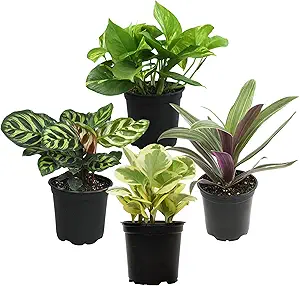 |
| Best Quality Built to a higher standard if you want something more solid | Costa Farms Money Tree (Pachira aquatica) Live Indoor Plant in Decorative Pot |  |
| Best Value The sweet spot between price and what you get | Plants for Pets Sansevieria Superba (Snake Plant) – Fully Rooted Houseplant |  |
| Best Budget The cheapest option that still gets the job done reliably | THE NEXT GARDENER.COM Succulent Plants 4-Pack, Fully Rooted in 2" Pots |  |
| Highest Rated A top-rated pick with lots of positive feedback | Fleshy Flora Snake Plant in 4" White Plastic Pot |  |
| Most Popular A crowd favorite that many people choose with confidence | Plants for Pets Pothos 4-Pack (4" Assorted) |  |
| Best Seller A high-volume bestseller chosen again and again | THE NEXT GARDENER Ruby Necklace (Othonna capensis) Live Succulent, 4-inch |  |
Plants for Pets Essential Houseplant Collection, 4‑Pack (4.25" Nursery Pots)

| Indoor Outdoor Usage | Indoor, Outdoor |
|---|---|
| Other Special Features of the Product | Air Purification, Compact, Low Maintenance |
| Sunlight Exposure | Partial Sun |
| Moisture Needs | Regular Watering |
This four-pack of assorted houseplants delivers a convenient starter set for low-light indoor spaces by shipping four healthy greenhouse-grown plants in 4.25" nursery pots. The assortment includes popular, easy-care genera such as Pothos, Philodendron, Peperomia, Calathea and similar foliage plants that tolerate indirect or lower light. Typical use is to place these on shelves, desks, or bathrooms with limited sunlight and follow simple care guidance: bright indirect to partial sun and water when the soil begins to dry. Notable features are the hand-selected stock from climate-controlled greenhouses, small nursery pots for easy placement, and emphasis on low maintenance and air purification. Practical benefits include variety in foliage types for quick visual impact, minimal initial upkeep for new plant owners, and plant choices that broadly tolerate lower light. Important limitations are the small pot size which means more frequent watering and earlier repotting for long-term growth, and the exact varieties are randomized so you cannot guarantee a specific species in each pack.
Best for: Buyers who want a practical, low-effort way to add greenery to dim rooms and prefer a ready-to-place assortment that requires minimal initial care.
Less Ideal for: Collectors who need specific species or mature specimens and gardeners who want plants already planted in decorative or larger containers.
- Includes four different, easy-care houseplants that tolerate indirect and lower light
- Shipped in small 4.25" nursery pots that are easy to place around the home
- Plants are greenhouse-grown and hand-selected for health and vibrant foliage
- Promoted as low-maintenance with general air purification benefits
- Small nursery pots limit long-term growth and require repotting sooner
- Assortment is randomized so you may not receive a specific desired variety
Verdict: A convenient, low-maintenance four-pack of small houseplants that makes it easy to add tolerant foliage to low-light indoor spaces.
Costa Farms Money Tree (Pachira aquatica) Live Indoor Plant in Decorative Pot

| Indoor Outdoor Usage | Indoor |
|---|---|
| Other Special Features of the Product | Air Purification, Low Maintenance, Pet Friendly |
| Sunlight Exposure | Partial Shade |
| Moisture Needs | Moderate Watering |
| Product Care Instructions | Bright, Indirect Light, Water Weekly |
The Costa Farms Money Tree is a beginner-friendly indoor tree grown and shipped ready to display in a decorative pot. It is typically used as a tabletop or small floor accent where bright, indirect light is available. Notable features include the signature braided trunk, pet-safe foliage, and packaging designed to protect the plant during transit. Practically, it offers easy care: water when the top 2 inches of soil feel dry and keep it in bright, filtered light, which makes it forgiving if you miss an occasional watering. The pre-potted presentation removes the immediate need to repot and gives an instant finished look for desks, entryways, or living rooms. Limitations to expect are that it prefers consistent indirect light and moderate moisture, so darker rooms or chronic overwatering will hamper growth, and the medium size is a tabletop rather than a large floor specimen. For buyers focused on easy success and decorative impact, this Money Tree balances aesthetics and low effort, though long-term growers may eventually want to repot for fuller development.
Best for: Buyers who want an attractive, low-effort houseplant that looks finished out of the box and is safe around pets, especially those who value straightforward care and reliable arrival. Ideal for people adding easy greenery to desks, shelves, or small living spaces.
Less Ideal for: Experienced collectors seeking a large specimen tree or anyone needing a plant that thrives in dim light should consider other options.
- Arrives pre-potted in a decorative planter for immediate display
- Pet-safe, non-toxic foliage suitable for households with cats and dogs
- Forgiving care needs that tolerate occasional missed waterings
- Distinctive braided trunk adds architectural, designer appeal
- Not ideal for low-light rooms since it prefers bright, indirect light
- Medium/tabletop size may be too small for buyers seeking a large floor statement plant
Verdict: A stylish, pet-safe Money Tree that delivers easy, low-stress greenery already potted and ready to display.
Plants for Pets Sansevieria Superba (Snake Plant) – Fully Rooted Houseplant

| Indoor Outdoor Usage | Indoor, Outdoor |
|---|---|
| Other Special Features of the Product | Air Purification, Compact, Drought Tolerant, Low Maintenance |
| Sunlight Exposure | Partial Sun |
| USDA Hardiness Zone | 10, 11, 9 |
| Moisture Needs | Little To No Watering |
The Plants for Pets Sansevieria Superba is a compact, fully rooted snake plant that delivers the classic, nearly indestructible qualities buyers expect from this species. It is typically kept in a small grower pot on a windowsill, shelf, or office desk and prefers bright indirect light but tolerates low light, making placement flexible. Notable features include drought tolerance, variegated upright leaves with chartreuse margins, and claims of air-purifying benefits. Practical benefits are straightforward: infrequent watering needs, low attention requirements, and a sculptural look that suits modern interiors. Because it ships fully rooted, it is ready to go into a decorative cachepot or remain in its grower pot with minimal setup. Limitations are minimal for most owners but include the plant's suitability mainly for indoor use in mild climates and the typical size cap of a compact variety, which may not satisfy someone wanting a large specimen quickly. Occasional overwatering or very cold conditions will be the main care pitfalls to avoid.
Best for: A buyer who values a dependable, low-maintenance houseplant that survives occasional neglect and fits small indoor spaces; ideal for busy households, offices, or first-time plant owners who want a reliable decorative plant.
Less Ideal for: Not ideal for gardeners seeking rapid growth into a large floor plant or those who need a cold-hardy outdoor specimen for harsh climates.
- Fully rooted and ready to display or repot upon arrival
- Tolerates low light and infrequent watering, ideal for low-effort care
- Compact, upright variegated foliage provides decorative interest indoors
- Described as drought tolerant and low maintenance, suitable for busy owners
- Best suited to indoor or mild outdoor conditions rather than harsh climates
- Compact size may not meet buyers seeking an immediate large specimen
Verdict: Buy this fully rooted Sansevieria Superba when you want a near-indestructible, low-effort houseplant that reliably looks good in small indoor spaces.
THE NEXT GARDENER.COM Succulent Plants 4-Pack, Fully Rooted in 2" Pots

| Indoor Outdoor Usage | Indoor |
|---|---|
| Sunlight Exposure | Partial Sun |
| Soil Type | Sandy Soil |
| Moisture Needs | Moderate Watering |
| Unit Count | 4 Count |
This 4-pack of succulents arrives fully rooted in 2-inch grower pots and is aimed at buyers who want low-maintenance houseplants without a big investment. The plants are hand-packed from the seller's farm and shipped with well-draining potting mix, so you can pot them into decorative containers or keep them in the provided grower pots on a sunny windowsill. They need moderate watering only after the soil dries and prefer partial sun, making them suitable for kitchens, small apartments, and desktop displays. The pack includes common varieties that are resilient to occasional drought and are simple to propagate or re-pot when they outgrow the small pots. Limitations to expect are the small nursery pot size and limited selection control since varieties are grouped as common types, so buyers seeking specific cultivars or larger specimens should look elsewhere. For casual plant owners and gift buyers this pack provides an easy, low-cost way to start a succulent collection.
Best for: People looking to start a succulent collection on a tight budget or to add easy-care greenery to small indoor spaces without much maintenance fuss.
Less Ideal for: Collectors seeking rare or mature specimen plants or gardeners who want exact control over plant varieties and sizes.
- Four fully rooted plants included, ready to display or re-pot
- Low maintenance care with infrequent watering required
- Hand-packed and shipped with well-draining soil
- Small 2-inch pots make them easy to place in compact spaces
- Plants come in small nursery pots and will need re-potting as they grow
- Variety selection is generic so you may not receive specific cultivars
Verdict: An affordable, low-effort pack for beginners or shoppers who want small, easy succulents to brighten compact indoor spaces.
Fleshy Flora Snake Plant in 4" White Plastic Pot

| Sunlight Exposure | Partial Sun |
|---|---|
| Brand Name | Fleshy Flora |
| Unit Count | 1 Count |
| Number of Items | 1 |
This Fleshy Flora snake plant arrives planted in a 4-inch white plastic pot and is designed as a low-maintenance indoor accent for a windowsill, desk, or small pot collection. Snake plants tolerate intermittent watering and the listing notes watering about once a week or only when the soil feels dry, which makes it convenient for beginners and for people who travel. The plant prefers bright light and will do best on a sunny windowsill, though light should be reduced in hot summer hours. The included plastic pot is lightweight and ready to display, so you can unbox and place it immediately without repotting if you want a compact decorative piece. Because this is a small, nursery-potted plant, expect continued growth over time and consider repotting into a larger container as it matures. Also note the product comes as a live plant so its exact size and leaf count will vary by specimen. This is a practical choice if you want a resilient potted plant that needs minimal daily care and gives lasting green interest indoors.
Best for: Buyers who want a fuss-free, reliable potted houseplant to add lasting greenery to small indoor spaces and who prefer low-maintenance care routines.
Less Ideal for: People seeking a large mature specimen or an immediate statement plant for big rooms; also not ideal for those with only very low-light interiors.
- Ready to display in a planted 4" pot so no immediate repotting required
- Low water needs; can be watered only when soil dries making it travel-friendly
- Tolerant, easy-care species suitable for beginners
- Compact size suits small pots, desks, and windowsills
- Comes in a small plastic nursery pot that will need repotting as the plant grows
- Performance depends on receiving bright light so may struggle in consistently dim rooms
Verdict: A small, ready-potted snake plant that delivers reliable, low-effort indoor greenery for pots and small spaces.
Plants for Pets Pothos 4-Pack (4" Assorted)

| Indoor Outdoor Usage | Indoor |
|---|---|
| Other Special Features of the Product | Air Purification |
| Sunlight Exposure | Full Sun |
| Moisture Needs | Regular Watering |
| USDA Hardiness Zone | 3 |
This four-pack delivers beginner-friendly pothos varieties that suit low-light rooms and simple indoor care routines. Each plant comes rooted in a 4" nursery pot and the assortment rotates between familiar types such as Marble Queen, Golden, Neon, and Satin, so you get visual variety without extra effort. Pothos are typically grown in hanging planters, on shelves, or trained up a support; they prefer bright, indirect light but tolerate lower light levels that many apartments and offices have. The listing emphasizes air-purifying benefits and gives clear care guidance: allow the soil to dry between waterings and keep temperatures above about 60 F. Practical strengths are resilience, fast trailing growth for a lush look, and compatibility with common indoor spots like living rooms, kitchens, or bathrooms. Limitations are that you may receive different varieties than pictured and plants arrive in small 4" pots, so plan to repot sooner if you want bigger specimens or longer-term display without frequent watering.
Best for: Buyers who want low-maintenance greenery for indoor spaces and prefer reliable, easy-to-care-for plants that tolerate lower light and occasional neglect.
Less Ideal for: Growers seeking large, mature plants ready for instant statement displays or those who want guaranteed, specific rare varieties.
- Easy to grow and tolerant of low to bright indirect light
- Four different varieties provide visual variety in one purchase
- Ships in small nursery pots that establish quickly and are ready for hanging or shelving displays
- Listed care guidance is straightforward for first-time plant owners
- Arrives in 4" pots so plants may need repotting soon for faster growth or long-term display
- Specific varieties are not guaranteed and assortment can vary
Verdict: A simple, low-maintenance way to add trailing, low-light-friendly pothos to your home with minimal fuss.
THE NEXT GARDENER Ruby Necklace (Othonna capensis) Live Succulent, 4-inch

| Indoor Outdoor Usage | Indoor |
|---|---|
| Other Special Features of the Product | Drought Tolerant |
| Sunlight Exposure | Partial Sun |
| USDA Hardiness Zone | 3 |
| Soil Type | Sandy Soil |
The Ruby Necklace (Othonna capensis) is a trailing succulent sold in a 4-inch grower pot that brings cascading foliage to small balconies, shelves, or sunny windows. It arrives fully rooted in well-draining soil so it adapts quickly into a new pot or hanging planter. The plant is drought tolerant and follows a simple soak-and-dry watering routine, making it easy to care for if you prefer low-maintenance greenery. In bright light the leaves take on a reddish tint that adds seasonal color to a compact balcony display. Practical limits to expect are its modest size and preference for partial sun and sandy, well-draining media, so it will need protection from prolonged cold or heavy rain if your balcony is exposed. Also, because it is sold as a live plant, appearance and fullness can vary slightly by season. For someone looking for a reliable, easy trailing succulent to fill a small planter or hanger, this is a straightforward choice.
Best for: Buyers who want a low-effort, attractive trailing succulent for a small balcony planter or hanging display and prefer plants that establish quickly with minimal care.
Less Ideal for: Not the best pick for gardeners who need large statement plants for wide outdoor terraces or for locations that stay cold and wet for extended periods.
- Arrives fully rooted in a 4-inch grower pot ready for transplant or display
- Drought tolerant and low maintenance with simple soak-and-dry watering
- Trailing habit works well in hanging planters, shelves, or small balcony containers
- Leaves develop red tones in bright light for seasonal visual interest
- Modest mature size limits impact in large planters or expansive balcony arrangements
- Prefers partial sun and well-draining sandy soil so exposed, wet balconies may require extra protection
Verdict: A fuss-free, fully rooted trailing succulent that adds color and easy-care greenery to small balcony planters or hanging displays.
Choosing the Right Plants That Are Good for Pots: Key Factors to Consider
Light Exposure
Light is the single most important factor when choosing plants for pots. Containers on a balcony or small patio often get very different light than a garden bed – morning sun only, afternoon scorch, or deep shade from overhanging eaves. Match plant selections to the actual hours and intensity of sun the pot receives rather than what you hope it will get. Some plants thrive in bright, hot sun and will produce more flowers, while others will sulk or burn and show scorched foliage.
Orientation also matters: south-facing exposures are hotter and dryer, while north-facing spots stay cool and shaded. If you plan to move pots seasonally, choose plants that tolerate a range of exposures or plan to rotate containers between sun and shade as needed.
Container Size and Root Space
Potted plants are limited by the volume of soil available for roots to explore. Plants with shallow, compact root systems will cope better in small pots, while species with deep or aggressively spreading roots need larger containers to avoid stress. Consider final mature root spread when selecting a plant and size your pot accordingly to delay crowding and the need for frequent repotting.
Larger containers buffer temperature and moisture fluctuations better than small ones, so if you want longer intervals between watering choose a wider and deeper pot. Remember that the weight and stability of the container become important for tall or top-heavy plants, especially on windy balconies.
Watering Frequency and Drainage
Container soil dries more quickly than garden soil, so water needs are often the limiting factor for success. Some plants have predictable, moderate water needs and tolerate brief drying between waterings; others demand consistently moist conditions. Choose plants whose water requirements fit your routine – low-maintenance gardeners should favor drought-tolerant or water-wise species.
Good drainage is essential. Pots should have adequate drainage holes and use a free-draining potting mix to avoid root rot. Consider saucers and drip concerns if you are on a balcony; drainage management affects both plant health and nearby surfaces.
Feeding and Nutrient Needs
Plants in containers rely entirely on the soil in the pot for nutrients, and potting mixes can be low in long-term reserves. Flowering and fast-growing plants will need regular feeding to sustain blooms and foliage. Slow-release granular fertilizers or scheduled liquid feedings can keep potted plants vigorous without daily attention.
Choose plants with nutrient needs that align with how often you are willing to fertilize. Heavy feeders can be rewarding but require a maintenance plan, while modest feeders or plants adapted to poorer soils are better for low-input container displays.
Seasonal Interest and Longevity
Think about what you want from a container across the season. Some plants offer spectacular short-term blooms, others provide long-lived foliage, and some add winter structure for year-round interest. Annuals give immediate color but need replacement each year; evergreen and perennial container plants can provide continuity but may require occasional pruning or overwintering strategies.
Factor in how long you want the display to last before replacing plants. Combining plants with staggered bloom times or contrasting textures can extend visual interest through changing seasons.
Pest and Disease Susceptibility
Containers can stress plants, and stressed plants are more vulnerable to pests and diseases. Choose species with a track record of resilience in pots to reduce the need for interventions. Good cultural care, such as clean potting mix, adequate air circulation, and proper watering, lowers disease risk.
If you have recurring pest problems like aphids or spider mites in your area, favor plants known to tolerate those pressures or that can be treated easily without harming nearby containers or housemates.
Best Plants by Light Situation
Containers behave differently depending on how much light they receive. For bright, sun-drenched patios, favor plants that handle heat and produce lots of blooms or bold foliage. For partly shaded terraces choose plants that appreciate filtered light and will not drop flowers or scorch. For deep shade areas, pick species that offer foliage contrast or late-season interest rather than relying on heavy flowering.
Arrange pots into groups by exposure so you can water and feed according to similar needs. This also makes it easier to swap plants between spots if seasonal light changes make certain exposures harsher or milder over the year.
- Full sun pots: choose heat-tolerant, drought-resilient species.
- Part shade pots: favor plants that tolerate morning sun and afternoon shade.
- Full shade pots: prioritize foliage texture, variegation, and form.
Choosing Potting Mix and Drainage
A quality potting mix tailored for containers improves water retention and root oxygenation. Avoid using garden soil alone because it can compact and reduce drainage. Add materials like perlite or coarse sand for improved aeration if a mix seems heavy.
Always use pots with drainage holes and consider a breathable outer container for indoor displays. If you need a decorative no-drain outer cachepot, keep the plant in a inner pot with holes and remove it to water and drain when necessary.
- Use mixes labeled for containers or containers plus drought-tolerant blends.
- Layering with lightweight aggregate is not a substitute for a free-draining mix.
Design Tips for Container Combinations
Combining plants in a single pot can create a fuller, more interesting display but requires matching light, water, and nutrient needs. Use a thrice-layer approach: a structural thriller plant for height, one or two filler plants for mid-level texture and color, and a spiller to soften the pot edges. Keep constituent plants on similar watering schedules.
Scale matters. Place larger pots with taller plants toward the back of a balcony or near railings and smaller pots at the edge where they can spill over. Re-pot or thin combinations if roots become crowded to maintain vigor.
- Balance height, texture, and color for visual interest.
- Group plants with similar maintenance needs in the same container.
Overwintering and Seasonal Care
Depending on your climate and the plants you choose, some container plants will need protection from freezing temperatures. Decide whether to move pots to sheltered locations, insulate pots with bubble wrap, or bring tender plants indoors for winter. Perennials in pots may need root protection or to be placed in a colder but frost-free location to survive dormancy.
Deadhead spent flowers, trim back leggy growth, and refresh the top layer of potting mix in spring to keep containers looking their best. Regular checks for rootbound conditions in spring let you repot before the growing season starts.
- Plan a winter strategy for tender specimens.
- Refresh potting mix and prune in early season for vigorous growth.
Managing Water on Balconies and Small Spaces
Watering on balconies requires attention to runoff and weight limits. Use saucers or trays to protect surfaces, but do not allow pots to sit in water for extended periods. Consider self-watering containers if you need longer intervals between refills, but ensure you understand how they change root moisture dynamics.
For clusters of pots, use a watering can with a long spout or a drip hose to reach multiple containers quickly. Mulching the top of the potting mix with decorative bark or gravel can reduce surface evaporation and lengthen time between waterings.
- Protect surfaces with saucers and manage overflow.
- Use mulches or self-watering systems to reduce watering frequency.
How We Chose the Best Plants That Are Good for Pots
We focused on the practical traits that determine success when plants grow in containers rather than garden beds. Selection criteria emphasized sun and shade tolerance suitable for patios and balconies, how plants respond to restricted root volume, and predictable water and feeding needs. We prioritized species and cultivars known for consistent seasonal interest, whether bloom, foliage color, or architectural form, and ones that do not quickly outgrow standard container sizes. Hardiness and heat tolerance for summer-exposed pots were weighed alongside disease resistance and general pest tolerance. Ease of propagation or replacement was considered so gardeners can renew containers affordably. We excluded plants that require very large or permanently in-ground conditions, species needing specialist care such as heavy pruning schedules or obscenely deep roots, and those known to be invasive in containers. Final picks reflect plants that perform well in a range of pot types and sizes and that offer dependable results for typical container gardeners.
FAQ
How often should I water container plants?
It depends on plant type, pot size, and exposure. Small pots in hot sun may need daily checks and watering, while larger pots or shade-tolerant plants can go several days. Check soil moisture below the surface before watering rather than only surface dryness.
Can I use garden soil in pots?
Garden soil often compacts and drains poorly in containers and is not recommended. Use a potting mix formulated for containers to ensure good aeration and consistent moisture retention.
How do I keep potted plants from becoming rootbound?
Watch for slowed growth or roots circling the pot surface. Repot into a larger container or divide the plant every couple of years, refreshing the potting mix when you do to restore nutrients and space for root growth.
What size pot is best for a long-lasting container display?
Bigger pots are more forgiving because they hold more soil and moisture, reducing stress on roots. Choose the largest practical pot you can accommodate for longer intervals between watering and less frequent repotting.
How do I fertilize plants in pots?
Use regular feedings during the active growing season. Slow-release granules at potting and periodic liquid feedings every few weeks work well for flowering and fast-growing plants. Adjust frequency based on plant vigor and blooming performance.
Final Verdict
Choose container plants by matching light exposure, pot size, and watering rhythm to the plants you select. Prioritize species with root habits suited to the container and predictable water and nutrient needs for low-stress care. Expect tradeoffs: big, long-lived specimens need larger pots and more effort to move or protect in winter, while small annuals offer instant color but require yearly replacement. Focus on matching the practical constraints of your patio or balcony and plan for appropriate potting mix, drainage, and seasonal care. That approach will give you the most reliable and attractive container displays with minimal surprises.
