

Note: This article contains affiliate links. If you click on these links and make a purchase, I may earn a small commission at no extra cost to you. This helps support my research and content. Read my full affiliate disclosure here.
Picking the right soil for your Golden Pothos matters more than many indoor gardeners realize. The wrong mix holds too much water or dries out too fast, stressing roots and limiting vining and leaf production. In this guide we shortlisted the top soil choices that suit the plant's trailing habit and typical indoor light and watering routines. We evaluated mixes for drainage, moisture-holding ability, and nutrient delivery so you can pick a potting medium that helps your pothos thrive. Read on to see how each soil type performs and which characteristics matter most.
Top Picks at a Glance
| Best Overall The best all-around choice for most situations | Soil Sunrise Aroid Potting Soil Mix (8 Quarts) |  |
| Best Quality Built to a higher standard if you want something more solid | Rosy Soil Organic Houseplant Potting Mix, Peat-Free, 4 Quart |  |
| Best Value The sweet spot between price and what you get | Perfect Plants Organic Pothos Soil, 8 qt Coco Coir Potting Mix |  |
| Best Budget The cheapest option that still gets the job done reliably | Kapecute Pothos Soil Mix, 2 Quart (Sphagnum Moss + Perlite) |  |
| Highest Rated A top-rated pick with lots of positive feedback | FoxFarm Happy Frog Potting Soil, Container Garden, 2 cu ft (with 2 Plant Tags) |  |
| Most Popular A crowd favorite that many people choose with confidence | Miracle-Gro Indoor Potting Mix for All Plants, 6 qt., 2-Pack |  |
| Best Seller A high-volume bestseller chosen again and again | Back to the Roots Organic Indoor Potting Mix, 6 Quart |  |
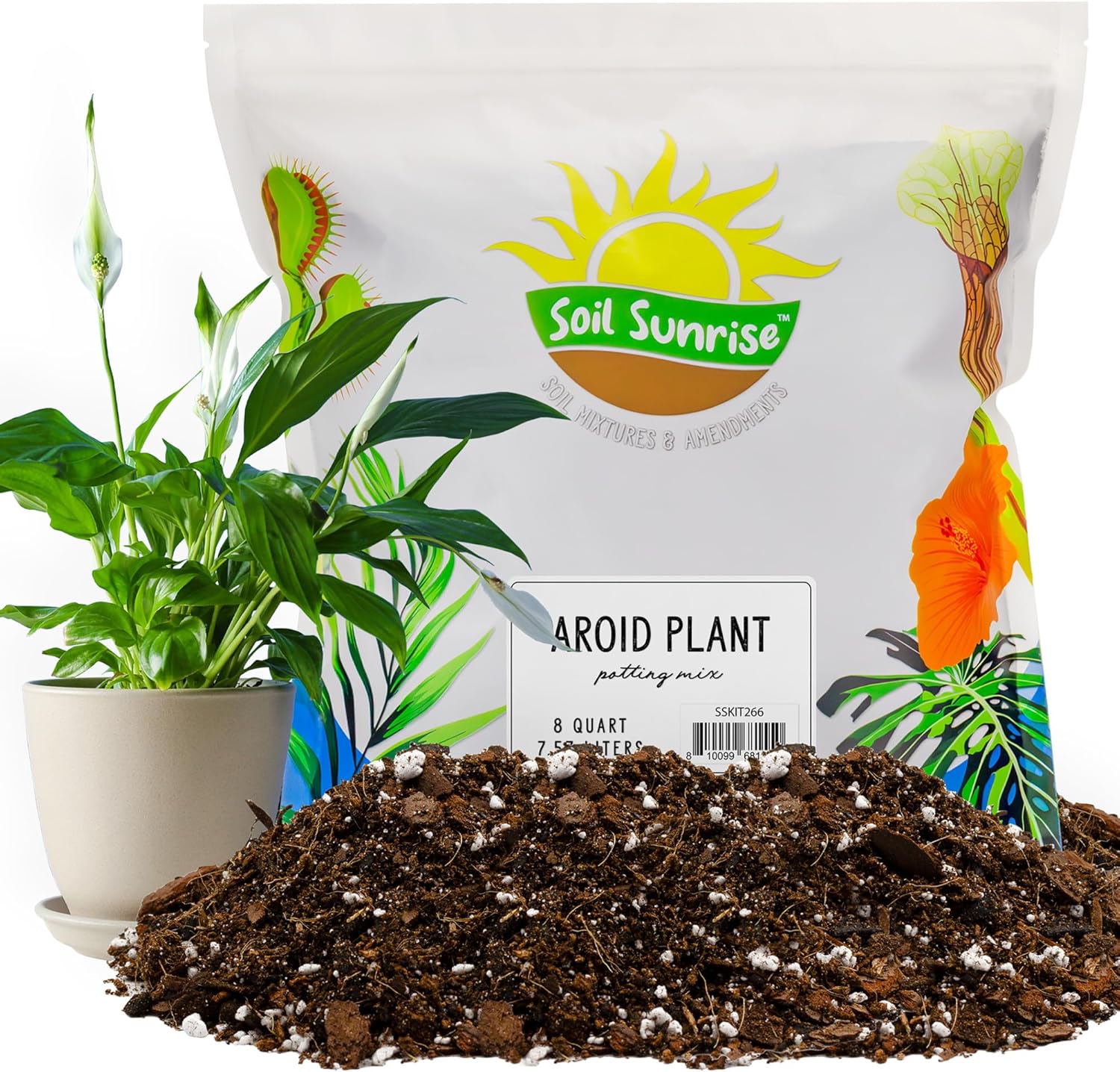
Soil Sunrise Aroid Potting Soil Mix (8 Quarts)
| Volume | 8 quarts |
|---|---|
| Ingredients | Coco coir, bark, perlite, worm casting, charcoal |
| Unit Count | 1 Count |
This 8-quart Soil Sunrise aroid mix is designed specifically for jungle-type houseplants like golden pothos and other Araceae. The blend of coco coir, pine bark, perlite, worm castings, and horticultural charcoal creates a light, chunky texture that promotes fast drainage while holding enough moisture for steady root growth. In practice it is useful for repotting store plants into a more breathable medium or refreshing the top layer of older pots. Notable features include organic amendments for nutrition, perlite and bark for aeration to reduce root rot risk, and charcoal to help with moisture regulation and odor control. The bag states it will fill a large 12-inch planter, so a single pack suits one or two typical pothos repots. Limitations are the small volume for multi-plant households and the absence of added slow-release fertilizer, so you will need to plan feedings after repotting for vigorous growth.
Best for: Balanced houseplant owners who want a ready-made, all-natural mix that mimics jungle soils for healthy pothos root development and easier repotting.
Less Ideal for: People who need large quantities for many plants or who want a potting mix with built-in slow-release fertilizer.
- Aroid-specific blend with coco coir, pine bark, perlite and charcoal for matching pothos root needs
- Includes worm castings to provide natural, gentle nutrients
- Light, chunky texture improves aeration and reduces chance of root rot
- Suitable for both young and mature plants and fits a 12-inch pot
- 8-quart bag is modest volume if you need to repot many plants
- No added fertilizer means you must supplement nutrients after repotting
Verdict: A purpose-made, all-natural aroid mix that gives golden pothos the drainage and airy texture they need for healthier roots and easier repotting.
Rosy Soil Organic Houseplant Potting Mix, Peat-Free, 4 Quart

| Unit Count | 128 Ounce |
|---|---|
| Style Name | Houseplant |
| Ingredients | Biochar, Bark Fines, Compost, Worm Castings, Mycorrhizae |
| Volume | 4 quarts |
Rosy Soil Houseplant Potting Mix is an organic, peat-free potting medium designed to boost root health and keep containers well drained. It combines biochar, worm castings, mycorrhizal fungi and compost in a chunky texture that resists compaction, so pots stay aerated and water moves through instead of pooling. You would use this as a straight potting mix for tropical houseplants or blend it into existing soil when repotting; the manufacturer says 4 quarts fills two to three medium pots. The inclusion of mycorrhizae and beneficial microbes supports stronger root establishment and better nutrient uptake, which is useful if you are prioritizing vigorous growth. Practical benefits include reduced need for frequent repotting because biochar holds structure, and improved foliage health from the added micronutrients in worm castings. Limitations are the small bag size for larger shrubs or multiple jasmines and the need to monitor water for plants that prefer very dry conditions, since organic components still retain some moisture. Always wear gloves when handling and follow safety guidance to avoid inhaling dust.
Best for: A grower focused on maximizing root performance and steady vegetative growth who wants a ready-to-use, organic peat-free mix for container-grown tropicals and flowering houseplants.
Less Ideal for: Not the best choice for someone planting large outdoor jasmine beds or managing many plants on a tight budget who needs bulk soil; also avoid if you need an ultra-sandy, cactus-specific mix.
- Peat-free organic formula with biochar and worm castings for lasting structure and micronutrients
- Contains mycorrhizal fungi and beneficial microbes to improve root colonization and nutrient uptake
- Chunky, well-draining texture reduces compaction and helps prevent root rot
- Resealable bag and stable biochar mean mix stays usable longer between repots
- Small 4 quart volume may be insufficient for multiple plants or large pots
- Not formulated specifically for very dry-loving plants so some adjustment to watering may be needed
Verdict: Choose this mix if you want an organic, peat-free potting soil that promotes stronger roots and reliable drainage for container-grown jasmine and other tropical houseplants.
Perfect Plants Organic Pothos Soil, 8 qt Coco Coir Potting Mix

| Brand Name | PERFECT PLANTS |
|---|---|
| Item Type Name | Pothos Soil |
| Volume | 8 quarts |
| Item Highlight | Pine bark, perlite and sand blend drains fast to protect roots, holds nutrients, resealable |
Perfect Plants Organic Pothos Soil is a prepared coco coir potting mix designed specifically for pothos and other indoor vines. The blend of composted pine bark, coconut coir, perlite, sand, and lime creates a fast-draining but moisture-retentive medium that helps prevent root rot while keeping water available between feedings. It comes bagged in a resealable 8 quart pouch that is convenient for repotting single plants or topping up containers. In practice this mix promotes quicker root spread because it is lightweight and airy, and the mineral components improve structure so soil does not compact quickly. Because the formula is organic and contains no added synthetic fertilizers, you will want to plan a regular liquid or slow-release feeding schedule for sustained foliage vigor. The bagged product is made in the USA and labeled with safety guidance to avoid inhalation of dust when handling.
Best for: Buyers who want a dependable, ready-made soil that reduces overwatering risk and supports steady pothos growth with minimal mixing or amendment.
Less Ideal for: Growers who prefer an all-in-one fertilized potting mix or who need large volumes for many plants should consider other options.
- Formulated for pothos with a mix of pine bark, coir, perlite and sand for reliable drainage and aeration
- Lightweight texture that encourages fast root growth and easier repotting
- Resealable bag keeps unused mix clean and dry between uses
- Made from all-natural ingredients and prepared in the USA
- No added nutrients so routine fertilization is required for long-term plant health
- Volume is relatively small per bag, so multiple bags may be needed for several plants
Verdict: A practical, plant-focused coco coir mix that reliably prevents waterlogging and speeds root development for healthy pothos growth.
Kapecute Pothos Soil Mix, 2 Quart (Sphagnum Moss + Perlite)

| Brand Name | Kapecute |
|---|---|
| Item Type Name | potting soil |
| Volume | 2 quarts |
| Material | Sphagnum moss and perlite |
This Kapecute pothos mix is a simple, no‑frills two‑quart kit composed of compressed sphagnum moss flakes and a separate perlite packet so you can rehydrate and blend a potting medium tailored to pothos. Use it by soaking the compressed moss for a few minutes until it expands, squeezing excess water, then folding in the perlite for improved drainage and aeration. The product is packaged in small, individually wrapped portions that keep the lightweight moss clean and make it easy to measure for one or two repots. Benefits include strong water retention from the sphagnum and better root oxygenation from the perlite, which together support healthy root development for plants that like consistent moisture with fast drainage. Expect modest yields from the compressed package and some manual mixing and squeezing to get the right moisture level. This is not a ready‑to‑use bagged potting soil so buyers should be comfortable with a little prep work and topping up nutrients later since the mix contains no added fertilizer.
Best for: Buyers looking for an inexpensive, basic soilless mix they can prep themselves for pothos repots and cuttings; ideal for people who prefer to control moisture and drainage by mixing their own medium.
Less Ideal for: Gardeners who want a ready‑to‑use, nutrient‑rich potting soil or those who prefer bulk quantities for many plants should consider other options.
- Sphagnum moss holds moisture well, helping maintain consistent humidity around roots
- Perlite improves drainage and aeration when mixed in, reducing risk of root rot
- Individually packaged components stay clean and let you control mix ratio
- All natural composition with no added chemicals or fillers
- Compressed package yields a relatively small volume after rehydration, so multiple packs may be needed for several plants
- No added nutrients so fertilization is required after repotting
Verdict: A budget-friendly, mix-it-yourself sphagnum moss and perlite kit that gives pothos growers control over moisture and drainage.
FoxFarm Happy Frog Potting Soil, Container Garden, 2 cu ft (with 2 Plant Tags)

| Brand | FoxFarm |
|---|---|
| Style Name | Container Garden |
| Unit Count | 600 Ounce |
| Volume | 2 cubic feet |
FoxFarm Happy Frog Potting Soil is a premixed container blend made to nourish potted plants without additional amendments. It comes ready to use and is formulated with beneficial microbes and mycorrhizal fungi alongside organic inputs such as earthworm castings, bat guano, and aged forest humus to support root development and nutrient uptake. For growing hot peppers in containers this mix offers a nutrient-rich, well-amended medium that encourages strong vegetative growth and flowering when paired with proper watering and feeding. The included plant tags make keeping track of varieties and planting dates convenient. Practical limits to note are that this is a potting soil designed for containers rather than field beds, so peppers in ground or very large planters may still need different soil or additional bulk amendments. Also, while the mix is nutrient-dense at planting, active growers should plan a feeding schedule because high-demand fruiting crops benefit from supplemental fertilizer over the season.
Best for: Growers who want a dependable, ready-made potting medium for container-grown hot peppers and prefer a product that supports root health out of the bag.
Less Ideal for: Gardeners planting directly in raised beds or open ground who need large volumes of soil or want to custom-blend base soil at scale.
- Pre-amended with earthworm castings, bat guano, and aged forest products for immediate nutrient availability
- Contains beneficial microbes and mycorrhizal fungi to improve root health and nutrient uptake
- Ready to use straight from the bag for quick potting and repotting
- Includes plant tags to track varieties and planting dates
- Formulated specifically for containers so may not be ideal for in-ground garden beds
- Nutrient levels diminish over time for heavy-feeding crops and require supplemental fertilization
Verdict: A reliable, microbe-rich potting mix that simplifies container pepper growing by delivering immediate nutrients and strong root support.
Miracle-Gro Indoor Potting Mix for All Plants, 6 qt., 2-Pack

| Number of Packs | 2 |
|---|---|
| Unit Count | 400.58 Ounce |
| Item Highlight | Feeds for up to 6 Months |
| Ingredients | Sphagnum Peat Moss, Coir, Perlite, Fertilizer, Wetting Agent |
This Miracle-Gro indoor potting mix is formulated as an all-purpose soil for indoor container plants and is sold in a two-pack of 6‑quart bags. It combines sphagnum peat moss, coconut coir, and perlite to create a lightweight, well-draining mix that holds moisture yet releases it to roots, which helps tropical houseplants like a Dragon Tree avoid waterlogged roots. The bagged mix includes a slow-release fertilizer meant to feed plants for up to six months so you do not need to amend immediately after potting. Notably the formula excludes bark and compost, which can reduce habitats for fungus gnats — useful when repotting indoor specimens. Use is straightforward: fill a pot with drainage, set the plant, backfill with mix, and water. Limitations are that the fertilizer schedule is fixed to the included feed and heavy feeders may need additional fertilizing after several months, and serious growers who want a custom cactus or orchid-style mix will find the texture too fine. For routine repotting of Dragon Trees and similar tropical houseplants this mix is convenient and consistent.
Best for: Buyers who want a reliable, low-effort potting mix for repotting tropical houseplants like Dragon Trees and prefer a product with built-in feeding and pest-reduction features.
Less Ideal for: Specialist growers who need custom texture blends for succulents, orchids, or aggressive feeders should choose purpose-formulated mixes or amend this product accordingly.
- Balanced blend of peat moss, coir, and perlite for good moisture retention and drainage
- Includes slow-release fertilizer that feeds up to six months for low-maintenance care
- Bark- and compost-free formula reduces places for fungus gnats to breed
- Ready-to-use bag makes repotting quick with no mixing required
- Fertilizer is fixed for about six months so additional feeding may be necessary for heavy feeders
- Texture may be too fine for plants that prefer very fast-draining or chunky mixes
Verdict: A convenient, low-maintenance indoor potting mix that keeps Dragon Trees healthy with good drainage and up to six months of built-in feeding.
Back to the Roots Organic Indoor Potting Mix, 6 Quart

| Unit Count | 192 Fluid Ounces |
|---|---|
| Item Type Name | Indoor Potting Mix 6qt |
| Item Highlight | Peat-free, 100% organic, made in the USA |
| Ingredients | Coconut Coir, Yucca, Mycorrhizae, Perlite, Horticultural Sand |
This Back to the Roots indoor potting mix is a ready-to-use, 6-quart blend designed for common houseplants such as pothos, monstera and ferns. It combines coconut coir, yucca extract, mycorrhizae, perlite and horticultural sand to improve moisture retention, drainage and root development without peat. In practice it feels light and friable, so it is easy to pot seedlings or repot mature plants and it reduces compaction that can suffocate roots. The added mycorrhizae helps young roots establish and take up nutrients more efficiently while yucca extract helps the mix hold water between waterings, which is convenient for forgetful or busy plant owners. Because it is peat-free and made in the USA, it is a more sustainable choice versus traditional peat-based mixes. Limitations are the small 6-quart size, which means frequent repurchasing for larger collections, and the bag does not include fertilizer so you will need to feed plants separately as they grow.
Best for: Buyers who prioritize low-risk, easy-care houseplant solutions and want an organic, ready-to-use potting mix that reduces watering hassles and supports healthy root growth.
Less Ideal for: Not ideal for gardeners who need large-volume soil for many pots or for those expecting a mix that includes built-in fertilizer for long-term feeding.
- Peat-free organic formula that reduces environmental impact
- Yucca extract improves moisture retention between waterings
- Contains mycorrhizae to support root development and nutrient uptake
- Light, well-draining texture suitable for repotting seedlings and houseplants
- Small 6-quart volume may require frequent repurchasing for larger plant collections
- Does not include fertilizer so additional feeding is necessary
Verdict: A compact, peat-free potting mix that simplifies indoor plant care by holding moisture and boosting root establishment.
Choosing the Right Soil for Golden Pothos: Key Factors to Consider
Drainage Versus Water Holding
Golden Pothos prefers a potting medium that sheds excess water quickly while still holding enough moisture for roots between waterings. In practice that means mixes with chunky components such as perlite or bark that create macropores for rapid percolation. If drainage is poor, roots sit in water and risk rot; if drainage is too fast without any moisture-holding elements, the plant will need very frequent watering.
When choosing soil, look for a balance appropriate to your watering schedule. For gardeners who water infrequently, prioritize more moisture-holding elements. For those who water often or keep pots in low light, prioritize faster drainage to avoid soggy conditions.
Particle Size and Root Aeration
The size and mix of particles determine how well air moves through the root zone and how easy it is for roots to expand. Small, compacting particles like fines or decomposed compost can choke air spaces; larger pieces such as coarse perlite, pine bark, or pumice maintain structure and allow oxygen to reach roots. Aerated soils help prevent common indoor problems like slow growth and root suffocation.
Consider the container size and rootball when thinking about particle size. Smaller pots benefit from finer, yet still chunky mixes, while larger containers can handle a slightly coarser blend that improves long-term drainage and stability.
Organic Matter and Nutrient Release
Organic components supply nutrients and help retain moisture, but they also break down over time. Materials like coco coir, peat, and well-aged compost contribute to steady nutrient release and better water-holding capacity. However, high proportions of fine organic matter can compact and reduce aeration as they decompose.
Look for mixes that include stable organic material paired with inert structural components. That combination supplies nutrients without sacrificing structure and makes repotting cycles and top-dressing more predictable.
pH and Mineral Balance
Pothos tolerates a range of pH levels, but extreme acidity or alkalinity can limit nutrient uptake. Typical indoor potting mixes should sit in a mildly acidic to neutral range. Mineral additives such as dolomite or lime can adjust pH but may not be necessary for all homes. Hard water and the type of fertilizer used also influence long-term mineral balance in the potting medium.
If you notice leaf yellowing or slow growth despite correct watering, test the root zone pH and nutrient levels. Choosing a neutral, ready-to-use mix reduces the need for frequent pH adjustments.
Rewetting Behavior and Longevity
Some potting mixes become hydrophobic after drying and are difficult to rewet, which can stress pothos roots. A good mix should absorb water reliably after a dry-down without leaving pockets of air or unhydrated material. Stability over months is also important; mixes that collapse into fines force more frequent repotting and root disturbance.
Assess how the mix behaves after a complete drying cycle and whether it maintains a consistent structure through repeated wet-dry cycles. This factor affects maintenance time and how often you need to refresh the soil.
Pest and Disease Resistance
Well-draining, balanced soils reduce the risk of soil-borne pathogens and fungus gnats by avoiding persistent dampness that these pests favor. Sterile, bagged mixes or those with heat-treated components often carry fewer hitchhiking pests. Organic amendments can sometimes introduce organisms, so source materials carefully.
Consider mixes that are labeled as pasteurized or packaged specifically for indoor plants if pest pressure has been a problem in your home. Good hygiene and proper watering complement soil choices in preventing infestations.
Understanding Pothos Watering Needs
Golden Pothos has flexible watering needs but reacts quickly to extremes. In brighter light it will use water faster and tolerate a slightly drier upper soil layer between waterings. In low light it consumes less moisture and benefits from a freer-draining mix to prevent root rot.
Adjust your soil choice to match both light and watering habits. For casual plant parents who prefer a forgiving medium, choose a blend that holds moderate moisture while leaving room for oxygen. If you frequently forget water, favor mixes with higher water-holding capacity paired with drainage components to avoid prolonged saturation.
- Bright conditions: slightly more drainage to support faster water use
- Low light: moderate drainage to avoid persistent wetness
- Inconsistent watering: choose mixes that rewet easily after drying
How to Amend Existing Potting Mix
You can improve an existing potting mix by adding coarse perlite, pumice, or orchid bark to increase aeration and drainage. For increased water retention, blend in small amounts of coco coir or well-aged compost. Make adjustments gradually and repot into a fresh mix if the current soil is heavily compacted or degraded.
When amending, avoid adding too much of one component. For example, excess compost can make a mix heavy and reduce air spaces, while too much perlite can dry out the root ball between waterings. Aim for balance based on the plant's environment.
- Add perlite or pumice for more drainage
- Blend in coco coir for extra moisture retention
- Refresh severely compacted soil rather than attempting minor fixes
Pot Selection and Its Interaction With Soil
The container affects soil performance. Terracotta wicks moisture through its walls and can increase drying speed, which pairs well with mixes that hold more moisture. Plastic pots retain moisture longer, so they work better with faster-draining blends. Always use pots with drainage holes to avoid water build-up at the base.
Size matters too. An oversized pot with too much soil relative to the root mass can create a large wet zone that stays saturated longer. Choose a pot sized to the plant's rootball and adjust soil composition if you move to a materially different container type.
- Terracotta pots dry faster, pair with higher moisture retention mixes
- Plastic pots retain moisture, pair with quicker-draining soils
- Match pot size to rootball to limit excess wet soil
Repotting Frequency and Soil Refresh
Pothos generally benefits from repotting every 12 to 24 months depending on growth rate and soil condition. When the mix breaks down or compacts, roots can become crowded and aeration suffers. Refreshing soil during repotting gives you a chance to reset nutrient levels and structure.
Check roots before repotting. Healthy white roots that have begun circling indicate it is time. Refresh with a balanced, chunky potting mix designed for houseplants or modify existing soil using the amendments discussed earlier.
- Repot when soil is compacted or roots are rootbound
- Use repotting as an opportunity to improve soil structure
- Monitor growth and adjust repotting rhythm accordingly
Managing Common Soil Problems
If you see persistent sogginess, yellowing leaves, or soft stems, check for poor drainage and compacted soil. Improve aeration by top-dressing with chunky material or repotting into a more open mix. For soils that repel water after drying, soak the pot in a shallow tray to rehydrate evenly and consider replacing the mix.
Fungus gnats indicate overly damp surface conditions. Let the top inch dry, reduce surface moisture-retentive materials, and consider a light sand or fine grit top layer to discourage adult egg-laying. Good watering routines and proper soil choice reduce the need for more aggressive interventions.
- Soggy soil: improve drainage and check watering schedule
- Hydrophobic soil: rehydrate and plan for replacement
- Fungus gnats: allow surface drying and adjust top layer composition
How We Chose the Best Soil for Golden Pothos
We selected soils that match the moisture and aeration preferences of Golden Pothos and that perform reliably in typical indoor pot conditions. Our filters favored mixes with a balance of drainage and moisture retention, stable organic content that feeds plants without compacting, and particle sizes that keep roots aerated in containers. We checked ingredient transparency and common potting media components to prioritize mixes easy to refresh or amend at repotting. Longevity and rewetting behavior were considered so a mix will not break down into sludge over a single season. Excluded items were garden soils, unamended outdoor topsoil, and heavy clay-based media unsuited for container-grown tropical vines. We also excluded purely decorative topdressings that do not affect root zone conditions. The key evaluation dimensions we used were drainage rate, moisture-holding capacity, organic nutrient content, and root aeration. These criteria guided selections that suit a range of indoor light levels and typical home watering practices.
FAQ
Can I use standard indoor potting soil for Golden Pothos?
Often yes, but standard mixes vary widely. Choose a potting mix that contains chunky components for aeration or amend it with perlite or bark if it seems fine-textured and dense.
Is peat or coco coir better for pothos soil?
Both provide moisture retention. Coco coir is more sustainable and holds water without compacting as quickly as some peat-based mixes. Either works when combined with drainage elements to keep the root zone airy.
How can I tell if my soil is compacted and needs replacing?
Signs include slow drainage, frequent overwatering symptoms, or a hard soil surface. When you remove the plant, compacted soil will be dense around roots and lack visible air pockets. In that case, repot into a chunkier mix.
Should I use slow-release fertilizer in the potting mix?
Slow-release fertilizers can supply steady nutrients, but they do not compensate for poor soil structure. Use them in a well-draining, stable mix and follow package rates to avoid buildup that can harm roots.
How does pot size affect my soil choice for pothos?
Larger pots retain more moisture because of greater soil volume. If you move to a larger container, choose a slightly coarser mix or increase drainage components to prevent long-term saturation.
Final Verdict
Choose a soil that balances drainage and moisture retention and keeps the root zone aerated. Prioritize mixes with chunky structural components plus stable organic matter so your Golden Pothos gets steady nutrients without compacting. Match the mix to your pot type, light level, and watering rhythm to avoid common issues like sogginess or hydrophobic behavior. With the right balance, you can reduce repotting frequency and support vigorous, trailing growth.
