

Note: This article contains affiliate links. If you click on these links and make a purchase, I may earn a small commission at no extra cost to you. This helps support my research and content. Read my full affiliate disclosure here.
Window boxes are a quick way to add color and personality to a porch, balcony, or apartment facade, but not every flowering annual thrives in the shallow soil and microclimate those planters create. Choosing the right annuals for window boxes matters because container depth, sun exposure, and watering frequency all control how long plants will bloom and how much maintenance they require. This guide covers seven shortlisted annuals that perform well in window boxes and explains the practical traits that make them dependable. Below you will find short profiles of the top picks followed by guidance on planting, care, and pairing. We evaluated candidates on sun tolerance, bloom duration, water needs and growth habit to help you pick the best fit for your situation.
Top Picks at a Glance
| Best Overall The best all-around choice for most situations | Sprouticus Maximus Blue Cascading Lobelia (Sapphire) Seeds — 1000 Count |  |
| Best Quality Built to a higher standard if you want something more solid | Outsidepride Geranium Seeds (Mix) — 200 Count |  |
| Best Value The sweet spot between price and what you get | NatureZ Edge Zinnia Seed Mix, 5 Pack (5 g), Non-GMO |  |
| Best Budget The cheapest option that still gets the job done reliably | Carpet Creeping Zinnia elegans Seeds — 500 Count |  |
| Highest Rated A top-rated pick with lots of positive feedback | Wivolibe Sweet Alyssum Seeds (Carpet of Snow) — 10,000 Non‑GMO Heirloom Seeds |  |
| Most Popular A crowd favorite that many people choose with confidence | HOME GROWN Thumbelina Zinnia (3,000 Seeds) |  |
| Best Seller A high-volume bestseller chosen again and again | KVITER Nasturtium Heirloom Flower Seeds (75 Count) |  |
Sprouticus Maximus Blue Cascading Lobelia (Sapphire) Seeds — 1000 Count

| Unit Count | 1000 Count |
|---|---|
| Indoor Outdoor Usage | Outdoor |
| Sunlight Exposure | Full Sun to Partial Shade |
| Expected Blooming Period | Late Spring through Fall |
| Moisture Needs | High; requires consistently moist soil; do not let dry out |
These seeds produce a fast-growing, trailing lobelia prized for intense sapphire-blue, white-eyed flowers and bronze-tinged foliage. They are intended for outdoor use in hanging baskets, window boxes, and containers where the plants can spill 8 to 12 inches over edges to create a waterfall effect. The packet contains open-pollinated, GMO-free seeds that require light to germinate and consistently moist, well-draining soil; sow on the surface, press lightly for contact, and use fine misting or bottom-watering to keep the seedbed damp. Notable benefits include a long bloom period from late spring through fall, pollinator-friendly flowers, and natural resistance to deer. Important limitations are that the seeds are extremely small and can be washed away if handled roughly, and young seedlings need steady moisture and attention until established. Because these are untreated seeds, expect standard germination variability and follow the light-exposure germination instructions closely for best results in window boxes and small containers.
Best for: Buyers who want an easy-to-style, high-impact annual for window boxes and hanging containers and who are willing to follow careful seeding and watering steps for reliable results.
Less Ideal for: People who want low-maintenance, drought-tolerant plants or who prefer plug-grown transplants rather than starting very fine seeds from bare seed.
- Large 1000-seed count suited for filling multiple window boxes or replacing annuals
- Distinct trailing habit produces cascading blooms ideal for edges and hanging containers
- Long bloom window from late spring through fall for extended color
- Attracts pollinators while being deer and rabbit resistant
- GMO-free and open-pollinated seed stock
- Seeds are extremely small and require careful surface sowing and consistent moisture for reliable germination
- Requires frequent watering and moist soil which can be demanding in hot, dry conditions
Verdict: If you want a long-blooming, showy trailing annual for window boxes and are prepared to sow tiny seeds and keep them consistently moist, this 1000-seed pack delivers abundant sapphire-blue cascades.
Outsidepride Geranium Seeds (Mix) — 200 Count

| Unit Count | 200 Count |
|---|---|
| Expected Blooming Period | Summer to Winter |
| Sunlight Exposure | Full Sun |
| USDA Hardiness Zone | 3 |
| Moisture Needs | Moderate Watering |
These Outsidepride geranium seeds produce compact annual plants (about 12–14 inches) with continuous, colorful blooms suited to pots, borders, and window boxes. Start seeds indoors 8–10 weeks before the last frost and transplant after hardening off; seedlings typically sprout within a week under warm conditions. The mix is described as heat and drought tolerant and performs well in full sun and well-drained loam, so plants hold up through summer with moderate watering and routine deadheading for longer bloom. The 200-seed pack is useful if you want to fill multiple containers or outfit a long window box without buying repeat packs. Limitations: seeds require the usual indoor-start steps and some attention early on (consistent moisture and warm temps) to hit the high germination rates the brand advertises, and results will vary by local climate and care. These are annuals, so they provide season-long color but will need replanting next year if you want the same displays.
Best for: Gardeners who prioritize strong seasonal performance and want to create dense, reliable color in window boxes or multiple containers with one purchase.
Less Ideal for: Those seeking a no-start, plug-ready solution or a perennial plant that returns year after year.
- Large 200-seed count for filling multiple pots or a long window box
- Compact mature height ideal for window boxes and containers
- Described heat and drought tolerance for lower summer maintenance
- Fast germination when started indoors under recommended warmth
- Seeds require indoor starting and attentive early moisture control to achieve high germination rates
- As annuals they need replanting each year to maintain displays
Verdict: Buy this pack if you want a performance-focused, high-count geranium seed mix to produce compact, long-blooming window box displays all summer.
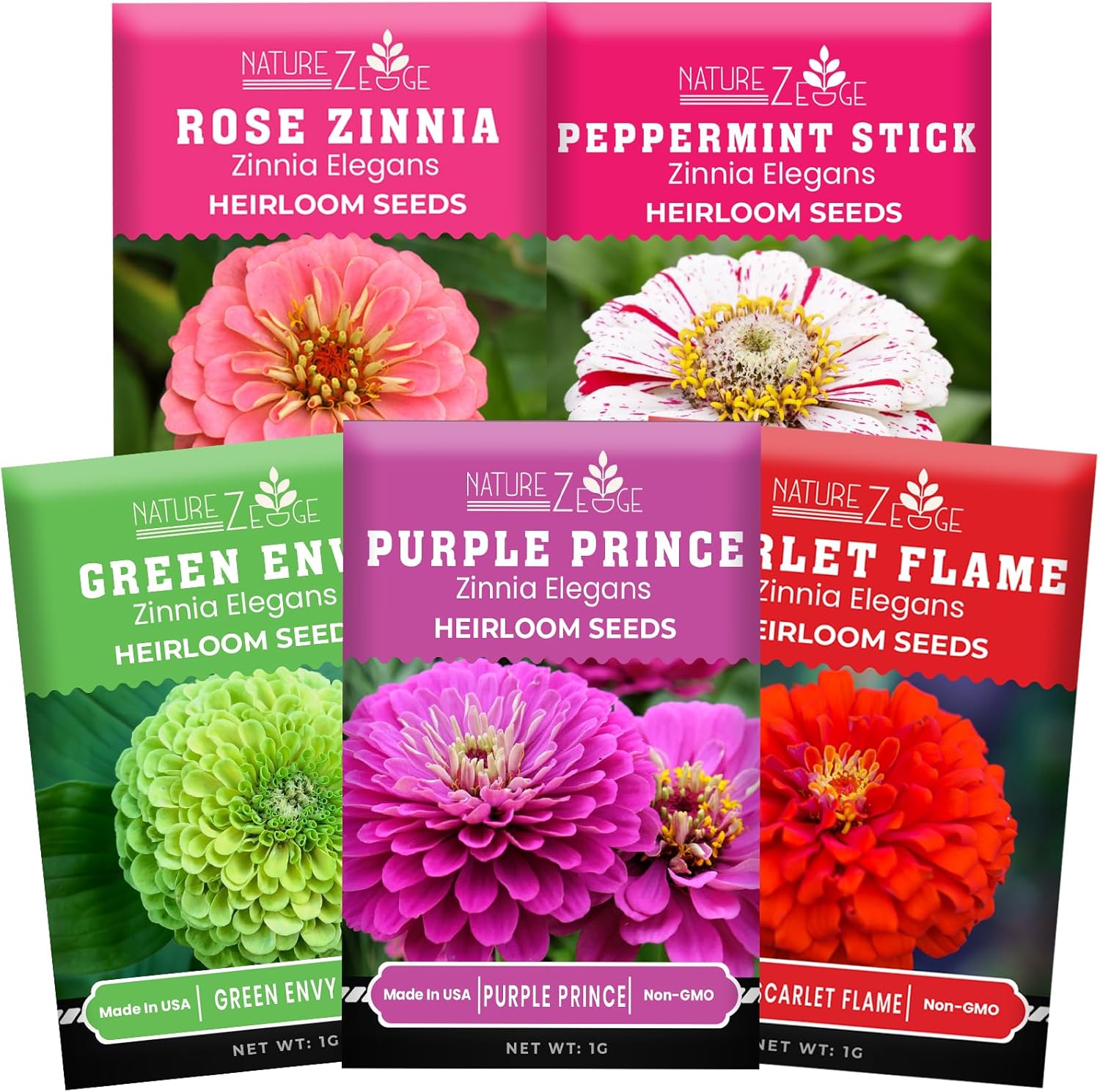
NatureZ Edge Zinnia Seed Mix, 5 Pack (5 g), Non-GMO
| Expected Blooming Period | Spring to Fall |
|---|---|
| Sunlight Exposure | Full Sun |
| Expected Planting Period | Spring |
| USDA Hardiness Zone | 2-11 |
| Moisture Needs | Regular Watering |
These NatureZ Edge zinnia seeds are a convenient, no-fuss option for adding long-lasting color to sunny pots and garden beds. The mix is non-GMO and sold in a multi-packet format that makes it easy to sow successive batches or distribute between containers. Zinnias prefer full sun and regular watering, and this mix is described as suitable for planting in spring with blooms through fall in USDA zones 2 to 11, so it will perform across a wide range of climates. For container use the practical benefits are clear: easy germination, quick flowering, and a variety of bloom colors useful for mixed planters or cutting for small arrangements. The seed quantity is aimed at hobby growers rather than commercial use, so expect to space plants for airflow and deadhead to prolong bloom. Limitations include the absence of variety-specific details such as plant height or flower size, so if you need dwarf or giant cultivars for a particular pot scale you may want a labeled variety instead.
Best for: Gardeners who prioritize straightforward, reliable color in sunny containers and want an easy-to-grow, multi-packet seed mix for staggered planting or multiple pots.
Less Ideal for: Growers who need named cultivars with guaranteed compact or giant growth habits for precisely scaled container designs.
- Non-GMO, open-pollinated seed mix suitable for natural gardening
- Designed for full sun with blooming from spring through fall for a long display
- Packaged in multiple small packets that are convenient for potting or staggered sowing
- Suitable across USDA zones 2 to 11, offering wide climatic compatibility
- No specifics on plant height or variety types included, which makes selecting for pot size less precise
- Seed count and germination percentage are not listed in the product details
Verdict: A practical, easy-to-sow zinnia mix that delivers season-long color in sunny pots for gardeners who value reliability and convenience.
Carpet Creeping Zinnia elegans Seeds — 500 Count

| Unit Count | 500 Count |
|---|---|
| Indoor Outdoor Usage | Indoor, Outdoor |
| Sunlight Exposure | Full Sun |
| Expected Blooming Period | Summer |
| Material Features | GMO Free |
This 500-seed pack of Zinnia elegans is aimed at gardeners who want lots of colorful, easy-care annuals for pots and borders. Zinnias thrive in full sun and well-drained soil and the packet’s heirloom, non-GMO seeds grow into heat- and drought-tolerant plants that bloom from summer until frost. They are promoted as a cut-and-come-again variety, so regular harvesting of stems encourages more blooms — a useful trait for creating frequent small bouquets from patio containers. The seeds are suitable for beginners since maintenance is straightforward: plant in spring, water regularly until established, deadhead or cut stems to prolong flowering, and expect pollinators to visit. Limitations are that success depends on proper sun and drainage and germination and performance can vary with local conditions; the seed packet does not include germination rate information or detailed planting depth instructions. For budget-minded container gardeners this pack supplies plenty of seed to fill multiple pots or replace plants through the season, but expect some thinning and succession planting for best displays.
Best for: Gardeners on a tight budget who want many plants for patio pots or window containers and prefer low-fuss annuals that bloom through summer.
Less Ideal for: Those who need guaranteed germination rates, precise planting instructions, or specific cultivar performance for professional displays.
- Large 500-seed count gives enough seed to fill several pots or repeat plantings
- Non-GMO heirloom variety with a wide range of bloom colors
- Suitable for full sun containers and marketed as drought tolerant once established
- Good cut-flower habit that responds to regular cutting and attracts pollinators
- No stated germination rate or detailed planting instructions on the listing
- Performance can vary by climate and soil since specific zone guidance is not provided
Verdict: A high-count packet of easy-care, pollinator-friendly zinnia seeds built to supply plenty of blooms for full-sun pots throughout the season.
Wivolibe Sweet Alyssum Seeds (Carpet of Snow) — 10,000 Non‑GMO Heirloom Seeds

| Expected Blooming Period | Summer to Fall |
|---|---|
| Sunlight Exposure | Full Sun |
| Indoor Outdoor Usage | Indoor, Outdoor |
| Other Special Features of the Product | High Germination Rate, Non-GMO |
| Number of Pieces | 10000 |
These Sweet Alyssum seeds are a straightforward choice for establishing a reliable, low-growing flowering groundcover. Sow the tiny, light-dependent seeds on the soil surface in spring and keep them moist; germination typically occurs in 5 to 15 days and plants bloom from summer into fall. The cultivar produces masses of small, honey-scented white flowers that form a carpet just a few inches high and spread to fill gaps between shrubs, along paths, or in containers and hanging baskets. Notable features are the very large seed count (10,000+), non-GMO heirloom seed stock, and stated tolerance for heat, drought once established, wind and salt exposure, which make it useful in exposed or coastal sites. Practical benefits include quick coverage, pollinator attraction, and the ability to naturalize without much fuss. Limitations are that seeds need light to germinate so they must not be buried, and plants are short-lived in frost so they perform as an annual in cooler climates or need reseeding for continuous coverage.
Best for: Buyers who want an easy-to-establish, fragrant flowering carpet that reliably fills borders, rock gardens, and containers with minimal ongoing care and can be reseeded as needed.
Less Ideal for: Gardeners seeking a permanent perennial groundcover or those who prefer plants that tolerate deep burial at sowing should consider different species.
- Very large seed count for covering broad areas or repeated sowings
- Non-GMO heirloom seed with a high germination rate as stated
- Sweet, honey-like fragrance that attracts beneficial pollinators
- Tolerant of heat, drought, wind and salt once established, suitable for coastal or exposed sites
- Requires light at sowing so seeds must be surface-sown and kept moist until germination
- Short-lived in frost-prone areas and will need reseeding or succession sowing for season-long cover
Verdict: A dependable, high-count packet of fragrant Sweet Alyssum ideal for quickly establishing a low, pollinator-friendly flowering carpet.
HOME GROWN Thumbelina Zinnia (3,000 Seeds)

| Indoor Outdoor Usage | Indoor, Outdoor |
|---|---|
| Expected Blooming Period | Summer to Fall |
| Sunlight Exposure | Full Sun |
| USDA Hardiness Zone | 2-11 |
| Material Features | GMO Free, Heirloom |
These Thumbelina zinnia seeds are a beginner-friendly way to fill window boxes and small containers with continuous, colorful blooms from summer through the first frost. Direct-sow after the last frost or start indoors; seeds germinate fast (4–10 days) at warm soil temperatures and the pack is selected for high germination so you get dense stands without excessive re-sowing. Plants stay compact and bushy, producing many 1–2 inch semi-double and double flowers in mixed colors that attract bees and butterflies while resisting deer. They perform best in full sun and average well-drained soil and become fairly drought tolerant once established, which reduces watering for sunny window boxes. Because these are open-pollinated, non-GMO heirloom seeds you can save seed from season favorites for next year. Note that they are annuals and need deadheading to maximize bloom duration, and like most zinnias they can develop mildew if foliage stays wet in humid conditions.
Best for: Gardeners who want a low-risk, high-yield flower for sunny window boxes and containers and value reliable germination and easy seasonal color that can be saved seed-to-seed.
Less Ideal for: Those looking for permanent plants or low-maintenance plantings that never require renewal across seasons should choose perennials instead.
- Huge seed count — enough to densely fill multiple window boxes or containers
- Heirloom, open-pollinated non-GMO seeds that allow you to save seed for future plantings
- Fast and reliable germination (4–10 days) with a reported high germination rate
- Compact Thumbelina habit produces continuous small blooms ideal for small spaces and edging
- Attracts pollinators and is deer resistant, supporting wildlife-friendly plantings
- Annuals that must be replanted each year
- Susceptible to foliar mildew if foliage remains wet in humid climates
Verdict: If you need dependable, compact annual color for window boxes that germinates quickly and lets you save seed, this Thumbelina zinnia pack delivers.
KVITER Nasturtium Heirloom Flower Seeds (75 Count)

| Unit Count | 75 Count |
|---|---|
| Sunlight Exposure | Full Sun |
| USDA Hardiness Zone | 3-9 |
| Expected Blooming Period | Summer to Fall |
| Material Features | GMO Free, Heirloom |
These KVITER nasturtium seeds are an easy-to-grow choice for planters and containers, especially when you want colorful trailing blooms with minimal fuss. The packet contains 75 heirloom, non-GMO seeds that germinate quickly in 10 to 14 days and are recommended for full sun and well-drained, sandy soils. Plants grow as trailing vines that work well on the edges of large planters or spilling from hanging baskets and will bloom from summer into fall. The included step-by-step growing guide helps beginners with planting depth and spacing, and the flowers are edible and attractive to pollinators which adds practical value for mixed planter displays. Limits to expect are typical for nasturtiums: they prefer moderate watering and can perform poorly in heavy, waterlogged soils, and they are annuals so you will need to replant each year. For cautious gardeners who favor reliable, low-maintenance annuals for planters, these seeds are a straightforward option.
Best for: Gardeners seeking a low-risk, easy annual for planters who want quick germination, trailing color, and pollinator-friendly blooms without complex care.
Less Ideal for: Those who need permanent perennial plantings or who have consistently heavy clay soils and cannot provide well-drained potting mix.
- Heirloom, non-GMO seeds that maintain true-to-type flowers
- Fast germination (10–14 days) for quick planter fills
- Trailing habit suitable for edges of planters, hanging baskets, and trellises
- Edible blooms that also attract pollinators
- Detailed growing guide included to aid beginners
- Annuals that must be replanted each year
- Prefers sandy, well-drained soil and can struggle in heavy or waterlogged soils
Verdict: A dependable, easy-to-grow pack of heirloom nasturtium seeds that fills planters with trailing, pollinator-friendly blooms with minimal effort.
Choosing the Right Annuals for Window Boxes: Key Factors to Consider
Light Exposure
Window boxes can face full sun, partial shade, or deep shade depending on orientation and nearby structures. Knowing the amount of direct sun the box receives each day helps you pick annuals that will actually bloom rather than sulk. Full-sun annuals need at least six hours of direct light and often tolerate hotter afternoon conditions, while shade-tolerant choices bloom with filtered light but may stretch if they receive too much direct afternoon sun.
Light exposure also affects watering and soil temperature. Sunning boxes warm up faster and dry out more quickly, which favors tougher, drought-tolerant annuals. Conversely, a north-facing or shaded box will keep soil cooler and moister, so choose plants that can handle lower light and slower evaporation.
Soil Depth and Root Space
Most window boxes have limited soil depth and volume, which constrains root development and nutrient availability. Choose annuals with shallower, fibrous root systems or compact root balls that perform well in shallower profiles. Deep-rooted, sprawling plants will become root-bound quickly, leading to early decline or the need for frequent repotting.
Soil depth also changes how often you fertilize and water. Shallow soil warms and dries faster, so light, frequent feedings of balanced fertilizer and a well-draining potting mix keep plants vigorous without waterlogging the roots.
Water Needs and Drought Resilience
Window boxes often sit exposed to wind and sun, both of which increase evaporation. Consider how tolerant a plant is of intermittent dryness versus consistently moist conditions. Drought-resilient annuals can survive short dry spells between waterings and reduce the risk of plant loss if you cannot water daily. Plants that require constant moisture may need drip irrigation or daily attention in hot weather.
Matching groupings by water needs is important when planting multiple species together. Mixing thirsty and drought-tolerant plants in the same box increases maintenance and can stress one or both types.
Growth Habit and Size Control
Window-box plantings often combine thriller, filler, and spiller roles: taller focal flowers in the back, mid-height bloomers across the middle, and trailing plants that cascade over the front. Select annuals whose mature height and spread fit the intended spot so you do not overwhelm the box or block a window. Compact varieties that flower freely without aggressive spreading are usually the best choice.
Some annuals can be easily pinched back or deadheaded to control size and encourage branching. Others may need more aggressive pruning or frequent division, which is impractical in a small container.
Bloom Timing and Continuity
The key benefit of window-box annuals is steady, visible color across the season. Choose plants with long bloom windows or those that rebloom after trimming to avoid gaps in color. Early-season bloomers and late-season bloomers can be combined to extend display length, but prioritize repeat-flowering types when you need consistent color from spring through frost.
Also consider how long individual flowers last on the plant and whether deadheading is required to maintain continuous bloom. Some showy annuals self-clean and keep flowering without fuss, while others need regular spent-flower removal to sustain production.
Pest and Disease Resilience
Plants in containers are more vulnerable to stress, which can make pest and disease pressure more noticeable. Choosing annuals with a reputation for resistance to common pests or fungal problems reduces maintenance and plant loss. Look for varieties that do not require routine chemical controls and that tolerate the occasional nuisance pest.
Good airflow around the plants, appropriate watering to avoid soggy crowns, and a clean planting routine all help reduce problems. Selecting disease-resistant annuals is especially important in humid climates where mildew and rot are more likely.
Designing a Balanced Window-Box Display
Think in layers when arranging annuals in a box: a taller focal plant at the back, one or two mid-height bloomers across the center, and trailing plants that soften the front edge. This approach creates depth and visibility from both the street and from inside the house.
Use repeating colors and textures to tie the composition together. Balance bold blooms with fine foliage to avoid a cluttered look. In very narrow boxes, prioritize compact forms and limit the number of different species to prevent competition for nutrients.
- Place taller, sturdier plants toward the back or center depending on mounting height.
- Choose at least one trailing plant to hide hardware and soften the box edge.
- Limit the palette to three to four varieties for a cohesive appearance.
Potting Mix and Fertility for Shallow Containers
A lightweight, well-draining potting mix keeps roots aerated and prevents waterlogging while holding enough moisture for short intervals between waterings. Avoid using garden soil which compacts and restricts root growth in shallow boxes.
Because nutrients leach faster in small volumes, use a slow-release fertilizer at planting and supplement with liquid feed every few weeks during peak bloom. Match feeding frequency to plant vigor and the information on the plant tag.
- Use a mix formulated for containers with added moisture-retaining components if you cannot water daily.
- Top-dress with compost or replace the top inch of soil each season to refresh nutrients.
Watering Strategies for Window Boxes
Watering frequency depends on exposure, box depth, and plant selection. In hot, sunny positions you may need to water daily; in shaded spots watering every few days may suffice. Water deeply until excess drains from the bottom, then allow the top inch to dry slightly for most annuals.
Consider using water-retention granules or a wick system if access is limited. Consistent moisture is better than frequent shallow wettings because it encourages stronger roots and reduces stress-related bloom drop.
- Check soil moisture with a finger or a moisture meter rather than relying on a schedule.
- Avoid overhead watering late in the day to limit fungal risks.
Seasonal Maintenance and Deadheading
Regular deadheading removes spent flowers and redirects energy into new blooms, extending the display life of many annuals. Pinching back leggy growth encourages branching and a fuller habit in most species.
Replace soil and renew plants annually for the best displays. Midseason refreshes, such as replacing one species with a fresh bedding plant, can revive a tired box without a full replant.
- Trim back overgrown plants to maintain balance and airflow.
- Remove yellowing foliage promptly to keep the planting tidy.
Matching Color and Bloom Rhythm
Plan for continuous color by mixing plants with overlapping bloom windows. Combine quick-starting annuals that fill in early with longer-blooming varieties that carry color deeper into the season.
Use color theory to create harmony: complementary contrasts for vibrant impact or analogous tones for a softer look. Remember that foliage color and texture contribute as much to the composition as flowers.
- Pair early and late bloomers to avoid gaps.
- Include foliage interest to maintain appeal after peak flowering.
How We Chose the Best Annuals for Window Boxes
We focused on traits that matter most for shallow, exposed containers. Evaluation prioritized sun and shade tolerance because window boxes sit in varied exposures; bloom span and repeat flowering since continuous color is the main goal; drought tolerance and water needs because frequent watering is common with shallow soil; compact growth habit and root behavior to avoid overcrowding in limited soil volume; and ease of maintenance, including deadheading and pest resilience for low-effort displays. Our shortlisting excluded plants that require deep root zones, extensive staking, or complex pruning routines unsuitable for small boxes. We also excluded slow-to-bloom perennials and biennials that do not produce reliable first-season color. The final list balances visual impact with predictable behavior in typical window-box conditions and aligns with the scoring metrics used in the product blocks.
FAQ
How deep should a window box be for most annuals?
Most annuals do well in boxes that are at least 6 to 8 inches deep; compact varieties can manage in shallower containers, but larger bloomers and plants with bigger root systems need more depth to avoid becoming root-bound.
Can I mix plants with different water needs in one box?
Mixing plants with different water requirements usually increases maintenance and stress. It is better to group plants with similar watering needs together to reduce overwatering or underwatering problems.
When should I deadhead window-box annuals?
Deadhead spent flowers as soon as they fade to encourage new blooms; some species self-clean and need little attention, while others will benefit from routine removal of spent blooms to keep flowering strong.
How often should I fertilize annuals in window boxes?
Use a slow-release fertilizer at planting and supplement with a balanced liquid feed every two to four weeks during the growing season, adjusting frequency based on plant vigor and the fertility of your potting mix.
What is the best way to overwinter window-box plants?
Most annuals are not cold-hardy and should be treated as seasonal displays; remove spent plants at the end of the season, refresh soil, and plan new plantings in spring. If you want year-round interest, use evergreen fillers or switch to bulbs and cold-hardy greens for winter.
Final Verdict
Pick window-box annuals by matching light, water, and root-space needs to the conditions of the box. Prioritize plants with compact habits, long bloom windows, and reasonable drought tolerance when access for daily watering is limited. Balance color and texture with a mix of heights and at least one trailing element to complete the look. The right choices will minimize maintenance while delivering steady color. Focus on the tradeoffs that matter for your situation and select plants that fit the box size and exposure for a reliable, attractive display.
