

Note: This article contains affiliate links. If you click on these links and make a purchase, I may earn a small commission at no extra cost to you. This helps support my research and content. Read my full affiliate disclosure here.
If you manage a pond, irrigation channel, or any small water feature, choosing the right aquatic herbicide determines how quickly invasive weeds clear and how safe the treatment is for desirable plants and animals. The wrong product can leave persistent mats of algae or damage non-target plants and aquatic life. This guide looks at seven shortlisted aquatic herbicides selected for gardeners and land stewards who need reliable control in shallow water, irrigation ditches, and backyard ponds. We evaluated each option for site suitability, control spectrum, and environmental safety to help you pick the best fit for your situation.
Top Picks at a Glance
| Best Overall The best all-around choice for most situations | Sonar A.S. Liquid Aquatic Herbicide, 8 oz |  |
| Best Quality Built to a higher standard if you want something more solid | Roundup Custom Aquatic and Terrestrial Herbicide, 2.5 Gal |  |
| Best Value The sweet spot between price and what you get | Crystal Blue Tsunami DQ Aquatic Herbicide, 1 Quart (37.3% Diquat Dibromide) |  |
| Best Budget The cheapest option that still gets the job done reliably | Hi-Yield Killzall Aquatic Herbicide, 32 oz |  |
| Highest Rated A top-rated pick with lots of positive feedback | Agrisel Aqua-Sel Aquatic Weed Killer, 320 fl oz |  |
| Most Popular A crowd favorite that many people choose with confidence | Airmax Shoreline Defense Emergent Weed Control Herbicide, 1 Quart | 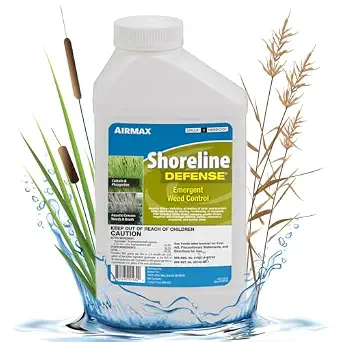 |
| Best Seller A high-volume bestseller chosen again and again | ALLIGARE Diquat Aquatic Herbicide, 1 Gallon |  |
Sonar A.S. Liquid Aquatic Herbicide, 8 oz

| EPA approval | Yes |
|---|---|
| Treats | 1/4 acre pond up to 6 ft deep |
| Application | Mix in 5 gal bucket and pour into pond |
| Bottle size | 8 oz |
Sonar A.S. is a concentrated systemic aquatic herbicide formulated to control floating, submerged, and emergent pond weeds such as duckweed, milfoil, hydrilla, and coontail. It is typically mixed in a 5 gallon bucket of water and poured into the pond, so no spray equipment or professional applicator is required for small properties. The formula works systemically, which helps prevent rapid oxygen loss that can occur when large weed masses die all at once. The product is EPA approved and labeled as safe for fish and wildlife when used according to directions, making it suitable for residential ponds, small farms, and water gardens. One 8 oz bottle treats about a quarter acre up to 6 feet deep, so it is convenient for DIY owners but may require careful dosing for ponds near that capacity. Limitations include state shipping restrictions and the need to follow label directions closely to protect nontarget plants and comply with local regulations.
Best for: Best for pond owners who want a straightforward, do-it-yourself solution to manage invasive aquatic weeds in small to mid-size ponds and water gardens.
Less Ideal for: Not a good fit for large lakes, commercial applicators, or users who need products deliverable in states where this formulation is restricted.
- Systemic action on floating, submerged, and emergent weeds for longer control
- Simple pour-and-treat application without spraying equipment
- EPA approved and labeled safe for fish and wildlife when used as directed
- Concentrated 8 oz bottle covers up to a 1/4 acre pond up to 6 feet deep
- Single bottle size may require multiple purchases for larger ponds or repeat treatments
- Restricted shipment to several states and Canada limits availability in some areas
Verdict: A compact, EPA‑approved liquid that gives DIY pond owners an easy, systemic treatment for common invasive aquatic weeds.
Roundup Custom Aquatic and Terrestrial Herbicide, 2.5 Gal

| Unit Count | 320 Fluid Ounces |
|---|---|
| Liquid Volume | 2.5 gallons |
| Item Form | Liquid |
| Active Ingredients | Glyphosate, Herbicide, surfactant |
| Coverage | More than 190 species of emerged weeds |
Roundup Custom is a 2.5 gallon concentrated liquid herbicide designed for large-area weed control in and around water as well as on land. It is used by diluting and applying with broadcast or spot equipment at application rates that vary by target (annual weeds, perennials, or woody brush). The formula lists glyphosate plus a surfactant and claims control of more than 190 species, making it suitable for pond edges, rights-of-way, turf and industrial sites where non-selective control is needed. Practical benefits include one-product versatility across aquatic and terrestrial settings, systemic action that kills roots rather than only top growth, and supply volume appropriate for multi-acre jobs. Important limitations are that it is non-selective so desirable plants will be killed on contact or through drift, it requires careful personal protective equipment and handling, and label rates differ by target so accurate measuring and equipment calibration are necessary for safe, effective results.
Best for: Buyers who need a powerful, versatile herbicide for large areas or mixed aquatic/terrestrial sites and prioritize reliable, systemic weed control over selective treatments.
Less Ideal for: Home gardeners with small beds, container plants, or anyone who needs selective weed control or prefers organic options should choose a different product.
- Effective systemic action controls a wide range of emerged weeds including grasses, broadleaf weeds, sedges and woody brush.
- Sized for commercial or large-property use with 2.5 gallons of concentrated liquid.
- Labeled for both aquatic and terrestrial use so one product covers pond margins, rights-of-way and industrial sites.
- Contains surfactant to improve herbicide uptake for more consistent results.
- Non-selective formulation will damage or kill desirable plants if contacted or if drift occurs.
- Requires strict PPE and adherence to label directions for safe mixing and application.
Verdict: Choose this concentrated 2.5 gallon Roundup for dependable, large-scale aquatic and terrestrial weed control when systemic, non-selective action is required.
Crystal Blue Tsunami DQ Aquatic Herbicide, 1 Quart (37.3% Diquat Dibromide)

| Unit Count | 32 Fluid Ounces |
|---|---|
| Active Ingredient Concentration | 37.3 Percent Diquat Dibromide |
| Item Form | Liquid |
| Coverage | 2-8 quarts per surface acre |
Tsunami DQ is a ready-to-mix liquid herbicide formulated for treating pond and lake weeds such as duckweed, pondweed, watermeal, and filamentous algae. You apply it by spraying directly over the target growth, treating sections of a waterbody rather than the whole surface to avoid rapid oxygen depletion. Its 37.3 percent diquat dibromide concentration and label guidance of 2 to 8 quarts per surface acre means it works quickly and is intended for visible, actively growing infestations when water temperatures are above about 60 F. The product is labeled as safe for use around fish and wildlife when used correctly, but careful application and adherence to safety instructions are essential to protect non-target plants and avoid spray drift. Practical benefits include fast knockdown of many aquatic weeds and a concentrated quart size that is easy to carry and mix for spot treatments. Limitations are that it is a contact herbicide so repeat or follow-up applications are often needed and sections of the pond must be treated sequentially to maintain oxygen levels and aquatic health.
Best for: Buyers who manage small to mid-size ponds and want a practical, fast-acting product to reduce visible aquatic weeds with targeted spot treatments and predictable application guidance.
Less Ideal for: Large lakes where broad broadcast treatment is needed or users unwilling to follow label safety steps and staged treatment practices should consider alternative approaches.
- High-concentration diquat formula for fast visible control of many aquatic weeds
- Ready-to-mix liquid that is straightforward to apply with a sprayer for targeted treatment
- Quart size is convenient for spot treatments and small to mid-size ponds
- Label advises safe use with fish and wildlife when directions are followed
- Contact herbicide action means it primarily kills what it contacts and may require repeat treatments
- Requires treating ponds in sections to avoid oxygen depletion and protect aquatic life
Verdict: Choose Tsunami DQ when you need a concentrated, fast-acting aquatic herbicide for targeted pond weed control and predictable spot treatments.
Hi-Yield Killzall Aquatic Herbicide, 32 oz

| Unit Count | 32 Ounce |
|---|---|
| Item Form | Liquid |
| Liquid Volume | 32 fluid ounces |
| Active Ingredients | Glyphosate, Herbicide |
Hi-Yield Killzall is a liquid glyphosate concentrate designed to control a wide range of broadleaf weeds, grasses, and some woody species in non-crop and aquatic settings. You mix the concentrate with water at the rates shown on the label and spray foliage thoroughly; the product is intended for use in areas like waterways, wildlife habitat restoration sites, and other non-crop locations. The 32-ounce bottle is concentrated enough to treat large areas—up to about one acre—when applied correctly, which makes it practical for pond edges, ditches, and other aquatic margins. Notable features include the glyphosate active ingredient and directions that emphasize site-appropriate mixing and application. Practical benefits are straightforward control of persistent weeds and the convenience of a concentrated liquid formulation that fits common sprayers. Important limitations are that it is for non-crop use only and must be mixed and applied precisely according to the label to avoid off-target damage; it also contains glyphosate, so users concerned about that chemistry or needing an immediate contact-only option should consider alternatives.
Best for: Buyers who need an affordable, concentrated aquatic-capable herbicide for managing weeds along ponds, ditches, and other non-crop areas and who prioritize effective, large-area coverage on a budget.
Less Ideal for: People managing edible crop sites, gardeners seeking organic or non-glyphosate options, or users who need a quick-contact only herbicide are better off choosing a different product.
- Concentrated 32 oz formula can treat up to about one acre when mixed as directed
- Formulated for use in non-crop and aquatic sites where targeted weed control is required
- Controls a wide spectrum of weeds including annual and perennial grasses and broadleaf species
- Contains glyphosate which some users avoid for environmental or personal reasons
- Label restricts use to non-crop sites so it is not for agricultural crop application
Verdict: A concentrated, budget-friendly glyphosate solution for effective, large-area weed control in non-crop and aquatic sites.
Agrisel Aqua-Sel Aquatic Weed Killer, 320 fl oz

| Item Form | Liquid |
|---|---|
| Coverage | broad-spectrum aquatic weeds |
| Liquid Volume | 320 fluid ounces |
Agrisel Aqua-Sel is a liquid aquatic herbicide designed to treat emerged weeds in ponds, lakes, and slow-moving waterways. It is mixed in a sprayer and applied at a low application rate, which makes it practical for treating large surface areas without frequent refills. The formula is described as broad-spectrum and systemic, so it targets multiple aquatic species and moves through plant tissue for effective knockdown. The product comes in a large 320 fluid ounce container suited to seasonal maintenance or larger projects and is labeled for EPA-approved aquatic use. Practical benefits include easy mix-and-spray application and lower per-acre cost because of the concentrated formulation. Important limitations are that a compatible sprayer is required and you must follow safety directions closely — keep people and pets away until treated surfaces have dried and avoid application during windy conditions to prevent drift. Users also need to confirm local regulations and label instructions before use in natural waterways.
Best for: Buyers who need a reliable, professional-grade solution for controlling emerged weeds across ponds or lakes and who prioritize a product with EPA approval and economical coverage.
Less Ideal for: Casual gardeners with only small ornamental water features or users who cannot follow regulatory or safety requirements would be better served by simpler, non-aquatic options.
- Concentrated liquid formula suitable for treating large aquatic areas with a low application rate
- Broad-spectrum systemic action targets multiple emerged aquatic weed species
- EPA-approved for various aquatic applications
- Large 320 fl oz container reduces need for frequent repurchasing
- Requires a separate sprayer and proper application equipment
- Safety restrictions limit access to treated areas until surfaces dry
Verdict: Choose Agrisel Aqua-Sel when you need an EPA-approved, concentrated liquid herbicide that reliably treats large aquatic weed infestations.
Airmax Shoreline Defense Emergent Weed Control Herbicide, 1 Quart

| Unit Count | 32 Fluid Ounces |
|---|---|
| Item Form | Liquid |
| Coverage | 10000 Square Feet |
| Item Highlight | Controls phragmites, pond grass & cattails |
| Active Ingredients | Herbicide |
Airmax Shoreline Defense is a concentrated glyphosate-based liquid designed for spot and area treatment of emergent shoreline weeds and grasses. You dilute it in a tank sprayer, apply to actively growing foliage and the active ingredient translocates to roots for longer-term control of cattails, phragmites and pond grasses. The product is rated for use in a variety of water bodies including ponds, lakes, ditches and estuaries and the label states no water use restrictions when applied according to directions. Practical benefits include broad-spectrum control of persistent emergent species and a coverage claim that supports treating large areas from a single quart when mixed correctly. Limitations are that it requires correct dilution, an appropriate surfactant for best uptake, and careful timing while weeds are actively growing; misapplication or wrong timing reduces effectiveness. This is a professional-strength option for shoreline management, so users should follow label safety and application guidance for aquatic environments.
Best for: Buyers who need a focused, professional-strength solution for reclaiming shorelines and managing persistent emergent aquatic weeds and who prioritize documented product performance.
Less Ideal for: Casual gardeners looking for a ready-to-use backyard weed spray or users unwilling to follow aquatic herbicide label instructions and safety steps.
- Formulated specifically for emergent shoreline weeds including cattails and phragmites
- Concentrated liquid that mixes in a sprayer for targeted foliar application
- Label indicates safe use in aquatic environments with no water use restrictions when applied as directed
- Claims broad coverage suitable for treating large shoreline areas from a single quart
- Requires correct dilution and a surfactant for best results
- Effectiveness depends on applying to actively growing weeds and may need repeat treatments
Verdict: Choose this concentrated aquatic herbicide when you need a proven, targeted product to control stubborn emergent shoreline weeds.
ALLIGARE Diquat Aquatic Herbicide, 1 Gallon

| Unit Count | 128 Fluid Ounces |
|---|---|
| Item Form | Liquid |
| Coverage | Various aquatic environments |
| Active Ingredients | Herbicide |
This 1 gallon ALLIGARE Diquat concentrate is built for quick knockdown of aquatic and landscape weeds such as hydrilla, duckweed, water hyacinth, and annual bluegrass. Mix the concentrate to label rates and apply with standard sprayers or permitted aquatic application equipment; the active ingredient works on contact with green tissue so you can see visible decline within hours in many species. Its formulation is glyphosate‑free and designed for use across water bodies and overgrown ground, which makes it useful for restoring clogged ponds or treating shoreline infestations while also handling some terrestrial sites. The product notes residue‑free replanting and a high active ingredient percentage, which supports follow‑up planting or site reclamation after treatment. Important limitations are that it is a non‑selective herbicide and requires careful handling, PPE, and adherence to aquatic use regulations; it is not a spot‑and‑forget solution and proper mixing and timing matter for safety and effectiveness.
Best for: Buyers who prioritize fast, reliable control of persistent aquatic weeds and want a proven, non‑glyphosate option for restoring ponds, drainage areas, or overgrown shoreline turf.
Less Ideal for: Homeowners seeking a selective lawn spot treatment or those unwilling to follow aquatic pesticide regulations and personal protective equipment requirements should consider other solutions.
- Fast, contact action delivers visible weed decline within hours
- Formulated for both aquatic and landscape use, useful on ponds, drains, and shorelines
- Glyphosate‑free alternative with a high active ingredient concentration
- Suitable for replanting after treatment according to label guidance
- Non‑selective so it will damage desirable aquatic or shoreline plants on contact
- Requires careful handling, mixing, and adherence to regulatory and safety instructions
Verdict: Choose this product when you need a fast, glyphosate‑free aquatic herbicide that delivers visible control of tough pond and shoreline weeds.
Choosing the Right Aquatic Herbicide: Key Factors to Consider
Control Spectrum
Different aquatic herbicides target different growth habits. Some are formulated for submerged weeds that grow entirely below the surface, others for floating mats, and a few for emergent plants rooted in shallow banks. Knowing which growth form dominates your site matters because a product that excels on floating duckweed may do little against dense beds of pondweed.
Match the herbicide to the plants you need to control rather than assuming a single product will manage everything. Mis-matching treatment to weed type leads to repeated applications and wasted effort.
Environmental Safety and Non-Target Impact
Aquatic treatments can affect fish, amphibians, beneficial invertebrates, and shoreline vegetation. Look for labels that specify toxicity to aquatic organisms, required buffer distances from fish habitats, and any post-application restrictions such as irrigation or livestock watering limits.
Consider persistence in water and sediment. Shorter residual activity reduces long-term exposure but may require repeat treatments. If you manage a pond with fish or downstream users, prioritize products with documented lower impacts and clear mitigation instructions.
Application Method and Equipment Needs
Some products are designed for spot treatment with a wicking tool or hand pump sprayer, while others allow broadcast spraying or granular broadcasting. Application method affects how uniformly the active ingredient contacts the target and how much drift or runoff risk exists.
Also consider whether specialized equipment is required for mixing or closed-transfer systems. For small-scale gardeners, simpler label directions and common sprayer compatibility make treatments easier and safer to apply.
Regulatory Label Restrictions
Aquatic herbicides often carry specific label restrictions: buffer zones, timing windows, maximum annual application rates, and prohibitions near drinking-water intakes. These legal requirements determine where and how you can treat and directly affect the planning of control work.
Always read the full label before purchase. A product that looks ideal for control may be unusable in your jurisdiction or on your specific water body due to label constraints.
Speed of Visible Control and Follow-up Needs
Some active ingredients produce rapid browning of weeds within days; others work slowly, reducing growth over weeks. Faster knockdown is helpful when mats interfere with recreation or irrigation, but rapid die-off can create a large amount of decaying biomass requiring removal to prevent oxygen depletion.
Plan for post-treatment tasks such as raking, skimming, or additional spot treatments. Faster-acting products may demand more immediate cleanup, while slower-acting options can allow gradual degradation with less sudden impact on water quality.
Site Characteristics and Water Chemistry
Depth, flow rate, and water chemistry influence herbicide performance. In shallow, slow-moving water, contact is easier and lower rates may suffice. In flowing channels, dilution and rapid movement can reduce effectiveness and require repeat or alternative approaches.
Hardness, pH, and organic matter levels in the water can alter activity for some chemistries. Assessing these site factors before choosing a product improves the likelihood of success and reduces the need for costly retreatments.
When to Treat and When to Wait
Treating at the right time increases effectiveness and reduces collateral problems. For many species, active growth in spring and early summer is the best window because plants translocate chemicals more effectively. Treating stressed or dormant plants often produces poor control.
Avoid treating when heavy rain is forecast or when water bodies are subject to strong flows that will carry the product off-site. Also consider seasonal oxygen levels. Rapid die-off during hot weather can reduce oxygen and harm fish, so plan removal of large biomass if you expect a quick knockdown.
- Priority treat actively growing beds in spring or early summer
- Avoid applications before heavy rain or in high-flow conditions
- Plan biomass removal after fast-acting treatments to protect oxygen levels
Application Safety and Personal Protective Equipment
Follow label PPE recommendations for mixing and application to protect yourself and helpers. Typical guidance includes waterproof gloves, eye protection, and long sleeves. When working around water, take extra care to avoid contamination of skin and clothing.
Mix and load in well-ventilated areas and use spill containment. Keep pets and children away from treated water for any period the label specifies, and have a plan for decontaminating tools and equipment after use.
- Wear waterproof gloves and eye protection during mixing and application
- Contain and clean up any spills immediately
- Rinse application equipment away from drains and natural waterways
Mechanical Control and Integrated Approaches
Herbicides are one tool in an integrated management plan. Mechanical removal, shading with floating plants, and improving water circulation can all reduce weed pressures and extend time between chemical treatments. For dense mats, raking or cutting before treatment can improve herbicide contact and reduce biomass for quicker rehabilitation.
Combine approaches based on site size and resource constraints. In small backyard ponds, manual removal paired with targeted spot treatment often yields durable results with minimal chemical use.
- Use mechanical removal for heavy infestations before chemical treatment
- Promote beneficial plants and circulation to suppress regrowth
- Integrate monitoring and spot treatments rather than repeated blanket applications
Managing Treated Biomass and Water Quality
Plan for how you will handle plant material that dies after treatment. Large amounts of decaying vegetation can lower dissolved oxygen and cause odors. Timely skimming and shoreline removal reduce these risks and speed recovery.
Monitor water clarity and oxygen levels if possible. In small systems, visible turbidity and reduced surface activity from fish can indicate oxygen stress. Removing floating debris and providing aeration helps maintain healthy conditions during recovery.
- Skim and remove large mats within days to weeks after effective treatment
- Use aeration if fish show signs of stress following major die-offs
- Compost or dispose of removed material per local regulations
Recordkeeping and Seasonal Planning
Keep clear records of dates, rates, locations treated, and observed outcomes. This history helps refine timing and dose the next season and documents compliance with label limits and local regulations.
Develop a multi-year plan that balances chemical control with habitat improvement. Seasonal notes let you identify recurring problem spots and decide when permanent changes, such as bank grading or flow adjustments, are needed to reduce herbicide reliance.
- Log application dates and observed effectiveness
- Note any non-target impacts or weather events near treatments
- Use records to plan reduced-chemical strategies over multiple seasons
How We Chose the Best Aquatic Herbicide
We narrowed choices by focusing on attributes gardeners and land managers care about when treating water-influenced sites. Primary evaluation criteria included control spectrum, meaning how well a product handles submerged, floating, and emergent species commonly found in ponds and ditches. We considered environmental safety profiles, including persistence, labeled restrictions for aquatic use, and known impacts on non-target plants and aquatic organisms. Application flexibility was assessed by looking for products labeled for multiple delivery methods such as broadcast, spot treatment, and shoreline spraying. Speed of control and visible knockdown time were noted to set expectations for follow-up work. Finally, we checked label limits on water use, required buffers, and site preparation steps to ensure practicality for small-scale gardeners. We excluded any products not explicitly labeled for aquatic use, those with prohibitive application restrictions for small ponds, and formulations intended only for ornamental container use. The final shortlist emphasizes options that balance effective control with manageable environmental risk and clear label guidance for typical garden, pond, and ditch settings.
FAQ
Can aquatic herbicides harm fish or amphibians?
Some formulations can be toxic if misused, so labels include guidance on fish exposure and timing. Risk depends on the active ingredient, application rate, and the amount of decaying biomass. Follow label restrictions and avoid treating sensitive waters without expert advice.
How long before I see results after treating weeds in a pond?
Visible effects vary by chemistry and plant type. Some weeds brown out within days, while others decline over several weeks. Expect slower response with dense or mature beds and plan follow-up inspections to determine if retreatment is needed.
Is it safe to use aquatic herbicides near drinking-water sources?
Many labels prohibit use near drinking-water intakes or specify minimum buffer distances. If your waterbody supplies potable water, consult label restrictions and local regulations before applying any product.
Do I need a license to apply aquatic herbicides?
License requirements vary by jurisdiction and by the site being treated. For small, homeowner-managed ponds, homeowner-use labels exist for some products, but larger or regulated waters often require licensed applicators. Check local rules before treatment.
How often will I need to retreat treated areas?
Retreatment frequency depends on weed species, site conditions, and whether you address contributing factors like nutrient loading. Some aggressive species require multiple applications per season, while integrated management can reduce frequency over time.
Can I mix mechanical and chemical controls safely?
Yes. Mechanical removal before chemical application can improve contact and reduce biomass. Avoid applying herbicides immediately after heavy mechanical disturbance that stirs up sediment, as this can reduce effectiveness and increase off-site movement.
Final Verdict
Choose an aquatic herbicide that matches the dominant weed growth habit and fits your site constraints. Prioritize products with clear label guidance for aquatic safety and practical application methods for the scale you manage. Balance the desire for rapid control with plans for managing dead biomass and protecting water quality. With sensible timing, PPE, and integrated maintenance, you can maintain healthy water features while minimizing environmental risk.
