

Note: This article contains affiliate links. If you click on these links and make a purchase, I may earn a small commission at no extra cost to you. This helps support my research and content. Read my full affiliate disclosure here.
Picking the right creative garden edging matters more than you might think. Proper edging creates crisp bed lines, slows grass invasion, and protects root zones from trampling, all while contributing to your landscape style. Whether you work with small raised beds, narrow borders, or sweeping perennial fronts, the right edging material and profile change how your garden looks and how much maintenance it needs. This guide covers our seven shortlisted creative garden edging options and explains the practical differences gardeners notice in the yard. We evaluated each choice for durability, how easy it is to install and maintain, and how well it performs in real garden conditions, so you can match an edging type to your site and routine.
Top Picks at a Glance
| Best Overall The best all-around choice for most situations | EasyFlex Decorative No‑Dig Adirondack Wood‑Look Landscape Edging Kit, 15 ft, White |  |
| Best Quality Built to a higher standard if you want something more solid | LAVEVE Corrugated Galvanized Steel Garden Edging, 12" x 20 ft |  |
| Best Value The sweet spot between price and what you get | MIXC 100 ft Garden Edging Border with 150 Stakes (2 in. Tall) |  |
| Best Budget The cheapest option that still gets the job done reliably | EXTRAEASY 2" Tall x 20' No-Dig Plastic Landscape Garden Edging with 20 Stakes |  |
| Highest Rated A top-rated pick with lots of positive feedback | gardmate Corrugated Metal Garden Edging (40 ft x 6 in) |  |
| Most Popular A crowd favorite that many people choose with confidence | Amazon Basics Flexible Landscape Edging Coil, 5 in x 40 ft with Stakes |  |
| Best Seller A high-volume bestseller chosen again and again | STIRLINGEAR 33 ft Cor-Ten Steel Landscape Edging (10-Pack) with Stakes |  |
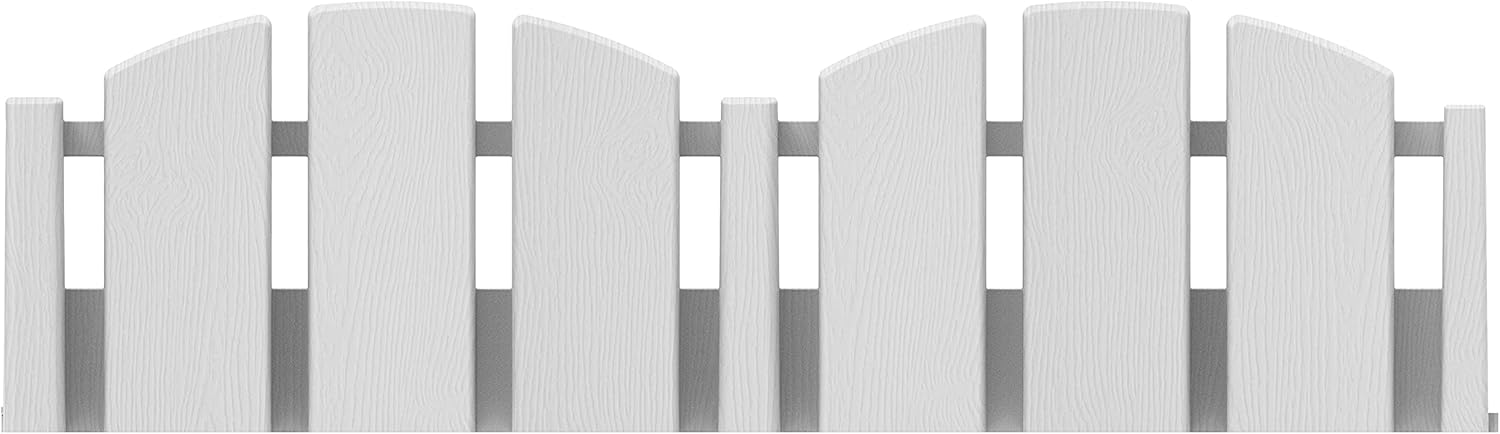
EasyFlex Decorative No‑Dig Adirondack Wood‑Look Landscape Edging Kit, 15 ft, White
| Material Type | Plastic |
|---|---|
| Included Components | Anchoring Spikes, Landscape Edging |
| Unit Count | 5.62 Square Feet |
| Item Type Name | No-Dig Landscape Edging |
| Manufacturer Warranty Description | 1-year manufacturer's warranty |
This EasyFlex kit supplies 12 interlocking 15-inch Adirondack-style edging pieces and 13 anchoring spikes to form about 15 feet of decorative, no-dig border. It installs by overlapping the connector tabs, arranging the flexible pieces to follow curves or straight lines, and driving the included spikes through the tabs with a mallet. The L-shaped no-dig design includes a shallow retaining lip so it holds back mulch or soil and can be placed over landscape fabric to help suppress weeds. Because the pieces are molded plastic made from recycled material they resist seasonal ground movement and are tolerant of string trimmer contact, making them low-maintenance once set. Limitations to expect are the modest 4.5-inch height, which is best for small beds and mulch retention but not for heavy soil containment, and the plastic material can look less like real wood up close. Sharp installation is required for a seamless look and the product relies on spikes rather than buried anchoring for long-term heavy-duty hold in very loose soil.
Best for: Gardeners who want an easy, low‑effort way to create neat decorative borders and tree rings without digging and prefer an installable solution backed by many user reviews.
Less Ideal for: Landscape projects that require tall, structural retaining edging or a natural wood or metal aesthetic for close-up display should consider heavier-duty alternatives.
- No-dig L-shaped design installs without trenching and protects roots
- Interlocking pieces and tabs make continuous, curved or straight borders simple to form
- Includes anchoring spikes so no separate hardware purchase is needed
- Built-in retaining lip holds back mulch and allows installation over landscape fabric
- Durable recycled plastic tolerates string trimmers and seasonal ground movement
- Only 4.5 inches tall so it is not suitable for high berms or large soil retention needs
- Plastic finish may look artificial up close compared with real wood or metal
Verdict: Choose this kit when you want an easy, no-dig decorative border that installs quickly and holds mulch in place for small beds and tree rings.
LAVEVE Corrugated Galvanized Steel Garden Edging, 12" x 20 ft

| Material Type | Metal |
|---|---|
| Item Highlight | Galvanized Steel Garden Border |
| Size option | 12" x 20FT |
This LAVEVE corrugated metal edging is built for gardeners who want a long-lasting, performance-oriented border. The galvanized steel construction and 3D corrugated profile give the strip rigidity while still allowing it to bend for curves, so you can shape clean beds, paths, and lawn edges without frequent replacement. Installation is typical for metal edging: dig a shallow trench, set the edging so roughly half the height is below grade, then backfill and tamp for a firm hold; a rubber mallet helps seat the strip without deforming it. Rolled U-shaped top and bottom hems reduce sharpness and make it safer around feet and pets. The weather-resistant coating and thicker steel reduce sagging and rust compared with thin aluminum options, although cutting and shaping metal takes more effort and may require snips and gloves. This is a straightforward choice when you want a low-profile, durable border that maintains its shape season after season, particularly for high-use beds and formal edging lines.
Best for: Ideal for gardeners prioritizing a durable, low-maintenance edge that holds up under frequent use and wet conditions and who want a professional-looking, long-lived border.
Less Ideal for: Not the best pick for hobbyists who need a lightweight, easily repositioned or highly decorative edging solution for small container beds or temporary displays.
- Galvanized steel construction offers strong, long-lasting durability compared with thin metals
- Corrugated roll-formed profile increases rigidity and resists sagging once installed
- Flexible enough to bend for curved borders while holding a straight line for formal edges
- U-shaped rolled hems on top and bottom reduce sharp edges for safer handling and use
- Requires cutting tools and some physical effort to shape and install compared with plastic edging
- Heavier material can be harder to maneuver for very intricate or small-scale decorative projects
Verdict: Choose this corrugated galvanized-steel edging when you need a strong, weather-resistant border that holds shape and lasts for years.
MIXC 100 ft Garden Edging Border with 150 Stakes (2 in. Tall)

| Material Type | Rubber |
|---|---|
| Number of Items | 151 |
| Unit Count | 151 Count |
| Model Number | GE-002 |
This MIXC garden edging kit is a flexible rubber strip sold as a 100-foot roll with 150 spiral stakes to anchor it. It is intended to create clean borders around flower beds, paths, tree rings, and lawn perimeters by bending to follow straight lines, curves, or circular beds and trimming to fit. The rubber material is weather resistant so it holds up to rain, snow, and sun and is soft enough to shape without special tools; stakes are plastic and spiral to grip softer or uneven soil. Installation is straightforward: uncoil, warm in sun for extra pliability if needed, position, and hammer in the stakes; watering hard ground first helps stake insertion. The high stake count gives confidence the edging will stay put against mowers and light disturbance. Limitations are that the edging is only 2 inches tall so it is best for shallow borders and the plastic stakes may be harder to install in compacted or rocky soils without pre-drilling or soil amendment.
Best for: Homeowners looking to quickly create tidy, low-profile front-garden borders who prioritize an easy DIY install and durable, weatherproof materials.
Less Ideal for: People who need taller edging to hold large volumes of mulch or who garden in very rocky, compacted ground where heavy-duty metal anchors are required.
- Long 100 ft length covers large front-garden perimeters without joins
- Flexible rubber bends for curves and can be trimmed to exact layouts
- Includes 150 spiral stakes for secure anchoring in soft or uneven soil
- Weather-resistant materials designed to tolerate rain, snow, and sun
- Only 2 inches tall so it will not contain deep mulch or block aggressive grass
- Plastic stakes may be difficult to drive in very compacted, rocky, or root-filled soil
Verdict: A long, flexible rubber edging kit with plenty of stakes that lets you create neat front-garden borders quickly without tools.
EXTRAEASY 2" Tall x 20' No-Dig Plastic Landscape Garden Edging with 20 Stakes

| Material Type | Plastic |
|---|---|
| Item Dimensions L x W | 240"L x 2"W |
| Number of Packs | 1 |
| Number of Items | 1 |
| Unit Count | 1 Count |
This EXTRAEASY garden edging kit supplies 20 feet of 2-inch tall flexible plastic edging and 20 stakes designed for fast, no-dig installation. Typical use is to unroll the edging, shape it around beds or paths, cut to length with scissors, and secure it with the included stakes to keep soil, mulch, and grass separated. The material is weather-resistant so it resists sun fading and winter brittleness and the flexibility makes it easy to form smooth curves or tighter corners without specialized tools. Practical benefits include a quick DIY installation that produces neat, professional-looking borders and the ability to trim and reposition pieces as design needs change. Limitations are the relatively low height if you need deeper containment for heavy mulch or large roots and that very compacted or rocky soil may require pre-drilled pilot holes for the stakes. For creative edging projects this kit is an affordable, low-effort way to define shapes and pathways, though heavy-duty or taller edging applications will need a sturdier solution.
Best for: Budget-minded gardeners who want an easy, low-effort way to define beds, paths, and creative shapes without tools or professional help.
Less Ideal for: Gardeners needing tall or heavy-duty edging to retain large amounts of soil or mulch, or those who require permanent metal or concrete borders.
- No-dig installation that can be cut and shaped with household scissors
- Flexible plastic that forms smooth curves and holds corners
- Includes 20 stakes for straightforward securing without extra purchases
- Weather-resistant material that resists fading and winter brittleness
- Only 2 inches tall so it offers limited vertical containment for deep mulch or heavy edging needs
- May require pilot holes or extra effort to stake in very hard or rocky soil
Verdict: A low-cost, easy-to-install flexible edging kit that quickly creates clean, creative borders for lawns and flower beds.
gardmate Corrugated Metal Garden Edging (40 ft x 6 in)

| Material Type | Metal |
|---|---|
| Number of Packs | 1 |
| Product Style | Modern |
This corrugated metal garden edging is a durable, low-profile border intended to define flower beds, pathways, tree rings, and small landscape areas. Made from metal with a corrugated profile and rolled hemmed edges, it resists impact from lawn equipment and weather better than plastic or wood and keeps mulch and grass from migrating into planting areas. Installation is straightforward: in soft soil you can moisten and tap it in with a rubber mallet, or cut a shallow trench and backfill in firmer ground. The product is flexible enough to form gentle curves yet stiff enough to hold straight lines once set. Practical benefits include long-term stability, a clean modern look, and reduced edging maintenance. Limitations are that it requires some physical effort to install in compacted soil and may need basic tools to make clean cuts to shape corners; it also has a visible industrial look that may not suit very formal or ornate garden styles.
Best for: Gardeners who want a durable, long-lasting border that keeps flower beds tidy without frequent replacement and who are willing to do a bit of DIY installation.
Less Ideal for: Those seeking a decorative, highly ornate edging or anyone who needs a completely tool-free, temporary solution.
- Corrugated metal construction offers superior durability compared with plastic or wood
- Rolled hemmed edges reduce the risk of cuts for family and pets
- Flexible enough to form curves but stiff enough to hold straight lines
- Acts as an effective barrier to keep mulch, soil, and grass in place
- Requires physical effort or a shallow trench for installation in compacted or rocky soil
- Industrial silver finish may not match very formal garden aesthetics
Verdict: A sturdy, low-maintenance metal edging that delivers a durable, tidy border for flower beds and lawns at a budget-friendly level of effort.
Amazon Basics Flexible Landscape Edging Coil, 5 in x 40 ft with Stakes

| Item Type Name | Edging Coil |
|---|---|
| Unit Count | 1 Count |
| Material Type | All-new material |
| Item Weight | 8.9 pounds |
This flexible landscape edging coil is designed to create tidy borders around lawns, flower beds, pathways and raised beds. The 5-inch-high coil ships as a 40-foot length and is flexible enough to form gentle curves or straight runs; matching stakes are included to hold the edging in place once positioned. Constructed from recycled plastic with a faux woodgrain texture, it blends into natural landscapes while resisting rot and the maintenance needs of real wood. Installation is straightforward for a single person: roll out the coil, shape it to the desired line, and drive the stakes through the pre-drilled areas to secure it. Expect good long-term low-maintenance performance, though the plastic can be less rigid than metal options and may require more frequent staking on very uneven ground. The brown finish helps hide in most planting beds but does not camouflage perfectly against every mulch or planting scheme. For routine edging jobs it offers an economical, easy-to-install solution that keeps edges neat without special tools.
Best for: Buyers who want a practical, low-maintenance way to define garden edges quickly and economically, and who value ease of installation and flexibility over heavy-duty rigidity.
Less Ideal for: Not the best choice for landscapers needing very rigid, permanent edging or for sites with extreme soil erosion where metal or concrete edging is required.
- Long 40 ft coil covers large perimeters without seams
- Flexible material lets you create curves and straight edges easily
- Included matching stakes simplify and secure installation
- Recycled plastic with faux woodgrain gives a low-maintenance, natural look
- Plastic is less rigid than metal edging and may need extra stakes on uneven terrain
- Color and woodgrain effect may not perfectly match all landscapes
Verdict: A budget-friendly, easy-to-install flexible edging solution that quickly creates clean garden borders with minimal tools.
STIRLINGEAR 33 ft Cor-Ten Steel Landscape Edging (10-Pack) with Stakes

| Material | Cor-Ten weathering steel |
|---|---|
| Total coverage | 33 ft (10-pack) |
| Strip length | 40 inches |
| Visible height | 2 inches |
| Anchoring | 11 stakes included |
This Cor-Ten steel edging kit provides a durable, low-maintenance solution for defining lawn edges, flower beds, and pathways. Each 40-inch metal strip weathers to a rust patina that protects the steel and provides a consistent natural look without painting. Installation is straightforward: the kit includes 11 hammer-in stakes per set and 3-inch underground anchoring for stable placement, and the strips can be trimmed or bent to form straight lines or gentle curves. The steel is substantially stronger than plastic or thin aluminum edging, so it holds a crisp border year after year and resists accidental damage. Because 2 inches remain visible above grade, it creates a neat, subtle edge that blocks grass encroachment without being visually dominant. The main compromises are the permanent nature of steel edging and the manual effort required to cut and drive stakes, which makes the kit better for planned installations rather than quick temporary layouts. Overall it is a practical choice when you want a long-lasting, low-care edge that complements rustic or modern garden styles.
Best for: Gardeners who want a durable, low-maintenance edge that creates tidy, long-lasting borders in established beds and yards and who value a natural finished look over temporary solutions.
Less Ideal for: People who need a lightweight, temporary, or frequently reconfigured edging solution or who want an edging option that can be easily moved seasonally.
- Made from Cor-Ten weathering steel that forms a protective rust patina for long-term durability
- Includes 11 heavy-duty stakes per set for secure anchoring and stable edging
- Can be trimmed and bent on-site to create straight runs or gentle curves to fit layouts
- Low maintenance finish requires no painting and blends into natural garden settings
- Requires physical cutting and stake-driving during installation which can be labor intensive
- Fixed steel edging is semi-permanent and not ideal for temporary or frequently changed beds
Verdict: Choose this Cor-Ten steel edging when you want a long-lasting, low-maintenance border that weathers to a natural rust finish and holds crisp lines in a garden for years.
Choosing the Right Creative Garden Edging: Key Factors to Consider
Material and Longevity
Material choice determines how long edging will last and what maintenance it requires.
Hard materials like metal and dense stone resist rot and UV damage but may dent or shift if not anchored. Flexible plastics and rubber resist rust and are easier to shape around curves, but lower-grade plastics can crack in cold climates. Wood offers a natural look but usually needs preservative treatment and occasional replacement. Consider local climate and expected exposure when judging material life.
Installation and Flexibility
How edging installs affects both upfront labor and future changes to bed layout.
Rigid systems often need precise trenching and mechanical anchoring, which is worth the effort when you want a permanently defined border. Flexible roll-type edging or modular segments are faster to place and easier to adapt for curves and irregular beds. Also factor in whether you will install by hand or with help; some profiles are heavy or require tools to secure properly.
Height and Profile
Edge height and profile determine how well the border contains soil, mulch, and turf.
Low-profile edging gives a subtle transition and is good for mower-friendly yards, but may not stop aggressive grasses or slumping mulch. Taller edging creates visual definition and better containment for deeper mulch and plantings, but can create a trip hazard or block small plants. Choose a profile that balances containment with mowing and foot-traffic needs.
Anchoring and Stability
Anchoring prevents edging from moving under frost heave, water runoff, or repeated mowing impact.
Some systems rely on stakes or spikes, others use buried lips or adhesive anchors. In wet or freeze-prone soil, deeper anchoring and heavier materials reduce shifting. Stability also affects long-term appearance; edging that settles or leans creates irregular lines and invites weeds. Consider soil type and traffic when choosing anchor methods.
Maintenance Requirements
Different edging types demand different upkeep over seasons.
Metal and composite edging typically need little beyond occasional cleaning and checking for movement. Wood may require resealing and replacement of rotten sections. Flexible plastic can trap debris along the lip and sometimes needs resetting after heavy equipment passes. Think about how often you will inspect and maintain edges as part of overall garden chores.
Aesthetics and Plant Compatibility
Edging should complement your plants and the garden's visual style without interfering with growth.
Low, subtle edges suit cottage and meadow-style plantings, while crisp metal or stone profiles fit formal layouts. Also consider whether the edge blocks low-growing plants or creates a barrier that shades rooted stems. Choose a finish and color that either disappears or intentionally frames the bed.
Preparing the Bed Edge Before Installation
Preparing a clean planting line makes installation easier and improves long-term results. Start by mowing and trimming vegetation along the intended border, then mark the line with string or a garden hose so curves are smooth and intentional. For most permanent edging types dig a shallow trench: the depth depends on material but usually allows for at least an inch of the edge below grade to resist frost and undermining.
If soil is compacted or has heavy clay add a small layer of coarse sand or gravel to improve drainage beneath the edging. Check that the ground along the line is relatively level; stepping down steep transitions into beds can create places for mulch to wash out and for edging to fail.
- Use string or a hose to map smooth curves
- Remove turf roots from the trench to reduce future grass intrusion
- Add a gravel bedding for heavy or clay soils if required by the edging type
Making Curves and Transitions Look Natural
Creative edging often needs to negotiate curves, corners, and gateways. Flexible materials bend to form sweeping shapes, while rigid pieces require cutting or segmented placement. For a natural look follow plant drifts rather than forcing a geometric line-softened curves echo how perennials spread and make borders easier to mow around.
When combining different edging types-for example a short stone run by a metal profile-keep transitions low and gradual so the eye reads a single continuous border rather than a jarring change.
- Favor plant-driven curves for a cohesive look
- Use short segments or flexible profiles around tight bends
- Create gradual joins between different materials to avoid abrupt changes
Mowing and Lawn Integration
Consider how edging will interact with routine lawn care. Low-profile edging is typically mower-friendly, letting you cut right up to the border. Tall or thick profiles may force you to trim by hand or risk hitting the edge with mower components. Some edging has a flat top that functions as a mowing strip, allowing blades to run close without damaging the edge.
If you plan to mow frequently, choose a profile that stands up to mower strikes and is easy to trim around. Position edges so water from irrigation or rain does not pool against them, which can accelerate material breakdown.
- Plan for mower access and trimming needs
- Place edging to avoid water pooling at the base
- Choose profiles that resist mower strikes for high-traffic lawns
Seasonal Care and Winter Considerations
Winter cycles can heave lightweight edging or damage materials that expand and contract. For cold climates use sturdier materials or deeper anchoring to reduce movement. Remove heavy snow buildup from bed edges where repeated freeze-thaw and moisture accumulation would otherwise weaken anchors or cause staining.
Spring is a good time to inspect all edging lines and adjust sections that shifted over winter. Tighten stakes, reset loose panels, and clear debris that can hold moisture against the material to prolong life.
- Anchor edging deeper in freeze-thaw regions
- Inspect and reset edging in spring after winter heave
- Clear debris that retains moisture to prevent decay
Creative Uses Beyond Bed Borders
Edging can do more than define beds. Use low edging to create micro-paths, step edges around small raised beds, or informal terraces on gentle slopes. Decorative profiles also work as short retaining walls for deep mulch or to separate gravel and planted zones, helping keep materials from mixing.
When repurposing edging think about load-bearing needs. Thin plastic or lightweight profiles are fine for visual separation but will not hold back several inches of soil long-term. For functional barriers choose heavier, anchored systems.
- Use edging to form micro-paths or stepped beds
- Separate gravel and planting zones to keep materials distinct
- Match edging strength to the loads it must retain
How We Chose the Best Creative Garden Edging
We focused on criteria that matter in everyday garden use rather than abstract scores. First, we assessed durability against common outdoor stresses like freeze-thaw cycles, sun exposure, and contact with soil and mulch. Longevity determines whether edging stays functional and attractive for multiple seasons. Second, we evaluated installation and adjustability because many gardeners install edging themselves and may need flexible profiles to fit curves or plantings. Ease of installation reduces labor and makes seasonal changes simpler. Third, we judged how well each edging keeps grass and roots out of beds. Effective containment reduces maintenance and preserves clean bed lines. Fourth, we considered aesthetic versatility so edging can suit different garden styles and plant heights. Fifth, we looked at maintenance needs including weeding along the edge, cleaning, and susceptibility to shifting. We excluded items that are strictly decorative without any functional edge control, and we did not include temporary solutions intended for single-season use. Our selections emphasize durable, adaptable edging that performs in real yards and garden beds.
FAQ
What height of edging is best to stop grass from creeping into beds?
Usually a height of 3 to 4 inches is sufficient to reduce most turf encroachment while remaining mower-friendly. For aggressive grasses or deep-rooted weeds a higher barrier of 6 inches or more gives better containment but makes mowing and access slightly harder.
Can I install creative edging myself or do I need professional help?
Most edging systems are designed for homeowner installation and use common garden tools. Rigid stone or concrete profiles can be heavier and need help to position, while roll-type or modular edging is usually manageable alone. Choose based on your comfort with digging and lifting.
How deep should edging be buried to resist frost heave?
A shallow bury of 1 to 2 inches below grade helps most edging types, but in freeze-prone areas deeper anchoring or stakes are recommended. The goal is to leave enough material below ground to prevent upward movement during freeze-thaw cycles.
Will edging stop mulch from washing into my lawn?
Edging helps reduce mulch wash but effectiveness depends on profile and anchor depth. A raised lip or deeper barrier better contains loose mulch and prevents material migration during heavy rains.
Are metal edging profiles safe around tree roots?
Metal edging can be installed around trees but avoid cutting major roots. Use flexible profiles that can curve around roots or install the edging slightly above the root zone to minimize disturbance. If roots are shallow, consider a non-invasive option instead.
Final Verdict
Match your edging to how you use the garden and to the stresses the border will face. Prioritize material and anchoring for longevity if you want a low-maintenance line, or choose flexible, easy-to-adjust profiles if you expect to reshape beds frequently. Remember that height, ease of mowing, and maintenance effort are the tradeoffs that determine daily usability. Decide first whether permanence or adaptability matters more for your site, then pick an edging style that provides the right balance of containment, appearance, and upkeep to keep beds tidy season after season.
