

Note: This article contains affiliate links. If you click on these links and make a purchase, I may earn a small commission at no extra cost to you. This helps support my research and content. Read my full affiliate disclosure here.
Creeping ground cover can transform bare soil, steep slopes, and tight garden corridors into stable, living carpets that reduce weeds, control erosion, and cut maintenance. Choosing the right creeping ground cover matters because growth habit, sunlight tolerance, and root behavior determine how quickly areas fill in and how the plants interact with surrounding beds and hardscape. This guide distills the top shortlisted creeping ground cover options for common garden situations and explains the practical tradeoffs you should expect. We evaluated each pick for establishment speed, durability under foot traffic, and maintenance requirements to help you pick the best fit for your site.
Top Picks at a Glance
| Best Overall The best all-around choice for most situations | Outsidepride Perennial White MiniClover Seed (1 lb) |  |
| Best Quality Built to a higher standard if you want something more solid | Groundcover Pachysandra terminalis Japanese Spurge — 100 Bare Root Plants |  |
| Best Value The sweet spot between price and what you get | PLANTMEW Lemon Thyme Seeds (10,000+) |  |
| Best Budget The cheapest option that still gets the job done reliably | Carpet Creeping Creeping Thyme Seeds (150,000 Count) |  |
| Highest Rated A top-rated pick with lots of positive feedback | HOME GROWN Verbena Moss Seeds (6,000 Seeds) |  |
| Most Popular A crowd favorite that many people choose with confidence | Outsidepride White Dutch Clover Seed, 2 lb |  |
| Best Seller A high-volume bestseller chosen again and again | KVITER Purple Rock Cress (Aubrieta deltoidea) Heirloom Flower Seeds — 1,000 Count |  |
Outsidepride Perennial White MiniClover Seed (1 lb)

| Indoor Outdoor Usage | Outdoor |
|---|---|
| Other Special Features of the Product | Drought Tolerant |
| Expected Blooming Period | Summer |
| Moisture Needs | Moderate Watering |
Outsidepride Perennial White MiniClover is a micro clover seed intended as a low‑maintenance ground cover or lawn mix‑in. It is typically used for overseeding bare patches, creating a low-mow lawn alternative, stabilizing slopes or pathways, and improving soil nitrogen naturally. Notable features include very small leaves and stoloniferous growth that allow it to form a dense mat, low watering needs once established, and a short summer flowering period that attracts pollinators if left unmowed. Practical benefits are reduced mowing and irrigation, improved soil fertility through nitrogen fixation, and rapid establishment when sown at recommended rates. Limitations to consider are its preference for full sun to partial sun rather than deep shade, a modest one‑month bloom period if mowed regularly, and that it will reach only a few inches tall so it does not replace taller shade-tolerant groundcovers. For shaded areas this clover can work at garden edges or spots with filtered light, but it is not the best choice for densely shaded understories where true shade specialists perform better.
Best for: Gardeners who want a low‑maintenance, eco‑friendly ground cover or lawn mix‑in that reduces mowing and fertilizing and works well in sunny to partly shaded spots.
Less Ideal for: People seeking a groundcover for deep shade or for taller, year‑round ornamental coverage should consider shade‑specialist plants instead.
- Drought tolerant once established, reducing watering needs
- Fixes atmospheric nitrogen to improve soil fertility naturally
- Very small leaves and stolons create a dense, low-mow ground cover
- Suitable for erosion control on slopes and quick establishment of bare areas
- Not well suited to deep, heavily shaded areas and performs best in sun or partial sun
- Short seasonal flowering window if regularly mowed
Verdict: Choose this micro clover if you want an easy, low‑mow ground cover that improves soil naturally and cuts maintenance in sun or partly shaded areas.
Groundcover Pachysandra terminalis Japanese Spurge — 100 Bare Root Plants

| Quantity | 100 heavily rooted plants |
|---|---|
| Hardiness Zone | 5 to 9 |
| Height | 6 to 12 inches |
| Spread | 1 to 1.5 feet |
| Sun | Part shade to full shade |
This offering supplies 100 heavily rooted Pachysandra terminalis (Japanese spurge) plants designed to establish a dense, low-maintenance evergreen groundcover in part to full shade. Pachysandra spreads by underground stems to form a carpet of dark green foliage 6 to 12 inches high and about 1 to 1.5 feet across, producing small white April blooms. It is typically planted on 6 to 9 inch centers to close in quickly for erosion control, borders, or under trees where grass struggles. The key practical benefits are rapid lateral spread that suppresses weeds, year-round foliage in suitable zones, and very low maintenance once established. Important limits are climate and placement: it is suited to USDA zones 5 to 9 and prefers shady conditions, so it will not perform well in full sun or outside its hardiness range. Buyers should also plan spacing and quantity carefully because the pack size and recommended spacing determine how much area these 100 plants will cover and how long it takes to fill in.
Best for: Gardeners who need a reliable, low-maintenance evergreen groundcover for shaded beds or under trees and want to establish coverage quickly with a ready supply of plants.
Less Ideal for: People seeking a sun-loving groundcover, a flowering show-plant, or those with planting areas outside USDA zones 5 to 9 should look at other options.
- Evergreen foliage that provides year-round groundcover in shaded sites
- Spreads rapidly via underground stems to form a dense, weed-suppressing carpet
- Low maintenance once established, useful for erosion control and borders
- Large quantity (100 heavily rooted plants) lets you cover a substantial area or accelerate fill-in
- Only recommended for part shade to full shade and USDA zones 5 to 9
- Pack requires planning for spacing since 100 plants may not cover very large areas at tight spacing
Verdict: A straightforward, low-maintenance choice for quickly establishing an evergreen carpet in shaded garden areas.
PLANTMEW Lemon Thyme Seeds (10,000+)

| Unit Count | 1.05 Ounce |
|---|---|
| Sunlight Exposure | Full Sun |
| USDA Hardiness Zone | 4-11 |
| Expected Blooming Period | Summer to Fall |
| Moisture Needs | Moderate Watering |
These PLANTMEW lemon thyme seeds provide a large quantity of creeping thyme suitable for creating fragrant, pollinator-friendly ground cover in sunny, well-drained spots. Typically sown in summer into sandy or well-draining soil, the seedlings form low mats about 3 inches tall that tolerate drought once established and release a lemony aroma when crushed. The listing highlights high germination, perennial habit in USDA zones 4 to 11, and summer to fall bloom that attracts bees and butterflies, which makes it useful for pathways, rock gardens, borders, and containers. Practical benefits include low ongoing maintenance, resistance to hot dry conditions, and multiuse landscaping value as both an herb and a groundcover. Limitations to plan for are the slow, creeping spread compared with aggressive groundcovers and the need for full sun and good drainage to avoid rot in heavy soils. If you want quick instant cover you will need to combine seeding with plugs or mats, but for a budget-friendly, long-term full-sun groundcover this seed packet is a sensible choice.
Best for: Gardeners who want an economical, low-maintenance perennial ground cover for sunny, well-drained beds or paths and who are prepared to seed and wait for plants to establish.
Less Ideal for: People needing immediate, dense coverage or working with heavy, poorly drained soils should consider plugs, mats, or different species better suited to shade or wet conditions.
- Large seed quantity (over 10,000) suitable for seeding sizable areas
- Tolerates full sun and drought once established, reducing watering needs
- Attracts pollinators with summer to fall flowers, supporting garden ecology
- Heirloom seed variety with reportedly high germination rate
- Requires well-drained, sandy soil and full sun to perform well
- Spreads slowly compared with faster-establishing groundcovers
Verdict: A cost-effective seed option for establishing fragrant, drought-tolerant ground cover in full-sun, well-drained areas.
Carpet Creeping Creeping Thyme Seeds (150,000 Count)
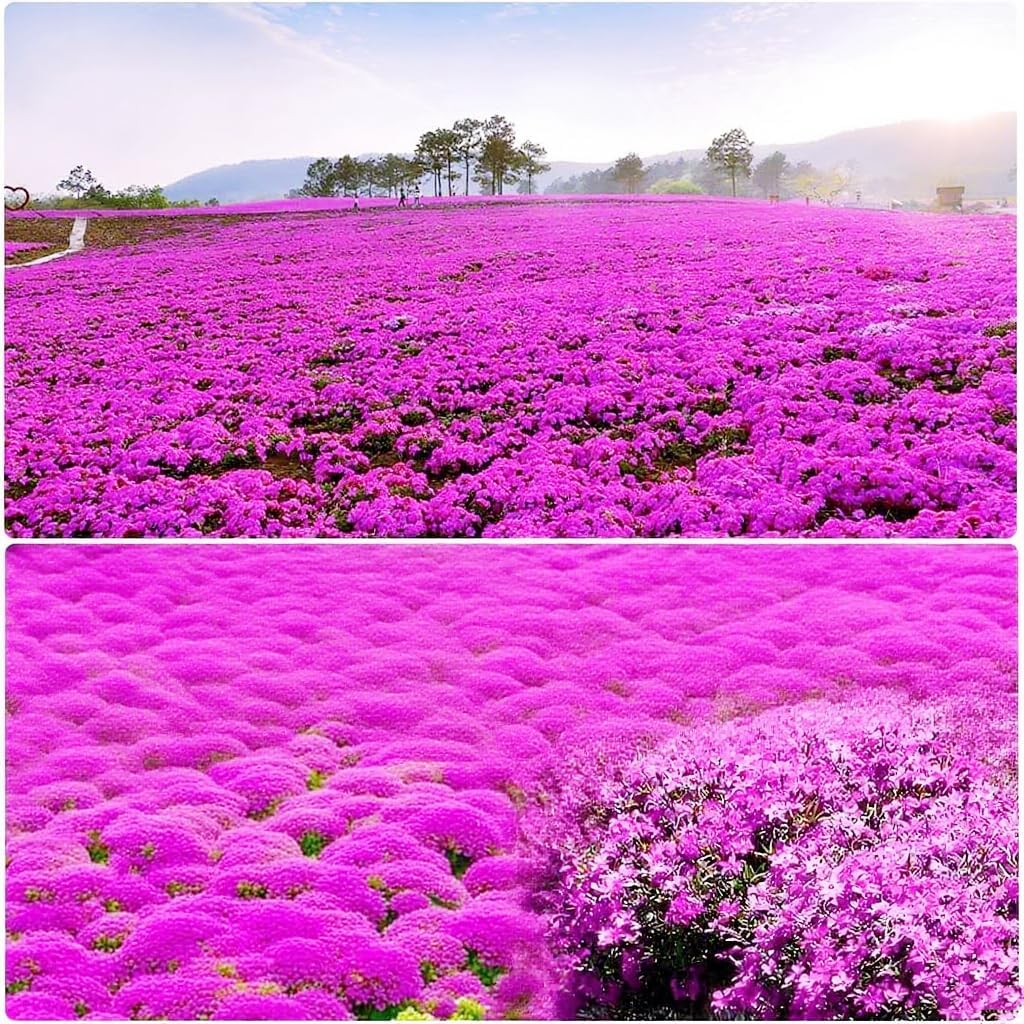
| Unit Count | 150000 Count |
|---|---|
| Indoor Outdoor Usage | Outdoor |
| Sunlight Exposure | Full Sun |
| Soil Type | Sandy Soil |
| Moisture Needs | Moderate Watering |
These seeds are sold as a high-count packet intended for establishing creeping thyme ground cover over a sizable area. They are non-GMO, heirloom/organic labeled seeds that germinate in roughly 14–28 days and prefer full sun with well-drained, sandy soil. Typical uses are filling bare patches, creating a low-mown aromatic lawn substitute, or planting between stepping stones and in rock gardens where moderate watering and drought tolerance are desirable. The listing highlights pollinator-friendly blooms from spring through fall and claims a high germination rate, which makes the quantity useful for covering larger areas or reseeding thin spots. Practical benefits include culinary and aromatic uses once established and low maintenance after the plants are established. Limitations to expect are the usual variability of open-pollinated seed lots and the need to prepare soil and control weeds for reliable coverage; results will vary by climate and planting technique. For small ornamental patches a much smaller packet might be easier to manage than this very large unit count.
Best for: Gardeners on a tight budget who need a large quantity of creeping ground cover seed to fill bare lawns, slopes, or extensive rock garden areas and who are willing to invest time in site prep.
Less Ideal for: People wanting a small, ready-to-plant plug or instant lawn effect or those who prefer fully uniform, nursery-grown mats should look elsewhere.
- Very large seed quantity suitable for covering extensive areas or repeated reseeding
- Non-GMO, heirloom/organic labeling for buyers who prioritize seed provenance
- Attracts pollinators and produces fragrant foliage useful for culinary or aromatic uses
- Adapted to full sun and well-drained/sandy soils and tolerates moderate drought once established
- Very large unit count can be difficult to store and control for small projects
- Successful ground cover requires good site preparation and weed control before seeding
Verdict: If you need an affordable, high-volume packet to establish fragrant, pollinator-friendly creeping thyme over a large area, this seed lot delivers the quantity and plant traits to do it.
HOME GROWN Verbena Moss Seeds (6,000 Seeds)

| Expected Blooming Period | Spring to Fall |
|---|---|
| Sunlight Exposure | Full Sun |
| USDA Hardiness Zone | 2, 3, 4, 5, 6, 7, 8, 9, 10, 11 |
| Number of Pieces | 6000 |
| Moisture Needs | Moderate Watering |
These HOME GROWN Verbena Moss seeds provide a high-count mix (6,000 seeds) of Verbena tenuisecta designed for mass planting as a colorful ground cover. Intended for full‑sun sites, the seeds produce compact, feathery foliage topped by rounded clusters of tiny star-shaped flowers in shades from white to purple, blooming from spring through fall. The packet is marketed as heirloom and non-GMO and comes with an online grow guide, which helps with sowing, establishing, and basic care. In practice this mix is useful for filling borders, rock gardens, slopes, or bare patches to create a continuous floral carpet and to attract pollinators. Strengths are the very high seed count for wide coverage, long blooming season, and low maintenance once established. Expect moderate watering and loam soil for best results, and treat it as a perennial only where frost is mild; in colder zones it behaves more like an annual. Buyers should allow time for germination and establishment before judging density, and plan for deadheading or light pinching to keep plants tidy and encourage reblooming.
Best for: Gardeners who want an easy, showy ground cover for sunny beds and borders and who value social proof and guidance when trying a larger scale planting.
Less Ideal for: Shade gardeners or those needing an immediate, fully established lawn‑like cover; also unsuitable for planting sites where winter survival is critical and perennial habit is mandatory.
- Very high seed count suitable for large beds or mass plantings
- Heirloom non-GMO seed mix with an included online grow guide to support success
- Long bloom window from spring to fall for sustained garden color
- Low maintenance once established and attractive to pollinators
- Suitable for poor soils and erosion control on slopes
- Perennial performance depends on local winter hardiness so may behave as an annual in cold climates
- Requires full sun and moderate watering so not suited to shade or very dry xeric sites
Verdict: Choose this large non‑GMO seed pack when you want an affordable, pollinator‑friendly ground cover that delivers long, low‑maintenance color across large sunny areas.
Outsidepride White Dutch Clover Seed, 2 lb

| Indoor Outdoor Usage | Outdoor |
|---|---|
| Other Special Features of the Product | Attracts Pollinators |
| Sunlight Exposure | Full Sun |
| Moisture Needs | Little To No Watering |
| Material Features | Heirloom |
Outsidepride White Dutch Clover is a perennial clover seed sold in a 2 pound bag and treated (nitrocoated and inoculated) to support reliable germination and soil nitrogen fixation. It is typically broadcast or mixed with grass/cover-crop seed, lightly raked in, and kept moist until established; germination is expected within about two weeks under warm soil conditions. Notable features include drought tolerance from a deep root system, attractiveness to pollinators when it blooms in summer, and an ability to form dense ground cover that suppresses weeds and reduces erosion. Practical benefits for full-sun sites include low watering needs once established, weed suppression, improved soil fertility from nitrogen fixation, and a visually pleasing carpet of small white flowers. Important limitations are that it grows low to the ground (a few inches up to a foot) so it is not a turf substitute where heavy foot traffic or formal mowing height is required, and establishing a uniform stand requires correct seeding rate and initial moisture management. This seed is best used for informal lawns, slopes, pollinator strips, and pasture mixes rather than high-traffic ornamental lawns.
Best for: Gardeners and homeowners who want a low-maintenance, pollinator-friendly ground cover or lawn alternative for sunny areas and slopes and who prioritize ecological benefits and ease of establishment.
Less Ideal for: Property owners who need a formal, high-traffic turf or a grass lawn with traditional mowing and wear resistance should consider conventional grass seed blends instead.
- Treated (nitrocoated and inoculated) seed for improved germination and soil health
- Attracts pollinators with fragrant white summer blooms
- Forms dense ground cover that helps suppress weeds and control erosion
- Drought tolerant once established, suitable for low-water sites
- Not suited for heavy foot traffic or formal turf uses
- Requires initial moisture and correct seeding rate for an even stand
Verdict: A quick-establishing, pollinator-friendly ground cover seed that improves soil nitrogen and holds sunny slopes and informal lawns with minimal ongoing watering.
KVITER Purple Rock Cress (Aubrieta deltoidea) Heirloom Flower Seeds — 1,000 Count

| Unit Count | 1000 Count |
|---|---|
| USDA Hardiness Zone | 3-10 |
| Sunlight Exposure | Full Sun |
| Expected Blooming Period | Spring to Summer |
| Material Features | GMO Free, Heirloom |
These KVITER Aubrieta (purple rock cress) seed packets supply 1,000 heirloom seeds for establishing a low, drought-tolerant ground cover. The seeds are surface-sown and need light to germinate, typically sprouting in 10–14 days around 60–65°F, and can be started indoors about six weeks before the last frost. Once established the plants form 6-inch mats with a cascading habit that works well in rock gardens, along paths, or on low walls. Key product features include a detailed growing guide in each packet, non-GMO heirloom seed, and suitability across USDA zones 3–10. Practical benefits are long seasonal color in late spring, low maintenance after establishment, and good tolerance of well-drained, sandy soils, which matches drought-tolerant plantings. Limitations to expect are the need for careful surface sowing and consistent moisture during germination, and that it performs best in full sun to part sun so shadier sites may underperform. Seed quantity is generous but germination rates in real gardens can vary, so plan accordingly.
Best for: Buyers who want a low-growing, drought-tolerant ground cover for rock gardens or sunny slopes and prefer a straightforward seed option with clear instructions and broad climate tolerance.
Less Ideal for: Gardeners seeking instant mature cover or those with heavily shaded, clay or poorly drained sites should consider plugs or different shade-tolerant species instead.
- Large 1,000-count pack suitable for covering larger areas or multiple plantings
- Heirloom non-GMO seeds with a growing guide included for step-by-step planting
- Adapted to USDA zones 3–10, making it usable across a wide range of climates
- Forms low, spreading mats that work well as drought-tolerant ground cover in well-drained soils
- Requires light for germination and consistent moisture during the seedling stage
- Performs best in full sun to part sun so heavily shaded spots may not thrive
Verdict: A cost-effective seed option for establishing low, drought-tolerant purple ground cover across a wide range of climates when planted in sunny, well-drained spots.
Choosing the Right Creeping Ground Cover: Key Factors to Consider
Growth Habit and Spread Rate
How a creeping ground cover spreads affects how quickly it fills bare patches and chokes out weeds. Some species spread by stolons or runners that root at nodes and create a tight mat within a single season. Others expand more slowly via clumping or short rhizomes and may need multiple seasons to reach full coverage.
Faster-spreading covers reduce hand-weeding but can encroach on nearby plants, so think about edge control. In smaller beds or near desirable perennials, choose a moderately spreading type or plan physical barriers to keep the cover contained.
Light Requirements and Microclimate Fit
Sun tolerance ranges widely among creeping covers: some thrive in full sun and dry soils while others prefer part shade or consistently moist, cool ground. Matching the plant to the actual light and moisture at the planting site is one of the most reliable ways to cut maintenance and ensure healthy spread.
Consider seasonal shifts and nearby tree canopy. Areas that receive morning sun but summer shade behave differently from uniformly shady spots, so select a cover that tolerates the specific pattern rather than the general garden exposure.
Rooting Depth and Erosion Control
For slopes, banks, or areas prone to washout, rooting depth and lateral anchoring matter more than quick surface spread. Shallow-rooted mats may look dense but can be pulled out by heavy runoff. Deep or well-anchored root systems bind soil and reduce the need for supplemental erosion controls like mulch or netting.
Evaluate soil type as well: rocky, sandy, or compacted soils limit root penetration and affect which creeping covers will hold in place under rain and foot traffic.
Durability Under Foot Traffic
Some creeping ground covers tolerate occasional stepping and recover quickly, making them suitable for informal paths, between stepping stones, or play areas. Others bruise easily and form gaps where people walk, requiring frequent replanting or repair.
Decide how the area will be used. For light stepping, choose covers known to rebound; for heavy traffic, opt for durable alternatives or install stepping stones with tolerant plants in the joints.
Maintenance Needs and Regrowth Patterns
Maintenance varies from near-zero to seasonally hands-on. Understand if the cover needs annual trimming to prevent legginess, division every few years to rejuvenate vigor, or periodic spot-weeding to control intruders. Some species resprout rapidly after cutting, while others are slower and may open gaps when trimmed.
Also consider how the cover handles pests and diseases in your region; a low-maintenance choice in one climate can be high-maintenance elsewhere if common pathogens or insect pressures are present.
Compatibility With Surrounding Plants
Creeping ground covers interact with adjacent plants for water, light, and root space. Aggressive spreaders can smother small perennials or seedlings; shallow-rooted covers may compete at the soil surface with plants that prefer open, loose soil. Conversely, a well-chosen cover can suppress weeds and conserve moisture for nearby shrubs.
Plan borders, edging, or root barriers when placing fast-spreading covers next to delicate species, and choose compatible life cycles so the cover does not outcompete spring-blooming bulbs or low-growing ornamentals.
Best Sites and Uses for Creeping Ground Cover
Identify the specific role you want the ground cover to play before choosing a species. Options range from erosion control on slopes to filler between paving stones, or a lawn alternative in low-traffic areas. Each use calls for slightly different traits, such as deep rooting on banks or fast surface spread for quick weed suppression.
Match planting density to the purpose. Higher initial plug density speeds establishment but costs more up front. For erosion-prone spots, plant more closely to form a continuous mat faster. In decorative uses, allow slightly wider spacing so individual textures show through as the cover matures.
- Erosion control: prioritize rooting depth and lateral anchoring
- Pathway infill: choose traffic-tolerant, quick-recovering varieties
- Shade borders: select covers rated for low-light conditions
- Between pavers: look for low-growing, slow-thickening types
Soil Preparation and Planting Tips
Successful establishment starts with basic site prep. Clear perennial weeds and loosen compacted soil to improve root contact. Amend heavy clay with organic matter to improve drainage unless the chosen cover prefers moist, compact sites.
Planting time matters. Early spring or early fall gives most creeping covers a window of cool, moist conditions that promote rooting before summer heat or winter cold. Water regularly during the first growing season to encourage deep rooting, then taper as plants establish.
- Break up the soil surface and remove stones that impede stolon rooting
- Use a weed fabric temporarily on very weedy sites to reduce competition
- Water deeply but infrequently once established to encourage root depth
Managing Spread and Containment
Containment is a practical concern for many gardeners. Install physical edging where you want a clean boundary, or use planting strips and root barriers to protect neighboring beds. For less permanent control, regular mowing or trimming along borders keeps runners in check.
If a cover begins to encroach on areas you want to keep plant-free, dig up offending runners and sever root connections rather than just cutting foliage. Removing the rooted nodes prevents rapid regrowth from the remaining stems.
- Edging materials like metal or plastic can stop most stolon spread
- Regular trimming at the edge prevents long-term invasion
- Hand-pulling rooted runners is more effective than cutting alone
Seasonal Care and Renewal
Creeping covers need different seasonal care depending on species. Many benefit from a light spring tidy to remove winter debris and encourage fresh growth. Some benefit from division or spot replanting every few years to maintain density and vigor.
Monitor for thinning in summer drought or after heavy foot traffic and plan targeted infill planting. Address pest or disease issues early by improving air circulation and removing affected patches to prevent spread.
- Spring clean-up promotes fresh growth and reduces disease risk
- Divide or transplant patches every 2 to 4 years for long-term vigor
- Infill thin spots in the growing season to maintain continuous cover
Designing With Texture and Seasonal Interest
Creeping ground covers offer a range of textures and seasonal colors that can be used deliberately in garden design. Combine low, fine-textured mats near formal paving with slightly taller, coarser covers in informal beds for contrast. Consider seasonal blooms or foliage color to add interest beyond green.
Use ground cover as a backdrop to low perennials or as a living mulch around shrubs to reduce evaporation and stabilize soil. Think about how the cover will look under flowered or leafless seasons so the area remains attractive year-round.
- Mix textures for visual contrast and layered planting effects
- Choose covers with seasonal bloom for spring color or evergreen foliage for winter structure
- Avoid pairing aggressive spreaders with delicate ornamentals
How We Chose the Best Creeping Ground Cover
We prioritized traits that determine garden success for creeping ground covers rather than marketing claims. Key evaluation criteria included spread rate and establishment speed, because faster cover reduces bare soil and weed pressure; sun and shade tolerance, to match plants to specific light conditions; root depth and erosion control, which affect slope stability and soil retention; traffic tolerance and recovery, for paths and play areas; and maintenance needs, including pruning, division frequency, and susceptibility to pests or diseases. We also considered winter hardiness and seasonal interest so covers remain useful year-round in appropriate climates. We excluded plants that behave aggressively as vines that climb structures or that require frequent, specialized care not suited to low-maintenance use. Selections omitted purely ornamental groundings that lack spreading ability or that cannot form a contiguous mat. The resulting shortlist focuses on plants that reliably establish a durable, low-maintenance cover in real garden conditions.
FAQ
How long does it take for creeping ground cover to fill in?
It depends on the species and planting density; many fast-spreading covers form a continuous mat in one to two growing seasons, while slower types may take several years. Soil quality, moisture, and light also strongly influence establishment speed.
Can creeping ground cover be used on steep slopes?
Yes, provided you choose varieties with good rooting and lateral anchoring. Prepare the slope with erosion-control measures if needed and favor covers known to form deep, intertwined roots rather than only surface mats.
Will ground cover survive light foot traffic or pets?
Some creeping covers tolerate light, occasional foot traffic and recover quickly from trampling. Heavy, repeated traffic will create bare patches unless you pick a traffic-tolerant species or install stepping stones to protect the plants.
How do I stop a creeping cover from invading other beds?
Install physical edging or root barriers, maintain regular border trimming, and remove rooted runners that cross into unwanted areas. Choosing a less aggressive species for proximity to delicate plantings also reduces invasion risk.
Do creeping ground covers require fertilizer or regular care?
Most are low-maintenance once established, needing only occasional feeding in nutrient-poor soils. Regular monitoring for thinning, spot replanting, and seasonal cleanup are usually sufficient to keep them healthy.
Final Verdict
Pick a creeping ground cover by matching its growth habit to your site and use. Prioritize spread rate and rooting strength for erosion control, and choose shade- or sun-tolerant types to reduce ongoing maintenance. Balance containment needs against the benefits of rapid cover: where control is essential, use edging or a slower-spreading option. Ultimately, focus on the few traits that matter most for your plot – light exposure, traffic level, and soil stability – and you will be able to select a dependable, low-maintenance creeping ground cover that meets long-term garden goals.
