

Note: This article contains affiliate links. If you click on these links and make a purchase, I may earn a small commission at no extra cost to you. This helps support my research and content. Read my full affiliate disclosure here.
Removing dandelions by hand can be the difference between a tidy lawn and endless regrowth. The right dandelion weeding tool helps you pull long taproots intact, minimizes disturbance to surrounding grass and plants, and reduces back strain during repetitive weeding. This guide covers seven top shortlisted options chosen for common yard situations, from small patches in a lawn to beds and containers. We evaluated each tool for how well it extracts the root, how comfortable and precise it feels during use, and how it holds up after seasons of digging. Read on to find the tool profile that matches your garden size, soil type, and preferred weeding method.
Top Picks at a Glance
| Best Overall The best all-around choice for most situations | CKLT 2-in-1 Garden Hoe and Weed Puller with Adjustable Handle |  |
| Best Quality Built to a higher standard if you want something more solid | Fiskars 39" Deluxe Stand-Up 4-Claw Weed Puller | 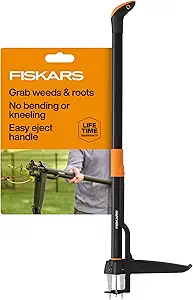 |
| Best Value The sweet spot between price and what you get | WORKPRO 11.5" Dandelion Weeder Puller Tool with Soft Handle |  |
| Best Budget The cheapest option that still gets the job done reliably | AMES Tempered Steel 4-Claw Hand Weeder with Wood Handle, 12-inch |  |
| Highest Rated A top-rated pick with lots of positive feedback | WORKPRO Dandelion Weeder Puller Tool with Wood Handle |  |
| Most Popular A crowd favorite that many people choose with confidence | Grampa's Weeder Original Stand-Up Weed Puller with Bamboo Handle |  |
| Best Seller A high-volume bestseller chosen again and again | Fiskars Ergo Garden Hand Weeder |  |
CKLT 2-in-1 Garden Hoe and Weed Puller with Adjustable Handle

| Head material | Tempered spring steel |
|---|---|
| Rake width | 3.75 inches |
| Handle | 4-section adjustable up to 61 inches |
| Fasteners | 304 stainless steel bolts and nuts |
This CKLT 2-in-1 garden hoe and weed puller combines a sharp trapezoid hoe edge with a 3.75-inch tempered spring-steel rake to tackle weeding, digging, and light trenching. The tool is used either upright with the full-length handle to protect your back or shortened for close work around plants and in raised beds. Hardened spring-steel heads resist bending and provide enough spring-back to pull stubborn taproots and loosen compacted soil, while the pre-sharpened edge helps cut through roots and compacted ground. The four-section adjustable handle locks up to 61 inches so you can work standing up or reduce length for precision tasks. A sand-texture finish and 304 stainless fasteners improve corrosion resistance for outdoor use. Expect a durable, versatile weeder that covers beds, lawns, gravel, and pathways. Limitations: the head is best for surface weeding and loosening rather than heavy-duty excavation, and metal-to-metal joints may need occasional tightening after frequent heavy leverage work.
Best for: Buyers who prioritize durable, proven tools and prefer a single versatile weeder that lets them work standing up to reduce back strain while handling routine garden and lawn maintenance.
Less Ideal for: If you need a tool for deep digging, heavy root removal, or professional-scale landscaping, a dedicated digging spade or heavy pry bar would be a better choice.
- Dual-function head lets you switch between raking and hoeing without changing tools
- Tempered spring steel head resists bending and maintains sharpness for cutting roots
- Adjustable four-section handle provides upright working height or a shorter shaft for precision
- Sand-texture finish and stainless fasteners improve rust resistance for outdoor storage
- Pre-sharpened edge reduces effort when cutting through compacted soil and roots
- Not intended for heavy excavation or prying very large roots
- Adjustable locking sections can loosen over time and may require periodic tightening
Verdict: A practical, back-friendly two-in-one hoe and rake that reliably handles routine weeding and soil loosening across beds and paths.
Fiskars 39" Deluxe Stand-Up 4-Claw Weed Puller

| Head Material | Stainless Steel |
|---|---|
| Handle Material | Aluminum |
| Grip Material | Thermoplastic Elastomer (TPE) |
| Number of Items | 1 |
The Fiskars 39" Deluxe Stand-Up Weeder is built for fast, permanent removal of dandelions, thistles, and other deep-rooted weeds without kneeling or herbicides. You position the head over the weed, step on the reinforced foot pedal to drive four serrated stainless-steel claws into the soil, pull back to extract the root, then use the easy-eject mechanism to clear the head. The long aluminum shaft and offset handle reduce back and wrist strain for longer sessions, while the viewing window in the pedal helps accurate placement. It performs best in moist or recently watered soil; in hard, compacted, or clay-heavy ground you will need to pre-soften the area for the claws to penetrate fully. The tool is light enough for extended use yet feels sturdy when you step down, and the stainless blades are made to stay sharp through repeated use. If you want a durable, ergonomically designed manual weeder that prioritizes effective root removal and less physical strain, this is a practical choice.
Best for: Buyers who want an efficient, ergonomic hand tool to remove broadleaf and taproot weeds by the root while avoiding bending and repeated chemical treatments.
Less Ideal for: Gardeners who need a tool for cutting large woody roots, heavy-duty excavation, or frequent use in hard, compacted clay without pre-wetting the soil should consider more heavy-duty or powered options.
- Long 39-inch shaft and offset handle reduce bending and wrist strain for extended use
- Four serrated stainless-steel claws grab roots for thorough removal
- Reinforced foot pedal and viewing window enable confident placement and penetration
- Easy-eject mechanism clears pulled weeds quickly for faster repetition
- Requires moist or softened soil to penetrate compacted or clay-heavy ground effectively
- Not suited for very large woody roots or extremely dense turf
Verdict: Choose this weeder if you want a durable, ergonomic stand-up tool that reliably extracts weeds by the root with minimal bending.
WORKPRO 11.5" Dandelion Weeder Puller Tool with Soft Handle

| Head Material | Stainless Steel |
|---|---|
| Handle Material | PP+TPR |
| Item Weight | 7.4 ounces |
This WORKPRO hand weeder is a simple, purpose-built tool for pulling dandelions, thistles, and other taproot weeds from beds, borders, and cracks. The polished stainless steel two-pronged fork slices into soil and grips roots so you can lever them out without excessive twisting. Its soft, non-slip plastic handle improves control and reduces wrist strain for longer sessions, and the hanging hole makes storage easy. Because it is only 11.5 inches long and lightweight, it is convenient for close work around plants and for carrying when tending small plots or container gardens. The stainless construction resists rust and holds up to regular outdoor use, but the short handle means you will be bending or kneeling rather than working upright for extended periods. It is best used on loosened or moist soil where the fork can penetrate and grab roots; very large or deep-rooted plants may need a longer tool or a digging spade. For gardeners who value efficient, durable hand tools for routine spot-weeding, this is a solid, no-frills choice.
Best for: Gardeners who prioritize efficient, durable hand tools for regular spot-weeding in beds, borders, and containers and who prefer a compact tool for close-up work.
Less Ideal for: People who need a tool for long stretches without bending or for removing very large deep-rooted plants should consider a long-handled weed puller or digging tool instead.
- Polished stainless steel fork resists rust and provides strong leverage for root removal
- Two-pronged design penetrates soil and grips taproots for effective dandelion extraction
- Soft, non-slip handle reduces hand and wrist fatigue during repetitive weeding
- Compact and lightweight for precise work in beds, containers, and along sidewalks
- Short 11.5-inch length requires bending or kneeling for most tasks
- Not intended for very large or deeply rooted weeds where a long-handled tool is preferable
Verdict: A durable, compact stainless steel hand weeder that makes fast work of dandelions and other taproots for gardeners who do close-up spot-weeding.
AMES Tempered Steel 4-Claw Hand Weeder with Wood Handle, 12-inch

| Blade Material Type | Alloy Steel |
|---|---|
| Included Components | hand-weeders |
| Operation Mode | Manual |
| Recommended Uses For Product | Vegetable |
This AMES hand weeder is a straightforward, manual tool that uses a tempered alloy steel four-claw head on a 12-inch wood handle to pry out small weeds and roots. You use it by pressing the claw into soil around a weed, levering to extract the root mass, then brushing soil away; the round claw shape and four prongs help grab taproots like dandelions after the ground is moist. The wooden handle gives a familiar, sturdy feel and the hang-up hole makes storage easy. Its strengths are reliability and low maintenance since there are no moving parts and the alloy blade resists bending during normal use. Limitations are its short handle, which requires kneeling or bending for each weed, and the lack of a stepped footrest or long-reach option for heavy-duty or back-friendly weeding sessions. For budget-focused gardeners who want a no-frills, durable tool for small beds and spot weeding, it performs well; those needing extended back support or rapid treatment of large lawns should consider long-handled or powered alternatives.
Best for: Budget-minded gardeners who need a dependable, no-frills tool for spot removal of dandelions and other taproot weeds in flower beds and small vegetable plots.
Less Ideal for: People with limited mobility or those who need to clear large areas quickly should look for long-handled or powered weeders instead.
- Tempered alloy steel four-claw head grips and extracts taproots effectively after watering
- Simple manual design with no moving parts reduces maintenance and failure points
- Wood handle provides comfortable, traditional grip and includes hang-up hole for storage
- Short 12-inch reach requires kneeling or bending for each weed
- Not designed for large lawns or continuous heavy-duty weeding sessions
Verdict: A tough, low-cost manual claw weeder that reliably pulls dandelions and other taproots from beds when you need a simple, durable tool.
WORKPRO Dandelion Weeder Puller Tool with Wood Handle

| Head Material | Stainless Steel |
|---|---|
| Handle Material | Wood |
| Suitable For | Dandelion, Thistles .etc |
The WORKPRO Dandelion Weeder Puller is a handheld two-pronged tool built for digging out roots and removing weeds from patios, cracks, and garden beds. The polished stainless steel fork offers rust resistance and a rigid shape that cuts into soil around stubborn taproots, while the wooden handle gives a comfortable grip and reduces wrist fatigue during repeated use. At roughly 12 inches long it is easy to position in tight spaces and the hanging hole keeps the tool tidy when not in use. This model is best for spot-weeding dandelions, thistles, and other similar broadleaf weeds rather than clearing large areas. Because it is a manual tool, it relies on user leverage and is not suited to very hard, compacted ground without loosening soil first. For gardeners who want a simple, durable hand weeder that focuses on reliable root removal and low maintenance, this does the job well; those needing long-handled or mechanized solutions should consider other options.
Best for: Gardeners who prioritize a dependable, low-maintenance hand tool for precise removal of dandelions and similar weeds in lawns, beds, and hardscape gaps.
Less Ideal for: People who need to clear large weed patches or work mostly in compacted heavy soil should choose a long-handled or powered weeding solution instead.
- Polished stainless steel two-pronged fork resists rust and provides strong, rigid digging performance
- Comfortable wooden handle reduces wrist strain for repeated spot-weeding
- Compact length makes it easy to work in cracks, patios, and tight garden spaces
- Lightweight design and hanging hole allow convenient storage and portability
- Short, manual design requires physical leverage and is not ideal for very compacted or rocky soil
- Not intended for clearing large areas quickly since it is a hand tool
Verdict: A simple, durable stainless steel hand weeder that reliably pulls dandelions and similar taproot weeds for gardeners who value low-maintenance tools.
Grampa's Weeder Original Stand-Up Weed Puller with Bamboo Handle

| Handle Material | Bamboo |
|---|---|
| Head Material | Alloy Steel |
| Item Weight | 2.3 pounds |
| Head Size | Small |
Grampa's Weeder is a simple, hand-operated stand-up tool that uses a 4-claw alloy steel head and a long bamboo handle to pinch and extract weeds by their roots. To use it you press the footpad into soft or recently watered soil, lean the handle toward the footpad so the forks close around the weed, then lift to remove the root. The lightweight bamboo handle and footpad make repeated weeding less strenuous on the back and knees than traditional hand pulling or kneeling. The steel claws are effective on dandelions, crabgrass, and similar taproot weeds in softer soils but the tool is not intended for very hard clay or rocky ground. Its straightforward design requires no power, so it is quiet and chemical-free, and the lifetime guarantee reflects a confidence in build quality. If you have compacted soil or deep-rooted tough perennial weeds you may need additional leverage or a different tool, but for routine weeding in beds and lawns after watering this is a durable, low-effort solution.
Best for: Gardeners who value proven, low-effort hand tools and want a durable, chemical-free way to remove common taproot weeds while protecting their back and knees.
Less Ideal for: People who need to clear large weedy areas quickly or who work primarily in compacted clay or rocky ground should consider heavier-duty or powered alternatives.
- Stand-up design reduces bending and kneeling for gentler, ergonomically easier weeding
- 4-claw alloy steel head grips and pulls taproots effectively in soft or recently watered soil
- Bamboo long handle keeps the tool lightweight while providing comfortable reach
- Simple mechanical operation requires no power or chemicals and is easy to maintain
- Performance drops on hard clay or rocky soil where forks cannot penetrate easily
- Small head size can be slow for very large infestations or broad areas
Verdict: A lightweight, reliable stand-up weeder that removes taproot weeds without bending, ideal for routine gardening in soft or watered soil.
Fiskars Ergo Garden Hand Weeder

| Material Type | Aluminum |
|---|---|
| Blade Material | Aluminum |
| Handle Material | Aluminum |
| Grip Type | Ergonomic |
| Manufacturer Warranty Description | Lifetime warranty |
The Fiskars Ergo Garden Hand Weeder is a heavy-duty hand tool built for removing deep-rooted weeds like dandelions and thistles. Its angled cast-aluminum head provides leverage to pry roots from compact soil while the contoured SoftGrip handle reduces wrist strain during repetitive use. Typical use is straightforward: push the angled head into the soil around a weed, rock the tool to loosen roots, then pull to extract the whole plant. Notable features include rust-resistant cast-aluminum construction for durability, an ergonomic grip for comfort, and a hang hole for convenient storage. In practice this weeder excels in small beds, borders, and lawns where precise, manual removal matters and where you want a tool that lasts season after season. Limitations are its short length, which requires kneeling or bending for larger areas, and the single-purpose design that is not a substitute for long-handled tools when managing large patches of weeds.
Best for: Buyers who want a durable, efficient hand tool for targeted weed removal and who value comfort and longevity over speed on large plots.
Less Ideal for: People who need to clear large areas of turf or who prefer long-handled tools to avoid frequent bending and kneeling.
- Angled cast-aluminum head delivers strong leverage for removing deep roots.
- Ergonomic contoured SoftGrip handle reduces hand and wrist fatigue during extended use.
- Rust-resistant aluminum construction for long-term durability in garden conditions.
- Short handheld design requires bending or kneeling for larger areas.
- Tool is single-function and not optimal for clearing extensive weed patches quickly.
Verdict: Choose this weeder if you want a comfortable, long-lasting hand tool that makes removing stubborn, deep-rooted weeds quick and reliable.
Choosing the Right Dandelion Weeding Tool: Key Factors to Consider
Root Extraction Effectiveness
Dandelions have long taproots that readily regrow if any portion is left behind. A tool that penetrates deeply and grips the root near its base increases the chance of removing the whole taproot in one motion. Consider how the tool transfers force from the handle to the root: does it use a levering action, a wedge that loosens soil, or a clamping mechanism that grips the root? The depth of penetration and the shape of the working end determine whether you can extract roots from compacted turf or loose garden soil.
Also think about the typical soil conditions in your yard. In heavy clay the tool needs enough leverage and a narrow profile to reach the taproot without excessive soil disruption, while in sandy soils a wider blade may still work but will need a good gripping system to avoid slipping off the root.
Handle Ergonomics and Length
Weeding dandelions often involves repetitive bending or kneeling. A longer handle can reduce bending but may sacrifice fine control near planted borders. Evaluate grip shape and material: cushioned, non-slip handles reduce hand fatigue during extended sessions and improve control when pulling firmly. An angled handle or cushioned palm rest can improve leverage when wresting out deep roots.
Also consider whether you prefer a short hand tool for beds and containers or a long-handled model for standing work in lawns. Some gardeners use a long shaft for speed and less back strain, switching to a short tool for tight spaces. The durability of the handle attachment to the shaft matters for longevity when used in tough soil.
Shaft Strength and Construction
A weak or flexible shaft can bend or break when used to pry out stubborn taproots, especially in rocky or compacted ground. Look for solid metal shafts or reinforced composites that resist twisting and bending. The connection points between shaft and working head are frequent failure points, so seamless construction or robust fastenings are preferable.
Corrosion resistance of metal parts is also important because tools used for weeding regularly get wet and dirty. Materials and finishes that shed moisture and resist rust will lengthen service life and reduce the need for intensive maintenance.
Soil Release and Cleaning
Tools that trap soil in crevices slow you down and increase maintenance. A design that sheds soil easily keeps the working edge effective and reduces the effort needed to clean between pulls. Smooth, tapered blades and minimal crevices on mechanical clamping parts make it easier to free sticky clay or damp loam.
Consider how easy the tool is to clean and maintain. Components that can be rinsed quickly or wiped clean will stay sharper and more sanitary, especially if you use the tool around ornamentals where transferring soilborne diseases is a concern.
Access and Precision in Planting Areas
Many dandelions pop up near desirable plants, in tight beds, or between paving stones. A tool with a narrow profile or a forked tip allows you to remove a dandelion without disturbing adjacent roots or damaging turf. Precision is particularly important around shallow-rooted perennials and seedlings.
Think about the reach and maneuverability you need for typical problem spots. Some tools trade off power for a slim profile; decide whether you prioritize minimal disturbance or maximum leverage for stubborn roots.
Standing Vs Kneeling Tools
Choose between long-handled tools that let you stay upright and short hand tools for kneeling work based on the size of the area and your body comfort. Standing tools speed up work across lawns and reduce back bending, but they may be less precise near plantings. Shorter tools give better control in beds and around borders.
If you have mobility concerns or a large lawn, a standing weeder reduces strain and lets you cover ground faster. For heavy clay or deeply rooted plants, kneeling with a short, sturdy tool can let you apply greater pulling force and watch the root as it comes out.
- Standing tools reduce back strain and are quicker on large lawns
- Kneeling tools offer finer control and are better for tight beds
- Some gardeners keep both types and switch depending on task
Using Leverage and Extraction Technique
Good technique extends the usefulness of any tool. Start by loosening soil around the crown before attempting to pull the root. Insert the blade or fork as deeply as practical and use a steady, controlled levering motion rather than sudden jerks, which can snap the root.
For very deep taproots, rocking the tool slightly while pulling can ease the root out with less chance of breaking. In compacted soil, a preliminary stab with a narrow knife or tined fork to break up the surrounding ground helps many tools gain a better purchase on the root.
- Loosen soil around the crown first
- Use steady leverage rather than jerking motions
- Rocking motions can help extract long taproots intact
Maintaining Your Weeding Tool
Clean tools after use to remove damp soil and prevent corrosion. Rinse off clay and grit, dry thoroughly, and apply a light coat of oil to metal parts to reduce rust. Sharpen edges that are designed to cut through roots or sod; a maintained edge improves penetration and reduces required force.
Inspect handles and fastenings periodically. Tighten or replace worn bolts and address any looseness at joints before it becomes a failure. Store tools in a dry place and avoid leaving them outdoors where moisture can accelerate wear.
- Rinse and dry after use, oil metal parts to prevent rust
- Sharpen blades as needed for better penetration
- Check handle attachments and fastenings regularly
Matching Tool to Soil Type
Soil texture affects which tool profile works best. In loose, sandy soils a broader blade with a gripping feature will usually pull the root cleanly. In dense clay or compacted turf, a narrow, strong shaft that can be driven deep with minimal soil displacement tends to be more effective.
If your yard mixes soil types, choose a versatile design or keep two tools on hand: one optimized for deep extraction in compacted areas and another for quick pulls in softer beds.
- Sandy soils allow broader blades; clay favors narrow, strong shafts
- Consider having both a long-handled and a short, precise tool
Safety and Ergonomics in Repetitive Weeding
Reduce repetitive strain by alternating hands when possible and taking short breaks during long sessions. Use gloves with good grip to protect your palms and improve control. Pay attention to wrist alignment; tools that force awkward wrist positions increase the risk of discomfort.
Select a tool with a comfortable grip diameter that fits your hand. Too thin a handle increases the force required and can cause soreness, while too thick a handle reduces control for fine extractions.
- Alternate hands and take breaks during long weeding sessions
- Wear gloves that improve grip and protect the skin
- Choose a handle diameter that feels secure without requiring extra force
How We Chose the Best Dandelion Weeding Tool
We focused on practical, repeatable performance traits that matter to gardeners managing dandelions across lawns, beds, and containers. Key criteria included root extraction effectiveness, which measures how consistently a tool removes the long taproot without leaving fragments that regrow; grip ergonomics and handle length, which affect comfort and leverage during repeated pulls; durability of shaft, blade, or fork elements under rocky or compacted soils; soil-shedding and corrosion resistance for tools used in wet, clay, or sandy conditions; and versatility in different lawn and bed situations such as close-cropped turf or tight planting areas. We excluded tools that were clearly specialized for other tasks, like broad weeding hoes or general-purpose garden forks, unless they showed specific advantages for dandelion taproots. We also filtered out products lacking clear materials or build details that would indicate longevity. The final shortlist reflects tools that balance extraction performance, user comfort, and construction suited to repeated seasonal use.
FAQ
Can I remove dandelions without killing neighboring grass?
Often you can if you use a narrow-profile tool and extract the entire taproot with minimal soil disturbance. Work carefully around the crowns and avoid digging large holes; replace any displaced turf firmly after removal to reduce visible damage.
How deep should I push the tool to get the whole taproot?
Depth depends on soil and plant maturity but aim to reach below the root crown to the thicker portion of the taproot. In many cases that means inserting the working end several inches to a foot deep for mature plants. If you cannot reach the base, consider loosening surrounding soil first.
Will removing the dandelion crown prevent regrowth?
Removing the entire taproot and crown dramatically reduces the chance of regrowth. Small fragments left behind can resprout, so thorough extraction and proper technique matter more than tool brand or finish.
Is a long-handled tool worth it for a small yard?
It depends on your back comfort and how often you weed. Long-handled tools reduce bending and speed up work across even modest lawns. For tiny patches or container gardening a short tool offers better precision and control.
How do I keep the tool from clogging with clay soil?
Scrape or rinse off wet clay between pulls and choose a design with smooth, tapered surfaces that shed soil. Applying a light coat of oil to metal parts can make wet soil less likely to adhere and makes cleaning faster.
Final Verdict
Choosing the right dandelion weeding tool means balancing deep root extraction, minimal turf disturbance, and user comfort. Prioritize a tool that reaches the taproot depth typical in your yard, offers a comfortable handle length for the way you prefer to work, and is built of materials that resist bending and corrosion. Accept tradeoffs between precision and leverage: narrow, strong tools work best in compacted turf and tight spots, while broader heads or long-handled models speed up work in softer soil and larger areas. Decide which factors in this guide are most important for your garden and match the tool profile to that use for more effective, less tiring weed control.
