

Note: This article contains affiliate links. If you click on these links and make a purchase, I may earn a small commission at no extra cost to you. This helps support my research and content. Read my full affiliate disclosure here.
If you have a very sunny balcony, a south-facing garden bed, or an exposed patio, choosing plants suited to direct sun makes the difference between a lush display and a string of failures. Plants that tolerate strong afternoon light and heat behave differently than shade-tolerant species: they need high light, good airflow, and often lean toward drought tolerance. This guide shortlists seven top-performing direct sunlight plants that do well in hot, exposed conditions. We evaluate candidates on traits gardeners care about, including true sun tolerance, water needs, and seasonal interest, then explain which traits matter for your specific location and maintenance style.
Top Picks at a Glance
| Best Overall The best all-around choice for most situations | Costa Farms White Bird of Paradise (Live Indoor Plant, Large) |  |
| Best Quality Built to a higher standard if you want something more solid | Tropical Plants of Florida Dipladenia Bush with Yellow Flowers (6" Grower Planter) |  |
| Best Value The sweet spot between price and what you get | Sprout N Green 5-Pack Assorted Live Succulents in 2" Starter Pots |  |
| Best Budget The cheapest option that still gets the job done reliably | Hirt's Gardens Sunset Jade Crassula – 4" Pot |  |
| Highest Rated A top-rated pick with lots of positive feedback | CitronellaKing Hesperaloe (Red Yucca) 2-Plant Starter Pack |  |
| Most Popular A crowd favorite that many people choose with confidence | Costa Farms Aloe Vera Live Succulent in Decorative Pot |  |
Costa Farms White Bird of Paradise (Live Indoor Plant, Large)

| Indoor Outdoor Usage | Indoor |
|---|---|
| Other Special Features of the Product | Air Purification |
| Sunlight Exposure | Full Sun |
| USDA Hardiness Zone | 10-12 |
| Moisture Needs | Regular Watering |
The Costa Farms White Bird of Paradise is a tall, statement-making indoor plant that brings bold, paddle-shaped leaves and tropical structure to a bright room. It arrives potted in a decorative plastic planter and is typically placed in a sunny corner or near a window where it gets bright direct light. Notable features include oversized leaves that add immediate height and texture, low-maintenance watering guidance (about 2 to 3 cups once a week or when the top inch of soil is dry), and a USDA hardiness zone listing that highlights its warm-climate origin. Practically, it is forgiving for busy owners because it tolerates occasional drought once established and acts as a natural air purifier. Limitations are that it rarely flowers indoors and can grow quite tall over time, so it may need space or periodic pruning; also its preference for full sun means it will not thrive in dim rooms. Shipping freshness and farm-to-home packaging are emphasized, but long-term growth will depend on light and occasional repotting into well-draining soil.
Best for: Buyers who want a low-fuss, sculptural indoor plant that makes a bold focal point in a bright, sunlit room and prefer easy weekly care over high-maintenance specimens.
Less Ideal for: People with small, dim apartments or who need a compact desktop plant should consider smaller species better suited to low light and limited space.
- Creates strong vertical impact and fills empty corners with large, dramatic foliage
- Designed for bright, direct sunlight which suits sunny rooms and south-facing windows
- Low-maintenance watering routine and tolerance to occasional drought once established
- Arrives potted in a decorative planter and packaged farm-direct for freshness
- Unlikely to bloom indoors, so buyers seeking flowers should not expect regular blooms
- Can become very tall over time and may require space, pruning, or repotting
Verdict: Choose this plant when you want an easy-care, sun-loving indoor tree that delivers instant tropical height and dramatic foliage.
Tropical Plants of Florida Dipladenia Bush with Yellow Flowers (6" Grower Planter)

| Indoor Outdoor Usage | Indoor, Outdoor |
|---|---|
| Expected Blooming Period | Spring to Fall |
| Sunlight Exposure | Full Sun |
| Soil Type | Sandy Soil |
This live Dipladenia arrives in a 6-inch grower planter and is intended for bright, sunny locations where it will bloom from spring through fall. It is typically used as a container or patio plant that tolerates direct sun and sandy soils, producing recurring yellow flowers that add long-season color. The product’s straightforward presentation in a grower pot makes it easy to place in a sunny spot or transplant into a larger container or garden bed in spring. Practical benefits include consistent flowering in full sun exposure and low soil-type fussiness when planted in well-draining, sandy mixtures. Limitations are that size and mature habit are not specified in detail on the listing and the plant may need regular watering and fertilizing in hot, direct-sun sites to maintain blooms. For performance-driven buyers looking for reliable sun-loving color, this Dipladenia offers a simple, ready-to-use option that performs best when given consistent light and routine care.
Best for: Gardeners seeking a performance-oriented, sun-loving flowering shrub for containers or sunny patios who prioritize consistent seasonal blooms and easy placement.
Less Ideal for: People wanting a large, established specimen or those who need detailed mature dimensions for precise landscape placement.
- Designed for full sun exposure and long bloom period from spring to fall
- Arrives in a 6" grower planter ready for placement or easy transplanting
- Tolerates sandy, well-draining soils common in warm, sunny sites
- Listing lacks detailed size and mature habit information for landscape planning
- May require frequent watering and feeding in hot, direct-sun locations
Verdict: A compact, sun-loving flowering shrub that delivers reliable yellow blooms for containers and sunny patios throughout the growing season.
Sprout N Green 5-Pack Assorted Live Succulents in 2" Starter Pots

| Indoor Outdoor Usage | Indoor, Outdoor |
|---|---|
| Other Special Features of the Product | Drought Tolerant, Low Maintenance |
| Sunlight Exposure | Partial Shade |
| Soil Type | Succulent & Cacti Soil Mix |
| Moisture Needs | Moderate Watering |
These Sprout N Green succulents arrive as five small, assorted plants already potted in 2-inch nursery pots with a succulent and cacti soil mix. They are intended for low-maintenance displays on windowsills, desks, terrariums, or as small additions to a sunny patio. The listing emphasizes drought tolerance, moderate watering needs, and care guidance like placing them in partial to bright direct sun and watering only when the soil has mostly dried. Practical touches include packaging from a California grower and basic recovery tips for crushed, dried, or frozen plants. Limits to expect are the tiny starter size and mixed varieties, which means some plants may need repotting within weeks and individual light needs can vary across the assortment. These are best for quick decorative use, propagation projects, or for someone who wants low-effort plants to add instant greenery without large pots or heavy maintenance.
Best for: Buyers who want a practical, low-maintenance way to add several sun‑loving plants to small spaces or start a propagation project with minimal setup and watering overhead.
Less Ideal for: Collectors seeking named or mature specimens or gardeners who need larger, ready-to-display plants for landscaping projects.
- Comes as a 5-pack ready in nursery pots so you can display or repot immediately
- Prepared in a well-draining succulent and cacti soil mix suited to succulents
- Low water requirement and drought tolerant for easy care
- Suitable for indoor and outdoor placement where direct sun is available
- Brief care guidance and recovery tips included for common issues
- Plants are very small starter specimens and will likely need repotting soon
- Assorted varieties mean light and watering needs are not identical across all five plants
- No specific variety names provided, so exact appearance and growth habit are unpredictable
Verdict: An inexpensive, low-care pack of starter succulents ideal for adding sun‑tolerant plants to small spaces or starting propagation projects.
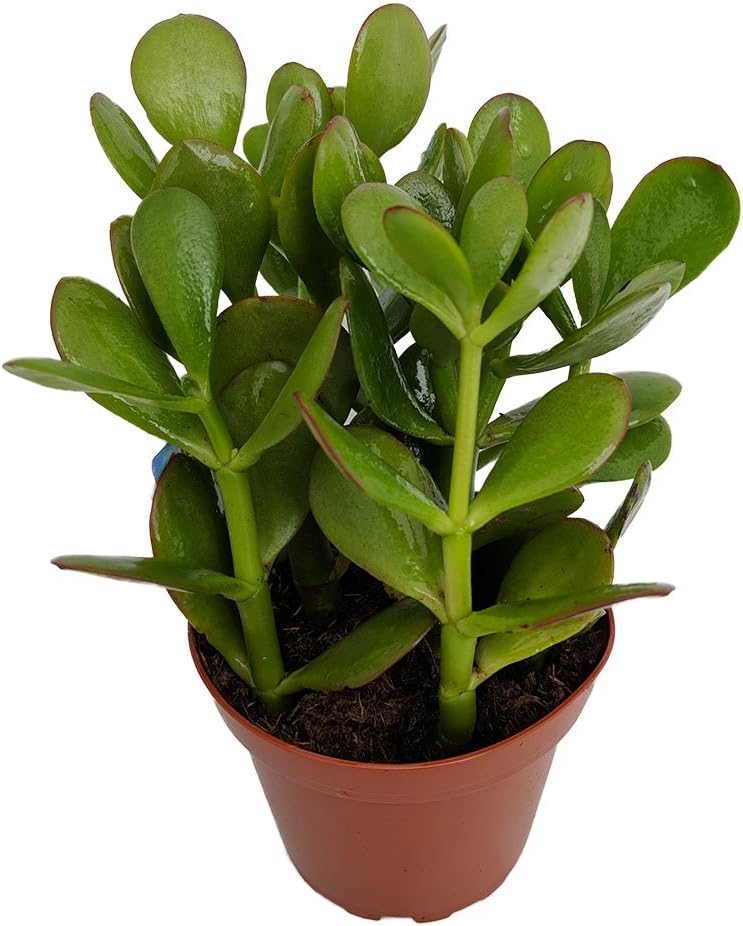
Hirt's Gardens Sunset Jade Crassula – 4" Pot
| Plant or Animal Product Type | Crassula |
|---|---|
| Sunlight Exposure | Full Sun |
| Moisture Needs | Moderate Watering |
| Expected Blooming Period | Summer |
| Indoor Outdoor Usage | Outdoor |
This Sunset Jade (Crassula) is a compact, sun‑loving succulent sold in a 4" nursery pot and intended for outdoor placement in bright, direct light. It thrives in well‑draining soil and only needs moderate watering once the soil dries, which makes it easy to fit into low‑maintenance sunny spots such as a sunny porch, rock garden, or sunny container grouping. The plant flowers in summer with small pink or white blooms and is hardy to USDA zone 3, so it tolerates a wide range of climates when established. Practical benefits include low water use, simple care instructions, and suitability for beginners or gardeners who want a durable sun‑loving specimen. Limitations are its small nursery size at purchase, which means it may take time to reach a fuller form, and as a succulent it needs protection from overwatering and poorly drained soils. If you want a hardy, direct‑sun plant that requires minimal fuss, this variety is straightforward to grow and maintain.
Best for: Gardeners looking for an inexpensive, low‑maintenance succulent to populate sunny outdoor spots or containers and who prioritize easy care over immediate large size.
Less Ideal for: Those who want instant, large specimens or who cannot provide well‑draining soil and controlled watering for succulents.
- Prefers full sun and is suited to direct sunlight locations
- Low maintenance with moderate watering needs and drought tolerance
- Hardy to USDA zone 3 so can tolerate a broad range of climates
- Produces small summer flowers for seasonal interest
- Sold in a small 4" nursery pot so will require time or repotting to develop into a larger specimen
- Requires well‑draining soil and is susceptible to root problems if kept too wet
Verdict: A budget‑friendly, sun‑loving succulent that delivers easy, low‑water outdoor color for sunny spots.
CitronellaKing Hesperaloe (Red Yucca) 2-Plant Starter Pack

| Sunlight Exposure | Full Sun to Partial Shade |
|---|---|
| USDA Hardiness Zone | 5-11 |
| Expected Blooming Period | Spring, Summer, Fall |
| Soil Type | Well-Draining Soil |
These two Hesperaloe (red yucca) starter plants are low-maintenance evergreen succulents meant for full sun sites where strong vertical form and long-lasting coral-red blooms are desired. Supplied in 3.5" nursery cubes, the plants are typically set into well-draining soil and established with moderate watering until roots take hold, then tolerated to long dry periods. Notable features include drought and cold hardiness across USDA zones 5–11, tall flower spikes that attract hummingbirds, and narrow arching foliage that keeps the base tidy year-round. Practical benefits are obvious for sunny, low-water landscapes: they provide durable structure, seasonal color without frequent care, and work well in xeriscapes, rock gardens, and large containers. Limitations are that they need full sun to perform best and will require space at maturity since plants can spread several feet and produce very tall bloom stalks; beginners should plan planting locations accordingly. Overall these are reliable sun-loving perennials for gardeners who want striking, low-effort color in hot, dry sites.
Best for: Gardeners who prioritize dependable, low-water plants for sunny exposures and want long-lasting architectural form with seasonal blooms and minimal ongoing care.
Less Ideal for: People with small shady yards, crowded plantings, or those who need compact, slow-growing foliage for very tight container spaces.
- Very drought- and heat-tolerant once established, suited to xeriscapes
- Cold-hardy across USDA zones 5–11 for wide climate adaptability
- Produces tall coral-red flower spikes that attract pollinators
- Low-maintenance evergreen habit that stays tidy at the base
- Requires full sun to reach best flowering and form
- Can spread and produce tall bloom stalks that need spacing and occasional pruning
Verdict: A dependable, sun-loving perennial that delivers low-water structure and long-lasting coral-red blooms for reliable direct-sun landscaping.
Costa Farms Aloe Vera Live Succulent in Decorative Pot

| Indoor Outdoor Usage | Indoor |
|---|---|
| Other Special Features of the Product | Air Purification |
| Sunlight Exposure | Full Sun |
| Moisture Needs | Little To No Watering |
| USDA Hardiness Zone | 8 |
This Costa Farms Aloe Vera is a straightforward, low-maintenance succulent meant for sunny windowsills and bright rooms. It ships potted in a small decorative plastic planter and arrives ready to display; care is simple — bright, direct light and sparse watering, roughly once every two weeks, keep it healthy. Notable features include its air-purifying foliage and slow, predictable growth that makes it a good fit for countertops, desks, or small-planter collections. Because the container has no drainage holes, you need to be careful not to overwater and allow excess moisture to evaporate or be removed. The plant is described as hardy in warmer USDA zones and benefits from occasional fertilizer during the growing season. Expect a compact plant that requires little attention but will need repotting into a larger container if you want faster growth. For buyers looking for a reliable sun-loving houseplant, the Aloe Vera offers clear, practical benefits; those wanting a large or fast-growing statement plant should consider other options.
Best for: Buyers who want a reliable, sun-loving indoor succulent that is simple to care for and ready to display with minimal setup, especially those who prefer plants with documented customer experience.
Less Ideal for: People seeking a large, fast-growing houseplant or those who want a plant permanently planted in a drainage-ready container without repotting.
- Very low watering needs make it easy to care for and tolerant of occasional neglect
- Performs well in bright, direct light, ideal for sunny windowsills
- Arrives potted and display-ready in a decorative planter
- Natural air-purifying foliage that suits indoor living spaces
- Decorative pot lacks drainage holes, increasing risk of overwatering if not monitored
- Compact size means it may need repotting for significant growth
Verdict: An easy, sun-loving indoor succulent that delivers low-maintenance greenery and instant decor impact for bright spaces.
Choosing the Right Direct Sunlight Plants: Key Factors to Consider
Sun Exposure and Microclimate
Direct sunlight varies by latitude, season, and the immediate surroundings of a site. Afternoon sun is hotter and more intense than morning sun, and reflective surfaces like light-colored walls or pavements can increase heat stress. Understanding the microclimate helps you choose plants with the right tolerance so they do not scorch or drop foliage.
Consider how long a spot receives uninterrupted sun, whether wind increases moisture loss, and whether heat islands form near walls or decks. Plants rated for "full sun" can still differ in how much reflected heat and soil temperature they tolerate.
Soil Drainage and Watering Needs
Soils in sunny spots often dry quickly, so drainage and moisture retention are key. Some sun-loving plants prefer gritty, fast-draining mixes that prevent root rot, while others do better with soils that hold a bit more moisture. Amending planting beds or choosing an appropriate potting mix changes how often you must water.
Match plant selection to your irrigation routine: if you want low-maintenance beds, favor drought-resilient species; if you can water regularly, you can expand to showier or heavier-feeding varieties.
Heat and Drought Tolerance
Heat tolerance is not the same as drought tolerance. Some plants can handle high daytime temperatures but need frequent moisture to stay lush. Others survive long dry periods by dropping leaves or going semi-dormant. Knowing which strategy a plant uses informs placement and how you manage irrigation during heat waves.
For long-term health, prioritize plants whose drought responses match your climate and available care. Mulch, grouping similar water-use plants, and choosing heat-adapted cultivars all reduce stress in hot sites.
Growth Habit and Space
Plants for direct sun come in many forms: mounded perennials, low groundcovers, tall architectural stems, and compact shrubs. Consider mature size and habit so plants do not overcrowd sunny beds or outgrow containers. Fast-spreading groundcovers can suppress weeds in hot, exposed soil, while upright growers add vertical interest and shade lower plants.
Think about seasonal changes in habit too. Some sun-loving plants bulk up quickly in a single season and need division, while others hold a tidy shape with minimal intervention.
Bloom Timing and Pollinator Benefits
Flowering schedule matters for continuous color in a sunny border. Choose a mix of species with staggered bloom times to avoid gaps. Many sun-adapted plants are excellent for pollinators because bright, nectar-rich flowers open in hot weather when insects are active.
If wildlife value matters, select species known to attract bees, butterflies, or beneficial insects and place them where pollinators can access them easily.
Container Performance and Pot Size
Containers heat up and dry out faster than in-ground plantings, so sun-loyal container selections must tolerate both bright light and rapid moisture loss. Pot material, color, and volume influence root temperature and water needs. Larger pots buffer temperature swings and reduce watering frequency, while small pots may force you into constant attention.
Choose plants whose root systems suit the pot size you plan to use and consider using mixes with moisture-retaining components if you want longer intervals between watering.
Best Uses for Direct Sun Plants
Plants that tolerate direct sun excel in exposed borders, low-water beds, rooftop gardens, and sunny containers. Use them where hardier species are needed to stand up to intense afternoon light and reflected heat.
For structure, place taller, sun-loving specimens near the back of beds or in sheltered spots that provide some wind protection. Low, spreading types are excellent along edges and for erosion control on sunny slopes.
- Hot, sunny borders and mass plantings
- Drought-tolerant landscapes and low-water gardens
- Full-sun containers on patios or balconies
- Pollinator strips and seasonal color accents
Establishing Plants in Sunny Sites
Successful establishment in full sun depends on attention during the first season. Provide thorough initial watering and mulch lightly to conserve soil moisture without creating soggy conditions around stems. Shade cloth is rarely needed long-term but can help newly transplanted specimens survive heat waves.
Planting in the cooler part of the day and giving root systems time to expand before the hottest weeks arrive reduces transplant shock. Group plants with similar water needs together so irrigation can be targeted and efficient.
- Prioritize deep, infrequent watering at planting
- Use coarse mulch to minimize evaporation
- Avoid heavy fertilization until plants are established
Design Tips for Sunny Beds and Containers
Contrast foliage textures and heights to keep sunny displays interesting even when a few plants are not in bloom. Combine architectural leaves with low-mounded bloomers and trailing plants for layered structure.
In containers, balance a focal specimen with spill-and-fill plants that cascade or soften edges. Light-colored foliage can reduce heat absorption and add brightness to a hot spot.
- Mix different bloom times for continuous color
- Use repeat planting to create rhythm across the bed
- Select pot materials that moderate root temperature
Watering Strategies for Hot, Sunny Conditions
Water management is the biggest day-to-day concern for sunny plantings. Early morning watering reduces evaporative loss and allows foliage to dry before evening. Apply water to the root zone rather than overhead where possible to reduce disease risk.
Irrigation frequency should reflect pot size, soil type, and plant water strategy. In-ground beds with amended soil will hold moisture longer than shallow containers, so adjust schedules accordingly.
- Water deeply and less often to encourage strong roots
- Mulch and soil amendments increase moisture retention
- Consider drip irrigation or soaker hoses for efficiency
Dealing with Heat Stress and Sunburn
Even sun-adapted plants can show stress during extreme heat. Look for leaf curling, browning at tips, and reduced flowering as signs of heat distress. Temporary remedies include additional deep watering and temporary afternoon shade during heat waves.
Long-term adjustments may include selecting more heat-hardy cultivars, improving soil structure to increase root resilience, or increasing mulch depth to cool roots.
- Monitor plants during extended heat spells
- Provide temporary shade for recently planted specimens
- Prune lightly to reduce transpiration load if needed
How We Chose the Best Direct Sunlight Plants
We focused on characteristics that predict success in hot, high-light conditions common to south-facing yards, rooftop planters, and unshaded borders. Primary evaluation criteria included measured light tolerance under full-sun exposure, drought resilience or water-use efficiency, and seasonal ornamental value such as bloom length or foliage color. We also assessed ease of cultural care for typical home gardeners, including pruning and feeding needs, and evaluated suitability for different container and in-ground situations. Plants were excluded if they require regular shade, misting, or temperate greenhouse conditions to perform. We also excluded cultivars that demand specialized soils or intensive pest control. The final list favors species and common garden varieties that reliably hold up in direct sun, perform with modest maintenance, and provide specific benefits like long bloom periods, architectural foliage, or wildlife value. These filters align the picks to realistic garden practices rather than idealized trial conditions.
FAQ
How much daily sun counts as direct sun for these plants?
Direct sun usually means at least six hours of strong, unfiltered sunlight, including the hotter afternoon hours. Some species will tolerate more than eight hours, but check individual plant descriptions for exact recommendations.
Can I use these plants in containers on a sunny balcony?
Yes. Many sun-adapted plants perform well in containers, but pots dry out faster than garden beds. Use larger containers, well-draining potting mix, and plan on more frequent watering, especially in hot weather.
Do sun-loving plants need special fertilizer routines?
Fertilizer needs vary by species, but most sun-tolerant plants do fine with a balanced feeding once or twice during the growing season. Heavy feeding can increase water demand, so match fertility to the plant's vigor and your watering ability.
How do I prevent sunburn on new transplants?
Protect new plantings with temporary afternoon shade or install them in cooler parts of the day. Ensure roots are well watered at planting and keep mulch in place to moderate soil temperature until plants root in.
Will using light-colored pots reduce heat stress?
Light-colored containers reflect more radiant heat and can help keep root zones cooler than dark pots. Pot material and size also influence temperature swings, so pair material choice with the plant's heat tolerance.
Are there seasonal care differences for direct sun plantings?
Yes. In peak summer you may need more frequent watering and monitoring for stress. In cooler months, reduce irrigation and clear debris to prevent moisture-related issues. Adjust pruning and division schedules to avoid exposing fresh growth to harsh sunlight.
Final Verdict
Focus on plants whose light and water requirements match the intensity of your sun-exposed site. Prioritize true sun tolerance, drought resilience, and growth habit to create sustainable, low-maintenance displays. Balance bloom timing and container suitability to meet your design and care preferences. By matching species to microclimate, soil, and watering capacity, you can create reliable, colorful plantings for hot, sunny locations without excess effort. Choose based on the tradeoffs described here and you will have a planting that lasts through the hottest months.
