

Note: This article contains affiliate links. If you click on these links and make a purchase, I may earn a small commission at no extra cost to you. This helps support my research and content. Read my full affiliate disclosure here.
Choosing the right plant food for herbs matters because these edible plants respond quickly to both overfeeding and undernourishing. Herbs grown in containers, raised beds, or small garden plots need a nutrient profile that encourages leaf growth and preserves aroma without producing excessive leggy growth. This guide covers seven top plant foods for herbs shortlisted for typical home-garden scenarios, from pots on a sunny windowsill to kitchen-garden beds. We evaluate each option on nutrient balance, ease of use, and how well it suits common herb-growing situations. Read on to understand the practical tradeoffs so you can pick a feeding approach that fits your soil, season, and harvesting style.
Top Picks at a Glance
| Best Overall The best all-around choice for most situations | Grow Queen Organic Liquid Indoor Plant Food 5-5-5 with Sea Kelp, 8 oz | 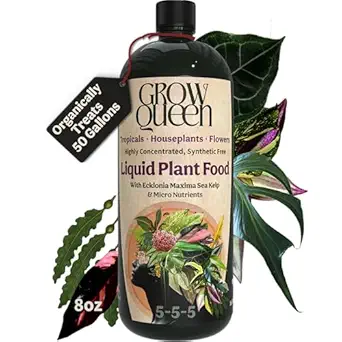 |
| Best Quality Built to a higher standard if you want something more solid | Organic Plant Magic Water-Soluble Fertilizer (1/2 lb) |  |
| Best Value The sweet spot between price and what you get | Miracle-Gro Water Soluble All Purpose Plant Food, 3 lb |  |
| Best Budget The cheapest option that still gets the job done reliably | Miracle-Gro Water Soluble All Purpose Plant Food, 1.5 lb |  |
| Highest Rated A top-rated pick with lots of positive feedback | Pegmapri Organic Liquid Plant Food, 8.45 fl oz Concentrated |  |
| Most Popular A crowd favorite that many people choose with confidence | Miracle-Gro Indoor Plant Food for All Plants, Liquid (2 × 8 fl. oz.) |  |
| Best Seller A high-volume bestseller chosen again and again | TPS NUTRIENTS Liquid Plant Food for AeroGarden & Hydroponic Systems, 8 oz | 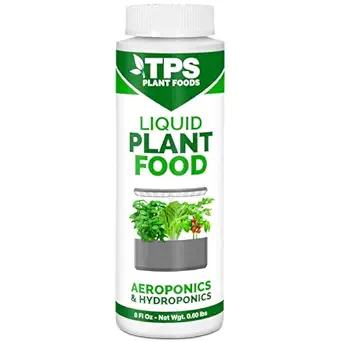 |
Grow Queen Organic Liquid Indoor Plant Food 5-5-5 with Sea Kelp, 8 oz

| Item Form | Liquid |
|---|---|
| Application Method | Watering |
| Mixing Ratio | 1:1 |
| Target Species | Plants |
This Grow Queen liquid plant food is a concentrated, balanced 5-5-5 organic fertilizer blended with Ecklonia maxima sea kelp and micronutrients. You mix one capful (about 4 ml) per gallon of water and apply as a soil drench or foliar feed every 1 to 3 weeks, which makes it easy to fold into a regular watering routine for potted herbs and container gardens. The balanced NPK supports leafy growth and root strength without the burn risk of high-nitrogen feeds, and the kelp adds trace minerals that can help plants tolerate stress and push greener foliage. At 8 ounces the bottle concentrates enough to treat many gallons of water, so it is economical for several small herb pots. Limitations: it has a natural seaweed odor that some may find off-putting and organic liquids can require fresh mixing in hydroponic or recirculating systems to avoid film or buildup. For standard soil-grown herbs it works well as a straightforward, all-purpose feed but heavier-feeding vegetables or bloom-focused fertilizer needs may benefit from supplements formulated for flowering or fruiting.
Best for: Home gardeners who want a simple, no-fuss organic feed to keep a mixed collection of potted herbs and container plants healthy through regular watering.
Less Ideal for: Growers focused on heavy-feeding fruiting vegetables or those seeking a bloom-boosting fertilizer tailored to flowering and fruit production.
- Balanced 5-5-5 NPK suitable for general feeding of leafy herbs
- Concentrated formula treats up to 50 gallons from an 8 oz bottle, economical for many potted herbs
- Contains sea kelp and micronutrients that support root health and stress tolerance
- Can be used as soil drench or foliar spray for flexible application
- Has a natural seaweed smell that may be noticeable after watering
- Requires fresh mixing for hydroponic or recirculating systems to prevent film formation
Verdict: A concentrated, gentle organic 5-5-5 liquid fertilizer with kelp that makes regular feeding of potted herbs simple and economical.
Organic Plant Magic Water-Soluble Fertilizer (1/2 lb)

| Item Form | Powder |
|---|---|
| Application Method | Mix in Water Directly to Soil or Planting Hole |
| Specific Uses For Product | Plant Growth |
| Mixing Ratio | 1 tablespoon per 1 gallon of water |
Organic Plant Magic is an all-purpose, water-soluble organic fertilizer concentrate that mixes at 1 tablespoon per gallon to drench soil or foliar-feed plants. It contains a blend of amino and humic acids, kelp, bone ash, langbeinite and a microbial complex marketed as GroBiotics including mycorrhizae. In practice it is used weekly on in-ground herbs and vegetables and monthly on houseplants, and can also be added to planting holes or used as a foliar spray. The powder dissolves cleanly and the formula is non-toxic, so it is safe around kids, pets and pollinators and unlikely to burn plants when slightly overapplied. Because it is rapid-release and intended for frequent applications, you should expect quicker visible responses in leaf and flower growth than with slow-release fertilizers, and repeated use builds beneficial soil microbes. Limitations: it is a rapid-release concentrate so it requires regular feeding rather than a single long-lasting application and mixed solution should be used within 24 hours per directions.
Best for: Herb growers who prioritize fast, measurable growth and want an organic feed that also builds soil biology through frequent, hands-on feedings.
Less Ideal for: Buyers seeking a low-maintenance, set-and-forget slow-release fertilizer or those who prefer granular products that do not require weekly mixing.
- Truly organic formula with microbes, mycorrhizae and kelp to support both plants and soil biology
- Water-soluble powder mixes cleanly for soil drench or foliar feeding
- Safe, non-toxic formula suitable for use around children, pets and pollinators
- Versatile application: works for seedlings, transplants, potted herbs and in-ground garden beds
- Rapid-release formula requires regular applications rather than a single long-term feed
- Mix must be used within 24 hours after dissolving
Verdict: If you want quick, organic growth for culinary herbs and improved soil life with regular feedings, this water-soluble concentrate delivers.
Miracle-Gro Water Soluble All Purpose Plant Food, 3 lb

| Item Form | Powder |
|---|---|
| Application Method | Mix with water in a watering can |
| Specific Uses For Product | Plant Food |
| Mixing Ratio | 5.875d-1 |
| Unit Count | 48 Ounce |
Miracle-Gro Water Soluble All Purpose Plant Food is a powdered fertilizer you mix with water and apply every 7 to 14 days to give plants a fast nutrient boost. It contains an NPK analysis of 24-8-16 and is intended for use on flowers, vegetables, herbs, houseplants, trees, shrubs and container plants. Typical use is dissolving the measured scoop in a watering can and soaking soil at the base of each plant so nutrients reach roots quickly; it can also be used with a garden feeder for larger areas. Benefits for herb growers include rapid uptake of nitrogen to promote leafy growth and easy dosing for frequent feedings. Important limitations are that it is a high-nitrogen, all-purpose formula rather than an herb-specific blend and it requires regular reapplication every one to two weeks rather than providing slow-release nutrition. Follow mixing directions to avoid overfeeding and avoid direct skin or eye contact when handling the powder.
Best for: Herb gardeners who want a straightforward, fast-acting feed to boost leafy growth and are comfortable applying a water-soluble fertilizer on a regular schedule.
Less Ideal for: Growers seeking a low-nitrogen or slow-release fertilizer tailored to maximizing herb flavor or bloom production should consider specialty formulations instead.
- Water-soluble powder delivers nutrients to roots quickly
- Clear, simple application instructions with included scoop
- Suitable for both container and in-ground plants including herbs
- Covers a large area from a single container (feeds up to ~1,200 sq ft)
- High nitrogen ratio may favor leaf growth over flowering or balanced herb flavor development
Verdict: A simple, fast-acting water-soluble plant food that reliably boosts leafy growth for herb beds when used every one to two weeks.
Miracle-Gro Water Soluble All Purpose Plant Food, 1.5 lb

| Item Form | Powder |
|---|---|
| Application Method | Watering Can |
| Target Species | For all flowers, vegetables, trees, shrubs and houseplants |
| Mixing Ratio | 24-8-16 |
Miracle-Gro Water Soluble All Purpose Plant Food is a fast-acting powder fertilizer you dissolve in water and apply with a watering can or garden feeder to give plants an immediate nutrient boost. It is typically used every 1 to 2 weeks for houseplants and every 7 to 14 days for outdoor flowers and vegetables; the product includes scoop measurements and mixing guidance for both indoor and outdoor use. The 24-8-16 analysis supplies a strong nitrogen dose to promote leafy growth while also providing phosphorus and potassium for root development and overall vigor. Practical benefits include quick uptake by roots, compatibility with containers and in-ground beds, and clear instructions that make feeding straightforward. Limitations to consider are the relatively high nitrogen ratio, which favors foliage over bloom or fruit in some herbs if overused, and the need to follow the mixing directions to avoid overfeeding. For routine feeding this is a convenient, easy-to-mix option that delivers noticeable green-up when used as directed.
Best for: Gardeners looking for an inexpensive, easy-to-use liquid feed to keep potted herbs and small garden beds verdant with regular applications.
Less Ideal for: Growers focused primarily on maximizing blooms or fruiting where a bloom-boosting or lower-nitrogen formula would be preferable.
- Water-soluble powder that begins working quickly after application
- Clear mixing instructions and included scoop for indoor and outdoor use
- Broadly labeled safe for houseplants, vegetables, flowers, trees and shrubs
- Feeds approximately 600 sq. ft. from a 1.5 lb. container
- High nitrogen formulation may encourage leafy growth over blooms or strong herb flavor if used too frequently
Verdict: A budget-friendly, fast-acting soluble fertilizer that is simple to mix and effective for keeping herbs and other plants green with regular feedings.
Pegmapri Organic Liquid Plant Food, 8.45 fl oz Concentrated

| Brand | Pegmapri |
|---|---|
| Item Form | Liquid |
| Specific Uses For Product | Plant Growth, Root Development, Seed Development, Soil Conditioning |
| Application Method | Watering can, Drip irrigation, Soil drenching |
| Target Species | Houseplants |
This Pegmapri concentrated liquid plant food is an all-purpose organic nutrient intended for steady feeding of herbs and other container plants. The small 8.45 fl oz bottle is highly concentrated and mixes easily in a watering can, drip system, or for soil drenching, so a little goes a long way for regular maintenance or weekly feedings. It is formulated for rapid root uptake, supplying macro and micronutrients quickly to support root development, greener foliage, and stronger stems — traits that help herb beds recover after harvest or transplanting. The formula is compatible with hydroponic and soil systems and is low-residue, so it will not clog emitters or sprayers when used at recommended dilutions. The main limitations are the lack of detailed N-P-K numbers on the label and the small bottle size, which means frequent repurchase for larger herb gardens. For gardeners who prioritize predictable, easy-to-mix liquid feedings, this performs well as a reliable routine nutrient.
Best for: Herb growers who want a dependable, easy-to-mix liquid feed for regular maintenance and quick nutrient uptake in pots, raised beds, or small hydroponic setups.
Less Ideal for: Large-scale herb growers or those who require a detailed nutrient analysis and precise N-P-K ratios for tailoring fertilizer programs.
- Concentrated formula that dilutes to make multiple gallons, stretching a small bottle
- Compatible with watering cans, drip irrigation, soil drenching, and hydroponics
- Fast root absorption to quickly deliver nutrients to herbs and encourage recovery
- Low-residue liquid that mixes evenly and will not clog irrigation lines
- No explicit N-P-K or full nutrient breakdown provided on the product details
- Small 8.45 fl oz volume may require frequent replacement for larger herb gardens
Verdict: A compact, concentrated organic liquid feed that reliably delivers quick nutrient uptake for potted herbs and small garden beds.
Miracle-Gro Indoor Plant Food for All Plants, Liquid (2 × 8 fl. oz.)

| Item Form | Liquid |
|---|---|
| Application Method | Apply directly to soil or mix with water |
| Target Species | Houseplants |
| Liquid Volume | 8 fluid ounces |
| Mixing Ratio | 4 pumps per 1 quart of water |
Miracle-Gro Indoor Plant Food is a ready-to-use liquid fertilizer formulated for indoor container plants, including herbs, vegetables and ornamental houseplants. It is supplied in two 8 fl. oz. bottles and is used either by applying directly to the soil or mixing 4 pumps per quart of water for routine watering. The product feeds instantly and is intended to be applied every two weeks to support greener foliage and stronger growth compared with unfed plants. Practical strengths are its ease of use, pump dosing for controlled mixing and broad compatibility with many common indoor species. Limitations to consider are that the listing does not state a specific N-P-K ratio on the label here and it is a general all-purpose formula rather than a herb-specific blend, so growers who want finely tuned nutrient ratios for culinary herbs may prefer a fertilizer formulated for edible herbs or organics. For small indoor herb gardens this is a simple, reliable maintenance feed; for precision feeding of specialty or high-yield edible crops you may need a targeted alternative.
Best for: Houseplant owners who want an easy, low-effort liquid feed to keep small indoor herb pots and mixed container plantings healthy with a regular two-week feeding routine.
Less Ideal for: Growers seeking precise nutrient programs for high-yield edible herb production or those who prefer organic-certified fertilizers should consider specialized alternatives.
- Ready-to-use liquid feeds plants instantly when applied to soil or mixed with water
- Pump dosing simplifies measuring and mixing for regular two-week feedings
- Suitable for a wide range of indoor potted plants including herbs, vegetables and flowers
- Comes as a two-pack which extends time between purchases
- Product information in this listing does not include a detailed N-P-K ratio
- All-purpose formula is not tailored specifically for the unique needs of culinary herbs
Verdict: A simple, easy-to-use liquid feed that keeps small indoor herb pots and mixed houseplants consistently nourished with minimal fuss.
TPS NUTRIENTS Liquid Plant Food for AeroGarden & Hydroponic Systems, 8 oz

| Brand | TPS NUTRIENTS |
|---|---|
| Item Form | Liquid |
| Specific Uses For Product | Plant Growth, Root Development |
| Target Species | Herb, Vegetable |
| Mixing Ratio | 5 mL per quart of feedwater |
This 8 oz liquid plant food is made for AeroGarden and comparable indoor hydroponic units and is intended to provide balanced nutrition for herbs, greens, and small edible plants. You mix the liquid into the reservoir (manufacturer mixing guidance is 5 mL per quart of feedwater) and use it on a regular feeding schedule to support steady aboveground growth and stronger root systems. Practical benefits include an easy-to-mix liquid formula that integrates with routine AeroGarden maintenance, compatibility with common indoor kits, and a focus on edible herbs and vegetables. The product highlights reservoir-safe formulation and straightforward dosing, which suits repeat feedings without extra additives. Limitations are its small 8 oz volume, meaning frequent repurchasing for larger or multiple units, and that the label assumes hydroponic use only so soil-based gardeners will need a different feeding approach. Also, users should follow safety instructions to avoid skin or eye contact and keep the concentrate away from children and pets.
Best for: Practical indoor herb growers using AeroGarden or similar hydroponic kits who want a ready-to-use, system-compatible nutrient to maintain steady, reliable growth without complicated routines.
Less Ideal for: Gardeners who primarily grow herbs in soil or who prefer bulk concentrated fertilizers for feeding multiple systems should look at soil-specific feeds or larger-volume nutrient solutions.
- Formulated specifically for AeroGarden and indoor hydroponic systems
- Liquid concentrate mixes easily for regular reservoir feeding
- Designed to support both plant growth and root development in edible herbs and vegetables
- Reservoir-safe formula intended to integrate with standard indoor gardening routines
- Small 8 oz bottle may require frequent replacement for multiple or large units
- Not formulated for soil use, so it is not suitable for traditional potted herb gardens
Verdict: A convenient, AeroGarden-compatible liquid nutrient that keeps indoor herbs and small edibles growing steadily with simple reservoir dosing.
Choosing the Right Plant Food for Herbs: Key Factors to Consider
Nutrient Ratio and Balance
Herbs are grown for flavor and foliage rather than heavy flowering or fruiting, so the balance of nitrogen, phosphorus, and potassium is critical. A moderate nitrogen level supports lush leaf growth, while phosphorus helps root health and potassium supports overall plant stress tolerance. Too much phosphorus or potassium relative to nitrogen can reduce leafy vigor, and excessive nitrogen can make herbs leggy with diluted flavor.
When you read labels, look for a ratio that favors steady leaf production. Slow-release formulations or frequent low-dose feedings often work better than large single applications. For edible herbs, conservative feeding prevents salt buildup and preserves the concentrated aromas that make herbs valuable in the kitchen.
Release Profile and Timing
How quickly nutrients become available influences growth patterns. Fast-release fertilizers deliver an immediate boost but can lead to rapid, weak growth if overapplied. Slow-release or controlled-release products provide steady nutrition over weeks or months, reducing the risk of burn and the need for frequent dosing.
Consider the growing season and container size. Potted herbs in small containers often need more frequent light feedings because water drains more quickly and nutrients leach out. In-ground herbs in healthy soil may only require supplemental feeding at key times. Match the release profile to the planting situation to maintain consistent leaf quality.
Formulation and Ease of Application
Plant food for herbs comes in granules, liquids, water-soluble powders, and spikes. Liquids and water-soluble products allow precise control and quick uptake, which is useful when you want fast results or are dealing with nutrient deficiencies. Granules and slow-release pellets minimize maintenance but can be harder to dose accurately in small pots.
Practical considerations include whether you can easily mix and measure doses, whether the product fits into your watering routine, and if it requires special tools. For small-scale herb growers, ease of application can be the difference between consistent feeding and missed applications that cause uneven growth.
Container and Soil Compatibility
Many herbs are grown in containers where soil volume is limited and salts can concentrate quickly. Choose plant food formulated for container use or with low soluble salt content to avoid leaf scorch and root stress. Products that support soil biology and include organic matter or humates help maintain structure and microbial activity in potting mixes.
For in-ground herbs, consider how the product interacts with existing soil fertility. Some concentrated fertilizers can temporarily alter pH or lead to nutrient imbalances if the soil already contains sufficient nutrients. Test or know your soil history when possible and favor gentle feeding in established beds.
Flavor, Residue, and Safety for Edible Foliage
Because herbs are consumed fresh, residue and flavor impacts matter. Nutrient sources, especially synthetic salts, can leave residues if overapplied and sometimes alter taste. Organic or naturally derived fertilizers often enhance soil life and may contribute to more robust flavor, though they release nutrients more slowly.
Also consider pre-harvest intervals and recommended waiting times after application. Many herb growers prefer feed regimes that do not require withholding harvests or washing beyond normal food-safety steps. Safety for repeated harvests and minimal chemical residue should factor into product choice.
Sustainability and Soil Health
Long-term herb productivity depends on maintaining soil structure and microbial communities. Some plant foods include composted materials, kelp, or microbial inoculants that promote soil biology and resilience. Over-reliance on high-salt synthetic feeds can degrade soil life over time, especially in containers where flushing is limited.
If you plan continuous harvests or succession planting, prioritize products that support soil health and reduce the need for corrective applications. Choosing feeds that integrate with your composting and mulching practices helps create a sustainable cycle for herb beds.
Feeding Schedules for Different Herb Setups
Feeding frequency varies with container size, soil type, and harvesting intensity. Small pots and window boxes typically need light feeding every one to two weeks during active growth. Larger containers and in-ground herbs may only require monthly or seasonal top-ups depending on the soil's baseline fertility.
Adjust feeding after heavy harvests or prolonged rainfall that leaches nutrients. In early spring, give a gentle boost to support new leaf growth. Reduce or pause nitrogen-heavy feeding in late summer for perennial herbs that are preparing for dormancy.
- Potted herbs: dilute liquid feed every 7-14 days during active growth
- Raised beds: light granular or liquid top-up monthly
- Perennial herbs: feed lightly in spring and again in midsummer
Application Tips to Avoid Overfeeding
Measure carefully and follow label dilution rates. When in doubt, use a weaker solution more often rather than a stronger solution less frequently. Overfeeding causes leaf burn, leggy growth, and off flavors.
Flush container soils occasionally by watering thoroughly to remove excess salts. For granular feeds, apply evenly and avoid concentrated piles near stems. Record how plants respond so you can fine-tune the regime for each herb species and location.
- Start at half the recommended strength for new plantings
- Increase gradually only if plants show signs of nutrient deficiency
Organic Vs Synthetic Options for Herb Beds
Organic feeds release nutrients more slowly and usually support soil microbes, which can improve long-term flavor and resilience. They are forgiving to use but may require more frequent application to supply enough nitrogen in fast-growing herbs.
Synthetic feeds give predictable, fast-acting nutrient availability and are easy to tailor to specific deficiencies. However, they require careful dosing and periodic flushing of container soils to prevent salt accumulation. Choose based on how quickly you need results and your priorities for soil health.
- Organic: gentler, boosts soil biology, slower-release
- Synthetic: fast, precise, higher risk of salt buildup
Adjusting Feed for Specific Herb Types
Leafy herbs such as basil, parsley, and cilantro benefit from slightly higher nitrogen to maintain green, vigorous growth. Robust Mediterranean herbs like rosemary and thyme prefer leaner soils and lighter feeding to preserve oil concentration and drought tolerance.
Delicate culinary herbs used primarily for finishing may need very light feeding to avoid diluting aroma. Observe each species and adapt feed strength and frequency accordingly rather than applying the same routine across all herb types.
- Basil and parsley: regular light feeding for continuous harvests
- Rosemary and thyme: sparse feeding to maintain concentrated oils
- Cilantro and dill: moderate feeding but avoid excessive nitrogen late in the season
Storage and Handling Advice
Store granular and soluble feeds in a cool, dry place in sealed containers to prevent caking and nutrient degradation. Liquids and concentrates should be kept away from direct sunlight and extreme temperatures.
Label your feed containers with the purchase or opening date and dilution instructions to avoid accidental overuse. Keep fertilizers out of reach of children and pets, and follow disposal instructions for leftover mixes.
- Seal and store dry feeds in airtight containers
- Mix only what you need to avoid wasted concentrate
How We Chose the Best Plant Food for Herbs
We focused on attributes that directly affect edible herb performance and gardener convenience. Primary evaluation criteria included nutrient ratio and release profile because herbs need a steady supply of nitrogen for leaf production but also benefit from phosphorus and potassium in measured amounts. Ease of application and dosing accuracy were included to reflect everyday use in containers and small beds. Compatibility with container mixes and typical garden soils was considered to avoid salt buildup or nutrient lockout. Organic certification or naturally derived sources were weighed for gardeners concerned about flavor and soil life. Finally, safety for repeated harvests and minimal residue were checked to protect edible foliage. Excluded items were general lawn fertilizers, bloom boosters designed for heavy flowering ornamentals, and products formulated only for trees or turf. We favored products and formulations that offer clear mixing instructions and predictable results for small-scale herb growing. The criteria above informed selections for reliability, repeatability, and safe feeding practices for herbs.
FAQ
How often should I feed herbs in small pots?
Small pots usually need light feeding every one to two weeks during active growth. Use a diluted liquid feed at half strength to start and adjust based on plant response.
Will plant food change the flavor of my herbs?
Feeding affects vigor and oil concentration, which influences flavor. Balanced, moderate feeding tends to preserve flavor, while overfeeding can dilute aromatic compounds. Organic feeds that support soil life often help flavor over time.
Can I use the same plant food for all my herbs?
You can use a general herb-friendly feed, but adjust strength and frequency for different species. Mediterranean herbs need lighter feeding than fast-growing leafy herbs like basil.
When is the best time to feed perennial herb beds?
Feed perennial herbs lightly in early spring to support new growth and again in midsummer if plants are actively producing. Reduce feeding as plants enter dormancy or slow growth.
Are organic fertilizers better for edible herbs?
Organic fertilizers support soil biology and release nutrients more slowly, which can enhance flavor and long-term soil health. They may not produce as rapid visible results as synthetic feeds, but they are often preferred for edible crops.
How can I tell if my herbs are overfertilized?
Signs of overfertilizing include leaf tip burn, unusually soft or leggy growth, and reduced aroma. If you suspect overfeeding, flush container soil with water and pause fertilization until plants recover.
Final Verdict
Pick a plant food for herbs that matches how you grow and harvest. Prioritize nutrient balance and a release profile suited to container or in-ground setups, and favor formulations that minimize residue on edible foliage. Be conservative with dosing, observe how different herbs respond, and adjust feeding strength rather than frequency when problems appear. Overall, prioritize predictable nutrient ratios, ease of application, and compatibility with your soil to keep herb beds productive and flavorful throughout the season.
