

Note: This article contains affiliate links. If you click on these links and make a purchase, I may earn a small commission at no extra cost to you. This helps support my research and content. Read my full affiliate disclosure here.
If you need a straightforward way to blast away dirt from driveways, patios, siding, and outdoor furniture, an electric powered pressure washer can deliver strong cleaning without the fuss of gas engines. The right unit makes routine exterior tasks faster while being easier to start, quieter, and lower-maintenance for most home gardeners and homeowners. This guide covers seven shortlisted electric-powered pressure washers that represent the best balance of spray power, portability, and durability for typical residential tasks. We evaluated each option on performance, build quality, and practical features so you can pick a model suited to your cleaning frequency and surface types.
Top Picks at a Glance
| Best Overall The best all-around choice for most situations | Westinghouse WPX3000e Electric Pressure Washer (3000 PSI, 1.76 GPM) |  |
| Best Quality Built to a higher standard if you want something more solid | EGO POWER+ HPW3200 Cordless Pressure Washer, 3200 PSI | 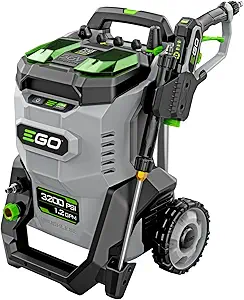 |
| Best Value The sweet spot between price and what you get | Westinghouse WPX3400e Electric Pressure Washer (3400 PSI, Brushless Motor) |  |
| Best Budget The cheapest option that still gets the job done reliably | MZK Lightweight Electric Pressure Washer with Foam Cannon |  |
| Highest Rated A top-rated pick with lots of positive feedback | Westinghouse ePX3500 Electric Pressure Washer (2500 PSI, 1.76 GPM) |  |
| Most Popular A crowd favorite that many people choose with confidence | Westinghouse ePX3100s Electric Pressure Washer (2100 PSI, 1.76 GPM) |  |
| Best Seller A high-volume bestseller chosen again and again | Sun Joe SPX3000 Electric Pressure Washer, 2030 PSI |  |
Westinghouse WPX3000e Electric Pressure Washer (3000 PSI, 1.76 GPM)

| Power Source | ac |
|---|---|
| Maximum Flow Rate | 1.76 gpm |
| Maximum Pressure | 3000 psi |
| Tank Volume | 0.45 gallons |
| Hose Length | 25 feet |
The Westinghouse WPX3000e is an electric pressure washer built for homeowners who need strong, versatile cleaning without the hassle of gas engines. It delivers a 3000 max PSI output and up to 1.76 GPM (1.1 GPM rated at 2600 PSI) from a heavy duty AC motor and a maintenance-free axial pump. The unit includes a 25 ft abrasion-resistant hose, five quick-connect nozzles (including a turbo and soap tip), a 0.45 gallon soap tank, and 10-inch never-flat wheels for easier movement. In practice this model handles decks, patios, driveways, fences and car exteriors effectively; the soap tank and nozzle set make switching between detergent cleaning and high-pressure rinsing quick. The 35 ft GFCI power cord and M22-compatible fittings also give flexibility for accessories. Expect typical electric-washer limits though: you get less continuous flow than a commercial gas unit and performance depends on household electrical supply, so it is best for residential deep cleaning rather than heavy contractor use. Assembly and maintenance are straightforward and the durable frame makes it easy to store between jobs.
Best for: Homeowners who want a powerful, easy-to-use electric washer for periodic deep cleaning of decks, driveways, patios, cars, and exterior surfaces and prefer low maintenance over gas-powered models.
Less Ideal for: Professional landscapers or users who need continuous high-flow, all-day cleaning power should consider commercial gas units instead.
- High peak pressure (3000 PSI) with five quick-connect nozzles for versatile cleaning tasks
- Built-in 0.45 gallon soap tank and M22 compatibility for foam cannons and surface cleaner attachments
- Maintenance-free axial pump and heavy duty AC motor reduce upkeep
- Long reach with a 25 ft abrasion-resistant hose and 35 ft GFCI power cord for better mobility
- Electric motor and flow rate are less suitable for continuous heavy contractor use compared with gas models
- Performance depends on household electrical supply which may limit sustained high-pressure output
Verdict: A versatile, low-maintenance electric pressure washer that delivers near-gasoline peak pressure for homeowners who need powerful weekend cleaning without the fuss of a gas engine.
EGO POWER+ HPW3200 Cordless Pressure Washer, 3200 PSI

| Power Source | Battery Powered |
|---|---|
| Maximum Pressure | 3200 psi |
| Maximum Flow Rate | 2 gpm |
| Hose Length | 7.62 meters |
| Tank Volume | 2 gallons |
The EGO POWER+ HPW3200 is a high-performance cordless pressure washer designed for homeowners who need gas-like cleaning power without a cord. It pairs two 56V ARC Lithium batteries to reach up to 3200 PSI and a maximum 2.0 GPM flow for heavy-duty tasks such as driveways, patios, and vehicle cleaning. The wand-mounted display and handheld pressure control let you switch between ECO, High, and Turbo modes and monitor battery status mid-job, and quick-connect fittings plus a siphon hose make setup with a hose or fresh water source straightforward. A telescopic handle and included 25-foot high-pressure hose, foam cannon, five nozzles, and stainless-steel wand add practical convenience for extended jobs. The main limitations are battery dependency and that batteries are sold separately for some SKUs, so runtime varies with battery capacity and is best with two 6.0Ah packs for the claimed 60-minute run time; heavier continuous commercial use will still favor corded or gas units. For performance-minded homeowners wanting cordless power and versatile cleaning modes, this unit delivers strong results.
Best for: Buyers who prioritize high cleaning performance and cordless convenience for frequent residential heavy-duty jobs and want the flexibility of selectable power modes and portable water sourcing.
Less Ideal for: Professionals who need long continuous runtime for back-to-back commercial jobs or users who prefer a plug-in unit with guaranteed unlimited runtime.
- Delivers up to 3200 PSI and up to 2.0 GPM for heavy-duty cleaning
- Wand-integrated display and handheld pressure control for on-the-fly mode and battery monitoring
- Cordless design can draw from a fresh water source using the included siphon hose
- Includes useful accessories such as a 25-foot high-pressure hose, foam cannon, stainless-steel wand, and five nozzles
- Telescopic handle and quick-connect fittings simplify transport, setup, and storage
- Batteries are not included in all configurations so usable runtime depends on purchasing compatible ARC batteries
- Runtime and sustained high-pressure output depend on battery capacity, limiting extended continuous use compared with gas or corded models
Verdict: If you want near-gasoline cleaning power without a cord, this cordless EGO unit provides top-tier PSI, selectable modes, and portable convenience for demanding residential cleaning.
Westinghouse WPX3400e Electric Pressure Washer (3400 PSI, Brushless Motor)

| Maximum Pressure | 3400 psi |
|---|---|
| Maximum Flow Rate | 2 gpm |
| Power Source | ac |
| Hose Length | 25 feet |
| Tank Volume | 0.45 gallons |
The Westinghouse WPX3400e is an electric pressure washer built to handle demanding residential cleaning: driveways, decks, siding, fences and cars. It uses a brushless AC motor and a maintenance-free axial cam 3-piston pump to deliver up to 3400 max PSI and a maximum flow of 2.0 GPM at the lowest pressure setting, while a 3000 PSI rated / 1.1 GPM operating point is closer to typical use. The unit includes a 0.45 gallon onboard soap tank, five quick-connect nozzles (including turbo and soap), a 25 ft abrasion-resistant hose, and a lightweight metal spray gun and wand for durability. Mobility is straightforward thanks to a rugged steel frame and 10" never-flat wheels plus a long 35 ft GFCI cord for reach. Practical buyers will appreciate the low maintenance brushless motor and factory-tested pump backed by a three year limited warranty. Expect a fairly large, heavier machine compared with small consumer models and note that it needs an AC outlet and adequate water supply, so it is not a cordless or fully portable solution for remote jobs.
Best for: Buyers who prioritize durable, maintenance-light equipment that can tackle heavy residential cleaning projects and prefer a corded electric unit over gas models.
Less Ideal for: People who need a lightweight, battery-powered, or fully portable washer for remote jobs or infrequent light cleaning tasks.
- High peak pressure (3400 PSI) suitable for tough exterior cleaning
- Brushless AC motor and maintenance-free axial cam pump for longer life and less upkeep
- Onboard 0.45 gallon soap tank and five quick-connect nozzles for versatile cleaning
- 25 ft abrasion-resistant hose and 10" never-flat wheels improve durability and mobility
- 35 ft GFCI cord increases reach without an extension cord
- Requires AC power and is relatively heavy compared with compact electric models
- Flow rate drops at higher rated pressure so cleaning speed varies by setting
Verdict: A robust, maintenance-light electric pressure washer that delivers near-professional pressure for homeowners who want a durable, high‑performance corded cleaner.
MZK Lightweight Electric Pressure Washer with Foam Cannon

| Power Source | Electric |
|---|---|
| Maximum Flow Rate | 2 gpm |
| Hose Length | 21 feet |
The MZK lightweight pressure washer is a portable electric cleaner meant for homeowners who need a straightforward way to remove dirt from cars, patios, driveways, fences, and outdoor furniture. It produces up to 2.0 gallons per minute and includes a four-range nozzle (0°, 15–25°, 25–60°, 60–120°) so you can switch between a focused jet for stubborn grime and wider fan sprays for rinsing. A foam cannon attachment makes applying detergent easy for car washing and deep-cleaning jobs. The unit is compact and easy to carry, with a long 21 foot hose and integrated cord management for extended reach and neat storage. Practical benefits include simple one-button start, leak-resistant connections for steady flow, and a lightweight design that fits in a garage or trunk. Important limitations are that this is a consumer-grade electric model intended for light to medium tasks rather than heavy-duty commercial use, and it does not list peak PSI, so it may struggle with very thick or scaled deposits compared with higher-pressure models.
Best for: Buyers seeking an affordable, easy-to-use electric pressure washer for regular home and vehicle cleaning who prioritize portability and simple operation.
Less Ideal for: Professionals or users with very heavy-duty cleaning needs who require a high-PSI, commercial-grade machine for large or industrial surfaces.
- Good water flow for home use with up to 2.0 GPM for efficient rinsing and cleaning
- Four adjustable nozzle angles provide flexibility from concentrated jets to wide fan sprays
- Includes foam cannon for easy detergent application during car and surface cleaning
- Long 21 foot hose and compact footprint make it easy to reach around a yard and store when not in use
- Manufacturer does not publish maximum PSI which limits assessment of performance on very heavy-duty stains
Verdict: A lightweight, budget-friendly electric pressure washer that delivers practical cleaning power and useful accessories for typical home and vehicle maintenance.
Westinghouse ePX3500 Electric Pressure Washer (2500 PSI, 1.76 GPM)

| Power Source | ac |
|---|---|
| Maximum Pressure | 2500 psi |
| Maximum Flow Rate | 1.76 gpm |
| Hose Length | 25 feet |
| Tank Volume | 20 fluid ounces |
The Westinghouse ePX3500 is a compact electric pressure washer built for routine home cleaning jobs like cars, patios, fences, and driveways. It produces up to 2500 max PSI and 1.76 max GPM (2000 PSI rated at 1.2 GPM), and comes with a pro-style steel wand and five quick-connect nozzles including a turbo and soap tip for tackling heavy grime. Practical features include a 25 foot easy-coil hose, an onboard 20 oz detergent tank for foam cleaning, and a Total Stop System that automatically stops the pump when the trigger is released to reduce wear. The chassis is designed with a low center of gravity and four quick-lock wheels with 360 degree steering to reduce tipping and make it easy to maneuver around tight areas. Because it is electric and relatively lightweight, it is easy to store and quieter than gas models, though water pressure is lower than professional gas units and continuous heavy use may push the motor. For dependable, occasional to frequent residential cleaning this model balances power and user-friendly reliability.
Best for: Buyers who want a reliable, easy-to-use electric washer for regular residential cleaning tasks and who prioritize longevity and low maintenance over peak commercial power.
Less Ideal for: Contractors or users who need continuous high-pressure performance for large commercial jobs or who require a cordless/portable solution for off-grid locations.
- Up to 2500 max PSI with five quick-connect nozzles for versatile cleaning
- Total Stop System that stops pump when trigger is released to conserve motor and pump life
- Compact, low center of gravity design with 360° steering wheels improves stability and maneuverability
- Onboard 20 oz detergent tank and 25 ft hose for longer reach and easier foam cleaning
- Less sustained pressure and flow than professional gas units, limiting heavy commercial use
- Not suitable for remote jobs without AC power since it is corded electric
Verdict: A dependable, easy-to-maneuver electric pressure washer that delivers solid residential cleaning power with features designed to extend pump and motor life.
Westinghouse ePX3100s Electric Pressure Washer (2100 PSI, 1.76 GPM)

| Power Source | ac |
|---|---|
| Maximum Flow Rate | 1.76 gpm |
| Maximum Pressure | 2100 psi |
| Hose Length | 20 feet |
The Westinghouse ePX3100s is a compact electric pressure washer designed for quick, routine outdoor cleaning tasks. It produces up to 2100 max PSI (rated around 1800 PSI) and a 1.76 max GPM flow, making it suitable for washing cars, decks, patios, brick and light concrete stains. The unit is built for portability and storage with integrated holders for the spray gun, lance and nozzles and a long reach from its 35 foot GFCI power cord and 20 foot high-pressure hose. Included accessories like the adjustable foam cannon, 15° and 25° nozzles, and a turbo nozzle translate to practical versatility when switching between delicate surfaces and tougher grime. Because it is electric and relatively small, setup is simple and it is quieter and easier to move than gas models. Expect limits on continuous heavy-duty work compared with larger commercial washers, and will need an appropriate power source and water supply for peak performance. For homeowners who want an easy, ready-to-use cleaner for regular maintenance, this balances power and convenience effectively.
Best for: Homeowners who want a reliable, easy-to-use electric washer for routine exterior cleaning and who prefer a proven, compact unit supported by positive customer feedback.
Less Ideal for: Professional contractors or users who need sustained high-volume pressure washing for large commercial jobs or remote locations without AC power.
- Compact, lightweight design with integrated holders for easy storage and transport
- 2100 max PSI and 1.76 max GPM provide enough power for cars, decks, patios and light concrete
- Includes foam cannon and multiple nozzles for adaptable cleaning and stronger detergent coverage
- Long reach from a 35 foot GFCI power cord and 20 foot high-pressure hose reduces repositioning
- Not intended for extended commercial or heavy-duty concrete stripping compared with larger gas models
- Requires an electric outlet and sufficient water supply, limiting remote or off-grid use
Verdict: A portable, well-equipped electric pressure washer that gives homeowners effective, low-effort cleaning power for cars, decks and patios.
Sun Joe SPX3000 Electric Pressure Washer, 2030 PSI

| Power Source | Corded Electric |
|---|---|
| Maximum Pressure | 2030 psi |
| Maximum Flow Rate | 1.76 gpm |
| Included Nozzles | 5 quick-connect tips (0°,15°,25°,40°,soap) |
The Sun Joe SPX3000 is a compact corded electric pressure washer built for regular home maintenance tasks like cleaning patios, driveways, siding, vehicles, and outdoor furniture. It produces a working pressure up to 2030 PSI with a 1.2 GPM flow and ships with five quick-connect nozzles (0°, 15°, 25°, 40° and soap) so you can switch from concentrated jets for stubborn grime to wider fan sprays for gentler rinsing. The unit includes a 20-foot high-pressure hose, a 34-inch stainless steel spray lance with brass fittings, and two onboard 0.9 L detergent tanks that let you keep separate cleaning solutions ready. Practical advantages include a PWMA-rated pump and tool-grade fittings that make it durable enough for frequent homeowner use, plus a compact footprint that is easy to move and store. Important limitations are that it is corded so you need a nearby outdoor outlet and its electric motor is best suited to light-to-medium duty cleaning rather than industrial-scale jobs. For buyers who prefer predictable, easy-to-use equipment, the SPX3000 offers straightforward performance backed by widely available parts.
Best for: Homeowners who want a reliable, easy-to-operate electric washer for routine outdoor cleaning and value predictable, low-maintenance equipment.
Less Ideal for: Users who need cordless mobility or professional-grade, high-flow cleaning for commercial jobs should consider higher-capacity or gas-powered models instead.
- Delivers up to 2030 PSI working pressure suitable for most home cleaning tasks
- Five quick-connect nozzles plus soap tip for versatile spray patterns
- Dual 0.9 L detergent tanks let you switch cleaning solutions without refilling
- Stainless steel lance and brass fittings improve durability compared with plastic components
- Corded power limits use to areas with an accessible outdoor outlet
- 1.2 GPM flow and electric motor are not intended for heavy commercial or industrial cleaning
Verdict: A dependable, homeowner-friendly electric pressure washer that covers most light-to-medium outdoor cleaning jobs with versatile nozzles and on-board detergent storage.
Choosing the Right Electric Powered Pressure Washer: Key Factors to Consider
Spray Pressure and Flow Rate
Pressure (PSI) determines how aggressively a washer will strip away dirt and stains, while flow rate (GPM) affects how quickly the machine rinses away loosened material. Higher PSI helps with stuck-on grime and oil stains, and higher GPM shortens the overall job time for large areas like driveways and decks.
Balance matters because a very high pressure with low flow can damage softer surfaces, while high flow with low pressure may feel inefficient on stubborn spots. Consider typical chores and the most delicate surfaces you will clean when prioritizing these numbers.
Motor and Pump Durability
The pump and motor are the wear points that determine how long an electric pressure washer will perform effectively. Look for models with sealed motors, thermal overload protection, and pumps made from robust materials that tolerate hard water and frequent starts.
Durability affects long-term cost and reliability in outdoor settings where the unit may sit in a garage or shed between uses. Units with replaceable pump parts or widely available service components are easier and cheaper to maintain over multiple seasons.
Portability and Storage
How easy a unit is to move around the yard and store affects how often you will actually use it. Consider weight, wheel quality, handle design, and whether hoses and cables have integrated reels or neat attachment points.
Compact units that still supply adequate pressure are better for small yards or balcony use, while larger wheeled units suit homeowners who need to cover long driveways or move between work zones. Storage footprint matters if you keep tools in a crowded shed.
Nozzle Options and Accessory Usefulness
Nozzles and accessories expand what a pressure washer can do: low-angle wide nozzles for rinsing, narrow high-pressure tips for stubborn stains, soap tanks for detergent cleaning, and surface cleaners for patios and decks. The availability and quality of these accessories determine how versatile a single electric unit can be.
Consider whether accessories attach securely, are easy to swap, and use standard fittings so you can find replacements or upgrades without hunting obscure parts.
Ease of Setup and Maintenance
Simple setup encourages frequent use. Look for clear hose connections, garden-hose-compatible fittings, and straightforward start/stop controls. Maintenance tasks should be accessible: easy-to-clean inlet filters, reachable pump components, and straightforward winterization steps for climates with freezing temperatures.
Ease of maintenance reduces downtime and lowers the chance of damage from improper storage or clogged parts, helping units last through multiple seasons.
Noise, Power Source, and Environmental Considerations
Electric units are generally quieter and emit no exhaust compared with gas machines, which matters in residential neighborhoods and small properties. Confirm the unit's power requirements against your available outlets and any extension cord limitations.
Also consider the environmental impact of detergent use and run-off. Using biodegradable cleaners, capturing runoff when possible, and following local guidelines for pressure-washing chemicals helps protect plantings and drainage systems near cleaned surfaces.
Best Uses by Cleaning Task
Different chores benefit from different pressure and accessory setups. For vehicle and bike washing, moderate pressure and a foam or soap attachment are usually enough and reduce the risk of paint damage. For concrete driveways and stone patios, higher pressure and a rotary or surface cleaner speed up removal of oil, algae, and mildew.
Deck and siding cleaning calls for gentler settings and wider nozzles to avoid gouging wood or stripping paint. A unit with adjustable pressure or a range of nozzles will handle the broadest set of tasks without switching machines.
- Cars and small equipment: moderate PSI, soap attachment
- Driveways and concrete: higher PSI, surface cleaner
- Wood decking and siding: low-angle nozzle, lower pressure
Protecting Plants and Surfaces
High-pressure water and cleaning chemicals can damage nearby plantings and delicate surfaces. Keep a safe distance between the spray and landscape beds, and direct runoff away from roots and storm drains when possible.
Use broader nozzles and lower pressure for sensitive surfaces. When using detergents, select biodegradable options and rinse thoroughly with plain water to minimize residue that could harm plants.
- Test a hidden spot before full cleaning
- Rinse with low-pressure water after detergent use
- Avoid spraying directly at plant foliage or soil
Winter Storage and Off-Season Care
Proper off-season care prevents freeze damage and pump corrosion. Drain hoses and the pump according to manufacturer guidance, and store the unit in a dry, frost-free location. If winterizing fluid or antifreeze is recommended, follow safe handling instructions carefully.
Disconnect accessories and clean filters before storage to avoid clogs. Inspect seals and O-rings during downtime so replacements can be sourced before the next season.
- Drain all water from pump and hoses
- Store indoors or under dry cover in cold climates
- Check seals and replace worn O-rings
Practical Safety Tips
Treat pressure washers like power tools. Never point the spray at people, pets, or electrical outlets. Wear eye protection and sturdy footwear when operating the machine.
Secure long hair and avoid loose clothing around the trigger and fittings. Keep a firm stance when using narrow, high-pressure tips that can create a strong recoil.
- Wear safety glasses and closed-toe shoes
- Keep children and pets away during operation
- Use GFCI-protected outlets for all electric units
Matching Unit Size to Storage and Outlet Availability
Confirm the electrical requirements and ensure the unit will plug into an available circuit with the correct amperage. Larger motors may need higher-capacity outlets or dedicated circuits, which affects where you can operate the washer safely.
Also account for storage space and lifting requirements. If you will carry the unit in and out frequently, choose a lighter model or one with well-designed wheels and handles to avoid strain.
- Check plug type and amperage rating before purchase
- Consider hose length to reach cleaning areas without extension
- Pick a unit with manageable weight for your storage routine
How We Chose the Best Electric Powered Pressure Washer
We compared units based on real-garden chores and typical homeowner needs rather than lab-only specs. Key evaluation criteria included sustained water pressure and flow rate to judge cleaning speed and ability to remove stubborn grime; motor and pump durability to estimate how well a unit holds up under regular outdoor use; portability and hose/cable management so the washer is easy to move and store around a yard or patio; nozzle versatility and accessory usefulness for handling multiple surface types; and ease of maintenance, including access to filters and common wear parts. We excluded heavy commercial-grade gas machines and specialized industrial units that are neither necessary nor economical for most home uses. Units that required uncommon power setups or nonstandard fittings were also removed. The final list emphasizes machines that match real-world homeowner tasks: cleaning decks, siding, driveways, vehicles, and outdoor furniture while staying easy to start, quiet, and serviceable.
FAQ
Can I use an electric pressure washer on painted siding?
Often yes, but use a lower pressure setting and a wide-angle nozzle to avoid stripping paint. Start at a greater distance and test an inconspicuous area first to see how the finish responds.
What pressure and nozzle should I use for decks?
Usually a low-angle wide nozzle and moderate pressure are appropriate for wood decks. Aggressive tips can etch softwood; consider a surface cleaner attachment and follow up with deck-friendly cleaners when needed.
How long will an electric pressure washer pump last?
Pump life depends on usage frequency, water quality, and maintenance. Regularly cleaning inlet filters, avoiding dry runs, and winterizing in cold climates all extend pump life. Many homeowners get several seasons of reliable use with proper care.
Do electric pressure washers need special outlets?
Most residential units run on standard household outlets, but higher-powered models may require a dedicated circuit or a higher-amp outlet. Always check the unit's electrical requirements before use and avoid overloading extension cords.
Can I use detergents with an electric pressure washer?
Yes, many units include soap tanks or detergent injection systems. Use cleaners labeled for pressure-washers and rinse thoroughly. Opt for biodegradable formulas when cleaning near plantings or drainage areas.
Is it safe to use a pressure washer in winter?
Using a pressure washer in freezing conditions risks pump and hose damage unless you take precautions. If you must operate in cold weather, prevent freezing by keeping water moving and store the unit indoors after use. Follow manufacturer winterization steps for long-term storage.
Final Verdict
When choosing an electric powered pressure washer, prioritize the balance of spray pressure and flow that matches the surfaces you clean most often. Factor in motor and pump durability if you expect frequent use, and consider portability and accessory compatibility for broader versatility. Tradeoffs are inevitable: compact, lighter units are easier to store but may deliver less flow for large areas, while larger models speed up big jobs at the cost of weight and space. Focus on the decision criteria above to select a machine that fits your routine and cleaning tasks so you get reliable performance season after season.
