

Note: This article contains affiliate links. If you click on these links and make a purchase, I may earn a small commission at no extra cost to you. This helps support my research and content. Read my full affiliate disclosure here.
Picking the right fertilizer for Heliconia matters because these tropical plants respond strongly to nutrient timing and balance. The wrong feed can mean sparse flowering, floppy stems, or weak clump growth, while the right program produces vibrant bracts and sturdier plants. This guide looks at six shortlisted fertilizers well suited for Heliconia and similar tropical ornamentals. We evaluate each option on the nutrient profile, release behavior, and how it performs in real garden conditions so you can choose a feeding approach that matches your climate, soil, and maintenance style. Read on to see how we compared nutrient ratios, application frequency, and suitability for garden beds, containers, and potted displays.
Top Picks at a Glance
| Best Overall The best all-around choice for most situations | Dr. Earth Exotic Blend Organic Palm, Tropical & Hibiscus Fertilizer 4 lb |  |
| Best Quality Built to a higher standard if you want something more solid | Exotica Tropicals Professional Nursery Heliconia & Bird of Paradise Fertilizer, 4 lb Slow Release |  |
| Best Value The sweet spot between price and what you get | EarthPods Tropical Flower Fertilizer Spikes, 100 Count |  |
| Best Budget The cheapest option that still gets the job done reliably | Dr. Earth Exotic Blend Organic Fertilizer for Palms & Tropicals (1 lb) |  |
| Highest Rated A top-rated pick with lots of positive feedback | Cz Garden BloomBiscus Hibiscus Plant Food 10-4-12 (4 lb) |  |
| Most Popular A crowd favorite that many people choose with confidence | ferti-lome Hibiscus & Tropical Plant Food 17-7-10, 4 lb |  |
Dr. Earth Exotic Blend Organic Palm, Tropical & Hibiscus Fertilizer 4 lb

| Item Form | Granules |
|---|---|
| Specific Uses For Product | Plant Growth, Soil Conditioning |
| Coverage | Feeds 60 square feet or 16 five-gallon plants |
| Target Species | Exotic plants such as palm, hibiscus, ferns, and tropical varieties |
| Mixing Ratio | 5:4:6 |
This organic granular fertilizer is formulated for exotic and tropical plants and is intended to deliver steady feeding and improved soil health. You apply it to the root zone of palms, hibiscus, ferns and similar tropicals where its 5-4-6 nutrient ratio and slow-release ingredients provide initial nutrient availability and continued feeding for several months. Notable features include a blend of feather, fishbone and bone meals plus kelp and langbeinite, and an added TruBiotic mix of beneficial microbes and mycorrhizae that can improve nutrient uptake and drought tolerance. Practical benefits are stronger, more vigorous growth for exotic species and a boost to soil biology that supports healthier roots over time. Limits to expect are that granular organics act slower than soluble feeds so results build over weeks to months, and this bag covers a modest area so frequent resupply is needed for larger plantings. For routine feeding of individual heliconias or small tropical beds it performs well, but gardeners wanting immediate foliar response or concentrated N for rapid greening may need an additional fast-acting feed.
Best for: Gardeners growing heliconias, palms or other tropical exotics who prioritize organic soil health and steady, long-term feeding to improve plant performance and root strength.
Less Ideal for: Growers who need rapid, short-term correction or immediate foliar greening for large landscape areas should choose a fast-acting or bulk option instead.
- Organic formulation with feed-grade ingredients suited to tropical and exotic species
- Contains beneficial microbes and mycorrhizae to improve soil health and nutrient availability
- Slow-release granules that provide sustained feeding for several months
- Includes a mix of mineral and organic nutrient sources such as kelp, bone meal and langbeinite
- Slower to show results compared with soluble or foliar fertilizers
- Small unit covers a limited area and may require frequent reapplication for larger plantings
Verdict: Choose this product if you want an organic, slow-release fertilizer that builds soil biology and supports steady growth in heliconias and other tropical exotics.
Exotica Tropicals Professional Nursery Heliconia & Bird of Paradise Fertilizer, 4 lb Slow Release
| Item Form | Granules |
|---|---|
| Application Method | Sprinkle |
| Coverage | Medium |
| Target Species | Heliconia / Bird of Paradise Plants |
| Mixing Ratio | 5:1 |
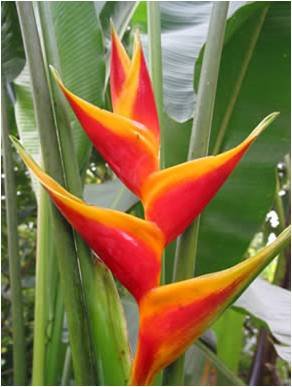
This granular fertilizer is made for heliconia and bird of paradise plants and is formulated for professional nursery use. It combines 5–6 month slow-release coated pellets with a small instant-release fraction so plants get both immediate green-up and steady feeding over months. You apply it by sprinkling around the root zone following the product mixing guidance, and because it contains micronutrients such as magnesium, manganese and iron it supports stronger foliage color and sustained growth. The medium coverage and concentrated pellets mean you need only modest amounts per application, which is convenient for multiple containers or a planting bed. Expect less frequent reapplication than with soluble feeds, but you will not get the instant, heavy growth response that liquid fertilizers can produce. This product is best used by gardeners who want reliable, low-maintenance nutrition specifically for bird of paradise and related tropicals and who prefer a professional-style slow-release option.
Best for: Gardeners who grow bird of paradise or heliconia and want low-maintenance, nursery-grade nutrition that feeds steadily through the growing season.
Less Ideal for: People who need immediate, heavy feeding for fast growth spurts or who want a broad-purpose fertilizer for many different plant types.
- Professional nursery-grade slow-release formula delivers nutrients for about 5–6 months
- Includes micronutrients (magnesium, manganese, iron) to support foliage health
- Granular coated pellets provide steady feeding with reduced application frequency
- Small instant-release portion gives an initial green-up after application
- Not a quick-fix like concentrated liquid fertilizers for rapid growth
- Formulation is targeted to heliconia/bird of paradise and may be overkill for general-purpose use
Verdict: Choose this slow-release, nursery-grade granule if you want reliable, low-frequency feeding tailored for bird of paradise and related tropicals.
EarthPods Tropical Flower Fertilizer Spikes, 100 Count

| Item Form | Capsules |
|---|---|
| Specific Uses For Product | Bougainvillea, Hibiscus, Plumeria, Tropical flowers |
| Unit Count | 100 Count |
| Coverage | Compact |
| Target Species | Tropical flowers | Hibiscus | Bougainvillea | Plumeria | Anthurium | Bird of paradise |
These EarthPods come as 100 push-in capsules formulated for tropical flowering plants like plumeria, hibiscus and bougainvillea. You insert the recommended number of capsules into moist soil near the stem and water; nutrients and trace minerals release slowly for roughly two to three weeks so you can avoid frequent liquid feeding. The capsules are organic and intended for pots or garden beds, which makes them convenient for container plumerias and patio specimens. Directions give clear dosing by plant size and a repeat schedule during active growth, so a cautious gardener can follow simple steps without measuring liquids. The product is compact and mess-free, but it is a repeat-application style fertilizer rather than a one-time long-season feed, so you will need to reapply every 14 to 21 days during bloom periods. Also the label emphasizes garden use only, so it is not a multi-purpose household product.
Best for: A gardener who prefers low-mess, easy-to-follow feeding for plumerias and other tropical flowering plants and values organic ingredients and predictable, short-term nutrient release.
Less Ideal for: People seeking a single, long-season fertilizer or a multiuse product for lawns, vegetables, or non-garden purposes should look elsewhere.
- Organic slow-release formula tailored for tropical flowering plants
- Simple push-in capsules eliminate liquid measuring and reduce mess
- Clear dosing guidance for small, medium and large plants
- Suitable for both containers and in-ground tropical specimens
- Requires regular reapplication every 14 to 21 days during active growth
- Not intended for uses outside garden plant feeding
Verdict: An easy, low-mess organic spike system that reliably feeds plumerias and other tropical flowering plants on a 14–21 day schedule.
Dr. Earth Exotic Blend Organic Fertilizer for Palms & Tropicals (1 lb)

| Item Form | Powder |
|---|---|
| Specific Uses For Product | Organic |
| Coverage | Medium |
| Target Species | palms, hibiscus, bougainvillea, succulents, plumerias, and other tropicals |
| Mixing Ratio | 5:5:2 |
Dr. Earth Exotic Blend is a powdered, organic fertilizer designed for palms, hibiscus, bougainvillea, succulents, plumerias and similar tropicals. You apply it according to the package mixing ratio (5:5:2) or broadcast it around the root zone; one application feeds plants for up to two months and covers about 15 sq. ft. The formula is certified organic and Non-GMO Project Verified and contains humic acids, trace minerals and proteins intended to improve soil health and support bigger blooms and stronger foliage. In real-world use it is suited to regular maintenance feeding of heliconia and other tropicals in garden beds or containers, where gentle organic nutrition and improved soil biology are priorities. Limitations are the small unit size and medium coverage per application, which means more frequent purchases or reapplication for larger plantings, and that it is a balanced organic powder rather than a fast-acting synthetic fertilizer for quick nitrogen-driven growth.
Best for: Gardeners who prioritize organic, pet-safe nutrition for tropical plants and want a gentle, soil-improving fertilizer for routine maintenance of heliconia and similar species.
Less Ideal for: People managing large beds or commercial plantings who need high-coverage or fast-acting synthetic feedings, or those seeking a single large container to treat many plants without frequent reorders.
- Certified organic and Non-GMO Project Verified for chemical-free feeding
- Formulated specifically for tropical species common to heliconia plantings
- Feeds up to two months per application for low-frequency maintenance
- Contains humic acids and trace minerals to support soil health and bloom production
- Small 1 lb unit covers only about 15 sq. ft. per application so larger gardens require more product
- Powdered organic formula works slower than synthetic fertilizers for rapid green-up
Verdict: Choose this fertilizer if you want a certified organic, soil-improving feed tailored to heliconia and other tropicals for gentle, low-frequency maintenance.
Cz Garden BloomBiscus Hibiscus Plant Food 10-4-12 (4 lb)
| Item Form | Granules |
|---|---|
| Specific Uses For Product | Plant Growth, Root Development, Seed Development, Soil Conditioning |
| Target Species | Flowering Tropicals |
| Unit Count | 64 Ounce |
| Mixing Ratio | 10-4-12 |
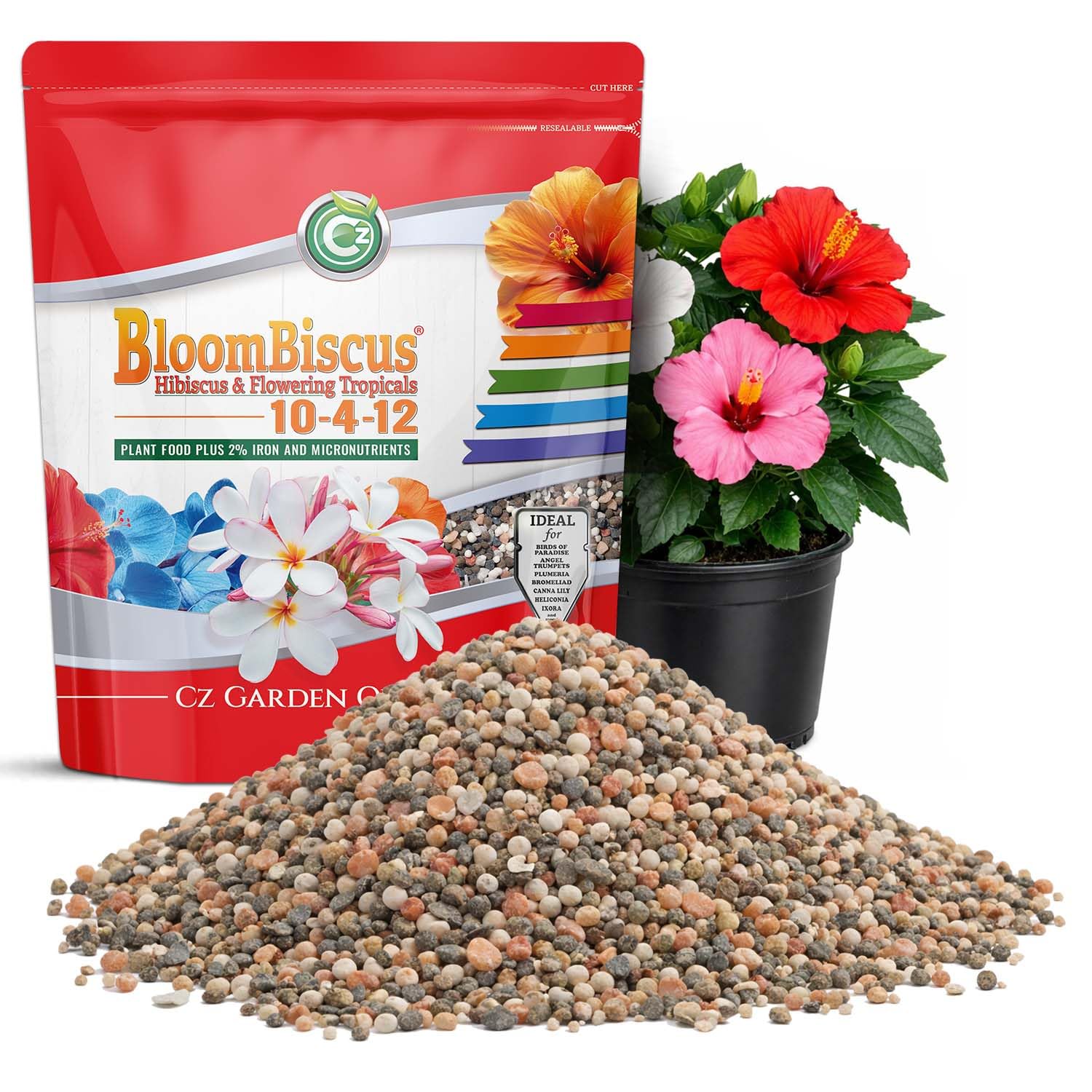
This granular BloomBiscus formula is designed to boost blooms and overall vigor in hibiscus and similar tropical flowering plants. It is typically worked into potting mix or applied around the root zone and watered in according to package directions. The 10-4-12 NPK delivers higher potassium for flowering and fruiting while the modest nitrogen supports leaf growth without excessive lushness that can reduce blooms. The added 2% iron and micronutrients help correct common deficiencies that dull flower color. Packaging comes in a resealable pouch for easy pouring and storage. Practical benefits include targeted nutrition for bloom production, broad suitability across many tropical species, and US-made ingredient sourcing. Limitations are that the product is a general granular feed rather than a slow-release or time-release formula so it may require regular reapplication and careful dosing for container-grown plants. Directions are brief on the label so growers who want a feeding schedule may need to follow common hibiscus fertilizing guidelines or consult extension recommendations.
Best for: A gardener focused on getting bigger, more consistent blooms from hibiscus and other tropical flowering plants who prefers a targeted, performance-oriented fertilizer.
Less Ideal for: Those who want a long-term slow-release feed or a liquid program for weekly foliar feeding should consider alternative formulations.
- NPK ratio (10-4-12) concentrated toward flowering and fruiting
- Includes 2% iron plus micronutrients to address common deficiencies
- Resealable heavy-duty pouch for easy pouring and storage
- Formulated specifically for hibiscus and other flowering tropicals
- Not specified as slow-release so it may need more frequent reapplication
Verdict: Choose this 10-4-12 granular with 2% iron when your main goal is stronger, more reliable hibiscus blooms.
ferti-lome Hibiscus & Tropical Plant Food 17-7-10, 4 lb

| Item Form | Granules |
|---|---|
| Specific Uses For Product | Plant Food |
| Coverage | Medium |
| Target Species | Hibiscus |
| Mixing Ratio | 17:7:10 |
This granular ferti-lome formula is designed specifically for hibiscus and other tropical flowering plants grown in containers or garden beds. It supplies a 17-7-10 N-P-K ratio that supports leafy growth early and then promotes larger, more colorful blooms when applied as directed. Typical use is every other week until flowers start, then monthly during bloom time, which makes it straightforward to schedule for potted hibiscus. The granules are easy to measure and mix according to the label so you can control feeding strength for different pot sizes. Practical benefits include targeted bloom enhancement and a familiar, fast-acting formulation for gardeners who prefer predictable results. Limitations are that it is a synthetic granular product, so you will need to follow application rates carefully to avoid overfeeding and it does not provide the slow-release convenience of some other formulations.
Best for: A cautious gardener growing hibiscus in pots who wants a straightforward, bloom-focused fertilizer with clear application instructions and predictable results.
Less Ideal for: Gardeners seeking an organic or slow-release fertilizer or those who prefer low-maintenance, once-a-season feeding routines.
- 17-7-10 N-P-K ratio tailored to promote bloom size and color on hibiscus
- Granular form is easy to measure and apply for container plants
- Clear application schedule for bloom and pre-bloom feeding
- Fast-acting formula gives visible results within a few applications
- Not a slow-release formula so more frequent applications and careful dosing are required
- Contains synthetic nutrients rather than organic sources
Verdict: Choose this if you want a simple, bloom-focused granular fertilizer that reliably enhances hibiscus flowers in pots.
Choosing the Right Fertilizer for Heliconia: Key Factors to Consider
Nutrient Balance and Flowering Support
Heliconias bloom best when they receive a steady supply of phosphorus and potassium in addition to nitrogen. A fertilizer with a moderate nitrogen level and slightly higher phosphorus or potassium can encourage stronger bract color and more frequent flowering. Secondary nutrients like magnesium and calcium matter too because they influence leaf health and stem strength.
When assessing labels, look beyond the N-P-K trio. Magnesium helps prevent yellowing in lush tropical foliage, and calcium supports stem integrity at the base of tall inflorescences. A balanced formula reduces the risk of lush leaf growth at the expense of blooms.
Release Type and Feeding Frequency
Slow-release formulations provide a steady nutrient supply and reduce the risk of burning, which is useful for gardeners who cannot feed frequently. Water-soluble fertilizers deliver fast-acting nutrients ideal for triggering blooms or rescuing weak growth, but they require a regular schedule. Choose release type based on how often you want to feed and whether you can irrigate reliably.
Consider local rainfall and irrigation. In heavy-rain areas, soluble feeds may leach faster and need more frequent applications. In drier spots, slow-release granules or controlled-release prills maintain consistent nutrition between waterings.
Salt Index and Root Safety
Heliconias have fleshy rhizomes that can be sensitive to salt buildup. High-salt fertilizers or overapplication can scorch roots and cause tip burn. Look for products with a low salt index or ones specifically labeled safe for bulbs, corms, or rhizomes. Follow recommended rates and flush soil periodically to prevent accumulation.
When using containers, salt buildup happens faster. Periodic leaching with deep watering and occasional repotting with fresh medium reduces the risk. If plants show leaf browning or reduced growth, reassess feeding frequency and consider a gentler formulation.
Soil and Container Compatibility
Heliconias grow in-ground and in containers. A fertilizer that performs well in both situations gives you flexibility if you move plants between beds and pots. Granular, slow-release products are convenient for beds, while water-soluble feeds are often better for containers where root volume is limited and nutrients need to be accessible quickly.
Also consider whether the fertilizer supplies micronutrients and whether it is compatible with common potting mixes and organic amendments. Some organic or mineral-based fertilizers improve soil structure over time, which benefits long-term clump health.
Application Method and Timing
Practical application factors determine whether you will actually follow a feeding plan. Granular broadcasters, spike-type feeds, and liquid concentrates each have different labor demands. Choose a method that fits your routine and season. For example, apply a measured granular feed at the start of the growing season and use water-soluble boosters during flowering.
Timing matters: feed more frequently during active growth and reduce or stop applications during dormant periods. Clear label instructions and flexible dosing help prevent overfeeding and make it easier to align fertilization with your climate's growth cycle.
Environmental Considerations and Runoff
Fertilizer runoff and leaching can affect nearby water sources and other plants. Slow-release and targeted application methods reduce the risk of nutrient loss. In beds near waterways or in rainy climates, choose products with lower runoff potential and apply feeds at conservative rates.
Mulching and improving soil organic matter also reduce nutrient runoff by increasing water retention. For container-grown Heliconia, avoid applying more than recommended to reduce leachate during watering.
Timing Fertilizer Around Heliconia Growth Cycles
Heliconias follow seasonal growth patterns with active shoot production and distinct flowering windows. Begin a regular feeding program as new shoots emerge to support rapid leaf development. Switch to a bloom-focused schedule or booster applications as flower stalks form to maximize bract development.
Reduce or pause feeding during periods of slow growth or when temperatures decline. A lighter maintenance feed through the slower months helps prevent nutrient stress without encouraging excessive vegetative growth.
- Start light feeding when new shoots are 2 to 4 inches tall
- Use more bloom-focused ratios and soluble boosters as stalks elongate
- Cut back feeding frequency when growth slows or in cool seasons
Feeding for Containers Versus In-Ground Beds
Container-grown Heliconias need more frequent, measured feeds because potting mix holds less nutrient reserve and salts accumulate faster. Use diluted water-soluble fertilizers every few weeks during active growth and flush the potting medium occasionally to avoid buildup.
In-ground plants can often rely on a single slow-release application at the beginning of the season plus an in-season liquid boost. Organic amendments and mulch help maintain soil fertility over time for clump-forming plants.
- Containers: lighter, more frequent soluble feed; periodic deep watering to leach salts
- Beds: slow-release granules or a seasonal granular application plus midseason liquid boost
- Both: topdress with compost annually to improve structure and nutrient retention
Organic Versus Synthetic Options
Organic fertilizers release nutrients more slowly as microbes break down material, improving soil structure and supporting long-term health. They are gentler on rhizomes and reduce the risk of burning, but they may not provide an immediate bloom response.
Synthetic fertilizers offer precise nutrient ratios and quicker uptake, which is useful when you need a fast bloom trigger or are correcting a deficiency. Many gardeners combine both approaches: use organic amendments for baseline fertility and synthetic or soluble feeds for targeted bloom support.
- Organic feeds improve soil biology and structure over time
- Synthetic feeds are precise and fast-acting for bloom timing
- Combine approaches for baseline health plus targeted bloom pushes
Addressing Common Nutrient Deficiencies
Yellowing between veins often points to magnesium deficiency, while overall pale foliage signals low nitrogen. Weak stems and poor bract formation can indicate insufficient potassium or calcium. Conduct a basic soil or tissue test if problems persist rather than repeatedly increasing fertilizer rates.
Correct deficiencies with targeted supplements such as magnesium sulfate or calcium amendments and adjust the base fertilizer as needed. Observe changes over a few weeks after treatment since foliage and flowering responses take time.
- Magnesium deficiency: interveinal chlorosis on older leaves
- Nitrogen deficiency: overall paleness and reduced growth
- Potassium or calcium issues: weak stalks and poor bract development
Practical Tips for Application and Storage
Measure fertilizers carefully and follow label directions for rates and intervals. Use a spreader or a dosing cup for granular products and a measuring jug for concentrates to prevent overapplication. When applying granular feed near crowns and rhizomes, avoid piling directly against the base of the plant to reduce burn risk.
Store fertilizers in a cool, dry place and keep containers tightly sealed to maintain effectiveness. Keep products out of reach of pets and children and dispose of empty containers following local regulations.
- Use proper measuring tools to avoid overfeeding
- Apply granular feed evenly and not in direct contact with rhizomes
- Store products sealed and dry to retain potency
How We Chose the Best Fertilizer for Heliconia
We chose fertilizers that match the nutritional needs and growth habit of Heliconia clumps. Our editorial filters prioritized nutrient balance appropriate for flowering tropical gingers, predictable release behavior for seasonal feeding, and formulations that work in both garden beds and containers. We also looked for options with clear application guidance so gardeners can time feeds around flowering and new shoot flushes. Concrete evaluation criteria included N-P-K balance and secondary nutrients, release type and feeding frequency, salt index and root safety for heavy feeders, formulation suitability for soil and container use, and user-friendly application instructions. Products with unclear nutrient information, formulations intended only for lawns, or those requiring specialized equipment were excluded. We focused on fertilizers that a typical home gardener can use safely and effectively on Heliconia plants.
FAQ
How often should I feed Heliconia with a water-soluble fertilizer?
Often weekly to every two weeks during active growth is typical, depending on concentration and local conditions. Use a diluted rate for containers and follow label guidance to avoid salt buildup.
Can I use a general-purpose bloom fertilizer on Heliconia?
Usually yes, if the N-P-K ratio supports flowering and the product is safe for rhizomes. Choose a formula with moderate nitrogen and good phosphorus or potassium for bloom support.
Is it safe to use slow-release granules around Heliconia crowns?
Yes when applied at recommended rates and kept slightly away from the crown to reduce direct contact. Slow-release granules are convenient for beds but monitor containers where salts concentrate faster.
What signs indicate overfertilizing Heliconia?
Brown leaf tips, scorched foliage, stunted growth, or sudden leaf drop can indicate overfertilizing. If you suspect excess salts, flush soil with deep watering and cut back feeding frequency.
Should I change my fertilizer in wet climates?
Often you should choose slower-release or lower-salt products in very wet climates to reduce leaching and the need for frequent reapplication. Split applications and mulching also help keep nutrients available.
Do Heliconias need micronutrients?
Yes, micronutrients like magnesium and iron influence leaf color and overall vigor. A balanced fertilizer or occasional targeted supplements prevent deficiencies that affect flowering and foliage quality.
Final Verdict
Choose a fertilizer approach that matches how you grow Heliconia and how much seasonal attention you can give. Prioritize a nutrient balance that supports flowering, a release type that fits your watering routine, and a low salt profile to protect rhizomes. For container-grown plants, favor gentler, more frequent feeding and regular leaching; for in-ground clumps, a season-start slow-release feed plus a bloom boost usually works well. Weigh the tradeoffs between quick results and long-term soil building, then pick the feeding schedule and formulation that you will follow consistently for the best blooms and healthier clumps.
