

Note: This article contains affiliate links. If you click on these links and make a purchase, I may earn a small commission at no extra cost to you. This helps support my research and content. Read my full affiliate disclosure here.
A flat garden shovel is a simple tool but making the right choice changes how quickly you complete edging, planting, and soil-moving chores. You want a blade that stays straight when prying and a handle that reduces fatigue during repeated digs. This guide shortlists the top flat shovels gardeners rely on and evaluates them across build quality, blade design, and long-term durability. Below you will find the tools that performed well against practical yard tasks and the criteria we used to assess them, so you can pick the flat shovel that fits your garden's workload and soil conditions.
Top Picks at a Glance
| Best Overall The best all-around choice for most situations | VNIMTI 41-Inch Square Garden Shovel with D-Handle |  |
| Best Quality Built to a higher standard if you want something more solid | CKG Carbon Fiber Handle Flat Shovel (43 in) |  |
| Best Value The sweet spot between price and what you get | Amazon Basics 47-inch Gardening Shovel with D-Handle, Alloy Steel |  |
| Best Budget The cheapest option that still gets the job done reliably | HRADHOL Multifunctional Flat Garden Shovel with Long Wooden Handle |  |
| Highest Rated A top-rated pick with lots of positive feedback | AgroPro 58" Square Garden Shovel with Fiberglass Handle |  |
| Best Seller A high-volume bestseller chosen again and again | Ashman 41-inch Square Transfer Shovel with D-Grip |  |
VNIMTI 41-Inch Square Garden Shovel with D-Handle

| Grip Type | D-Grip |
|---|---|
| Material Type | Cold-rolled Steel Wood |
| Blade Material | High Carbon Steel |
| Handle Material | Wood |
This VNIMTI square garden shovel is a multipurpose digging and transfer tool built around a wide, flat high-carbon steel blade and a traditional wooden shaft with a D-grip. The square head holds more material than a round point, so it speeds up moving soil, gravel, compost, and clearing packed snow or debris. The blade is heat-treated for hardness and the stepped top lets you apply foot pressure for tougher digging or edging. Typical uses include planting and transplanting in prepared beds, cutting clean lawn edges, moving bulk materials, and loosening compacted ground before shoveling. The wooden handle keeps the tool light and comfortable for extended use, though wood can need occasional maintenance to avoid splintering over years of heavy exposure. This is not a specialty snow pusher or a narrow trenching shovel, but for general garden and yard work it balances capacity, leverage, and durability well. Buyers who want a single, all-around shovel for beds, edging, transplanting, and seasonal cleanup will find it useful, while those needing ultralight or heavy-duty mechanized digging tools should look elsewhere.
Best for: Practical gardeners and homeowners who want one reliable, general-purpose shovel for planting, edging, moving soil and seasonal cleanup without buying multiple specialty tools.
Less Ideal for: Pros who need narrow trenching tools, or users who prefer maintenance-free synthetic-handled shovels for heavy commercial use.
- Wide square blade moves more soil per scoop than a pointed shovel
- High-carbon steel blade is heat-treated for improved hardness and durability
- D-grip and stepped blade top allow strong foot and hand leverage
- Wooden handle keeps overall weight moderate for prolonged use
- Wood handle requires occasional care and can wear faster than fiberglass or metal
- Wide square blade is less effective for deep narrow trenching or precision digging
Verdict: A solid, versatile square-blade shovel that speeds up general garden digging and transferring tasks while remaining lightweight and easy to use.
CKG Carbon Fiber Handle Flat Shovel (43 in)

| Material Type | Carbon Fiber |
|---|---|
| Blade Material | Alloy Steel |
| Grip Type | D-Grip |
| Number of Items | 1 |
This CKG flat shovel pairs a carbon fiber handle with an alloy-steel blade to deliver a surprisingly light yet robust digging tool. The long, D-grip handle gives good leverage and a secure hold for pushing, pulling, and lifting soil, while the flat blade is shaped for clean edging, trenching, and cutting through roots or sod. In use it reduces user fatigue on extended jobs thanks to the lightweight handle, and the reinforced blade construction stands up to tougher landscape tasks where a square-point shovel is needed. The ergonomic profile and non-slip grip make control easier in wet or muddy conditions. Limitations to note are that a lighter carbon handle can feel less stiff than a full-steel shaft under extreme pry or rock-lifting applications, and the flat blade requires a bit more effort in very compacted ground compared with a pointed digging shovel. For performance-focused gardeners who do a lot of edging and trenching, this model strikes a good balance of weight, control, and durability.
Best for: Gardeners and landscapers who prioritize tool performance and reduced fatigue for frequent edging, trenching, and planting tasks and want a responsive, easy-to-handle shovel.
Less Ideal for: Users who mainly need a heavy prying or rock-lifting tool or who work predominantly in extremely compacted or rocky soils should consider a full-steel, pointed digging shovel instead.
- Very lightweight carbon fiber handle reduces fatigue on extended use
- Flat alloy-steel blade designed for clean edging and trenching
- D-grip provides secure, non-slip control in wet or muddy conditions
- Reinforced blade and solid construction for demanding landscaping tasks
- Carbon fiber shaft may flex more than steel when prying large rocks or roots
- Flat blade is less efficient than a pointed shovel in extremely compacted soil
Verdict: A high-performance, lightweight flat shovel built for frequent edging and trenching where control and reduced fatigue matter.
Amazon Basics 47-inch Gardening Shovel with D-Handle, Alloy Steel

| Material Type | Alloy Steel |
|---|---|
| Handle Material | TPR overmolded poly D-handle |
| Blade Material | Alloy Steel |
| Blade Length | 7.4 inches |
This 47-inch Amazon Basics gardening shovel is a straightforward, heavy-duty tool for digging holes, edging beds, and breaking up compacted soil. The welded alloy-steel blade and shaft give it rigidity for levering and prying in dense ground, while the powder-coated finish helps resist surface rust and makes cleanup easier after use. The large TPR overmolded poly D-handle provides a comfortable, non-slip grip and an oversized step on the blade lets you drive it with your foot for extra power. In practice it performs like a full-size digging spade rather than a lightweight transplanting shovel, so it is best when you need solid force to cut through roots or form clean borders. It is not a specialty tool for delicate container work or for users who need something very light for long periods of digging. For typical yard tasks that require durability and leverage, this shovel gives reliable performance at a utilitarian value point.
Best for: Best for practical gardeners who prioritize a durable, no-nonsense shovel for digging holes, edging beds, and breaking up compacted soil.
Less Ideal for: Not a good fit for gardeners who need an ultralight tool for extended hand digging or for precise work in small containers or delicate plants.
- Welded alloy-steel construction offers strong rigidity for digging and prying
- Powder-coated blade resists surface rust and is easy to clean
- TPR overmolded D-handle gives a secure, comfortable grip and reduces hand fatigue
- Oversized step allows foot-driven force for cutting into compacted soil
- Heavier than lightweight shovels so it may cause fatigue during long continuous use
- Not designed for delicate potting or fine transplanting tasks
Verdict: A sturdy, full-size digging shovel that delivers durable leverage and clean edges for practical gardeners who need reliable hole-digging performance.
HRADHOL Multifunctional Flat Garden Shovel with Long Wooden Handle
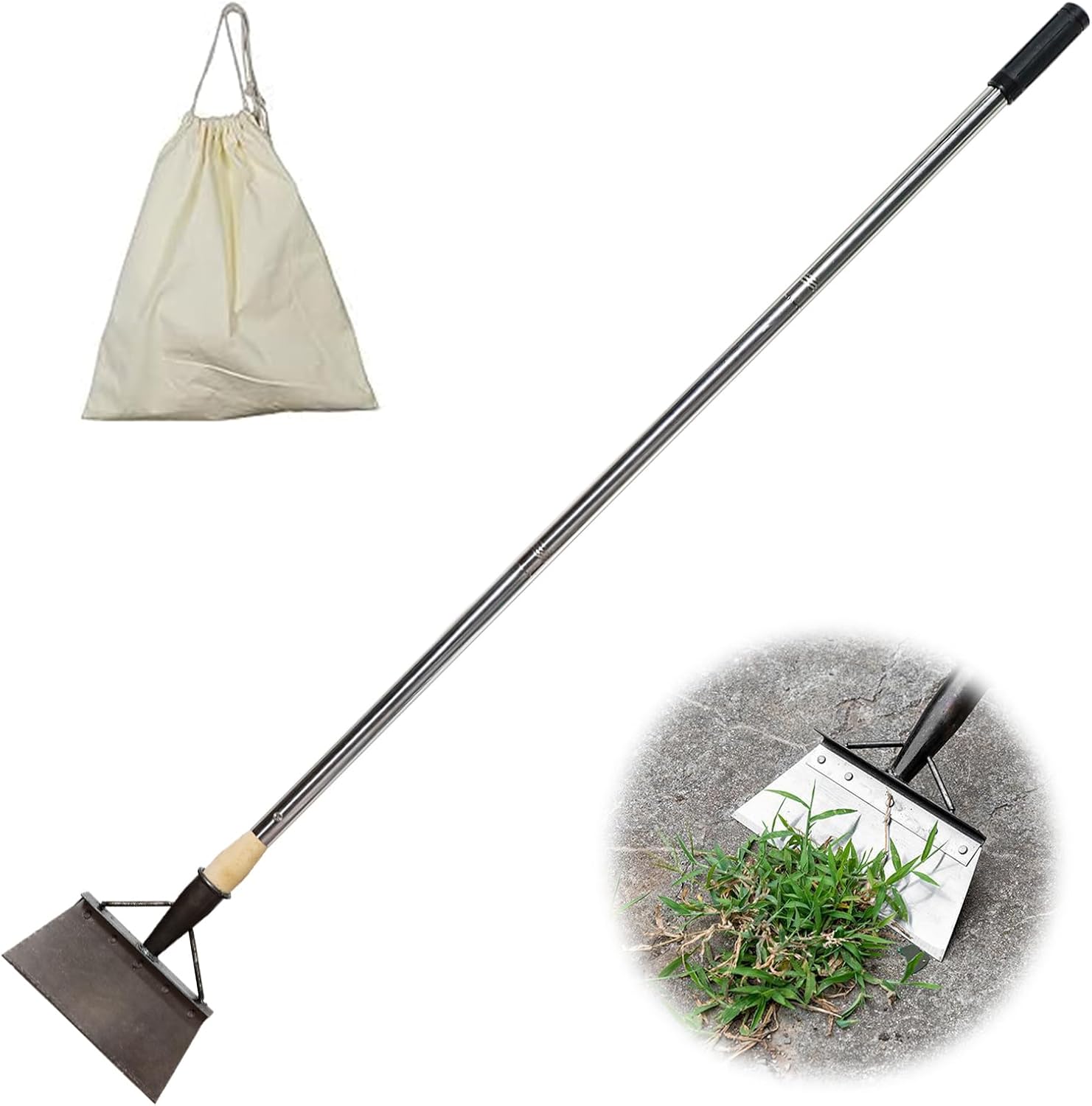
| Material Type | Alloy Steel, Stainless Steel |
|---|---|
| Handle Material | Wood |
| Blade Material | Alloy Steel |
| Grip Type | Ergonomic |
This HRADHOL flat garden shovel is a no-frills, multipurpose tool aimed at routine garden cleanup and light digging tasks. It combines a hardened alloy steel blade and a long adjustable steel pipe handle with a wooden grip so you can set a comfortable length and use it standing up for scraping, removing weeds, turning shallow soil, and clearing light snow or ice. The blade is described as thickened manganese/alloy steel and the ergonomic grip helps steady the tool during repetitive work. Practical benefits include year-round usefulness for beds, paths, and small hard surfaces, and the simple construction makes it easy to store and carry. Expect it to handle surface scraping and uprooting small weeds efficiently but avoid heavy-duty digging or prying in rocky soil where a dedicated spade or a reinforced digger would be safer. Overall the shovel offers solid basic performance for everyday garden chores at an entry-level value.
Best for: Budget-minded gardeners who want a single, versatile tool for routine bed and path maintenance, light weeding, scraping and seasonal snow clearing without buying multiple specialty tools.
Less Ideal for: Landscapers or gardeners who need a heavy-duty digging spade for rocky ground or large-scale excavation should choose a reinforced, purpose-built digging tool instead.
- Thickened alloy/manganese steel blade for improved toughness and wear resistance
- Adjustable long handle lets users set a comfortable working length
- Ergonomic grip for more comfortable repetitive use
- Multiuse design handles scraping, weeding, shallow digging and light snow/ice removal
- Not designed for heavy-duty digging or levering in rocky compacted soils
- Wooden handle joint may require care to avoid loosening or weather damage over time
Verdict: A practical, affordable all-purpose flat shovel that covers weeding, scraping and light digging for everyday garden maintenance.
AgroPro 58" Square Garden Shovel with Fiberglass Handle

| Material Type | Fiberglass, High Carbon Steel |
|---|---|
| Handle Material | Fiberglass |
| Blade Material | High Carbon Steel |
| Grip Type | Ergonomic |
This AgroPro square shovel is built for heavy-duty garden work where durability matters. The high-carbon steel blade is forged and coated to resist wear and rust, and the double-rivet connection keeps the head firmly attached during tough digging and prying. The 58-inch fiberglass handle resists bending and reduces shock, while the dual-section ergonomic rubber grip improves control and comfort during extended use. The oversized footplate helps the blade penetrate compacted soil and makes moving soil, sand, or gravel more efficient. It is most useful for transplanting, soil turning, landscaping, and general yard maintenance where a sturdy, long-handled tool is needed. The tool is focused on strength and longevity rather than lightweight travel; the longer handle and robust construction add weight and bulk that may be unnecessary for delicate tasks or frequent transport. Overall, the shovel delivers a reliable balance of leverage, comfort, and build quality for regular heavy garden work.
Best for: Buyers who prioritize a durable, low-maintenance shovel for frequent heavy garden and landscaping tasks and want a tool that stands up to tough soil and regular use.
Less Ideal for: Casual gardeners who need a lightweight, compact shovel for small container beds or those who prefer a pointed digging blade for narrow holes.
- Forged high-carbon steel blade with rust-resistant coating for long-term durability
- Double-rivet reinforced head-to-handle connection for secure, stable use
- Fiberglass handle resists bending and absorbs shock compared with wooden shafts
- Ergonomic anti-slip rubber grip improves control and comfort during extended work
- Oversized footplate provides better leverage to penetrate compacted soil
- Long 58-inch length and sturdy build make it heavier and less convenient to store or transport
- Square blade is optimized for transfer and edging rather than digging narrow holes
Verdict: Choose this shovel when you need a dependable, heavy-duty tool that lasts through frequent tough digging and material-moving jobs.
Ashman 41-inch Square Transfer Shovel with D-Grip

| Blade Material | Metal |
|---|---|
| Handle Material | Plastic |
| Grip Type | Ergonomic D-grip |
| Material Type | Metal, Plastic |
The Ashman 41-inch square transfer shovel is a straightforward, work-focused garden tool built for digging, transplanting, edging, and scooping soil or loose material. It pairs a heat-hardened metal blade with a long plastic handle and a D-style grip so you can use two hands for leverage when prying into compact ground or lifting scoops of dirt. The blade is sharpened for easier soil penetration and the straight edge makes it efficient for slicing sod, trenching, and moving material rather than shaping beds. Practical benefits include a durable blade that resists wear and a lightweight handle that needs little maintenance compared with wood. Expect solid performance in dry or compacted soils and for routine landscaping tasks, but the plastic handle and single-piece design mean it may flex under extreme leverage and is not optimized for heavy rock or repeated heavy masonry work. For everyday garden projects this shovel gives dependable, no-frills performance with an easy-to-grip D handle for controlled work.
Best for: Buyers who want a reliable, low-maintenance garden shovel for routine digging, edging, transplanting, and moving soil and who prioritize predictable, durable performance over premium materials.
Less Ideal for: Not the best choice for users who need a reinforced steel or fiberglass handle for repeated heavy demolition or rock-prying tasks.
- Heat-hardened metal blade sharp enough to penetrate compacted soil
- Long 41-inch reach and D-grip enable two-handed control and leverage
- Lightweight plastic handle is low maintenance and resists rot
- Straight-edge square blade is efficient for edging, sod cutting, and transferring material
- Plastic handle may flex or feel less sturdy under very heavy leverage
- Not intended for prying large rocks or heavy-duty masonry work
Verdict: A dependable, low-maintenance square shovel that delivers predictable digging and transfer performance for everyday garden and landscaping tasks.
Choosing the Right Flat Garden Shovel: Key Factors to Consider
Blade Material and Thickness
Blade material determines how well a flat shovel resists bending, chips, and corrosion. Thicker steel holds a straight edge when prying under compacted soil, while higher-grade steel alloys resist deformation over years of use. A blade with a protective finish reduces rust formation when left in damp soil or when used for tasks that expose bare metal.
Too thin a blade will flex and make clean edging difficult, while an overly heavy blade can increase fatigue. Look for a balanced thickness that suits the soil you handle most often. For clay or rocky ground, favor heavier, thicker blades; for lighter loam or frequent edging work, a moderately thick blade is easier to manage.
Edge Shape and Width
Edge geometry influences how cleanly the shovel slices through turf and soil. A straight, square edge gives the cleanest borders and transfers soil without scabbling, whereas edges with slight bevels can penetrate dense soil more easily. Blade width matters for the task: a narrow blade concentrates force for tougher digging, while a wider blade moves more soil per lift when filling pots or wheelbarrows.
Consider the typical tasks you perform. If defining lawn edges is a priority, choose a flat shovel with a broad, square blade. If you do frequent prying or need to get between plants, a narrower blade is more maneuverable.
Handle Material and Shape
Handle material affects weight, shock absorption, and longevity. Hardwood handles offer a traditional feel and good shock resistance but can split if not well treated. Fiberglass shafts resist weathering and are less likely to crack, while metal shafts provide strength but transmit more shock to the hands. Handle shape and grip diameter also change how much control you have when prying under root balls or lifting heavy scoops of soil.
Opt for a handle material that matches your work style: softer, shock-absorbing handles for repetitive tasks and harder, stiffer handles for heavy-duty prying. Ergonomic grips reduce hand fatigue during long sessions.
Shaft Attachment and Reinforcement
How the blade attaches to the shaft is a common failure point on flat shovels used for prying. Look for full-tang construction or mechanical reinforcement such as rivets, welded collars, or sleeves that distribute stress. A loose socket or weak weld will allow wobble and eventual separation under lateral loads.
Reinforcements like flared collars or gussets add strength where the blade meets the shaft and reduce the chance of breakage when levering against roots or stones. For heavy work, prioritize tools with visible, robust attachment details.
Corrosion Resistance and Finish
Shovels live in wet, abrasive environments, so protective coatings and corrosion-resistant alloys matter for long service life. Powder coatings, zinc plating, or painted finishes slow rust, especially if you use the shovel for mulch, compost, or in coastal gardens. Bare steel will develop surface rust quickly unless maintained, which can weaken the blade over time.
Maintenance matters too. Regular cleaning and occasional oiling of metal parts extend service life. But a better factory finish reduces upkeep and keeps the tool ready for work between uses.
Weight and Balance
Weight affects both digging power and fatigue. Heavier blades deliver more downward force for cutting and prying, but they increase the effort needed for repeated lifts. Balance between blade and handle determines control during precise edging and when working in tight beds. A well-balanced shovel reduces wrist strain and helps you keep the blade flat while slicing turf.
Think about the duration and intensity of typical tasks. If you do many short, precise jobs, favor lighter, balanced tools. For occasional heavy-duty digging, a heavier, more robust tool is acceptable.
When a Flat Shovel Is the Right Tool
A flat shovel shines when you need straight edges, move loose soil, or lift sod and compost without a pointed tip. Its square blade gives predictable cuts along lawn edges and beds and helps move uniform loads into containers.
Use a flat shovel for transplanting perennials in tight spacing, trimming bed borders, breaking up compacted topsoil by slicing horizontally, and leveling fresh soil or gravel. It is not intended for deep narrow holes or heavy rock removal where a pointed spade or digging fork would be better.
- Creating crisp lawn or garden edges
- Transferring soil and compost into raised beds or pots
- Slicing through shallow compacted layers
- Lifting and cutting sod squares
Proper Technique for Edging and Lifting
To keep control and reduce wear, start with a shallow slice along the desired edge and work progressively deeper. Use your foot on the top lip of the blade for steady downward force, then rock the blade back slightly to lift the cut turf or soil in one piece. For longer edges, work in short sections to maintain straight lines.
When lifting soil, load only as much as you can comfortably lift. A full, heavy scoop stresses the shaft attachment and increases the chance of bending the blade. Use the shaft as a lever when removing stubborn roots and avoid twisting motions that place lateral strain on the blade joint.
- Start shallow and deepen in passes
- Use foot pressure on the blade lip for cleaner cuts
- Avoid overloading scoops to reduce fatigue
- Minimize lateral twisting to protect joints
Maintaining Your Flat Shovel
Regular maintenance keeps a flat shovel safe and effective. After use, knock off loose soil and rinse off persistent residues. Dry the blade and apply a light coat of oil or wax to slow rusting, especially before storing for winter.
Sharpen the edge lightly if it becomes rounded; a crisp square edge makes edging and slicing much cleaner. Inspect the shaft attachment and handle for looseness, and tighten or replace rivets or collars if they show wear. Treat wooden handles with linseed oil periodically to prevent drying and splitting.
- Clean and dry after use
- Lightly oil the blade to prevent rust
- Sharpen the edge for cleaner cuts
- Inspect and reinforce the blade-shaft joint
Adapting a Flat Shovel to Different Soils
Softer soils require less blade strength and you can use wider blades to move more material. In clay or stony soils, choose a thicker blade and a shaft with a robust attachment to withstand prying and side loads. For coastal or saline soils, prioritize finishes and alloys that resist accelerated corrosion.
You can alter technique rather than tool: moisten very dry clay to ease penetration or use short, overlapping cuts to break up compacted layers. When working around roots, use the blade edge to sever smaller roots cleanly and reserve a fork or saw for larger roots to avoid damage to the shovel.
- Wider blades for soft, loose soils
- Thicker blades and strong shafts for clay and rock
- Protective finishes for coastal gardens
- Adjust technique to reduce stress on the tool
Storage and Winter Care
Store shovels in a dry, sheltered spot to prevent rust and handle degradation. Hang them off the ground where possible to avoid moisture wicking into wooden shafts. In winter, clean all soil off before storing to stop freeze-thaw damage to metal and wood.
If you live in an area with long wet seasons, consider removing wooden handles and storing them separately or applying protective oil and a sealed cap to the shaft end. Periodic checks during the off-season catch small issues before they become failures in spring.
- Hang tools to avoid ground moisture
- Clean and oil before winter storage
- Check handles and joints periodically
- Seal wooden handles to extend life
How We Chose the Best Flat Garden Shovel
We selected tools that are purpose-built for flat-shovel tasks such as edging, transferring soil, and working in compacted ground. Our filters prioritized blade metallurgy and shape, handle material and ergonomics, manufacturing and joint strength where blade meets shaft, and overall durability under repeated prying and digging. We excluded multipurpose spades that have a curved or pointed blade because they do not perform true flat-edge tasks as cleanly. Each candidate had to demonstrate a straight, stable blade geometry, a secure attachment method between blade and shaft, and a handle that resists splitting and provides comfortable control. We also looked for corrosion resistance and finish quality because a well-coated blade lasts longer in wet soils. Finally, we considered practical factors like blade width for edging, shaft length for leverage, and how easily the tool is used in beds, borders, and containers. These criteria guided our shortlist and scoring approach.
FAQ
Is a flat shovel good for cutting through turf?
Yes. A flat shovel with a sharp, square edge cuts turf cleanly when used with a steady foot on the blade lip. Make shallow passes to maintain a straight edge and reduce tearing.
Should I choose a wooden or fiberglass handle for heavy prying?
For heavy prying, fiberglass or reinforced metal shafts resist splitting better than untreated wood. However, quality hardwood handles absorb shock and can be more comfortable for repeated tasks if they are well maintained.
How do I prevent a flat shovel blade from bending?
Prevent bending by choosing a blade with adequate thickness and strong shaft attachment. Use proper technique: avoid twisting motions, do incremental cuts rather than forcing the blade, and do not overload scoops.
Can I sharpen a flat shovel edge?
Yes. Lightly sharpening the square edge with a file restores clean slicing performance. Keep the bevel even and avoid removing too much metal, which weakens the blade.
What finish is best for wet or coastal gardens?
Powder-coated or zinc-plated finishes and stainless-alloy blades offer better corrosion resistance in wet or salty environments. Regular cleaning and light lubrication are still recommended to extend life.
Final Verdict
When choosing a flat garden shovel, prioritize blade strength and the quality of the shaft attachment because those determine how the tool performs under prying and repeated use. Balance blade width against the kinds of jobs you do most often: wide blades move more material while narrower ones give better control in tight spaces. Also weigh handle material for comfort versus toughness and prefer corrosion-resistant finishes if you work in wet or salty conditions. By focusing on these tradeoffs you can pick a flat shovel that matches your garden tasks and lasts through seasons of heavy use.
