

Note: This article contains affiliate links. If you click on these links and make a purchase, I may earn a small commission at no extra cost to you. This helps support my research and content. Read my full affiliate disclosure here.
If you want to make your yard, garden, or small farm more valuable to honey bees, the right ground cover can transform bare soil into a steady source of nectar and pollen. Ground cover for honey bees does more than look tidy; it provides continuous bloom, nesting-friendly microhabitats, and low-disturbance forage that helps colonies through spring and summer. This guide presents seven shortlisted ground covers chosen for gardening situations where supporting honey bees is the priority. We evaluate each option on bloom timing, nectar and pollen value, seasonal maintenance, and how well the plants establish and persist in real outdoor conditions. Read on to see which ground covers match your site and bee-support goals.
Top Picks at a Glance
| Best Overall The best all-around choice for most situations | Outsidepride Mountain Gold Sweet Alyssum Seeds (5000 Count) |  |
| Best Quality Built to a higher standard if you want something more solid | Eretz Willamette Valley White Clover Seed (5 lb) |  |
| Best Value The sweet spot between price and what you get | Sow Right Seeds Pink Sweet Alyssum Seeds (Heirloom) |  |
| Best Budget The cheapest option that still gets the job done reliably | SURVIVAL GARDEN SEEDS White Alyssum (Carpet of Snow) Seeds, 1 Pack |  |
| Highest Rated A top-rated pick with lots of positive feedback | Outsidepride Buckwheat Cover Crop Seeds, 10 lb |  |
| Most Popular A crowd favorite that many people choose with confidence | Outsidepride Sweet Alyssum (Lobularia maritima) White Flower Seeds, 5,000 Count |  |
| Best Seller A high-volume bestseller chosen again and again | KVITER 5000 Sweet Alyssum (Lobularia maritima) Seeds – Carpet of Snow, White |  |
Outsidepride Mountain Gold Sweet Alyssum Seeds (5000 Count)

| Unit Count | 5000 Count |
|---|---|
| USDA Hardiness Zone | 3 |
| Expected Blooming Period | Spring to Summer |
| Moisture Needs | Little To No Watering |
| Material Features | Heirloom |
These Outsidepride Mountain Gold sweet alyssum seeds grow into a compact, low mound of silvery foliage studded with bright yellow, honey-scented flowers that attract bees and other pollinators. They are typically sown directly outdoors in spring on well-drained loam and germinate in about 7–21 days, making them a straightforward choice for borders, rock gardens, containers, or slope stabilization. Notable features include drought tolerance, a long bloom window from spring to fall, and rapid, dense coverage that helps control erosion. The heirloom seed mix and large 5000-count packet make it easy to cover substantial area without repeated purchases. Important limitations are that alyssum is described as an annual in many contexts despite some perennial tendencies in mild climates, so you should plan for reseeding or succession planting to keep continuous cover; it also prefers a pH near 6.0–6.5 and performs best in full sun to partial shade. For gardeners focused on pollinators, its fragrance and continuous blooms are valuable, but expect to re-sow if you want guaranteed year-to-year coverage in colder zones.
Best for: Gardeners who want an easy-to-grow, pollinator-friendly groundcover to fill borders, containers, or slopes with continuous, fragrant blooms and minimal summer watering.
Less Ideal for: Those seeking a permanent, year-round perennial groundcover in cold climates without plans to overseed or replace plants each year.
- Fragrant yellow blooms that attract honey bees and other pollinators
- Drought-tolerant and low-maintenance once established
- Fast germination and dense, low-growing habit useful for erosion control
- Large 5000-count packet covers substantial area for groundcover or edging
- Generally treated as an annual in colder climates so may require reseeding
- Performs best with well-drained soil and near-neutral pH which may need adjustment
Verdict: Choose these seeds if you want an affordable, fast-covering, fragrant groundcover that reliably draws honey bees and other pollinators through the growing season.
Eretz Willamette Valley White Clover Seed (5 lb)

| Indoor Outdoor Usage | Outdoor |
|---|---|
| Sunlight Exposure | Full Sun, Partial Shade, Partial Sun |
| Moisture Needs | Moderate Watering |
| Material Features | GMO Free |
Eretz Willamette Valley Ladino white clover is sold as a bulk seed for establishing a dense, flowering groundcover that fixes nitrogen and supports pollinators. It is typically broadcast or tilled into prepared soil in spring after frost or sown in fall to overwinter, then kept moist until established. Key features include Oregon-grown seed, GMO-free material, and a guidance coverage rate of about 0.25 lb per 1,000 ft2 which helps plan planting area. In practice this clover establishes a low-growing, white-flowering mat that supplies high-protein forage for wildlife, increases earthworm activity, and provides abundant nectar for honey bees. Practical benefits are improved soil fertility, erosion control, and seasonal floral resources for pollinators. Limitations are that it requires moderate watering while establishing, prefers at least partial sun so dense shade will reduce performance, and it is intended as a planted groundcover rather than an instant lawn substitute for heavy foot traffic areas.
Best for: Gardeners and land managers who want a performance-oriented, pollinator-friendly groundcover that builds soil fertility and supplies seasonal forage for honey bees and wildlife.
Less Ideal for: Those needing a durable, high-traffic lawn replacement or instant green cover should consider turf grasses or pre-established sod instead.
- Fixes nitrogen to improve soil fertility, reducing need for synthetic fertilizer
- Produces abundant white flowers that provide nectar for honey bees and other pollinators
- Suitable for use as forage and to attract wildlife while improving soil biology
- Bulk 5 lb supply covers a large area when sown at recommended rates
- Requires consistent moisture until seedlings establish
- Performs best in full sun to partial shade and may thin in heavy shade
Verdict: Choose this Ladino white clover if you want a proven, pollinator-attractive groundcover that actively improves soil fertility.
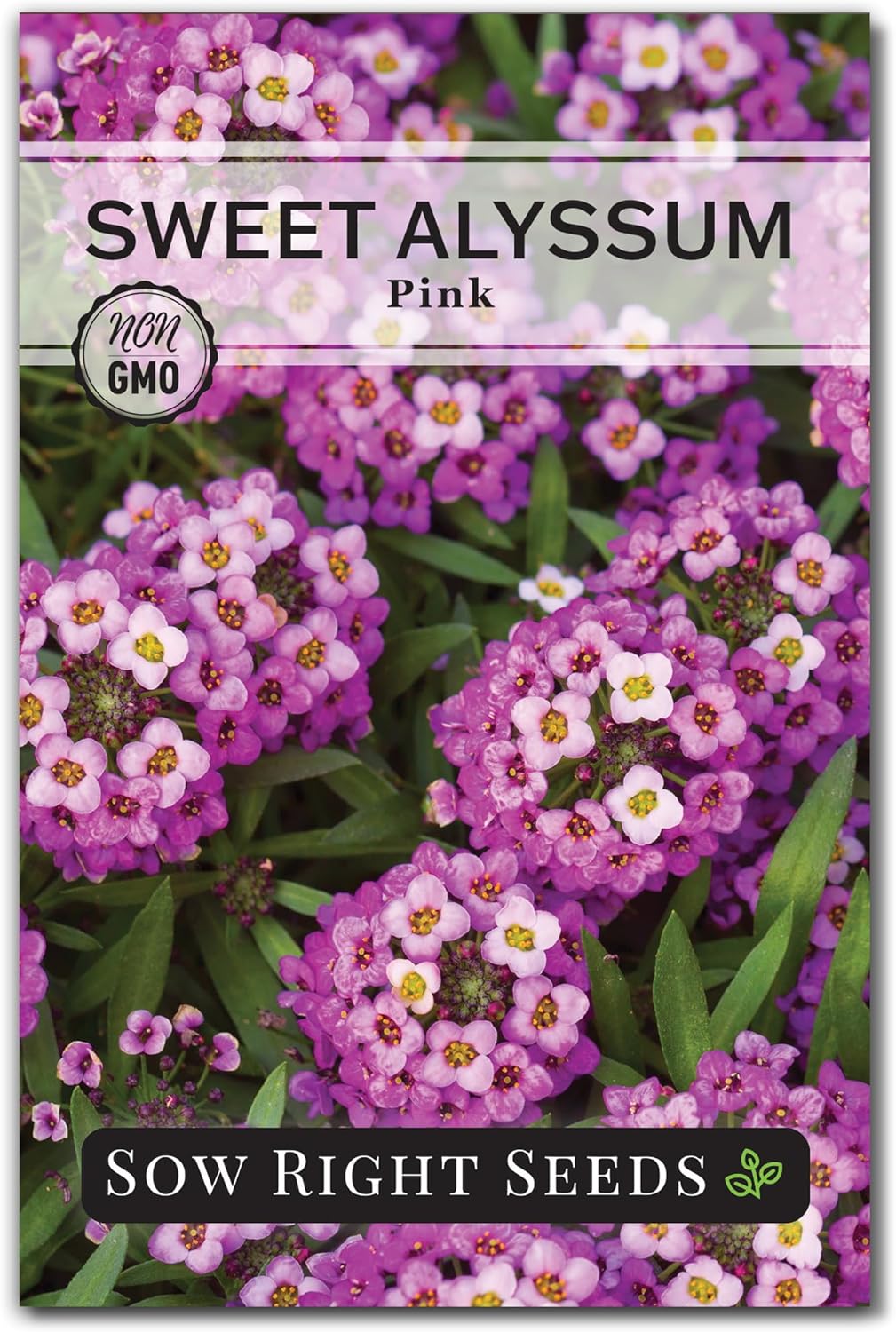
Sow Right Seeds Pink Sweet Alyssum Seeds (Heirloom)
| Indoor Outdoor Usage | Indoor, Outdoor |
|---|---|
| Other Special Features of the Product | Attracts Pollinators, Fragrant, High Germination Rate |
| Sunlight Exposure | Partial Shade |
| Moisture Needs | Regular Watering |
| Material Features | GMO Free, Heirloom |
These Sow Right Seeds Pink Sweet Alyssum seeds produce masses of small, fragrant pink blooms that work well as a low groundcover or border plant to attract bees and other pollinators. Packets contain a minimum of 400 mg (about 1,000 seeds) and the variety is described as easy to grow from seed with germination typically in 5 to 14 days when soil temperatures are 65–75°F. Plant very shallowly and space plants 6–8 inches apart; mature plants stay 2–4 inches tall and spread 6–12 inches, so they establish a dense carpet quickly and bloom in about 30–40 days. The seeds are non-GMO heirloom and the brand highlights high germination and fragrance, which helps support pollinators in a small urban garden, border, or rockery. Limitations: performance depends on partial shade and regular watering and the variety is recommended for USDA zones 5–9, so it may need protection or alternatives outside that range.
Best for: Gardeners who want a low-maintenance, quick-establishing groundcover that reliably attracts bees and fills small gaps in borders, rock gardens, or pollinator patches.
Less Ideal for: Large properties that need long-term, drought-tolerant turf replacements or gardeners in climates outside USDA zones 5–9 who need plants rated for extreme heat or cold.
- High seed count per packet for good coverage from one purchase
- Non-GMO heirloom seed type appealing to sustainable gardeners
- Fragrant, low-growing blooms that attract bees and other pollinators
- Fast germination and quick time to first bloom (30–40 days)
- Best suited to partial shade and regular watering rather than full sun dry sites
Verdict: Choose these Sweet Alyssum seeds when you want an easy, fragrant groundcover that quickly establishes dense, bee-friendly blooms.
SURVIVAL GARDEN SEEDS White Alyssum (Carpet of Snow) Seeds, 1 Pack

| Indoor Outdoor Usage | Outdoor |
|---|---|
| Expected Blooming Period | Spring to Fall |
| Sunlight Exposure | Full Sun |
| USDA Hardiness Zone | 4-9 |
| Seed Treatment Method | Untreated |
These Carpet of Snow sweet alyssum seeds are a straightforward option for adding a fragrant, pollinator-friendly ground cover to beds, borders, or containers. Sow directly after frost when soil is cool; light is required for germination so scatter seeds on the surface and press them in. The plants stay low, bloom from spring through fall in favorable conditions, and are known to self-seed so you can get return blooms without replanting. Key practical benefits are high germination, drought tolerance, and extended bloom time that helps sustain honey bees and other pollinators across the season. Because the seeds are untreated, heirloom, and non-GMO you can save seed for future plantings. Expect best performance in full sun and loam or sandy soils with moderate watering; alyssum can slow during hot summer spells in colder climates. Packet size is small so plan multiple packets if you want large coverage but for small to medium areas this is an economical, low-effort way to boost forage for bees.
Best for: Buyers who want an affordable, low-effort flowering ground cover to provide continuous forage for honey bees in borders, beds, or containers.
Less Ideal for: Gardeners needing instant, dense coverage over large areas or those who prefer sterile, pre-planted groundcover mats should consider alternatives.
- Fragrant, fast-blooming flowers that attract honey bees and butterflies
- Heirloom, non-GMO untreated seeds suitable for seed saving
- High germination rate and low maintenance once established
- Drought tolerant with extended bloom period for season-long forage
- Small unit count may require multiple packets to cover larger areas
Verdict: A budget-friendly way to establish fragrant, bee-attracting ground cover that self-seeds for ongoing forage.
Outsidepride Buckwheat Cover Crop Seeds, 10 lb

| Item Weight | 10 pounds |
|---|---|
| Sunlight Exposure | Full Sun |
| Expected Blooming Period | Summer |
| USDA Hardiness Zone | 3 |
| Material Features | GMO Free |
Outsidepride Buckwheat is a straightforward choice for gardeners and growers who want a fast, low-maintenance cover crop that also supports pollinators. These seeds germinate quickly and typically mature in 70 to 90 days, producing blooms in roughly 35 to 40 days that are attractive to bees and beneficial insects. Use it as a summer annual planted after frost for green manure, erosion control, or to provide a short-season forage and pollinator pasture. Notable features include broad soil adaptability, low fertilizer needs, and reported high germination. Practical benefits are rapid ground cover to suppress weeds, quick organic matter return when tilled in, and a dependable food source for honey bees during the bloom window. Limitations are that buckwheat is an annual so it must be replanted each season and it provides only a short-term bloom period rather than continuous forage; it also needs timely termination to avoid reseeding. For reliability-focused growers this product delivers predictable, fast results but requires seasonal planning to fit into rotations.
Best for: Gardeners and small-scale growers who prioritize dependable, fast-establishing cover crops to improve soil and supply a reliable, short-term food source for bees during summer.
Less Ideal for: Those seeking a season-long continuous nectar source or a low-effort permanent pollinator planting should consider perennial wildflower mixes or multi-species pollinator blends instead.
- Fast germination and bloom cycle provides flowers for pollinators within about 35 to 40 days
- Suitable for a wide range of soils and low fertilizer regimes, making establishment simple
- Works as an effective quick cover crop for erosion control and weed suppression
- Large 10 lb quantity covers substantial area at recommended seeding rates
- Annual habit means it must be replanted each season to maintain forage
- Short bloom window provides only temporary forage compared with multi-species mixes
Verdict: A reliable, fast-maturing cover crop that quickly produces bee-attracting blooms and improves soil on a dependable schedule.
Outsidepride Sweet Alyssum (Lobularia maritima) White Flower Seeds, 5,000 Count

| USDA Hardiness Zone | 7 |
|---|---|
| Expected Blooming Period | Spring to Summer |
| Moisture Needs | Little To No Watering |
| Material Features | GMO Free, Heirloom |
| Unit Count | 5000 Count |
These Outsidepride sweet alyssum seeds grow into compact, honey-scented white flowers that work well as a low ground cover, edging plant, or container filler. Sow in early spring on well-drained loam and leave seeds on the surface for best germination; plants reach about 8–12 inches and bloom from spring into summer. Notable features are drought and heat tolerance, deer resistance, and strong attraction to pollinators, making them useful near pollinator gardens and paths. The 5,000-count bulk bag is convenient for covering large patches or multiple containers without repeated purchases. Practical benefits include continuous seasonal blooms when deadheaded and low maintenance once established thanks to modest moisture needs. Limitations are that these seeds are recommended for USDA zones 7–9 only, so they are not reliably perennial outside that range, and achieving an even carpet requires careful broadcasting or mixing with a carrier for uniform sowing. Germination and performance also depend on site preparation and drainage, so results will vary by local soil and microclimate.
Best for: Gardeners who want a pollinator-friendly, fragrant ground cover in mild climates and prefer a low-maintenance bulk seed option to establish large patches or multiple plantings.
Less Ideal for: Gardeners in cold climates outside USDA zones 7–9 or those who need an instant, uniform lawn-like cover rather than waiting for seedlings to establish.
- Attracts bees and beneficial pollinators with fragrant, honey-scented flowers
- Drought and heat tolerant once established, reducing watering needs
- Low-growing habit ideal for filling borders, containers, or as ground cover
- Large 5,000-seed count covers substantial area for seeding lawns or beds
- Non-GMO heirloom seeds with claimed high germination rates
- Recommended perennial performance only in USDA zones 7–9, limiting colder-zone use
- Even coverage requires careful broadcasting or use of a carrier to avoid patchy stands
Verdict: A large, low-maintenance seed pack that establishes fragrant, bee-attracting white ground cover for gardeners in mild climates seeking pollinator habitat.
KVITER 5000 Sweet Alyssum (Lobularia maritima) Seeds – Carpet of Snow, White

| Unit Count | 5000 Count |
|---|---|
| Sunlight Exposure | Full Sun |
| Expected Blooming Period | Spring to Fall |
| USDA Hardiness Zone | 1-12 |
| Material Features | GMO Free, Heirloom |
KVITER’s 5,000-count Sweet Alyssum (Carpet of Snow) is a straightforward choice for establishing a low-growing, fragrant groundcover. These heirloom, non-GMO seeds are intended for outdoor sowing in full sun to partial shade and produce a dense mat of white blooms roughly 6 inches tall from spring through fall. The packet includes a step-by-step growing guide and the seeds are described as light-dependent for germination, so they need to be surface-sown and kept lightly moist for best success. In practice these plants are useful along borders, pathways, rock gardens, and in containers where a continuous nectar source and sweet scent will attract bees and other pollinators. They are drought-tolerant once established and adaptable across USDA zones 1–12, making them low-maintenance for most yards. Limitations to note are that sweet alyssum prefers well-draining loam and moderate moisture during establishment and will not tolerate prolonged waterlogging; because these are small seeds, careful sowing and good seed-to-soil contact are needed for even coverage. Small seedlings can be delicate in heavy foot traffic areas.
Best for: Buyers who prioritize a low-risk, pollinator-friendly groundcover and want an easy-to-follow seed option for creating continuous nectar sources in borders, containers, and paths.
Less Ideal for: Gardeners needing a durable, foot-traffic lawn substitute or those with persistently soggy soil should consider other groundcovers or site preparation first.
- Very high seed count (5000) suitable for establishing large groundcover areas
- Heirloom non-GMO seeds with a included growing guide for beginners
- Fragrant, low-growing blooms that attract bees and butterflies
- Wide hardiness range (USDA 1–12) so usable in nearly any climate
- Seeds require light to germinate so they must be surface-sown and not deeply covered
- Not suitable for poorly drained or waterlogged soils where plants may decline
Verdict: If you want a low-maintenance, bee-attracting white groundcover for large areas, this high-count heirloom sweet alyssum seed pack makes establishing continuous blooms simple and reliable.
Choosing the Right Ground Cover for Honey Bees: Key Factors to Consider
Bloom Schedule and Seasonal Coverage
Timing of bloom determines when honey bees can collect nectar and pollen. A ground cover that blooms only for a short window can be useful for a late-spring nectar flush but will leave a foraging gap later in the season. Aim for a mix of ground covers or varieties that stagger bloom periods so bees find continuous resources from early spring through late summer when colonies are active.
Consider how long individual plants produce usable flowers, not just when they start. Some species rebloom after cutback or tolerate light mowing and thus provide a second wave of forage. In landscape contexts, pairing early, mid, and late-season bloomers helps maintain steady nectar flow and supports brood rearing schedules in honey bee colonies.
Nectar and Pollen Quality
Honey bees use both nectar for energy and pollen for protein, so ground cover should offer one or both resources in meaningful quantities. Some low-growing plants produce abundant nectar but little pollen, while others are pollen-rich. Evaluate species by documented nectar sugar concentration and flower structure; open, shallow flowers tend to be more accessible to honey bees than deep tubular blossoms.
For beekeeper-conscious plantings, favor species with high nectar volumes or copious pollen production during critical colony-raising months. Also consider if flowers are produced in dense mats or scattered blooms, since dense flowering patches can be more attractive and efficient for foragers.
Establishment Speed and Persistence
How quickly a ground cover establishes affects when it begins helping bees and how much ongoing effort you will spend. Fast-establishing species can cover bare soil and bloom in the first season, which is useful for immediate forage needs. However, some fast spreaders are short-lived and require frequent replacement, while slower perennials may offer multi-year persistence with less replanting.
Evaluate seed germination rates, vegetative spread habit, and susceptibility to being outcompeted by weeds. A good choice balances reasonable establishment time with long-term persistence so you do not need major replanting every year.
Maintenance Requirements and Mowing Tolerance
Gardeners vary in how much time they can spend on bed care, so maintenance needs should match your routine. Some ground covers tolerate light mowing, clipping, or foot traffic and bounce back quickly; others require hand-trimming or selective weeding to remain productive. Plants that handle periodic mowing allow you to manage turf and access paths without destroying flower resources.
Also consider how seedheads or spent flowers behave. Species that self-seed prolifically may reduce planting costs but can become weedy if unmanaged. Choose plants whose upkeep fits your willingness to deadhead, divide, or replace patches over time.
Site Suitability and Soil Adaptability
Soil type, drainage, sun exposure, and local climate strongly influence ground cover performance. Some species thrive in dry, sandy soils and full sun, others do best in moist, shaded sites. Matching the plant to your site reduces failures and creates reliable forage for bees.
Assess pH, compaction, and seasonal moisture when planning ground cover. If your site has challenging conditions, select species known for tolerance to those stresses rather than trying to force a high-maintenance option into an unsuitable spot.
Disease, Pest Susceptibility, and Non-Target Effects
Healthy plants are more likely to produce abundant flowers, so consider common disease and pest risks for candidate ground covers. Some species are prone to fungal issues in humid climates or attract pests that reduce bloom. Choosing resistant varieties or culturally appropriate species reduces losses and maintains forage continuity for bees.
Also think about non-target ecological effects. Avoid ground covers that aggressively displace local native flora in sensitive habitats. Favor species that support a broader pollinator community in addition to honey bees to improve overall garden resilience.
Designing a Bee-Friendly Ground Cover Patch
Plan patches that are at least several square feet in size so visiting bees find concentrated forage and can work efficiently. Small, isolated flowers are less attractive than dense mats or drifts that provide a visible signal to foragers.
Place ground cover patches near hive entrances or established bee flight paths when possible, while leaving some undisturbed buffer. Grouping several species with overlapping bloom times increases the chance of continuous nectar and pollen in a single area.
- Aim for clumps or drifts rather than single plants
- Include at least one early-season and one mid-season bloomer
- Avoid heavy disturbance during peak bloom periods
Planting and Early Establishment Tips
Prepare the bed by removing aggressive weeds and improving soil contact for seeds or transplants. Lightly firming the soil after sowing seeds increases germination success for many ground cover species.
Water consistently during the first few weeks for newly sown or transplanted ground cover, then reduce frequency to encourage deeper roots. Mulch can suppress weeds but keep it thin or pulled back from crowns to avoid smothering low-growing stems.
- Sow at the recommended season for your climate
- Protect seedlings from heavy foot traffic
- Use light, organic mulch to control weeds without blocking bloom
Maintaining Flowering Value Through the Season
Monitor flower beds for timing gaps and consider light shearing after a main flush to encourage rebloom in tolerant species. Deadheading or removing spent flower heads can prevent excessive self-seeding while promoting fresh blooms in some plants.
Avoid broad herbicide use near bee-attractive ground covers. Instead, manage weeds by hand weeding or targeted spot treatments outside bloom periods. If mowing is necessary, time it to avoid peak foraging windows and leave some patches uncut to sustain local pollinator populations.
- Shear only tolerant species to promote rebloom
- Schedule major maintenance outside peak bloom
- Keep pesticide use minimal and well-timed
Creating Year-Round Value with Plant Combinations
No single ground cover will provide ideal forage across every month. Combine shallow, nectar-rich bloomers with pollen-providing species and include evergreen groundcovers that offer structure in winter. Bulbs and early spring ephemerals in the understory can supply nectar just as colonies ramp up for the season.
Layering short-lived annual bloomers with perennial mats gives immediate forage while perennial patches establish. This mixed strategy reduces forage gaps and builds a more stable supply over multiple seasons.
- Mix early, mid, and late-season bloomers
- Use annuals tactically for immediate forage
- Include structural evergreen plants for winter cover
Legal and Neighborhood Considerations
Check local regulations or homeowner association rules that might affect allowed plantings, mowing heights, or visible ground covers. Some neighborhoods restrict tall or spreading plantings, which can limit your ground cover choices.
Communicate with neighbors when establishing bee-friendly patches, especially if hives are nearby. Informational signage or courteous conversations can reduce misunderstandings about increased bee activity during bloom periods.
- Confirm local rules before planting large drifts
- Consider placement to minimize human-bee conflicts
- Label pollinator beds to explain their purpose
How We Chose the Best Ground Cover for Honey Bees
We focused on attributes that matter to gardeners who want ground-level plantings that reliably support honey bee foraging and local colony health. Selection criteria emphasized bloom duration and timing because continuous nectar and pollen across the season directly affects bee activity. Nectar and pollen yield and attractiveness to honey bees were assessed using documented flowering characteristics and typical nectar production patterns. Establishment speed and spread were included to reflect how quickly a planting will cover soil and start providing resources. Maintenance needs and mowing or trimming tolerance were considered so recommendations suit different gardener time budgets. Ecological fit and hardiness were applied to ensure choices work across common climate ranges and soils. We excluded plants that are primarily ornamental but provide negligible nectar or are known to be avoided by honey bees. Plants requiring highly specialized care or that are invasive in most landscapes were also filtered out. These filters produced a balanced shortlist of reliable, garden-friendly ground covers that actually deliver forage and habitat value for honey bees.
FAQ
How large should a ground cover bed be to attract honey bees?
Bees favor larger, denser patches because they are more efficient to forage. Aim for beds of several square meters or grouped drifts rather than isolated single plants. Even small balconies can help if you concentrate blooms into a dense cluster.
Can I mow ground cover without harming honey bees?
Mowing during non-bloom periods or after petals have dropped reduces harm. If mowing is unavoidable, leave some unmown refuges and avoid peak foraging hours. Choose species known to tolerate light shearing if mowing is part of your landscape routine.
Will ground cover attract other insects or pests?
Yes, dense ground covers can attract a range of insects, some beneficial and some pest species. Healthy plantings usually support predators and pollinators, but monitor for pest outbreaks and address cultural causes like poor drainage or overcrowding.
Is it okay to use non-native ground covers to support bees?
Non-native species can provide valuable nectar and pollen, but consider invasive potential and impacts on local flora. Prefer non-invasive or low-spread options and include native species when possible to support a broader range of pollinators.
How do I choose ground covers if my site is mostly shade?
Select species adapted to low light with documented bloom in shaded conditions. Some ground covers tolerate part shade and still provide flowers, though overall nectar production may be lower than in full sun. Improve light conditions where practical to increase bloom.
Final Verdict
Prioritize ground covers that provide measurable nectar and pollen during the months when honey bee colonies need forage most. Balance establishment speed with long-term persistence, and match plant choices to your site conditions and maintenance capacity. Using a mix of species with staggered bloom and reasonable mowing tolerance will give the most reliable results. With thoughtful planning and simple seasonal care, you can create ground-level plantings that consistently support honey bees and improve local pollinator resilience.
