

Note: This article contains affiliate links. If you click on these links and make a purchase, I may earn a small commission at no extra cost to you. This helps support my research and content. Read my full affiliate disclosure here.
Planting the right ground cover matters when soil bakes in summer and rainfall is scarce. In hot, dry areas you need plants that survive long spells without supplemental irrigation, hold soil on slopes, and suppress weeds so beds stay tidy with minimal work. This guide lists seven top ground cover choices suited for hot dry areas and explains the garden conditions each one fits best. We shortlisted options that balance drought tolerance, establishment speed, and practical maintenance needs. Read on for the criteria we used and the traits to match to your garden.
Top Picks at a Glance
| Best Overall The best all-around choice for most situations | Plants for Pets 10" x 20" Sedum Groundcover Mat |  |
| Best Quality Built to a higher standard if you want something more solid | Plants for Pets Sedum Succulent Mat, 10 x 20 in. Assorted Stonecrop Tray |  |
| Best Value The sweet spot between price and what you get | SWEET YARDS Drought Tolerant Wildflower Mix — 1 oz (7,500+ Seeds) |  |
| Best Budget The cheapest option that still gets the job done reliably | Carpet Creeping Creeping Thyme Seeds (Ground Cover, 145,000 count) |  |
| Highest Rated A top-rated pick with lots of positive feedback | Carpet Creeping Prairie Smoke (Geum triflorum) Seeds — 50 Count | 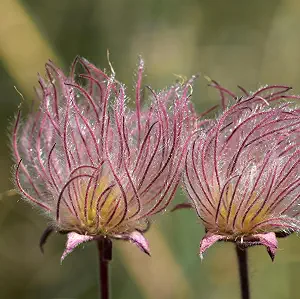 |
| Most Popular A crowd favorite that many people choose with confidence | Outsidepride White Dutch Clover Seed, 5 lb |  |
| Best Seller A high-volume bestseller chosen again and again | KVITER Mix Moss Rose (Portulaca grandiflora) Heirloom Flower Seeds — Double Moss Rose Mix |  |
Plants for Pets 10" x 20" Sedum Groundcover Mat

| Indoor Outdoor Usage | Indoor, Outdoor |
|---|---|
| Sunlight Exposure | Full Sun |
| USDA Hardiness Zone | 3, 4, 5, 6, 7 |
| Soil Type | Sandy Soil |
| Moisture Needs | Moderate Watering |
This pre-planted sedum mat arrives as a 10 by 20 live tile of mixed sedum varieties intended for fast groundcover and vertical accents in full-sun locations. You can lay the mat directly into a well-drained, sandy bed, separate it into sections for multiple small plantings, or attach it to a living wall frame; the drought- and heat-tolerant succulents need bright sun and infrequent watering once established. Notable features include a ready-to-plant live mat that blooms in late spring to early summer, biodegradable material, and plant mixes that tolerate neglect and resume growth after dry periods. Practical benefits are quick visual coverage without transplanting many small pots, low watering needs for waterwise landscapes, and suitability for hardiness zones listed by the maker. Important limitations are the small tray size that covers only a modest area per unit and the seasonal sensitivities of some sedum types which may go semi-dormant under 50°F, so multiple tiles or dividing the mat is necessary for larger projects.
Best for: Buyers who want a low-maintenance, fast-establishing groundcover for sunny beds or living walls and prioritize reliable drought performance and easy installation.
Less Ideal for: Not a great fit for large-scale monoculture lawns where bulk coverage and uniformity are needed or for gardeners who need shade-tolerant groundcovers.
- Ready-to-plant live mat simplifies installation and speeds groundcover establishment
- Drought and heat tolerant sedum mix reduces watering and maintenance needs
- Versatile use for beds, edging, green roofs and vertical gardens
- Biodegradable mat material integrates into soil over time
- Small 10×20 mat covers a limited area so larger projects require multiple tiles
- Some varieties may go dormant or thin in cooler temperatures below about 50°F
Verdict: An easy-to-install live sedum mat that delivers fast, drought-tolerant groundcover for sunny spots where low maintenance and quick coverage matter.
Plants for Pets Sedum Succulent Mat, 10 x 20 in. Assorted Stonecrop Tray

| Indoor Outdoor Usage | Indoor, Outdoor |
|---|---|
| Other Special Features of the Product | Weather Resistant |
| Expected Blooming Period | Spring to Summer |
| Moisture Needs | Little To No Watering |
| USDA Hardiness Zone | 3, 4, 5, 6, 7 |
This 10 x 20 inch sedum mat arrives ready to plant and is designed as a low-maintenance ground cover for hot, dry spots. The tray contains a mix of hardy sedum varieties that tolerate heat and drought and will produce small star-shaped flowers in late spring to early summer. Typical uses include edging pathways, filling gaps in rock gardens, creating living wall panels, or patching thin lawn areas where sun and good drainage are available. The mat is grown in a plastic tray with potting medium and ships dry to reduce transit stress; you should water thoroughly after planting to rehydrate the roots. The main benefits are fast visual impact from densely planted plugs and minimal watering needs once established. Limits to consider are that some varieties may go dormant or lose firmness below about 50°F and that partial shade reduces flowering and sturdiness. Placement on well-drained, sandy soil and full sun exposure will deliver the best performance in hot, arid conditions.
Best for: Gardeners who need a fast, low-maintenance ground cover for sunny, dry areas and prioritize durability and minimal irrigation.
Less Ideal for: People seeking shade-loving groundcovers or floral displays that require high bloom volume and lush, moisture-loving plants.
- Drought and heat tolerant mix suited for hot, dry sites
- Pre-planted mat provides immediate, dense ground cover
- Low watering needs once established
- Versatile for ground cover, living walls, green roofs, and edging
- Some varieties may go dormant or decline in cooler temperatures below 50°F
Verdict: If you need durable, low-water ground cover for hot, sunny areas, this pre-planted sedum mat delivers fast coverage and long-term drought performance.
SWEET YARDS Drought Tolerant Wildflower Mix — 1 oz (7,500+ Seeds)

| Unit Count | 1 Ounce |
|---|---|
| Number of Pieces | 7500 |
| Sunlight Exposure | Full Sun |
| Moisture Needs | Moderate Watering |
| Expected Blooming Period | Spring to Fall |
This drought-tolerant wildflower mix is a performance-focused seed blend intended to establish a low-maintenance, pollinator-friendly display in sunny spots. The packet contains over 7,500 open-pollinated seeds across 21 dryland species, combining annuals and perennials so you get an early flush of color and plants that return in subsequent seasons. It is packaged in resealable premium packaging with planting instructions, which helps preserve seed viability between seasons. Recommended for full-sun sites and adaptable to most soils, the mix is formulated for moderate watering and is especially suited to areas where water is limited. In a raised bed the variety of bloom times and heights creates layered interest without intensive care, but expect some variability in germination and bloom density because mixes include both robust and slower-establishing species. If you want a fast, uniform carpet of a single flower type this is not that product, but for a resilient, pollinator-attracting meadow effect in a sunny raised bed it delivers strong, lasting value.
Best for: Gardeners who prioritize resilient, low-water flowerings and want an easy-to-establish pollinator mix for sunny raised beds that performs across seasons.
Less Ideal for: People who need a uniform carpet of a single flower species, exact color schemes, or rapid, perfectly even coverage in a small ornamental bed.
- Large seed count (over 7,500 seeds) suitable to cover about 100 sq. ft.
- Mix of 21 drought-tolerant species offering staggered bloom times and pollinator value
- Open-pollinated non-GMO seeds with premium resealable packaging and planting instructions
- Adaptable to most soils and formulated for full sun with moderate watering needs
- Mix composition leads to uneven germination and variable bloom density across the bed
- Not optimized for a uniform single-species display or precise color control
Verdict: Use this mix when you want a drought-tolerant, pollinator-friendly wildflower display that fills a sunny raised bed with seasonal color and minimal fuss.
Carpet Creeping Creeping Thyme Seeds (Ground Cover, 145,000 count)

| Indoor Outdoor Usage | Outdoor |
|---|---|
| Other Special Features of the Product | Attracts Pollinators, Fragrant, High Germination Rate |
| Expected Blooming Period | Spring to Fall |
| Sunlight Exposure | Full Sun |
| Moisture Needs | Moderate Watering |
These creeping thyme seeds are intended for establishing a fragrant, pollinator-friendly ground cover that blooms from spring through fall. They are typically sown in sandy, well-drained soil in full sun during the recommended planting period and will germinate in about two to four weeks. The listing emphasizes high germination, organic non-GMO seed stock, and suitability for dry, low-water sites, which makes it practical for rock gardens, between pavers, and large areas where a low mat of flowers is desired. Because the packet is a very large unit count, it suits budget-conscious gardeners covering wide areas or restoring erosion-prone slopes. Expect to maintain moderate watering while plants establish and occasional trimming to keep a neat carpet. Limitations are that thyme prefers full sun and sandy soils so it will perform poorly in heavy clay or dense shade, and establishing a uniform stand requires patience through the germination window and proper site prep.
Best for: Buyers who need an affordable way to establish a wide swath of flowering ground cover and prefer low-water, pollinator-friendly plantings in sunny sites.
Less Ideal for: Gardeners who want a ground cover for shady, moisture-retentive soils or those seeking a small packet for container-only planting.
- Very large seed count suitable for covering large areas on a single purchase
- Non-GMO, heirloom, organic seed sourcing
- Adapted to dry, sandy soils and full sun for low-water landscaping
- Attracts pollinators and produces fragrant blossoms across spring to fall
- Not well suited to heavy clay soils or shaded locations
Verdict: A budget-friendly, high-count seed option for quickly establishing a drought-tolerant, pollinator-attracting flowering carpet in sunny, sandy sites.
Carpet Creeping Prairie Smoke (Geum triflorum) Seeds — 50 Count
| Sunlight Exposure | Full Sun to Partial Shade |
|---|---|
| Expected Blooming Period | Spring to Fall |
| Soil Type | Sandy/Loam Soil |
| Moisture Needs | Moderate Watering |
| Unit Count | 50 Count |
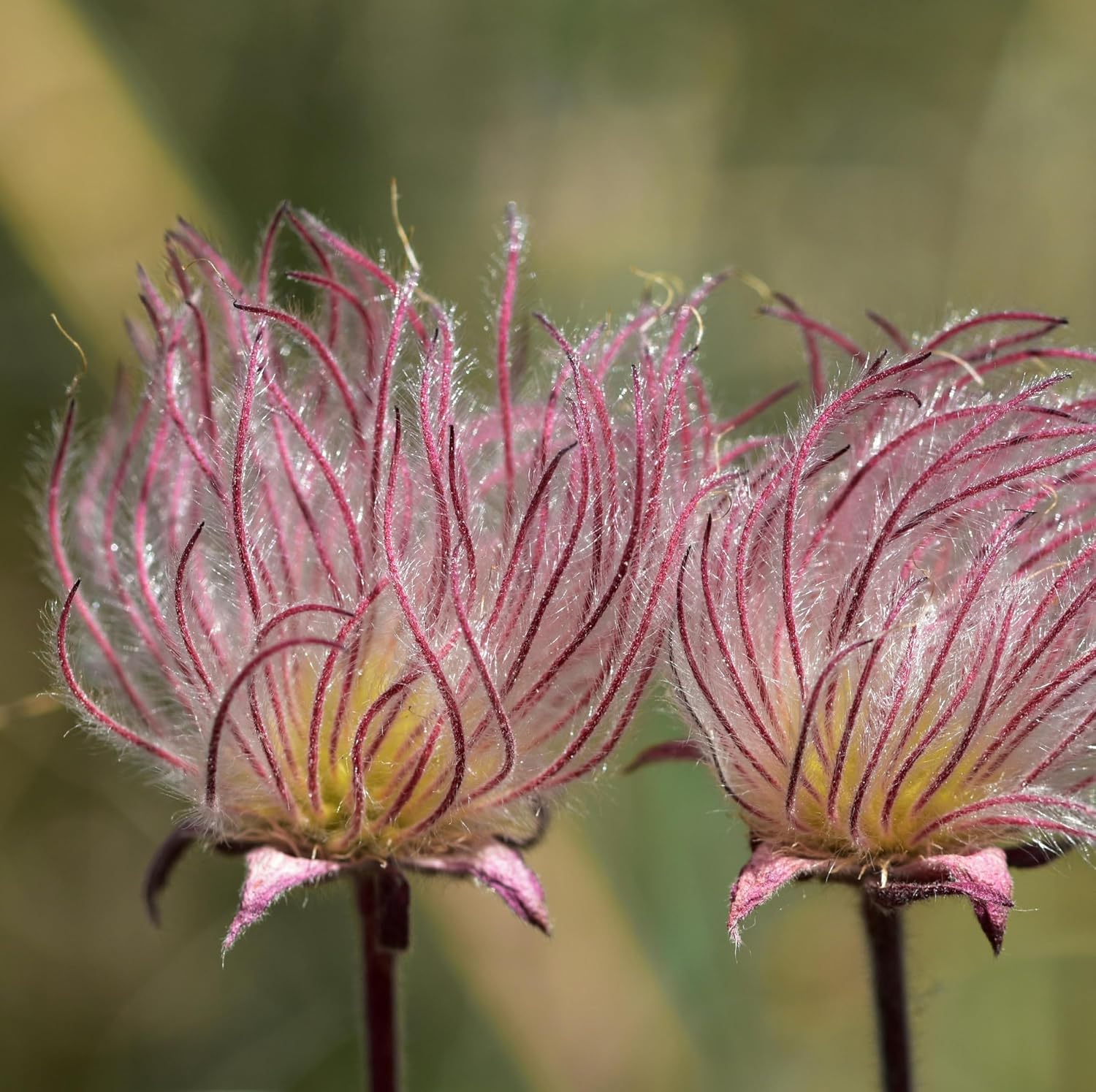
These Prairie Smoke seeds are sold as a 50-count packet of Geum triflorum, a native perennial valued for its nodding pink flowers and plume-like seed heads. Gardeners sow the seed on the soil surface after a cold stratification period of 30–60 days, keep the bed moist until seedlings appear, then transplant or thin to 8–12 inch spacing. Once established plants form low-growing mats with 12–18 inch flower stems that add long-lasting pink, airy plumes to rock gardens, dry meadows, and xeriscapes. Notable features are drought tolerance, pollinator appeal, and self-seeding habit, which reduce maintenance and help the stand fill in over seasons. Limitations: seeds need refrigerated stratification to germinate reliably and require well-drained sandy or loamy soil, so they are not suited to heavy clay or constantly wet sites. Expect a few weeks to germination and a season or two for a fully settled planting.
Best for: Buyers who prioritize a dependable, low-maintenance perennial ground cover with ornamental pink plumes for dry, well-drained sites and naturalistic plantings.
Less Ideal for: Gardeners needing a rapid dense turf or those with heavy clay or waterlogged soils should consider other ground covers better adapted to wet conditions.
- Distinctive feathery pink seed plumes provide season‑long visual interest and dried flower use
- Drought tolerant once established, suitable for xeriscape and rock garden settings
- Attracts native bees and other pollinators
- Self-seeding habit helps the planting persist and expand with minimal intervention
- Seeds require cold stratification before sowing for reliable germination
- Performs poorly in heavy, poorly drained soils
Verdict: Choose these prairie smoke seeds if you want a reliable, low‑maintenance native ground cover that adds long‑lasting pink, feathery plumes to dry gardens.
Outsidepride White Dutch Clover Seed, 5 lb

| USDA Hardiness Zone | 3 |
|---|---|
| Sunlight Exposure | Full Sun |
| Moisture Needs | Little To No Watering |
| Material Features | Heirloom |
| Expected Blooming Period | Early spring/Late summer |
Outsidepride White Dutch clover is a hardy perennial cover crop sold in a 5 lb bulk bag and treated (nitrocoated and inoculated) to support germination and soil health. It is used for quick-establishing ground cover, erosion control, lawn alternatives, pasture mixes, and deer or food plots. Typical use is broadcasting seed at the recommended rate, lightly raking it in, and keeping the soil moist until germination, which often appears within two weeks under favorable temperatures. Notable features include drought tolerance, the ability to fix atmospheric nitrogen to improve soil fertility, and fragrant white blooms that attract pollinators. Practical benefits are reduced need for watering and herbicides, faster soil stabilization on slopes, and improved soil structure when used in rotations. Limitations are that it establishes best with some site preparation and regular moisture during germination, it can be slow to outcompete aggressive weeds in very poor seedbeds, and its low stature means it is not a replacement for tall ornamental plantings. Overall it is a straightforward, low-maintenance option for durable, pollinator-friendly ground cover in dry landscapes.
Best for: Buyers who prioritize proven performance and want a low-water, pollinator-friendly ground cover with strong customer feedback to back its reliability for erosion control and lawn alternatives.
Less Ideal for: Gardeners seeking a tall, ornamental flowering display or immediate weed-free lawns should consider other perennial or turf options that provide instant height or faster weed suppression.
- Treated (nitrocoated and inoculated) seed for improved germination and soil inoculation benefits
- Drought tolerant once established, suitable for low-water landscapes
- Attracts pollinators with white flowers, supporting garden biodiversity
- Effective at crowding out weeds and stabilizing soil for erosion control
- Needs consistent moisture during germination window or establishment may be patchy
- Won't rapidly suppress very aggressive weeds without prior site prep or repeat sowing
Verdict: A drought-tolerant, treated white clover seed that delivers reliable, pollinator-friendly ground cover and soil improvement for low-water landscapes.
KVITER Mix Moss Rose (Portulaca grandiflora) Heirloom Flower Seeds — Double Moss Rose Mix

| Indoor Outdoor Usage | Outdoor |
|---|---|
| Other Special Features of the Product | Drought Tolerant, Growing Guide Included, High Germination Rate, Made in the USA |
| Expected Blooming Period | Late Spring to Fall |
| Sunlight Exposure | Full Sun |
| USDA Hardiness Zone | 2-12 |
KVITER Mix Moss Rose seeds provide a straightforward way to establish a low, flowering ground cover that blooms from late spring through fall. The packet contains heirloom, non-GMO seeds of Portulaca grandiflora selected for double, ruffled blooms in pinks, reds, yellows and oranges; the included growing guide and high germination rate make direct sowing into warm, well-drained soil simple. These plants thrive in full sun and minimal water, so they are ideal for hot, dry spots, rocky borders, edging and shallow containers where you want continuous pink and mixed-color flowers without much care. Expect compact succulent foliage that spreads to form a colorful mat and attracts pollinators. Limitations are that moss rose prefers sandy or loamy, very well-drained soils and will not do well in shade or waterlogged conditions, and the low height means it is decorative rather than structural. Seed mix variability means color distribution is not uniform, so the result is a blended, natural look rather than a single solid block of pink.
Best for: Gardeners who want an easy, low-maintenance flowering ground cover for sunny, dry areas and who prioritize continuous seasonal color with minimal watering.
Less Ideal for: People seeking tall or structural plants, dense single-color lawns of pink flowers, or gardeners with shady, poorly drained sites should look elsewhere.
- Heirloom non-GMO seeds with high stated germination for reliable sprouting
- Drought tolerant and thrives in full sun, suited to hot, dry sites
- Large unit count suitable for covering substantial ground or many containers
- Includes step-by-step growing guide to simplify direct sowing for beginners
- Performs poorly in shade or wet soils so site selection is important
- Seed mix produces a varied color blend rather than uniform pink-only coverage
Verdict: A simple, low-water choice to create a long-blooming, low pink-and-mix ground cover in hot sunny spots.
Choosing the Right Ground Cover for Hot Dry Areas: Key Factors to Consider
Drought Tolerance and Water Needs
In hot, dry areas the most important factor is how little supplemental water a ground cover requires once established. Some species develop deep or fibrous root systems that can tap limited moisture and survive long dry spells. Others will need regular summer irrigation to stay green. Consider whether you want a ground cover that stays evergreen without water, one that goes dormant and returns with seasonal rains, or a mix that maintains some foliage year-round.
Match your choice to the local climate and the practical irrigation you can commit to. A low-water ground cover reduces utility use and maintenance but can take longer to establish, so plan for initial establishment watering.
Establishment Speed and Planting Density
How quickly a ground cover spreads affects how long beds stay open to weeds and erosion. Rapid-spreading options can fill gaps within a single season when planted at recommended spacings. Slower growers may need closer spacing or temporary mulch to suppress weeds while roots develop.
Consider the labor and cost of planting more starts vs. the long-term benefit of faster coverage. Also think about the time of year for planting; cooler seasons often give young plants a better chance to root before summer heat.
Root Structure and Erosion Control
If you are dealing with slopes, sandy soil, or runoff, choose ground covers with root systems that bind soil. Creeping, mat-forming plants with dense fibrous roots hold surface soil and reduce sheet erosion. Taller or sparser ground covers may not stabilize steep banks as effectively.
Assess slope angle and soil texture when choosing species. In steeper situations, combine ground cover with other erosion-control measures like terraces, mulch, or stone edging to ensure stability while plants establish.
Sun Exposure and Heat Reflection
Ground covers respond differently to prolonged sun and reflected heat from hardscape. Some species tolerate full sun and high reflected heat from concrete or stone, while others scorch or desiccate. Leaf shape, waxiness, and color influence how plants handle intense light and heat.
Site-test a small area if possible, and factor in microclimates such as afternoon sun, wind exposure, and heat radiated from nearby surfaces. Choosing a species adapted to those exact conditions reduces plant stress and replacement needs.
Maintenance and Long-Term Care
Maintenance expectations vary widely. Some ground covers need occasional shearing or trimming to keep a tidy look, periodic thinning to prevent legginess, or seasonal clean-up of dead foliage. Others are essentially no-maintenance after establishment, needing only rare spot irrigation.
Think about access for mowing or edging, whether you want to hand-weed or use mulch as an interim control, and how long you want to maintain a pristine appearance. Lower-maintenance options often trade off with slower cover rates or a more natural look.
Wildlife Value and Invasiveness
Ground covers can provide nectar, pollen, or shelter for beneficial insects and pollinators, but some aggressive species escape into surrounding habitat. In hot, dry regions the risk of a ground cover becoming naturalized can be higher if it tolerates poor soils and spreads by runners or seed.
Prioritize plants that support local wildlife without known invasive tendencies for your region. Check local extension recommendations and avoid species listed as invasive in nearby wildlands.
Best Sites and Soil Prep for Hot Dry Areas
Prepare planting sites to maximize each ground cover's chance of success. In many hot, dry gardens the soil is compacted, shallow, or low in organic matter. Light soil cultivation and the addition of modest organic matter improves water infiltration without creating a moisture-retentive zone that could invite rot in some drought-adapted plants.
Create fast-draining soil beds and avoid planting too deep. Where irrigation will be used for establishment, install drip lines or soaker hoses to deliver water directly to roots rather than wetting the foliage. On slopes, contouring and small terraces help slow runoff and increase water uptake.
- Loosen top 6 to 12 inches of soil and remove weeds before planting
- Incorporate a thin layer of compost rather than heavy amendments
- Use drip irrigation for targeted establishment watering
- Plant at recommended spacing to speed canopy closure
When to Plant and Water During Establishment
Timing matters. In many dry climates the coolest months with some rainfall are the best time to plant so young roots can expand before peak summer. Avoid planting right before prolonged heat unless you can provide regular, light irrigation for several weeks.
During the first season, water deeply but infrequently to encourage deeper rooting. After plants are established, reduce frequency and allow soil to dry between irrigations so drought-adapted mechanisms develop.
- Schedule planting for fall or early spring where winters are mild
- Water deeply for the first few weeks, then taper
- Monitor for signs of transplant stress and adjust irrigation
Design Uses and Combinations
Ground covers in hot dry areas are versatile. Use them as lawn alternatives for low-traffic spots, between stepping stones, or to soften rock gardens and slopes. Mixing species with different textures and bloom times increases seasonal interest and resilience to pests or localized failure.
Combine ground covers with mulch or gravel in decorative beds to reduce heat reflection and protect young plants. Keep taller or coarser species near borders and lower mats in walkways to maintain desired sightlines and access.
- Use mixed-planting for visual variety and risk mitigation
- Plant lower-growing mats next to stepping stones for safe footing
- Reserve higher, sparser ground covers for less-trafficked slopes
Managing Weeds and Pests Without Heavy Water Use
Weeds compete for scarce moisture, so quick canopy closure is an anti-weed strategy. In the short term, use landscape fabric or a thin mulch layer to suppress weeds without keeping soil too wet. Hand-weeding is often the safest option when young plants are establishing.
Pest pressure in hot dry areas tends to be lower for drought-adapted plants, but localized outbreaks of chewing insects or scale can occur. Monitor early and use targeted physical or biological controls to avoid stressing plants with repeated chemical treatments.
- Apply a light mulch that does not trap excess moisture
- Remove weeds promptly to reduce competition
- Inspect regularly for pests and treat with targeted methods
Long-Term Maintenance and Renovation
Expect occasional renovation cycles. Some ground covers thicken and require thinning or division every few years to maintain vigor. Others may gradually open up and need infill planting or minor soil improvements.
Plan pruning, shearing, or removal of spent flower stalks during cooler parts of the year. Minimal irrigation and yearly checks for soil erosion and drainage will help the planting persist through hotter seasons.
- Divide or thin dense mats every 2 to 5 years as needed
- Prune lightly to refresh appearance after bloom cycles
- Check slope stability annually and add reinforcements if erosion appears
How We Chose the Best Ground Cover for Hot Dry Areas
We focused on attributes that determine real-world performance in hot, dry gardens. Primary evaluation criteria included drought tolerance under prolonged heat, ground coverage rate to suppress weeds and reduce bare soil, and root structure for erosion control on slopes. We also assessed maintenance needs such as pruning frequency and irrigation after establishment, plus sun tolerance and soil adaptability for typical poor, well-draining sites. Plants that require consistent moisture, shade-only microclimates, or frequent seasonal replacements were excluded. We filtered for species and cultivars that are commonly available to home gardeners, resilient to common regional pests, and documented in horticultural sources for warm, arid conditions. The final list favors low supplemental-water plants that establish reliably and perform useful landscape functions beyond aesthetics.
FAQ
Can ground covers survive without any supplemental irrigation in hot, dry climates?
Some drought-adapted ground covers can survive long dry periods once well established, but most need at least occasional deep watering during extended drought or extreme heat. Success depends on species, soil depth, and local microclimate.
Will ground cover prevent soil erosion on steep slopes?
Many mat-forming ground covers with fibrous root systems reduce surface erosion on gentle to moderate slopes. On steep banks you may need complementary measures like terraces, mulch, or retaining structures until plants fully root.
How long does it take for ground cover to fully fill an area?
Coverage time varies widely by species and planting density. Fast-spreading types can fill gaps in one season when planted at recommended spacing, while slower growers may take two to three seasons to achieve full coverage.
Can I use ground cover instead of turf in dry regions?
Yes. Low-growing, drought-tolerant ground covers can replace lawns in low-traffic areas, cutting irrigation and mowing needs. Choose species suited to foot traffic if the area will be regularly walked on.
Are some ground covers invasive in hot dry regions?
Some aggressive ground covers can spread beyond intended areas, particularly if they set abundant seed or send long runners. Check regional invasive species lists and pick plants recommended by local extension services.
How do I keep ground cover looking neat without frequent watering?
Select naturally low-maintenance species and plan for occasional pruning or shearing to control growth. Thin overcrowded patches and replace open gaps with new plants rather than increasing irrigation to force luxuriant growth.
Final Verdict
Prioritize drought tolerance, coverage speed, and root structure when choosing ground cover for hot dry areas. Consider how quickly you need soil stabilized, how much maintenance you can provide, and whether the planting must tolerate reflected heat from hardscapes. Balance fast establishment against long-term water savings and select species that match your slope, soil, and desired appearance. With the right match you can reduce water use, control erosion, and create attractive low-maintenance groundcover that endures summer heat.
