

Note: This article contains affiliate links. If you click on these links and make a purchase, I may earn a small commission at no extra cost to you. This helps support my research and content. Read my full affiliate disclosure here.
If your yard, slope, or patch of compacted dirt struggles to grow much, the right ground cover changes the game. Ground covers for poor soil reduce erosion, suppress weeds, and begin rebuilding organic matter where turf or big perennials fail. You want plants that establish in lean conditions, need little extra fertility, and hold soil through drought or heavy rain. This guide shortlists seven durable ground covers suited to poor soil and evaluates them against practical garden criteria like drought tolerance, rooting habit, and maintenance needs. Read on to find options that match your site and to understand which tradeoffs matter most when planting in marginal dirt.
Top Picks at a Glance
| Best Overall The best all-around choice for most situations | Mountain Valley Seed Co No-Till Garden Cover Crop Mix |  |
| Best Quality Built to a higher standard if you want something more solid | Pachysandra terminalis 'Green Sheen' Groundcover — 100 Bare Root Plants | 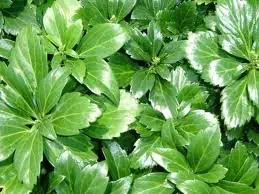 |
| Best Value The sweet spot between price and what you get | TnT Seed Company Peas, Oats & Vetch Cover Crop Mix — 5 lb Jug |  |
| Best Budget The cheapest option that still gets the job done reliably | Creeping Thyme Seeds (22000 Count) – Low-Growing Groundcover, Drought Tolerant |  |
| Highest Rated A top-rated pick with lots of positive feedback | Isotoma fluviatilis (Blue Star Creeper) Groundcover, 1 Quart |  |
| Most Popular A crowd favorite that many people choose with confidence | Outsidepride White Dutch Clover Seed, 5 lb |  |
| Best Seller A high-volume bestseller chosen again and again | No-Till Solutions 13-Seed Cover Crop Mix (1 lb) |  |
Mountain Valley Seed Co No-Till Garden Cover Crop Mix

| Indoor Outdoor Usage | Outdoor |
|---|---|
| Other Special Features of the Product | High Germination Rate |
| Sunlight Exposure | Full Sun |
| Expected Planting Period | Fall |
| Moisture Needs | Moderate Watering |
This cover crop mix is designed as a performance-focused blend for gardeners who want rapid soil improvement with minimal tilling. It combines peas, winter wheat, triticale, radish, vetch, clovers, mustard, and collards so you get nitrogen-fixing legumes, deep-rooting radish for compaction relief, and quick-growing cereals for biomass and weed suppression. Typical use is broadcasting the seed over prepared soil in fall or spring, lightly raking, and watering; in 30 to 70 days the mix produces significant ground cover you can cut, mow, or mulch into the soil. Notable features include non-GMO seeds, some inoculated legumes to aid nodulation, and a formula suited for both small raised beds and larger no-till plots. Practical benefits are faster improvement of soil tilth, reduced erosion, and a supply of organic matter without intensive labor. Limitations are that a mixed-species cover can include plants that overwinter or reseed in milder climates and that performance on heavy clay will depend on initial drainage and planting timing rather than the seed mix alone.
Best for: Gardeners and small-scale growers who prioritize measurable soil improvement and want a no-till solution that adds nitrogen and organic matter with minimal labor.
Less Ideal for: Those seeking a single-species groundcover or an ornamental lawn substitute should look for specialized turf or monoculture options instead.
- Diverse nine-species blend delivers complementary functions: nitrogen fixation, deep rooting, and quick biomass.
- Includes deep-rooted daikon radish to help break up compacted soil.
- Some legume seeds are pre-inoculated to improve nitrogen fixation and germination.
- Suitable for no-till, raised beds, containers, and larger farm applications.
- May contain species that overwinter or self-seed in mild climates, requiring management.
- Effectiveness on very heavy clay depends on drainage and timing rather than the seed mix alone.
Verdict: Choose this diverse no-till cover crop mix when you want a performance-driven, low-labor way to rebuild soil structure and fertility.
Pachysandra terminalis 'Green Sheen' Groundcover — 100 Bare Root Plants
| Hardiness Zone | 5 to 9 |
|---|---|
| Height | 6 to 12 inches |
| Spread | 1 to 1.5 feet |
| Sun | Part shade to full shade |
| Quantity | 100 bare root plants |
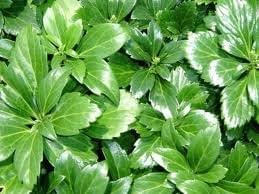
This 100-plant bundle of Pachysandra terminalis 'Green Sheen' is aimed at quickly establishing a glossy, shade-tolerant carpet in parts of the garden where sun is limited. The cultivar produces heavily rooted bare-root plants that spread by underground stems to form dense, dark green foliage 6 to 12 inches tall and about a foot to 1.5 feet across per plant. It performs well in part to full shade, tolerates zones 5 to 9, and offers low maintenance once established, with small white spring flowers and good erosion-control potential. Practical benefits include fast area coverage when planted at the recommended 6 to 9 inch spacing and simplified weed suppression from the dense growth habit. Limitations are that bare-root material requires prompt planting and good initial care to avoid losses, and pachysandra can be aggressive in some settings so it may need edging to prevent unwanted spread into adjacent beds.
Best for: Gardeners who need a high-performance, low-maintenance groundcover to quickly fill and stabilize shady areas and prioritize fast coverage over decorative variety.
Less Ideal for: People who want a non-spreading or highly controlled border plant or those unwilling to plant and establish bare-root material promptly.
- Very shade tolerant and suited for part shade to full shade sites
- Rapid spreading habit creates dense, low-maintenance groundcover that suppresses weeds
- Sold as 100 heavily rooted plants to establish coverage quickly
- Good for erosion control and forming a uniform carpet of foliage
- Bare-root plants must be planted promptly and cared for during establishment
- Can be invasive without edging or management in some landscapes
Verdict: Choose this 100-plant Green Sheen pachysandra pack when you want a fast-establishing, shade-tolerant groundcover that quickly forms a dense, low-maintenance carpet.
TnT Seed Company Peas, Oats & Vetch Cover Crop Mix — 5 lb Jug

| Plant or Animal Product Type | Cover Crop |
|---|---|
| Expected Planting Period | Spring, Summer, Fall |
| Sunlight Exposure | Full Sun to Partial Shade |
| Moisture Needs | Moderate Watering |
| Item Weight | 5 pounds |
This peas, oats, and vetch blend is built for gardeners who want rapid ground cover and measurable soil improvement between growing seasons. Spread or lightly incorporate the seed in spring or fall; peas and hairy vetch fix nitrogen while oats and the mix’s quick growth create dense biomass that shades out weeds and protects bare soil. The resealable 5 lb jug covers roughly 3,000–3,750 sq ft and is easy to handle, and the mix adapts to many soil types with moderate watering. Practical benefits include reduced fertilizer need over time, less erosion, and a more workable seedbed after decomposition or mowing. Limitations are that it is a cover crop rather than an immediate food crop, so it requires a season of growth and a plan for termination (mowing, tilling, or winterkill) before planting vegetables. Also, success depends on timely planting and adequate moisture to achieve the high germination the brand advertises.
Best for: Gardeners focused on improving soil health and reducing weed pressure between crop seasons who want a performance-oriented cover crop that builds fertility and biomass.
Less Ideal for: Growers seeking an instant edible harvest or those unwilling to manage cover-crop termination and planting windows should consider other seed options.
- Fast-establishing mix that provides quick ground cover to suppress weeds
- Includes nitrogen-fixing peas and vetch to improve soil fertility naturally
- Adaptable to a wide range of soils and tolerates full sun to partial shade
- Comes in a resealable 5 lb jug sized for treating several thousand square feet
- Can be mowed, tilled, or left to decompose to add organic matter
- Not intended as an immediate vegetable crop so requires a season of growth and a termination plan
- Effectiveness depends on correct planting window and soil moisture for germination
Verdict: Choose this mix when you want a fast, nitrogen-adding cover crop that suppresses weeds and builds soil fertility between planting seasons.
Creeping Thyme Seeds (22000 Count) – Low-Growing Groundcover, Drought Tolerant

| Indoor Outdoor Usage | Outdoor |
|---|---|
| Other Special Features of the Product | Attracts Pollinators |
| Expected Blooming Period | Year Round |
| Sunlight Exposure | Full Sun |
| Material Features | GMO Free |
This packet contains a very large quantity of creeping thyme seeds designed for seeding paths, rock gardens, and other low-maintenance areas. Typical use is broadcast sowing in spring or fall onto prepared soil, lightly covering the seed and keeping the bed moist until germination. The variety is described as drought tolerant, low-growing, and attractive to pollinators, so once established it will suppress weeds and provide summer blooms with a mild fragrance. The huge seed count is economical for covering large areas or filling multiple beds, and the non-GMO claim will reassure buyers who prefer simple seed provenance. Limitations to expect are that thyme prefers well-drained, sunnier sites and will perform less vigorously in heavy, waterlogged, or deeply shaded soils common in very poor sites; you may need to improve drainage or plant in raised beds for best results. Also, germination and establishment take some patience and basic light soil preparation to get an even stand across a large area.
Best for: Buyers looking to establish an inexpensive, low-maintenance groundcover across a large area or multiple sites who prioritize cost-effectiveness and reduced long-term upkeep.
Less Ideal for: Gardeners who need a fast, instant cover solution for very poor, waterlogged, or heavily shaded soil should consider alternatives or soil improvement first.
- Very high seed count provides coverage for large areas or multiple plantings
- Drought tolerant and low-growing habit reduces watering and mowing needs
- Attracts pollinators and produces summer blooms for seasonal interest
- Non-GMO material feature
- Performs best in full sun and well-drained soil and may struggle in heavy clay or deep shade
- Establishment requires consistent moisture and time before it fully suppresses weeds
Verdict: If you need a budget-friendly seed option to establish a drought-tolerant, pollinator-friendly groundcover over a large area, this high-count creeping thyme packet is a practical choice.
Isotoma fluviatilis (Blue Star Creeper) Groundcover, 1 Quart

| Manufacturer | Perennial Farm Marketplace |
|---|---|
| Pot size | 1 Quart |
| Flower color | Sky-blue |
Isotoma fluviatilis (Blue Star Creeper) is a hardy, low-growing groundcover that forms a 2–3 inch dense mat dotted with sky-blue, star-shaped flowers from late spring through summer. It is typically planted in 1-quart pots around stepping stones, in small sunny patches, or as a replacement for small lawn areas where a fine-textured groundcover is desired. Key features are its tolerance of varied moisture levels and heavy foot traffic, plus its ability to creep into tight joints which helps suppress weeds and soften pathways. The immediate benefit is quick visual fill-in and seasonal color without frequent mowing. Limitations are that this is a shallow, mat-forming plant so it is best for small areas rather than large lawns, and it requires establishment time before it can handle regular traffic at full density. Expect to give it a season to spread and occasional trimming at edges to keep it neat.
Best for: Gardeners who need a tough, low-growing groundcover for sunny spots and want quick seasonal blooms and a durable mat for pathways or small lawn replacements.
Less Ideal for: People looking to cover large lawn areas quickly or those who need a tall, plush turf substitute for heavy continuous use.
- Produces sky-blue star-shaped flowers from late spring through summer for seasonal interest
- Forms a dense 2–3 inch mat that creeps between stepping stones to reduce weed growth
- Tolerant of heavy foot traffic once established, suitable for pathways and small lawn replacements
- Adapts to a range of moisture levels and soil types, easing site selection
- Slow to fully establish across larger areas so not ideal for instant full coverage
- Best suited to small patches rather than large lawns due to low mat height
Verdict: Choose this Blue Star Creeper when you want a durable, flowering low mat that fills gaps between stepping stones and handles occasional foot traffic in sunny small areas.
Outsidepride White Dutch Clover Seed, 5 lb

| USDA Hardiness Zone | 3 |
|---|---|
| Sunlight Exposure | Full Sun |
| Moisture Needs | Little To No Watering |
| Material Features | Heirloom |
| Expected Blooming Period | Early spring/Late summer |
Outsidepride White Dutch clover is a hardy perennial cover crop sold in a 5 lb bulk bag and treated (nitrocoated and inoculated) to support germination and soil health. It is used for quick-establishing ground cover, erosion control, lawn alternatives, pasture mixes, and deer or food plots. Typical use is broadcasting seed at the recommended rate, lightly raking it in, and keeping the soil moist until germination, which often appears within two weeks under favorable temperatures. Notable features include drought tolerance, the ability to fix atmospheric nitrogen to improve soil fertility, and fragrant white blooms that attract pollinators. Practical benefits are reduced need for watering and herbicides, faster soil stabilization on slopes, and improved soil structure when used in rotations. Limitations are that it establishes best with some site preparation and regular moisture during germination, it can be slow to outcompete aggressive weeds in very poor seedbeds, and its low stature means it is not a replacement for tall ornamental plantings. Overall it is a straightforward, low-maintenance option for durable, pollinator-friendly ground cover in dry landscapes.
Best for: Buyers who prioritize proven performance and want a low-water, pollinator-friendly ground cover with strong customer feedback to back its reliability for erosion control and lawn alternatives.
Less Ideal for: Gardeners seeking a tall, ornamental flowering display or immediate weed-free lawns should consider other perennial or turf options that provide instant height or faster weed suppression.
- Treated (nitrocoated and inoculated) seed for improved germination and soil inoculation benefits
- Drought tolerant once established, suitable for low-water landscapes
- Attracts pollinators with white flowers, supporting garden biodiversity
- Effective at crowding out weeds and stabilizing soil for erosion control
- Needs consistent moisture during germination window or establishment may be patchy
- Won't rapidly suppress very aggressive weeds without prior site prep or repeat sowing
Verdict: A drought-tolerant, treated white clover seed that delivers reliable, pollinator-friendly ground cover and soil improvement for low-water landscapes.
No-Till Solutions 13-Seed Cover Crop Mix (1 lb)

| Sunlight Exposure | Full Sun, Partial Sun |
|---|---|
| Soil Type | No-Till |
| Moisture Needs | Moderate Watering |
| Unit Count | 13 Count |
| Plant or Animal Product Type | peas |
This 13-seed No-Till Solutions mix is designed as a biodiverse cover crop blend for quick ground cover and soil improvement in no-till and raised-bed settings. The bag combines clovers (about half the mix) with vetch, peas, cowpeas, buckwheat, millet, lentils, flax and fenugreek to provide both rapid surface canopy (buckwheat, millet) and nitrogen-fixing roots (clovers, vetch, peas). It is inoculated with Rhizobium and marketed as GMO-free, which supports nitrogen fixation and a boost to beneficial soil fungi over time. Typical use is broadcasting or shallowly sowing in early spring or late summer, then mowing or cutting before seed set to leave a mulch layer that protects soil and suppresses weeds. Practical benefits include faster visual cover, improved soil structure and increased biodiversity of beneficial insects. Limitations are that performance depends on timing and moisture—some species need moderate watering and full to partial sun—and that a mixed blend can produce uneven dominance from the faster growers, so you may need to adjust seeding rate or management for a specific result.
Best for: Gardeners seeking a single, balanced cover-crop blend to establish quick ground cover while building soil biology in no-till beds and raised beds.
Less Ideal for: Growers who need a single-species lawn alternative or an exact crop composition for forage or seed production should look for a dedicated monoculture mix instead.
- Wide species diversity combines fast-covering plants and nitrogen fixers for both quick canopy and soil building
- Inoculated with Rhizobium to aid legume nitrogen fixation
- Suitable for no-till, raised beds, and container gardening so it fits small-scale and larger plots
- Non-GMO, nitro-coated seed from U.S. sources supports organic-friendly use
- Mixed blends can lead to some fast species dominating and reduce evenness of the stand
- Requires correct sowing time and consistent moisture to establish all included species
Verdict: Choose this mix when you want one balanced bag that establishes fast ground cover and builds soil fertility in no-till and raised-bed gardens.
Choosing the Right Ground Cover for Poor Soil: Key Factors to Consider
Soil Adaptability and Nutrient Needs
Different ground covers vary widely in how much organic matter or nutrient input they need to survive. In poor soil you should prioritize species that tolerate low fertility and compacted conditions. Plants that naturally colonize lean sites often have adaptations such as thicker leaves, lower growth habit, or symbiotic relationships with soil microbes that let them persist without regular feeding.
Choosing a ground cover with low nutrient requirements means less initial soil modification, lower long-term input costs, and less risk that added fertilizer will encourage weeds. Consider whether you can tolerate slow improvement of soil through plant litter, or if you will amend the area before planting; that decision changes which species will be most reliable.
Root Structure and Erosion Control
The ability of a ground cover to hold soil depends on root depth, density, and whether roots form mats or clumps. Shallow, fibrous root mats are excellent at preventing surface erosion on slopes, while deeper fibrous roots can help stabilize lower layers. In compacted or sandy poor soils, choose covers that produce dense surface roots quickly to reduce runoff.
Also think about how roots interact with nearby plants and hardscapes. Some spreading ground covers root wherever stems touch the soil and form a durable mat, which is ideal for long-term stabilization. Others remain in discrete clumps and may need closer spacing to achieve even coverage and erosion control.
Drought Tolerance and Water Management
Poor soils often have limited water-holding capacity, so drought tolerance is a key factor. Select ground covers that survive dry spells with little supplemental irrigation and that can re-sprout after stress. Deep-rooted or succulent-like species usually handle drought better than thin-rooted, moisture-loving varieties.
Also evaluate how the plant behaves once established. Some covers need a season of regular watering to set roots but require almost no water afterward. Others demand ongoing moisture to stay dense and competitive against weeds. Match the plant to your local rainfall patterns and your willingness to water during establishment.
Sun and Shade Performance
Light conditions on the site determine which ground covers will thrive in poor soil. Some tolerant species do well in full sun and reflect light off their leaves, reducing surface temperatures on bare dirt. Others prefer filtered shade and will struggle or scorch in intense sun, especially on thin soils.
Assess microclimates created by buildings, trees, or slopes. A ground cover that tolerates partial shade and poor soil can be very useful under drip lines or on north-facing slopes where turf fails. Make sure the species you pick lists the light range that matches your site.
Maintenance and Long-Term Management
Even low-input ground covers require some maintenance, especially during establishment. Consider pruning, annual clean-up, or occasional division to keep a planting healthy and noninvasive. Some covers self-seed or spread aggressively and will need edging to prevent encroachment into beds or lawn.
Factor in weed pressure: a dense, quickly closing cover reduces weeding, while slower establishes leave gaps for weeds. Also think about winter appearance and whether you want evergreen cover or seasonal dieback. Your tolerance for periodic control measures should guide the choice.
Establishment Method and Speed
How quickly a ground cover fills in matters for erosion control and weed suppression. Options include seed, plugs, rooted cuttings, or spreading stems. Seed is often the lowest-cost route but typically takes longer and is less reliable in poor soil without surface preparation. Plugs and rooted cuttings establish faster and can outcompete weeds sooner, though they require more upfront investment.
Consider whether you can protect young plants from grazing, foot traffic, or erosion during the first season. Faster-establishing covers reduce the window of vulnerability, but some slower species repay patience by being tougher long-term in marginal soils.
Preparing the Site Without Heavy Amendment
You do not always need to import topsoil or heavy compost to get ground cover established in poor soil. Focus first on loosening compacted surface layers with light cultivation or vertical slicing so roots can penetrate. Remove large competing weeds and surface debris that will block contact between planting material and soil.
- Rake to level and remove aggressive weed roots before planting.
- If erosion is active, use temporary erosion control like biodegradable matting to hold soil while plants establish.
- Avoid burying crowns when adding thin layers of compost; aim for contact between roots or plugs and the native soil.
Planting Strategies for Slopes and Eroding Areas
On slopes, stagger planting in a checkered or contour pattern rather than straight rows to increase root coverage and reduce channelized runoff. Space plants tighter than you would on flat ground to create a denser mat faster. When soil is extremely poor, consider combining quick-establishing species with longer-lived stabilizers so the site has immediate cover and longer-term structure.
- Install erosion-control staples for mats and add plugs at the top and bottom of a slope.
- Use terraces or shallow swales on steep runs to slow water and give ground cover a chance to take hold.
- Mulch lightly with coarse organic material to retain moisture without smothering new plants.
Combining Ground Covers With Soil-Building Plants
A mixed approach can speed soil improvement. Include nitrogen-fixing or deep-rooted companion plants in small numbers to lift nutrients and organic matter into poor soil. Ground covers that shed leaves or have long-lived stems contribute litter that gradually increases organic content and structure.
- Place small clumps of soil-building perennials among the cover to create nutrient islands.
- Avoid aggressive shrubs that will outcompete low-growing covers for scarce moisture.
- Use drip irrigation for targeted watering of soil-building inserts during the first season.
Seasonal Care and Long-Term Maintenance
Once established, many drought-tolerant ground covers need minimal care, but simple seasonal tasks extend their benefits. Remove invasive weeds early, shear back overly vigorous runners to maintain boundary lines, and replace thin patches by planting plugs rather than seeding to maintain density. Monitor drainage patterns after major storms and add contouring where runoff concentrates.
- Plan a light spring tidy to remove dead stems and encourage fresh growth.
- Fill gaps in the first two years to prevent weed invasion.
- Avoid overfertilizing; increased soil fertility can shift the balance toward more aggressive competitors.
How We Chose the Best Ground Cover for Poor Soil
We focused on characteristics gardeners need when choosing ground cover for poor soil. Selection prioritized species and types that reliably establish in low-fertility, compacted, or eroded sites and that contribute to soil stability or gradual improvement. Primary evaluation criteria were drought tolerance, root system and erosion control, shade and sun adaptability, and ongoing maintenance requirements. We also considered establishment speed and how well a ground cover suppresses weeds without aggressive invasiveness. Excluded were plants that require rich amended beds, frequent fertilization, or constant irrigation to persist. We avoided highly invasive ground covers whose spread creates long-term management problems. The final shortlist favors plants with documented performance in poor soils, straightforward planting and propagation methods, and measurable landscape benefits like reduced runoff or added organic matter over time. These selection filters align directly with the scoring metrics used in each product block.
FAQ
How long does it take ground cover to protect poor soil from erosion?
It depends on species and planting method. Fast-establishing plugs or spreading stems can provide meaningful surface cover within one growing season. Seeded areas typically take longer and may need temporary erosion control until the plants fill in.
Can ground covers improve soil quality or just hide poor soil?
Many ground covers gradually improve soil by adding leaf litter and protecting microbial life. Some companion plants can also add nutrients. However, dramatic soil rebuilding takes several seasons and may require targeted amendments or plantings to accelerate the process.
Will ground cover survive if my soil is mostly sand or gravel?
Some ground covers tolerate very free-draining substrates and can persist in sandy or gravelly pockets. Look for species noted for drought tolerance and low nutrient needs. Establishment is easier with initial watering and by using plugs rather than seed in these conditions.
Are certain ground covers invasive in poor soils?
Yes, some aggressive spreaders can become invasive even in marginal soils. If you need strict containment, choose species with clumping habits or plan for regular edge control. Avoid ground covers known for running roots if nearby beds or native areas must be protected.
Should I add compost or fertilizer when planting ground cover in poor soil?
A light topdressing of compost can help with establishment but avoid heavy incorporation that encourages weeds or increases water demand. Many tolerant ground covers do well with minimal amendment; targeted, small-scale soil building around plants is often more effective than wholesale changes.
Final Verdict
For poor soil, choose ground covers that match your light conditions and water realities while offering the root structure needed to stop erosion. Prioritize drought-tolerant, low-nutrient species that establish quickly enough to outcompete weeds and begin adding organic matter. Accept tradeoffs between speed of coverage and long-term stability: faster spreaders give quick protection but may need edge control, while slower, tougher plants can persist with little care. Use planting method, spacing, and simple seasonal maintenance to get reliable coverage and steady soil improvement over time.
