

Note: This article contains affiliate links. If you click on these links and make a purchase, I may earn a small commission at no extra cost to you. This helps support my research and content. Read my full affiliate disclosure here.
Choosing the right ground cover for a shady hillside matters because slope planting needs to hold soil, suppress weeds, and survive with limited light. On steep, shaded sites you face challenges different from flat, sunny beds: slower growth, shallow root development, and uneven moisture. The picks in this guide are shortlisted for those conditions and focus on stability, shade tolerance, and maintenance demands. We evaluated options that establish reliably on slopes, reduce erosion risk, and keep a tidy, low-effort surface under tree shade or on north-facing banks. Read on to understand the factors we used to evaluate these ground covers and which traits to prioritize for a shady hillside.
Top Picks at a Glance
| Best Overall The best all-around choice for most situations | Loseedsoo Wild Ginger (Asarum canadense) Seeds — 30+ Perennial Woodland Groundcover |  |
| Best Quality Built to a higher standard if you want something more solid | Pachysandra terminalis 'Green Sheen' Groundcover — 100 Bare Root Plants | 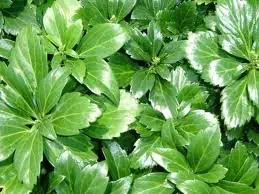 |
| Best Value The sweet spot between price and what you get | Groundcover Green Carpet Pachysandra (100 Bare Root Plants) |  |
| Best Budget The cheapest option that still gets the job done reliably | BuggyBeds Hosta Seed Mix — 210+ Shade-Tolerant Perennial Seeds |  |
| Highest Rated A top-rated pick with lots of positive feedback | Dwarf Mondo Grass Live Plants — 18 3-inch Pots |  |
| Most Popular A crowd favorite that many people choose with confidence | Groundcover Pachysandra terminalis Japanese Spurge — 100 Bare Root Plants | |
| Best Seller A high-volume bestseller chosen again and again | Outsidepride Dichondra Repens Ground Cover Seeds (32 oz) |  |
Loseedsoo Wild Ginger (Asarum canadense) Seeds — 30+ Perennial Woodland Groundcover

| Botanical Name | Asarum canadense |
|---|---|
| Plant Type | Perennial |
| Light | Partial Shade to Full Shade |
| Unit Count | 1 Count |
These Loseedsoo wild ginger seeds provide a straightforward way to establish Asarum canadense as a durable, shade-tolerant groundcover. The packet includes 30+ seeds intended for partial to full shade planting in rich, moist, well-drained soil. Gardeners typically sow the seeds shallowly, keep the medium consistently moist, and often cold-stratify the seed first to improve germination because seedlings can be slow to appear. Once established, wild ginger forms heart-shaped foliage that spreads gradually to suppress weeds and fill shady borders beneath trees. Notable features are its native provenance, perennial habit, and distinctive low flowers hidden under the leaves. Practical benefits are low long-term maintenance and good performance where many sun-loving plants fail. Important limitations are the slow and sometimes erratic germination from seed and the need for consistent moisture during establishment, so results require patience and some initial care.
Best for: Gardeners who need a reliable, low-maintenance native groundcover for shaded areas and are willing to give seeds careful moisture and time to establish.
Less Ideal for: People who need instant coverage or a guaranteed quick result should choose plugs or established plants instead.
- Shade-adapted perennial suitable for partial to full shade sites
- Provides low, spreading heart-shaped foliage that creates a natural woodland groundcover
- Native species that fits well in shaded borders, beneath trees, and naturalized landscapes
- Includes 30+ seeds, allowing coverage of multiple small planting spots or patches
- Seeds germinate slowly and may require cold stratification and patient care
- Establishment needs consistently moist, rich soil during the early growth period
Verdict: A good choice for gardeners seeking a long-term, shade-loving native groundcover when they can commit to patient seed sowing and moist establishment.
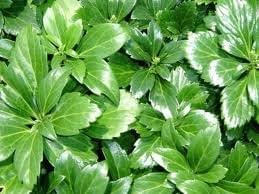
Pachysandra terminalis 'Green Sheen' Groundcover — 100 Bare Root Plants
| Hardiness Zone | 5 to 9 |
|---|---|
| Height | 6 to 12 inches |
| Spread | 1 to 1.5 feet |
| Sun | Part shade to full shade |
| Quantity | 100 bare root plants |
This 100-plant bundle of Pachysandra terminalis 'Green Sheen' is aimed at quickly establishing a glossy, shade-tolerant carpet in parts of the garden where sun is limited. The cultivar produces heavily rooted bare-root plants that spread by underground stems to form dense, dark green foliage 6 to 12 inches tall and about a foot to 1.5 feet across per plant. It performs well in part to full shade, tolerates zones 5 to 9, and offers low maintenance once established, with small white spring flowers and good erosion-control potential. Practical benefits include fast area coverage when planted at the recommended 6 to 9 inch spacing and simplified weed suppression from the dense growth habit. Limitations are that bare-root material requires prompt planting and good initial care to avoid losses, and pachysandra can be aggressive in some settings so it may need edging to prevent unwanted spread into adjacent beds.
Best for: Gardeners who need a high-performance, low-maintenance groundcover to quickly fill and stabilize shady areas and prioritize fast coverage over decorative variety.
Less Ideal for: People who want a non-spreading or highly controlled border plant or those unwilling to plant and establish bare-root material promptly.
- Very shade tolerant and suited for part shade to full shade sites
- Rapid spreading habit creates dense, low-maintenance groundcover that suppresses weeds
- Sold as 100 heavily rooted plants to establish coverage quickly
- Good for erosion control and forming a uniform carpet of foliage
- Bare-root plants must be planted promptly and cared for during establishment
- Can be invasive without edging or management in some landscapes
Verdict: Choose this 100-plant Green Sheen pachysandra pack when you want a fast-establishing, shade-tolerant groundcover that quickly forms a dense, low-maintenance carpet.
Groundcover Green Carpet Pachysandra (100 Bare Root Plants)

| Sunlight Exposure | Full Shade, Partial Shade |
|---|---|
| USDA Hardiness Zone | 4 |
| Soil Type | Sandy Soil |
| Moisture Needs | Moderate Watering |
| Unit Count | 100 Count |
This listing supplies 100 heavily rooted 'Green Carpet' Pachysandra terminalis plants intended to establish a dense, low evergreen carpet in part to full shade. The cultivar is described as slightly shorter and glossier than the species and produces small white spring flowers while spreading by underground stems, so planted at recommended spacing it fills in quickly to suppress weeds and help control erosion on slopes. Typical use is mass planting along shady hillsides, under trees, or as a border where low maintenance and year-round foliage are priorities. Notable features from the listing include suitability for part to full shade, hardiness into cold zones, and guidance on spacing to calculate plant counts for coverage. Practical benefits are fast fill-in, evergreen cover for erosion control, and modest water needs once established. Important limitations are that soil and site preparation still matter for long-term success and that pachysandra can be slow to fill very large areas without close initial spacing or supplementary planting.
Best for: Gardeners who need a practical, low-maintenance groundcover to quickly establish evergreen cover on shady slopes or under trees and want a predictable planting quantity to plan coverage.
Less Ideal for: People seeking a showy flowering groundcover or those with sun-exposed sites; also not the best choice if you prefer plants that establish from seed rather than bare-root transplants.
- Sold in a bulk pack of 100 heavily rooted plants for instant coverage
- Cultivar spreads via underground stems so it fills in faster than species
- Evergreen foliage provides year-round groundcover in shady locations
- Recommended for part to full shade and usable for erosion control
- Performance depends on proper site preparation and planting timing
- May require close spacing or additional plants to quickly cover very large areas
Verdict: Choose this bulk pack when you want an evergreen, fast-filling pachysandra groundcover tailored for shady hillsides and erosion control.
BuggyBeds Hosta Seed Mix — 210+ Shade-Tolerant Perennial Seeds

| Indoor Outdoor Usage | Outdoor |
|---|---|
| Other Special Features of the Product | Low Maintenance |
| Sunlight Exposure | Partial Shade |
| Material Features | GMO Free |
This packet offers over 210 hosta seeds aimed at gardeners who want low-maintenance, shade-friendly plants for containers or shaded beds. You would typically sow seeds in spring or start indoors for transplanting to a shaded container or border; hostas are valued more for their foliage than showy blooms and will slowly establish into perennial clumps over a few seasons. Notable product points are the large seed count, GMO-free material feature, and the claim of suitability for partial shade and container use. Practical benefits include economical planting for filling multiple pots or a shaded pathway and attracting pollinators when plants flower. Important limitations are that hosta grown from seed can take several years to reach mature size and leaf impact, and seed-grown plants may vary in appearance compared with named cultivars. Expect some variability in germination rates and a bit of patience before you have the dense foliage typically seen with division-grown hostas.
Best for: Gardeners who want an affordable way to populate shaded containers or borders with perennial foliage and are willing to be patient for seed-grown plants to mature.
Less Ideal for: People who need instant, uniform mature hosta clumps for immediate impact or who prefer guaranteed named cultivars with predictable color and form.
- Large seed count suitable for filling multiple containers or expanding shade beds
- Designed for partial shade so plants perform well under trees and on shaded patios
- Low-maintenance perennial habit once established reduces ongoing care
- GMO-free material specification
- Plants grown from seed require several seasons to achieve the size and impact of mature divisions
Verdict: A cost-effective option to grow many shade-tolerant hostas for containers and borders if you can wait for seed-grown plants to mature.
Dwarf Mondo Grass Live Plants — 18 3-inch Pots

| Indoor Outdoor Usage | Outdoor |
|---|---|
| Sunlight Exposure | Partial Shade |
| USDA Hardiness Zone | 6-10 |
| Moisture Needs | Low To Medium |
| Expected Planting Period | Spring Or Fall |
These 18 live Dwarf Mondo Grass plants arrive in 3-inch pots ready to plant and are meant to form a dense, low carpet of evergreen, grass-like foliage in shady spots. They are typically used between stepping stones, along walkways, around trees, or in planters that receive partial shade to morning sun. Notable features include year-round green foliage, slow spreading via underground runners, and low to medium moisture needs after establishment. Practical benefits include no-mow maintenance, deer resistance, good tolerance of heat and humidity, and suitability for USDA zones 6 to 10. Because the plants are sold as container-grown specimens, they establish more quickly than seed and can fill in when spaced 4 to 6 inches apart. Important limitations are the slow spreading habit, which means it can take a season or more to achieve full coverage, and the preference for well-drained soil so they may not perform in constantly soggy planters. This makes them a dependable, evergreen option for shaded planters and edging where a tidy, low-maintenance cover is desired.
Best for: Buyers who want a dependable, low-maintenance evergreen groundcover for shady planters, walkways, or borders and prioritize plants that establish reliably from containers.
Less Ideal for: Not a great choice for gardeners who need instant, dense coverage or for planters that retain moisture constantly or drain poorly.
- Container-grown plants arrive ready to transplant for faster establishment than seed
- Evergreen, low-growing habit that requires no mowing and stays tidy in planters
- Shade-tolerant and suited to partial shade or morning sun in planters
- Deer resistant and tolerant of heat and humidity, good for outdoor reliability
- Slow-spreading by runners so full coverage can take time
- Needs well-drained soil and may not suit constantly waterlogged planters
Verdict: A reliable, low-maintenance evergreen groundcover for shaded planters and edging that establishes quickly from container-grown plants.
Groundcover Pachysandra terminalis Japanese Spurge — 100 Bare Root Plants
| Quantity | 100 heavily rooted plants |
|---|---|
| Hardiness Zone | 5 to 9 |
| Height | 6 to 12 inches |
| Spread | 1 to 1.5 feet |
| Sun | Part shade to full shade |
This offering supplies 100 heavily rooted Pachysandra terminalis (Japanese spurge) plants designed to establish a dense, low-maintenance evergreen groundcover in part to full shade. Pachysandra spreads by underground stems to form a carpet of dark green foliage 6 to 12 inches high and about 1 to 1.5 feet across, producing small white April blooms. It is typically planted on 6 to 9 inch centers to close in quickly for erosion control, borders, or under trees where grass struggles. The key practical benefits are rapid lateral spread that suppresses weeds, year-round foliage in suitable zones, and very low maintenance once established. Important limits are climate and placement: it is suited to USDA zones 5 to 9 and prefers shady conditions, so it will not perform well in full sun or outside its hardiness range. Buyers should also plan spacing and quantity carefully because the pack size and recommended spacing determine how much area these 100 plants will cover and how long it takes to fill in.
Best for: Gardeners who need a reliable, low-maintenance evergreen groundcover for shaded beds or under trees and want to establish coverage quickly with a ready supply of plants.
Less Ideal for: People seeking a sun-loving groundcover, a flowering show-plant, or those with planting areas outside USDA zones 5 to 9 should look at other options.
- Evergreen foliage that provides year-round groundcover in shaded sites
- Spreads rapidly via underground stems to form a dense, weed-suppressing carpet
- Low maintenance once established, useful for erosion control and borders
- Large quantity (100 heavily rooted plants) lets you cover a substantial area or accelerate fill-in
- Only recommended for part shade to full shade and USDA zones 5 to 9
- Pack requires planning for spacing since 100 plants may not cover very large areas at tight spacing
Verdict: A straightforward, low-maintenance choice for quickly establishing an evergreen carpet in shaded garden areas.
Outsidepride Dichondra Repens Ground Cover Seeds (32 oz)

| Sunlight Exposure | Partial Sun |
|---|---|
| Expected Planting Period | Spring |
| USDA Hardiness Zone | 7 |
| Material Features | Heirloom |
| Unit Count | 32 Ounce |
Outsidepride Dichondra Repens is a bulk packet of ground cover seeds intended to establish a dense, low-maintenance carpet of green in warm, low-traffic areas. Gardeners sow these heirloom seeds in spring on prepared loam soil where they germinate and spread into a mat of rounded leaves that stays low to the ground and is soft underfoot. Notable features from the listing include suitability for partial sun, moderate moisture needs, and hardiness geared toward warmer zones where heat and drought tolerance matter. Practical benefits are reduced mowing and erosion control on slopes or bare spots, plus quick fill-in when overseeding or planting containers and hanging baskets. Limitations to consider are the climatic range: this variety is aimed at USDA zones listed for warm climates and may brown back in colder winters, and it is best for light to moderate foot traffic rather than high-traffic lawns. Expect a spring planting schedule and some time for seed-to-mat establishment rather than instant coverage.
Best for: Buyers who want an attractive, low-maintenance lawn alternative for warm gardens, containers, or erosion-prone slopes and prioritize quick establishment and reduced upkeep.
Less Ideal for: Homeowners in cold-climate regions seeking a durable, year-round turf substitute or anyone needing a high-traffic lawn replacement.
- Produces a dense, low-growing carpet that suppresses weeds and reduces mowing
- Heirloom seed in a large 32 ounce unit suitable for covering sizable areas or multiple projects
- Good heat and drought tolerance for warm-climate landscaping and erosion control
- Works well in containers, hanging baskets, slopes, and shaded to partially sunny spots
- Targeted to warmer USDA zones so performance and winter color may decline in cold climates
- Not suited for heavy foot traffic or athletic lawns
Verdict: Choose this Dichondra seed if you want a fast-establishing, low-maintenance green ground cover that creates a soft, attractive lawn alternative in warm, low-traffic landscapes.
Choosing the Right Ground Cover for Shady Hillside: Key Factors to Consider
Shade Tolerance and Light Requirements
How much light a ground cover needs determines whether it will thrive under the tree canopy or on a north-facing slope. Some species will perform well in deep shade but grow slowly, while others need at least dappled light to spread. Understanding the actual light levels on the hillside through the day helps match a plant that will photosynthesize enough to produce roots and lateral growth.
Plants that tolerate deep shade are usually more forgiving about thin soils and reduced moisture, but they can be slower to create a dense mat. If light is extremely limited, choose species noted specifically for woodland or full-shade performance to avoid thin patches that expose soil.
Root System and Erosion Control Capability
On a slope, the root architecture matters more than surface appearance. Fibrous, shallow networks and horizontal runners help hold topsoil and resist shallow slippage. Taprooted plants may anchor deeper but do less to bind the surface layer that washes away in storms.
Evaluate how a ground cover spreads and how its roots interact with the soil. Plants that form interlocking mats or send rhizomes horizontally are effective at stabilizing loam and thin soils typical on hillsides. Consider whether a cover tolerates periodic surface runoff without uprooting.
Establishment Speed and Spread Habit
How quickly a cover fills gaps affects how long soil is exposed and vulnerable to erosion. Fast-spreading plants can protect slopes sooner, but very aggressive spreaders can overrun other desirable plants. Slow-establishing species may need temporary erosion controls until they mature.
Look for ground covers with a predictable, controllable spread habit. Some spreads by stolons across the surface, others by rhizomes belowground, and a few clump and expand gradually. Match the spread rate to how much initial protection the hillside requires and whether you plan to interplant with shrubs or bulbs.
Soil and Drainage Compatibility
Soil texture and drainage on the hillside influence plant choice. Many shaded slopes under trees have compacted or drier soils because roots and canopy intercept moisture. Some ground covers prefer humus-rich, well-draining soils, while others tolerate heavier clay or periodic dryness.
Test or inspect a representative area of the slope for moisture retention and compaction. Choose a species that will not suffer in the existing drainage conditions. Amendments and mulching can help establishment but may not change long-term drainage significantly on a slope.
Maintenance, Cleanup, and Longevity
Maintenance needs matter on slopes where access can be awkward. A low-maintenance ground cover that resists thinning and does not require frequent pruning or weeding reduces the risk and labor of slope work. Consider whether the plant handles leaf litter, foot traffic, and seasonal dieback without leaving exposed soil.
Also factor in longevity. Some covers are perennial with stable habit for many years, while others require periodic renewal or division. Prefer species that establish a long-lived carpet to minimize repeated mechanical work on the hillside.
Invasiveness and Neighboring Plant Impact
A plant that spreads aggressively can suffocate desirable trees, shrubs, or native understory species. On a hillside this can lead to homogenized plantings that reduce biodiversity and destabilize existing root networks. Avoid species known to be invasive in your region or that are hard to confine once established.
Consider using physical barriers where appropriate and plan for regular edge management to prevent unwanted spread into fragile plantings.
Preparing a Shady Hillside for Planting
Before planting, walk the slope to map light, moisture, and areas of active erosion. Remove heavy accumulations of loose debris where soil is exposed, but avoid deep excavation near tree roots. Lightly roughen a compacted surface to improve root contact for new plants.
If the site has persistent runoff channels, install simple contour measures such as shallow terraces, coir logs, or staggered rock lines to slow water and give plants time to take hold. These measures are temporary aids that increase survival while ground cover establishes.
- Mark the driest and wettest spots and match plant choices accordingly
- Avoid cutting major tree roots; work around the drip line
- Use erosion-control fabric sparingly and where planting is difficult
Planting Technique for Best Establishment
Stagger planting rather than placing in straight rows to encourage quicker interlocking of crowns and runners. Firm soil gently around the root ball to remove air pockets but do not compact the entire bed. Place plants slightly above the surrounding soil if the hillside sheds water quickly.
Mulch lightly with leaf compost or coarse wood chips to conserve moisture and support young roots, but avoid a thick layer that can smother crowns. Water deeply after planting to encourage roots to grow downward and sideways into the slope.
- Space plants to allow planned spread without leaving large bare gaps
- Use biodegradable erosion control where needed until covers form
- Water deeply and infrequently rather than frequent light misting
Managing Shade and Competition From Trees
Tree roots and dense leaf litter can limit nutrients and moisture for new ground cover. Reduce competition by thinning lower branches to allow light penetration where feasible and by removing thick mats of decomposing leaves that choke young plants.
If trees are especially dominant, select species adapted to heavy litter and root competition, and plan for occasional supplemental irrigation during dry spells until the ground cover roots into deeper soil layers.
- Trim low branches to increase light without harming tree health
- Remove heavy leaf mats in planting zones before installing cover
- Monitor for root heaving or exposed roots that may displace young plants
Seasonal Care and Long-Term Maintenance
Once established, many shade-tolerant ground covers need only modest care: occasional thinning, light pruning of runners at edges, and spot weeding. Check the slope after heavy rains to repair any small erosion spots quickly before they widen.
Plan for periodic replenishment of organic mulch and occasional division of vigorous clumps to maintain vigor and prevent bare patches. Avoid routine heavy fertilization, which can encourage weak, leggy growth in shade conditions.
- Inspect after storms and repair small slips promptly
- Divide and replant congested clumps in spring or fall
- Use hand tools on slopes to minimize soil disturbance
Using Mixed Plantings for Stability and Interest
Combining two or three compatible ground covers can balance rapid soil protection with year-round interest. Pair a quicker spreader to provide early coverage with a longer-lived, dense mat-former to take over once the slope is stabilized.
Include small shrubs or native perennials at strategic points to interrupt runoff paths and add root depth variety. Mixed plantings also reduce the risk that a single pest or disease will open large bare areas on the hillside.
- Choose companions with similar shade and moisture needs
- Place deeper-rooted plants at intervals to anchor the slope
- Stagger bloom times to maintain seasonal color
How We Chose the Best Ground Cover for Shady Hillside
We prioritized traits that matter for planting ground cover on shaded slopes, using consistent, garden-focused filters. First, shade tolerance – we looked for plants that remain healthy and spread with limited direct sunlight. Second, erosion control and root stability – candidates had to form a mat or possess fibrous roots that bind soil on inclines. Third, establishment speed and spread habit – steady, predictable spread without aggressive invasiveness was preferred so a hillside fills in without choking nearby plants. Fourth, maintenance and durability – options that need minimal pruning, can tolerate leaf litter, and survive summer dryness under trees ranked higher. Fifth, disease and pest resilience – plants prone to frequent fungal problems or pest collapse under shade were excluded. We excluded highly invasive species, annuals that die back before root systems stabilize soil, and cultivars requiring high inputs or specialized care. The final shortlist balances establishing ability, slope stability, and low-maintenance performance suited to shady hillside conditions.
FAQ
How long does it take for ground cover to stabilize a shady slope?
It depends on the species and site conditions. Fast-spreading covers can provide meaningful soil protection within one growing season, while slower, denser mat-formers may take two to three seasons to fully stabilize a hillside.
Can I plant ground cover under large trees without harming the trees?
Often yes, if you avoid digging into major roots and choose covers tolerant of root competition and shade. Use shallow planting techniques and minimal soil disturbance near the drip line to protect tree health.
What should I do if a planted area washes out after heavy rain?
Repair small slips by regrading the area, placing plants with good root stability, and adding temporary erosion control such as coir rolls or biodegradable mesh. For recurring washouts, install contour barriers or terrace elements to slow runoff.
Are there low-maintenance ground covers suitable for deep shade?
Yes. Several perennial ground covers tolerate deep shade and require only occasional pruning or division. Look for species noted for woodland conditions and low fertilizer needs to keep maintenance light.
Will ground cover prevent weed invasion on a shady hillside?
A dense, well-established ground cover greatly reduces weed seed germination by shading and occupying space. However, weeds can still appear during establishment, so initial weeding and monitoring are important until the cover fills in.
Final Verdict
On a shady hillside prioritize plants that combine shade tolerance with root structures that bind soil. Balance establishment speed with long-term mat-forming ability so the slope is protected quickly yet remains stable for years. Expect to manage leaf litter, occasional thinning, and spot repairs after heavy storms. Choose covers matched to your light and soil conditions, and favor durable, noninvasive habits to minimize ongoing work and preserve slope stability.
