

Note: This article contains affiliate links. If you click on these links and make a purchase, I may earn a small commission at no extra cost to you. This helps support my research and content. Read my full affiliate disclosure here.
A dependable hand saw makes many garden and workshop tasks faster and neater, from trimming landscape lumber to shaping raised bed boards. Choosing the right hand saw matters because blade tooth pattern, blade length, and handle comfort all change how cleanly and quickly you cut in wood, composite decking, or pruning timbers. This guide shortlists the top hand saws for typical outdoor and small-shop work and explains the practical tradeoffs that matter in real use. Below you will find our top picks and clear evaluation criteria focused on blade performance and user comfort.
Top Picks at a Glance
| Best Overall The best all-around choice for most situations | Jorgensen 15-Inch Hand Saw with 8 TPI Black-Coated Blade |  |
| Best Quality Built to a higher standard if you want something more solid | Silky Bigboy 2000 360mm Folding Handsaw Outback Edition |  |
| Best Value The sweet spot between price and what you get | Corona RS 7120 RazorTOOTH 13" Curved Pruning Saw |  |
| Best Budget The cheapest option that still gets the job done reliably | Frocopo 6-inch Double-Edge Pull Hand Saw with Wooden Handle | 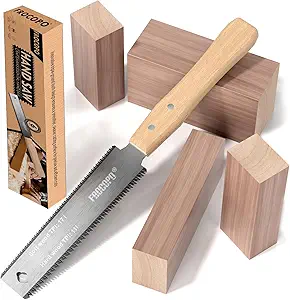 |
| Highest Rated A top-rated pick with lots of positive feedback | Bahco Laplander Folding Saw 7-1/2" with Ergo Grip |  |
| Most Popular A crowd favorite that many people choose with confidence | REXBETI 11-Inch Folding Pruning Saw (SK-5 Steel, 7 TPI) |  |
| Best Seller A high-volume bestseller chosen again and again | Craft911 11" Folding Pruning Saw with SK5 High-Carbon Blade |  |
Jorgensen 15-Inch Hand Saw with 8 TPI Black-Coated Blade

| Number of Teeth | 8 |
|---|---|
| Blade Material | Alloy Steel |
| Handle Material | Aluminum |
| Surface Recommendation | Plastic,Wood |
The Jorgensen 15-inch hand saw is a straightforward, heavy-cut handsaw aimed at general woodworking and outdoor trimming tasks. Its 8 TPI triple-ground teeth deliver aggressive, fast cuts through dimensional lumber and framing stock, while the SK5 high-carbon steel blade holds an edge and resists bending under regular use. The black Teflon-like coating reduces friction and helps keep sap and debris from building up on the blade. The reinforced aluminum frame and TPE/ABS ergonomic grip make it comfortable to hold for extended sessions and the handle includes 45° and 90° angle guides useful for marking cuts. Practical uses include rip and cross cuts on rough lumber, pruning thick branches, and cutting PVC or trim where speed matters more than ultra-fine finish. Limitations are inherent to the coarse 8 TPI: it is not intended for fine finish work or precise joinery and will leave a rougher cut on delicate stock. Also, being a fixed non-folding saw it requires safe storage with the included edge protector.
Best for: A buyer who wants a reliable, fast-cutting handsaw for general carpentry, framing, and heavier trimming tasks and values durability and comfort during frequent use.
Less Ideal for: Not the best choice for woodworkers focused on fine finish work, delicate trimming, or precision joinery who need higher-tooth-count saws.
- Aggressive 8 TPI triple-ground teeth for fast, efficient cutting of rough lumber
- SK5 high-carbon steel blade offers good edge retention and resists bending
- Black low-friction coating reduces material buildup and helps corrosion resistance
- Ergonomic aluminum-framed handle with TPE/ABS grip and built-in angle guides
- Coarse 8 TPI tooth pattern produces a rougher finish not suited to fine joinery
- Fixed blade requires careful storage and is less portable than folding saws
Verdict: Choose this saw if you want a durable, comfortable hand saw that makes fast, aggressive cuts for general carpentry and trimming.
Silky Bigboy 2000 360mm Folding Handsaw Outback Edition

| Blade Length | 360mm/14.2 inches |
|---|---|
| Blade Material | Nickel/Tin Black Plated Steel |
| Blade thickness | 1.8mm |
| Teeth per Inch | 5.5 (XL) |
The Silky Bigboy 2000 is a professional folding handsaw built for demanding outdoor work. It folds into an arbor-composite handle for safe storage and includes a soft carrying case for transport. The 360mm (14.2 in) nickel/tin black-plated blade has impulse-hardened, taper-ground non-set teeth and Mirai-me four-angle geometry so it cuts quickly, stays sharp longer, and leaves a smooth finish across rip and cross cuts. The blade thickness and XL teeth make it capable of cutting large limbs and small trunks as well as heavier yard or light construction work. The arbor composite grip gives secure control in wet or cold conditions and the blade locks open for flush cutting. Expect professional cutting speed and durability, but note the saw is optimized for two-handed or high-effort use on thicker wood rather than delicate trimming or long-time lightweight pruning sessions. The included case and durable plating help keep the blade protected between uses.
Best for: Buyers who prioritize cutting performance and durability for heavy pruning, limb removal, or game processing and want a saw that holds an edge under frequent tough use.
Less Ideal for: If you mainly need a lightweight saw for frequent delicate shaping, hedge trimming, or low-effort garden pruning, a smaller fine-tooth saw or pruning shears would be a better fit.
- Long 360mm blade with impulse-hardened, taper-ground teeth for fast, durable cutting
- Nickel/tin black plating improves corrosion resistance and reduces reflection
- Arbor composite handle provides secure grip in wet, cold, or messy conditions
- Folding design with blade lock and storage case for safer transport and storage
- Large blade and aggressive teeth are heavier-handed and less suited to fine, delicate pruning tasks
Verdict: Choose the Silky Bigboy 2000 when you want a robust, high-performance folding saw that powers through large limbs and stays sharp under heavy use.
Corona RS 7120 RazorTOOTH 13" Curved Pruning Saw

| Blade Length | 13 inches |
|---|---|
| Blade Material | SK5 high-carbon steel |
| Cut Capacity | Up to 7 inches |
| Special Features | RazorTOOTH Saw® technology |
The Corona RS 7120 RazorTOOTH is a compact, one-handed pruning saw built for efficient tree and yard work. Its 13-inch curved SK5 high-carbon steel blade and three-sided RazorTOOTH teeth keep more cutting edge engaged with each stroke, which speeds through branches and reduces binding when pruning limbs up to about 7 inches in diameter. The chrome plating and impulse-hardened teeth help reduce friction and extend edge life, while the ergonomic pistol-grip handle improves control for overhead or awkward cuts. In practice this saw is easy to maneuver for trimming, storm cleanup, and routine pruning where a faster, cleaner hand cut is needed. Downsides to note are the plastic handle rather than a higher-end material and that a fixed curved blade is less compact than a folding model for transport and storage. For gardeners and property owners who value reliable cutting performance and minimal effort per stroke, this saw delivers professional-grade results in a simple, durable package.
Best for: A practical gardener or homeowner who wants a dependable, fast-cutting hand saw for routine pruning, storm cleanup, and medium-diameter branches without fuss or frequent sharpening.
Less Ideal for: If you need the most compact option for carrying on hikes or in tight tool kits, or you prefer a premium handle material for extended daily use, look at folding models or higher-end saws instead.
- Curved 13-inch SK5 high-carbon steel blade keeps more teeth engaged for faster, cleaner cuts
- RazorTOOTH three-sided teeth and impulse-hardening extend sharpness and reduce binding
- Chrome-plated blade lowers friction for smoother cutting through woody limbs
- Ergonomic pistol-grip handle allows confident one-handed and overhead use
- Plastic handle may feel less premium or comfortable during very long sessions
- Fixed blade design is less compact for transport and storage compared with folding saws
Verdict: Choose this saw if you want a simple, fast-cutting one-handed pruning saw that handles medium branches reliably with minimal effort.
Frocopo 6-inch Double-Edge Pull Hand Saw with Wooden Handle

| Blade Material | SK5 Steel |
|---|---|
| Blade Length | 6 inches |
| Number of Teeth | 17 |
| Power Source | Hand Powered |
| Handle Material | Wood |
This Frocopo 6-inch hand saw is a small pull-style saw built for accurate finishing and quick trim work. The thin, flexible SK5 steel blade is double-edged—11 TPI on one side for faster cuts and 17 TPI on the other for finer finishes—so you can switch between speed and precision without changing tools. Its triple-ground, hardened teeth help produce cleaner cuts, and the lightweight wooden handle makes the saw comfortable for extended use when working on small projects, flush cuts, or detail carpentry. The compact blade length and flexibility make it especially useful for flush-cutting trim, model making, and cutting engineered wood in tight spots. Limitations are its short 6-inch blade and small size, which are not suited to ripping large boards or heavy demolition; larger saws will cut faster on big stock. For shoppers focused on straightforward, affordable finishing work, this saw offers sharp teeth, an ergonomic grip, and versatility between coarse and fine cutting in a single, pocketable tool.
Best for: Practical buyers who need an affordable, precise hand saw for trim, small woodworking projects, and flush cuts and who prioritize value and versatility in a compact tool.
Less Ideal for: Tradespeople who regularly cut large lumber or need a saw for heavy demolition should choose a larger handsaw or power tool instead.
- Double-edged SK5 steel blade provides both coarse and fine cutting options
- Triple-ground hardened teeth for cleaner, more accurate cuts
- Lightweight wooden handle designed for comfortable, fatigue-free use
- Compact 6-inch blade fits tight spaces and enables flush cuts
- Short blade length limits efficiency on large or long boards
- Not intended for heavy-duty ripping or pruning tasks
Verdict: A budget-friendly, compact pull saw that gives you both coarse and fine cutting in one lightweight tool for precise trim and small woodworking tasks.
Bahco Laplander Folding Saw 7-1/2" with Ergo Grip

| Blade Material | Swedish Steel |
|---|---|
| Blade Length | 19 centimeters |
| Number of Teeth | 7 |
| Power Source | Manual |
The Bahco Laplander is a small, dependable folding saw built for outdoor work such as trail clearing, campsite preparation, and light forestry tasks. Its 7.5 inch Swedish steel blade uses 7 TPI XT toothing for relatively fast, clean cuts in green or dry wood and brush, while a rust-resistant coating helps maintain performance in wet environments. The saw folds into a secure locked position for safe transport and includes a two-component ergonomic handle that gives a secure, non-slip grip in varied weather. Typical use is one-handed pruning and cutting in tight spots where a full-size saw would be unwieldy; it also packs easily into a backpack or kit. The key benefits are durability of the steel, compact lockable design, and comfortable grip that reduce fatigue on repeated cuts. Limitations are inherent to its size: it is not intended for heavy log work or long continuous ripping where a larger fixed saw would be faster, and the plastic handle is less robust than full metal alternatives for extreme leverage.
Best for: Buyers who prioritize a reliable, go-anywhere cutting tool for trail work, camping, and routine outdoor pruning where corrosion resistance and a secure lock are important.
Less Ideal for: People who need a saw for heavy-duty firewood splitting or extended sawing sessions should choose a larger fixed or two-person saw instead.
- Swedish steel blade with rust-resistant coating for long-lasting edge retention
- Compact foldable design with safety lock for secure transport and storage
- 7 TPI XT toothing offers fast, clean cuts in green and dry wood
- Ergonomic two-component handle provides a non-slip grip in varied conditions
- Blade length and tooth pitch limit efficiency on large diameter logs or prolonged ripping
- Handle is plastic which may feel less durable under extreme leverage
Verdict: A compact, lockable folding saw built to deliver dependable, rust-resistant cutting performance for outdoor and trail use.
REXBETI 11-Inch Folding Pruning Saw (SK-5 Steel, 7 TPI)

| Blade Material | Alloy Steel (SK-5) |
|---|---|
| Blade Length | 11 inches |
| Number of Teeth | 7 TPI |
| Handle Material | Rubber coated polymer |
The REXBETI 11-inch folding pruning saw is a portable hand saw built for pruning, camping, and light firewood work. Its SK-5 steel blade with 7 teeth per inch and staggered triple-cut profile cuts green wood and branches efficiently and is rated to handle limbs around 6 to 7 inches in diameter. The blade folds into an ergonomic rubber-coated polymer handle for safer carry and better grip in wet or cold conditions. Reinforced blade geometry and a solid hinge are intended to resist bending during normal use, and the saw’s lightweight, compact design makes it easy to stow in a backpack or tool kit for outdoor tasks. Practical benefits include fast, controlled sawing on live wood and improved user comfort during longer cuts. Limitations: this is a manual hand saw, so it is slower than powered options for large volumes of cutting, and blade longevity will depend on use and maintenance. The tool is best for homeowners, campers, and landscapers who need a reliable folding pruning saw without extra bulk.
Best for: Buyers who want a proven, easy-to-carry pruning saw for occasional to moderate yard work, camping, or survival kits and who value reliable performance backed by many user reviews.
Less Ideal for: People who need to process large quantities of wood quickly or who prefer the speed and convenience of powered cutting tools.
- SK-5 steel blade with aggressive 7 TPI staggered teeth for efficient cutting of green wood and branches
- Folding design with reinforced blade and secure hinge for safe transport and improved blade stability
- Ergonomic rubber-coated polymer handle provides a firm grip in wet or cold conditions
- Lightweight and compact for easy carry in backpacks, camping kits, or landscaping tool bags
- Manual operation is slower and more tiring than powered saws for large or repeated cutting jobs
- Blade will wear with heavy use and may require sharpening or replacement over time
Verdict: A lightweight, well-reviewed folding pruning saw that delivers efficient manual cutting for campers and gardeners who need a portable, dependable tool.
Craft911 11" Folding Pruning Saw with SK5 High-Carbon Blade

| Blade Length | 11 inches |
|---|---|
| Number of Teeth | 7 |
| Blade Material | High Carbon Steel |
| Handle Material | TPR Rubber |
| Power Source | Manual |
This folding pruning saw is built for straightforward outdoor cutting tasks like trimming small to medium branches, campsite firewood prep, and general garden maintenance. The 11-inch SK5 high-carbon steel blade with 7 TPI triple-cut teeth is designed to cut aggressively through green and dry wood, while the curved blade profile helps maintain contact on rounded limbs. The saw folds into the handle for safe carry and storage, and the TPR rubber handle gives a secure, comfortable grip to reduce hand fatigue during repeated strokes. Construction is described as heavy duty and the manual design means no fuel or batteries are required, which makes it reliable on longer trips. Expect good portability and quick cutting on branches within the blade length, but this saw is not intended for very large trunks or prolonged heavy-duty logging where a larger saw or chainsaw would be faster. The folding mechanism and blade care will determine long-term durability, so keep the blade clean and dry after use to avoid corrosion.
Best for: Buyers who want a reliable, portable hand saw for regular garden pruning, campsite wood prep, and general outdoor maintenance and who prioritize safety and straightforward tool performance.
Less Ideal for: People who need to cut large-diameter trees, do professional arborist work, or require a motorized solution for frequent heavy-duty cutting.
- Aggressive 7 TPI SK5 high-carbon steel blade for fast cutting of green and dry wood
- Curved blade profile improves contact on rounded branches for efficient strokes
- Folding design for safe, compact storage and easy transport
- TPR rubber handle provides a non-slip, comfortable grip during use
- Not suitable for cutting very large trunks or sustained heavy-duty logging
- Folding mechanism and high-carbon blade require regular cleaning and maintenance to prevent corrosion
Verdict: A compact, easy-to-carry folding pruning saw that delivers fast cuts on small to medium branches for dependable garden and camping use.
Choosing the Right Hand Saw: Key Factors to Consider
Blade Tooth Geometry and TPI
Tooth shape and teeth per inch (TPI) determine how quickly a saw cuts and how smooth the finish will be. Coarse teeth with lower TPI remove material faster and work well for rough cuts in thick lumber or wet wood, while finer teeth leave a neater edge on finish pieces and thin stock.
Matching tooth geometry to the task reduces tear-out and makes sawing more efficient. For outdoor carpentry like raised beds or fencing, a mid-range TPI often balances speed and finish. For pruning or cutting living wood, tooth design that resists clogging and handles sapbed fibers is helpful.
Blade Length and Flexibility
Blade length affects the stroke length and the maximum cut depth. Longer blades let you make longer, more efficient strokes and handle bigger boards, but they can be harder to control in tight spaces. Shorter blades offer better maneuverability for trim work near plantings or in cramped sheds.
Blade flexibility matters when cutting curved or irregular stock. A stiffer blade tracks straighter for rip cuts and squared ends, while a more flexible blade can follow arcs. Consider the typical material sizes you cut at home to pick an appropriate blade length and stiffness.
Blade Material and Corrosion Resistance
Steel grade and protective coatings affect edge retention and resistance to rust in outdoor environments. Higher-carbon steels can hold an edge longer but may be more prone to corrosion if not coated. Coatings or stainless alloys extend life when the saw is used around moist, sap-rich plants or stored outdoors.
Rust and pitting degrade cutting performance over time, so choose blades with proven coatings or materials if you often work in damp conditions or do not store tools in fully dry spaces.
Handle Design and Comfort
A handle that fits your hand and the way you grip the saw reduces fatigue and improves control for accurate cuts. Look for contours that support a natural wrist angle and materials that provide grip when your hands are sweaty or dirty. Some handles allow both right- and left-handed grips, which increases versatility for different cuts and users.
Consider how many repetitive cuts you expect to make. Softer overmolds cushion the hand during long sessions, while rigid handles give a firmer feel for heavy-duty sawing.
Maintenance and Sharpening
Ease of maintenance affects long-term performance. Some blades can be resharpened by hand files, while others are intended to be replaced when dull. Consider whether the blade geometry is accessible for regular sharpening and whether replacement blades are available for the handle type.
Regular cleaning and occasional sharpening keep teeth cutting cleanly and reduce effort. If you prefer low-care tools, choose blades with corrosion-resistant finishes and durable edge treatments.
Choosing Between Crosscut and Rip Patterns
Crosscut teeth slice fibers cleanly across the grain and are best for finished edges and trimming. Rip teeth are shaped to cut along the grain and remove material faster, which is useful when sizing boards quickly. Many hand saws use a hybrid tooth pattern to give reasonable performance in both tasks.
If you mostly trim boards to length for garden projects, a crosscut or hybrid pattern will give cleaner joints. For rough framing or field cuts where speed is more important, a rip-pattern blade reduces effort.
- Crosscut for clean ends and finish work
- Rip for fast material removal along the grain
- Hybrid patterns for general-purpose use
How Handle Materials Change Grip and Durability
Wooden handles offer traditional feel and can be comfortable once broken in, but they may swell or crack if exposed to moisture. Molded polymer and rubberized overmolds resist weather and provide consistent ergonomics. Metal-backed handles can be very durable but may transmit more vibration to the hand.
For outdoor work, a handle that tolerates damp conditions without slipping or deteriorating will last longer and stay safer to use during gardening seasons.
- Wood: classic feel, requires dry storage
- Polymer: weather-resistant and low maintenance
- Rubber overmold: improved grip and shock absorption
Storage and Care Tips for Longevity
Wipe blades after use to remove sap, soil, and moisture. A thin coat of light oil prevents rust when storing tools in a shed or garage. Keep saws in a dry, ventilated area or a protective sleeve to avoid nicking the teeth.
Replace or sharpen blades at the first sign of heavy wear. Dull teeth increase the force required and make straighter cuts harder to achieve, which can lead to user fatigue and sloppy joints.
- Clean sap and debris after each use
- Apply light oil before long storage
- Store in sleeves or hang to avoid dents
Using a Hand Saw Safely in the Garden
Always secure the workpiece before cutting. Use clamps, a saw horse, or position lumber on stable supports to prevent movement that can cause slips. Wear eye protection when cutting wood that may throw chips or when working near plants.
Adopt a steady stroke and let the saw do the work. Overexerting force increases the risk of wandering cuts and kickback. Keep hands clear of the blade path and be mindful of the cutting line, especially when cutting small or awkward pieces.
- Secure workpieces with clamps or supports
- Wear eye protection and consider gloves
- Use steady, controlled strokes to follow the cut line
Selecting a Saw for Pruning Versus Carpentry Tasks
Pruning saws typically have tooth shapes and coatings that handle damp, fibrous wood and reduce clogging from sap. Carpentry hand saws favor straight tracking and teeth aimed at tidy board edges. Think about your balance of tasks: garden pruning, occasional deck repair, or building raised beds.
If you split time between pruning and cutting lumber, consider carrying one saw optimized for each task or choosing a versatile blade that performs adequately in both settings.
- Pruning oriented for cutting living wood and sap resistance
- Carpentry oriented for straight, square cuts in lumber
- Versatile blades suit mixed-use gardeners
How We Chose the Best Hand Saw
We focused on the real-world traits that determine a hand saw's usefulness in gardens, yards, and small workshops. Key evaluation criteria included blade tooth geometry and count for cut speed and finish, blade material and coating for rust resistance and edge retention, handle ergonomics for control and reduced fatigue during repetitive cuts, and overall durability including rivet and tang construction. We also considered cutting versatility by looking at blade length and flexibility for both rip and crosscuts and checked how easy saws are to maintain, such as re-sharpening access or replaceable blades. Products were excluded if they lacked clear specification on tooth pattern or blade material, were designed solely for specialty trades unrelated to general outdoor and light carpentry work, or had ergonomics clearly unsuitable for extended hand use. The resulting list favors saws that balance clean cutting, comfortable handling, and long-term usability for common garden and yard cutting tasks.
FAQ
What blade length is best for typical backyard projects?
Blade length depends on the material you cut most often. For general backyard carpentry, a mid-length blade gives a balance of stroke efficiency and maneuverability. Shorter blades are easier to control in tight spots, while longer blades speed up cuts on larger boards.
How often should a hand saw be sharpened?
Sharpening frequency depends on use and wood type. Light occasional use may only need sharpening annually, whereas heavy or dirty cutting will dull teeth sooner. Watch for increased effort and rougher cuts as signs that sharpening or replacement is needed.
Can I use a single hand saw for both pruning and cutting lumber?
You can, but there are tradeoffs. A general-purpose or hybrid-tooth blade will handle both tasks moderately well, but specialized pruning saws resist sap and cut living wood more cleanly, while carpentry blades deliver straighter edges in lumber.
What maintenance prevents blade rust when storing tools outside?
Wipe the blade clean after use and apply a light protective oil before storing. Keep the saw in a dry sleeve or hang it indoors if possible. Coated blades also resist rust better, but oiling is the simplest and most reliable protection.
How do I choose a handle that reduces fatigue?
Look for contoured grips that fit your hand size and allow a natural wrist angle. Softer overmolds absorb some vibration, which helps during repetitive cuts. Try holding different handle shapes to see which feels secure and comfortable for longer use.
Final Verdict
Focus on the cutting tasks you do most often and prioritize the blade tooth pattern and handle ergonomics that match those tasks. Expect tradeoffs between speed and finish: coarser teeth cut faster but leave rougher edges, while finer teeth give cleaner results at slower rates. Also weigh blade material and corrosion resistance if you work in damp conditions or store tools outdoors. Choose a hand saw that balances blade geometry, comfortable handling, and durable construction to match your gardening and light carpentry needs. That approach will give you cleaner cuts, less fatigue, and a tool that lasts through seasons of outdoor work.
