

Note: This article contains affiliate links. If you click on these links and make a purchase, I may earn a small commission at no extra cost to you. This helps support my research and content. Read my full affiliate disclosure here.
If you need reliable plant coverage under trees, along shady pathways, or in north-facing beds, choosing the right hearty ground cover for shade changes how your shaded areas perform. The right plants reduce weeds, protect soil from erosion, and fill bare patches with long-lasting greenery without demanding constant fuss. This guide covers six shortlisted hearty ground covers for shade chosen for their vigor, disease resistance, and maintenance profiles. We evaluate each option on shade tolerance, lateral spread control, and garden impact so you can pick a plant that fits the light, soil, and maintenance level in your space.
Top Picks at a Glance
| Best Overall The best all-around choice for most situations | Groundcover Pachysandra terminalis Japanese Spurge — 100 Bare Root Plants |  |
| Best Quality Built to a higher standard if you want something more solid | Pachysandra terminalis 'Green Sheen' Groundcover — 100 Bare Root Plants | 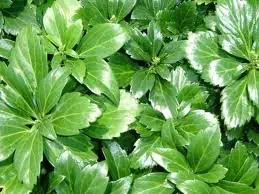 |
| Best Value The sweet spot between price and what you get | Touch Of ECO Hosta Bare Roots 6-Pack (Mixed Heart-Shaped) |  |
| Best Budget The cheapest option that still gets the job done reliably | CitronellaKing Scottish Moss (Sagina subulata 'Aurea') — 3 Live Plants in 2.5" Cubes |  |
| Highest Rated A top-rated pick with lots of positive feedback | Liriope spicata live plants, 18-count (3-inch pots) |  |
| Most Popular A crowd favorite that many people choose with confidence | Outsidepride Irish Moss (Sagina subulata) Ground Cover Seeds, 5000 count |  |
Groundcover Pachysandra terminalis Japanese Spurge — 100 Bare Root Plants

| Quantity | 100 heavily rooted plants |
|---|---|
| Hardiness Zone | 5 to 9 |
| Height | 6 to 12 inches |
| Spread | 1 to 1.5 feet |
| Sun | Part shade to full shade |
This offering supplies 100 heavily rooted Pachysandra terminalis (Japanese spurge) plants designed to establish a dense, low-maintenance evergreen groundcover in part to full shade. Pachysandra spreads by underground stems to form a carpet of dark green foliage 6 to 12 inches high and about 1 to 1.5 feet across, producing small white April blooms. It is typically planted on 6 to 9 inch centers to close in quickly for erosion control, borders, or under trees where grass struggles. The key practical benefits are rapid lateral spread that suppresses weeds, year-round foliage in suitable zones, and very low maintenance once established. Important limits are climate and placement: it is suited to USDA zones 5 to 9 and prefers shady conditions, so it will not perform well in full sun or outside its hardiness range. Buyers should also plan spacing and quantity carefully because the pack size and recommended spacing determine how much area these 100 plants will cover and how long it takes to fill in.
Best for: Gardeners who need a reliable, low-maintenance evergreen groundcover for shaded beds or under trees and want to establish coverage quickly with a ready supply of plants.
Less Ideal for: People seeking a sun-loving groundcover, a flowering show-plant, or those with planting areas outside USDA zones 5 to 9 should look at other options.
- Evergreen foliage that provides year-round groundcover in shaded sites
- Spreads rapidly via underground stems to form a dense, weed-suppressing carpet
- Low maintenance once established, useful for erosion control and borders
- Large quantity (100 heavily rooted plants) lets you cover a substantial area or accelerate fill-in
- Only recommended for part shade to full shade and USDA zones 5 to 9
- Pack requires planning for spacing since 100 plants may not cover very large areas at tight spacing
Verdict: A straightforward, low-maintenance choice for quickly establishing an evergreen carpet in shaded garden areas.
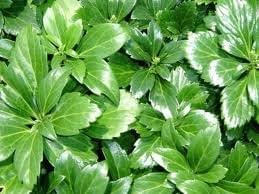
Pachysandra terminalis 'Green Sheen' Groundcover — 100 Bare Root Plants
| Hardiness Zone | 5 to 9 |
|---|---|
| Height | 6 to 12 inches |
| Spread | 1 to 1.5 feet |
| Sun | Part shade to full shade |
| Quantity | 100 bare root plants |
This 100-plant bundle of Pachysandra terminalis 'Green Sheen' is aimed at quickly establishing a glossy, shade-tolerant carpet in parts of the garden where sun is limited. The cultivar produces heavily rooted bare-root plants that spread by underground stems to form dense, dark green foliage 6 to 12 inches tall and about a foot to 1.5 feet across per plant. It performs well in part to full shade, tolerates zones 5 to 9, and offers low maintenance once established, with small white spring flowers and good erosion-control potential. Practical benefits include fast area coverage when planted at the recommended 6 to 9 inch spacing and simplified weed suppression from the dense growth habit. Limitations are that bare-root material requires prompt planting and good initial care to avoid losses, and pachysandra can be aggressive in some settings so it may need edging to prevent unwanted spread into adjacent beds.
Best for: Gardeners who need a high-performance, low-maintenance groundcover to quickly fill and stabilize shady areas and prioritize fast coverage over decorative variety.
Less Ideal for: People who want a non-spreading or highly controlled border plant or those unwilling to plant and establish bare-root material promptly.
- Very shade tolerant and suited for part shade to full shade sites
- Rapid spreading habit creates dense, low-maintenance groundcover that suppresses weeds
- Sold as 100 heavily rooted plants to establish coverage quickly
- Good for erosion control and forming a uniform carpet of foliage
- Bare-root plants must be planted promptly and cared for during establishment
- Can be invasive without edging or management in some landscapes
Verdict: Choose this 100-plant Green Sheen pachysandra pack when you want a fast-establishing, shade-tolerant groundcover that quickly forms a dense, low-maintenance carpet.
Touch Of ECO Hosta Bare Roots 6-Pack (Mixed Heart-Shaped)

| Unit Count | 6 Count |
|---|---|
| Indoor Outdoor Usage | Outdoor |
| USDA Hardiness Zone | 3-9 |
| Moisture Needs | Regular Watering |
These Touch Of ECO hosta bare roots arrive dormant and are intended to be planted in fall or early spring for reliable, low-maintenance shade interest. Each pack contains six mixed heart-shaped hosta crowns that produce rich green foliage and fragrant white or purple flowers on tall stems from spring through fall. Hostas are typically used in shady borders, under trees, or in large planters where regular watering and indirect light suit them best. The listing notes hardiness to zones 3 through 9, so they will return year after year in a wide range of climates, and the plants attract pollinators while being resistant to deer. Practical gardeners will appreciate that the plants ship as bare roots for easy planting and faster establishment when placed with the crown at soil level and watered in. Limitations are that these are not container-ready potted plants and need initial attention to planting depth and moisture; smaller or shallow planters may not give the crowns enough room to spread.
Best for: Gardeners who want reliable, low-maintenance shade plants to establish in planters or beds and prefer economical bare-root stock they can plant themselves.
Less Ideal for: Buyers who want instant, display-ready potted plants or who need specimens sized for very small decorative containers.
- Six bare-root crowns per pack provide quick value for filling multiple planters or a shady border
- Hardy across USDA zones 3–9 so they are suitable for most climates
- Attractive heart-shaped foliage with seasonal fragrant blooms adds texture and pollinator value
- Ships dormant for easy handling and planting in fall or early spring
- Arrives as bare roots rather than established potted plants, so initial planting care is required
- Not suitable for very small or shallow containers where crowns cannot spread
Verdict: A cost-effective way to fill shady planters or beds with hardy, low-maintenance hostas if you are comfortable planting bare-root stock.
CitronellaKing Scottish Moss (Sagina subulata 'Aurea') — 3 Live Plants in 2.5" Cubes

| USDA Hardiness Zone | 4-8 |
|---|---|
| Sunlight Exposure | Full Sun to Partial Shade |
| Moisture Needs | Consistent Watering |
| Expected Blooming Period | Late spring through summer |
| Number of Pieces | 3 |
This pack includes three well-rooted Scottish Moss (Sagina subulata 'Aurea') starter plants in 2.5-inch cubes intended for rock gardens, between stepping stones, edging, and small containers. The plants form a dense, carpet-like mat 1 to 2 inches tall with bright golden foliage and tiny white flowers in late spring to summer. They are hardy in USDA zones 4–8, establish quickly in well-draining soil, and tolerate full sun to partial shade, making them useful for brighter shaded areas. Care is straightforward: keep soil lightly moist during establishment, avoid extremes of heat or freeze, and transplant at the same depth. Practical benefits include fast coverage for small gaps, attractive year-round color, and low maintenance once established. Limitations are that the plants prefer consistent moisture during establishment and are best for light foot traffic only, so they are not a replacement for turf or heavy-wear groundcovers.
Best for: Buyers who want an inexpensive, low-growing evergreen to quickly fill small shaded or partially shaded gaps around stepping stones, rock gardens, and containers while keeping maintenance minimal.
Less Ideal for: People needing a hardy solution for deep shade with almost no sun or those who need a durable groundcover for heavy foot traffic or lawn replacement.
- Forms a dense, low carpet that fills gaps between stones and in containers
- Evergreen golden foliage provides year-round color and fine texture
- Hardy in USDA zones 4–8 and establishes quickly under proper conditions
- Ready-to-plant 2.5" nursery cubes simplify transplanting and initial care
- Requires consistent moisture during establishment and may not tolerate prolonged drought
- Best suited to light foot traffic and small areas rather than high-traffic lawns
Verdict: A budget-friendly way to add a low, evergreen golden carpet that establishes quickly in sun to bright shade around stones and containers.
Liriope spicata live plants, 18-count (3-inch pots)

| Indoor Outdoor Usage | Outdoor |
|---|---|
| Sunlight Exposure | Shade |
| USDA Hardiness Zone | 6-10 |
| Unit Count | 18 Count |
| Moisture Needs | Low To Medium |
These trays deliver 18 healthy Liriope spicata plants in 3-inch pots for transplanting into garden beds and borders. Liriope spicata is used as a low, spreading groundcover that forms dense, grasslike clumps about 5 inches high, which suppress weeds and provides year-round dark green foliage. It is hardy in USDA zones 6 to 10 and performs well in shade to partial shade, making it a reliable choice for under trees and narrow borders in zone 7. The plants are drought tolerant once established and need only low to medium moisture, though regular watering while roots develop helps establishment. Practical benefits include minimal ongoing maintenance, no mowing, and good adaptability to well-draining soils. Limitations are that the small 3-inch pots require careful transplanting and spacing to achieve full coverage, and these are plants rather than plugs or sod so initial labor and watering are needed to knit them into a uniform mat.
Best for: Gardeners in zone 7 who want a dependable, low-maintenance shaded groundcover and prefer buying established plants to seed-starting. Ideal for homeowners who value long-term reliability and reduced seasonal upkeep.
Less Ideal for: Those who need instant, full-coverage turf-like matting or want a no-planting option; not the best choice if you cannot water and tend new transplants for the first few weeks.
- Sold as 18 healthy individual plants ready to transplant for quick establishment
- Shade and partial-shade tolerance suited to under-tree and border planting
- Drought tolerant after establishment which reduces long-term watering needs
- Year-round foliage provides continuous groundcover and weed suppression
- Plants come in small 3-inch pots so you must transplant and space them for full coverage
- Initial period requires regular watering and care until root systems establish
Verdict: A reliable, low-growing shade-tolerant groundcover for zone 7 gardeners who want durable, low-maintenance planting from ready-to-transplant plants.
Outsidepride Irish Moss (Sagina subulata) Ground Cover Seeds, 5000 count

| Expected Blooming Period | Spring to Fall |
|---|---|
| Sunlight Exposure | Partial Sun |
| USDA Hardiness Zone | 4 |
| Moisture Needs | Moderate Watering |
| Unit Count | 5000 Count |
Outsidepride Irish Moss seeds are intended to establish a dense, low carpet of green that fills gaps between stepping stones, edges pathways, and acts as a lawn alternative in cooler, moist sites. You surface-sow the fine seeds in spring on well-drained but consistently moist soil and keep them damp while they germinate; the company rates coverage at roughly 100 sq ft for the 5,000-count pack. Notable features are the plant's very low height (1–2 inches), tolerance for partial shade, and small white spring blooms that add subtle texture to rock gardens and borders. In practice this makes Irish Moss a good choice where soils stay cool and slightly wet rather than bone dry, and where foot traffic is light. Limitations are that it needs regular moisture during establishment and performs poorly in heavy foot traffic or hot, fully exposed sites; germination and coverage can be uneven if sowing depth or moisture is inconsistent. For gardeners with shaded, damp patches who want a soft, low-maintenance carpet, Irish Moss delivers attractive, resilient ground cover once established.
Best for: Gardeners with shaded or consistently damp patches who want a low-growing, decorative ground cover that stabilizes soil and softens pathways; buyers who prefer a perennial, low-maintenance lawn alternative and are prepared to keep soil moist while plants establish.
Less Ideal for: People needing a hardwearing surface for frequent walking or play, or those with very dry, hot sunny sites that do not retain moisture.
- Creates a dense, mat-forming carpet ideal for filling gaps between pavers and edging pathways
- Perennial and cold-hardy across a wide USDA range, returning year after year
- Tolerates partial shade and prefers consistently moist, well-drained soils suited to wet-ground spots
- Small white flowers in late spring to early summer add seasonal interest without raising height
- Requires steady moisture during germination and establishment to achieve full coverage
- Not suited to heavy foot traffic or very hot, fully exposed locations
Verdict: Choose these Irish Moss seeds if you want a low, shade-tolerant ground cover that establishes a soft, moisture-friendly carpet for pathways and rock gardens.
Choosing the Right Hearty Ground Cover for Shade: Key Factors to Consider
Light and Shade Intensity
Not all shade is equal. Some areas receive deep, continuous shade from dense canopies while others get dappled or afternoon-only shade. Knowing the exact light levels determines which hearty ground covers will photosynthesize effectively and which will languish.
Plants rated for deep shade typically grow more slowly and may need richer, moister soils to thrive. Those that tolerate dappled light often spread more vigorously and flower more reliably. Measure or observe the site through a full day to match a ground cover's shade tolerance to real conditions.
Soil Type and Drainage
Soil texture and drainage have a big influence on establishment and long-term health. Some ground covers prefer organically rich, moisture-retentive loam while others tolerate leaner, sandier mixes. Poor drainage can lead to root rot in species that need well-drained soil.
Amend soil only as necessary; overamending under trees can damage roots or change moisture dynamics. For erosion-prone slopes choose ground covers with fibrous root mats. In containers or raised beds, use a mix that balances moisture retention with adequate aeration.
Spread Rate and Containment
How fast and aggressively a ground cover spreads affects both coverage time and long-term maintenance. Rapid spreaders can quickly fill gaps and suppress weeds but may require edging, root barriers, or regular trimming to keep them from invading adjacent beds.
Slower-spreading or clumping ground covers offer neater borders and are easier to confine but take longer to establish a full carpet. Consider root depth and runner type when planning containment: stolons run along the surface, while rhizomes spread underground and can be harder to detect and remove.
Maintenance and Upkeep
Maintenance needs range from near-zero to seasonal division and trimming. Low-maintenance choices may need only occasional thinning to manage vigor, while more vigorous species might require yearly cutting back to keep them tidy and healthy.
Factor in how much time you can spend on tasks like trimming, weeding, and replanting. Also consider interactions with surrounding plants; some ground covers can smother small perennials if left unchecked. Choose plants whose maintenance cycle matches your gardening routines.
Erosion Control and Root Structure
If your shaded slope needs stabilizing, prioritize ground covers with dense, fibrous roots that bind soil. Shallow-rooted ground covers can protect surface soil but will not anchor steep banks as effectively as mat-forming species with deeper, entangled roots.
Think about seasonal rainfall patterns. In climates with heavy winter rains, a robust root network reduces washout and helps maintain soil structure through freeze-thaw cycles. For flatter sites where erosion is not a concern, choose lighter-rooted options suited to aesthetic or habitat goals.
Wildlife Value and Blooming Behavior
Some hearty shade ground covers offer seasonal flowers that attract pollinators or provide nectar and habitat for beneficial insects. Others are chosen purely for foliage texture and evergreen coverage through winter.
Decide whether you want a ground cover that contributes to biodiversity and seasonal interest, or one that prioritizes evergreen coverage and low visual change. Flowering ground covers may need slightly more light or richer soil to produce reliable blooms, so balance this against your shade intensity.
Preparing Shaded Beds Before Planting
Preparing the planting area increases establishment success. Clear competing weeds and invasive roots, but avoid heavy digging where tree roots are present. Instead, hand-remove surface competition and loosen the top few inches of soil to help new roots take hold.
- Test soil pH and amend only if results are far from a plant's preference
- Add a thin layer of composted organic matter to improve structure without burying tree roots
- Install edging or shallow root barriers where you want to contain spread before planting
Planting Techniques for Faster Establishment
Space plugs or transplants according to the expected mature spread to avoid early crowding or leaving gaps. Water in thoroughly after planting and apply a light mulch to conserve moisture while allowing light and airflow at the crown. Avoid deep mulch against stems, which encourages rot.
- Stagger planting dates in spring and early fall for cooler starting conditions
- Water deeply but infrequently to encourage deeper rooting
- Use temporary shade cloth only if the site has sudden exposure during transplant establishment
Managing Aggressive Spread Without Chemicals
Containment can be mechanical rather than chemical. Regular hand-weeding of runners, installing narrow metal or plastic edging, or maintaining a buffer of bare soil or gravel will slow lateral movement. For large areas, periodic cutting back with shears or a string trimmer keeps vigor in check while preserving coverage.
- Root pruning with a spade around the perimeter every few years limits underground spread
- Plant sterile or less vigorous cultivars where available to reduce invasive potential
- Use pathways and mulch zones to create physical breaks that stall runners
Seasonal Care in Shady Locations
Shaded areas often have different seasonal moisture and disease pressures. In spring, remove accumulated leaf litter to reduce fungal disease risk and allow air circulation. In summer, monitor for drought stress since roots under trees compete with canopy roots for water.
- Thin dense overhead canopy selectively to increase dappled light if ground cover is struggling
- Divide or lift overcrowded patches in early autumn when soil temperatures favor recovery
- Avoid heavy feeding; most hearty shade ground covers prefer modest fertility
Using Ground Covers to Improve Tree Health
Well-chosen ground covers can protect tree roots from soil compaction, reduce lawn competition, and help retain moisture. Select species with shallow, non-invasive root systems and avoid deep cultivation near trunks. Mulch transitions between tree trunks and plantings to reduce mechanical injury risk.
- Keep mulch and plants several inches away from tree bark to prevent collar rot
- Avoid planting right over major woody roots; instead focus on peripheral zones where roots are smaller
- Choose low-growing, non-woody species near trunks to minimize long-term competition for resources
How We Chose the Best Hearty Ground Cover for Shade
We shortlisted ground covers that reliably establish and persist in low-light garden locations. Selection prioritized species and cultivars documented to tolerate deep or dappled shade while remaining vigorous enough to suppress weeds and protect soil. Evaluation criteria emphasized measurable, garden-relevant features: shade tolerance across light gradients, growth habit and lateral spread control, root behavior related to erosion control, and routine maintenance needs such as pruning or division. We also considered disease and pest resistance under typical garden conditions and the ability to adapt to common soil types and moisture levels. Plants were excluded if they are principally lawn substitutes requiring frequent mowing, highly invasive in most climates without intensive control, or known to demand specialized growing conditions such as constant greenhouse environments. Final picks balance resilience with manageable maintenance, favoring options that perform well in established yards, under tree canopies, and in shaded containers or beds.
FAQ
Will ground cover harm tree roots in shade?
Usually not if you choose shallow-rooted, nonwoody species and avoid deep digging near trunks. Keep plants and mulch a few inches from the tree collar and focus planting on peripheral root zones where roots are smaller.
How fast will a hearty shade ground cover fill an area?
Establishment speed depends on species, spacing, and site conditions. Vigorous spreaders can carpet a small bed in one growing season, while clump-forming types may take several seasons. Proper planting and watering speed up establishment.
Can ground covers handle foot traffic on shaded paths?
Some ground covers tolerate light, occasional foot traffic if planted densely and given time to root. For regular paths choose low-growing, tough-leaved species and provide stepping stones to protect the plants.
Do ground covers need fertilizer in shade?
Most hearty shade ground covers do well on modest fertility. Overfertilizing can encourage weak, leggy growth and increase disease susceptibility. Apply a balanced, low-rate feed in early spring only if growth is poor.
How do I stop a ground cover that becomes invasive?
Start with mechanical control: cut back runners, pull new shoots, and install root barriers. Regular maintenance and root pruning reduce spread. Persistent infestations may require lifting and replanting sections with less-vigorous alternatives.
Is mulching helpful for shade ground covers?
Light mulching helps conserve moisture and suppress weeds during establishment, but thick mulch piled against crowns can cause rot. Use a thin, airy layer and keep it a few inches away from stems to maintain airflow.
Final Verdict
Prioritize shade tolerance, containment, and maintenance expectations when selecting hearty ground cover for shade. Match a plant's spread habit to how much upkeep you can commit to and consider root structure if erosion control or tree-root interactions matter. A clear tradeoff exists between rapid coverage and ease of containment. Choose a vigorous spreader when you need quick suppression of weeds on a slope, or pick a slower, clump-forming species for tidy borders and low maintenance. With the right fit for light, soil, and care level, a hearty shade ground cover will transform neglected shaded spots into stable, attractive planting areas.
