

Note: This article contains affiliate links. If you click on these links and make a purchase, I may earn a small commission at no extra cost to you. This helps support my research and content. Read my full affiliate disclosure here.
A properly chosen koi pond liner keeps water where it belongs, protects fish health, and reduces maintenance headaches. For garden ponds and backyard water features, the liner is the single most important component for long-term performance and leak prevention. This guide presents seven shortlisted options that suit typical koi pond sizes and construction methods and explains why each type made the cut. We evaluated durability, installation practicality, and fish-safe materials so you can pick a liner that fits your build method and site conditions. Read on for the key tradeoffs and what to expect when installing and living with a koi pond liner.
Top Picks at a Glance
| Best Overall The best all-around choice for most situations | Firestone EPDM Rubber Pond Liner, 10 ft x 15 ft | 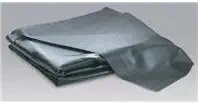 |
| Best Quality Built to a higher standard if you want something more solid | Firestone 45mil EPDM Rubber Pond Liner, 15 ft x 20 ft |  |
| Best Value The sweet spot between price and what you get | Adroiteet 20 x 20 ft HDPE 20 mil Pond Liner |  |
| Best Budget The cheapest option that still gets the job done reliably | UWIOFF 20 mil HDPE Pond Liner, 7 x 10 ft |  |
| Highest Rated A top-rated pick with lots of positive feedback | Firestone PondGard EPDM Pond Liner 45 mil, 10 x 10 ft |  |
| Most Popular A crowd favorite that many people choose with confidence | UWIOFF 20 mil HDPE Pond Liner, 10 x 13 ft |  |
| Best Seller A high-volume bestseller chosen again and again | ToLanbbt HDPE Pond Liner, 7 x 10 ft, 20 mil UV-Resistant |  |
Firestone EPDM Rubber Pond Liner, 10 ft x 15 ft

| Material Type | rubber |
|---|---|
| Installation Type | Floating |
| Size | 15' x 10' (Rectangular) |
| Thickness | 0.045-Inch |
This Firestone EPDM pond liner is a pre-cut rubber sheet intended for building small to medium koi or ornamental ponds. It installs as a floating liner over excavated pond shells or under preformed structures and is flexible enough to follow gentle contours, making it easier to shape around rocks and shelves. The material is fish-safe and marketed as environmentally friendly, so it works well for koi and other pond fish when properly installed and protected from sharp edges. At 0.045-inch thickness the liner balances toughness with manageability during handling and folding, and the long manufacturer warranty suggests durability. Practical limitations are that a pre-cut rectangle limits complex or larger pond shapes without seams, and the relatively thin gauge requires careful underlayment and protection where stones or roots could puncture it. Expect to add underlay, edging, and seam work for irregular designs and to follow winterizing guidance to prolong life.
Best for: Gardeners building or relining a small to medium backyard koi or ornamental pond who want a durable, fish-safe rubber liner that is easy to handle and shape.
Less Ideal for: Landscapers or hobbyists planning very large, highly irregular, or custom-shaped ponds that require welded seams or heavier gauge liner materials.
- Fish-safe EPDM rubber suitable for koi and other pond life
- Pre-cut rectangular size ready for small to medium ponds
- Flexible material conforms to gentle contours for easier shaping
- Backed by a long manufacturer warranty indicating expected durability
- 0.045-inch thickness may need protective underlay in areas with rocks or roots
- Pre-cut rectangle can limit design flexibility for very irregular or large ponds
Verdict: A ready-to-install EPDM liner that gives hobbyist koi pond builders a fish-safe, flexible foundation for small to medium backyard ponds.
Firestone 45mil EPDM Rubber Pond Liner, 15 ft x 20 ft

| Material | EPDM rubber |
|---|---|
| Thickness | 45 mil (0.045 inch) |
| Shape | Pre-cut sheet |
| Intended use | Pond liner for water gardens |
This Firestone 45 mil EPDM pond liner is a performance-focused, pre-cut rubber liner intended for medium to large backyard ponds and water features. Its 0.045-inch (45 mil) thickness gives noticeable puncture and weather resistance compared with thinner liners, and the flexible EPDM material makes it easy to form around irregular shapes and rockwork during installation. The liner arrives boxed and ready to unroll, which speeds setup for DIY installers or professionals. Because EPDM is fish-safe and chemically stable, it suits planted ponds and ornamental fish. The main practical limitations are that a pre-cut sheet requires careful measuring and overlap planning for very large or unusually shaped excavations, and heavier liners need two people to position without stretching. If you plan to anchor edges with rocks or a preformed underlayment, the liner performs well, but expect to add protective underlayment where the substrate is sharp. Overall it is a durable, low-maintenance choice when longevity and resilience are priorities.
Best for: Buyers who prioritize a long-lasting, resilient liner for planted or fish ponds and want a performance-oriented material that handles rockwork and irregular designs.
Less Ideal for: People planning very large commercial ponds or those who need a fully custom-shaped preformed liner should consider alternatives tailored to larger scales or exact shapes.
- 45 mil EPDM thickness for strong puncture and weather resistance
- Flexible material conforms to irregular pond shapes for easier installation
- Fish- and plant-safe EPDM chemistry suitable for biological ponds
- Pre-cut, boxed sheet simplifies purchasing and speeds setup
- Pre-cut dimensions limit use for ponds larger than the sheet without seams
- Heavier roll can require two people to position and smooth during install
Verdict: Choose this 45 mil EPDM liner when you want a durable, fish-safe pond liner that resists punctures and conforms to irregular backyard pond designs.
Adroiteet 20 x 20 ft HDPE 20 mil Pond Liner

| Material | HDPE |
|---|---|
| Thickness | 20 mil |
| UV Protection | Yes |
| Intended use | Outdoor ponds, koi ponds, waterfalls |
This Adroiteet HDPE pond liner is a heavy-duty, 20 mil sheet intended for building or relining medium to large backyard ponds. Made from UV-protected high density polyethylene, it is positioned for durability and puncture resistance compared with thinner LDPE options. Typical use is straightforward: lay the liner into an excavated pond or over a formed shell, trim to fit, and secure the edges before backfilling or framing. The thick material helps create a reliable waterproof barrier and resists tears from rocks and roots, while the soft, flexible sheet adapts to irregular shapes and makes cleaning and maintenance easier. Because it is a plain liner without preformed seams or fittings, installers will need to plan cutouts and use appropriate underlay or seam welding for fittings and filtration connections. The product balances strength and flexibility well for long-lasting outdoor ponds, though working alone with a 20 x 20 sheet can be awkward and seam or fitting work requires basic pond-building skills or professional help.
Best for: Buyers who want a durable, low-maintenance waterproof barrier for a medium to large backyard koi or garden pond and who prefer a long-lasting HDPE solution over thinner liners.
Less Ideal for: People seeking a ready-to-install preformed pond shell or those who want a liner with integrated fittings and fast plug-and-play connections.
- 20 mil HDPE construction offers stronger puncture and tear resistance than typical LDPE liners
- UV protection helps reduce sun damage and extend outdoor lifespan
- Flexible sheet conforms to irregular pond shapes for easier installation
- Suitable for koi ponds, waterfalls, garden ponds and other outdoor water features
- Large single sheet can be heavy and cumbersome to handle alone during installation
- No preformed fittings or seam welding accessories included, requiring extra tools or professional work
Verdict: Choose this 20 mil HDPE liner if you want a tough, UV-resistant base for a long-lasting koi or garden pond that performs better than thin LDPE options.
UWIOFF 20 mil HDPE Pond Liner, 7 x 10 ft

| Material Type | High Density Polyethylene (HDPE) |
|---|---|
| Thickness | 20 mil |
| Additional Features | Tear Resistant, UV Resistant |
| Installation Type | simple |
This UWIOFF pond liner is a straightforward option for building a small backyard koi or fish pond. Made from 20 mil HDPE, it is thicker than many lightweight liners so it resists punctures and UV damage while providing a smooth, leak-resistant base for water features. Typical use is to lay the liner over a prepared hole with an underlayment, trim excess, and anchor the edges with rock or turf; the sheet is flexible enough to shape into irregular ponds and can be seamed to make larger installations. Practical benefits include easier cleaning because of the flat surface, compatibility with plants and fish, and a manufacturer recommendation to use simple installation methods without special tools. Limitations are that the product is a single flat liner so it does not include underlayment, pre-cut shapes, or installation hardware, and working with a single sheet requires some measuring and overlapping if you need a larger pond.
Best for: Buyers who want an affordable, heavier-than-basic liner for a small backyard koi or fish pond and are prepared to handle basic site prep and trimming themselves.
Less Ideal for: People who want a ready-made molded pond shell, a kit with accessories, or a turnkey installation service.
- 20 mil HDPE construction offers strong puncture and UV resistance
- Smooth, flat surface reduces soil buildup and simplifies cleaning
- Flexible sheet can be trimmed or seamed to fit irregular or larger ponds
- Safe for fish and aquatic plants when installed correctly
- No underlayment or installation accessories included
- Single-sheet supply may require seams for larger ponds which need careful sealing
Verdict: A cost-conscious choice for a durable, puncture- and UV-resistant liner when you need a reliable basic liner for a small backyard koi or fish pond.
Firestone PondGard EPDM Pond Liner 45 mil, 10 x 10 ft

| Material | EPDM |
|---|---|
| Thickness | 45 mil |
| Fish safe | Yes |
| Sheet size | 10' x 10' |
The Firestone PondGard 45 mil EPDM liner is a heavy-duty, fish-safe liner intended as the waterproof foundation for small backyard ponds. It is typically used to line excavated ponds or preformed shells up to roughly 6 x 6 ft, providing a flexible, puncture-resistant barrier that tolerates normal pond installation and landscaping. Notable features include the 45 mil thickness favored by contractors for durability and the EPDM rubber formulation that stays pliable in a range of temperatures. Practical benefits are straightforward: long-lasting performance that resists tearing, a smooth material that is easy to shape around edges and features, and suitability for fish and plants without harmful additives. Limitations are its fixed flat sheet size and the need for careful underlayment and seam overlap when installing larger or irregular ponds, so professional installation or careful DIY preparation is advisable. For reliability-focused buyers this liner delivers a proven, contractor-grade membrane that reduces the risk of leaks over cheaper thin liners.
Best for: Buyers who prioritize long-term reliability and want a contractor-grade EPDM liner for a small to medium backyard pond or water garden and are prepared to install or hire proper installation.
Less Ideal for: Casual gardeners who want a plug-and-play preformed pond or those who need an exact custom-cut liner for large or unusually shaped ponds without seams.
- 45 mil EPDM offers high puncture and tear resistance compared with thin liners
- Formulation is fish safe, suitable for ponds with fish and aquatic plants
- Flexible and pliable for shaping around features and edges during installation
- Well-regarded contractor-grade material trusted for long-term waterproofing
- Supplied as a flat 10 x 10 ft sheet so larger or complex ponds require seams or multiple pieces
- Requires proper underlayment and careful installation to avoid damage during placement
Verdict: Choose this EPDM PondGard liner when you want a dependable, contractor-grade membrane that minimizes leak risk for a small backyard pond.
UWIOFF 20 mil HDPE Pond Liner, 10 x 13 ft

| Thickness | 20 Mil |
|---|---|
| Material | HDPE |
| Intended use | Outdoor ponds, waterfalls, water features |
| Safe for | Fish and plants |
This UWIOFF 20 mil HDPE pond liner is a heavy-duty, flexible sheet intended to form the watertight base of backyard ponds, waterfalls, or raised water features. Typical use is to cut the oversize sheet to shape, lay it over a prepared bed with underlayment, and secure the edges with stones or edging. The 20 mil thickness and HDPE material mean it resists UV exposure, punctures, and aging better than thinner LDPE sheets, so it suits installations with fish and aquatic plants. It provides a smooth, low-soil-accumulation surface that is easy to clean and helps keep groundwater and soil from contaminating the pond. The liner is available in multiple sizes so you can pick a panel close to your pond footprint or seam pieces together for larger ponds. Important limitations are that large installations require careful underlayment and seam work to avoid tears and leaks and that HDPE is less forgiving around sharp rocks or roots, so site prep matters for longevity.
Best for: Buyers who want a robust, longer-lasting pond liner and who will prepare the site properly or hire installation help for a reliable water feature.
Less Ideal for: If you need a ready-made rigid pond shell or plan quick installs over rough ground without prep, choose a molded pond or thicker professional installation instead.
- 20 mil HDPE construction offers stronger UV and puncture resistance than typical thin liners
- Smooth surface reduces soil accumulation and simplifies cleaning
- Available in multiple pre-cut sizes so you can choose a close fit or seam for larger ponds
- Suitable for fish and aquatic plants when installed with proper underlayment
- Requires careful ground preparation and underlayment to prevent punctures from rocks or roots
- Seaming multiple sheets for very large ponds adds complexity and needs proper technique
Verdict: Choose this 20 mil HDPE liner when you want a durable, UV- and puncture-resistant base for a backyard pond that will last with proper site preparation.
ToLanbbt HDPE Pond Liner, 7 x 10 ft, 20 mil UV-Resistant

| Size | 7 x 10 Feet |
|---|---|
| Material | HDPE |
| Thickness | 20 Mil |
| Manufacturer | ToLanbbt |
This ToLanbbt pond liner is a straightforward HDPE sheet sized for small ponds and water features. It is 20 mil thick, flexible enough to shape around corners and shelves, and the material is described as UV resistant and puncture tolerant so it can be used outdoors without added plasticizers. Typical use is to clean and flatten the excavation, lay the liner, trim to fit, and cover exposed edges with pebble or edging material; the manufacturer also recommends removing sharp stones or debris before installation. The liner’s thin, lightweight construction makes it easy to handle and cut to irregular shapes, and its waterproof, impermeable surface helps keep soil and contaminants out of the pond. Limitations are that 20 mil HDPE is not as durable as heavier EPDM or reinforced PVC liners for areas with heavy foot traffic or large koi and it offers less protection against sharp objects unless an underlayment is used. For a budget build or a small decorative pond, this liner provides a simple, usable solution but expect to add protections if you need longer-term durability.
Best for: Buyers who need an economical, easy-to-handle liner for a small decorative pond, fountain, or water garden and prioritize low cost and simple installation.
Less Ideal for: Gardeners planning large koi ponds, heavy foot traffic around the pond, or long-term, high-durability installations should consider thicker or reinforced liners instead.
- 20 mil HDPE material offers good flexibility for shaping around corners and shelves
- UV resistant and advertised as puncture tolerant for outdoor use
- Lightweight and easy to cut to fit irregular pond shapes
- Waterproof surface prevents soil and contaminants from seeping into the pond
- 20 mil thickness is thinner than heavy-duty EPDM liners and may wear faster in high-abrasion situations
- Requires careful site preparation or an underlayment to avoid punctures from sharp stones
Verdict: A budget-friendly, easy-to-cut 20 mil HDPE liner that works well for small decorative ponds and simple DIY water features.
Choosing the Right Koi Pond Liner: Key Factors to Consider
Material Type and Thickness
The base material and its thickness determine most of a liner's lifespan. Thicker liners typically resist punctures and tears better and tolerate foot traffic around the edge, while thinner liners can be easier to shape but more vulnerable to sharp stones, roots, and koi activity.
Different materials behave differently in sun and cold. Look for materials rated specifically for outdoor pond use rather than generic waterproof membranes. Consider the thickness recommended for planted or stocked ponds and how it aligns with your site hazards such as rocky subsoil or tree roots.
Fish Safety and Chemical Inertness
Koi and the pond ecosystem rely on stable water chemistry. Some liners off-gas or leach additives when new or under UV exposure, which can stress fish and beneficial bacteria. Choose liners specified as non-toxic for aquatic life and ideally those that have been used in ornamental ponds or aquaculture.
New liners often need a rinse and a period of aeration before adding fish. Factor in how the material interacts with pond treatments, water conditioners, and the damp environment over many seasons.
UV Resistance and Weathering
Exposure to sunlight and temperature swings drives many liner failures. UV-stabilized materials and those designed to handle freeze-thaw cycles will last significantly longer in an exposed backyard pond. Darker liners absorb more heat, which can alter water temperature near the surface, while light-stable formulations resist brittleness and cracking.
Evaluate manufacturer recommendations for above-ground versus below-ground use and whether additional cover or protective layers are advised in your climate.
Seaming, Repairability, and Patching
No liner is immune to punctures, so easy and reliable repair options are important. Some materials take solvent or heat welding for seams and patches, while others accept simple adhesive-backed patches. Consider what repair methods you are comfortable executing and whether professional repairs will be practical if needed.
Check availability of compatible patch kits and whether repairs withstand submersion and koi activity. A liner that is simpler to patch can save time and reduce long-term maintenance costs.
Installation Method and Site Compatibility
How you plan to build the pond affects liner choice. Preformed shapes, flexible liners, and modular systems each favor different materials. Flexible liners offer the most custom shapes but require careful compaction-free bedding and edging. Preformed options reduce liner handling but limit size and depth.
Assess the excavation profile, expected pond depth, and whether liners need to be supported by underlayment. Ease of fitting around features like waterfalls and planting shelves matters in the real-world installation process.
Aesthetics and Heat Absorption
Liner color and finish influence both the look of the pond and thermal behavior. Dark liners create depth visually and can warm shallow water more quickly in sunlight. Lighter liners reflect heat and may help keep shallow planting shelves cooler for certain aquatic plants.
Balance aesthetic preferences with thermal effects, especially if your pond has shallow areas for fry or marginal plants. Coverings such as gravel or paving can change these effects and also protect the liner surface.
Preparing the Site Before Liner Installation
A well-prepared base reduces the chance of punctures and makes fitting the liner far easier. Remove sharp objects, roots, and large stones, and rake the bottom smooth. Use a compacted sand or soft underlayment to cushion the liner where needed.
Plan access for trimming and seams before lowering the liner into the excavation. Leave extra material around the perimeter to secure edging and allow for settling. Consider how waterfalls or stream channels will be supported and whether a separate supporting structure is required.
- Clear the area of debris and sharp stones
- Install a protective underlay if the subsoil is rocky
- Leave slack for settling and for anchoring the edges
- Mark locations of features like skimmers and pumps before cutting
Common Installation Mistakes to Avoid
Cutting liner openings too early or too close to planned seams creates weak points. Wait until the liner is positioned and fitted before making final cuts for plumbing and skimmers. Use templates and take final measurements to minimize rework.
Failing to use a protective underlay is a frequent error, especially on newly dug ponds with rough soil. Skipping proper bedding leads to concentrated wear where fish move or where people step during maintenance.
- Do not trim excess until fitting is complete
- Avoid folding or creasing the liner tightly at edges
- Do not bury liner edges without adequate protection from UV exposure
Matching Liner Choice to Pond Design
Shallow ponds with many shelves and plants require a flexible liner that can be tucked into ledges without stressing seams. Deep koi ponds meant for larger fish benefit from thicker materials with higher puncture resistance and enhanced UV stabilization.
If you plan built-in hardscaping like stone edging or cascades, plan how the liner will be anchored and protected. In some builds an additional rigid liner or protective board behind stonework reduces abrasion risk.
- Flexible liners for irregular shapes and planting ledges
- Thicker liners for deeper, high-traffic ponds
- Extra protection where hardscaping will contact the liner
Seasonal Care and Liner Maintenance
Regular inspection of the liner edge, seams, and any cutouts for pumps or skimmers helps catch damage early. Remove accumulated debris that can cause abrasion and check for exposed edges that have been degraded by sunlight.
In winter climates, avoid sharp tools against the liner and allow ice to form naturally when possible. Use aeration or de-icers to keep a small opening if fish overwinter in the pond, reducing pressure changes against the liner that can lead to stress points.
- Inspect liner annually and after extreme weather
- Rinse and remove algae or debris that abrades the surface
- Keep accessories like pumps and filters well-supported to avoid localized wear
Protecting the Liner Under Hardscaping
Where stone or pavers sit on the liner, use a board or protective layer between the hard material and the membrane. Movement of stones or settling can concentrate force and create punctures if protection is not in place.
Consider using bedding sand and a geotextile fabric to reduce abrasion and distribute weight. This also makes future removal or repair easier because the stonework sits on a dedicated layer rather than directly on the liner.
- Place protective boards under heavy stone features
- Use geotextile fabric as a buffer layer
- Avoid placing heavy, pointed objects directly on the liner
How We Chose the Best Koi Pond Liner
We prioritized long-term durability and fish safety above all else, since a pond liner failure creates large water loss and stress for koi. Material resistance to punctures, UV, and chemical breakdown were primary filters. We also considered installation practicality for both DIY builders and landscapers, evaluating how forgiving each liner is with seams, folds, and irregular excavation. Longevity in real-world outdoor conditions was a core criterion, focusing on recommended material thickness and tested resistance to sun and soil contact. Fish-safe materials and inertness around pond chemistry were included to protect koi health and the beneficial bacteria that keep water balanced. Ease of repairs and availability of compatible adhesives or patches were also scored. We excluded liners intended solely for temporary use, decorative liners not rated for fish, and any material with known toxic additives. The final shortlist balances puncture resistance, UV and chemical stability, installation flexibility, and repairability to reflect what gardeners actually need when building and maintaining a koi pond.
FAQ
How thick should a koi pond liner be for a backyard pond?
Thickness depends on site conditions and pond depth. Thicker liners generally offer better puncture resistance for deeper or high-traffic ponds, while shallower, carefully prepared sites may be fine with a lighter flexible material. Consider local soil hazards and how much protective underlayment you plan to use.
Can I install a koi pond liner myself, or do I need a pro?
Many DIYers can install flexible liners with careful site prep and measurement. Complex shapes, deep pools, or jobs requiring welded seams are situations where professional help reduces risk. Choose based on your comfort with heavy materials and making watertight seams.
How do I repair a puncture in a pond liner?
Small punctures can often be patched with compatible adhesive patch kits designed for the liner material. Larger tears or seam failures may require specialized welding or professional repair. Ensure patches are fully submerged and cured according to instructions before returning fish to the area.
Are all pond liners safe for koi and aquatic plants?
Not all liners are formulated for aquatic life. Use liners specified as non-toxic for fish and plants and those with a history of pond use. New liners should be rinsed and allowed to off-gas if recommended before stocking fish.
Do liner colors affect water temperature?
Yes. Darker liners absorb more heat and can warm shallow water faster, which may be beneficial in cool climates but may stress plants or fry in hot conditions. Lighter liners reflect more light and can help keep shallow zones cooler.
How long should a good koi pond liner last?
Lifespan varies with material, thickness, UV exposure, and installation quality. A well-chosen and correctly installed liner with protection from direct abrasion and UV can last many years. Regular inspections and prompt repairs extend usable life.
Final Verdict
Choose a koi pond liner by balancing durability, installation practicality, and fish safety for your site. Prioritize a material thick enough for your pond depth and local hazards, with good UV stability and clear repair options. Protect the liner beneath hardscaping and provide a smooth bedding to prevent punctures. With those tradeoffs in mind, pick the liner that matches your build method and maintenance comfort so you can enjoy a stable, healthy pond for years.
