

Note: This article contains affiliate links. If you click on these links and make a purchase, I may earn a small commission at no extra cost to you. This helps support my research and content. Read my full affiliate disclosure here.
If you want a natural way to reduce mosquitoes while adding beauty and scent to beds, borders, or containers, lavender is a practical choice. The right lavender plants balance a strong insect-deterring aroma with garden resilience so you get scent without constant fuss. This guide presents six shortlisted lavender options selected for their mosquito-repellent potential and reliable garden performance. We evaluated candidates for fragrance intensity, climate hardiness, water needs, growth habit, and maintenance. Read on to find lavender suited to your planting spot and learn how those evaluation points affect long-term success.
Top Picks at a Glance
| Best Quality Built to a higher standard if you want something more solid | Findlavender Phenomenal Lavender — 4 Live Plants (4" Pots) |  |
| Best Value The sweet spot between price and what you get | Bonnie Plants Lavender 4-Pack with Miracle-Gro Pour & Feed Singles |  |
| Best Budget The cheapest option that still gets the job done reliably | Live Lavender Plant in 3.5-inch Pot |  |
| Highest Rated A top-rated pick with lots of positive feedback | CitronellaKing Goodwin Creek Lavender (2 Starter Plants) |  |
| Most Popular A crowd favorite that many people choose with confidence | The Three Company Lavender Live Herb 6-Pack | 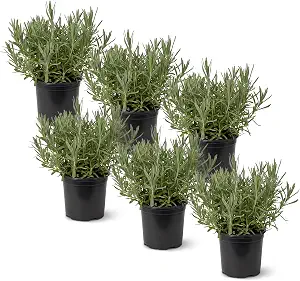 |
| Best Seller A high-volume bestseller chosen again and again | Clovers Garden Hidcote English Lavender (Lavandula) — Two Live 4" Pots |  |
Findlavender Phenomenal Lavender — 4 Live Plants (4" Pots)

| Indoor Outdoor Usage | Outdoor |
|---|---|
| Expected Blooming Period | Spring to Summer |
| Sunlight Exposure | Full Sun |
| USDA Hardiness Zone | 4-9 |
| Moisture Needs | Moderate Watering |
These Phenomenal lavender plants are sold as four nursery-rooted 4" pots intended for outdoor planting in full sun and well-drained soil. They produce dark violet flower spikes from late spring into summer and carry a pronounced lavender scent that holds in dried stems for crafts and sachets. The variety is described as cold and humidity tolerant, hardy in USDA zones 4–9, drought tolerant once established, and low maintenance; you plant them in sandy or well-draining soil, water moderately, and prune lightly after bloom to maintain shape. Bees and butterflies are attracted while deer and rabbits generally avoid the foliage. Practical limitations: you will need to site them in at least six hours of sun and ensure good drainage to avoid rot, and individual plants will take a season or two to reach the mature 24–32 inch height and full bloom density gardeners expect. Overall these are straightforward additions for gardeners who want fragrant, durable lavender that performs reliably in sunny, dry beds or borders.
Best for: Gardeners who prioritize reliable performance and low-maintenance perennials for sunny, well-drained borders and foragers who want abundant fragrant blooms for drying or scent uses.
Less Ideal for: Shady yards, heavy clay soils without significant amendment, or gardeners seeking instant large specimens ready for immediate full-display plantings.
- Strong, long-lasting fragrance useful for sachets and drying
- Cold and humidity tolerant across a wide hardiness range
- Drought tolerant once established, suited to low-maintenance beds
- Attracts pollinators while deterring deer and rabbits
- Requires full sun and well-drained/sandy soil to thrive
- Plants may be trimmed or dormant on arrival depending on season
Verdict: Choose these Phenomenal lavenders if you want a hardy, fragrant, low-maintenance variety that reliably produces abundant blooms for drying and scent in sunny, well-drained garden sites.
Bonnie Plants Lavender 4-Pack with Miracle-Gro Pour & Feed Singles
| Item Form | Liquid |
|---|---|
| Application Method | Pour |
| Target Species | Flowers |
| Number of Packs | 4 |
| Unit Count | 8 Count |
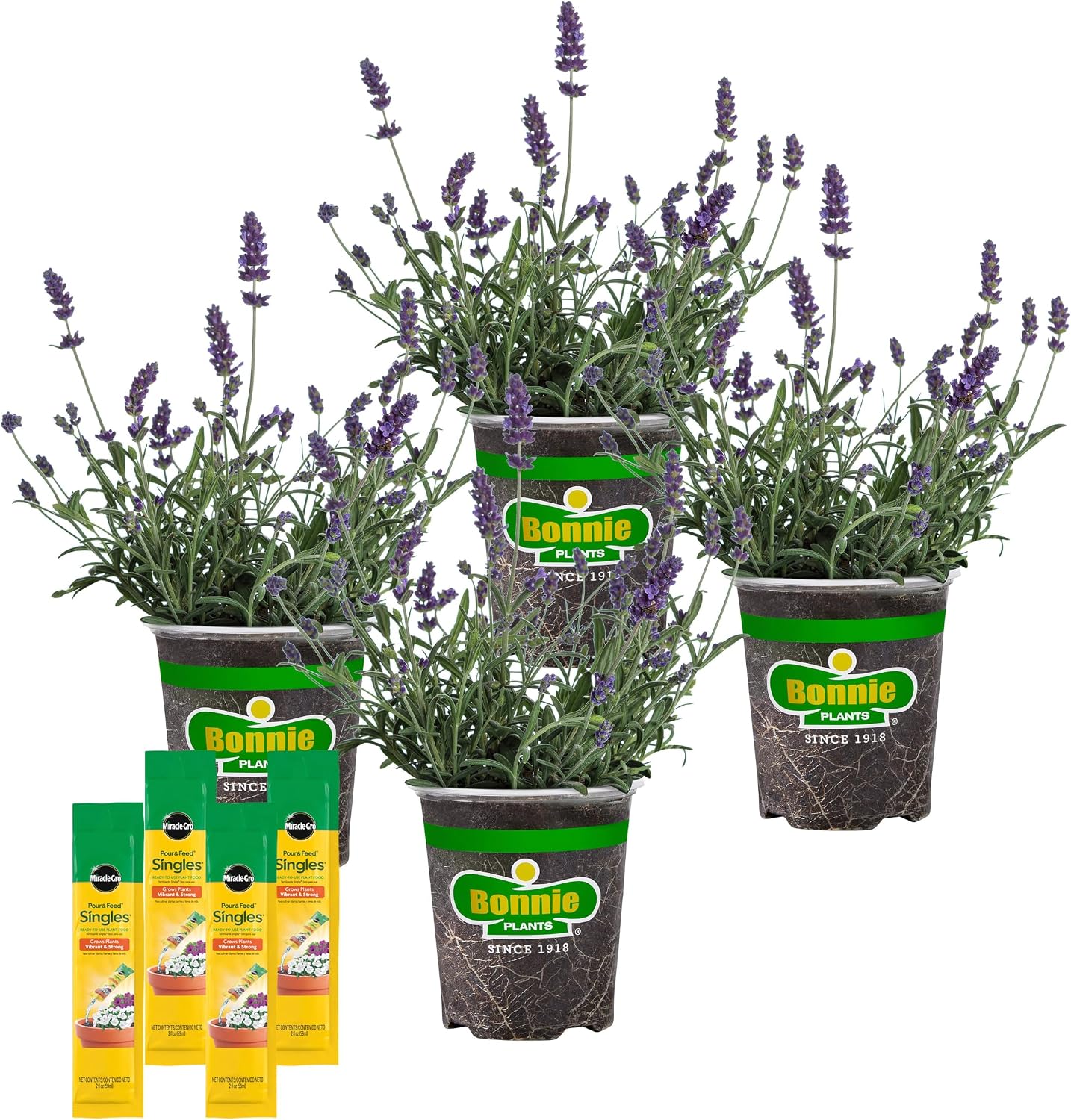
This bundle pairs four live Bonnie lavender plants with Miracle‑Gro Pour & Feed Singles to simplify getting lavender established in containers, raised beds, or in‑ground gardens. The plants are described as fragrant, with silvery foliage and tall purple flower spikes that attract pollinators while repelling deer. The included pour‑and‑feed singles remove guesswork for fertilizing since you simply snap and pour every 10 to 14 days, which is handy for gardeners who prefer low‑effort care. Lavender is best placed in full sun and well‑draining soil and is listed as perennial in USDA zones 5 to 7, so it will perform well in those climates and can be used fresh or dried for culinary and craft uses. Limitations are its climate range and the need for good drainage and sun; gardeners outside the recommended zones or those seeking larger established specimens may need to overwinter plants indoors or choose different varieties. The package is a practical choice for people who want an easy start with lavender and minimal feeding fuss.
Best for: Gardeners who want a low‑effort way to establish fragrant, pollinator‑friendly lavender for containers or small beds and who prioritize convenience in feeding and routine care.
Less Ideal for: Gardeners outside USDA zones 5–7 or those with consistently poor drainage or heavy shade should consider hardier varieties or different planting locations.
- Includes four live lavender plants suitable for containers, raised beds, or in‑ground planting
- Comes with single‑use Miracle‑Gro Pour & Feed packets for no‑mix, no‑measure feeding every 10–14 days
- Fragrant blooms attract pollinators while reportedly deterring deer
- Described as easy to grow for gardeners who want low‑maintenance aromatic plants
- Perennial performance limited to USDA zones 5 to 7 so may not overwinter well in warmer or colder zones
- Needs full sun and well‑draining soil, so poorly suited to heavy clay or shaded sites
Verdict: If you want an easy, low‑fuss way to grow fragrant lavender for containers or beds, this four‑pack with ready‑to‑use feed makes planting and routine care simple.
Live Lavender Plant in 3.5-inch Pot

| Indoor Outdoor Usage | Outdoor |
|---|---|
| USDA Hardiness Zone | 5–9 |
| Expected Blooming Period | Late Spring To Mid-summer (June Through August) |
| Soil Type | Well-draining Sandy Or Loamy Soil; Tolerates Poor, Dry Soils |
| Moisture Needs | Low To Moderate; Drought Tolerant Once Established |
This live lavender arrives as a ready-to-plant 3.5-inch potted perennial that produces silvery-green foliage and violet-purple flower spikes. It is typically used in garden beds, borders, or containers on sunny sites where it will receive at least 6 to 8 hours of direct sun daily. Notable features include drought tolerance once established, deer resistance, and strong fragrance that attracts pollinators. Practical benefits for a yard focused on pest control include the plant's aromatic foliage which is often used as a natural mosquito deterrent and the ability to place multiple plants around seating areas or doorways to boost coverage. Care is straightforward: well-draining sandy or loamy soil, infrequent deep watering, light pruning after flowering, and minimal fertilizer. Limitations are the small initial pot size which means you should transplant it to a larger container or garden space fairly soon, and it performs best in USDA zones 5 to 9 and full sun so it is not suited to shady or very wet sites.
Best for: Budget-minded gardeners who want an affordable, low-maintenance fragrant perennial to plant around patios, entryways, or containers to help deter mosquitoes naturally.
Less Ideal for: Gardeners who lack sunny planting locations or who need an instant, large hedge-like barrier for pest control should consider larger mature specimens or other strategies.
- Fragrant foliage and blooms that help mask scents and can reduce mosquito nuisance when planted near living areas
- Drought tolerant once established, reducing watering needs
- Attracts pollinators like bees and butterflies, supporting garden ecology
- Deer resistant and suitable for low-maintenance garden beds or containers
- Ships in a 3.5-inch pot so it requires transplanting for long-term growth and fuller mosquito-repellent effect
- Requires full sun and well-drained soil so it will struggle in shade or waterlogged sites
Verdict: A low-cost, easy-care lavender starter plant that provides fragrant blooms and modest mosquito-deterring benefits when placed in sunny, well-drained spots.
CitronellaKing Goodwin Creek Lavender (2 Starter Plants)

| Sunlight Exposure | Full Sun to Partial Shade |
|---|---|
| USDA Hardiness Zone | 7-10 |
| Expected Blooming Period | Spring, Summer, Fall |
| Soil Type | Well-Draining Soil |
| Moisture Needs | Moderate Watering |
These two Goodwin Creek Lavender starters arrive ready to plant and grow into compact, fragrant shrubs that produce silvery foliage and purple flower spikes through spring to fall. They are typically used as edging, in containers, or massed in sunny spots where well-drained soil is available. Key features include cold hardiness in USDA zones 7–10, drought tolerance once established, and pollinator-friendly blooms; the plants are described as low-maintenance with only light pruning and moderate watering needed while establishing. Because they come in small nursery cubes, expect a short period of close watering and sheltered acclimation before transplanting. Limitations are that they need full sun to partial shade and well-draining soil to avoid root problems, and as young transplants they require some initial care to reach the described 2–3 foot mature size. For buyers seeking dependable, easy-care lavenders that establish well and provide long-lasting fragrance and blooms, these are a practical choice.
Best for: Gardeners who prioritize dependable, low-maintenance ornamentals that establish reliably and provide long flowering and fragrance for sunny borders, containers, or edging.
Less Ideal for: People with persistently wet or poorly drained sites or those who want immediate large specimens without the wait for growth from starter plants.
- Cold-hardy and drought-tolerant once established, suited to zones 7–10
- Compact, perennial habit that works for borders, containers, and low hedges
- Long bloom period from spring through fall that attracts pollinators
- Arrives well-rooted in nursery cubes and ready to transplant
- Requires full sun and well-draining soil so it may not thrive in heavy clay or shaded sites
- Small starter cubes need attentive watering and acclimation during establishment
Verdict: A reliable, low-maintenance lavender option that establishes well and provides long-lasting fragrant blooms for sunny, well-drained sites.
The Three Company Lavender Live Herb 6-Pack
| Indoor Outdoor Usage | Indoor, Outdoor |
|---|---|
| Expected Blooming Period | Summer |
| Sunlight Exposure | Full Sun |
| USDA Hardiness Zone | 5-9 |
| Moisture Needs | Little To No Watering |
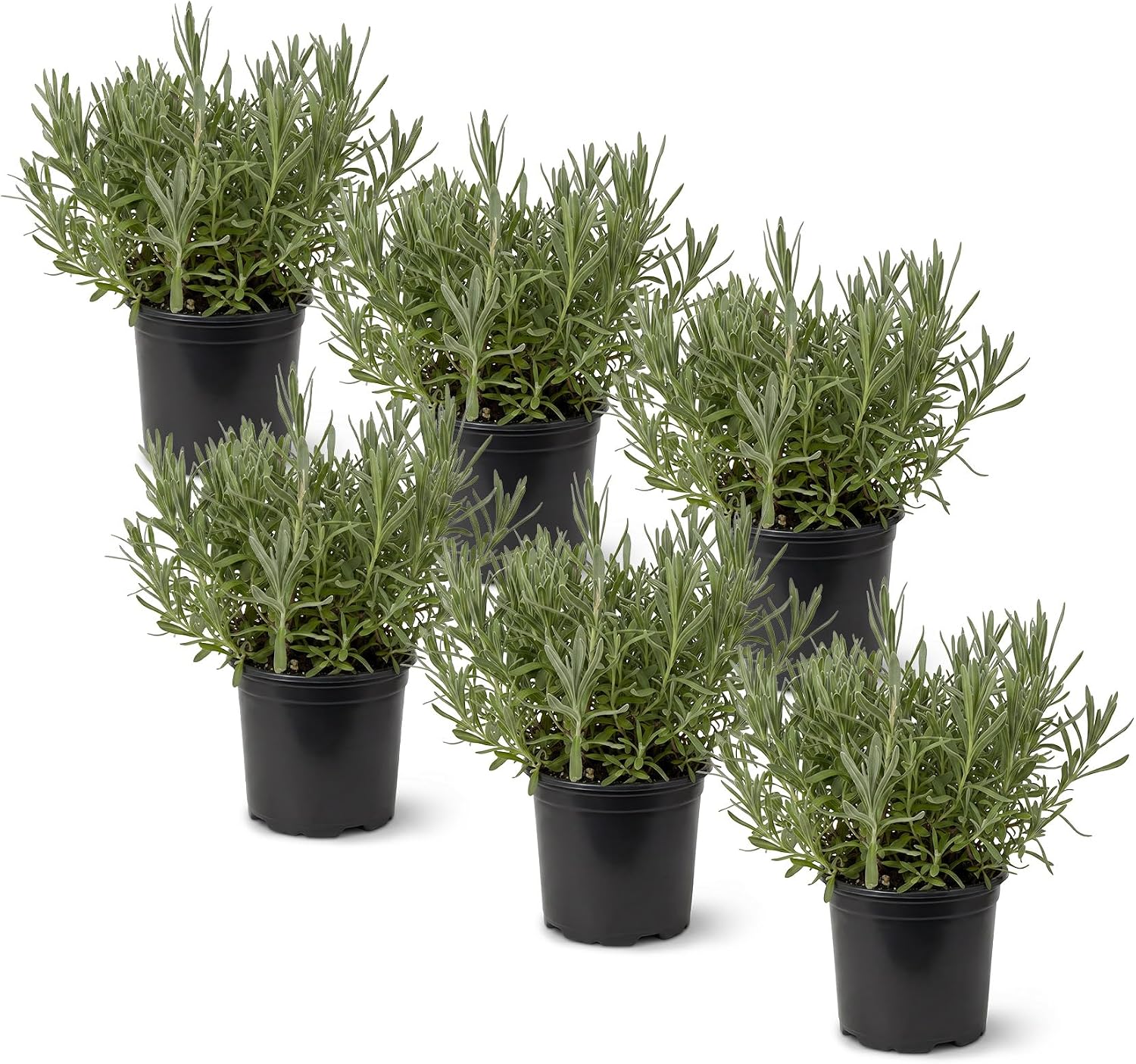
This six-pack of live lavender delivers fragrant perennial plants intended for borders, herb gardens, or containers. Plants arrive ready to plant and are described as compact mounding lavenders that bloom in summer and attract pollinators. They are best used in full sun with well-drained soil and need only light pruning after flowering. The low water requirement and hardiness across USDA zones 5 to 9 make these plants suitable for many outdoor locations, and the bundled pack is convenient for establishing a small mosquito-repellent planting or lavender border all at once. Practical limitations are that the listing gives minimal detail on cultivar or plant size at delivery, so results can vary with site and care, and tender handling is required for live plants during planting. Expect to give them proper sun and drainage for reliable performance rather than treating them as a no-effort solution.
Best for: Buyers who want a convenient starter grouping to plant a small mosquito-repellent border or container display and who prefer established live plants over seeds.
Less Ideal for: People who need a named cultivar for specific fragrance intensity or precise mature size, or those who prefer seed-starting and full control of plant selection.
- Six plants included lets you establish a small border or multiple containers at once
- Performs in full sun and well-drained soil, matching common lavender cultural needs
- Low water needs and perennial habit suit dry, sunny sites where mosquitoes are a concern
- Attractive fragrant blooms that draw pollinators while providing material for drying and sachets
- Listing does not specify cultivar or exact plant size at delivery which affects vigor and scent intensity
- As a live plant pack, quality and timing depend on shipping and local planting conditions
Verdict: This six-pack is an easy way to establish fragrant, sun-loving lavender that helps repel mosquitoes while adding pollinator-friendly blooms to small gardens and containers.
Clovers Garden Hidcote English Lavender (Lavandula) — Two Live 4" Pots

| Indoor Outdoor Usage | Outdoor |
|---|---|
| Sunlight Exposure | Full Sun |
| Soil Type | Sandy Soil |
| Moisture Needs | Regular Watering |
| Material Features | GMO Free |
These Clovers Garden Hidcote English lavenders are compact, strongly scented plants sold as two live specimens in 4" pots intended for outdoor planting. They are a compact variety prized for dark blue flowers and silvery foliage and are typically used along borders, in containers, or near seating areas where the scent can be enjoyed. Key features include compact growth habit, year-round attractive foliage in many climates, and a tendency to attract pollinators. In practice they prefer full sun, sandy well-draining soil, and only occasional watering once established, which helps reduce root rot risk and makes them suitable for low-maintenance plantings. They are described as drought, heat, and wind resistant and are commonly used for drying, sachets, and as a natural pest deterrent. Limitations are that lavender dislikes persistently wet soil and needs good drainage and sunlight to thrive, and potted starter plants will need careful transplanting and occasional pruning to maintain shape and encourage blooms.
Best for: Buyers who want a low-maintenance, fragrant hedge or container lavender to place near outdoor seating to deter mosquitoes and provide steady blooms and fragrance across the season.
Less Ideal for: Gardeners with heavy clay or poorly drained yards, or those seeking large mature specimens immediately without transplanting and ongoing pruning.
- Compact Hidcote variety with strong, long-lasting fragrance suitable for pathways and seating areas
- Sold as live plants with established roots that improve transplant success
- Tolerant of drought, heat, and wind once established
- Attracts pollinators while also acting as a natural mosquito deterrent
- Requires full sun and well-draining sandy soil and will suffer in wet or poorly drained sites
- Plants are starter-sized in 4" pots and need transplanting and occasional pruning to reach mature form
Verdict: A compact, fragrant Hidcote lavender that works well as a low-maintenance, mosquito-deterring plant for sunny borders and containers.
Choosing the Right Lavender Plants for Mosquito Repellent: Key Factors to Consider
Fragrance Intensity and Oil Content
Lavender deters mosquitoes primarily through its aromatic oils. Varieties with higher essential oil concentration in both flowers and foliage emit stronger scent cues that are more likely to mask human odors and discourage insects. Fragrance strength varies by cultivar, plant age, and health. Well-established plants in full sun with appropriate feeding tend to produce denser oil-laden blooms.
When planning a mosquito-repellent planting, prioritize varieties known for robust scent and place them where airflow will carry the aroma toward seating areas. Keep in mind that fragrance peaks during warm, sunny weather and diminishes after heavy rain or during cool, damp periods.
Hardiness and Climate Suitability
Cold tolerance and heat tolerance determine whether a lavender will survive and remain productive in your region. Some lavenders are hardy in cooler temperate zones, while others prefer milder winters and hot summers. Choosing a plant adapted to your USDA or regional hardiness zone reduces winter loss and ensures consistent flowering in subsequent seasons.
Microclimates within a yard matter too. Urban heat islands, sheltered courtyards, and well-drained slopes can alter what a variety will tolerate. If you live near extremes of cold or humidity, select varieties with documented resilience to those conditions or plan to grow in containers you can move.
Soil Drainage and Watering Needs
Lavender thrives in well-drained, often slightly alkaline soils. Poor drainage or prolonged wet feet promotes root rot and reduces aromatic oil production, weakening the plant's ability to repel insects. Drought-tolerant varieties will continue producing scent through dry spells, while moisture-loving types may need more vigilant care.
Assess your soil texture and drainage before planting. Amending heavy clay with grit or using raised beds and containers is a practical way to mimic the free-draining conditions many lavenders prefer. Water deeply but infrequently to encourage deep root systems and stable oil synthesis.
Growth Habit, Size, and Placement
Lavender comes in mounding, compact, and upright growth habits. Size and form affect where a plant is most effective as a mosquito deterrent. Low, spreading plants are good along paths and borders; taller, upright varieties can be used behind seating or in mixed shrub beds to create scented screens.
Consider mature dimensions when spacing to avoid overcrowding, which reduces airflow and can dampen fragrance. Containers will limit size and allow you to move scent closer to patios or entrances, while in-ground plantings offer long-term presence with less frequent watering once established.
Bloom Timing and Duration
Mosquito activity often peaks in warm months, so varieties that offer early and extended bloom windows are more beneficial for ongoing repellent effect. Some lavenders bloom in a single concentrated flush while others rebloom or have long-lasting flower spikes that provide scent over weeks.
Staggering varieties with different bloom times or choosing repeat-flowering cultivars can lengthen the period when strong aromatic cues are present in the garden. Regular deadheading or light pruning can also encourage additional blooms on some types.
Maintenance and Pruning Requirements
Maintenance affects how consistently a plant will produce the aromatic foliage and blooms you rely on. Lavenders that need only light annual pruning and tolerate occasional neglect are better choices for low-effort mosquito control. Those requiring precise shaping or frequent trimming increase labor and risk being neglected, which reduces fragrance output.
Pruning also maintains an open canopy for airflow and prevents woodiness at the base, which can otherwise reduce flowering. Consider your willingness to prune, protect from winter wet, and manage pests when selecting varieties.
Best Places to Plant Lavender for Mosquito Control
Positioning lavender where people gather is the most direct way to leverage its repellent scent. Line patios, doorways, and outdoor dining areas with containers or low borders of aromatic plants so their fragrance reaches seating zones when warmed by sun.
Look for full sun locations with good air movement. Avoid heavy shade or sites with standing water because those conditions both lower oil production and favor mosquitoes. If you only have a shady spot, choose the sunniest available corner and use containers that can be moved to sunnier positions during peak mosquito months.
- Place containers at the edge of patios or near entry points to concentrate scent
- Use raised beds or slopes to improve drainage in heavier soils
- Group several plants together to amplify fragrance without crowding
Growing Lavender in Containers Vs In-Ground
Containers let you bring lavender fragrance closer to living spaces and protect plants from winter wet by moving them under cover. Choose wide, shallow pots with gritty, free-draining potting mix and avoid oversized containers that hold excess moisture.
In-ground plantings require less frequent watering once established and can form permanent scented borders. Ensure the planting hole has excellent drainage and amend soil with coarse sand or grit if needed. Both approaches work well for mosquito repellent, so pick based on your climate and mobility needs.
- Containers: easier to relocate, higher maintenance watering, good for colder zones
- In-ground: lower day-to-day care, better long-term presence, best in well-drained sites
Companion Plants That Complement Lavender
Pairing lavender with other strongly scented or insect-repellent plants can enhance the overall deterrent effect and create visual interest. Herbs with citrus, mint, or rosemary-like scents layer different aromatic notes that confuse and discourage mosquitoes. Combine plants that share similar sun and drainage needs to simplify care.
Also consider plants that attract pollinators while repelling pests. This balance supports beneficial insects without increasing mosquito habitat. Avoid companions that prefer heavy moisture, as that will create conflicting cultural requirements.
- Use drought-tolerant herbs and shrubs with matching soil needs
- Avoid dense groundcovers that trap moisture near lavender crowns
- Select a mix of bloom times to extend aromatic presence
Keeping Lavender Healthy for Maximum Scent
Healthy lavender produces the most aromatic oils. Provide full sun, lean soil, and drainage to encourage strong foliage and plentiful blooms. Overly rich soil can lead to floppy growth with diluted fragrance, while consistent moisture reduces oil concentrations.
Monitor for root rot in wet seasons and remove any diseased or crowded material. Annual light pruning after bloom helps maintain an open plant structure and stimulates fresh growth that contains more essential oils.
- Prune lightly after flowering to retain shape and encourage new shoots
- Use a gritty, low-organic mix for containers and amend heavy soil in beds
- Water deeply but infrequently to promote resilient roots
Scent Management Around Seating Areas
To make scent noticeable without overwhelming guests, place lavender at the upwind edge of seating or at entryways where rising heat will carry fragrance toward people. Avoid putting very fragrant varieties directly under sitting heads to prevent irritation for sensitive noses.
If fragrance is too subtle, group several plants and add other aromatic companions. If it is too strong, move container plantings farther from seating or thin foliage by light pruning to lessen intensity.
- Edge seating with plants rather than surrounding it on all sides
- Adjust plant proximity to control aroma strength
- Use matching-scent companions to broaden the aroma profile
How We Chose the Best Lavender Plants for Mosquito Repellent
We focused on traits that determine how well lavender performs as a mosquito-deterring garden plant. Primary evaluation criteria included fragrance intensity, because stronger oil-laden blooms and foliage correlate with more effective insect deterrence; hardiness zone range, which affects whether a variety will survive winters and remain productive; drought tolerance and watering needs, since stressed plants produce fewer aromatic oils; and growth habit, which influences how plants fit into beds, borders, or containers. We also considered bloom period length and ease of pruning because longer flowering and simple maintenance increase usable scent time. Plants that require very specific soil or microclimate were excluded, along with cultivars with known poor disease resistance or consistently weak fragrance. The final shortlist contains varieties that balance reliable aromatic output, broad climatic suitability, straightforward cultural needs, and manageable size for common garden settings.
FAQ
Do all lavender varieties repel mosquitoes equally?
Not all varieties produce the same level of aromatic oils, so repellency varies. Strongly scented types and healthy, sun-exposed plants typically offer better deterrence than faintly aromatic or stressed specimens.
Will lavender alone eliminate mosquitoes in my yard?
Lavender can reduce mosquito presence locally by masking human scent, but it will not eliminate mosquitoes entirely. Combining aromatic plantings with good water management and habitat reduction is more effective.
Can I grow lavender in humid climates?
You can grow it in humid areas if you choose humidity-tolerant varieties and provide excellent drainage and airflow. Avoid low, waterlogged sites and consider raised beds or containers to keep crowns dry.
How close should I plant lavender to my patio or seating area?
Plant at the edge of the seating area or in nearby containers so the scent reaches people without being directly overhead. Typically positioning within a few feet of seating concentrates aroma without overwhelming guests.
Does deadheading or pruning affect the plant's ability to repel mosquitoes?
Yes. Light pruning and timely deadheading can encourage fresh growth and extended bloom, which often increases aromatic output. Avoid heavy late-season pruning that reduces winter hardiness in colder climates.
Final Verdict
Choose lavender varieties that match your climate, drainage conditions, and the planting location near people. Prioritize fragrance intensity and drought-tolerance for the most reliable mosquito-deterring effect, and plan placement so warm air carries scent toward seating areas. Balance bloom timing and maintenance needs against how much work you want to do. With the right variety and site, lavender provides an appealing, low-to-moderate natural deterrent that also enhances your garden. Focus on healthy cultural practices and strategic placement to get consistent scent when mosquitoes are most active.
