

Note: This article contains affiliate links. If you click on these links and make a purchase, I may earn a small commission at no extra cost to you. This helps support my research and content. Read my full affiliate disclosure here.
Picking the right long lasting mulch changes how often you top up beds, how much water your plants need, and how tidy your landscape looks between chores. For gardeners focused on low maintenance and steady soil moisture, durable mulch options can cut labor and protect plant roots through hot, wet, and cool seasons. This guide covers six shortlisted long lasting mulches chosen for longevity, moisture-holding ability, and compatibility with common garden uses. Read on for practical notes on installation, upkeep, and the performance factors we evaluated so you can choose the best option for your beds and borders.
Top Picks at a Glance
| Best Overall The best all-around choice for most situations | Rubberific Shredded Rubber Mulch (1.5 cu ft, Brown) |  |
| Best Quality Built to a higher standard if you want something more solid | Plantonix Coco Chips Mulch Brick (10 lb) – Compressed Coconut Husk Chips |  |
| Best Value The sweet spot between price and what you get | Playsafer Rubber Mulch Nuggets (40 lb bag, Black) |  |
| Best Budget The cheapest option that still gets the job done reliably | SuperMoss Coco Mulch Small Bale (200 cu in), Natural |  |
| Highest Rated A top-rated pick with lots of positive feedback | Mid-Atlantic Shredded Longleaf Pine Straw Mulch, 2 bags (2 cu ft each) |  |
| Best Seller A high-volume bestseller chosen again and again | Colored Pine Straw Longleaf Pine Straw Roll (Red) — UV Resistant |  |
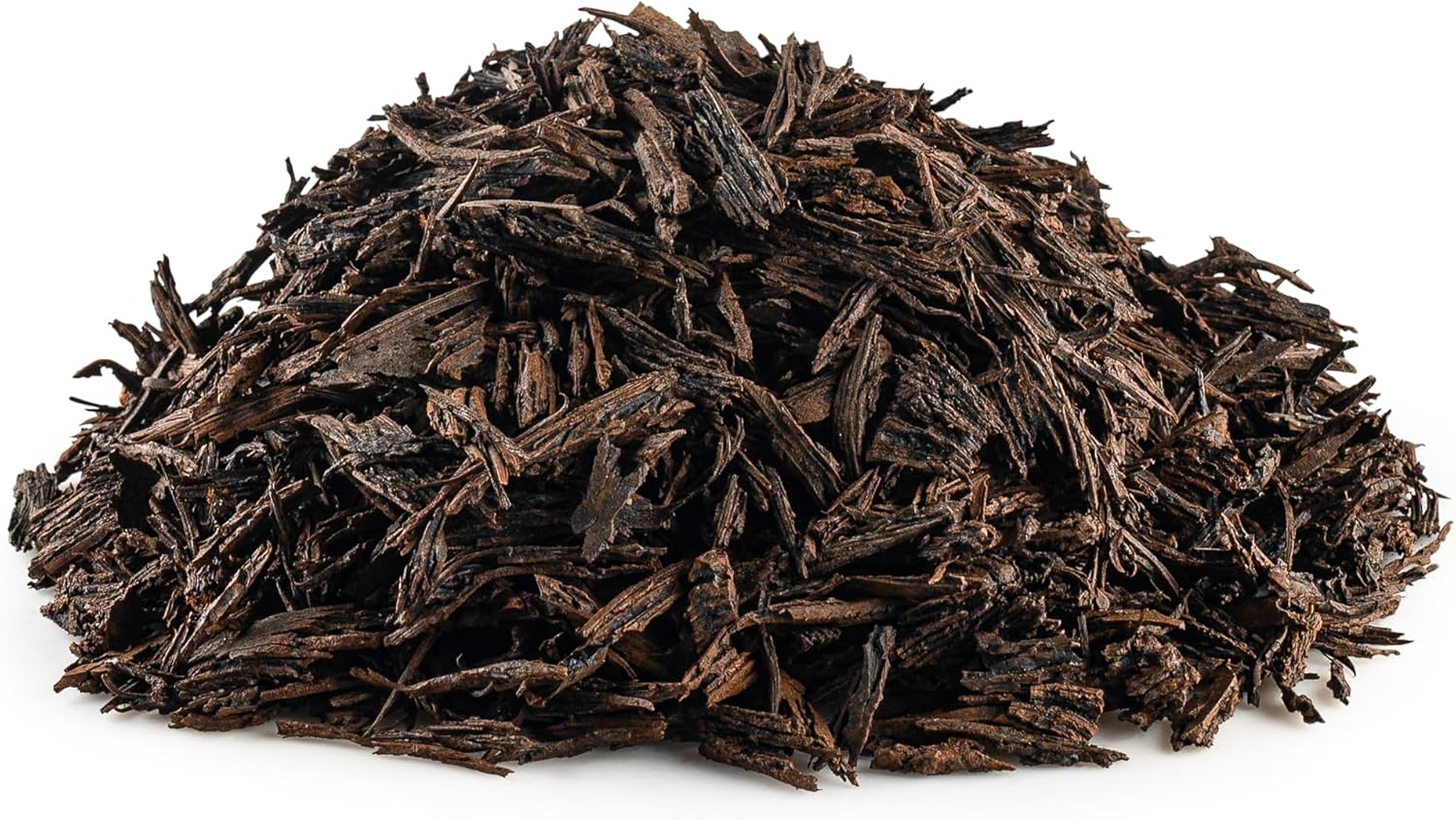
Rubberific Shredded Rubber Mulch (1.5 cu ft, Brown)
| Volume | 1.5 CU. FT. |
|---|---|
| Item Weight | 27 pounds |
| Manufacturer | IMC |
Rubberific shredded rubber mulch is a long-lasting ground cover made from recycled rubber that mimics the look of wood mulch while staying stable in outdoor conditions. It is typically spread around flower beds, playgrounds, and pathways to suppress weeds, retain soil moisture, and provide a cushioned surface for play areas. Notable features include colorfast material that resists fading or bleeding and a composition that will not rot or decompose like organic mulches. Practical benefits are low maintenance and reusability over many seasons, which reduces the need for annual replacement and ongoing purchase costs. Limitations are that it does not break down to enrich soil and can be less visually natural up close compared with fresh wood chips; also installation requires enough product to achieve recommended depth and occasional raking to keep an even surface. Overall it is a cost-effective choice when durability and low upkeep are higher priorities than soil amendment.
Best for: Buyers who prioritize a durable, low-maintenance landscape cover that lasts multiple seasons and reduces recurring mulching work.
Less Ideal for: Gardeners who want mulch that breaks down to feed soil or those seeking a fully natural look and scent may prefer organic wood or bark mulches instead.
- Made from recycled rubber so it does not rot or decompose
- Colorfast finish resists fading and does not bleed onto clothing
- Provides cushioning suitable for playgrounds and high-traffic areas
- Reusable and low maintenance compared with organic mulch
- Does not improve soil fertility because it does not break down
- Requires sufficient depth and quantity for effective weed suppression and cushioning
Verdict: Choose this shredded rubber mulch when you want a long-lasting, low-maintenance alternative to wood that keeps beds looking consistent year after year.
Plantonix Coco Chips Mulch Brick (10 lb) – Compressed Coconut Husk Chips

| Unit Count | 160 Ounce |
|---|---|
| Item Type Name | Soil and Soil Amendments |
| Brand Name | plantonix |
| Volume | 15 gallons |
Plantonix Coco Chips arrive as a compact 10 pound brick that hydrates and expands into lightweight coconut husk chips for use as mulch, soil amendment, or terrarium bedding. You soak or wet the block to break it apart, then spread the chips over garden beds, containers, orchid pots, or raised beds to reduce evaporation and moderate soil temperature. The product is pre-screened, washed, and aged to remove dirt and rocks, and the low electrical conductivity and near-neutral pH make it safe to mix with potting mixes. Practical benefits include improved drainage and aeration compared with heavy wood mulches, long-lasting moisture retention that can reduce watering frequency, and an attractive tropical look. Important limitations are that you must rehydrate and break up the compressed brick before use which adds prep time, and coco chips do not supply nutrients so you will still need to fertilize regularly. Also note the safety warning about dust and keeping it away from children and pets during handling.
Best for: Buyers who prioritize reliable, consistent mulch performance and want a sustainable, low-maintenance material that retains moisture and improves soil structure for beds and containers.
Less Ideal for: Gardeners who need a nutrient-rich soil amendment or who prefer a no-prep, ready-to-spread loose mulch should consider alternatives.
- Made from 100% recycled coconut husks, a renewable alternative to peat and wood mulches
- Pre-screened and washed to remove dirt, rocks, and excess fiber
- Excellent at retaining moisture while maintaining airflow and drainage
- Lightweight and long-lasting so it does not compact like some organic mulches
- Requires soaking and manual breakup of the compressed brick before use
- Does not provide plant nutrients and should be used with a fertilizer plan
Verdict: A dependable, renewable mulch solution that holds moisture and improves aeration without compacting, ideal for gardeners who want consistent performance.
Playsafer Rubber Mulch Nuggets (40 lb bag, Black)

| Item Type Name | Rubber Mulch |
|---|---|
| Item Weight | 40 pounds |
| Material Type | Rubber |
| Item Thickness | 3 inches |
| Additional Features | organic |
These rubber mulch nuggets are loose-fill surfacing meant for playgrounds, under swing sets, and other play areas where impact attenuation and low maintenance matter. Sold in 40 lb bags, the nuggets are made from recycled rubber and packaged for easy spreading: pour, level, and top up the area to achieve the recommended depth for shock absorption. Notable features include IPEMA certification for playground use, a 3-inch product thickness listed for profile guidance, and a long-lasting color claim backed by the manufacturer. In practice the nuggets do not decompose or compact like wood mulch, so they require far less frequent replacement and they drain and dry quickly in cold weather. They are mostly metal free because they are produced from recycled tires, which reduces contamination risk during installation. Limitations are that loose-fill rubber needs edging to stay contained, and precise depth must be maintained for safety standards so you may need an initial larger quantity to reach required fall-height coverage. Installation is straightforward but labor intensive for larger areas since the product must be spread and leveled by hand.
Best for: Buyers who prioritize certified, low-maintenance surfacing for home or small public playgrounds and who want reassurance from documented safety standards and widespread user approval.
Less Ideal for: People looking for a decorative garden mulch or a low-effort single-install solution for very large areas where a poured or interlocking surface would be easier to contain and maintain.
- IPEMA certified for playground safety, suitable for impact attenuation
- Made from recycled rubber and advertised as 99.9% metal free
- Does not decompose or compress so it needs far less frequent replacement than organic mulches
- Sold in manageable 40 lb bags that are easy to pour and spread
- Loose-fill material requires edging or containment to prevent migration
- Achieving required safety depth across a large area can be labor intensive and may need multiple bags
Verdict: Choose Playsafer rubber mulch when you need a certified, long-lasting recycled-rubber surfacing that reduces maintenance and prioritizes playground impact safety.
SuperMoss Coco Mulch Small Bale (200 cu in), Natural

| Brand Name | SuperMoss |
|---|---|
| Number of Packs | 4 |
| Volume | 200 cubic inches |
| pH | 5.7 – 6.24 |
SuperMoss Coco Mulch is a small bale of coconut-based soil amendment marketed for garden beds and containers. It hydrates quickly and holds more water than many peat-based mixes, which helps keep roots moist in raised beds between waterings. Because it is pH neutral and free of common soil-borne diseases, it can be blended into existing bed soil or used as a top layer to improve aeration and crumb structure. The mini-sizes make it easy to carry and store, and the product is described as long lasting when kept dry. It is not a complete potting mix on its own for larger plantings, so plan to amend with compost or fertilizer for nutrients. Also handle with care to avoid dust inhalation during mixing. For gardeners looking for a renewable, tidy alternative to peat, this coco mulch is convenient and effective for improving moisture retention in raised beds and containers.
Best for: Gardeners who need an affordable, renewable amendment to improve moisture retention and aeration in raised beds or containers and prefer something easy to carry and store.
Less Ideal for: Large-scale vegetable growers or those who want an all-in-one potting mix without additional amendments should consider bulk coir or ready-mixed soils instead.
- High water retention compared with peat, reducing watering frequency
- pH neutral and free from common soil-borne diseases
- Compact, easy-to-store bale format suitable for small jobs and containers
- Improves aeration and root vigor when mixed into bed soil
- Not a complete, nutrient-rich potting mix and needs compost or fertilizer for feeding plants
- Small volume per bale may require multiple bales for larger raised beds
- Can produce dust during handling so light respiratory caution is advised
Verdict: A compact, renewable coco mulch that boosts moisture retention and aeration in raised beds and containers, ideal for budget-conscious gardeners who want a tidy, easy-to-store amendment.
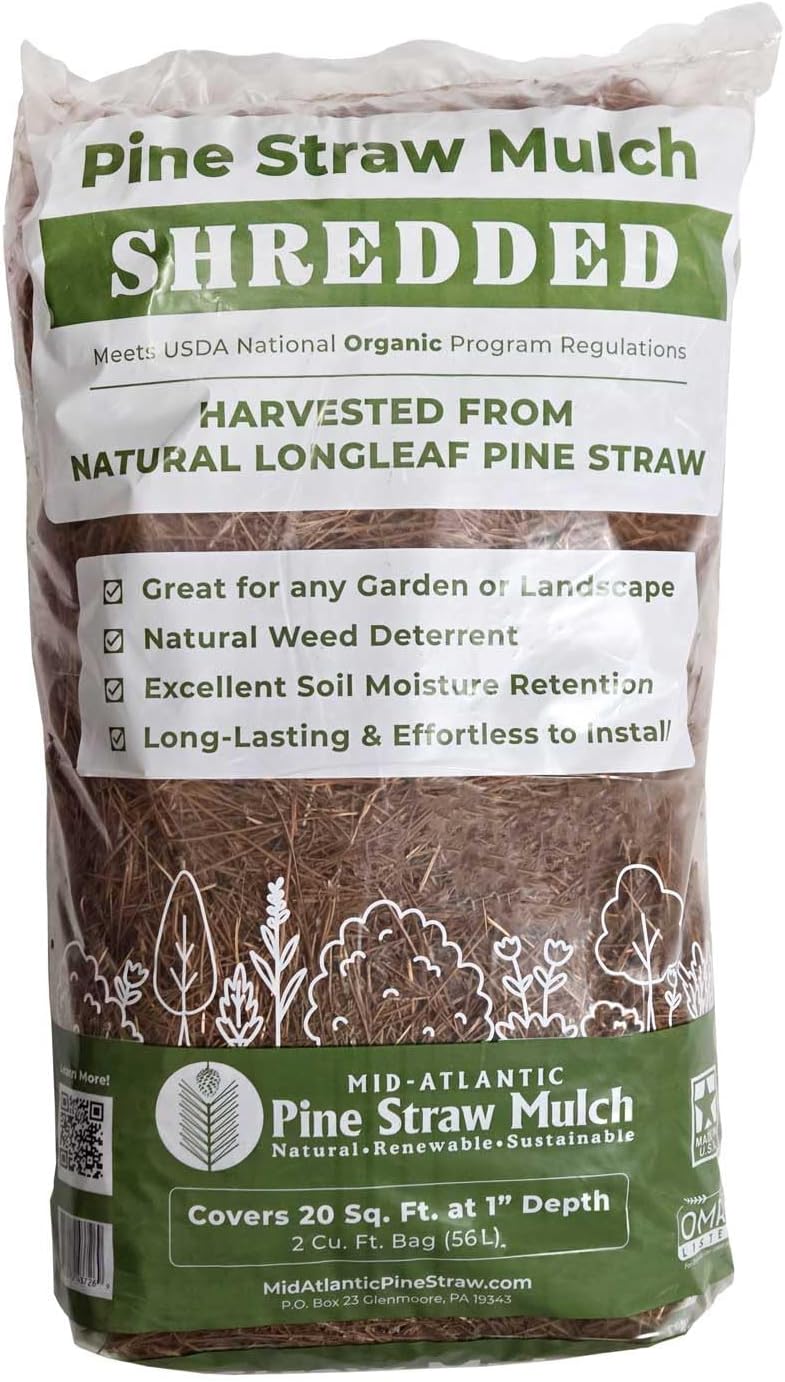
Mid-Atlantic Shredded Longleaf Pine Straw Mulch, 2 bags (2 cu ft each)
| Number of Packs | 2 |
|---|---|
| Unit Count | 2 Count |
| Volume | 6 cubic feet |
| Item Weight | 15 pounds |
This shredded longleaf pine straw is a lightweight, bagged mulch designed for easy handling and straightforward application. Gardeners spread it around beds and shrubs to form a dense mat that suppresses weeds, conserves soil moisture, and insulates roots against temperature swings. The product is OMRI listed for organic gardening and is described as clean and free of weed seeds and common hardwood debris, which makes it suitable for use around fruit bushes. Because the needles are shredded to 3–4 inches, the mulch lays flatter immediately and is easier to distribute evenly than full-length straw. It breaks down slowly to add organic matter over time, reducing how often you need to replace it. Limitations are that pine straw does not provide the same decorative look as bark in some landscapes and can shift on steep slopes if not anchored, so occasional top-ups or light anchoring may be needed in exposed sites.
Best for: Gardeners who want a low-maintenance, organic mulch that is easy to spread and supports plant health, especially those planting edible shrubs who prioritize soil moisture retention and weed suppression.
Less Ideal for: Homeowners seeking a formal, bark-style aesthetic or who need a heavy, erosion-resistant mulch for steep slopes should consider other mulch types.
- OMRI listed organic material suitable for organic gardens
- Lightweight, shredded form for easy carrying and faster laying
- Helps retain soil moisture and suppress weeds by forming a dense mat
- Slow decomposition adds organic matter and reduces replacement frequency
- Less formal decorative appearance compared with hardwood bark mulch
- Can shift on steep or very windy sites without anchoring
Verdict: Choose this shredded longleaf pine straw if you want an easy-to-spread, OMRI-listed organic mulch that conserves moisture and suppresses weeds for blueberry beds.
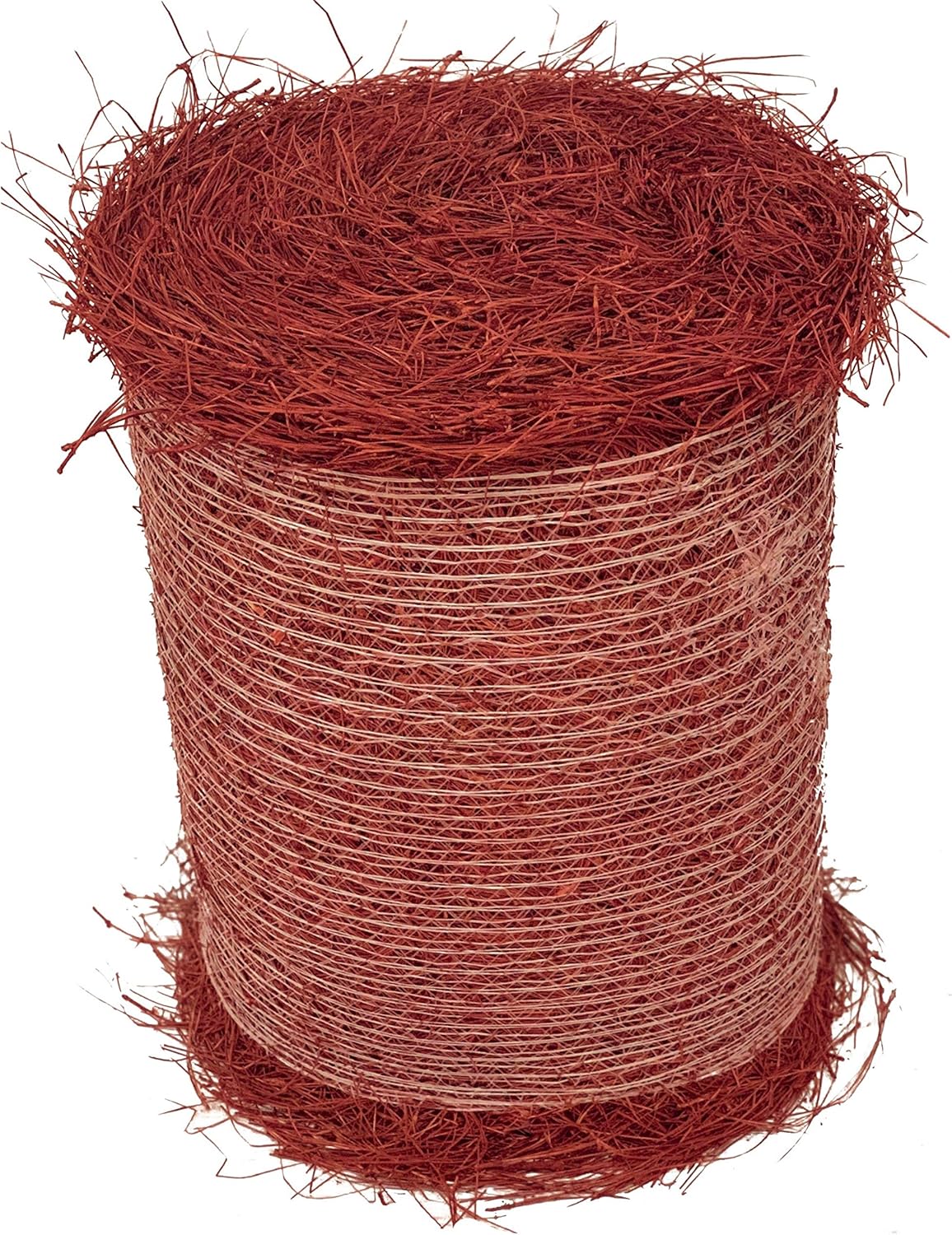
Colored Pine Straw Longleaf Pine Straw Roll (Red) — UV Resistant
| Indoor Outdoor Usage | Outdoor |
|---|---|
| Other Special Features of the Product | organic |
| Sunlight Exposure | Full Sun |
| Moisture Needs | Moderate Watering |
| Material Features | Natural |
This colored longleaf pine straw is a natural landscape mulch made from long needles prized by landscapers for durability and appearance. It is typically unrolled around foundation plantings, beds, and pathways to suppress weeds, conserve moisture, and give beds an even red color. Notable features include approximately 14-inch long needles, a coloring pigment formulated to resist UV fading, and a cleaner product with less debris thanks to on-farm cleaning. In practice the straw lays flat to create good coverage, retains moisture better than many wood mulches, and resists breakdown thanks to higher resin content in longleaf needles. The non toxic pigment makes it safe to use around ornamentals, pets, and families. Limitations are that colored pine straw will eventually break down and need replenishing and that it offers less soil-building organic matter than shredded bark; also the roll format requires manual spreading which can be labor intensive for large areas.
Best for: Buyers who want a natural-looking, long-lasting colored groundcover that improves curb appeal and reduces maintenance in flower beds and landscaped areas.
Less Ideal for: People seeking a mulch that builds heavy organic soil matter quickly or those who need a no-lift, maintenance-free solution for very large landscapes.
- Longleaf needles with higher resin content for slower decomposition
- UV-resistant coloring designed to keep red color longer
- Cleaned product with less debris for neater installation
- Natural, organic material that improves moisture retention compared with many wood mulches
- Needs periodic replenishing as natural straw breaks down
- Requires manual spreading which can be time consuming for large beds
Verdict: Choose this colored longleaf pine straw when you want a cleaner, UV-resistant natural mulch that keeps beds looking fresh longer.
Choosing the Right Long Lasting Mulch: Key Factors to Consider
Longevity and Decomposition Rate
How quickly a mulch breaks down determines how often you need to replace it. A slower decomposition rate means a stable surface layer that continues to suppress weeds and retain moisture longer, lowering maintenance time over the season.
However, extremely slow-to-decompose materials can limit organic matter returning to the soil. Consider whether you want a mulch that gradually enriches the soil or one that prioritizes a persistent barrier. Match decomposition expectations to your gardening schedule and whether you plan to top up annually or less often.
Moisture Retention and Soil Temperature
Mulch that holds moisture helps reduce irrigation frequency and protects roots from temperature swings. Dense, longer-lasting mulches form a thicker insulating layer that slows evaporation and moderates soil temperatures during heat spikes or cold snaps.
Think about plant water needs and local climate. In dry climates, choose a mulch that maximizes moisture retention. In poorly drained sites, prefer mulches that allow water to percolate rather than creating a soggy layer that can promote root issues.
Weed Suppression Effectiveness
A long lasting mulch should block light and physically reduce weed emergence. Loosely textured mulches may allow weeds to take hold sooner, while heavier or more compact materials create a more impenetrable layer.
Factor in how quickly perennial weeds return in your beds and whether you employ pre-plant weed control. For beds with known persistent weeds, choose a mulch and thickness that impede regrowth and pair it with initial weed removal for best results.
Weather Resistance and Stability
Wind and heavy rain can displace mulch, exposing soil and undermining longevity. Mulches that interlock or are heavier resist blowing and washout better than light, fluffy materials.
In exposed landscapes or sloped beds, stability matters more. You may need a heavier or anchored option for windy sites or steeper slopes to maintain continuous coverage through storms.
Impact on Soil Health and Microbial Activity
Some mulches break down into beneficial organic matter, feeding soil microbes and improving structure. Others are inert and provide surface benefits with minimal change to soil chemistry. The right choice depends on whether you want active soil improvement or simply a durable cover.
Consider carbon-to-nitrogen balance if using high-carbon mulches near nitrogen-hungry plants. Over time, many organic long lasting mulches still contribute to soil health, but at a slower rate than rapidly decomposing materials.
Practical Installation and Maintenance
Ease of spreading, required depth, and how often you must top up affect long-term labor. Some mulches need only one application every few years while others require seasonal refreshes.
Also weigh how easy it is to move the mulch when planting or weeding. Materials that pack down too tightly can make transplanting harder. Choose a product that fits the level of ongoing effort you can commit to.
Best Mulch Depth and Application Tips
Correct depth matters more than product choice for many outcomes. Most long lasting mulches perform well at 2 to 4 inches when applied over a cleared, weed-free bed. A thinner layer may not suppress weeds effectively, while an overly thick layer can impede water penetration and root oxygenation.
Before applying, remove existing weeds and lightly roughen the soil surface so the mulch nests in place. When refreshing an existing layer, rake rather than dig to avoid bringing buried weed seeds to the surface. Around trunks and crowns, keep mulch pulled back a few inches to prevent rot or pest issues.
- 2 to 4 inches is the typical effective depth for weed suppression and moisture control
- Refresh thin spots in spring and late summer rather than replacing the entire bed
- Keep mulch 2-3 inches away from stems and trunks to prevent moisture-related problems
Mulch and Planting Considerations
Some long lasting mulches are easy to work through when planting annuals or perennials; others form a dense mat that must be removed. If you plan frequent planting or dividing, choose a mulch that allows you to push aside material without a lot of tearing or compaction.
For vegetable beds and annual planting areas where soil amendment is frequent, a moderate-decomposition mulch that contributes organic matter over a season can be beneficial. For established ornamental beds where year-round coverage is the priority, a more persistent cover may be preferable.
- Push mulch aside rather than digging through when transplanting
- Consider temporary weed barriers for high-turnover vegetable beds
Environmental and Wildlife Impacts
Different mulches interact with wildlife and beneficial insects in different ways. Some materials provide hiding places for ground beetles and other useful predators, while others may discourage certain insects that prefer more open ground.
Also consider source sustainability. Mulches made from recycled or responsibly sourced materials reduce pressure on natural habitats. Avoid materials that can leach harmful substances into soils or waterways.
- Look for mulches with known, benign composition to protect beneficial insects
- Avoid lightweight materials that can blow into natural areas or waterways
Seasonal Care and When to Refresh
Timing refreshes to the gardening calendar extends the life of your mulch. A spring check corrects winter displacement, while a late-summer light top-up can maintain moisture through the dry season. After fall leaf drop, decide whether to incorporate leaves into the mulch layer or remove them to keep the surface tidy.
In climates with heavy winter rains or spring thaw, inspect beds early and repair washouts promptly so roots remain protected. Regular seasonal checks reduce the need for full replacements and extend the functional life of any long lasting mulch.
- Inspect and touch up in spring and late summer
- Repair washout or wind-displacement events quickly to maintain continuous coverage
Combining Mulch Types for Best Results
In many gardens a hybrid approach works well. Use a heavier, longer-lasting surface material where insulation and weed suppression are most needed, and mix in finer organic materials closer to plant crowns or in vegetable trenches where soil building is desired.
Layering can also address aesthetic concerns. A durable base layer resists displacement while a thinner decorative top layer provides color and texture. Just ensure layers do not form an impermeable barrier to water.
- Use heavy base layers on exposed slopes, lighter organic layers near planting points
- Avoid sealing the soil surface; maintain permeability for water and air
How We Chose the Best Long Lasting Mulch
We narrowed candidates by prioritizing real-world durability and garden compatibility rather than marketing claims. Key evaluation criteria included how long a mulch layer remains effective before needing replenishment, its ability to retain soil moisture, resistance to wind and rain displacement, and how it affects soil health and plant vigor. We also assessed installation ease and maintenance demands, plus aesthetic longevity so color and texture hold up over a season or longer. Products were excluded if they required frequent replacement, introduced harmful chemicals, or had poor drainage properties that could encourage rot in common planting situations. We avoided options that complicate seeding or transplant work unnecessarily. The resulting shortlist reflects mulches that balance staying power with beneficial effects on soil moisture and weed suppression while remaining practical for backyard gardeners and landscape beds.
FAQ
How thick should I lay long lasting mulch around shrubs?
A thickness of about 2 to 4 inches is usually sufficient. Keep mulch pulled back a couple of inches from shrub stems to avoid trapping moisture against the trunk, which can promote rot and pests.
Will long lasting mulch prevent all weeds?
No mulch will stop every weed, especially perennial roots and aggressive grassy species. Effective long lasting mulch greatly reduces seed germination and annual weeds, but persistent weeds may still appear and need spot treatment.
Can I use long lasting mulch in vegetable beds?
You can, but consider how often you plant and amend those beds. For frequent soil work, choose a mulch that is easier to move or breaks down to add organic matter. Avoid materials that form an impermeable mat over the soil.
How does mulch affect soil moisture in rainy climates?
Mulch still helps by reducing surface runoff and buffering moisture swings, but in very wet sites choose mulches that allow good drainage rather than trapping excess water. Inspect beds after heavy rains to clear any clogged spots.
Do long lasting mulches attract pests?
Some mulches can provide shelter for pests if placed directly against plant stems or in dense piles. Proper application and keeping material a few inches from trunks reduces risk, and seasonal checks help spot pest activity early.
Final Verdict
Prioritize the tradeoffs that matter most to your garden: whether you need a mulch that lasts years with minimal upkeep, or one that contributes organic matter more quickly. Focus on longevity, moisture performance, and stability for low-maintenance beds, and choose materials that suit your planting frequency and local weather. A clear application plan and seasonal inspections let you get the most out of any long lasting mulch. Select the option that matches how often you want to refresh beds and how much soil improvement you want over time, and you will reduce chores while protecting plant roots and conserving water.
