

Note: This article contains affiliate links. If you click on these links and make a purchase, I may earn a small commission at no extra cost to you. This helps support my research and content. Read my full affiliate disclosure here.
Garlic responds strongly to what you put on the soil surface. The right mulch moderates soil moisture, cuts back on weeds, and protects cloves from winter heaving so plants can build larger bulbs come harvest. This guide covers seven carefully shortlisted mulches suited specifically for growing garlic, with practical notes on how each type behaves in a garden bed or raised box. We evaluated materials for moisture control, insulation, and ease of management in real-world garden conditions. Read on to see which mulch properties match your planting schedule, climate, and bed style.
Top Picks at a Glance
| Best Overall The best all-around choice for most situations | HealthiStraw GardenStraw 3 cu ft — Pack of 4 |  |
| Best Quality Built to a higher standard if you want something more solid | Gro-Med Coco Husk Chips Block (10 lb) — Compressed Coconut Husk Mulch |  |
| Best Value The sweet spot between price and what you get | Halatool Coco Coir Chips Brick Pack (2-Pack) – Compressed Organic Coconut Husk Growing Medium |  |
| Best Budget The cheapest option that still gets the job done reliably | ZeeDix Coco Coir Bricks (2-Pack) 100% Organic Coconut Coir |  |
| Highest Rated A top-rated pick with lots of positive feedback | Home and Country USA Premium Pine Straw Mulch, 8 lb Bale |  |
| Most Popular A crowd favorite that many people choose with confidence | Back to the Roots Organic Mulch, 1 Cubic Foot |  |
| Best Seller A high-volume bestseller chosen again and again | Kela Tipi Natural Wheat Straw Bale Mulch |  |
HealthiStraw GardenStraw 3 cu ft — Pack of 4

| Quantity | 4 bales |
|---|---|
| Bale volume | 3 cubic feet each |
| Material | 100% Non-GMO Wheat Straw |
| Ideal uses | Gardens, composting, lawn seeding |
HealthiStraw GardenStraw is a cleaned, non-GMO wheat straw sold as four compressed 3 cu ft bales intended for mulching vegetable beds, seed protection, and compost carbon. Spread at a 2 to 3 inch layer around garlic cloves after shoots appear to conserve moisture, suppress weeds, and moderate soil temperature through the growing season. The straw is mechanically filtered to reduce dust and seeds, so it stays cleaner than unprocessed straw and breaks down relatively quickly to add carbon and organic matter to the soil. Its cut fibers interlock when watered, helping it resist light wind and rain without chemical tackifiers, and a single bale claims coverage rates that make it efficient for small plots and raised beds. Important limitations are that straw still decomposes over months and will need reapplying for multi-season beds, and compressed bales require fluffing and redistribution which takes some labor. For garlic specifically, it provides good moisture retention and weed control but should be applied after shoots emerge to avoid slowing emergence.
Best for: Gardeners who want a clean, natural mulch for vegetable beds and raised beds that conserves moisture and builds soil health while keeping maintenance simple.
Less Ideal for: People who want a permanent, low-maintenance groundcover or a decorative colored mulch should consider alternatives.
- 100% non-GMO wheat straw filtered to remove dust and seeds for cleaner mulch
- Designed to interlock when watered so it stays in place without chemical binders
- Breaks down relatively quickly to add carbon and improve soil structure and microbial activity
- High coverage per bale useful for raised beds, small plots, and lawn seeding
- Requires occasional reapplication as it decomposes over the growing season
- Compressed bales need time and effort to fluff and distribute evenly
Verdict: A clean, garden-friendly wheat straw mulch that conserves moisture and builds soil, making it a practical choice for growing garlic in beds and raised plots.
Gro-Med Coco Husk Chips Block (10 lb) — Compressed Coconut Husk Mulch

| Brand Name | Gro-Med |
|---|---|
| Ingredients | Coco Husk |
| Volume (expanded) | 65 quarts |
| Style Name | Coconut Husk Block 10 lb, Mulching, Potting Soil Mix, Orchid Mix, Gardening, Reptile Bedding |
Gro-Med Coco Husk Chips arrive as a 10 lb compressed block that expands with water into loose coconut husk chips suitable for mulching, mixing into potting soil, or reptile bedding. In practice you add warm water, wait about 20 minutes, then fluff the material and spread a 2–3 inch layer as mulch or mix roughly one part chips into three parts potting mix to improve drainage and structure. The product is triple-washed for low electrical conductivity and pH balanced, which helps avoid nutrient lockup when used around ornamentals, vegetables, or orchids. The chips provide noticeably better aeration than compacted soils and retain moisture longer than regular bark, so they reduce watering frequency and help roots stay healthy. Limitations to note are that the material is coarse so it breaks down slower than fine coir or compost and will not supply significant nutrients on its own, so occasional top-dressing or fertilizing is needed for long-term beds. For container mixes you may still want to combine with compost or slow-release fertilizer for best results.
Best for: Gardeners who want a low-maintenance, peat-free mulch or soil amendment that improves root health and reduces watering needs while prioritizing practical storage and easy handling.
Less Ideal for: If you need a fast‑breaking, nutrient-rich soil conditioner or a fine seed-starting medium, a compost or finer coir product would be a better fit.
- Expands from a compact block for easy storage and transport
- Triple-washed, low EC and pH-balanced for safer use with sensitive plants
- Improves aeration and drainage compared with compacted soil or bark mulch
- Higher water retention than regular bark, reducing watering frequency
- Coarse chip texture decomposes slowly and contributes little nutrient content
- Requires rehydration step before use and can be dusty until fully expanded
Verdict: A compact, low-EC coconut husk block that expands into a long‑lasting, moisture-retentive mulch ideal for gardeners who want easy storage and improved root aeration.
Halatool Coco Coir Chips Brick Pack (2-Pack) – Compressed Organic Coconut Husk Growing Medium

| Number of Packs | 2 |
|---|---|
| Unit Count | 35.2 Ounce |
| Material | coconut husk |
| Volume (expanded) | 7 quarts per brick |
These Halatool coco coir chip bricks are compressed coconut husk pieces sold as a 2-pack that expand to about 7 quarts per brick when rehydrated. You soak the bricks in water to break them apart, then mix the resulting chips into potting mixes, use them as a mulch layer, or add them to containers to improve aeration and drainage. The material is low in salts and has balanced pH, so it is suitable for sensitive vegetable roots and for improving heavy soils without altering soil chemistry. The chips hold moisture while still allowing oxygen to reach roots, which helps prevent waterlogging in containers and raised beds. Because they are lightweight and compressed, storage and transport are easy, but you will need a container and time for full expansion before planting. Also they are sold in small unit counts, so larger vegetable beds will require multiple packs or mixing with other bulk amendments. For gardeners looking to improve root health and drainage in vegetable containers or to top-dress small beds, these coir chips are a convenient organic option.
Best for: Gardeners who prioritize practical solutions to improve root health in containers and small vegetable beds and who prefer an easy-to-store organic medium to mix with potting soil or use as mulch.
Less Ideal for: Those needing bulk mulch for large in-ground vegetable rows or landscapers who require ready-to-use loose material without rehydration work.
- Low electrical conductivity and balanced pH suitable for sensitive plants
- Improves aeration and drainage while retaining some moisture for roots
- Compressed bricks are compact for storage and expand quickly with water
- 100% natural organic coconut husk, usable as mulch or mixed into potting soil
- Sold in small packs that may not be economical for large vegetable beds
- Requires soaking and manual breakup before use which adds prep time
Verdict: A compact, low-salt organic coir chip option that improves drainage and root oxygenation for containers and small vegetable beds.
ZeeDix Coco Coir Bricks (2-Pack) 100% Organic Coconut Coir

| Number of Packs | 2 |
|---|---|
| Unit Count | 44.8 Ounce |
| Ingredients | Coconut Fiber |
| Item Highlight | Low EC & pH Balance Coconut Fiber Seed Starter Soil |
| Volume | 15 quarts (expanded) |
These ZeeDix coco coir bricks are a simple, economical way to get a peat-free growing medium without added fertilizer. Each compressed brick soaks up water and expands into a loose, fibrous coir that holds moisture while remaining airy enough to give roots oxygen. Typical uses are rehydrating the bricks for seed starting, mixing with potting mixes to improve drainage and water retention, lining grow bags or amending heavy clay soil. Notable features include low EC and balanced pH suitable for many plants, organic coconut fiber content, and compact storage when dry. Practical benefits are lower mess and shipping weight compared with bagged soil, long shelf life, and the ability to control nutrients by adding your own amendments or fertilizers later. Limitations are that the product is a raw coco coir medium with no nutrients, so it will not feed plants by itself, and you must hydrate and fluff it thoroughly before use to avoid salty clumps or uneven texture.
Best for: Gardeners looking for a low-cost, peat-free base medium to start seeds, refresh potting mixes, or amend soil while controlling added nutrients themselves.
Less Ideal for: Buyers who want an all-in-one potting soil with built-in fertilizer or who prefer a ready-to-use bagged mix straight from the package.
- Peat-free 100% organic coconut coir suitable for environmentally minded gardeners
- Compresses small for easy storage and expands to about 15 quarts when hydrated
- Low electrical conductivity and balanced pH make it a neutral starting medium
- Good water retention with a fibrous structure that improves aeration for roots
- Contains no nutrients or fertilizers so plants require separate feeding
- Requires soaking and manual breaking up to reach usable texture
Verdict: If you want an inexpensive, peat-free base to start seedlings or build your own potting mix, these compact coco coir bricks give good water retention and a neutral pH so you can add nutrients as needed.
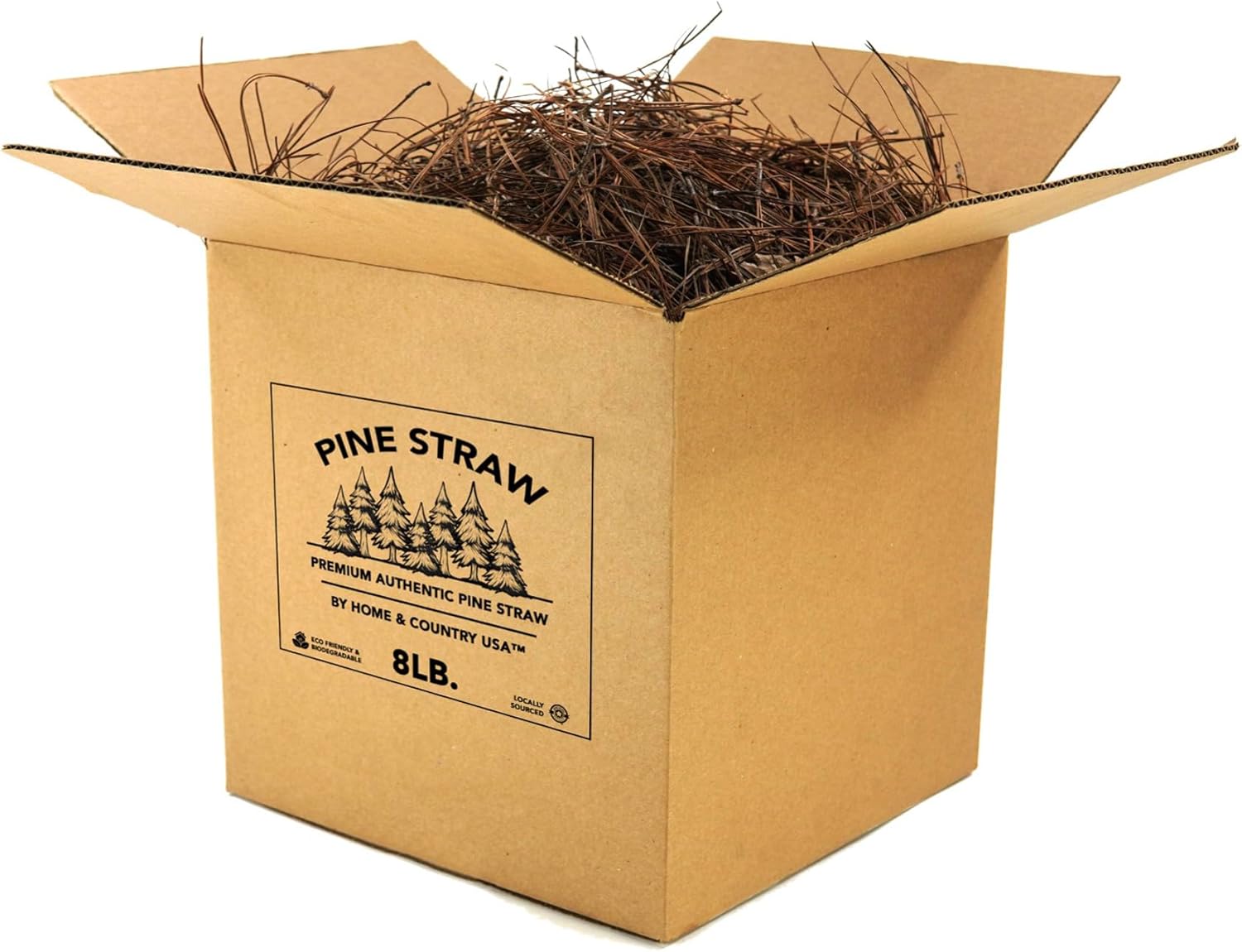
Home and Country USA Premium Pine Straw Mulch, 8 lb Bale
| Manufacturer | Home and Coutry USA |
|---|---|
| Item model number | PN8 |
This pine straw mulch comes packaged in an 8 pound bale and is designed for use as a natural ground cover in garden beds and landscaping. Gardeners spread the loose pine needles in a 2 to 3 inch layer around plants to suppress weeds, reduce surface evaporation, and provide a rustic finished look. The product is pure pine straw so it breaks down slowly, adding organic matter over time without compacting into an impermeable mat. Practical benefits for garlic growing include steady moisture retention during dry spells and light insulation of the soil surface in cooler months. Because it is lightweight and airy it allows water and air to reach the soil while still shading seedlings. Limitations are that pine straw can shift in high winds and may need occasional topping up as it decomposes, and it does not supply significant nutrients quickly so soil fertility should be managed separately before mulching.
Best for: Gardeners who prioritize reliable, low-maintenance mulching for bed crops like garlic and want a natural material that preserves moisture and soil structure with minimal fuss.
Less Ideal for: Growers seeking a high-nutrient or compacting mulch for no-till beds or those in very windy, exposed coastal locations should consider heavier or nutrient-rich alternatives.
- Natural pine needles suppress weeds and provide an attractive, rustic finish
- Light, airy texture preserves soil aeration while retaining moisture
- Breaks down slowly to add organic matter over time
- Packaged bale is easy to store and spread by hand
- Lightweight material can be blown away in exposed, windy sites
- Provides little immediate nutrient value so soil should be amended before use
Verdict: A dependable, natural pine-straw bale that helps retain soil moisture and suppress weeds, making it a practical mulch choice for garlic beds.
Back to the Roots Organic Mulch, 1 Cubic Foot

| Brand Name | Back to the Roots |
|---|---|
| Item Highlight | Premium organic garden mulch; peat-free; 25.7 quart bag |
| Unit Count | 16 Ounce |
| Volume | 23 cubic centimeters |
This organic mulch from Back to the Roots is a peat-free, upcycled plant-matter blend intended for beds, containers, and around shrubs and trees. It includes dolomitic limestone to help balance pH, yucca extract to improve moisture control, and gypsum to aid water absorption, so it both conserves moisture around root zones and contributes modest nutrients. Typical use is spreading a 2–3 inch layer around bushes, avoiding direct trunk contact, or mixing into the topsoil when planting. Its organic base and added plant food make it a good choice for supporting healthy growth and reducing watering frequency. Limitations to keep in mind are the bag size and volume relative to larger beds and that it is formulated as a general mulch rather than a heavy-duty long-lasting bark product, so it may break down faster and need replenishing more often.
Best for: Gardeners who want an eco-conscious, peat-free mulch that improves moisture retention and supports plant health around bushes and in raised beds.
Less Ideal for: People looking for a coarse, long-lasting decorative bark mulch or a single large bag solution for extensive shrub beds.
- Peat-free organic blend made from upcycled plant matter and wood fines
- Contains yucca extract for improved moisture retention and gypsum for better water absorption
- Includes dolomitic limestone to help adjust and stabilize soil pH
- Formulated with all-purpose plant food to support growth of vegetables, herbs, and shrubs
- Bag volume is relatively small for large or multiple bush beds so more bags may be needed
- Breaks down faster than coarse bark mulches and will require periodic replenishment
Verdict: Choose this peat-free organic mulch when you want an eco-friendly, moisture-saving soil cover that also supplies mild nutrients to bushes and raised beds.
Kela Tipi Natural Wheat Straw Bale Mulch

| Manufacturer | Natural Wheat Straw |
|---|---|
| Item Weight | 15.8 ounces |
| Product Dimensions | 14 x 10 x 1.2 inches |
This wheat straw bale is a straightforward, no-frills mulch aimed at suppressing weeds, conserving moisture, and adding organic matter to planting beds. It is marketed as 100% natural and dried to reduce weed seed risk, so gardeners typically lay it around vegetables, strawberries, roses, or on newly seeded slopes to protect soil and reduce erosion. The straw is lightweight and fibrous, which helps it interlock on inclines better than loose shredded mulch and supplies slow-to-decompose biomass that improves soil structure over time. It is also usable as pet bedding or for decorative landscaping. Important limitations are that straw can blow on very steep or windy slopes unless anchored with pins or light netting, and it does not provide the visual uniformity of wood mulches. Because it is a plant residue it will break down and require replenishing more often than inert rock or heavier bark products. For budget-conscious gardeners needing an eco-friendly, easily applied cover for erosion control on moderate slopes, this is a practical option.
Best for: Gardeners on a tight budget who need an affordable, biodegradable mulch for vegetable beds, strawberries, or moderate slopes and who prefer an eco-friendly, multiuse material.
Less Ideal for: Landscapes on very steep, high-wind sites where heavier, erosion-resistant mulches or netting systems are required; those seeking a long-lasting decorative bark finish.
- 100% natural dried wheat straw reduces chance of introducing weed seeds when properly processed
- Lightweight and fibrous material that is easy to spread by hand on beds and slopes
- Adds organic matter to soil as it decomposes to improve structure and moisture retention
- Versatile for use as mulch, animal bedding, or decorative ground cover
- Lightweight straw can be prone to blowing on steep or exposed slopes unless secured
- Will decompose relatively quickly and needs periodic replenishment
Verdict: A low-cost, natural straw mulch that supplies quick, easy erosion protection and organic matter for moderate slopes.
Choosing the Right Mulch for Growing Garlic: Key Factors to Consider
Moisture Retention and Drainage
Garlic needs steady moisture while bulbs are forming but cannot tolerate standing water. Mulch affects both how long the soil stays damp and how quickly the surface dries after rain. A material that holds usable moisture reduces the need for frequent watering and helps maintain even soil conditions during bulbing. However, overly moisture-retentive mulches in heavy soils can create anaerobic pockets and encourage rot.
When assessing mulch for garlic, consider your soil texture. Sandy soils benefit more from mulches that retain water, while clay soils need mulches that allow surface drying. Also think about summer watering schedules and whether you will remove or thin mulch in late spring to prevent excess moisture as weather warms.
Winter Insulation and Heaving Protection
In climates with freeze-thaw cycles, mulch acts as a buffer that stabilizes soil temperature and prevents bulbs from being forced out by repeated freezing and thawing. A good insulating layer reduces frost penetration and helps roots stay dormant and undisturbed through winter.
Thickness and material matter here. Lightweight, fluffy mulches provide loft and trap air, increasing insulation, while dense, compact mulches conduct cold more readily. Plan for a consistent layer applied after the ground has had a chance to cool but before hard freezes, and be prepared to remove or thin it in spring to avoid delayed warming.
Decomposition Rate and Soil Nutrition
Mulches break down at different speeds and influence soil nutrient dynamics. Fast-decomposing mulches add organic matter quickly but can temporarily immobilize nitrogen as microbes digest carbon-rich materials. Slow-decomposing mulches contribute long-term structure and require less frequent replacement.
For garlic, which forms bulbs above the root zone, choose a mulch with a decomposition profile that matches your cropping schedule. If you plan to plant in the same bed yearly, a slower breakdown may be preferable to maintain consistent cover. If you want to actively improve organic matter between seasons, a faster-decomposing mulch can serve double duty as both cover and amendment.
Weed Suppression Effectiveness
Competing plants reduce bulb size and increase disease risk, so a mulch that suppresses weeds reduces maintenance and improves yields. Some mulches form a physical barrier that blocks light and smothers seedlings, while others work mainly by keeping the soil surface cool and less hospitable.
Consider the seedbank in your soil and whether perennial weeds are a problem. Thick, opaque mulches perform best against annual weed flushes. If perennial roots are present, mulching should be combined with other control measures. Also account for how easy the mulch is to remove by hand at harvest time without disturbing bulbs.
Pest and Disease Considerations
Certain mulch types can provide habitat for pests such as rodents, slugs, or overwintering disease organisms. Mulch that stays too wet or is piled against stems can increase fungal pressure. Choosing materials that dry at the surface, do not trap voles, and do not introduce large quantities of disease inoculum reduces risk.
Examine local pest pressures and avoid mulches that are known to shelter the pests you have. Keep mulch a few inches from the actual garlic necks when feasible, and inspect beds periodically. Good sanitation and replacing contaminated mulch mitigates long-term issues.
Ease of Application and Removal
Practical handling matters for seasonal crops. Some mulches are lightweight and easy to spread with hands or a fork, while others require tools or more time. Removal at harvest is also important: mulches that integrate into the soil can be left to decompose, but ones that interfere with digging should be removed.
Consider how much labor you can commit at planting and harvest. If you work small beds, hand-spread mulches that double as soil amendments can save time. For larger plots, materials that can be moved with a shovel or wheelbarrow and that do not tangle in forks will speed tasks.
Timing Mulch Application for Garlic
Apply mulch after planting and after the soil has cooled. A timing window that allows the cloves to develop roots before a heavy insulating layer is applied helps avoid trapping early warmth that could encourage premature top growth. In cold climates, wait until the ground is near freezing before adding a thick layer to increase winter protection.
In spring, thin or pull back mulch as top growth resumes and soil temperatures rise. Gradual removal prevents sudden exposure and lets the bed warm evenly, which helps bulbs finish sizing without excess moisture retention.
- Add mulch after planting and initial root growth
- Install thicker insulation only once soil is reliably cold
- Thin mulch in spring to allow soil warming during bulbing
Organic Versus Inorganic Mulches
Organic mulches such as straw, shredded leaves, or composted bark improve soil structure as they break down and can supply slow-release nutrients. They are generally preferred in vegetable beds because of the soil-building benefits, but their decomposition rate and potential to host pests must be managed.
Inorganic mulches like landscape fabric or plastic film suppress weeds effectively and stay in place season after season, but they do not add organic matter and can complicate bed renovation. For garlic, inorganic covers are sometimes used early to warm beds in spring or to block weeds, but gardeners often pair them with an organic insulating layer for winter protection.
- Organic mulches contribute to soil health but change over time
- Inorganic covers provide long-term weed control but no soil benefit
Managing Mulch for Harvest and Crop Rotation
Plan mulch management around when you will lift bulbs. Bulb harvest requires relatively dry conditions and clear access to soil. Mulches that can be raked aside with minimal disturbance are advantageous. If a mulch has mostly decomposed, you may be able to fork through it without removing material.
Consider how mulch choice affects the next crop. Mulches that add organic matter reduce the need for immediate soil amendments, but those that leave a heavy mat might delay spring planting in that bed. Keep a note of what worked so you can refine rotations and soil preparation in subsequent years.
- Rake or pull mulch back before digging bulbs
- Record mulch performance to inform future rotations
Mulch and Watering Practices
Mulch changes how you water. A well-chosen layer reduces evaporation and can allow for less frequent irrigation, but it also hides surface moisture cues. Check soil moisture below the mulch with a finger or probe rather than relying on surface dryness.
Drip irrigation or soaker hoses work well under mulch when consistent moisture is needed. If using overhead irrigation, apply water early in the day so the surface can dry before nightfall and to limit fungal risk.
- Monitor moisture beneath mulch, not just at the surface
- Use targeted irrigation beneath mulch for consistent moisture
Local Climate and Microclimate Adjustments
Adapt mulch selection to your local climate. In milder winter regions, a thinner cover may suffice and reduce the risk of delayed soil warming in spring. In areas with deep freezes and frost heave, a thick, airy mulch helps stabilize the soil.
Pay attention to microclimates within your garden. Sheltered spots by walls or in raised beds warm faster and may need less insulation, while low-lying areas or exposed plots benefit from heavier protection.
- Use lighter mulch in mild winter zones
- Apply heavier insulation in exposed or cold sites
How We Chose the Best Mulch for Growing Garlic
We focused on attributes that directly affect garlic growth from planting through harvest. Selection began with materials that are commonly used in vegetable gardens and are safe around bulbs. We excluded mulches known to introduce persistent weeds, allelopathic residues that inhibit bulb development, or materials that break down into overly nitrogen-rich compost too quickly. Key evaluation criteria included moisture retention, because garlic needs consistent but not waterlogged soil; winter insulation, since many growers rely on mulch to prevent heaving and cold injury; decomposition rate, which affects whether mulch needs seasonal replacement and whether it will rob soil nitrogen; weed suppression, a practical factor for reducing competition during bulb fill; and ease of application and removal at harvest. We also considered pest and disease risk as a filter, avoiding materials that commonly harbor slug or vole habitat. These criteria informed the shortlist and align with the scoring metrics used in product blocks.
FAQ
When should I put mulch on garlic after planting?
Apply mulch after you have planted the cloves and they have had time to establish small roots, usually a few weeks after planting. In most regions waiting until soil has cooled reduces premature sprouting and improves winter protection.
How thick should the mulch layer be for winter protection?
A typical insulating layer ranges from 2 to 4 inches for straw or shredded leaves, but thickness depends on material loft and your local freeze depth. Ensure the layer is even and not packed tightly so it can trap air for insulation.
Can I use compost as mulch around garlic?
Compost can be used as a mulch but it tends to break down quickly and may temporarily tie up nitrogen. Use a finished, well-aged compost sparingly on garlic beds and consider pairing it with a more stable cover if long-term insulation is needed.
Will mulch increase pest problems for garlic?
Some mulches can harbor slugs, voles, or rodents if they provide dense, moist shelter. Choose materials that dry at the surface, keep mulch a short distance from exposed necks when practical, and monitor beds to mitigate pest buildup.
Do I need to remove mulch before harvesting garlic?
It is usually best to rake mulch aside or thin it back before lifting bulbs so you can see soil conditions and avoid bringing excess debris into storage. If a mulch has mostly decomposed into the soil, minimal removal may be needed.
Final Verdict
Choose a mulch that matches your climate, soil type, and labor capacity. Prioritize moisture control and winter insulation first, then weigh decomposition rate and pest risk to decide whether an organic or inorganic option is better for your beds. Plan timing for application and removal so mulch helps protect bulbs without delaying spring warming. With a little planning you can use mulch to reduce weeds, stabilize soil temperatures, and encourage fuller garlic bulbs.
