

Note: This article contains affiliate links. If you click on these links and make a purchase, I may earn a small commission at no extra cost to you. This helps support my research and content. Read my full affiliate disclosure here.
Choosing the right mulch for landscape beds affects how well your garden retains moisture, suppresses weeds, and looks across seasons. The wrong mulch can wash away, compact, or tie up nutrients, while the right option supports soil biology and reduces maintenance. This guide shortlists the top choices for landscape beds and explains the practical differences you will notice in a yard, border, or planting island. We evaluated options for durability, organic benefit, and appearance so you can match a mulch to your planting goals and maintenance plans. Read on for a clear look at how each type behaves in the landscape.
Top Picks at a Glance
| Best Overall The best all-around choice for most situations | USA PINESTRAW Long Needle Pine Straw Mulch, Square Bale |  |
| Best Quality Built to a higher standard if you want something more solid | Home and Country USA Premium 8 lb Pine Straw Mulch |  |
| Best Budget The cheapest option that still gets the job done reliably | SuperMoss Coco Mulch Small Bale (200 cu in), Natural |  |
| Highest Rated A top-rated pick with lots of positive feedback | Plantonix Coco Chips Mulch Brick (10 lb) – Compressed Coconut Husk Chips |  |
| Most Popular A crowd favorite that many people choose with confidence | HealthiStraw GardenStraw Premium Garden Mulch, 3 cu ft |  |
| Best Seller A high-volume bestseller chosen again and again | Back to the Roots Organic Coconut Husk Mulch Block (Expands to 2 cu ft) |  |
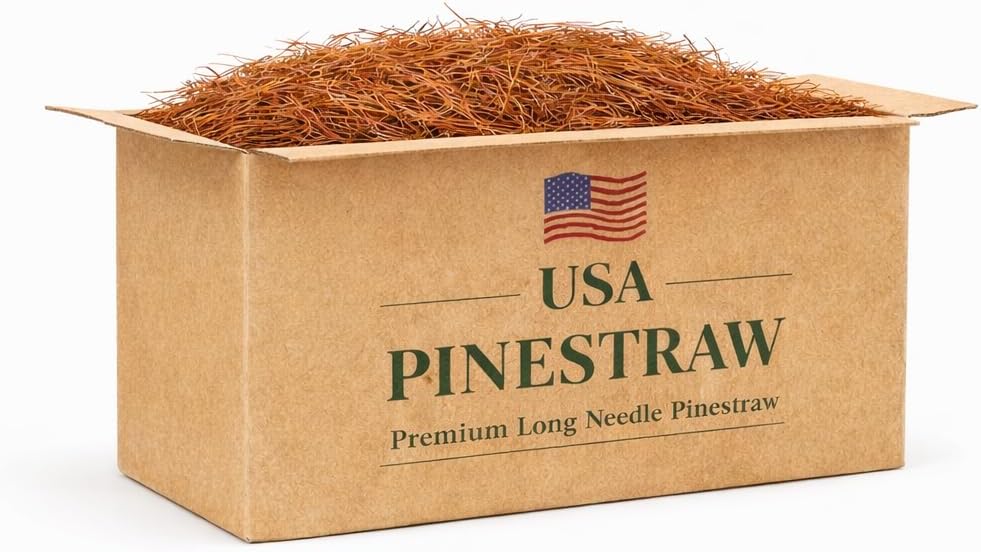
USA PINESTRAW Long Needle Pine Straw Mulch, Square Bale
| Material Type | Pine |
|---|---|
| Other Special Features of the Product | Organic |
| Package Size Name | Square Bale |
| Unit Count | 1 Count |
This product is a single premium square bale of long-needle pine straw intended for use as organic mulch around beds and shrubs. It is typically spread 2 to 4 inches deep around plants, pathways, and trees to suppress weeds, retain soil moisture, and protect roots from temperature swings. Because it is long-needle pine straw, it interlocks well and resists blowing away better than chopped mulches, and it decomposes slowly to add organic matter without dramatically altering soil texture. Practical benefits for blueberry plantings include good acidifying potential over time and excellent moisture retention, both helpful for blueberry health. Limitations are that you will need multiple bales for larger beds and periodic top-ups each season as the straw settles and decomposes. Also pine straw can be bulky to handle compared with bagged compost or wood chips, and it does not provide immediate nutrient boosts the way composted mulches do.
Best for: Gardeners seeking a low-maintenance, organic mulch for acid-loving shrubs who want better moisture retention and natural weed suppression in small to medium beds.
Less Ideal for: People who need a sterile, compacted mulch for container-grown blueberries or those wanting immediate nutrient-rich soil amendments rather than a slow-decomposing cover.
- Organic long-needle pine straw that naturally suppresses weeds
- Good moisture retention that reduces watering frequency
- Interlocking needles resist wind displacement better than loose shredded mulches
- Slow decomposition adds organic matter over time without rapid nutrient release
- Sold as single square bale so multiple purchases needed for larger beds
- Bulky to handle and store compared with bagged options
Verdict: Choose this long-needle pine straw bale if you want an organic, moisture-retaining mulch that stays put and supports acid-loving plants like blueberries.
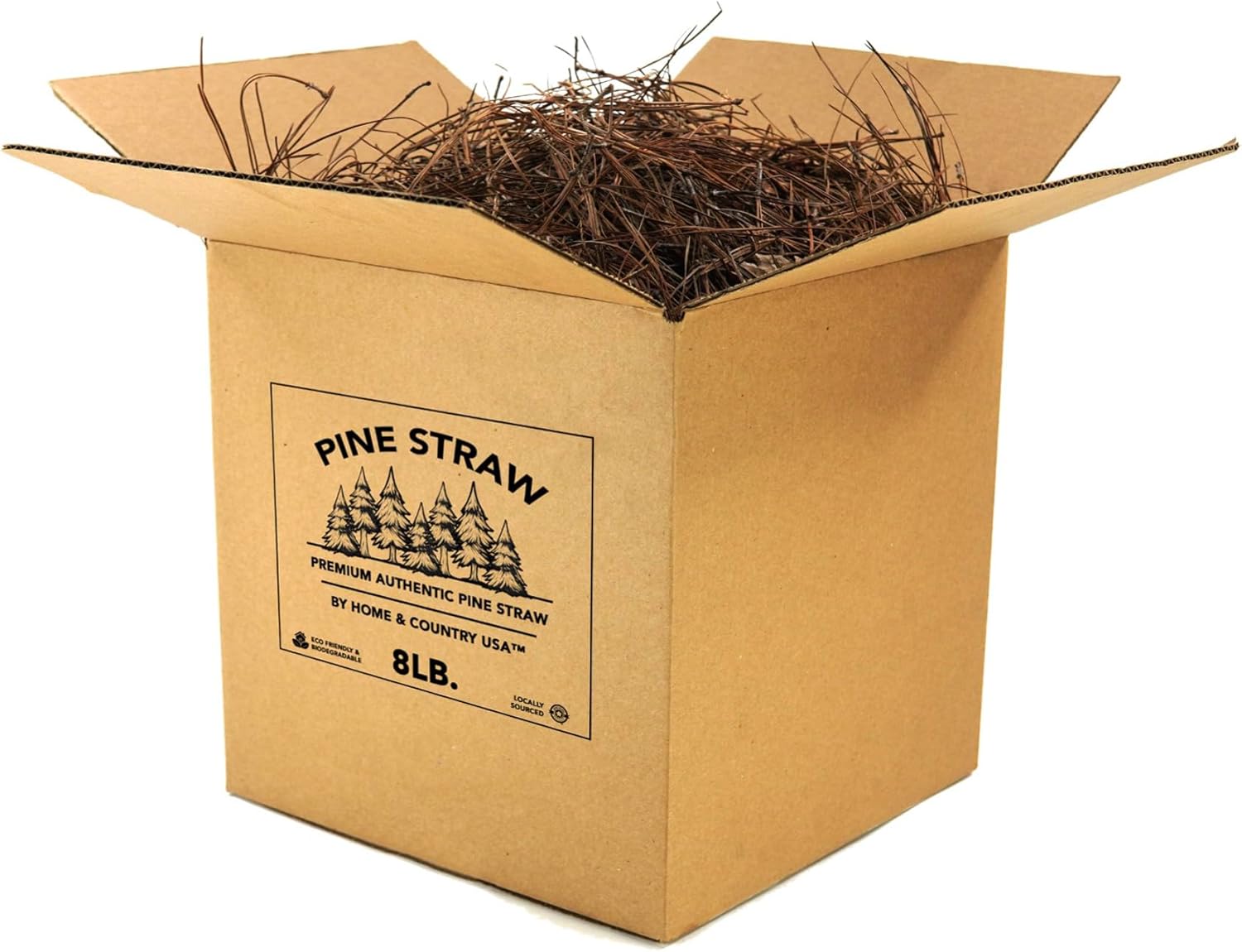
Home and Country USA Premium 8 lb Pine Straw Mulch
| Manufacturer | Home and Coutry USA |
|---|---|
| Item model number | PN8 |
| ASIN | B0CNV246RW |
This pine straw mulch comes in an 8 pound bale and is intended as a natural ground cover for landscape beds and garden areas. It is typically used as a top layer around shrubs, perennials, and vegetable plots to reduce weed germination, retain soil moisture, and give beds a tidy, rustic appearance. The product is made from pure pine needles so it breaks down slowly, adding organic matter to the soil over time without compacting like some heavier mulches. Because it is lightweight and bale-packed, it is easy to spread by hand or with a tarp and can be tucked around plant bases without damaging roots. Limitations to consider are coverage per bale compared with bulk mulch options and the need to periodically top up as the straw decomposes and thins. Also, pine straw can shift more easily on slopes than shredded bark, so extra anchoring or slightly thicker application may be needed in windy sites.
Best for: Gardeners who prioritize functional landscape performance and want a natural, easy-to-apply mulch that conserves moisture and suppresses weeds in ornamental beds and vegetable patches.
Less Ideal for: People needing heavy-duty erosion control on steep slopes or those who prefer long-lasting, inert mulches that do not change soil organic content.
- Natural pine needles that add organic matter as they decompose
- Lightweight bale format makes it easy to transport and spread by hand
- Good moisture retention to reduce watering frequency
- Effective at suppressing weeds when applied in a dense layer
- Limited coverage per 8 lb bale compared with bulk mulch bags
- Can shift on steep slopes and may require additional anchoring
Verdict: Choose this pine straw bale when you want a lightweight, natural mulch that improves soil moisture retention and suppresses weeds while adding organic matter to landscape beds.
SuperMoss Coco Mulch Small Bale (200 cu in), Natural

| Brand Name | SuperMoss |
|---|---|
| Number of Packs | 4 |
| Volume | 200 cubic inches |
| pH | 5.7 – 6.24 |
SuperMoss Coco Mulch is a small bale of coconut-based soil amendment marketed for garden beds and containers. It hydrates quickly and holds more water than many peat-based mixes, which helps keep roots moist in raised beds between waterings. Because it is pH neutral and free of common soil-borne diseases, it can be blended into existing bed soil or used as a top layer to improve aeration and crumb structure. The mini-sizes make it easy to carry and store, and the product is described as long lasting when kept dry. It is not a complete potting mix on its own for larger plantings, so plan to amend with compost or fertilizer for nutrients. Also handle with care to avoid dust inhalation during mixing. For gardeners looking for a renewable, tidy alternative to peat, this coco mulch is convenient and effective for improving moisture retention in raised beds and containers.
Best for: Gardeners who need an affordable, renewable amendment to improve moisture retention and aeration in raised beds or containers and prefer something easy to carry and store.
Less Ideal for: Large-scale vegetable growers or those who want an all-in-one potting mix without additional amendments should consider bulk coir or ready-mixed soils instead.
- High water retention compared with peat, reducing watering frequency
- pH neutral and free from common soil-borne diseases
- Compact, easy-to-store bale format suitable for small jobs and containers
- Improves aeration and root vigor when mixed into bed soil
- Not a complete, nutrient-rich potting mix and needs compost or fertilizer for feeding plants
- Small volume per bale may require multiple bales for larger raised beds
- Can produce dust during handling so light respiratory caution is advised
Verdict: A compact, renewable coco mulch that boosts moisture retention and aeration in raised beds and containers, ideal for budget-conscious gardeners who want a tidy, easy-to-store amendment.
Plantonix Coco Chips Mulch Brick (10 lb) – Compressed Coconut Husk Chips

| Unit Count | 160 Ounce |
|---|---|
| Item Type Name | Soil and Soil Amendments |
| Brand Name | plantonix |
| Volume | 15 gallons |
Plantonix Coco Chips arrive as a compact 10 pound brick that hydrates and expands into lightweight coconut husk chips for use as mulch, soil amendment, or terrarium bedding. You soak or wet the block to break it apart, then spread the chips over garden beds, containers, orchid pots, or raised beds to reduce evaporation and moderate soil temperature. The product is pre-screened, washed, and aged to remove dirt and rocks, and the low electrical conductivity and near-neutral pH make it safe to mix with potting mixes. Practical benefits include improved drainage and aeration compared with heavy wood mulches, long-lasting moisture retention that can reduce watering frequency, and an attractive tropical look. Important limitations are that you must rehydrate and break up the compressed brick before use which adds prep time, and coco chips do not supply nutrients so you will still need to fertilize regularly. Also note the safety warning about dust and keeping it away from children and pets during handling.
Best for: Buyers who prioritize reliable, consistent mulch performance and want a sustainable, low-maintenance material that retains moisture and improves soil structure for beds and containers.
Less Ideal for: Gardeners who need a nutrient-rich soil amendment or who prefer a no-prep, ready-to-spread loose mulch should consider alternatives.
- Made from 100% recycled coconut husks, a renewable alternative to peat and wood mulches
- Pre-screened and washed to remove dirt, rocks, and excess fiber
- Excellent at retaining moisture while maintaining airflow and drainage
- Lightweight and long-lasting so it does not compact like some organic mulches
- Requires soaking and manual breakup of the compressed brick before use
- Does not provide plant nutrients and should be used with a fertilizer plan
Verdict: A dependable, renewable mulch solution that holds moisture and improves aeration without compacting, ideal for gardeners who want consistent performance.
HealthiStraw GardenStraw Premium Garden Mulch, 3 cu ft

| Net volume | 3 cu ft |
|---|---|
| Intended use | Garden mulch, lawn seeding, compost-friendly |
| Material | 100% wheat straw |
| Source | Sustainably sourced, non-GMO |
HealthiStraw GardenStraw is a 3 cubic foot compressed bale of cleaned wheat straw formulated for use as garden mulch and seed protection. It is designed for vegetable, herb, flower and shrub beds where you want a lightweight, compostable mulch that retains soil moisture and suppresses weeds. The straw is processed to reduce dust and stray seeds and the short, specially cut fibers interlock when watered so the mulch stays in place without chemical tackifiers. For bushes you can apply a 2 to 3 inch layer around the drip line to cut evaporation, reduce compaction and gradually add organic matter as it breaks down. Practical benefits include easy spreading from a compressed bale, fast composting into the soil, and reduced watering needs. Limitations are that straw is less decorative than bark or wood chips and will decompose faster, so it requires periodic replenishing; it also provides less long-term weed barrier than heavier mulches. For gardeners focused on soil health and moisture conservation, it is a straightforward, low-risk choice.
Best for: Gardeners who prioritize soil health and want an easy-to-apply, compostable mulch for shrubs and mixed beds that reduces watering and improves organic matter over time.
Less Ideal for: People seeking a long-lasting, decorative mulch or a heavy-duty weed barrier for high-traffic beds should consider wood chips or stone instead.
- Cleaned, non-GMO wheat straw with reduced dust and seeds
- Fibers interlock when wetted so the mulch stays in place without binders
- Helps retain soil moisture and can reduce watering needs substantially
- Composts quickly and adds organic carbon to improve soil structure
- Decomposes faster than wood mulches so it needs topping up more often
- Less decorative and provides a lighter-duty weed barrier compared with heavier bark or rock mulches
Verdict: A clean, fast-composting straw mulch that conserves moisture and improves soil health, making it a safe, practical choice for mulching bushes.
Back to the Roots Organic Coconut Husk Mulch Block (Expands to 2 cu ft)

| Item Highlight | Compressed 10 lb coco husk mulch expands to 58 qt; peat-free; OMRI Listed |
|---|---|
| Item Type Name | Mulch |
| Brand Name | Back to the Roots |
| Volume | 2 cubic feet |
This compressed coconut husk mulch block arrives as a compact 10 lb brick that expands to roughly 2 cubic feet after adding water, making it easy to store and handle compared with bulky bags. It is OMRI listed and peat free, so gardeners can use it in vegetable beds, flower borders, and raised planters without adding peat-based material. The coarse husk chips improve surface moisture retention and aeration on the soil, which helps reduce watering frequency and supports root health. Setup is simple: break the block apart, soak, let it fluff, then spread a shallow layer around plants. Because it is lightweight when dry and made from an upcycled byproduct of coconut processing, it is a sustainable alternative to some other mulches. Limitations to note are that coconut husk mulch can float or wash away on steep slopes and may need occasional top-ups as it slowly breaks down, and its coarser texture may not form as uniform a surface as shredded bark for ornamental beds.
Best for: Gardeners who want a compact, easy-to-store organic mulch that improves moisture retention and soil aeration in vegetable beds and raised planters while prioritizing sustainable materials.
Less Ideal for: People needing a heavy, erosion-resistant mulch for steep slopes or those who want a very fine, decorative mulch finish for formal ornamental beds.
- Expands from a compact 10 lb block to about 2 cubic feet, saving storage space
- OMRI listed and peat free for organic gardening use
- Improves moisture retention and soil aeration when applied to beds and raised planters
- Made from upcycled coconut husk, offering a more sustainable option than peat
- Coarse chips can be prone to washing away on steep or exposed slopes
- Breaks down over time and requires periodic replenishing in high-traffic beds
Verdict: A space-saving, OMRI-listed coconut husk mulch block that delivers sustainable moisture retention and aeration for productive garden beds.
Choosing the Right Mulch for Landscape Beds: Key Factors to Consider
Material Composition
Different mulches are made from wood chips, shredded bark, composted organic matter, rubber, stone, or manufactured fibers. Organic materials such as wood and compost will break down and feed soil life, which can be beneficial in beds where you want to build soil over time. Inert materials like stone or rubber do not decompose, so they will not add nutrients but will last much longer and require less frequent topping.
Material composition also affects how mulch interacts with moisture and temperature. Coarse chips shed water and allow airflow at the soil surface; fine shredded mulches form a denser mat that conserves moisture better but can compact. Consider the planting palette: fine mulches suit ornamental beds with shallow-rooted perennials, while coarse or inorganic mulches are better around ornamental grasses, dry sites, or where reduced soil enrichment is desired.
Decomposition and Soil Impact
How quickly a mulch breaks down determines how often you will need to replenish it and whether it will change soil nutrient dynamics. Fast-decomposing materials like compost and leaf mulch release nutrients and improve soil structure, but they also shrink and need topping more often. Slow-decomposing bark or hardwood chips provide longer-lasting cover but will eventually contribute carbon to the soil and slightly alter nitrogen availability as microbes process the material.
Consider plant needs and maintenance rhythm. For beds with young shrubs or annuals where you want regular soil improvement, a renewable organic mulch is useful. For low-maintenance foundation beds or areas where you want stable cover for several years, choose a mulch with a slower breakdown rate or an inorganic option.
Moisture Control and Temperature Moderation
Mulch greatly influences how much water reaches plant roots and how soil temperatures fluctuate. A well-chosen mulch reduces evaporation, keeping roots cooler in summer and insulating them in winter. Denser mulches hold moisture longer, which helps drought-prone gardens but can increase the risk of crown rot in poorly drained sites. Lighter, coarser mulches dry faster and are better where excess moisture is a concern.
Think about irrigation and drainage before selecting a mulch. If you irrigate frequently, choose a mulch that allows water penetration without forming a hydrophobic layer. In regions with freezing winters, insulating mulches can protect roots, but you may want to thin them near trunks and crowns to avoid creating habitat for rodents.
Weed Suppression and Installation Depth
Effective weed control depends on mulch type and proper layer thickness. Most organic mulches provide good suppression at two to four inches; finer materials may require a slightly deeper layer to prevent light penetration. Inorganic mulches like stone suppress weeds by blocking light but can allow weed growth in pockets if not installed with a stable base or weed barrier.
Installation technique matters: avoid piling mulch against stems and trunks, and maintain a consistent depth. A fabric barrier can improve suppression with heavier mulches but may interfere with water infiltration or root expansion in some cases. Plan for seasonal maintenance, as mulches settle and thin over time.
Aesthetic and Landscape Compatibility
Mulch is a major visual element in a landscape, helping define beds and complement plants and hardscapes. Color, texture, and particle size should match the design intent. Dark, fine mulches create a formal, uniform look that highlights foliage, while coarse chips offer a rustic texture. Stone provides a modern or xeriscape aesthetic and pairs well with drought-tolerant plantings.
Consider long-term appearance: some dyes fade rapidly, while natural materials change color as they age. Also think about interaction with lawn edges, foot traffic, and pathways. Choose a look that tolerates expected maintenance and delivers the visual effect you want across seasons.
Practical Handling and Safety
How easy a mulch is to transport, spread, and manage affects project time and labor. Bulk bagged or palletized materials simplify delivery for larger jobs; loose or fine materials generate more dust and can be messier to spread. Some mulches may stain hard surfaces or clothing, and certain types can float and wash into drains during heavy rain.
Safety and environmental concerns also matter. Avoid materials that may contain contaminants or treated wood in settings where food crops are nearby. If runoff or drainage is an issue, choose a mulch that resists movement and consider edging to keep material in place.
Best Mulch Choices by Garden Situation
Different landscape beds call for different mulches. For perennial borders and planting islands where soil building is desired, composted organic mulches enrich the soil as they break down. For foundation beds near walkways and turf, choose a stable, coarse mulch that resists compaction and keeps mulch out of touching plant stems. In dry or rock gardens, stone or gravel can provide long-term coverage without altering soil chemistry. Match the material to bed function and expected maintenance intervals.
- Perennial borders: composted organic or shredded bark for soil improvement
- Foundation beds: coarse chips or engineered wood products for stability
- Xeriscapes and dry beds: stone, gravel, or crushed rock for longevity
- High-traffic edges: durable inorganic options or tightly packed coarse mulch
Applying Mulch Correctly
Lay mulch to an even depth appropriate for the material, usually 2 to 4 inches for organic mulches and a shallower layer for dense fines. Keep mulch pulled back a few inches from tree trunks and shrub stems to reduce moisture-related disease and pest hiding places. Use a rake or gloved hands to feather mulch toward edges so it does not make a sharp berm that channels water.
- Measure depth in multiple places; avoid over-application
- Replenish thin spots each season rather than adding heavy layers
- Avoid compacting mulch by stepping or packing it down
Color and Dye Considerations
Colored mulches can provide a consistent aesthetic but may fade unevenly and sometimes contain dyes that run when new. Natural mulches age to a muted tone that many designers prefer. If consistent color is important, test a small area or choose materials known for stable hues. Remember that plantings and soil moisture will influence perceived color over time.
- New dyed mulches may bleed color when wet
- Natural materials change color gradually and often look more integrated over time
- Consider long-term maintenance when choosing for visual impact
Seasonal Maintenance and Topdressing
Plan annual or biennial maintenance depending on decomposition rate and visual goals. Light topdressing replaces what has broken down without burying plants. In spring, refresh beds after cleanup to restore insulation and weed suppression. In regions with heavy winter precipitation, check beds after storm seasons and repair washed areas before planting season.
- Schedule topdressing for spring or late fall
- Rake out compacted mulch and replace with fresh material as needed
- Inspect for pests or disease signs when refreshing mulch
Mulch and Watering Practices
Mulch changes how much and how often you should water. Mulched beds typically need less frequent irrigation because evaporation is reduced. However, overly deep or hydrophobic mulches can block water from penetrating. Use a soil probe or hand test to confirm moisture at root depth before adjusting irrigation schedules.
- Reduce irrigation frequency but check soil moisture regularly
- Avoid hydrophobic layers by turning or loosening mulch if water runs off
- Water before applying dry mulch to help settle it in place
How We Chose the Best Mulch for Landscape Beds
We focused on properties that matter in real landscape bed use rather than marketing claims. Our selection criteria emphasized long-term physical stability in beds, the ability to suppress weeds and reduce evaporation, and the impact on soil structure and nutrient cycling. We also evaluated how each mulch performs visually and how it weathers over a gardening season, including color retention and tendency to float or wash out. Practical handling matters, so we considered ease of spreading, dust and debris, and compatibility with common bed edging and lawn interfaces. Durability and decomposition rate were included to indicate how often beds will need topping up. We excluded products intended primarily for playgrounds, potting mixes, or erosion-control blankets that do not suit planting beds. The final list reflects materials that balance low maintenance with genuine benefits to plants and soil biology.
FAQ
How deep should mulch be in landscape beds?
Most organic mulches perform well at two to four inches. Depths in that range suppress weeds and conserve moisture without suffocating roots. Adjust depth slightly for material type and plant species, and avoid piling mulch against stems.
Will mulch attract pests or rodents?
Mulch can provide cover that some pests use. Coarse, well-aerated mulches are less inviting than dense layers that stay moist. Keep mulch pulled back from trunks and avoid excessive depth to reduce the likelihood of pest habitat.
Can I put new mulch over old mulch?
You can topdress thin, decomposed mulch with a fresh layer rather than removing it entirely. If the old layer is compacted, matted, or heavily infested with weeds, rake it out before adding new material to ensure good water infiltration and reduce disease risk.
Is dyed mulch safe for plants and soil?
Most commercially dyed mulches use pigments designed for landscaping and do not harm plants when used properly. However, new dyed mulch can leach color when wet, and some gardeners prefer undyed materials to avoid potential unknown additives. If you have edible plantings nearby, choose plain, untreated organic mulches for safety.
When is the best time to apply mulch?
Apply or refresh mulch in spring after soil has warmed and beds are cleaned, or in late fall to provide insulation before winter. Avoid heavy application in damp conditions that can trap excess moisture; aim for even coverage and proper depth.
Final Verdict
Pick a mulch that fits the function of each bed rather than forcing one material across the entire landscape. Prioritize moisture control, decomposition rate, and installation practicality based on whether you want soil building or long-term coverage. Expect tradeoffs between longevity, soil benefits, and visual character. With the right match and simple seasonal upkeep you can reduce weeds, conserve water, and improve plant health in your landscape beds.
