

Note: This article contains affiliate links. If you click on these links and make a purchase, I may earn a small commission at no extra cost to you. This helps support my research and content. Read my full affiliate disclosure here.
Choosing the right plant food for houseplants matters because indoor containers have limited soil volume and plants rely on you for steady nutrition. The wrong formula or feeding schedule can lead to leggy growth, nutrient imbalances, or burnt roots. This guide covers seven shortlisted plant foods for houseplants tuned to the needs of common indoor species. We evaluated options by nutrient composition, application method, and how forgiving they are for typical indoor conditions. Read on to find plant foods that match your routine and the types of houseplants you grow.
Top Picks at a Glance
| Best Overall The best all-around choice for most situations | Miracle-Gro Watering Can Singles All Purpose Plant Food, 24 Packets |  |
| Best Quality Built to a higher standard if you want something more solid | Dyna-Gro Foliage Pro 32 oz Liquid Plant Fertilizer | 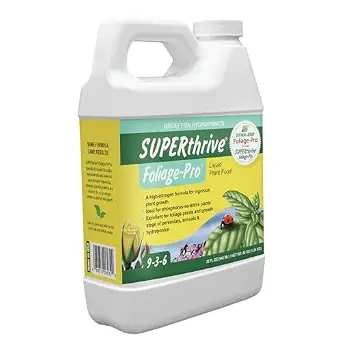 |
| Best Value The sweet spot between price and what you get | Purived All-Purpose Liquid Plant Fertilizer, 16 oz |  |
| Best Budget The cheapest option that still gets the job done reliably | Jobe's Organics Houseplant Fertilizer Spikes, 50 Count |  |
| Highest Rated A top-rated pick with lots of positive feedback | Miracle-Gro Water Soluble All Purpose Plant Food, 1.5 lb |  |
| Most Popular A crowd favorite that many people choose with confidence | Miracle-Gro Indoor Plant Food for All Plants, Liquid, 8 fl. oz. (2-Pack) |  |
| Best Seller A high-volume bestseller chosen again and again | TPS Nutrients Indoor Plant Food Liquid Fertilizer, 8 oz |  |
Miracle-Gro Watering Can Singles All Purpose Plant Food, 24 Packets

| Number of Packs | 24 |
|---|---|
| Item Form | SOLID |
| Application Method | watering can |
| Mixing Ratio | 1 teaspoon per 1 gallon of water |
Miracle-Gro Watering Can Singles are single-use, pre-measured packets of water-soluble all-purpose fertilizer intended to be mixed into a watering can and applied while watering houseplants or outdoor containers and beds. Each packet dissolves in water and supplies a balanced nutrient boost recommended every 7 to 14 days, making it easy to feed plants without measuring or spills. Typical use is tearing a packet into 1–2 gallons of water depending on indoor or outdoor plants, then applying roughly 1 gallon of solution per 10 sq. ft. of garden or to container soil. Notable features include convenience of 24 pre-measured packets, compatibility with a wide range of species from flowers and vegetables to trees and houseplants, and a label mixing ratio to avoid overfeeding. Practical benefits are time saved, consistent dosing, and instant nutrients that support active growth. Limitations are that the product is an all-purpose formulation so it is not tailored to specific needs like bloom boosters or acid-loving plants, and repeated frequent feedings are required during the growing season to maintain results.
Best for: For houseplant owners who want a quick, reliable way to feed a variety of indoor plants while they water and prefer a no-mess, consistent dosing approach.
Less Ideal for: Not the best choice for growers seeking specialty formulas for blooms, fruit production, or specific soil pH preferences or for those who prefer slow-release feeding.
- Pre-measured packets remove measuring and reduce mess when feeding plants
- Water-soluble formula works instantly when mixed into a watering can
- Suitable for a wide range of plants including houseplants, vegetables, flowers, shrubs and trees
- Clear, simple directions for indoor and outdoor dilution make correct dosing easy
- All-purpose formula is not specialized for flowering, fruiting, or acid-loving plants
Verdict: If you want a simple, no-mess way to feed a wide range of houseplants while you water, these pre-measured Miracle-Gro packets make it fast and consistent.
Dyna-Gro Foliage Pro 32 oz Liquid Plant Fertilizer

| Item Form | Liquid |
|---|---|
| Specific Uses For Product | indoor plant care, greenhouse production, and low light environments |
| Application Method | Mix with water |
| Mixing Ratio | 3:1:2 or 9-3-6 |
Dyna-Gro Foliage Pro is a concentrated liquid fertilizer designed as a complete nutrient source for tropical foliage and common indoor plants. It mixes with water and can be used as the sole feed in soil or hydroponic setups, with the label recommending a 3:1:2 or 9-3-6 mixing ratio to match plant needs. In practice it encourages leafy growth, stronger stems, and richer leaf color thanks to its foliage-focused NPK balance, and its liquid form makes it easy to apply during regular watering. The formula is versatile for greenhouse production and low-light interiors where steady nutrition matters. Expect reliable, steady results rather than instant dramatic changes; you still need to follow dilution guidance and schedule to avoid overfeeding. The product comes in a pint/quart-sized bottle that is easy to measure and store, but users should wear basic protection when handling concentrate and keep it away from children and pets.
Best for: Plant owners who prioritize steady, performance-oriented foliage results and want a single liquid feed they can rely on for indoor and greenhouse plants.
Less Ideal for: Growers who need a bloom-boosting or high-phosphorus feed for flowering and fruiting plants should choose a fertilizer formulated for blooms instead.
- Balanced foliage-focused NPK (3:1:2) tuned for leaf growth and coloration
- Liquid concentrate that mixes easily with water for consistent feeding
- Suitable as a sole nutrient for both soil and hydroponic systems
- Works well in low-light and greenhouse environments where steady nutrition is needed
- Requires careful dilution and regular scheduling to avoid nutrient buildup
- Not formulated for heavy-flowering or fruiting requirements where different NPK is preferred
Verdict: If you want a dependable, foliage-focused liquid fertilizer that can serve as a single feed for indoor and greenhouse plants, this is a strong choice.
Purived All-Purpose Liquid Plant Fertilizer, 16 oz

| Item Form | Liquid |
|---|---|
| Application Method | soil drench, foliar feed, full & semi hydroponics |
| Target Species | Houseplants |
| Mixing Ratio | 320:1 |
| Unit Count | 16 Fluid Ounces |
Purived All-Purpose Liquid Plant Fertilizer is a concentrated 16 oz liquid designed to feed indoor potted plants by soil drench, foliar spray, or hydroponic use. One capful mixes with a gallon of water at the listed 320:1 ratio, so a single bottle yields a large volume of nutrient solution for regular feeding. The formula contains primary nutrients plus a range of micronutrients such as iron, magnesium, zinc, and boron, so it supports foliage color and general growth without a noticeable odor. It is easy to use for weekly or biweekly feedings and is suitable for novice to experienced houseplant keepers who want a single product for different application methods. Important limits are that strength must be measured by following the mixing directions to avoid overfeeding and that safety precautions are required around children and pets. The product is versatile and space efficient for someone who prioritizes value and straightforward maintenance, but it does rely on the user to dose consistently for best results.
Best for: Buyers who want a single, cost-effective fertilizer to simplify regular feeding of a mixed collection of houseplants and prefer a product that works across soil and hydroponic setups.
Less Ideal for: Specialist growers who need stage-specific or crop-specific nutrient blends or people who prefer pre-mixed, ready-to-use sprays.
- Highly concentrated so one 16 oz bottle makes up to 50 gallons of feed solution
- Suitable for soil drench, foliar feed, and full or semi hydroponic systems
- Contains a broad mix of macro and micronutrients for general houseplant health
- Odorless formula and made in the USA
- Requires careful dilution to avoid nutrient burn
- Not formulated for specific plant stages or specialist nutrient needs
Verdict: A concentrated, versatile feed that gives houseplant owners an economical, single-solution fertilizer for routine feeding across soil and hydroponic systems.
Jobe's Organics Houseplant Fertilizer Spikes, 50 Count

| Unit Count | 50 Count |
|---|---|
| Application Method | Insert spikes into soil |
| Item Form | Granules, Liquid, Sticks |
| Target Species | Houseplant |
| Mixing Ratio | 13-4-5 |
Jobe's Organics fertilizer spikes are pre-measured, slow-release sticks you insert directly into potting soil to feed indoor flowering and foliage houseplants. Each pack includes 50 spikes formulated at 13-4-5 NPK, designed to supply nutrients at the roots for roughly 60 days before replacement. Use is straightforward: push the recommended number of spikes into the soil around the root zone and forget them until the next application. The spikes eliminate mixing, reduce mess and runoff, and help prevent accidental overfeeding because each spike contains a set dose. For small pots and casual plant owners this delivers consistent feeding with minimal effort, especially where you want steady bloom and leaf color without daily attention. Limitations are the fixed nutrient ratio and dosing schedule so you cannot fine-tune feeding for specific species or correct nutrient imbalances quickly, and spikes may be less practical for very large containers or heavy feeders that need more frequent or soluble feeding.
Best for: A practical, budget-minded houseplant owner who prefers low-effort, scheduled feeding and wants reliable bloom and foliage maintenance without mixing fertilizers.
Less Ideal for: Enthusiasts who need customizable nutrient ratios, rapid corrective feeding, or who primarily care for very large or heavy-feeding plants.
- Pre-measured slow-release spikes remove mixing and reduce mess
- Continuous root-zone feeding for about 60 days per application
- Formulated 13-4-5 NPK suited to flowering and foliage development
- Pack of 50 provides multiple applications for several small plants
- Fixed NPK ratio and dose cannot be adjusted for individual plant needs
- Not ideal for very large pots or plants requiring frequent soluble feeding
Verdict: If you want an inexpensive, no-mess way to provide steady root-zone nutrition to multiple houseplants, these pre-measured spikes are a simple and reliable choice.
Miracle-Gro Water Soluble All Purpose Plant Food, 1.5 lb

| Item Form | Powder |
|---|---|
| Application Method | Watering Can |
| Target Species | All flowers, vegetables, trees, shrubs and houseplants |
| Mixing Ratio | 24-8-16 |
Miracle-Gro Water Soluble All Purpose Plant Food is a powdered fertilizer you mix with water and apply with a watering can or compatible garden feeder to feed houseplants, flowers, vegetables, shrubs and trees. It dissolves quickly so nutrients reach roots fast, making it useful when you want visible improvement within weeks rather than waiting for granular products. The included dosing guidance separates indoor and outdoor measurements to reduce the risk of overfeeding and the formula is designed to be safe when used as directed. For houseplants you use the small scoop and feed about every two weeks, which fits well into a routine for busy plant owners. Limitations to note are that this is a high-nitrogen general formula so it prioritizes leafy growth over bloom-specific feeding, and it provides short-term soluble nutrition rather than long-lasting soil amendment. If you prefer slow-release feeding or need a bloom booster or acidifying formula, you will want a different product.
Best for: Houseplant owners who want a reliable, easy-to-use feed that produces quick visible results and fits into a biweekly watering routine.
Less Ideal for: Growers who prefer long-term slow-release fertilizers, need specialized bloom-boost or acidifying formulas, or want single-application season-long feeding.
- Fast-acting water-soluble powder that delivers nutrients to roots quickly
- Clear dosing instructions for indoor and outdoor use to reduce risk of burning
- Designed for use on a wide range of plants including houseplants and vegetables
- Small container size is convenient for storage and occasional indoor feeding
- High nitrogen ratio favors leaf growth over flowering in some plants
- Provides short-term feeding and does not act as a slow-release soil conditioner
Verdict: A dependable, fast-acting soluble plant food that makes biweekly feeding of houseplants simple and effective.
Miracle-Gro Indoor Plant Food for All Plants, Liquid, 8 fl. oz. (2-Pack)

| Item Form | Liquid |
|---|---|
| Application Method | Apply directly to soil or mix with water |
| Target Species | Houseplants |
| Liquid Volume | 8 fluid ounces |
| Mixing Ratio | 4 pumps per 1 quart of water |
Miracle-Gro Indoor Plant Food is a ready-to-use liquid fertilizer designed for potted houseplants, herbs, flowers and indoor vegetables. It is typically dispensed by pumping into a quart of water (manufacturer recommends 4 pumps per quart) or applied directly to soil and then watered in, and is intended for use every two weeks. Notable features include a pump-dispense bottle for measured dosing and an all-purpose NPK formulation aimed at instant feeding. In practice the product makes a convenient part of a routine watering schedule, promoting fuller growth compared with unfed plants when used as directed. The two-bottle bundle helps keep a steady supply for an indoor collection. Limitations are that the listing does not give a detailed NPK ratio on-pack here and the small 8 fl. oz. bottles will be used up quickly on larger collections or frequent feedings, so growers with many or large containers may need larger-volume options or complementary products for specific plant groups like orchids or succulents.
Best for: Houseplant owners who want a simple, reliable liquid fertilizer to add to their regular watering routine and prefer products backed by broad use and customer familiarity.
Less Ideal for: Specialist growers who need precise NPK ratios or large-volume supply for many or large containers should consider concentrated or bulk professional fertilizers instead.
- Convenient pump dispenser for measured dosing and easy mixing.
- Formulated for a broad range of indoor plants so one product covers most houseplant needs.
- Feeds instantly when mixed with water or applied to soil, integrating with regular watering.
- Sold as a two-bottle bundle to maintain a supply for routine fortnightly feedings.
- No detailed NPK ratio provided in the visible product details on this listing.
- Small bottle size can require frequent repurchasing for larger collections.
Verdict: A fuss-free, pump-dispense liquid plant food that makes fortnightly feeding simple for most houseplant collections.
TPS Nutrients Indoor Plant Food Liquid Fertilizer, 8 oz

| Item Form | Liquid |
|---|---|
| Application Method | Watering can |
| Unit Count | 8 Fluid Ounces |
| Mixing Ratio | 1 tbsp per 32 oz (1:64) |
This TPS Nutrients indoor plant food is an 8 ounce liquid concentrate designed for weekly or regular feeding of houseplants. You mix a tablespoon into 32 ounces of water and apply it with your usual watering can, which makes it easy to fold into an existing watering routine. The formula is kelp-enriched and claims to promote vibrant leaves, steady new growth, and stronger roots, so it is aimed at improving foliage color and overall plant vigor rather than acting as a corrective treatment. Because it is liquid and concentrated it covers medium-sized collections efficiently and allows more precise dosing than granular options. Important limitations are its small bottle size if you have many plants and the need to follow dilution instructions carefully to avoid overfeeding; it is not a one-off soil amendment. Also it is formulated specifically for indoor species, so outdoor or specialized-schedule plants may need different feeding plans.
Best for: A cautious indoor plant owner who wants a simple, easy-to-dose fertilzer to maintain houseplant vigor and foliage color without complex feeding schedules.
Less Ideal for: Large collections or growers needing long-term bulk supply or fertilizers for outdoor, fruiting, or high-demand plants should consider higher-volume or specialized products.
- Liquid concentrate mixes easily for straightforward weekly feedings
- Kelp-enriched formula aimed at improving leaf color and encouraging new growth
- Simple watering-can application fits into normal indoor plant care routines
- Clear dilution instructions reduce guesswork when used as directed
- Small 8 oz bottle may require frequent replacement for larger plant collections
- Not formulated for outdoor plants or specialized fertilizer schedules
Verdict: A simple, kelp-enriched liquid concentrate that makes weekly feeding of houseplants easy and reliable.
Choosing the Right Plant Food for Houseplants: Key Factors to Consider
Nutrient Balance and NPK Ratio
The ratio of nitrogen, phosphorus, and potassium influences foliage growth, flowering, and root development. For most leafy houseplants you will favor formulations higher in nitrogen to support lush green growth. Flowering indoor species need a more balanced or slightly higher phosphorus component when preparing to bloom.
Because pots have limited soil, concentrated or high-NPK feeds can quickly cause salts to build up. Choose plant foods with an NPK ratio appropriate for the type of plants you keep, and follow dilution guidance to avoid overfeeding.
Micronutrients and Chelation
Micronutrients like iron, magnesium, manganese, and boron prevent common indoor deficiencies that show as yellowing, interveinal chlorosis, or poor growth. Chelated forms of micronutrients stay available in a range of potting mixes and pH levels typical for houseplants.
Look for feeds that include a balanced suite of trace elements and specify chelation where possible. That reduces the chance of mild deficiencies after months of regular watering.
Formulation and Application Method
Plant food for houseplants comes as a water-soluble concentrate, ready-to-use spray, slow-release granule, or tablet. Soluble concentrates and sprays let you control dosing and frequency precisely, which matters for mixed collections of plants. Slow-release options reduce application frequency but can be harder to adjust if a plant shows signs of stress.
Consider how often you want to feed, whether you prefer monthly dosing or a quick foliar spray, and whether the product mixes cleanly without leaving residue that clogs sprayers or drips onto furniture.
Salt Buildup and Root Health
Repeated fertilizing in confined pots can cause salts to accumulate in the root zone and on the soil surface, which leads to tip burn and reduced water uptake. Some formulations are more prone to salt buildup than others depending on salt index and recommended dilution.
To manage risk, choose plant foods with lower salt index or use shallow, regular leaching during watering to flush excess salts. Also factor in pot size and drainage: small, dense mixes need gentler feeding schedules than larger, well-draining containers.
Safety for Indoor Environments
Indoor plant feeds should be safe to mix and apply around family, pets, and household surfaces. Avoid products that release strong fumes or require solvents. Clear labeling, non-toxic ingredients where possible, and easy-to-follow safety instructions matter more indoors than in an open garden.
If you have pets that nibble foliage, consider grub-safe formulations or keep recently fed plants out of reach until the feed has fully dried or been absorbed.
Compatibility With Potting Mix and Water Quality
Potting mixes and local water chemistry affect how plant food behaves. Hard water can react with certain nutrients, causing precipitation or reducing availability. Similarly, mixes with high organic content may bind micronutrients differently than inert mixes.
Match your feed to your typical water and soil conditions. Water-soluble fertilizers that dissolve fully and state compatibility with a range of water hardness levels are easier to use across multiple pots.
When To Feed Different Houseplant Types
Feeding schedules vary by plant habit and season. Most tropical foliage plants benefit from regular, moderate feeding during active growth in spring and summer and reduced or no feeding in winter when growth slows.
Flowering houseplants generally need a boost of phosphorus and potassium during bud formation and bloom. Succulents and cacti prefer much lighter feeding at lower frequencies and dilutions because they store nutrients and are prone to salt stress in small pots.
- Tropical foliage: steady, balanced feeding through growing season
- Flowering species: switch to bloom-supporting ratios when buds form
- Succulents: low-dose, infrequent feeds to avoid root burn
- Newly potted plants: wait several weeks before beginning routine fertilizing
How To Apply Plant Food Without Overdoing It
Measure and dilute exactly according to indoor guidelines rather than garden-strength instructions. For concentrated feeds, it is common to use half or quarter strength on potted houseplants. When in doubt, start with a gentler concentration and watch for response over two to three feed cycles.
Flush pots lightly every few months by saturating the soil until water runs from drainage holes. This leaches built-up salts from regular feeding and helps avoid tip scorch and slow decline.
- Use a calibrated measuring device for concentrates
- Record feed dates and concentrations to spot trends
- Rinse foliage if foliar sprays drip onto furniture
Adjusting Feeding for Light and Growth Rate
Plants in bright, direct light grow faster and will use nutrients more quickly than those in low light. Match feeding intensity to growth rate: increase frequency for vigorous plants and reduce it for slow growers or those kept in dimmer spots.
If a plant shows pale leaves or reduced growth despite regular feeding, reassess light levels before increasing fertilizer. Improving light is often more effective than upping nutrient applications.
- Bright light + active growth = higher feeding frequency
- Low light = reduced feeding and conservative doses
- Watch for signs of over-fertilizing such as leaf tip browning
Practical Storage and Handling Tips
Store concentrates in a cool, dry place away from direct sunlight. Keep granules or tablets in sealed containers to prevent moisture uptake. Proper storage preserves product solubility and dosing accuracy.
Label any decanted solutions with date and dilution. Discard mixed solutions after the recommended window to avoid microbial growth and reduced effectiveness.
- Keep out of reach of children and pets
- Avoid contaminating measuring tools with garden soil or compost
- Clean sprayer nozzles and measuring syringes after use
Common Indoor Nutrient Deficiencies and Quick Fixes
Yellowing between veins often indicates iron deficiency, while uniform pale leaves suggest nitrogen shortage. Magnesium deficiency can show as interveinal yellowing on older leaves. Identifying the symptom pattern helps you choose an appropriate corrective feed or foliar spray.
Quick fixes include a balanced, water-soluble boost at a reduced strength for general pale growth, or a targeted micronutrient treatment when symptoms point to a specific deficiency. Always test corrective steps on a small portion of the plant to avoid overcorrection.
- Iron chlorosis: treat with a chelated iron supplement or adjust pH
- Nitrogen shortage: low-dose nitrogen-rich feed
- Magnesium issue: Epsom salt foliar spray or soil application at safe rates
How We Chose the Best Plant Food for Houseplants
We focused on product attributes that actually affect plant health in indoor settings. Key evaluation criteria included nutrient formula and NPK balance tuned for foliage and flowering houseplants; micronutrient content and chelation for common indoor deficiencies; application method and dosing flexibility for potted containers; and safety for typical indoor situations including pet- and child-aware households. We also considered solubility and tendency to salt up in small pots, the clarity and reliability of dosing directions, and how easy it is to correct over- or under-feeding. Products that required complex mixing or specialized equipment scored lower for most indoor gardeners. We excluded fertilizers designed exclusively for outdoor landscapes, bulk agricultural formulations, and slow-release products sized only for large outdoor beds because their behavior in small indoor pots differs substantially. The shortlist reflects what gardeners actually need on a windowsill or in a living room: manageable dosing, balanced nutrition, and minimal risk of root burn or salt accumulation.
FAQ
How often should I feed my houseplants?
It depends on plant type and growth rate. Many growers feed a light solution every two to four weeks during the growing season and stop or reduce feeding in winter. Succulents and slow growers need much less frequent feeding.
Can I use outdoor garden fertilizer on indoor potted plants?
Garden fertilizers often have higher concentrations and salt indices suited for larger outdoor soils. They can be used if diluted heavily, but indoor-specific formulations or lower-strength mixes are safer for small pots and reduce risk of salt buildup.
What is the safest way to correct a suspected nutrient deficiency?
Confirm the symptom pattern and check cultural factors like light and watering first. Use a targeted, diluted supplement or a balanced water-soluble feed at half strength and monitor for improvement over a few weeks rather than increasing dosages quickly.
Are foliar feeds effective for houseplants?
Foliar applications can provide a quick nutrient boost, especially for micronutrients like iron. They are a short-term fix and should complement, not replace, proper soil-based feeding and pot maintenance.
Will slow-release pellets work for all houseplants?
Slow-release products reduce application frequency but may not suit sensitive or small-rooted plants that are prone to salt buildup. They are best for larger pots and stable plant collections where feeding adjustments are seldom needed.
Final Verdict
Choose plant food for houseplants based on the types of plants you keep, the light levels they receive, and how much maintenance you want to do. Prioritize nutrient balance, low salt index, and an application method that fits your routine. If you are unsure, start with a mild, water-soluble feed and observe plants closely for improved vigor or signs of stress. Adjust concentration and frequency rather than switching products frequently to find the right match for your indoor collection.
