

Note: This article contains affiliate links. If you click on these links and make a purchase, I may earn a small commission at no extra cost to you. This helps support my research and content. Read my full affiliate disclosure here.
Picking the right plant food for roses makes a real difference in bloom count, bloom size, and the shrub's winter resilience. Roses respond to specific nutrient balances and feeding rhythms, so the fertilizer you choose should match your pruning cycle, soil type, and whether you want quick green-up or longer-term soil improvement. This guide covers seven shortlisted plant foods for roses selected for different garden situations, from small patio bushes to large landscape specimens. We evaluate each option on nutrient formulation, feeding frequency, ease of application, and how it affects soil health, so you can pick the one that fits your planting plan.
Top Picks at a Glance
| Best Overall The best all-around choice for most situations | Miracle-Gro Shake 'N Feed Rose & Bloom Plant Food, 4.5 lb |  |
| Best Quality Built to a higher standard if you want something more solid | BioAdvanced All-in-One Rose and Flower Care Granules, 64 oz |  |
| Best Value The sweet spot between price and what you get | Scotts Rose & Bloom Continuous Release Plant Food, 3 lb |  |
| Best Budget The cheapest option that still gets the job done reliably | Jobe's Rose Fertilizer Spikes (10 Count) |  |
| Highest Rated A top-rated pick with lots of positive feedback | Espoma Organic Rose-Tone 4-3-2 Organic Rose Fertilizer, 18 lb. Bag (2 Pack) |  |
| Most Popular A crowd favorite that many people choose with confidence | Miracle-Gro Water Soluble Rose Plant Food, 1.5 lb |  |
| Best Seller A high-volume bestseller chosen again and again | Miracle-Gro Watering Can Singles All Purpose Plant Food, 24 Packets | 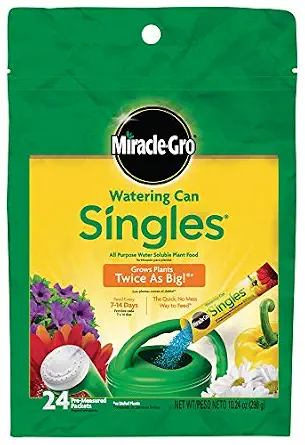 |
Miracle-Gro Shake 'N Feed Rose & Bloom Plant Food, 4.5 lb

| Item Form | Granules |
|---|---|
| Coverage | 4.5 pounds |
| Target Species | roses and flowering plants |
| Unit Count | 72 Ounce |
Miracle-Gro Shake 'N Feed Rose & Bloom is a granular, continuous‑release fertilizer designed to boost blooms on roses and other flowering plants. You apply it by shaking the granules onto dry soil, working them in, and watering to activate feeding; one application is intended to last up to three months. The formula includes natural ingredients such as kelp, bone meal, feather meal, and worm castings to support soil microbes and root development, which can improve water efficiency and flowering compared with unfed plants. It works for in‑ground beds and container plants, making it convenient for mixed garden setups. Practical benefits are low maintenance, predictable feeding cadence, and a reduced risk of burning when used as directed. Limitations are that it provides a general rose/flower nutrient balance rather than a high‑phosphorus bloom booster targeted at specific bloom phases, and granules require reapplication every season to maintain results rather than providing instant foliar feeding.
Best for: Gardeners who want a low‑maintenance, reliable fertilizer to improve blooms on roses and mixed flower beds without frequent feeding.
Less Ideal for: Growers seeking rapid foliar feeding or a specialized high‑phosphorus bloom formula for peak bloom timing should consider liquid bloom boosters or targeted fertilizers instead.
- Continuous release feeds up to three months from one application
- Contains natural amendments (kelp, bone meal, feather meal, worm castings) to support soil biology
- Easy application for both in‑ground and container flowering plants
- Formulated specifically for roses and a range of flowering species
- Not a fast‑acting foliar feed so results appear gradually
- Not formulated as a specialty high‑P bloom booster for peak flowering phases
Verdict: A simple, low‑maintenance granular fertilizer that reliably feeds roses and flowering plants for up to three months per application.
BioAdvanced All-in-One Rose and Flower Care Granules, 64 oz

| Unit Count | 64 Ounce |
|---|---|
| Item Form | Granules |
| Target Species | Insects |
| Specification Met | EPA |
BioAdvanced All-in-One Rose and Flower Care delivers fertilizer, insect control, and disease protection in a single granular product designed for roses and flowering shrubs. You apply the granules around the plant base (pull back mulch first) and the systemic ingredients are taken up by the roots so there is no spraying and protection remains effective through rain for as long as six weeks. The formula supplies nitrogen, phosphate, and potash to support stronger roots and better blooms while acephate and tebuconazole provide control of listed pests such as aphids and leafhoppers and suppression of common fungal problems like black spot and powdery mildew. Practical benefits include easy, targeted application, multi-week residual control, and reduced need for separate spray treatments. Important limitations are that it is a chemical treatment with registered active ingredients so users should follow label directions and local restrictions, and the protection is limited to the insects and diseases listed on the label rather than broad, unconditional control.
Best for: Gardeners who prioritize strong, reliable performance and want a single product to feed roses while preventing common insects and fungal diseases with minimal ongoing effort.
Less Ideal for: Organic gardeners or those seeking entirely nonchemical or broader-spectrum integrated pest management solutions should consider alternative organic fertilizers and targeted biological controls.
- Three-in-one formula (fertilizer, insect control, fungicide) simplifies rose care
- Systemic granules provide rainproof protection for up to six weeks after application
- Easy, no-spray application applied around the plant base
- Nutrient analysis includes nitrogen, phosphate, and potash to promote blooms and root growth
- Contains synthetic active ingredients that require careful adherence to label instructions and local use restrictions
- Protection covers only listed pests and diseases rather than every possible rose problem
Verdict: Buy this if you want a single, easy-to-apply product that feeds roses and provides multi-week systemic control of listed pests and common fungal diseases.
Scotts Rose & Bloom Continuous Release Plant Food, 3 lb

| Item Form | Granules |
|---|---|
| Mixing Ratio | 12-4-8 |
| Target Species | Roses, annuals, perennials |
| Coverage | Medium |
| Unit Count | 48 Ounce |
Scotts Rose & Bloom is a straightforward granular plant food designed to encourage flowering on roses and other ornamental plants. You apply the granules directly to the soil around plants, lightly rake them into the top inch or three and water in; a single application feeds for up to two months so it fits into a low-maintenance feeding rhythm. The high-phosphorus formulation (12-4-8) targets bloom development, which gardeners will notice as fuller flower production when used through the growing season. Practical instructions and coverage guidance (about 1 cup per 30 sq ft, 3 lb covers roughly 150 sq ft) make dosing simple for beds and containers. It is safe when used as directed and less likely to burn plants than a concentrated liquid if overapplied. Limitations are that it is a medium-coverage granular product rather than a quick-acting water-soluble feed, so results build over weeks rather than hours and repeat applications are needed every two months during the season.
Best for: Gardeners who want a low-maintenance, easy-to-apply fertilizer to boost flower production on roses and mixed flower beds without frequent feeding.
Less Ideal for: People who need fast, immediate nutrient boosts for stressed plants or who prefer a liquid feed schedule for frequent quick feeding.
- Continuous-release granules feed plants for up to two months with one application
- High phosphorus NPK (12-4-8) formulated to promote blooms on roses and flowering plants
- Clear, simple application instructions and measurable dosing for consistent coverage
- Granular form is easier to apply to beds and containers and has lower risk of burning when used correctly
- Not water-soluble, so it does not deliver nutrients immediately
- Medium coverage means more frequent reapplication for larger gardens
Verdict: Choose this product if you want a simple, low-maintenance granular fertilizer that reliably boosts blooms on roses and flowering plants with one application lasting about two months.
Jobe's Rose Fertilizer Spikes (10 Count)

| NPK | 9-12-9 |
|---|---|
| Application Method | Insert into soil |
| Target Species | Rose and flower |
| Unit Count | 10 Count |
Jobe's Rose Fertilizer Spikes are single-use, pre-measured sticks designed to feed roses and flowering shrubs at the root zone for about eight weeks. Use them by pushing spikes into the soil around each plant in early spring when new growth begins; the slow-release formula delivers nitrogen, phosphate, and potash over time without the mess of granulars or liquids. Notable features include the 9-12-9 NPK ratio tailored for bloom and root development and a waterproof resealable pouch for storage. Practical benefits are convenience and consistent feeding with minimal effort, which is handy for gardeners who want predictable bloom performance without frequent applications. Limitations are the fixed dosing per spike and limited coverage per pack, so larger gardens will need multiple pouches and careful placement to avoid under- or over-feeding. The formulation is simple and pet- and child-friendly, but if you need rapid correction of a specific nutrient deficiency or very precise dosing for many plants, a granular or soluble fertilizer may be a better fit.
Best for: Gardeners who want an easy, low-effort way to maintain healthy blooms on a few rose bushes and flowering shrubs without frequent applications.
Less Ideal for: Large gardens, commercial growers, or users who need precise nutrient correction or adjustable dosing should consider bulk granular or liquid fertilizers instead.
- Pre-measured spikes for no-mess, targeted root feeding
- Slow-release 9-12-9 formula supports blooms and root development
- Waterproof resealable pouch keeps unused spikes dry and convenient
- Safe for use around children and pets when used as directed
- Pack contains only 10 spikes which may be insufficient for multiple or large bushes
Verdict: Choose Jobe's spikes when you want a simple, low-maintenance slow-release feed that reliably boosts blooms with minimal fuss.
Espoma Organic Rose-Tone 4-3-2 Organic Rose Fertilizer, 18 lb. Bag (2 Pack)

| Item Form | Granules |
|---|---|
| Specific Uses For Product | Organic Plant Food for For flowers |
| Coverage | Medium |
| Target Species | roses |
| Mixing Ratio | 4-3-2 |
Espoma Rose-Tone is a ready-to-use granular organic fertilizer designed specifically for roses and other flowering plants. It is applied around the plant drip line and watered in, and the manufacturer recommends monthly feedings through the growing season for steady results. The 4-3-2 NPK balance with added calcium and Espoma’s Bio-tone blend supplies nutrients gradually, which supports steady green growth and frequent blooms without the quick flush and burn risk of some synthetic feeds. Because it is approved for organic gardening and contains no sludges or fillers it fits an organic maintenance program and reduces the need to mix or measure concentrated liquids. The product’s granule form and medium coverage make application straightforward for beds and individual shrubs, but you should expect routine monthly applications rather than a one-and-done solution. Also keep it stored dry and out of reach of children and pets as advised.
Best for: Gardeners who prioritize reliable, organic maintenance for rose beds and want an easy-to-apply fertilizer that encourages steady growth and repeat blooms.
Less Ideal for: Buyers looking for a single long-duration feeder or a high-nitrogen quick-growth booster should consider alternative products.
- Formulated specifically for roses with a balanced 4-3-2 NPK and added calcium to support blooms and plant health
- Organic, Bio-tone blend approved for organic gardening, so it fits certified or home organic programs
- Granular, ready-to-use form requires no mixing and is easy to apply around the drip line
- Sold in an 18 lb. bag (two-pack) which provides multiple monthly applications for a season
- Requires monthly reapplication during the growing season rather than providing long-term slow-release feeding
Verdict: Choose Espoma Rose-Tone when you want an easy, certified organic granular fertilizer that reliably supports healthy roses and steady blooms with monthly maintenance.
Miracle-Gro Water Soluble Rose Plant Food, 1.5 lb

| Item Form | Powder |
|---|---|
| Application Method | watering can |
| Target Species | Roses |
| Mixing Ratio | 1.5 tbsp/1.5 gal (outdoor); 0.5 tsp/1 gal (indoor) |
| Fertilizer Analysis | 18-24-16 |
Miracle-Gro Water Soluble Rose Plant Food is a powdered, water‑soluble fertilizer designed specifically for roses and intended for use with a watering can or the Miracle‑Gro Garden Feeder. You mix the powder into water (label gives outdoor and indoor ratios) and soak the soil at the base of plants; the formula is fast‑acting so you can see effects within a short time. The product is easy to use for spot feeding single shrubs or with the garden feeder for treating larger beds, and the 1.5 lb size is sized to cover roughly 600 sq. ft. when applied as directed. Practical benefits include quick uptake, a rose‑targeted nutrient balance (the listed fertilizer analysis for rose formulations promotes blooms and foliage), and clear mixing directions for both indoor and outdoor routine feeding. Important limitations are that it requires regular reapplication every 7 to 14 days during the growing season and careful measuring to avoid overapplication; also it is a soluble feed so it does not provide long‑term slow release and must be stored responsibly out of reach of children.
Best for: Gardeners who want a reliable, fast‑acting fertilizer to boost rose bloom and foliage and who prefer products backed by widespread user adoption and clear instructions.
Less Ideal for: Those seeking a low‑maintenance, slow‑release fertilizer or a single seasonal treatment for large landscapes should consider alternatives better suited to infrequent feeding.
- Formulated specifically for roses to encourage bigger blooms and lush foliage
- Water‑soluble powder starts working quickly after application
- Can be applied with a watering can or Miracle‑Gro Garden Feeder for flexible coverage
- Clear mixing ratios for indoor and outdoor use make dosing straightforward
- Requires frequent reapplication every 7 to 14 days rather than offering slow release
- Needs careful measuring and handling to avoid accidental misuse or contact
Verdict: Choose this if you want a proven, fast‑acting rose fertilizer that delivers noticeable blooms when used regularly and as directed.
Miracle-Gro Watering Can Singles All Purpose Plant Food, 24 Packets

| Number of Packs | 24 |
|---|---|
| Item Form | SOLID |
| Application Method | watering can |
| Target Species | Use on all flowers, all vegetables, houseplants, roses and all trees and shrubs |
| Mixing Ratio | 1 teaspoon per 1 gallon of water |
Miracle-Gro Watering Can Singles are single-use, pre-measured packets of water-soluble all-purpose plant food intended to be added to a watering can and applied while you water. Typical use is simple: tear a packet into a watering can, add the recommended amount of water, and pour the solution onto the soil every 7 to 14 days. The product is formulated for broad use on flowers, vegetables, houseplants, roses, trees and shrubs, and the packets avoid measuring errors and mess. Practical benefits include convenience for gardeners who want predictable dosing and the ability to feed plants during regular watering, plus clear mixing instructions for indoor versus outdoor containers. Limitations are that this is a general-purpose formula rather than a rose-specific feed and the supply is finite at 24 packets so frequent feeding through a full season may require buying more. Also the product is applied as a water-soluble feed only and does not replace granular slow-release options for long-term feeding.
Best for: Practical gardeners who prioritize safe, predictable feeding and want a no-mess way to give regular nutrition to roses and mixed planting beds while watering.
Less Ideal for: Growers seeking a dedicated rose booster formula or a long-lasting slow-release product for seasonal feeding should consider specialized or granular alternatives.
- Pre-measured packets eliminate guesswork and mess
- Easy application during regular watering with clear mixing ratios
- Suitable for a wide range of plants including roses and container vegetables
- Portable single-use format good for spot-feeding or small gardens
- All-purpose formula is not tailored specifically to rose bloom or phosphorus needs
- 24-packet supply may be limited for gardeners who feed every 1-2 weeks over a long season
Verdict: If you want a simple, no-mess way to safely feed roses during regular watering, these pre-measured Miracle-Gro packets make correct dosing quick and reliable.
Choosing the Right Plant Food for Roses: Key Factors to Consider
Nutrient Balance and Formulation
Roses need a balance of nitrogen, phosphorus, and potassium tailored to the growth stage. A higher phosphorus level can encourage flowering, while moderate nitrogen supports leafy growth without causing excessive vegetative growth at the expense of blooms. Look for formulas that list guaranteed analysis so you can match feedings to the plant's current needs. Slow-release sources provide steady nutrition over weeks, reducing burn risk and frequent dosing, while soluble feeds offer rapid uptake when you need quick correction.
Micronutrients matter too. Iron, magnesium, and manganese influence leaf color and chlorophyll production. If your roses show yellowing or interveinal chlorosis, a feed that supplies these trace elements can restore foliage health and indirectly boost bloom production.
Feeding Schedule and Application Method
How often you want to feed influences the type of product you choose. Granular slow-release feeds are typically applied once per season or a few times a year, which suits gardeners who prefer low-maintenance care. Water-soluble feeds are best for predictable, frequent applications during the active growing season and are useful when you need faster results. Foliar sprays provide rapid nutrient absorption but are supplementary and not a full-season replacement.
Application method also affects labor and coverage. Granules require even spreading and sometimes working into the soil, while liquids need mixing and consistent dosing. Choose a product whose application fits your time and tools so you actually follow the recommended schedule.
Soil Health and Long-Term Effects
A feed that benefits roses today but degrades soil structure or microbiology can create problems later. Organic and mineral-based slow-release options can improve soil organic matter and support beneficial microbes, which enhances water retention and nutrient cycling over seasons. High-salt synthetic formulations can lead to salt buildup in poorly drained sites, stressing roots and reducing drought tolerance. Consider your soil texture and drainage when selecting a feed and plan occasional soil testing to monitor pH and soluble salt levels.
Incorporating compost or mulch alongside a fertilizer program helps maintain a balanced root environment and reduces reliance on high-frequency chemical feeds.
Compatibility With Other Plants and Garden Safety
Most rose beds include companion plants, bulbs, or turf. Choose a plant food that is safe to use around mixed plantings, especially if you cultivate pollinator-friendly companions. Some formulations contain salts or herbicidal byproducts that can harm sensitive perennials or newly sown lawns. Also consider pet and child safety; products with clear usage instructions and lower acute toxicity profiles reduce risk when used responsibly.
If pollinator safety matters, avoid applying systemic treatments during bloom and follow label timing to minimize exposure. Many gardeners time granular applications for early morning or late afternoon to limit off-target contact.
Practical Outcomes and Visible Response
Evaluate feeds by the kinds of results they typically produce in a home garden. Faster green-up and leaf gloss are useful early indicators, but sustained bloom count, stem strength, and disease resistance are more valuable over a season. Think about when you expect results. Liquid feeds show changes within days to weeks, while soil-building approaches show benefits across months and seasons. Choose a feed whose expected outcomes match your garden calendar and patience level.
Keep records of feed dates, weather, and pruning to correlate actions with plant responses so you can adjust the program year to year.
Cost of Use and Supply Practicalities
Beyond purchase price, consider how much product a full season of feeding will require and whether you need additional equipment. Concentrated liquids often need measuring cups or sprayers, while bulk granules may be easier to spread but heavier to handle. Some concentrates are economical but require precise mixing to avoid overfeeding. Also factor in storage: powders and liquids have different shelf lives and sensitivity to temperature or moisture.
Assess local availability and whether the product form matches your storage space and waste-handling preferences, since a product that is hard to store or measure precisely may lead to inconsistent feeding.
When to Feed Roses Through the Season
Timing feedings around pruning and bloom cycles gives the best return. Apply an initial feed in early spring as growth begins, followed by maintenance feeds at key growth flushes. For many gardeners a late spring and mid-summer application schedule balances energy for repeat blooming without encouraging late-season tender growth that is vulnerable to frost.
Adjust frequency by plant vigor and soil fertility. In rich, compost-amended beds you may need fewer applications, while impoverished or sandy soils often require more consistent feeding. Pause or reduce nitrogen-heavy feeds in late summer to help shrubs harden off for winter.
- Early spring: support new cane and leaf development
- After first major bloom: promote reblooming
- Mid to late summer: maintain flower production but reduce late nitrogen
- Late season: avoid heavy feeds that encourage tender growth
Organic Versus Synthetic Options
Organic feeds tend to release nutrients slowly and contribute to soil organic matter, which benefits long-term plant health and microbial life. They are often gentler, lowering the risk of burn, and can be a good choice for gardeners focused on soil-building and pollinator-friendly practices.
Synthetic feeds deliver nutrients in readily available forms and can correct deficiencies quickly. They are useful for targeted short-term responses, like pulling a lagging shrub back into bloom, but repeated use without organic amendments can reduce soil structure over time.
- Organic: slower release, improves soil, lower burn risk
- Synthetic: fast uptake, precise dosing, quicker visual results
Feeding Roses in Containers Versus In-Ground
Container-grown roses have smaller root volumes and faster nutrient depletion, so they usually need more frequent, lighter feedings than in-ground specimens. Use water-soluble feeds or dilute liquid fertilizers on a biweekly schedule during active growth for containers, and monitor for salt buildup by occasionally flushing pots with clear water.
In-ground roses benefit from slower-release granular feeds and soil amendments like compost or well-rotted manure. These approaches improve root environment and moisture retention for larger shrubs and reduce the need for frequent applications.
- Containers: frequent, lower-dose liquid feeding; flush periodically
- In-ground: seasonal granular feed plus soil amendment
Addressing Common Nutrient Deficiencies
Yellowing between veins often signals iron or magnesium deficiency, while overall pale leaves with stunted growth point to nitrogen shortage. Pale, weak stems and fewer blooms can indicate low phosphorus. Before treating, confirm symptoms and consider a soil test so you target the correct nutrient rather than masking a pH or drainage issue.
Apply corrective feeds or supplements targeted to the deficiency, and adjust ongoing fertilization to prevent recurrence. Combining a short-term corrective feed with longer-term soil improvement is usually the most sustainable approach.
- Interveinal chlorosis: check for iron or magnesium issues
- Poor flowering: assess phosphorus and overall plant vigor
- Stunted growth: consider nitrogen and root health
Integrating Fertilizer With Pest and Disease Management
Healthy roses resist pests and diseases better, so feeding is part of an integrated care plan. Avoid heavy nitrogen right before insect outbreaks or fungal pressure because lush new growth can be more susceptible. Coordinate feeding with your pruning and disease-control schedule to minimize stress on the plants.
If you treat for pests or disease, follow label guidance about timing relative to fertilization, especially with foliar sprays. Many gardeners find that balanced nutrition combined with good sanitation, pruning for airflow, and appropriate mulch reduces overall chemical interventions.
- Time feeds to avoid creating soft growth during high pest pressure
- Use nutrition to support resilient canes and reduce disease susceptibility
How We Chose the Best Plant Food for Roses
We prioritized products that meet the practical needs of rose growers across common garden situations. Key evaluation criteria included nutrient ratio and bioavailability to judge how well a formula supports bloom production and plant vigor; feeding schedule and application method so gardeners can match treatments to pruning and flowering cycles; effect on soil structure and microbiology, since long-term rose health depends on balanced soils; safety for nearby plants, pets, and pollinators when used as directed; ease of use, including mixing, spreading, or applying granular pellets; and measurable outcomes such as bloom frequency or visible leaf health reported by experienced gardeners. We excluded specialty formulations intended only for other plant groups, industrial horticulture concentrates unsuited to home gardens, and products without clear nutrient labeling. The final list focuses on options that combine clear labels, predictable feeding patterns, and real-world suitability for rose beds, patio containers, and mixed borders.
FAQ
How often should I feed roses in a temperate garden?
It depends on the product form. Liquid feeds are commonly applied every one to two weeks during active growth, while granular slow-release options are often applied two to three times per season. Adjust based on soil fertility, plant vigor, and the specific product instructions.
Can I use general-purpose fertilizer for roses?
General-purpose fertilizers can work but may not optimize flowering. Roses benefit from formulations or feeding schedules that emphasize bloom support and include trace elements. Pairing a general feed with soil amendments can improve outcomes.
Are organic plant foods effective for roses compared with synthetic ones?
Organic feeds release nutrients more slowly and improve soil structure over time, which supports long-term plant health. Synthetic feeds act faster and are useful for quick corrections. Many gardeners use a mix of both approaches depending on season and goals.
Will feeding more often produce bigger blooms?
More frequent feeding can increase bloom production if roses are nutrient-limited, but excessive nitrogen or overfeeding can produce lush foliage at the expense of flowers. Follow recommended rates and balance frequency with product type to avoid undesirable growth.
How do I avoid salt buildup in pots when feeding container roses?
Use lower-concentration liquid feeds and periodically flush pots with plenty of water to leach accumulated salts. Repotting with fresh mix and incorporating organic matter also helps reset salt levels and improves root health.
Should I test my soil before choosing a plant food for roses?
A basic soil test is a good idea, especially if plants show deficiency symptoms or you are establishing new beds. Tests reveal pH, nutrient levels, and salt concentration, allowing you to select a feed and amendment plan that addresses the actual limitations.
Final Verdict
Choose a plant food strategy that matches your roses' site and your maintenance style. Prioritize nutrient balance and soil health for lasting bloom performance, and pick an application method you will use consistently. Expect quicker visible results from soluble feeds and longer-term resilience from soil-building approaches. Match feeding frequency and formulation to whether your roses are in pots or in the ground, and keep records so you can refine timing and doses year to year.
