

Note: This article contains affiliate links. If you click on these links and make a purchase, I may earn a small commission at no extra cost to you. This helps support my research and content. Read my full affiliate disclosure here.
Gardening in dry, sandy soil demands a different approach than richer garden loams. You need plants that cope with rapid drainage, limited nutrient retention, and seasonal drought without constant fuss. This guide lists seven carefully shortlisted plants for dry sandy soil that are proven to establish in lean substrates, reduce watering frequency, and improve site stability. We evaluated candidates for drought tolerance, root behavior, and landscape usefulness so you can pick species that fit your sun exposure and maintenance goals. Read on for practical notes on site prep, planting, and long-term care before the plant breakdown.
Top Picks at a Glance
| Best Overall The best all-around choice for most situations | Groundio Moss Rose (Portulaca grandiflora) Mixed-Color Seeds, 23,500 Count |  |
| Best Quality Built to a higher standard if you want something more solid | American Plant Exchange Live Crown of Thorns (6-inch pot) — Flowering Succulent |  |
| Best Value The sweet spot between price and what you get | Ferry-Morse Dry Climate Bulk Wildflower Seeds, 1 lb |  |
| Best Budget The cheapest option that still gets the job done reliably | Carpet Creeping Lantana camara Seeds, 300 Count |  |
| Highest Rated A top-rated pick with lots of positive feedback | Carpet Creeping Blue Sage (Salvia farinacea) Flower Seeds — 200 Count |  |
| Most Popular A crowd favorite that many people choose with confidence | HOME GROWN Moss Rose (Portulaca grandiflora) Seeds, 23,500+ |  |
| Best Seller A high-volume bestseller chosen again and again | KVITER Ice Plant Heirloom Flower Seeds Mix (5,000 Count) |  |
Groundio Moss Rose (Portulaca grandiflora) Mixed-Color Seeds, 23,500 Count

| Unit Count | 23500 Count |
|---|---|
| Expected Blooming Period | Summer to Fall |
| Sunlight Exposure | Full Sun |
| Material Features | GMO Free, Heirloom |
| Other Special Features of the Product | High Germination Rate |
These Groundio moss rose seeds supply a huge quantity of Portulaca grandiflora seed for quickly establishing a colorful carpet of low annual flowers. They are intended to be surface-sown in well-drained soil and will germinate quickly in warm temperatures, producing double-petaled blooms in mixed pinks, reds, yellows, oranges, whites, and purples from summer into fall. Key useful traits are high reported germination, non-GMO heirloom seed, and strong tolerance for heat and drought, which makes them easy to use in pots, hanging baskets, rock gardens, and dry sunny beds. Practical benefits include very broad coverage from one packet, minimal watering needs once established, and simple sowing that does not require a green thumb. Limitations are that the seed mix is aimed at full sun and well-drained soils only, so performance will drop in shadier or waterlogged locations, and buyers who need precise spacing or single-color uniformity may prefer smaller, variety-specific packets instead of this mixed bulk offering.
Best for: Gardeners who want a low-maintenance, high-coverage annual to fill pots and sunny containers quickly without fuss, and who prioritize easy establishment and drought tolerance over precise variety control.
Less Ideal for: People planting in shade, consistently moist containers, or those seeking single-color displays or tight spacing control for formal designs should choose a different seed selection.
- Very large seed count (23,500) provides extensive coverage for pots and containers
- High reported germination for faster, more reliable establishment
- Heat and drought tolerant once established, suitable for hot sunny sites
- Non-GMO heirloom seed for traditional varieties and genetic consistency
- Designed for full sun and well-drained soil so not suitable for shady or wet conditions
- Mixed colors mean less control if you want a single color or uniform look
Verdict: If you need an easy, low-water annual to rapidly fill sunny pots and hanging baskets with nonstop summer color, this giant pack of moss rose seeds delivers simple, reliable results.
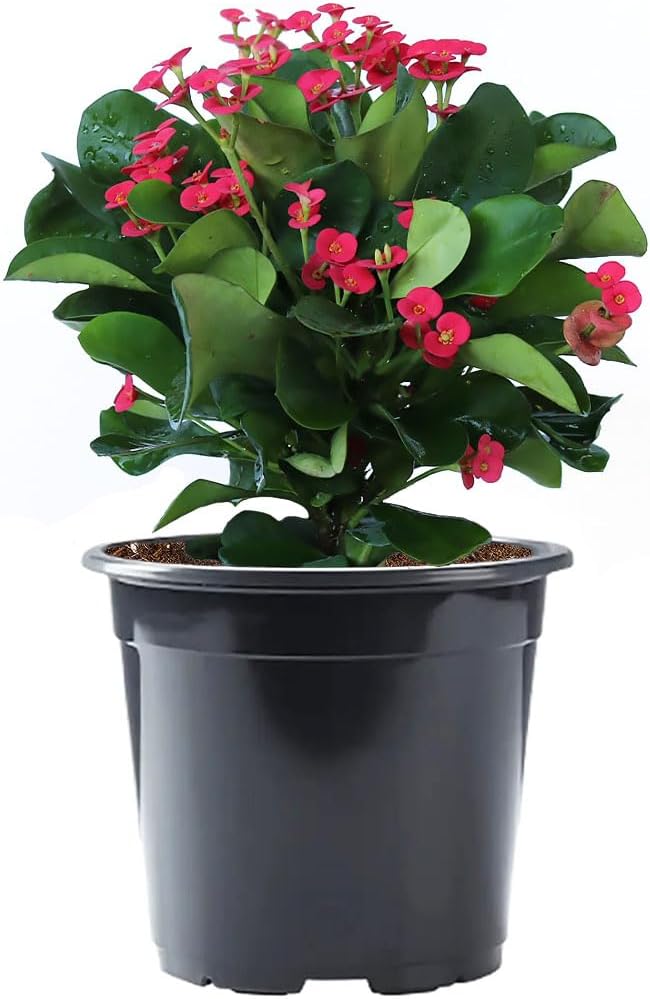
American Plant Exchange Live Crown of Thorns (6-inch pot) — Flowering Succulent
| Indoor Outdoor Usage | Outdoor |
|---|---|
| Expected Blooming Period | Year Round |
| Sunlight Exposure | Partial Shade |
| USDA Hardiness Zone | 9,10,11 |
| Moisture Needs | Little To No Watering |
This Crown of Thorns (Euphorbia milii) arrives as a ready-to-display 6-inch potted succulent that brings bold red flowers and sculptural, spiny stems to sunny patios or windowsills. It is typically used as a container specimen or part of a sun-loving mixed pot where continuous color and low upkeep are priorities. Notable features include year-round blooming in warm conditions, high drought tolerance, and a preference for bright direct light and very well-draining soil. Practically, that means you get a striking, water-wise flowering plant that needs watering only after the soil dries and rewards bright exposure with more abundant blooms. Important limitations are its sensitivity to overwatering and that blooms depend on light, temperature, and plant maturity so it may not flower heavily in cooler, low-light environments. Also handle carefully around pets and children since Euphorbia sap can be irritating. For balanced gardeners who want a durable, showy pot plant for full sun, this is an easy-care option that adds color with minimal fuss.
Best for: Gardeners who want a low-maintenance, flowering succulent for full-sun pots or a sunny windowsill and prioritize continuous color with minimal fuss.
Less Ideal for: People seeking a non-toxic houseplant or those who cannot provide bright direct light and well-draining soil should consider different species.
- Drought-tolerant and stores water in thick stems for low watering needs
- Produces bright red blooms for much of the year in warm, sunny conditions
- Compact 6-inch potted size fits well in containers, patios, and windowsills
- Attracts pollinators when in flower, adding ecological value to sunny gardens
- Susceptible to root rot if kept in poorly draining or consistently moist soil
- Sap is irritating and requires cautious handling around pets and children
Verdict: A resilient, low-water flowering succulent that delivers bright, long-lasting color for full-sun pots with minimal maintenance.
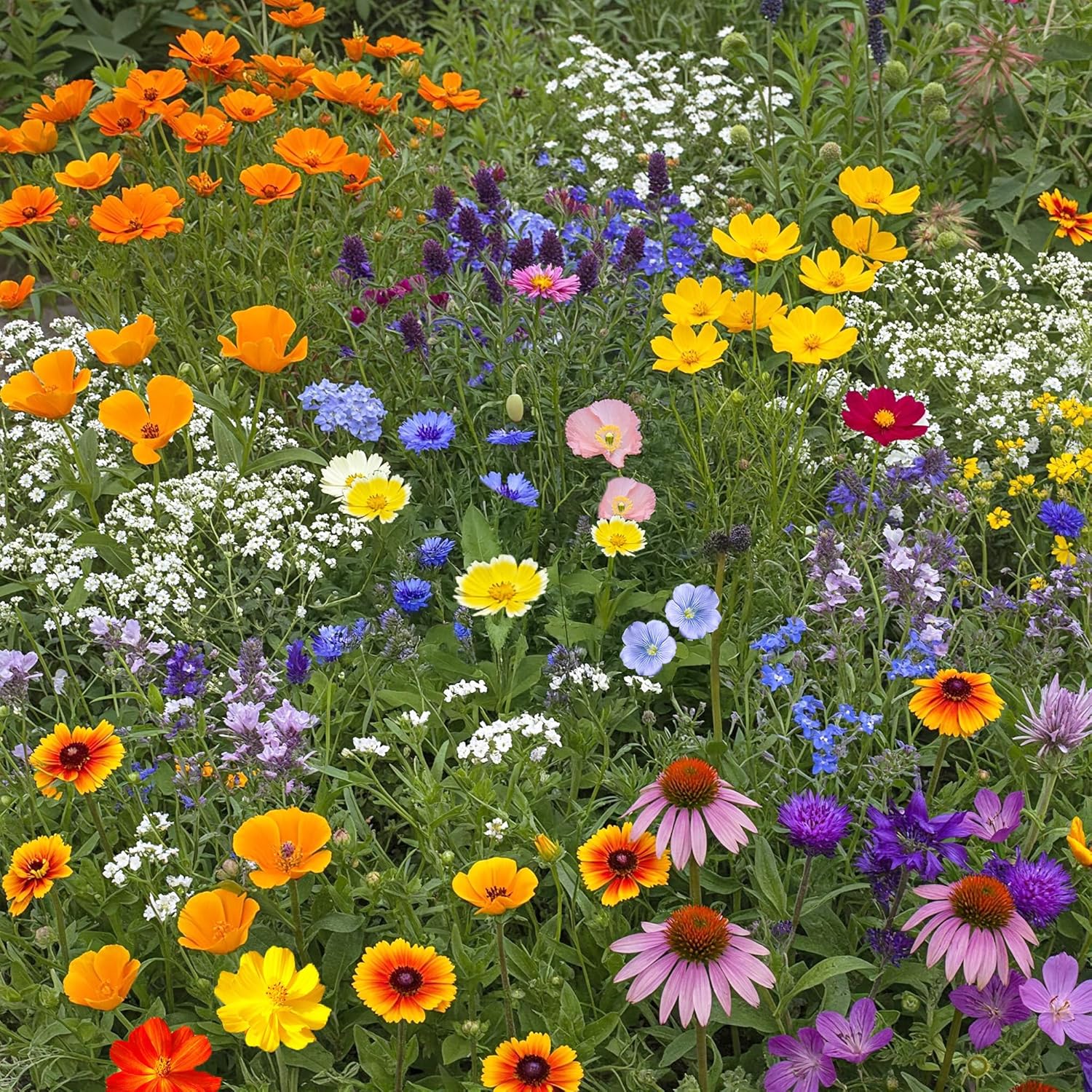
Ferry-Morse Dry Climate Bulk Wildflower Seeds, 1 lb
| Unit Count | 16 Ounce |
|---|---|
| Indoor Outdoor Usage | Outdoor |
| Other Special Features of the Product | Non-GMO |
| Expected Blooming Period | Spring to Fall |
| Sunlight Exposure | Full Sun |
This one-pound Ferry-Morse Dry Climate wildflower mix is designed for large outdoor areas with sandy, dry soils and full sun exposure. The bag contains roughly 650,000 to 700,000 annual and perennial seeds, so it is intended for broadcasting over yards, slopes, or restoration patches rather than individual planting. Expect blooms from spring to fall and a range of plant heights that create continuous color and pollinator habitat. The mix is non-GMO and rated for hardiness zones 3a to 10b, making it adaptable across many regions. Practical benefits include wide coverage per pound and a seed-only mix with minimal filler, which helps establish groundcover faster. Limitations are that success depends on proper site prep, regular watering until established, and full sun; performance will be reduced in shaded, compacted, or overly wet soils. This product is best used where you want an economical, low-maintenance wildflower area tailored to dry, sandy conditions rather than precise flower bed design or container gardening.
Best for: Gardeners who need an economical way to seed large, sunny patches of dry or sandy soil and prefer a low-maintenance, pollinator-friendly groundcover.
Less Ideal for: People wanting precise, small-scale flower beds, container plantings, or shady garden sites should choose targeted seed mixes or individual cultivars instead.
- Large seed count for wide coverage suitable for restoring or seeding large dry areas
- Formulated for dry climates and full sun, so components are drought-tolerant
- Contains annual and perennial species for extended spring-to-fall bloom
- Non-GMO seed mix with minimal filler for efficient planting
- Requires full sun and regular watering during establishment to get reliable germination
Verdict: Buy this if you want an affordable, high‑seed‑count wildflower mix tailored to establishing large, sunny dry‑soil areas and supporting pollinators.
Carpet Creeping Lantana camara Seeds, 300 Count

| Unit Count | 300 Count |
|---|---|
| Sunlight Exposure | Full Sun |
| Expected Blooming Period | Summer |
| Moisture Needs | Moderate Watering |
| Material Features | GMO Free |
These Lantana camara seeds produce low-maintenance, heat- and drought-tolerant flowering shrubs that bloom from late spring through frost. They are typically sown in spring in full sun and well-drained soil and develop into bushy, spreading plants 12 to 24 inches tall that work well in borders, containers, hanging baskets, or as groundcover. Notable product points include a mixed-color assortment, a large 300-seed count for establishing several plants, and traits that attract hummingbirds and butterflies. The practical benefits are clear: once established the plants need only moderate watering, tolerate hot dry conditions, and provide continuous color with minimal upkeep. Limitations are that success depends on planting in appropriate USDA zones and sandy to well-drained soils, and seeds require basic germination care and time before reaching full flowering; this is not an instant mature-plant solution. For gardeners focused on reliable summer and heat-season blooms, these seeds are a cost-effective way to add pollinator-friendly color across a yard or containers.
Best for: Gardeners who prioritize low-water, low-maintenance summer color and want to establish multiple pollinator-friendly Lantana plants economically.
Less Ideal for: People who need instant, mature plants for immediate display or gardeners in colder zones seeking hardy perennials for frost-prone climates.
- High seed count (300) lets you establish multiple plants or replace failures without rebuying
- Drought and heat tolerant, suitable for hot summers and low-water landscapes
- Long bloom period from late spring until frost provides extended color
- Attracts hummingbirds and butterflies, supporting pollinators
- Seeds require proper spring planting and germination care before plants mature
- Best suited to USDA zone 9 (product lists zone 9) which limits colder-climate use
Verdict: Choose these Lantana seeds if you want a cost-effective way to establish heat- and drought-tolerant, long-blooming plants that support pollinators.
Carpet Creeping Blue Sage (Salvia farinacea) Flower Seeds — 200 Count

| Unit Count | 200 Count |
|---|---|
| Material Features | GMO Free, Heirloom |
| Sunlight Exposure | full sun to partial shade |
| Soil Type | Loam/Sandy Soil |
| Expected Blooming Period | Spring to Fall |
These Salvia farinacea (blue sage) seeds are aimed at gardeners who want a dependable, long-blooming border or pollinator plant that performs well in sandy or loamy soils. The packet contains 200 seeds of an heirloom, non-GMO variety that establishes as tidy clumping plants 18–24 inches tall. Start seeds indoors 8–10 weeks before last frost, sow on the surface (do not cover) and keep temperatures around 70–75°F for germination in about 5–12 days. Once transplanted into full sun or partial shade and well-drained, sandy soil, plants are drought tolerant, deer resistant, and provide continuous spikes of blue flowers from late spring through fall. This makes them useful for borders, pollinator gardens and cut flowers. Limitations are that they are hardy only to zones 8–10 and will be treated as annuals in colder regions, and they require regular deadheading for the longest bloom run. For reliable performance in sandy soil, follow the recommended spacing and drainage guidance.
Best for: Gardeners who need a low-maintenance, pollinator-friendly perennial that reliably blooms for months in sandy or well-drained soils and who prefer predictable, established planting routines.
Less Ideal for: Growers in cold climates who want perennial winter survival without replanting or those seeking shade-only garden plants.
- Large 200-count packet suitable for filling borders or creating pollinator patches
- Heirloom, non-GMO seeds with a long bloom season from late spring through fall
- Tolerant of sandy, well-drained soils and drought once established
- Attracts bees, butterflies and hummingbirds and is deer resistant
- Not winter-hardy below USDA zone 8 so may need replanting in cold climates
Verdict: A dependable choice for planting large patches or borders in sandy, well-drained soil when you want long-lasting, pollinator-attracting blue blooms.
HOME GROWN Moss Rose (Portulaca grandiflora) Seeds, 23,500+

| Indoor Outdoor Usage | Outdoor |
|---|---|
| Sunlight Exposure | Full Sun |
| Material Features | GMO Free, Heirloom |
| Expected Blooming Period | Spring to Fall |
| Number of Pieces | 23500 |
These HOME GROWN moss rose seeds are a bulk seed pack intended to fill sunny pots, hanging baskets, and garden beds with bright, low-growing annual blooms from summer into fall. The mix includes many seeds so you can densely sow containers or cover larger beds; seeds are described as heirloom and non-GMO and ship with a grow guide to walk through sowing and care. Moss rose prefers full sun and warm soils and is drought tolerant, so it is a good pick for hot, sunny patios where plants need minimal watering. Germination is quick in warm conditions and plants begin flowering in a couple of months, creating a long season of color that also attracts pollinators. Expect straightforward, beginner-friendly establishment if you follow the surface-sowing instructions, but note these are annuals so you will need to re-seed each year and some varieties may perform differently in cooler climates. The huge seed count is excellent for projects that need many plants but may be more than a casual container gardener requires.
Best for: Gardeners who want an easy, low-water annual to produce reliable, long-season color in full-sun pots and hanging baskets and who prefer products backed by broad customer use.
Less Ideal for: People looking for a perennial solution or those who only need a small number of plants for a single pot should consider smaller packets or perennial alternatives.
- Very large seed count suitable for filling multiple pots or covering large beds
- Heirloom and non-GMO seeds with a included grow guide for beginners
- Drought-tolerant and heat-resistant, well suited to full-sun locations
- Fast germination and early flowering habit for quick container color
- Attracts pollinators, adding ecological benefit to sunny containers
- Annual plants that must be re-seeded each year
- Bulk quantity may exceed the needs of small-scale container gardeners
Verdict: A massive, beginner-friendly seed pack that reliably fills sunny pots and baskets with low-water, long-blooming annual color.
KVITER Ice Plant Heirloom Flower Seeds Mix (5,000 Count)

| Unit Count | 5000 Count |
|---|---|
| Sunlight Exposure | Full Sun |
| Moisture Needs | Little To No Watering |
| USDA Hardiness Zone | 1-12 |
| Material Features | GMO Free, Heirloom |
These KVITER ice plant seeds are a high-count heirloom mix intended for outdoor full-sun locations where low-maintenance, drought-tolerant color is wanted. The packet contains 5,000 seeds with a stated high germination rate and a typical 14–21 day sprout time when light is provided. Plants reach about 6 inches and form mat-like groundcover that works well in shallow containers, balcony planters, rock gardens, and sunny borders. The seeds are described as GMO-free and come with a step-by-step growing guide, which helps reduce guesswork for less experienced growers. Ice plants prefer sandy, well-drained media and little watering once established, so they suit hot, dry balcony conditions but need reliable full sun to bloom. Limitations include the need for light at sowing for good germination and that these are annuals producing seasonal displays rather than long-lived perennials. Also, managing thousands of seedlings can be more than a balcony gardener needs unless you plan to share or densely cover an area.
Best for: A cautious balcony gardener who wants an easy-care, sun-loving bedding flower that establishes quickly and tolerates dry, shallow containers and hot exposure.
Less Ideal for: Gardeners seeking long-lived perennial plants or those who prefer low-volume seed packets for trial planting on a very small balcony.
- Very high seed count (5,000) suitable for large coverage or multiple containers
- Drought tolerant and thrives in sandy, well-drained soils once established
- Designed for full sun and produces low 6-inch matting flowers ideal for borders and planters
- Heirloom, GMO-free seeds with an included step-by-step growing guide
- Seeds require light to germinate which can complicate deeper sowing or blind sowing
- Annual habit means plants won’t provide multi-year structure
- Large quantity may be excessive for a single balcony without thinning or sharing
Verdict: If you need abundant, low-growing, drought-tolerant annual color for a sunny balcony or many containers, this high-count heirloom ice plant seed mix delivers fast, easy coverage.
Choosing the Right Plants for Dry Sandy Soil: Key Factors to Consider
Drought Tolerance and Watering Frequency
Plants chosen for dry, sandy soil must tolerate periods of little water because sandy substrates drain rapidly and do not retain moisture. Drought-tolerant species either reduce water loss through leaf adaptations, develop deep roots to access subsoil moisture, or go dormant during extreme dry spells. Understanding a plant's expected watering needs helps you plan irrigation only when necessary, conserving water and preventing root rot that can occur when sandy soils are kept constantly wet.
When you evaluate options, look for terms like xeric, drought-deciduous, or species native to arid coastlines or inland dunes. Even drought-tolerant plants usually need extra water while establishing a first season; after that, many require only occasional deep soakings rather than frequent light sprinklings.
Root Structure and Soil Stabilization
Root architecture determines how well a plant anchors into loose, sandy ground and how effectively it reduces erosion. Deep taproots can reach stable moisture layers and resist uprooting by wind, while fibrous or rhizomatous systems knit surface sand together and slow runoff. For slopes, beach fronts, or exposed beds, favor plants with either deep anchoring roots or dense surface root mats depending on whether you need slope stabilization or dune-style binding.
Consider the site: deep-rooted shrubs are useful where deeper moisture is available, whereas spreading groundcovers or tussock-forming grasses are better at binding thin topsoil. Avoid plants with very shallow, brittle roots that can lift or fail in loose sand under stress.
Nutrient Needs and Soil Amendments
Sandy soils are low in organic matter and nutrients because water drains quickly and leaches soluble minerals away. Choose plants that can thrive with little fertility or that perform well with modest, infrequent feeding. Over-amending sandy ground with heavy compost or fertilizer can temporarily improve growth but may increase watering needs and alter drainage properties.
When amendments are used, focus on small, site-specific improvements: a thin layer of compost to increase water holding and microbial activity, or slow-release, low-salt fertilizers applied sparingly. Mulch helps reduce surface evaporation but should be applied conservatively to avoid smothering low-growing xeric species.
Sun Exposure and Heat Tolerance
Dry, sandy soils are often found in open, sun-exposed locations that also experience high daytime temperatures. Plants that tolerate both intense sun and reflective heat from sand perform best in these sites. Leaf color, thickness, and surface features such as hairs or waxy coatings influence heat load and water loss; lighter or silver foliage often reflects more light and helps plants survive hot microclimates.
Match species to the actual light at your site. Some drought-tolerant plants still prefer afternoon shade, while others require full sun to bloom and build deep roots. Considering seasonal sun angles helps prevent planting a sun-loving shrub where it will be shaded in late summer.
Salt Tolerance and Coastal Exposure
If your sandy soil is coastal or exposed to ocean spray, salt tolerance becomes a critical factor. Salt can damage foliage, stunt growth, and reduce a plant's ability to uptake water. Salt-tolerant species either exclude salt at the root, sequester it in older tissues, or shed affected leaves. Even inland sandy sites can have higher soil salts depending on irrigation source, so it is wise to confirm a plant's salt tolerance for the intended location.
When choosing for coastal dunes or shoreline gardens, prioritize native dune species or proven salt-tolerant ornamentals. For non-coastal sites, still assess irrigation water quality and avoid salt-sensitive plants where hard water or saline runoff is present.
Growth Form and Landscape Function
Consider what role the plant will play: windbreak, groundcover, accent shrub, or pollinator source. Growth form affects spacing, maintenance, and how the plant influences soil conditions. Low, spreading forms provide quick surface cover and reduce evaporation. Upright shrubs or clumping grasses can create structure and shelter for other species. Flowering habit matters if pollinator support is a goal.
Choose plants whose mature size and habit suit the planting area. Predicting how a species fills space prevents overcrowding and reduces future pruning needs. Mixing complementary forms-groundcovers under shrubs, for example-creates a more resilient sandy-soil planting.
Preparing Sandy Soil Before Planting
Preparing the planting site improves early establishment without trying to change the soil type entirely. For most dry, sandy sites, avoid heavy digging or adding large volumes of rich topsoil because that creates isolated pockets with different moisture retention that can stress roots. Instead, loosen the planting hole so roots can expand and apply a modest amendment such as a handful of compost mixed into backfill to improve contact and microbial life.
Use mulch sparingly to cut surface evaporation while leaving space around stems. Install plants during cooler periods-spring or fall-so they can set roots before peak heat. For slopes, consider planting in staggered rows or using biodegradable erosion-control mats temporarily until roots bind the sand.
- Dig holes only as deep as the root ball and slightly wider to encourage lateral root growth
- Mix a small amount of compost into the backfill for better water retention
- Apply a 2-inch mulch layer, keeping it away from crowns and stems
- Water deeply at planting and taper frequency as roots establish
Establishment Care and Watering Strategy
Successful planting in sandy ground hinges on the first season of care. Water deeply but infrequently to encourage roots to grow down rather than stay near the surface. Light, frequent watering trains roots to remain shallow where drying is fastest and increases long-term vulnerability.
Monitor plants for stress signs such as early leaf drop or scorched margins. After the initial establishment period, most suitable species will require only occasional supplemental water during extended droughts. Use drip irrigation or soaker hoses for targeted, efficient watering when needed.
- Soak new plants thoroughly at planting, then water every few days until established depending on weather
- Switch to weekly deep soakings instead of daily surface wetting after roots begin to spread
- Reduce watering in cooler months and increase only during heatwaves or prolonged dry spells
Designing with Plants for Sandy Sites
Design choices can help plants thrive in sandy soil while creating an attractive landscape. Use groupings of species with similar water needs so irrigation is efficient. Place deeper-rooted shrubs where a little extra soil depth exists and use low, spreading groundcovers on exposed flats to reduce evaporation and stabilize the surface.
Incorporate hardscape elements that reduce wind speed and sand movement, such as low walls, driftwood, or permeable paths. These features protect young plants and create microclimates where less drought-hardy species might succeed with minimal extra care.
- Cluster plants by watering needs and sun exposure
- Use windbreaks or terraces on exposed slopes
- Include mulch paths and permeable hardscape to limit foot traffic and soil disturbance
Seasonal Maintenance and Long-Term Care
Once established, maintenance for plants in sandy soil is usually low but not nonexistent. Periodic pruning, seasonal mulching refreshes, and occasional feeding keep plants healthy without promoting excessive growth that demands more water. Monitor for pests and disease as stressed plants can be more vulnerable.
Top-dress beds yearly with a thin layer of compost or well-rotted organic matter to gradually improve water retention and soil life. Avoid over-fertilizing which can push fast, thirsty growth ill-suited to lean soils.
- Prune to maintain form and air flow, especially after flowering
- Top-dress with compost in late fall or early spring
- Inspect for salt damage in coastal sites and flush soil with fresh water if salts accumulate
Using Native and Adaptive Species
Native and locally adapted species often offer the best chance of success in sandy soils because they evolved with local rainfall patterns, soils, and pests. They typically require less supplemental irrigation and support native pollinators and wildlife. Check local extension resources to identify dune or drygrassland natives suited to your region.
Adaptive ornamental species can also perform well if chosen for known drought and salt tolerance. Combining natives with well-adapted ornamentals broadens seasonal interest while maintaining low water and maintenance needs.
- Prioritize species known from dunes, coastal scrub, or dry prairie in your region
- Match plant form to intended landscape role for best ecological fit
- Use local resources to confirm hardiness and salt tolerance
How We Chose the Best Plants for Dry Sandy Soil
We focused on species that reliably establish and persist in dry, sandy substrates rather than plants that only survive under ideal conditions. Selection began with traits important to sandy sites: strong drought tolerance, root systems that anchor and access deep moisture, low nutrient demands, and the ability to tolerate rapid drainage. We prioritized plants with documented survival in sandy coastal or inland soils and those that offer usable landscape benefits such as erosion control, pollinator resources, or ornamental value. Evaluation criteria included drought tolerance under intermittent rainfall, rooting habit and soil-holding ability, nutrient and maintenance needs, and landscape function such as groundcover, screening, or attractivity to pollinators. We excluded species that require regular irrigation, heavy soil enrichment, or aggressive invasive tendencies that can destabilize native sandy ecosystems. The final shortlist balances low-maintenance survival with purposeful garden roles so gardeners can choose plants that match site exposure, salt tolerance, and desired appearance.
FAQ
Can I improve sandy soil enough to grow moisture-loving plants?
You can improve sandy soil modestly with organic matter and by adding water-retentive amendments, but changing drainage characteristics across a whole bed is difficult. For moisture-loving plants, creating raised beds with a richer, heavier planting mix or identifying a naturally more moisture-retentive micro-site is more reliable than trying to transform widespread sandy ground.
How long does it take plants to establish in sandy soil?
Establishment varies by species and season but typically takes one growing season for many drought-tolerant perennials and shrubs. New plants need consistent deep water for the first several weeks to months; afterwards root systems usually deepen and plants require less frequent watering.
Should I add compost to sandy soil before planting?
A modest amount of compost worked into the planting hole improves water holding and microbial activity without creating a pocket of different texture. Large-scale heavy amendments are not usually necessary and can create uneven moisture zones, so use compost sparingly and focus on targeted improvements.
Are groundcovers a good choice for stabilizing sandy slopes?
Yes, low, spreading groundcovers and tussock-forming grasses are effective at binding surface sand and reducing erosion. Choose species with fibrous or rhizomatous roots and plant at recommended spacing to achieve quick coverage.
Do sandy soils need different fertilization schedules?
Sandy soils often require less frequent fertilization because nutrients leach quickly; using slow-release or low-dose organic fertilizers is best. Over-fertilizing can produce lush, thirsty growth that is not sustainable in dry, sandy sites.
How does salt exposure affect plant selection for sandy coastal sites?
Salt exposure narrows plant choices to species that tolerate spray and saline soils. Look for plants described as salt-tolerant or known from coastal habitats. In exposed locations, use windbreaks and groupings to reduce direct spray on sensitive species.
Final Verdict
For dry, sandy soil prioritize species that combine drought resilience, appropriate rooting habit, and low nutrient demands. Focus on plants that serve a clear landscape role-stabilizing slopes, providing groundcover, or adding seasonal color-so each selection contributes to site stability and biodiversity. Expect some initial care during establishment, then rely on deep, infrequent watering and modest seasonal maintenance. Choose plants based on sun, salt exposure, and the root behavior you need. By matching plant traits to site conditions you will create a low-maintenance, drought-resilient planting that performs well in sandy ground.
