

Note: This article contains affiliate links. If you click on these links and make a purchase, I may earn a small commission at no extra cost to you. This helps support my research and content. Read my full affiliate disclosure here.
East-facing planters get cool morning sun and much gentler light the rest of the day. Choosing plants that use that bright, early light while tolerating afternoon shade makes the difference between a container that blooms and one that languishes. This guide covers a short list of seven well-suited plants for east-facing planters, chosen for their light preferences, watering habits, and container adaptability. You will find options that deliver color, texture, or seasonal interest and a clear explanation of the traits that matter for planter success. Read on to explore the top picks and the criteria used to evaluate them.
Top Picks at a Glance
| Best Overall The best all-around choice for most situations | Perfect Plants Confederate Jasmine (2-Pack), Star Vine, 1 Gal |  |
| Best Quality Built to a higher standard if you want something more solid | Southern Living Obsession Nandina Shrub (2 Gal) |  |
| Best Value The sweet spot between price and what you get | The Succulent Cult Crassula ovata 'Hummel's Sunset' (4" Jade Plant) |  |
| Best Budget The cheapest option that still gets the job done reliably | Sandys Nursery Plumbago Auriculata 'Imperial Blue' 4" Potted Perennial Shrub |  |
| Highest Rated A top-rated pick with lots of positive feedback | CZ Grain Canada Blue Hosta plant (1 perennial) |  |
| Most Popular A crowd favorite that many people choose with confidence | PERFECT PLANTS Frostproof Gardenia Live Plant, 1 Gallon |  |
| Best Seller A high-volume bestseller chosen again and again | Plants for Pets Gardenia 'August Beauty' (1‑Gallon) |  |
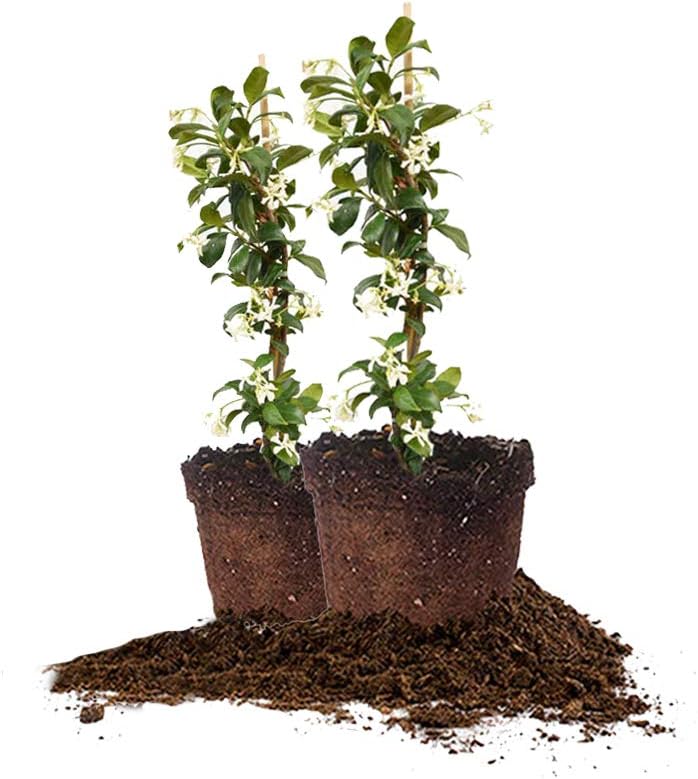
Perfect Plants Confederate Jasmine (2-Pack), Star Vine, 1 Gal
| Indoor Outdoor Usage | Outdoor |
|---|---|
| Expected Blooming Period | Spring |
| Sunlight Exposure | Full Sun, Partial Shade |
| Moisture Needs | Moderate Watering |
| Unit Count | 1 Count |
These two Confederate jasmine vines arrive in individual 1‑gallon nursery pots and are meant to be trained on fences, trellises, railings or other supports to form a fragrant, evergreen screen. They perform best in full sun to part shade and are rated for USDA zones 7–11, so on a shaded porch they will tolerate lower light but bloom most reliably where they get some sun. The plants are described as easy to establish; new arrivals need deep watering every day or two for the first two weeks and can drop some leaves while roots settle. Notable features are the glossy evergreen foliage, sweet white pinwheel flowers in spring and early summer, and organic plant material. Limitations include that each order contains small 1‑gallon pots so expect a period of growth before reaching the listed mature height, and some variability between the two plants. Buyers should plan to provide a structure and basic training to get a neat coverage and to monitor moisture while the plants establish.
Best for: Gardners who want a fragrant, evergreen climbing vine to train on a porch trellis or railing and who prefer a low‑maintenance plant that establishes quickly with basic watering.
Less Ideal for: Those seeking instant privacy or mature coverage right away or gardeners unwilling to train or support vines as they grow.
- Two evergreen vines per order for quicker coverage when planted together
- Fragrant white spring blooms that add scent to a porch area
- Tolerates full sun to partial shade, making it adaptable to sheltered porches
- Ships in 1‑gallon nursery pots so plants are ready to plant immediately
- Described as easy to establish with straightforward watering guidance
- Plants are small 1‑gallon specimens so visual impact takes time as they grow to mature height
- Some leaf drop and minor shipping damage to stems is possible during establishment
Verdict: A practical choice for porch gardeners who want a fragrant, adaptable evergreen vine they can train for seasonal blooms and long‑term screening.
Southern Living Obsession Nandina Shrub (2 Gal)

| Sunlight Exposure | Full Sun to Part Shade |
|---|---|
| USDA Hardiness Zone | 6, 7, 8, 9, 10 |
| Moisture Needs | Moderate Watering |
| Expected Planting Period | Year Round |
The Southern Living Obsession Nandina is a 2-gallon evergreen shrub prized for intense red foliage that holds color through much of the year. It is marketed for outdoor beds and containers, and performs in full sun to part shade across USDA zones 6 to 10. Typical use is as an accent in mixed borders, a colorful container specimen on a patio, or a low hedge where a 3- to 4-foot mature height is acceptable. Practical benefits include low maintenance, deer resistance, and moderate water needs once established; the plant is described as organic and suited to loam soils with well-drained conditions. Limitations to consider are that it does not produce notable blossoms and requires routine watering while establishing; it will also reach about 48 inches, so plan placement or pruning accordingly. For container use, choose a generous pot and monitor soil moisture to keep foliage vibrant in hot, sunny sites.
Best for: Gardeners who want a low-maintenance, colorful evergreen for patio containers or small landscape accents and value year-round foliage interest.
Less Ideal for: People seeking a showy flowering shrub or those who need a very small dwarf variety for tight spaces should consider other options.
- Bright red evergreen foliage provides season-long color
- Suitable for containers or landscape beds thanks to compact mature size
- Tolerates full sun to part shade across USDA zones 6–10
- Low maintenance and described as deer resistant
- Does not produce significant blossoms for floral interest
- Requires consistent watering until established
Verdict: Choose this nandina when you want an easy-care, brightly colored evergreen that performs well in pots and small garden settings.
The Succulent Cult Crassula ovata 'Hummel's Sunset' (4" Jade Plant)

| Indoor Outdoor Usage | Outdoor |
|---|---|
| Expected Blooming Period | Fall |
| Sunlight Exposure | Partial Sun |
| Unit Count | 1 Count |
The Hummel's Sunset jade is a small Crassula ovata cultivar that brings multi‑colored leaves and forgiving care to an east‑facing planter. It is typically grown in a 4 inch pot, placed where it receives morning sun and afternoon shade; in those conditions the leaves develop yellow and red margins that produce the cultivar's signature sunset tones. Practically minded gardeners will appreciate that it is drought tolerant, stores water in thick leaves, and tolerates periods of neglect, so watering and attention can be kept minimal. The plant is sold from a licensed greenhouse and arrives as a living specimen that may vary slightly in appearance. Limitations include its sensitivity to prolonged direct afternoon sun and the fragility of its leaves during handling and transit, which can mean occasional leaf loss that will regrow. For east‑facing planters this jade offers durable color and low upkeep, but it still benefits from well‑draining soil and occasional protection from extreme heat or cold.
Best for: Gardeners who want a low‑maintenance, colorful succulent for morning sun exposure and prefer plants that tolerate occasional neglect.
Less Ideal for: People seeking fast shade groundcover or large focal shrubs; also not ideal for locations with prolonged hot afternoon sun or consistently soggy soil.
- Vibrant, multi‑colored foliage that develops richer tones in morning sun
- Low maintenance and drought tolerant due to water‑storing leaves
- Adaptable to partial sun making it suitable for east‑facing planters
- Sold by a licensed greenhouse nursery so plants are nursery‑grown
- Leaves are fragile and can drop during transit or rough handling
Verdict: Choose Hummel's Sunset for an east‑facing planter when you want a hardy, low‑care succulent that adds reliable color with minimal fuss.
Sandys Nursery Plumbago Auriculata 'Imperial Blue' 4" Potted Perennial Shrub

| Expected Blooming Period | Year Round |
|---|---|
| Sunlight Exposure | Full Sun |
| USDA Hardiness Zone | 8,9,10,11 |
| Soil Type | Sandy Soil |
This 4-inch potted Plumbago Auriculata 'Imperial Blue' is a budget-friendly option for adding year-round blue blooms to a patio container or small landscape spot. It grows with a mounding to slightly climbing habit and can be trained on a small trellis or kept as a rounded accent in a planter. The plant prefers full sun and well-drained, sandy soils and will need regular watering while it establishes, then occasional water during drought or extreme heat. Notable practical benefits are its continuous blooming potential in warm zones and its adaptability to containers, making it a good pick for decks and small patios. Because it ships as a small potted specimen, expect several months of growth before it reaches mature height and width, and plants may not arrive in bloom. Also it is suitable only in USDA zones 8 to 11 and will require winter protection or indoor overwintering outside those zones.
Best for: Buyers who want an affordable, easy-to-grow flowering shrub for patio pots or small containers in warm climates and prefer a plant that can be trained as an accent or small climber.
Less Ideal for: Gardeners in cold-winter regions who cannot provide winter protection or those seeking an immediately large specimen straight from the nursery.
- Produces sky-blue flowers for much of the year in warm climates
- Compact growth habit that works well in containers and on small trellises
- Adaptable to a range of soils if well drained
- Easy to establish with regular watering the first seasons
- Only hardy in USDA zones 8 to 11 so not suited to colder climates
- Ships as a small 4-inch pot so it takes time to reach its mature size
Verdict: A low-cost way to add a compact, year-round blue-flowering shrub to patio containers in warm climates.
CZ Grain Canada Blue Hosta plant (1 perennial)

| Indoor Outdoor Usage | Outdoor |
|---|---|
| Other Special Features of the Product | Shade Resistant |
| Expected Blooming Period | Spring to Summer |
| Material Features | Heirloom |
| Unit Count | 1 Count |
The CZ Grain Canada Blue Hosta is a hardy, shade-loving perennial prized for its blue leaves and suitability for containers or border plantings. It is typically used as a foundation shade plant in pots, shaded patios, or under trees where its large decorative foliage provides season-long interest from spring into summer. The listing notes it is fast-growing and returns in USDA zones 3–9, which makes it a reliable choice for cold climates as well as milder regions. Practical benefits include attractive, low-maintenance foliage that tolerates shade and fills containers quickly, plus straightforward care: plant after frost, keep soil moist, and control weeds. Limitations are that hostas generally prefer partial shade rather than full sun despite a ‘‘Full Sun’’ note in the specs, so placement matters to avoid leaf scorch, and this listing is for a single plant so gardeners should order multiple plants for fuller container displays or massing in beds.
Best for: Buyers who need a dependable, low-maintenance shade container plant that provides attractive foliage year after year and performs across a wide range of climates.
Less Ideal for: Gardeners seeking immediate full-size specimens or instant container combinations without buying multiple plants should consider larger established specimens or mixed plantings instead.
- Shade-tolerant foliage ideal for shaded containers and patios
- Hardy perennial that returns in zones 3–9 for multi-year reliability
- Fast grower that fills pots and borders to provide quick visual impact
- Sold as a single plant so multiple purchases are needed for larger containers or group plantings
Verdict: A reliable, hardy blue-leaf hosta that’s especially well suited to shaded containers and low-maintenance shade gardens.
PERFECT PLANTS Frostproof Gardenia Live Plant, 1 Gallon

| Indoor Outdoor Usage | Outdoor |
|---|---|
| Other Special Features of the Product | Deer Resistant, Fragrant |
| Expected Blooming Period | Summer |
| Sunlight Exposure | Full Sun, Partial Shade |
| Expected Planting Period | Spring |
This 1-gallon Frostproof gardenia is a compact, fragrant shrub intended for outdoor landscape use. It arrives as a live plant with a recommended mature height around 5 feet and is typically planted in mulch beds, as a low hedge, or as an accent near entries where its scent can be enjoyed. Notable features include deer resistance, a history of reliable spring and summer blooms, and included easy-to-use plant food for a simpler start. The plant prefers full sun to partial shade, so it will tolerate some shaded locations but performs best where it receives several hours of direct light. Practical benefits for a cautious buyer are straightforward care, minimal pruning to maintain shape, and an aromatic presence that enhances small gardens or patios. Limitations are that it is sold as a 1-gallon specimen so it will need time to reach mature size, and the product text notes shipping exclusions to a few states which affects availability for some buyers.
Best for: Buyers who want an easy-care, scented shrub for a small garden or patio and prefer reliable, low-maintenance plants that establish steadily rather than instant large specimens.
Less Ideal for: Gardeners seeking an immediate tall screening hedge or a plant for deep, full shade should consider alternative species better suited to dense shade or instant privacy needs.
- Fragrant white blooms that enhance outdoor seating areas during spring and summer
- Deer resistant variety reduces need for protective measures in deer-prone yards
- Includes plant food to simplify initial establishment
- Tolerates partial shade, allowing placement in spots without full sun all day
- Sold as a small 1-gallon plant so it requires time to reach mature size
- Per product notes it does not ship to certain states which limits access for some buyers
Verdict: Choose this gardenia if you want a low-maintenance, fragrant shrub that tolerates some shade and adds seasonal white blooms to small outdoor spaces.
Plants for Pets Gardenia 'August Beauty' (1‑Gallon)

| Indoor Outdoor Usage | Indoor |
|---|---|
| Expected Blooming Period | Spring |
| Sunlight Exposure | Full Sun |
| USDA Hardiness Zone | 8 |
| Material Features | Organic |
This Gardenia 'August Beauty' is a compact, fragrant evergreen shrub shipped in a 1‑gallon grower pot that performs well as a container specimen or a small hedge. It produces double white flowers that age to creamy yellow and a strong gardenia perfume from spring into summer. Typical use is as a patio pot plant, entryway accent, or in grouped containers where its scent and glossy dark foliage are visible. Notable features from the listing include hardiness to Zone 8, preference for full to part sun, and a need for rich, moist, acidic soil with occasional deep soakings. In a pot it rewards regular feeding and consistent moisture and will provide seasonal cut flowers for arrangements. Limitations to plan for are its zone restriction and higher water and soil-quality needs compared with drought‑tolerant patio plants, so it is less forgiving if you want a very low-maintenance container. Also expect variability in bloom count on arrival because flowering depends on season and shipment timing.
Best for: Buyers who want a fragrant, showy flowering shrub for a patio pot or entryway container and are willing to provide regular watering and soil care to keep it healthy.
Less Ideal for: If you need an ultra low‑maintenance or cold‑hardy outdoor pot plant, choose a drought‑tolerant or more frost‑tolerant species instead.
- Strong, classic gardenia fragrance that enhances patios and entryways
- Glossy evergreen foliage that provides year‑round container interest
- Sized for containers — arrives in a 1‑gallon nursery pot ready to plant
- Reliable spring to summer bloom period for seasonal cut flowers
- Requires consistently moist, acidic soil and more attentive watering than many patio plants
- Hardiness limited to warmer climates (Zone 8 and up) so not suited for cold regions
Verdict: Choose this Gardenia for a scented, showy container plant when you want a fragrant focal point and can commit to moist acidic soil and seasonal care.
Choosing the Right Plants for East Facing Planters: Key Factors to Consider
Light Preference and Bloom Timing
Plants for east-facing planters receive strong, cool light in the morning followed by lower light the rest of the day. A plant that blooms or sets foliage color with morning sun will look significantly better than one that needs sustained midday sun. Consider whether the species flowers early in the day or uses morning light to build energy for later blooms. Plants that open their flowers in the morning or whose photosynthesis peaks early will make the most of an east exposure.
Also think about seasonal shifts in light. In summer the angle of the sun and surrounding shade can change how much usable light the planter receives. Choose plants with flexible bloom timing if your planter is shaded by trees or nearby structures later in the season.
Container Size and Root Growth
Containers restrict root expansion and influence water and nutrient availability. Shallow-rooted plants and those adapted to confined soil volumes will establish faster and need less frequent repotting. Conversely, deep-rooted species often struggle in shallow planters and can become rootbound or stressed, which reduces bloom and foliage quality.
When selecting plants, match root habit to planter depth and width. Consider whether the plant is typically grown as a clump, a trailing habit, or a single-stem upright. Each habit affects how it pairs with companions and how quickly it will use up potting mix and fertilizer.
Watering Needs and Moisture Tolerance
East-facing containers dry out at a different rate than west- or south-facing ones because they get morning sun and cooler afternoons. Some plants prefer consistently moist, well-drained mix and will tolerate frequent watering, while others need drier cycles to avoid root rot. Moisture-tolerant plants are often the easiest to keep in planters that experience uneven irrigation.
Think about your routine and whether you can water daily in hot spells or prefer low-maintenance options. Also consider drainage: good drainage reduces the risk of waterlogged roots, which is especially important for plants that tolerate moist conditions but do not like standing water.
Cold-Season Hardiness and Seasonal Care
Planters expose roots to an air temperature that fluctuates more than in-ground plantings. Cold-hardy plants survive typical local winters better in containers, while tender species may require moving indoors or heavy insulation. Hardiness affects whether the plant will return year after year or be treated as an annual.
Consider how much seasonal care you are willing to provide. Some plants reward a bit of winter protection or lifting to storage, while others are reliably hardy and need only basic mulching. Know your local minimum temperatures and match plant hardiness and overwintering needs accordingly.
Pest and Disease Resistance in Containers
Containers concentrate humidity and can create microclimates that favor certain pests and diseases. Plants with natural resistance or a lower susceptibility to common container issues will be easier to maintain. Look for species that rarely suffer from root rot, mildew, or persistent sap-sucking insects when grown in pots.
Also account for airflow and companion planting. Crowded planters with poor circulation magnify problems. Choosing plants that tolerate close planting or that have clean, upright foliage reduces the frequency of pest and disease interventions.
Best Uses for East-Facing Planters
East-facing planters are ideal for morning-blooming annuals, shade-tolerant perennials, and foliage plants that need bright, cool light without hot afternoon exposure. Use them on porches, under eaves, or along walkways where they will greet the day with color but be sheltered in the heat.
Group plants by watering needs and root depth to simplify maintenance. Combine an upright focal plant with a trailing spiller and a mid-height filler to create a balanced mixed container that performs well in morning sun.
- Place heat-sensitive bloomers in east planters to avoid midday stress
- Use reflective surfaces or light-colored backdrops to boost morning light
- Orient planters so trailing plants can spill over the visible edge for a softer look
Planting and Potting Mix Tips
Choose a high-quality potting mix that balances drainage and water-holding capacity. East exposures often need mixes that retain enough moisture through the afternoon while still draining excess after watering.
Include slow-release fertilizer or blend in steady-release granules when planting to reduce mid-season feeding. Lighter mixes can be topped with a thin layer of organic mulch to slow evaporation without restricting airflow around stems.
- Aim for a mix with peat or coir plus perlite for balanced retention and drainage
- Use a layer of gravel only if the planter is deep and you need to improve bottom drainage
Watering Strategies for Morning Sun
Watering in the morning complements an east-facing exposure and lets foliage dry before evening. Check moisture by feeling the top inch of the mix; containers often need more frequent checks than in-ground plantings because they have limited soil volume.
Adopt a schedule that accounts for weather and plant type. Deep, infrequent soakings encourage stronger roots for many perennials, while annuals in small planters may require lighter, more frequent watering.
- Feel the soil rather than relying solely on a schedule
- Increase checks during heat waves and reduce frequency in cool, cloudy stretches
Design Ideas for East-Facing Containers
Design planters to take visual advantage of morning light. Use plants with glossy or variegated foliage to catch and reflect sun, and place colorful bloomers where the morning light will hit them first.
Consider repeating colors or textures across multiple planters for cohesion. In narrow porches, taller back plants create privacy while mid-height and trailing plants soften the front edge.
- Combine one upright, one filler, and one spiller for balanced composition
- Mix different leaf textures to keep containers interesting even when not in bloom
Seasonal Refresh and Maintenance
Plan for seasonal refreshes: replace tired annuals in midseason, deadhead spent blooms to prolong flowering, and trim foliage that shades companions too much. East-facing planters can be refreshed with later-blooming varieties when early-summer bloomers fade.
Keep an eye on nutrient depletion. Containers have limited soil and will benefit from occasional feeding. Also watch for root crowding and repot every couple of seasons if plants are intended to be long-term.
- Deadhead regularly to encourage rebloom
- Top-dress with fresh compost or slow-release fertilizer each spring
How We Chose the Best Plants for East Facing Planters
We focused on traits that predict reliable performance in east-facing planters and excluded plants that demand full, prolonged afternoon sun or large in-ground root zones. Selection criteria centered on light preference, container adaptability, moisture tolerance, seasonal interest, and disease and pest resilience. Light preference means the plant consistently flowers or holds foliage with strong morning sun and limited afternoon exposure. Container adaptability looks at root growth habit and suitability for pots of common planter volumes. Moisture tolerance evaluates how forgiving the plant is to uneven watering and whether it prefers moist, well-drained, or droughty soils. Seasonal interest measures bloom length, foliage color, and textural contribution to a mixed planter. Disease and pest resilience favors plants that typically avoid common container problems such as root rot or persistent insect attack. We also screened for availability across common nursery channels and avoided highly invasive species or plants requiring specialized soil mixes. Plants needing extensive pruning or elaborate winter protection were deprioritized unless they offer exceptional seasonal payoff. The final shortlist balances visual impact, ease of care for typical gardeners, and compatibility with the light and watering patterns common to east-facing planters.
FAQ
Can plants in east-facing planters tolerate full shade on cloudy days?
Often they can tolerate cloudy stretches because morning sun still provides a key portion of daily light. However, many plants rely on consistent morning brightness to set blooms, so extended low-light periods reduce flowering and vigor.
How often should I water east-facing containers compared with west-facing ones?
East-facing containers usually need less frequent watering than west-facing ones because they avoid hot afternoon sun. Watering frequency still depends on planter size, mix, and plant type, so check soil moisture regularly.
Are there fertilizer differences for plants grown in east-facing planters?
Fertilizer needs depend on plant type and container size rather than orientation. Because containers deplete nutrients faster, use a regular, balanced feeding schedule or slow-release fertilizer to maintain steady growth and blooms.
Can I move containers between exposures if plants struggle?
Yes, many container plants tolerate relocation. Move them gradually to avoid light shock and monitor for changes in watering needs. Some species will quickly recover with improved exposure, while others may need a season to reestablish.
Do east-facing planters require different pruning?
Pruning needs are similar to other exposures but focus on removing shaded, leggy growth that reduces airflow. Light pruning encourages bushier forms that perform better with morning light and helps prevent disease in humid conditions.
Final Verdict
Pick plants that actually use morning light and that tolerate cooler, lower-intensity afternoons. Prioritize species with root habits suited to your planter depth, and match moisture needs to your watering routine and potting mix. Think about seasonal interest so containers stay appealing beyond peak bloom. Ultimately, choose plants that fit your maintenance level and microclimate. By focusing on morning-sun performance, container adaptability, and moisture tolerance you will create east-facing planters that look lively through the season and require predictable care.
