

Note: This article contains affiliate links. If you click on these links and make a purchase, I may earn a small commission at no extra cost to you. This helps support my research and content. Read my full affiliate disclosure here.
When you put a basket where it will bake in midday sun, the right plants make the difference between a burst of color and a dried-out mess. Plants suited to sunny hanging baskets hold up to heat, flower reliably, and keep a tidy habit without constant fuss. This guide shortlists five top options that perform well in full sun, focusing on bloom longevity, drought resilience, and ease of maintenance. Each pick was chosen for how it behaves in real garden conditions rather than ideal lab settings. Read on to see the traits we prioritized and practical tips for planting and keeping sunny hanging baskets looking their best.
Top Picks at a Glance
| Best Overall The best all-around choice for most situations | Jumbo Yellow Portulaca (Pack of 2) – Moss Rose Starter Plants |  |
| Best Value The sweet spot between price and what you get | LUNOVA VANA Moss Rose Mix Seeds (Mixed Colors) |  |
| Best Budget The cheapest option that still gets the job done reliably | BuggyBeds Double Dwarf Petunia Seeds (300+), Mixed Colors |  |
| Highest Rated A top-rated pick with lots of positive feedback | AVERAR Yellow Delosperma Ice Plant (live succulent) |  |
| Most Popular A crowd favorite that many people choose with confidence | KVITER Heirloom 2,000 Mix Dwarf Petunia (Nana Compacta) Seeds |  |
Jumbo Yellow Portulaca (Pack of 2) – Moss Rose Starter Plants

| Indoor Outdoor Usage | Outdoor |
|---|---|
| Sunlight Exposure | Full Sun |
| Expected Blooming Period | Spring to Fall |
| USDA Hardiness Zone | 9-11 (Treat as Annual in Zones 3-8) |
These jumbo yellow Portulaca come as two established 5–9 inch starter plants designed for sunny spots and low-water gardens. They are used as trailing spillers in hanging baskets, window boxes, or as a dense groundcover in rock gardens where they form a carpet of bright yellow, open-faced flowers that attract bees and butterflies. Key features include succulent, needle-like foliage that stores moisture, a fast-growing habit that fills space quickly, and an extended bloom season from spring through fall when grown in full sun. Practical benefits are obvious for hot, dry locations: minimal watering once established and little maintenance compared with petunias or geraniums. Important limitations are hardiness and seasonality outside warm climates since they are perennial only in USDA zones 9–11 and treated as annuals in cooler zones, and they need well-draining, gritty soil and full sun to perform. Plants shipped bare-root may show minor leaf drop from transit and need initial care to establish.
Best for: Buyers who want an inexpensive, low-maintenance annual for full-sun containers or rock gardens and prefer quick color without starting from seed.
Less Ideal for: Gardeners seeking year-round perennial plants in cool climates or those unable to provide consistently very well-draining soil should consider other options.
- Established 5–9" starter plants give a head start over seeds
- Drought-tolerant succulent foliage reduces watering needs
- Large, showy yellow blooms attract pollinators
- Trailing habit works well in hanging baskets and containers
- Extended bloom period from spring to fall in full sun
- Perennial only in warm climates (zones 9–11); acts as an annual elsewhere
- Requires very well-draining sandy or gritty soil to avoid root rot
Verdict: A budget-friendly, low-water choice for quickly adding bold full-sun color to containers and hot, dry spots.
LUNOVA VANA Moss Rose Mix Seeds (Mixed Colors)
| Sunlight Exposure | Full Sun |
|---|---|
| Moisture Needs | Low |
| Expected Blooming Period | Summer to Fall |
| USDA Hardiness Zone | 2-11 |
| Seed Treatment Method | Non-treated, Open-pollinated |
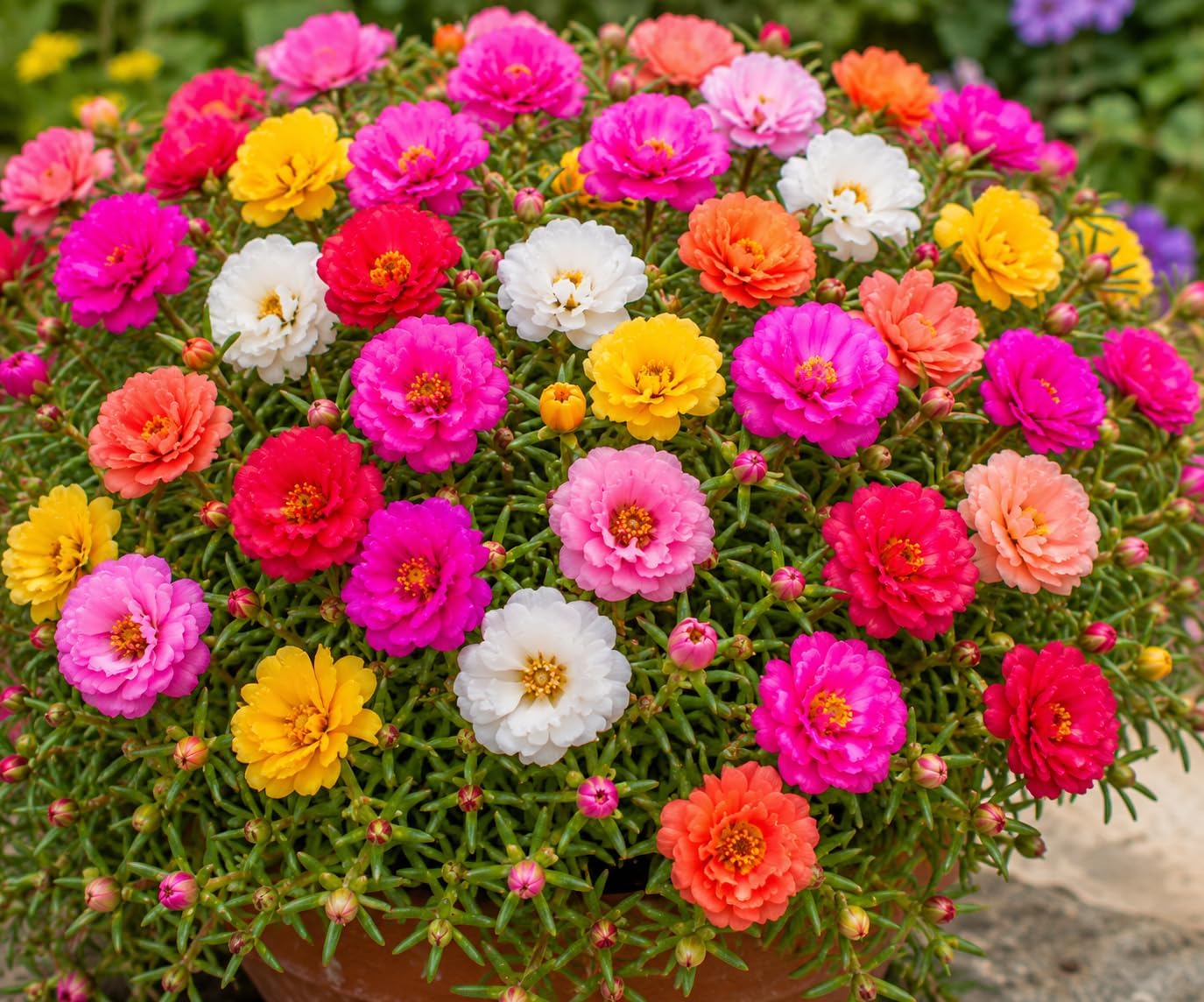
These Moss Rose (Portulaca) mix seeds grow into a low, carpet-like annual that thrives in full sun and poor, well-drained soil. Sow after the last frost in garden beds, containers, or hanging baskets where they will form a colorful mat of small blooms from summer into fall. The seed packet contains many seeds for mass planting and the plants are drought and heat tolerant, so they need only light watering once established and tolerate sandy or lean soils. Practical care is straightforward: thin seedlings to about 6 inches, avoid overwatering, and deadhead occasionally to prolong flowering. Limitations are that plants remain very low to the ground (about 6 inches) so they will spill over basket edges rather than trail long distances, and they are annuals so they need reseeding each year. For gardeners who want a fuss-free, sun-loving splash of mixed color in hanging baskets or containers, these seeds deliver reliable, low-maintenance displays with minimal watering and soil needs.
Best for: Gardeners who want an easy, low-maintenance source of bright, sun-loving color for sunny containers and hanging baskets and prefer plants that tolerate heat and dry soil.
Less Ideal for: People seeking tall or strongly trailing plants for dramatic cascading baskets should choose a different species.
- Drought and heat tolerant, requiring only light watering once established
- Wide USDA hardiness range (zones 2-11) suitable for many climates
- Produces long-lasting summer-to-fall blooms in a variety of bright colors
- Tolerates poor, sandy or loamy soil so planting is low-effort
- Very low growth habit (about 6 inches) so plants will not form long trailing vines
- Annuals that must be reseeded each year rather than persisting
Verdict: A simple, low-water choice for filling sunny hanging baskets and containers with a long season of mixed-color blooms.
BuggyBeds Double Dwarf Petunia Seeds (300+), Mixed Colors

| Indoor Outdoor Usage | Indoor, Outdoor |
|---|---|
| Expected Blooming Period | Summer |
| Sunlight Exposure | Full Sun |
| Moisture Needs | Moderate Watering |
These BuggyBeds double dwarf petunia seeds produce a profusion of compact, colorful blooms well suited to hanging baskets, window boxes, and small container gardens in full sun. They are typically sown indoors or directly in containers, then transplanted or thinned so each plant has room to spill and fill a basket. The mix includes reds, pinks, purples, and whites and is described as heat and sun tolerant, which helps maintain steady flowering through spring and summer with moderate watering and routine feeding. The plants have a compact habit that keeps baskets full without overwhelming small spaces, and their flowers attract pollinators so they add both color and garden life. Limitations are that germination and color distribution can vary seed to seed and that these are a seasonal annual choice that needs replanting each year; performance also depends on good drainage and regular deadheading or trimming for the longest bloom period.
Best for: Gardeners who want an easy, colorful hanging-basket solution for full-sun locations and prefer starting many plants from seed to fill multiple containers affordably.
Less Ideal for: People seeking instant, uniform mature plants or a no-maintenance perennial solution should consider nursery-grown transplants or perennial alternatives instead.
- Large seed count (300+), enough to populate multiple hangers or containers
- Compact double-dwarf habit ideal for filling hanging baskets and small planters
- Heat and full-sun tolerance supports reliable summer flowering in sunny spots
- Attracts pollinators such as bees and butterflies
- Seed-grown variability means colors and bloom timing are not uniform
- As annuals, plants must be replanted each year to maintain displays
Verdict: A high-count packet of compact, sun- and heat-tolerant petunia seeds that fills hanging baskets with continuous summer color when started and cared for properly.
AVERAR Yellow Delosperma Ice Plant (live succulent)
| Moisture Needs | Moderate Watering |
|---|---|
| USDA Zones | 5-9 |
| Unit Count | 1 Count |
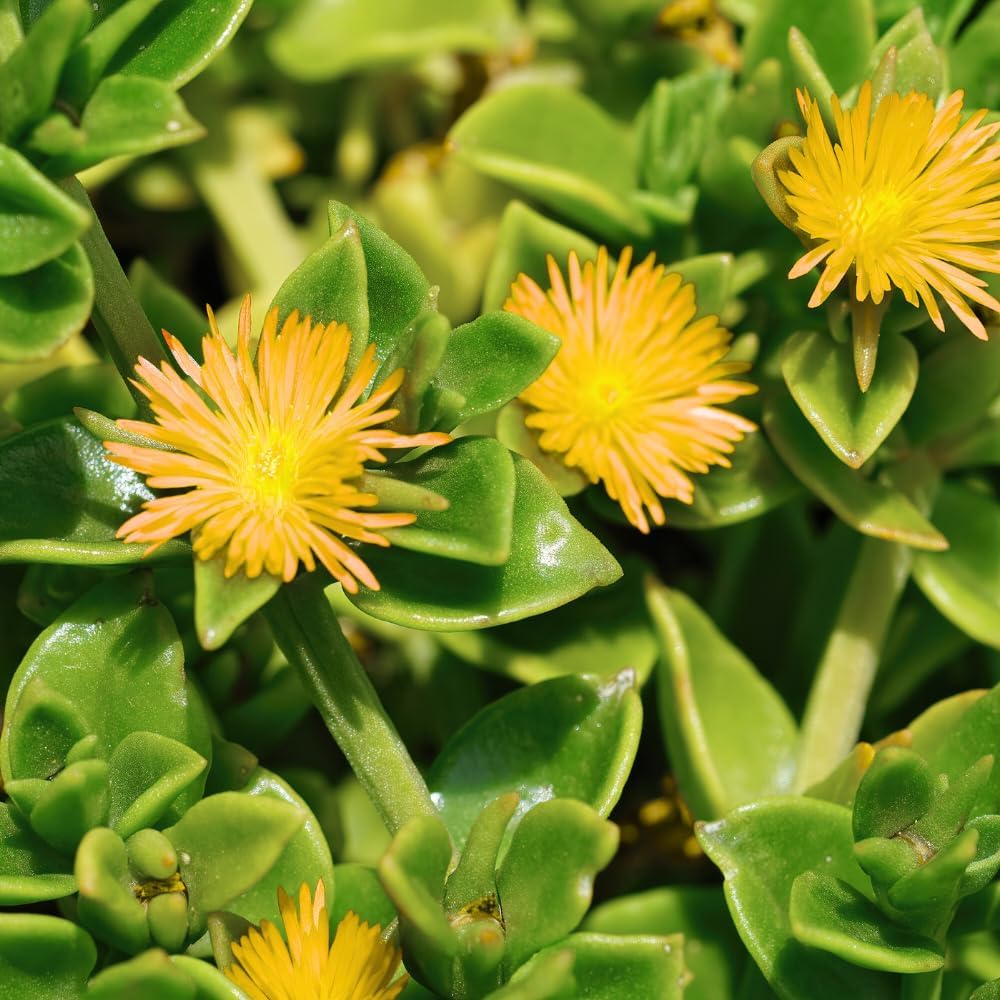
This AVERAR Delosperma ice plant is a small live succulent that produces bright yellow flowers from late spring through fall and is designed for sunny, well-drained spots. In practice you would use it in a sunny hanging basket, rock garden, or as an edge planting where it can spill over the container and receive full sun. Notable features include hardiness to USDA zones 5 to 9, drought tolerance, and moderate watering needs, which make it forgiving if you miss an occasional watering. The plant prefers well-drained soil and will not do well in constantly wet conditions, so choose a pot with drainage and a fast-draining mix. Because it is a succulent, it requires less frequent care than many annual basket plants and holds color through the season, but it will not tolerate heavy shade and can suffer in overly wet climates. For gardeners seeking a low-maintenance, sun-loving filler that blooms reliably in warm months, this is a practical choice; gardeners in cool, shaded sites should pick a different species.
Best for: Gardeners who want a dependable, low-maintenance sun-loving filler for sunny hanging baskets or containers and value plants that tolerate occasional dry spells.
Less Ideal for: People with shady balconies or consistently wet sites should choose shade-tolerant or moisture-loving basket plants instead.
- Produces long-lasting bright yellow blooms from late spring to fall
- Drought-tolerant and needs only moderate watering once established
- Hardy in a wide range of climates (USDA zones 5–9) making it reliable outdoors
- Low-maintenance succulent habit that works well in sunny hanging baskets
- Requires full sun and well-drained soil and will decline in shade or soggy conditions
Verdict: A reliable, low-care succulent that delivers long-lasting yellow blooms in sunny, well-drained hanging baskets.
KVITER Heirloom 2,000 Mix Dwarf Petunia (Nana Compacta) Seeds

| Indoor Outdoor Usage | Outdoor |
|---|---|
| Other Special Features of the Product | Attracts Pollinators, Drought Tolerant, Extended Bloom Time, Growing Guide Included, Made in the USA |
| Expected Blooming Period | Summer |
| Sunlight Exposure | Full Sun |
| Unit Count | 2000 Count |
These KVITER dwarf petunia seeds produce compact, 10‑inch mounded plants that suit small pots, hanging baskets and window boxes in full sun. The mix includes red, pink, purple and white blooms and is sold as 2,000 untreated heirloom seeds with a growing guide included on each packet. Seeds are surface‑sown or very shallowly planted and typically germinate in 7–14 days when kept moist and warm, which makes them straightforward for home gardeners. The plants are described as drought tolerant once established and attractive to hummingbirds and butterflies, so they add continuous color and pollinator activity to sunny hanging baskets. Because these are open‑pollinated, non‑GMO seeds offered in very large quantity, you get many chances to fill multiple baskets or replace plants midseason. Expect some variability in vigor and bloom timing since this is a mixed heirloom lot rather than a uniform hybrid cultivar, so gardeners seeking perfectly consistent size or exact colors may see uneven results. The included planting guide and broad USDA zone range make them an easy choice for risk‑averse gardeners wanting reliable summer color in full sun containers.
Best for: Gardeners who prefer low‑risk, straightforward planting for continuous summer color in full‑sun hanging baskets and small containers and who value heirloom, non‑GMO seed stock.
Less Ideal for: Growers who need uniform, hybrid plug‑quality plants with predictable bloom size and exact color matching should consider cultivar‑specific transplants instead.
- Large seed count (2000) covers many baskets and containers
- Heirloom non‑GMO seeds with growing guide on each packet for beginner confidence
- Compact nana compacta habit suits hanging baskets and small pots without overcrowding
- Attracts pollinators and tolerates light drought once established
- Mixed heirloom seed lots can produce variable flower colors and plant vigor
- Seeds are untreated and may require more careful starting and disease vigilance than treated commercial plugs
Verdict: A high‑count packet of compact heirloom dwarf petunia seeds that delivers easy, pollinator‑friendly summer color for full‑sun hanging baskets and small containers.
Choosing the Right Plants for Sunny Hanging Baskets: Key Factors to Consider
Sun and Heat Tolerance
Full sun exposure creates higher leaf and soil temperatures than in-ground plantings. Choose plants that tolerate prolonged direct sunlight without leaf scorch or flower drop. Heat-tolerant species maintain stomatal function and continue setting blooms during hot spells rather than going dormant.
In hanging baskets the root zone can heat rapidly and dry faster because the container is elevated and air circulates on all sides. Plants that handle both high light and a warm root zone reduce watering frequency and preserve flower production during the hottest months.
Watering Needs and Drought Response
Hanging baskets dry out faster than ground beds. Consider plants that recover quickly from brief water stress and that show visible but nonfatal wilting so you can time irrigation. Some species have succulent or thicker leaves that buffer short dry periods, while others rely on regular moisture to keep blooms open.
Matching plants with similar water requirements in the same basket prevents overwatering one species to save another. Also think about how the plant reacts to inconsistent watering-whether it drops flowers, loses foliage, or simply slows growth-because that affects how often you must check and water the basket.
Growth Habit and Container Size Compatibility
The ideal hanging-basket plant either trails to create a lush spillover or stays compact and mounding to fill the basket without quickly becoming root-bound. Trailing stems add drama and hide the basket rim, while compact forms give a neat, abundant look.
Consider how fast a plant grows when pairing multiple species. Vigorous spreaders can overwhelm slower companions and lead to uneven water and nutrient use. Choose plants whose mature habits match your basket size so you avoid early repotting or frequent pruning.
Flowering Rhythm and Showiness
For baskets placed where they are seen daily, consistent bloom presence matters more than occasional peak displays. Select plants with repeat blooming or continuous flowers rather than one short bloom flush.
Also evaluate flower size and density. Many small-flowered species produce a sustained curtain of color that reads well at a distance, while a single large-flowered species may look spectacular up close but fade faster. Think about viewing distance and how showy you want the basket to appear over time.
Maintenance and Deadheading Requirements
Maintenance time varies greatly between species. Some plants require frequent deadheading to encourage new blooms, while others are self-cleaning and save time. Also consider pruning needs to preserve shape and remove straggly growth.
Fertilizer frequency is part of maintenance too. Fast-flowering basket plants often need regular feeding to sustain blooms. Pick species whose feeding schedule and pruning demands match the time you want to spend caring for hanging baskets.
Pest and Disease Susceptibility in Containers
Containers can create microclimates that change pest and disease dynamics. Good basket choices show tolerance to common container issues like fungal leaf spots in humid conditions or spider mites in hot, dry air. Plants prone to persistent pests will increase monitoring and treatment time.
Also consider root health. Overwatering and poor drainage invite root rot in baskets, so species that tolerate brief wet feet or can be paired with well-draining mixes are preferable for long-term container success.
Best Soil Mix and Drainage for Sunny Baskets
An airy, well-draining potting mix keeps roots cooler and prevents waterlogging on bright, hot days. Look for mixes with component drainage such as coarse perlite, coconut coir for moisture retention without compaction, and a modest amount of compost for nutrients.
Layering a small amount of slow-release fertilizer into the soil at planting saves time, then switch to a liquid feed during the peak bloom season. Make sure baskets have adequate drainage holes and consider using a liner that allows excess water to escape quickly.
- Use a blend that retains moisture but sheds excess quickly
- Add drainage material if the basket sits on a flat surface
- Pre-moisten mix before planting to reduce transplant stress
Planting and Spacing Strategies
Place taller or more upright varieties toward the center or back of the basket and trailing plants near the rim so they can spill attractively. When mixing species, match plants with similar water and light needs.
Avoid overpacking at planting time. Leave enough room for roots to grow and air to circulate between plants. Crowding increases disease risk and leads to uneven watering, with outer plants drying faster than the centre.
- Group plants by water requirement
- Allow spacing that reflects the mature size, not the plug size
- Rotate baskets occasionally for even sun exposure
Watering Techniques That Work in Full Sun
Water thoroughly until water runs out the drainage holes, then allow the surface to dry slightly before the next deep soak. Frequent light misting is less effective in full sun because the soil still needs to rehydrate thoroughly down to the root ball.
Use a watering schedule based on the plant response rather than the calendar. In hot spells you may need to water daily; during cooler stretches cut back. Self-watering baskets or moisture-retaining crystals can help reduce watering frequency but do not replace periodic deep watering.
- Water in the morning to reduce evaporation loss
- Check the root ball moisture by lifting the basket if small
- Avoid letting baskets stay bone dry for extended periods
Seasonal Care and Extending Bloom Time
Deadhead spent flowers or remove faded clusters to encourage more blooms, unless you choose self-cleaning species. Pinch back leggy stems mid-season to promote bushier growth and additional flowering.
Feed regularly with a balanced liquid fertilizer during the main blooming months. Reduce feeding in late season to let plants harden off before cooler weather. Replace or refresh spent baskets when flowering declines despite good care.
- Use a balanced liquid feed every two weeks during heavy bloom
- Prune sparingly to shape and remove damaged growth
- Refresh soil or repot yearly for long-term baskets
Troubleshooting Common Problems
Yellowing lower leaves often indicate overwatering or poor drainage. Check root condition and adjust watering frequency. Leaf scorch and dropped flowers typically signal too much sun exposure for a marginal species or insufficient moisture during hot afternoons.
If pests appear, isolate the basket and treat with appropriate cultural or mechanical controls first, such as rinsing off aphids or increasing humidity to deter spider mites. Persistent fungal problems usually come from poor airflow or overhead watering and are corrected by improving drainage and watering at the soil level.
- Diagnose with simple checks: soil moisture, root health, airflow
- Treat pests early with rinsing or targeted organic sprays
- Prevent fungal issues by watering at the base and avoiding crowding
How We Chose the Best Plants for Sunny Hanging Baskets
We focused on traits that matter for plants living in exposed, often wind-swept containers. First, bloom duration and repeat flowering were essential because long bloom time delivers continuous color in a hanging basket. Second, heat and drought tolerance determined whether a plant stays healthy through hot afternoons and intermittent watering. Third, growth habit and trailing ability mattered for baskets where spillover or compact, well-rounded forms are preferred. Fourth, pest and disease resistance in container conditions reduced maintenance for busy gardeners. Fifth, ease of care and deadheading requirements affected whether a plant is a good fit for casual or attentive gardeners. To build the shortlist we filtered for plants proven to thrive in full sun and listed species that establish quickly in containers. We excluded plants that need heavy shade, constant moisture, or large root space that baskets cannot provide. We also avoided options with high susceptibility to common container pests and plants that require complex seasonal pruning. The resulting selections balance visual impact with realistic container performance.
FAQ
Can any sun-loving plant go in a hanging basket?
Not always. Sun-loving plants vary in root space needs and growth habit. Choose species that tolerate containers and either trail or remain compact so they do not outgrow the basket quickly.
How often should I water sunny hanging baskets?
It depends on weather and basket size. In hot, dry conditions daily checks are common and you may water every day. In milder weather, thorough watering every two to three days often suffices. Base the schedule on the root ball moisture rather than a fixed calendar.
Are trailing plants better than upright types for hanging baskets?
Trailing plants create a fuller, cascading look and hide the basket rim, while upright or mounding types provide height and structure. Mixing compatible trailing and upright plants can offer the best balance if their water and light needs match.
How do I keep blooms going through heat waves?
Keep soil evenly moist with deep waterings, feed regularly during bloom, and remove faded flowers to encourage rebloom. Choosing heat-tolerant species reduces flower drop during hot spells.
Can I reuse the same plants next season?
Some perennial or tender perennial plants can last multiple seasons in containers if protected in winter and repotted with fresh soil. Many common basket plants are annuals that perform best replaced each year for peak bloom.
Final Verdict
Choose plants for sunny hanging baskets by prioritizing heat tolerance, a suitable growth habit for the basket size, and water-use compatibility when mixing species. Expect tradeoffs between showy short-lived blooms and longer-lasting, less demanding flowers. Match your maintenance time to the care needs of the plants you select so baskets stay colorful without constant intervention. When in doubt, favor plants that tolerate brief drought and resist common container pests. That approach delivers reliable color and reduces the risk of basket failure during hot, sunny stretches.
