

Note: This article contains affiliate links. If you click on these links and make a purchase, I may earn a small commission at no extra cost to you. This helps support my research and content. Read my full affiliate disclosure here.
Sun-exposed containers present a different set of challenges than shaded window boxes. In full sun a plant needs more than looks: it must tolerate heat, recover from dry soil between waterings, and stay compact enough to fit the planter without overwhelming it. This guide focuses on top choices for sunny planters and explains why each type made our shortlist. We evaluated candidates for their sun tolerance, drought response, container vigor, and seasonal color so you can pick plants that thrive on a sunny balcony, patio, or front-step planter. Below are the top picks and the criteria we used to shortlist them.
Top Picks at a Glance
| Best Overall The best all-around choice for most situations | American Plant Exchange Live Crown of Thorns (6-inch pot) — Flowering Succulent |  |
| Best Quality Built to a higher standard if you want something more solid | Tropical Plants of Florida Dipladenia Bush with Yellow Flowers (6" Grower Planter) |  |
| Best Value The sweet spot between price and what you get | Bonnie Plants Strawberry Live Plants, 4-Pack |  |
| Best Budget The cheapest option that still gets the job done reliably | Verdant Vigor 4 Assorted Live Succulents with Root Ball |  |
| Most Popular A crowd favorite that many people choose with confidence | THE NEXT GARDENER.COM String of Pearls Live Succulent, 4-inch, Fully Rooted |  |
| Best Seller A high-volume bestseller chosen again and again | KVITER Heirloom 2,000 Mix Dwarf Petunia (Nana Compacta) Seeds |  |
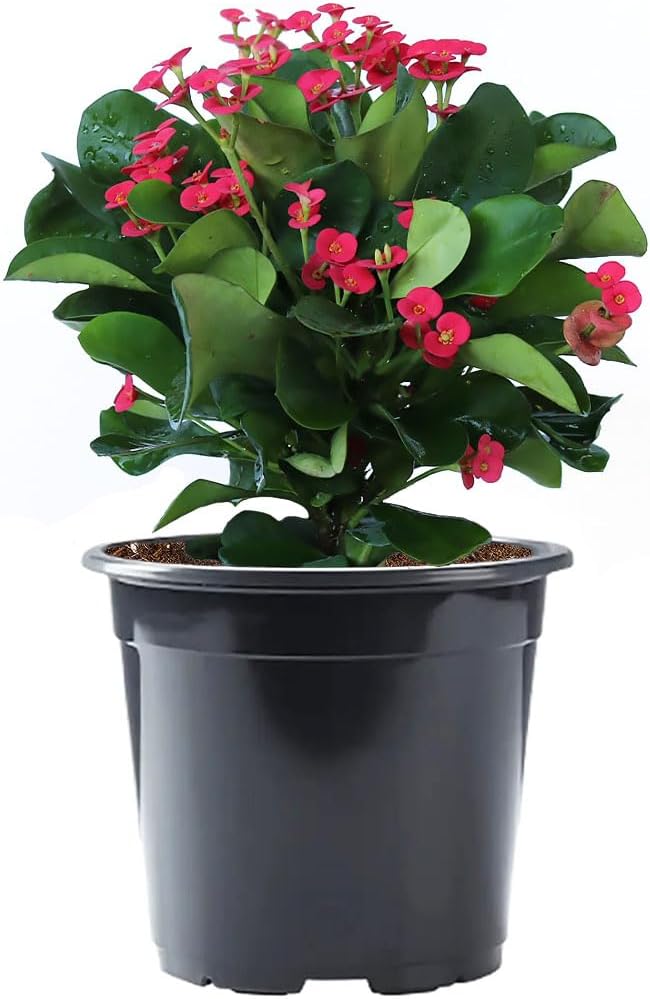
American Plant Exchange Live Crown of Thorns (6-inch pot) — Flowering Succulent
| Indoor Outdoor Usage | Outdoor |
|---|---|
| Expected Blooming Period | Year Round |
| Sunlight Exposure | Partial Shade |
| USDA Hardiness Zone | 9,10,11 |
| Moisture Needs | Little To No Watering |
This Crown of Thorns (Euphorbia milii) arrives as a ready-to-display 6-inch potted succulent that brings bold red flowers and sculptural, spiny stems to sunny patios or windowsills. It is typically used as a container specimen or part of a sun-loving mixed pot where continuous color and low upkeep are priorities. Notable features include year-round blooming in warm conditions, high drought tolerance, and a preference for bright direct light and very well-draining soil. Practically, that means you get a striking, water-wise flowering plant that needs watering only after the soil dries and rewards bright exposure with more abundant blooms. Important limitations are its sensitivity to overwatering and that blooms depend on light, temperature, and plant maturity so it may not flower heavily in cooler, low-light environments. Also handle carefully around pets and children since Euphorbia sap can be irritating. For balanced gardeners who want a durable, showy pot plant for full sun, this is an easy-care option that adds color with minimal fuss.
Best for: Gardeners who want a low-maintenance, flowering succulent for full-sun pots or a sunny windowsill and prioritize continuous color with minimal fuss.
Less Ideal for: People seeking a non-toxic houseplant or those who cannot provide bright direct light and well-draining soil should consider different species.
- Drought-tolerant and stores water in thick stems for low watering needs
- Produces bright red blooms for much of the year in warm, sunny conditions
- Compact 6-inch potted size fits well in containers, patios, and windowsills
- Attracts pollinators when in flower, adding ecological value to sunny gardens
- Susceptible to root rot if kept in poorly draining or consistently moist soil
- Sap is irritating and requires cautious handling around pets and children
Verdict: A resilient, low-water flowering succulent that delivers bright, long-lasting color for full-sun pots with minimal maintenance.
Tropical Plants of Florida Dipladenia Bush with Yellow Flowers (6" Grower Planter)

| Indoor Outdoor Usage | Indoor, Outdoor |
|---|---|
| Expected Blooming Period | Spring to Fall |
| Sunlight Exposure | Full Sun |
| Soil Type | Sandy Soil |
This live Dipladenia arrives in a 6-inch grower planter and is intended for bright, sunny locations where it will bloom from spring through fall. It is typically used as a container or patio plant that tolerates direct sun and sandy soils, producing recurring yellow flowers that add long-season color. The product’s straightforward presentation in a grower pot makes it easy to place in a sunny spot or transplant into a larger container or garden bed in spring. Practical benefits include consistent flowering in full sun exposure and low soil-type fussiness when planted in well-draining, sandy mixtures. Limitations are that size and mature habit are not specified in detail on the listing and the plant may need regular watering and fertilizing in hot, direct-sun sites to maintain blooms. For performance-driven buyers looking for reliable sun-loving color, this Dipladenia offers a simple, ready-to-use option that performs best when given consistent light and routine care.
Best for: Gardeners seeking a performance-oriented, sun-loving flowering shrub for containers or sunny patios who prioritize consistent seasonal blooms and easy placement.
Less Ideal for: People wanting a large, established specimen or those who need detailed mature dimensions for precise landscape placement.
- Designed for full sun exposure and long bloom period from spring to fall
- Arrives in a 6" grower planter ready for placement or easy transplanting
- Tolerates sandy, well-draining soils common in warm, sunny sites
- Listing lacks detailed size and mature habit information for landscape planning
- May require frequent watering and feeding in hot, direct-sun locations
Verdict: A compact, sun-loving flowering shrub that delivers reliable yellow blooms for containers and sunny patios throughout the growing season.
Bonnie Plants Strawberry Live Plants, 4-Pack

| Sunlight Exposure | Full Sun |
|---|---|
| Expected Planting Period | Winter,Spring |
| USDA Hardiness Zone | 5 |
| Moisture Needs | Regular Watering |
| Unit Count | 4 Count |
These Bonnie strawberry plants arrive as ready-to-plant live starts designed for outdoor containers or garden beds. Each pack contains four plants that prefer full sun, loam or well-drained soil, and regular watering; they reach about 8 to 10 inches tall and begin producing sweet, red berries that are good fresh, in desserts, or preserved. Typical use is planting them in pots, hanging baskets, or sunny patio boxes where you can easily harvest the fruit and enjoy the ornamental flowers and foliage. Because the plants are perennial in zones 5 to 9, a single planting can yield fruit across seasons with basic care and occasional feeding. Notable features from the brand include size suited to container culture and clear care guidance encouraging consistent moisture and feeding for best yields. Limitations to expect are the need for regular water and well-drained soil to avoid rot, and variable productivity depending on local climate and pollination; these are live plants so you should plant them promptly and monitor for pests and transplant stress after shipping.
Best for: Gardeners who want an easy container-friendly strawberry to plant on a sunny patio or balcony and prefer a low-effort perennial that yields fresh fruit with routine care.
Less Ideal for: People who want instant supermarket quantities or a no-maintenance edible; those in colder zones below 5 or who cannot provide regular watering should consider alternative crops.
- Ready-to-plant live starts cut time to first harvest compared with seed
- Compact mature height fits well in pots, balcony boxes, and small garden spaces
- Suitable for USDA zones 5–9 so plants behave as perennials in many climates
- Attractive flowers and foliage add ornamental value in addition to fruit
- Requires consistent moisture and well-drained soil to prevent root problems
- Productivity depends on local conditions so yields may vary
Verdict: A practical four-pack of container-friendly strawberry plants that makes growing fresh, sweet berries on a sunny patio simple for gardeners seeking reliable perennial plants.
Verdant Vigor 4 Assorted Live Succulents with Root Ball

| Indoor Outdoor Usage | Indoor, Outdoor |
|---|---|
| Drought Tolerant | Yes |
| Sunlight Exposure | Partial Shade |
| USDA Hardiness Zone | 9-11 |
| Moisture Needs | Moderate Watering |
This four-pack from Verdant Vigor delivers a simple starter set of live succulents that are easy to place around the home or patio. Each plant ships with a root ball so they are ready to pot into sandy, well-draining soil; recommended uses include small containers, mixed succulent arrangements, or windowsill displays. The plants are drought tolerant and need moderate watering and partial shade, which makes them low-maintenance for busy or new plant owners. They are rated for USDA zones 9 to 11 and are described as pet safe, which broadens where you can keep them. Because these are small specimens (about 4 inches expected height), they are best for decorative accents rather than large-scale landscaping. Expect basic, young plants rather than mature specimens, so you may need to re-pot and grow them on to reach fuller size. Overall these succulents are a practical, low-cost way to add greenery with minimal ongoing care.
Best for: Buyers looking for an inexpensive, low-maintenance way to add small, attractive succulents to indoor spaces, windowsills, or sheltered patios and who prefer plants that require little watering.
Less Ideal for: Gardeners seeking mature, statement plants or anyone needing cold-hardy succulents for outdoor planting in climates below USDA zone 9.
- Includes four live plants with root balls ready for potting
- Drought tolerant and needs only moderate watering
- Suitable for indoor and outdoor use in warm climates
- Compact size works well for small containers and mixed arrangements
- Small young plants that may require repotting and time to fill out
- Limited hardiness to USDA zones 9 to 11 restricts outdoor placement in cooler areas
Verdict: An affordable, low-maintenance four-pack of small succulents ideal for beginners and budget-conscious buyers wanting easy-to-care-for greenery.
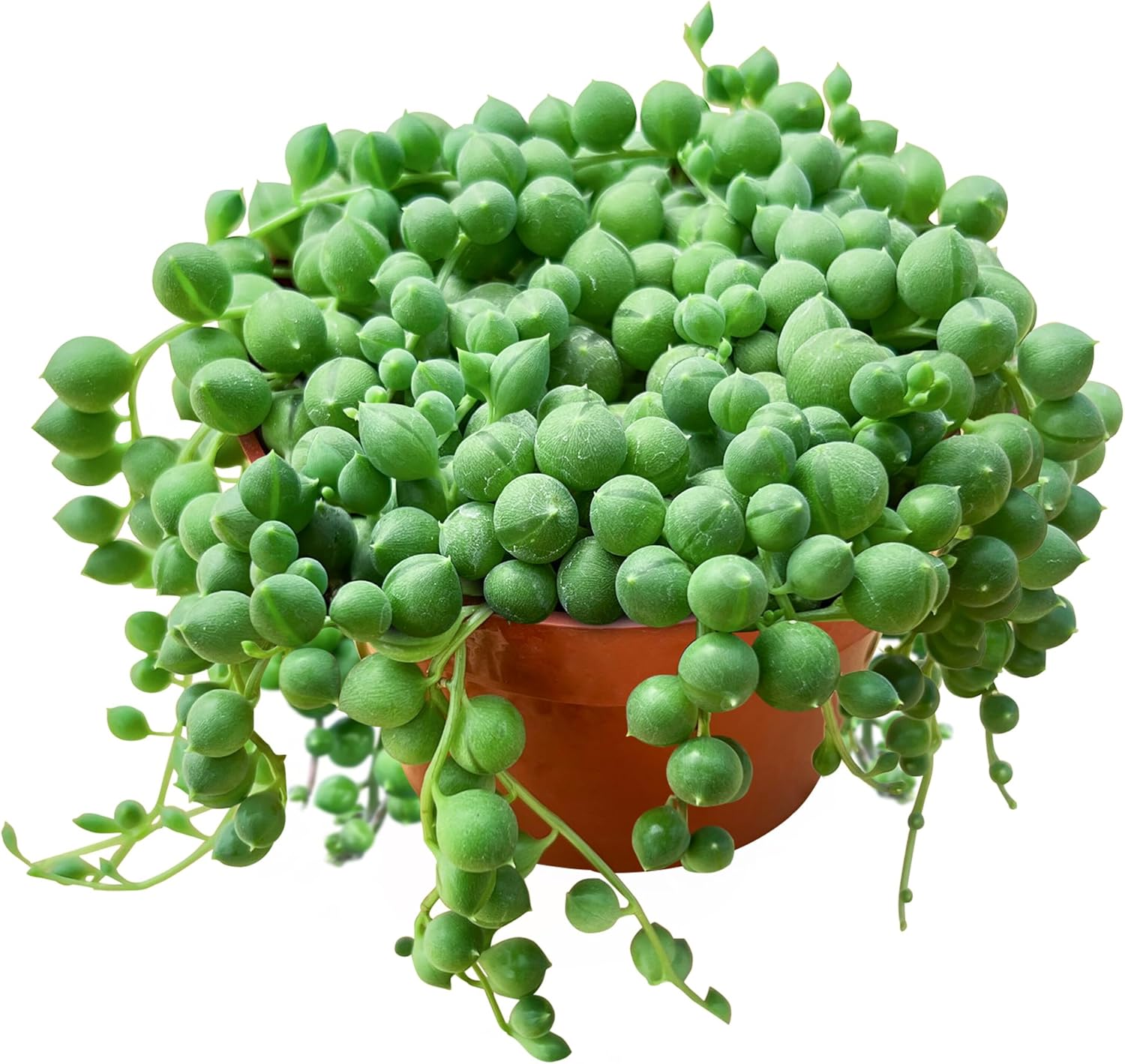
THE NEXT GARDENER.COM String of Pearls Live Succulent, 4-inch, Fully Rooted
| Indoor Outdoor Usage | Indoor |
|---|---|
| Other Special Features of the Product | Drought Tolerant |
| Sunlight Exposure | Partial Sun |
| Soil Type | Sandy Soil |
| Moisture Needs | Moderate Watering |
This String of Pearls arrives in a 4-inch grower pot already fully rooted, so it is ready to move into a hanging basket or bright windowsill with minimal fuss. The plant is a trailing succulent with round, bead-like leaves that create an attractive drape when placed in a hanging planter. It is marketed as low maintenance and drought tolerant, so the recommended soak-and-dry watering method makes it well suited to owners who prefer infrequent watering. Best placement is partial sun or bright indirect light; the listing notes 4 to 6 hours of light and sandy, well-draining soil for healthiest growth. Practical benefits include easy seasonal recovery tips and guidance on rescuing frozen or dried plants, which helps less experienced caretakers troubleshoot problems. Limitations are that sunlight needs and seasonal fullness will cause visual changes through the year, and it may require attention after transit if leaves are bruised. For a cautious buyer wanting a reliable trailing plant for a hanging basket, the pre-rooted pot and straightforward care make this an accessible choice.
Best for: Buyers who want a low-fuss trailing plant for hanging baskets or shelves and prefer a ready-to-use, pre-rooted specimen with straightforward care instructions.
Less Ideal for: Growers seeking a consistently full or fast-growing showpiece year-round or those who want outdoor-hardy plants for unprotected exterior baskets.
- Arrives fully rooted in a 4-inch nursery pot for easy transplanting into hanging baskets
- Drought-tolerant and low-maintenance suited to infrequent watering schedules
- Trailing habit with bead-like leaves provides strong visual impact in hanging planters
- Manufacturer guidance included for recovery from common issues like freezing or overdrying
- Appearance and fullness vary with season and light so it may look sparse at times
- Susceptible to damage during transit and may need pruning or recovery after arrival
Verdict: A pre-rooted, low-maintenance trailing succulent that makes a safe, easy choice for hanging baskets when you want an attractive draping plant without complex care.
KVITER Heirloom 2,000 Mix Dwarf Petunia (Nana Compacta) Seeds

| Indoor Outdoor Usage | Outdoor |
|---|---|
| Other Special Features of the Product | Attracts Pollinators, Drought Tolerant, Extended Bloom Time, Growing Guide Included, Made in the USA |
| Expected Blooming Period | Summer |
| Sunlight Exposure | Full Sun |
| Unit Count | 2000 Count |
These KVITER dwarf petunia seeds produce compact, 10‑inch mounded plants that suit small pots, hanging baskets and window boxes in full sun. The mix includes red, pink, purple and white blooms and is sold as 2,000 untreated heirloom seeds with a growing guide included on each packet. Seeds are surface‑sown or very shallowly planted and typically germinate in 7–14 days when kept moist and warm, which makes them straightforward for home gardeners. The plants are described as drought tolerant once established and attractive to hummingbirds and butterflies, so they add continuous color and pollinator activity to sunny hanging baskets. Because these are open‑pollinated, non‑GMO seeds offered in very large quantity, you get many chances to fill multiple baskets or replace plants midseason. Expect some variability in vigor and bloom timing since this is a mixed heirloom lot rather than a uniform hybrid cultivar, so gardeners seeking perfectly consistent size or exact colors may see uneven results. The included planting guide and broad USDA zone range make them an easy choice for risk‑averse gardeners wanting reliable summer color in full sun containers.
Best for: Gardeners who prefer low‑risk, straightforward planting for continuous summer color in full‑sun hanging baskets and small containers and who value heirloom, non‑GMO seed stock.
Less Ideal for: Growers who need uniform, hybrid plug‑quality plants with predictable bloom size and exact color matching should consider cultivar‑specific transplants instead.
- Large seed count (2000) covers many baskets and containers
- Heirloom non‑GMO seeds with growing guide on each packet for beginner confidence
- Compact nana compacta habit suits hanging baskets and small pots without overcrowding
- Attracts pollinators and tolerates light drought once established
- Mixed heirloom seed lots can produce variable flower colors and plant vigor
- Seeds are untreated and may require more careful starting and disease vigilance than treated commercial plugs
Verdict: A high‑count packet of compact heirloom dwarf petunia seeds that delivers easy, pollinator‑friendly summer color for full‑sun hanging baskets and small containers.
Choosing the Right Plants for Sunny Planters: Key Factors to Consider
Sun and Heat Tolerance
Plants in bright, exposed planters face high light intensity and elevated leaf temperatures that can cause leaf scorch and rapid soil drying. Choose plants known to tolerate several hours of direct sun and midday heat so foliage and flowers remain healthy through heat waves.
A plant with true sun tolerance often has physiological traits like thicker leaves, reflective leaf hair, or compact growth that reduce water loss. In a planter those traits matter more than in-ground assumptions because container roots heat up and dry faster. Consider how long your planter is in direct sun and pick species matched to that intensity.
Drought Recovery and Water Needs
Planters dry out faster than garden beds, so drought-tolerant plants that can recover quickly between waterings reduce maintenance and stress. Look for plants that tolerate drying for a day or more and then perk up after thorough watering.
Also factor in your watering routine. If you travel often or prefer low-maintenance displays, select plants with strong drought recovery rather than thirsty annuals. Mulch, potting mix with water-retention crystals, and grouping plants with similar needs can improve outcomes, but intrinsic drought resilience remains the primary safeguard.
Container Habit and Root Behavior
A plant's growth habit determines how it fills a planter visually and how often it needs repotting or pruning. Compact, clumping, or well-behaved trailing habits typically work best in small to medium planters. Vigorous spreaders or deep-rooted species can quickly outgrow containers and become root-bound.
Consider the mature width and height of a plant relative to your planter dimensions. Also consider root behavior: some species tolerate confinement and continue flowering, while others decline when restricted. Choosing plants suited to container life reduces repotting and keeps the display balanced.
Soil and Fertility Requirements
Potting mixes drain and warm differently than garden soil, and nutrient supply in a closed container is limited. Plants that demand heavy feeding or specialized soil pH can be more work in planters. Prefer species that thrive in a standard, well-draining container mix and respond predictably to regular, moderate fertilization.
Regular light feeding during the growing season sustains blooms for many container plants, but avoid heavy-feeding types that require constant inputs. Matching fertilizer schedule to the plant's vigor keeps growth controlled and flower production consistent.
Seasonal Interest and Bloom Duration
Planters are often used to add focal color or texture to a porch, balcony, or entry. Choose plants that provide extended bloom periods or attractive foliage so the container looks good for weeks rather than days. Long-blooming species and those with repeat-flowering habits give the most payoff for maintenance efforts.
Also think about seasonal transitions. Some plants offer summer color then decline with first frost, while others provide architectural foliage that lasts longer. Building a planting scheme with staggered bloom times prolongs visual interest.
Maintenance and Pest Resistance
Sunny planters can attract pests and stresses that reduce plant vigor. Select species with a reputation for resistance to common container pests or diseases in warm conditions to minimize interventions. Low-maintenance plants that only need occasional deadheading, light pruning, or one-season grooming fit busy schedules.
If you prefer low upkeep, avoid plants requiring frequent pinching, staking, or close monitoring for fungal issues. Good selection up front means fewer mid-season problems and more reliable displays.
Matching Plants to Planter Size and Exposure
Think about the planter's dimensions and how long it sits in direct sun. Shallow boxes heat and dry faster than deep pots, so favor shallow-rooted, drought-tolerant species for wide, shallow trays. Deep urns allow slightly thirstier or larger-rooted plants but still need heat-hardy choices on hot sills or southern walls.
Placement also matters: a planter on a roof terrace may face stronger reflected heat than one at ground level. Adjust selections upward in heat tolerance for highly exposed sites, and use a mix of anchoring center plants, fillers, and trailing spillers to create visual balance without overcrowding.
- Use compact or trailing habits for small boxes to avoid overpowering the planter.
- Reserve taller, upright plants for deep pots where roots have space.
- Group plants with similar watering needs to simplify care.
Soil Mix and Mulching Tips for Sunny Containers
A well-draining potting mix with some organic matter helps retain moisture while preventing waterlogging. In sunny planters, mixes with added water-retention components like coconut coir or small amounts of compost can reduce daily watering needs without keeping roots soggy.
A thin layer of mulch such as small pebbles or shredded bark can slow surface evaporation and protect roots from temperature spikes. Avoid heavy mulches that retain too much moisture and invite root rot in containers that receive frequent irrigation.
- Choose mixes labeled for containers rather than garden soil.
- Add a slow-release fertilizer at planting for steady nutrition.
- Top-dress with a light mulch to conserve moisture and reduce splash.
Watering Strategies for Hot, Sunny Conditions
Watering frequency depends on planter size, potting mix, sun exposure, and plant choice. In full sun you may need to water daily in small pots during heat waves, but larger pots and drought-tolerant plants often survive on a less frequent schedule. The finger test and weight check are reliable ways to time watering: lift the pot to feel its weight and probe the mix for moisture.
Consider morning irrigation to reduce foliar disease and allow plants to recover during the day. If you want lower maintenance, use self-watering containers or sub-irrigation inserts that buffer short dry spells, but still choose plants that tolerate occasional drying to keep displays resilient.
- Check moisture at root depth rather than only surface dryness.
- Water deeply and infrequently to encourage stronger root systems.
- Use saucers or trays sparingly to avoid waterlogging in extreme heat.
Designing for Long-Lasting Color and Texture
Combine plants with staggered bloom times and complementary textures for a container that looks good across the season. Use one bold, heat-tolerant center plant, a few filler plants with continuous blooms, and a trailing spiller to soften the edges. This classic arrangement works especially well in sunny planters where color can fade quickly if all species peak simultaneously.
Consider foliage contrast as much as flowers. Silver-gray or hairy foliage often handles sun better and offers visual relief among bright blooms. Repeat a color or texture across several pots to tie a sunny patio together.
- Plan for continuous bloom rather than a single peak.
- Use contrasting leaf textures to add visual interest between flushes of flowers.
- Deadhead spent blooms to encourage prolonged flowering where appropriate.
Seasonal Care and Overwintering Strategies
Many sun-loving container plants are annuals or tender perennials that decline with frost, so plan seasonal rotations or overwintering steps. Move containers to a protected spot or reduce watering late in the season for plants you want to store. For plants that return, refresh the top couple inches of potting mix in spring and check roots for crowding before the new season.
If you have limited space for overwintering, choose hardy perennials or bulbs suited to your climate and sunny conditions so containers continue to provide interest year after year with less intervention.
- Reduce fertilization as the season winds down for plants you will overwinter.
- Bring small containers indoors during extreme cold or wrap large pots to protect roots.
- Replace spent annuals with cool-season foliage where appropriate.
How We Chose the Best Plants for Sunny Planters
We prioritized traits that matter in sun-exposed containers. Sun tolerance and heat resilience were primary filters, because plants that scorch or drop foliage under afternoon sun rarely perform in small pots. Drought response was another key metric: we favored species that survive regular dry periods between waterings without collapsing or requiring constant attention. Container vigor and growth habit were assessed to ensure plants stay proportionate to typical planter depths and do not become root-bound or overly leggy. Flowering longevity and seasonal interest were included so selections offer dependable color or texture rather than short bursts. Disease and pest resistance in warm conditions was considered to reduce maintenance in sunny microclimates. We excluded plants that need deep, moisture-retentive soil or heavy pruning regimes that are unrealistic for casual container gardening. Also excluded were varieties that require extensive shelter from afternoon heat. The remaining shortlist balances visual impact, low-to-moderate care, and reliable performance in hot, bright planter sites.
FAQ
How often should I water sunny planters?
It depends on pot size, mix, and plant type. Small shallow pots in full sun often need daily checks during hot spells, while larger containers can go several days between thorough waterings. Use the weight test and probe the soil before watering.
Can I plant different sun-loving species together?
Yes, provided they share similar water and feeding needs. Grouping plants with mismatched moisture requirements makes care harder and can stress one or more species in the mix.
What potting mix works best for sunny planters?
A well-draining container mix with some organic matter is ideal. For very hot exposures, mixes with modest water-retention components help reduce daily watering without keeping roots soggy.
How do I keep blooms from fading in extreme heat?
Choose heat-tolerant varieties and deadhead spent flowers to encourage new blooms. Provide afternoon shade if possible, increase watering during heat waves, and use mulches to keep roots cooler.
Are self-watering pots a good option for sunny planters?
They can help buffer short dry periods and reduce daily watering, but they are not a substitute for choosing drought-resilient plants. In very hot conditions the reservoir may still empty quickly, so monitor water levels.
How do I prevent plants from becoming root-bound in containers?
Select appropriately sized containers for the plant's mature root habit and repot or divide when root mass fills the pot. Using slower-growing cultivars and regular top-dressing can also delay root congestion.
Final Verdict
When choosing plants for sunny planters, prioritize sun and heat tolerance, drought recovery, and a container-friendly growth habit. Those three tradeoffs determine how much time you will spend watering, pruning, and replacing plants through the season. Balance long-blooming species with textural fillers and trailing spillers to maintain continuous interest, and match your soil mix and watering strategy to the exposure. With those priorities in mind, you can select planters that deliver reliable color and require manageable care.
