

Note: This article contains affiliate links. If you click on these links and make a purchase, I may earn a small commission at no extra cost to you. This helps support my research and content. Read my full affiliate disclosure here.
If you grow plumeria, the right fertilizer makes the difference between thin flowering and full, fragrant blooms. Plumeria respond to specific nutrient ratios and feeding rhythms more than to generic garden fertilizers, so choosing a product formulated for plumeria care helps you get predictable flowering and maintain trunk and root health. This guide looks at seven shortlisted plumeria food fertilizers suited to a range of growing situations, from container plants to in-ground tropical gardens. We evaluate nutrient balance, application ease, and how each option fits common plumeria routines to help you pick a practical feeding plan.
Top Picks at a Glance
| Best Overall The best all-around choice for most situations | TPS Nutrients Plumeria Liquid Fertilizer, 8 oz |  |
| Best Quality Built to a higher standard if you want something more solid | Exotica Tropicals Professional Nursery Plumeria Fertilizer, 4 lb Slow‑Release |  |
| Best Value The sweet spot between price and what you get | Grow More Super Bloomer 15-30-15 Flower Fertilizer (3 lb) |  |
| Best Budget The cheapest option that still gets the job done reliably | Leaves and Soul Plumeria Liquid Fertilizer, 3-5-4, 8 oz |  |
| Highest Rated A top-rated pick with lots of positive feedback | GrowThrive Plumeria Liquid Fertilizer, 10 fl oz |  |
| Most Popular A crowd favorite that many people choose with confidence | Nelson Plumeria & Tropical Plant Food Granular Fertilizer NutriStar 5-30-5 (4 lb) |  |
| Best Seller A high-volume bestseller chosen again and again | Miracle-Gro Pour & Feed Liquid Plant Food, 32 fl. oz. | 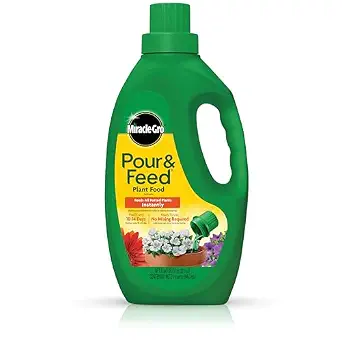 |
TPS Nutrients Plumeria Liquid Fertilizer, 8 oz

| Brand Name | TPS NUTRIENTS |
|---|---|
| Unit Count | 8 Fluid Ounces |
| Item Highlight | Supports Root Development, Encourages Flowering, Mixes Easily with Water |
This 8 oz TPS Nutrients Plumeria liquid fertilizer is designed for regular feeding of plumeria and similar tropical ornamentals. It mixes with water (manufacturer directions: 2 tablespoons per gallon) and is applied to container or garden plants to encourage stronger roots, fuller foliage, and more abundant blooms. Key benefits are a formulation targeted to flowering and root development and a small concentrated size that is easy to store and use for seasonal feeding. In practice it works well for potted plumeria and patio specimens where controlled, repeat applications are helpful. Limitations include the small bottle size, which means frequent repurchases for larger collections, and the lack of detailed N-P-K numbers on the product page for buyers who want exact nutrient ratios. It is best used as part of a seasonal feeding routine rather than a one-time fix, and gardeners should follow dilution instructions to avoid overfeeding young cuttings or stressed plants.
Best for: Gardeners who want a targeted, ready-to-mix feed to boost flowering and root health in plumeria and other tropical container or patio plants and who prefer products with positive user feedback.
Less Ideal for: Large-scale growers or those who need a bulk fertilizer solution for many trees or beds should consider larger-volume or granular options.
- Formulated specifically for plumeria and tropical flowering plants to encourage blooms and foliage
- Concentrated liquid that mixes easily with water for straightforward application
- Supports root development which helps uptake of water and nutrients
- Compact 8 oz bottle is easy to store and convenient for patio or container growers
- Small 8 oz volume can require frequent repurchase for multiple or large plants
- Product listing does not display explicit N-P-K ratios for precise nutrient planning
Verdict: A convenient, plumeria-focused liquid feed that makes regular seasonal feeding simple for patio and container growers.
Exotica Tropicals Professional Nursery Plumeria Fertilizer, 4 lb Slow‑Release

| Item Form | Granules |
|---|---|
| Target Species | Plumeria |
| Mixing Ratio | 18:5:12 |
| Coverage | Full |
This is a nursery-grade granular fertilizer designed specifically for plumeria (frangipani). It combines an 18-5-12 slow-release formula that feeds plants over roughly five to six months with a small instant-release portion for an early green-up. You typically apply it evenly around the root zone in full sun, water it in, and repeat roughly twice a year per the directions. Notable features include the targeted NPK ratio for bloom and foliage balance and added micronutrients such as magnesium, iron, manganese, and zinc that support color and overall health. Practical benefits are longer intervals between applications compared with quick-release products and a formulation that mirrors what professional nurseries use, which can simplify care and produce stronger, more consistent growth and blooms. Important limitations are that it is a chemical granular fertilizer so it requires careful handling and measured application to avoid overfeeding, and it is tailored to plumeria so gardeners seeking a one-product-for-all solution may prefer a more general-purpose formula.
Best for: Gardeners who want a reliable, low-maintenance feeding schedule for plumeria and prefer a professional nursery formulation to keep plants healthy and blooming with fewer applications.
Less Ideal for: People seeking an all-purpose or organic fertilizer for a wide range of garden plants or gardeners who prefer liquid or foliar feeding methods.
- Professional 18-5-12 slow-release formula suited for plumeria bloom and foliage balance
- Includes micronutrients (Mg, Fe, Mn, Zn) that support color and plant health
- Slow-release pellets provide feeding for about five to six months, reducing application frequency
- Small instant-feed component gives an initial green-up after application
- Requires careful handling and protective gear as noted in safety guidance
- Formulation is specific to plumeria and may not be optimal for all plant types
Verdict: Choose this product if you want a professional, slow‑release plumeria fertilizer that reliably feeds plants for around six months with added micronutrients.
Grow More Super Bloomer 15-30-15 Flower Fertilizer (3 lb)

| Item Form | Powder |
|---|---|
| Specific Uses For Product | Plant Growth |
| Coverage | Medium |
| Target Species | Flowers |
| Mixing Ratio | 1:64 |
Grow More Super Bloomer is a water-soluble 15-30-15 powder designed to boost bloom production when mixed at the recommended 1:64 ratio. You dissolve the powder in water and apply it as a soil soak or foliar spray for flowering shrubs, container plants, and tropical bloomers like plumeria. The high middle number (phosphorus) and added micronutrients make it effective at encouraging more and stronger blossoms and richer color. Because it is a concentrated, powdered formula it stores easily and can be measured out to treat multiple plants, which suits a gardener who wants predictable, repeatable results. The product is versatile across outdoor and container situations and is fast-acting when used during active flowering periods. Limitations to note are that it is a general bloom booster rather than a plumeria-specific feed so you should monitor frequency to avoid overfeeding and supplement with a nitrogen source during vigorous vegetative growth stages if needed.
Best for: Gardeners who want a reliable, easy-to-mix bloom booster to increase flower size and color on tropical ornamentals and container plants and who prioritize predictable, repeatable feeding.
Less Ideal for: Growers seeking a plumeria-specific fertilizer program or those who prefer slow-release granular feeds for low-maintenance seasonal care.
- High phosphorus ratio (15-30-15) targets flower development and color
- Water-soluble powder mixes easily for soil soaks or foliar sprays
- Concentrated 3 lb package stores well and treats many applications
- Includes micronutrients such as chelated iron and manganese to support overall plant health
- Formulated as a general bloom booster rather than tailored to plumeria nutrient balance
Verdict: If you want a concentrated, water-soluble bloom booster to reliably increase flowering on plumeria and other ornamentals, this 15-30-15 formula delivers noticeable results.
Leaves and Soul Plumeria Liquid Fertilizer, 3-5-4, 8 oz

| Item Form | Liquid |
|---|---|
| Unit Count | 8 Fluid Ounces |
| Mixing Ratio | 3-5-4 |
| Specific Uses For Product | Plant Growth |
This liquid plumeria fertilizer uses a 3-5-4 formula to prioritize flowering and root development for both potted and in-ground plumeria. It arrives as an 8 oz concentrated bottle that you dilute with water and apply during regular watering, which makes it quick to absorb and suited to gardeners who want faster visible results than slow-release pellets. The higher middle number means it supplies extra phosphorus to encourage buds and blooms while still supporting foliage and plant vigor. In practice it is easy to mix and distributes evenly in the root zone, so you can use it for container-grown plumeria on patios or landscape specimens. Because it is a concentrate, a small amount stretches across multiple feedings, which helps control ongoing costs. Important limitations are that the bottle is relatively small for larger trees and you must follow dilution directions to avoid overfeeding; it does not include timed-release benefits and requires regular applications to maintain flowering.
Best for: Buyers who want a simple, fast-acting bloom booster for plumeria and prefer a concentrated liquid they can add to routine watering to get quicker flowering results on a modest budget.
Less Ideal for: Gardeners who want a one-time, long-duration slow-release feed for large specimens or who prefer bulk, low-frequency fertilizers for heavy-feeding landscapes.
- Balanced 3-5-4 N-P-K ratio tailored to encourage plumeria blooms and root growth
- Liquid concentrate is fast-absorbing for quicker visible results than granular fertilizers
- Small concentrated bottle means a little product goes a long way for multiple feedings
- Suitable for both potted and in-ground plumeria, indoors or outdoors
- 8 oz bottle may be small for large trees or frequent feed schedules
- Requires regular dilution and repeated applications since it is not slow-release
Verdict: A compact, budget-friendly liquid concentrate that speeds up flowering and root development in plumeria when added to regular watering.
GrowThrive Plumeria Liquid Fertilizer, 10 fl oz

| Item Form | Liquid |
|---|---|
| Specific Uses For Product | Plant Growth, Root Development, Seed Development, Soil Conditioning |
| Liquid Volume | 300 ml |
| Unit Count | 10 Fluid Ounces |
This GrowThrive Plumeria Liquid Fertilizer is a small, concentrated organic plant food designed for regular feeding of plumeria and similar flowering shrubs. It is a liquid formula that mixes into water for foliar or root application, with dosing guidance for leaves and roots to help avoid over-fertilization. The product emphasizes a natural probiotic microbe blend and chemical-free ingredients, which can improve soil biology and nutrient availability over time. In practice it is convenient to use on patio or garden container plants where gentle, repeatable feeding is preferred; the liquid form makes it easy to control concentration and spot-treat individual plants. The bottle size is compact, so it is best for a small collection or occasional use rather than long-term feeding of large beds. Labels list specific uses including plant growth, root and seed development, and soil conditioning, and the product’s focus on mild nutrition reduces the risk of burning sensitive seedlings. Limited volume is the main constraint for larger gardens, and users wanting precise N-P-K numbers will need to accept that detailed macronutrient values are not provided on the label.
Best for: Buyers who prioritize consistent, gentle feeding and soil health for a small collection of flowering shrubs and container plumeria will appreciate this product.
Less Ideal for: Gardeners managing large beds or entire landscapes who need bulk fertilizer or exact macronutrient ratios should consider larger or more detailed formulations.
- Organic, chemical-free formula that is gentle on seedlings and established plants
- Liquid concentrate allows precise dilution for foliar or root feeding
- Contains a probiotic microbe blend intended to improve soil health and nutrient availability
- Clear dosing recommendations for leaf and root applications to reduce risk of over-fertilization
- Small 10 fl oz volume may require frequent repurchasing for larger plant collections
- Label does not list standard N-P-K macronutrient values for precise fertilizer planning
Verdict: Choose this concentrate if you want a gentle, organic liquid feed that supports soil microbes and steady growth for a small plumeria or flowering shrub collection.
Nelson Plumeria & Tropical Plant Food Granular Fertilizer NutriStar 5-30-5 (4 lb)

| Item Form | Granules |
|---|---|
| Specific Uses For Product | Plant Food |
| Target Species | Fern |
| Mixing Ratio | 5:30:5 |
| Directions | Apply every 14 days during the growing season |
This granular Nelson Plumeria and Tropical Plant Food (5-30-5) is designed to boost blooms and overall plant vigor for flowering tropicals used in containers or in-ground. You broadcast or top-dress the granules around the root zone and water them in; the manufacturer recommends applying every 14 days during the growing season. The high phosphorus ratio and added micronutrients make it suited to push flowering and regrowth after pruning, while multiple nitrogen sources provide a steady feed rather than a short spike. It is easy to use, stores as dry granules, and works with soil biology to deliver both an immediate boost and ongoing feeding. Important practical limits are its specific formulation for bloom promotion rather than balanced all-season feeding and the need to follow safety directions like keeping it away from children and pets and wearing protection during application. For users wanting very slow release or a low-phosphorus general fertilizer, this product may not be the best match.
Best for: For gardeners who prioritize bigger, more frequent blooms on tropical flowering plants and want an easy granular feed that gives predictable two-week results.
Less Ideal for: Not the best choice for growers seeking a low-phosphorus all-purpose fertilizer or those who prefer a single-season slow-release product.
- High phosphorus (30%) profile promotes heavier and more frequent blooms.
- Granular formula feeds for about two weeks per application for low-maintenance intervals.
- Multiple nitrogen sources and added micronutrients support regrowth and overall plant health.
- Works for both container and in-ground tropicals, including indoor use when appropriate.
- Formulation is bloom-focused and may be too high in phosphorus for plants that need balanced maintenance feeding.
- Requires regular fortnightly application during the growing season rather than a long-term slow-release schedule.
Verdict: Choose this granular 5-30-5 formula when you want an easy, two-week feeding that reliably increases blooms on tropical flowering plants.
Miracle-Gro Pour & Feed Liquid Plant Food, 32 fl. oz.

| Item Form | Liquid |
|---|---|
| Application Method | Directly to the soil |
| Target Species | potted plants |
| Unit Count | 32 Fluid Ounces |
Miracle-Gro Pour & Feed is a ready-to-use liquid fertilizer designed for container plants and houseplants. You apply it by measuring with the bottle cap and pouring the recommended amount directly onto the soil around each pot, so no mixing or watering-can prep is required. Its convenience makes it easy to maintain a regular 10–14 day feeding schedule for bedding plants like petunias in containers. The product is formulated for potted plants only, and the liquid form gives fairly quick nutrient availability compared with slow-release granules. Practical benefits include simple dosing with the cap, suitability for indoor and outdoor use, and a clearly stated application rhythm that helps keep flowering plants vigorous. Important limitations are that it is not intended for in-ground beds and that frequent applications mean you need to remember regular feedings; it is also a general all-purpose formula rather than a petunia-specific bloom booster.
Best for: A plant owner who prefers simple, low-effort care for container flowers and wants a dependable, easy-to-measure fertilizer to keep petunias and other potted ornamentals blooming.
Less Ideal for: Gardeners seeking a long-term, in-ground soil amendment or those who prefer an infrequent, slow-release feeding schedule should consider other products.
- Ready-to-use liquid requires no mixing so application is fast and low-effort
- Cap-measure dosing makes it easy to apply the correct amount for each container
- Suitable for both indoor and outdoor container plants so one product covers many uses
- Feeds on a 10–14 day schedule for consistent nutrient supply to flowering containers
- Not formulated for in-ground planting so unsuitable for garden beds
- Requires frequent application compared with slow-release fertilizers
Verdict: Use this if you want a no-mix, easy-to-measure liquid fertilizer to keep container petunias fed and blooming on a regular schedule.
Choosing the Right Plumeria Food Fertilizer: Key Factors to Consider
Nutrient Ratio and Bloom Support
Plumeria typically perform best with fertilizer ratios that favor phosphorus and potassium during the bloom cycle while supplying enough nitrogen for healthy leaf and stem growth. A product with a clearly stated NPK ratio helps you plan feeding to encourage heavy flowering without producing excessive foliage at the expense of blooms.
Reading the guaranteed analysis matters because it tells you whether a fertilizer is designed for bloom promotion or for general maintenance. If you plan seasonal bloom pushes, choose a formula or feeding schedule that increases phosphorus modestly when buds are forming.
Micronutrients and Leaf Health
Trace elements such as iron, magnesium, manganese, and calcium affect leaf color, bud set, and overall vigor. Deficiencies often show up as yellowing between veins or poor bud development, so a fertilizer that lists these micronutrients reduces the need for separate supplements.
Some plumeria growers periodically supplement chelated iron or magnesium, especially in alkaline soils or when using softened water. Selecting a fertilizer with balanced micronutrients can prevent secondary deficiencies and keep leaves and blooms robust.
Release Type and Feeding Frequency
Fertilizers come as water-soluble mixes, slow-release granules, or spikes. Soluble fertilizers give quick results and let you adjust strength on a feeding-by-feeding basis, which is useful during active growth. Slow-release products supply nutrients over weeks to months and reduce the chance of missed feedings or overfertilization.
Your choice should match how often you water and how much attention you give plants. Containers, which dry faster, often pair better with more frequent soluble feedings, while in-ground plumeria usually tolerate slower-release options.
Formulation for Containers Versus In-Ground
Root volume and soil drainage change how quickly nutrients are used and leached. Container-grown plumeria have limited soil and higher salt buildup risk, so you may prefer lower-salt formulations or water-soluble feeds applied carefully. In-ground trees have more buffering capacity, but heavy rains can flush nutrients away.
Consider a fertilizer that provides guidance for both container and landscape use if you have plants in both situations. Mixing rate instructions tailored to pot size make it easier to feed safely without burning roots.
Salt Content and Risk of Root Burn
High salt index fertilizers can concentrate in potting mix and damage plumeria roots, showing as leaf scorch or drop. Look for products with low-salt formulations or clear dilution instructions to avoid buildup, and flush container soil periodically to remove accumulated salts.
If you use softened or high-mineral water, choose a fertilizer with modest salt contribution and monitor plants for signs of stress. Salt safety is especially important for young trees or recently repotted specimens.
Application Practicalities and Compatibility
How a fertilizer is applied affects whether you will use it consistently. Soluble powders require measuring and mixing, granules need even spreading, and spikes must be placed correctly in the root zone. Also consider compatibility with foliar sprays, soil drenches, or compost teas you might already use.
A product that offers clear, simple instructions and matches your usual garden routines reduces misuse and promotes consistent feeding, which is often more important than small differences in nutrient makeup.
When to Feed Plumeria During the Year
Plumeria have active and dormant phases. Feed regularly through the active growth and blooming season, then reduce or stop feeding as growth slows and plants enter dormancy. The specific months depend on your climate and whether plants are grown in containers or the ground.
Plan higher-frequency feeding if you water daily or keep plants in small pots. In-ground trees with deep roots can handle less frequent applications, but you may still need to supplement during extended dry spells to support heavy blooming.
- Start regular feeding at bud swell and continue through peak bloom.
- Cut back fertilizer as leaves yellow and growth slows in fall or dry season.
- Flush container soil occasionally to prevent salt buildup.
Matching Fertilizer Strength to Pot Size
Pot size changes how quickly nutrients are used. Small pots concentrate salts faster and need lower application rates or more frequent, dilute feedings. Larger containers act more like in-ground soil and can handle normal-strength feedings at longer intervals.
If you repot into fresh, nutrient-rich mix, hold off on strong feedings for a few weeks until the roots settle. Conversely, roots in depleted soil need a feeding schedule that corrects deficiencies without overwhelming the plant.
- Use half-strength soluble feed for newly potted plants for the first few waterings.
- Adjust feeding frequency rather than strength when moving between pot sizes.
Organic Versus Synthetic Options
Organic fertilizers release nutrients more slowly as microbes break them down, which can improve soil life and reduce the risk of nutrient spikes. Synthetic fertilizers deliver predictable, immediate nutrients and are easier to tailor to bloom cycles.
Many gardeners use a combined approach: an organic base to build soil health plus targeted soluble feedings when buds form. Match your choice to how much labor and monitoring you want to do.
- Organic feeds enhance long-term soil structure and microbial activity.
- Synthetic blends give faster visible response during bud set and bloom.
Signs of Overfeeding and How to Respond
Overfeeding shows as leaf burn, brown leaf edges, slowed growth, or poor flowering. High nitrogen can produce lush foliage at the expense of blooms. If you suspect overfertilization, flush the root zone with water and hold off on further feeding until the plant recovers.
Corrective steps include leaching salts from potted plants, reducing feed strength by half, and switching to a lower-salt or slow-release formula to stabilize nutrient delivery.
- Flush pots thoroughly if you see salt crust or leaf scorch.
- Reduce concentration or frequency rather than stopping completely if plants just show mild stress.
Combining Fertilizer With Pest And Water Management
Balanced fertilization supports plant resilience against pests and disease, but excessive nitrogen can attract sap-sucking insects. Keep fertilization part of an integrated care plan that includes proper irrigation, pruning, and pest scouting.
Water management and fertilizer schedule should align. Avoid feeding right before a heatwave or drought stress. Apply fertilizer when the soil is moist and conditions favor uptake to reduce scorch risk.
- Time feedings for cooler parts of the day when possible.
- Inspect plants for pests before increasing nitrogen levels.
How We Chose the Best Plumeria Food Fertilizer
We prioritized items that address the needs of plumeria through clear nutrient ratios and feeding guidance. Key evaluation criteria included nutrient ratio and completeness to measure whether a product supports flowering and overall tree health; release type and feeding frequency to assess how often gardeners must apply fertilizer and how stable nutrient delivery is; trace minerals and micronutrient content because plumeria benefit from iron, magnesium, and calcium for leaf and bloom quality; formulation suitability for containers versus in-ground plantings to match root volume and irrigation patterns; application ease, covering soluble mixes, granules, and spikes for practical garden use; and salt and chloride levels to avoid fertilizer burn on sensitive roots. We excluded products that lack clear labeling of NPK and micronutrients or that are targeted only at broad lawn or houseplant use without plumeria-specific guidance. We also filtered out items that rely solely on unmeasured organic claims without guaranteed analysis. The final shortlist represents fertilizers that supply the specific nutrient profiles and use patterns plumeria growers need, while being practical to apply in garden and container settings.
FAQ
How often should I fertilize plumeria in containers?
Container plumeria usually need feeding more often than in-ground trees. A common approach is a balanced soluble feed every two to four weeks during the growing season, using a weaker concentration for small pots. Always follow label dilution rates and monitor plants for signs of stress.
What NPK ratio is best for encouraging plumeria blooms?
Plumeria tend to bloom well with a formula that provides moderate nitrogen and somewhat higher phosphorus relative to nitrogen during bud set. Ratios that emphasize bloom support without extreme nitrogen are typically preferred, but follow a seasonal plan rather than a single number.
Can I use general-purpose houseplant fertilizer on plumeria?
General-purpose fertilizers can work but may not offer the bloom-focused balance plumeria respond to. If you use a general feed, adjust the schedule and consider supplementing with a bloom booster or phosphorus-rich treatment when buds form.
Are slow-release fertilizers safe for young plumeria?
Slow-release fertilizers can be safe and convenient for young plants if applied at recommended rates. For seedlings or recently repotted plants, use reduced strength and watch for signs of nutrient stress, since young roots are more sensitive to high concentrations.
How do I avoid salt buildup from fertilizer in pots?
Leach container soil periodically by flushing with ample water until it runs clear from drainage holes. Use lower-salt formulations when possible and apply fertilizer at recommended dilution rates. Repotting into fresh mix every couple of years also helps control accumulated salts.
Should I adjust feeding when plumeria are drought stressed?
Yes. Reduce or skip fertilization during drought stress because roots cannot take up nutrients effectively and concentrated salts can worsen damage. Resume a normal feeding schedule once plants are rehydrated and actively growing again.
Final Verdict
Choosing the right plumeria food fertilizer comes down to matching nutrient balance, release type, and salt safety to how and where you grow your plants. Prioritize formulas that supply the bloom-supporting nutrients and micronutrients plumeria need, and pick an application style that fits your pot sizes and watering routine. Remember that careful feeding and attention to plant response will yield better blooms than frequent high-strength applications.
